NeverChill blog
Duurtraining, eerlijk verteld
Pacing, vermogen, trainingsbelasting en praktische manieren om je data te gebruiken.

Cycling Anti-Doping Rules for Everyday Racers
A practical guide to cycling anti-doping rules, medication checks, TUEs, supplement risk, and what performance data can and cannot prove.

Cycling Gearing: Choose Chainrings and Cassettes With Data
Use ride data, cadence patterns and terrain demands to choose cycling gearing that supports speed without forcing fatigue.

Cycling RPE: Make Better Training Calls by Feel
Use cycling RPE alongside power, heart rate and cadence to make better decisions when fatigue, conditions or sensors distort the ride.
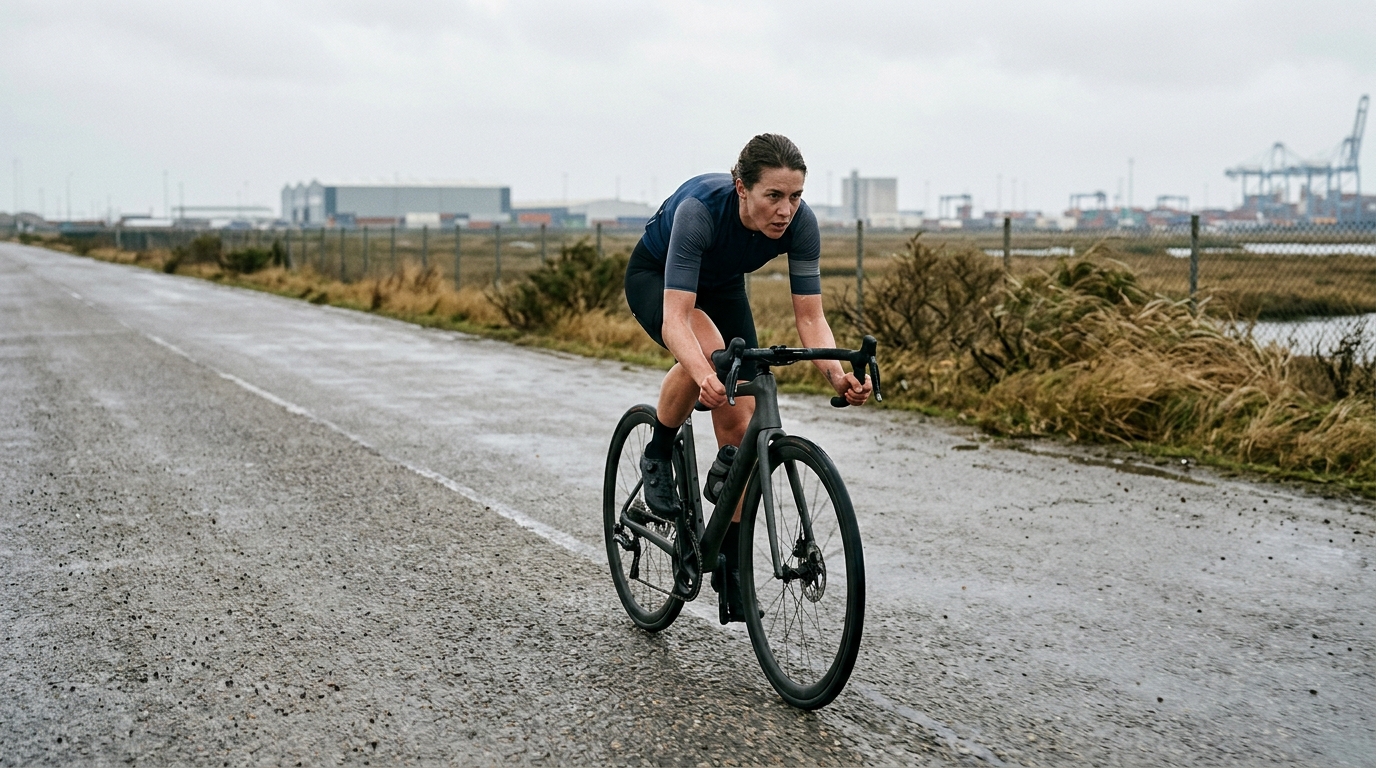
Critical Power Cycling: Test CP and Use W′ Smarter
Critical power cycling helps you test reliably, understand W′, and make better pacing decisions in intervals, climbs, and variable races.
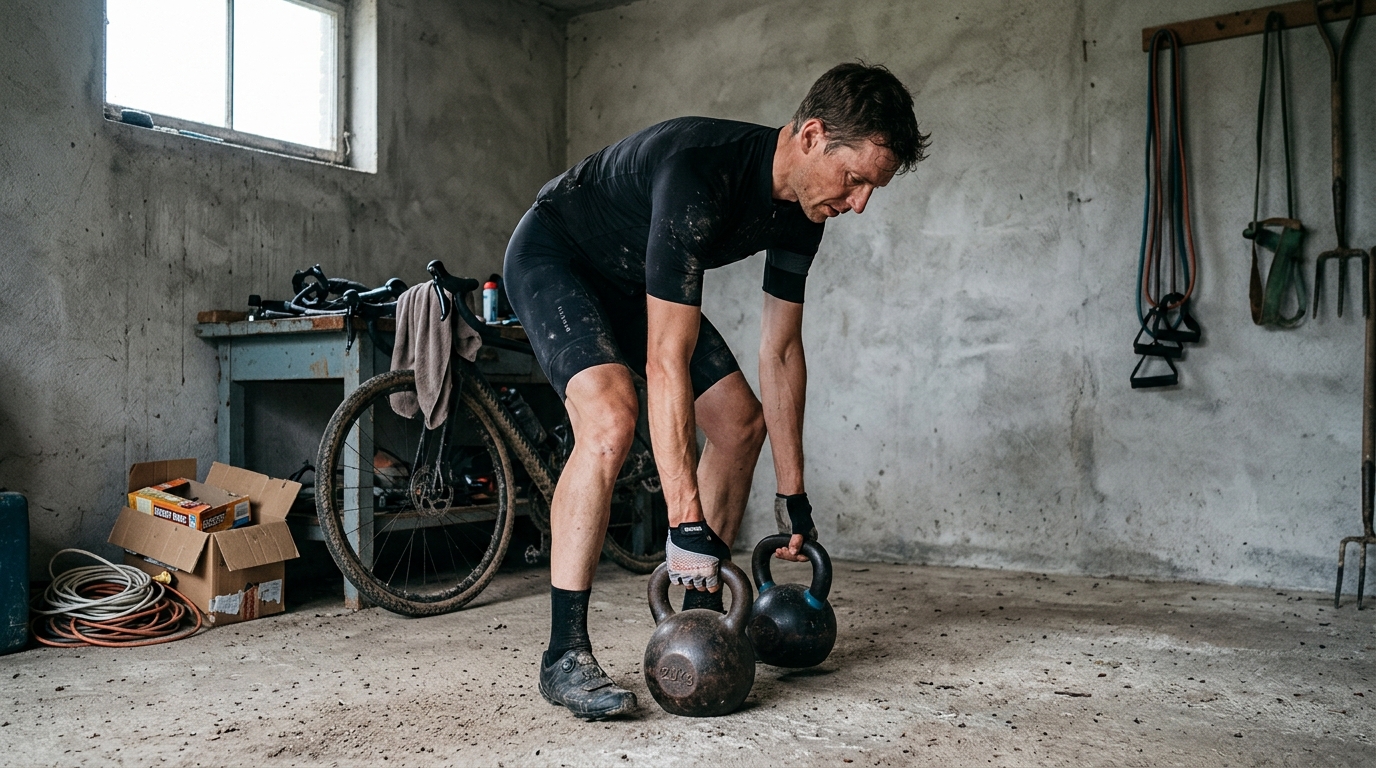
Strength Training for Cyclists Without Dead Legs
How to lift, schedule, progress, and adjust strength work so it supports key rides instead of leaving you flat.

Cycling Interval Progression Without Overreaching
How to progress cycling intervals with clearer workout examples, simple decision rules and better control of fatigue.

Cycling Crash Analysis: Learn From Ride Data Safely
A practical guide to using ride data after a crash without overreading GPS, sensors, or Garmin incident alerts.

Cycling Tire Pressure: Find Your Fastest Safe PSI
Cycling tire pressure is not a set-and-forget number. Learn how to tune road, gravel, and tubeless pressure with repeatable field testing.

Cycling Recovery Ride: How Easy Is Easy Enough?
A cycling recovery ride should leave you fresher, not fitter. Use power, heart rate, RPE and duration guardrails to keep easy days easy.
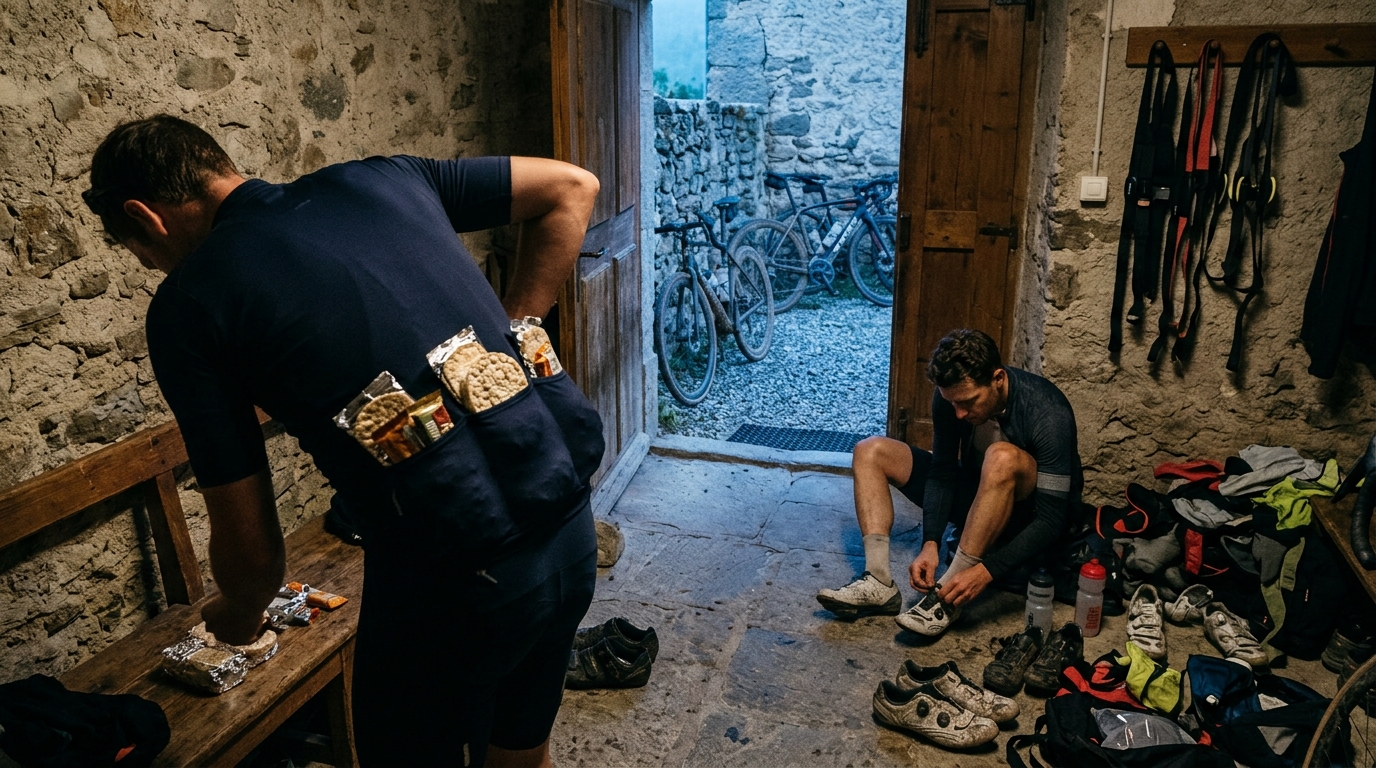
Cycling Training Camp: Build Fitness Without Overreaching
How to plan a cycling training camp that builds fitness without tipping into fatigue, illness, or a failed recovery week.

Gravel Cycling Power: How to Read Effort Beyond Speed
Learn how to analyze gravel cycling power, review mixed terrain ride files, and build repeatable benchmarks for smarter pacing.
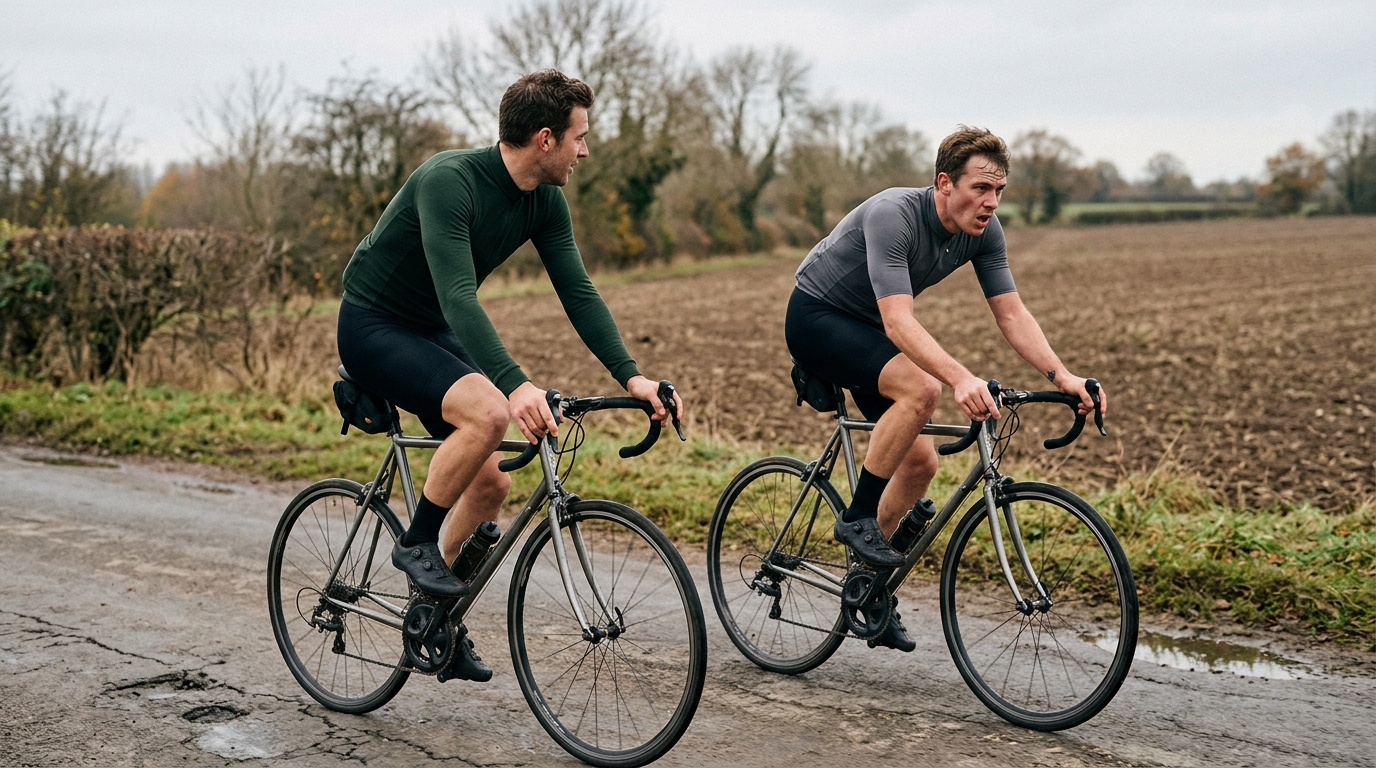
Cycling Heart Rate Zones: Set and Audit Them With Data
Set cycling heart rate zones from threshold, then audit them with steady ride files, drift patterns and practical app setup rules.