Sliku je generisao naš model.
sprint trening
Snaga biciklističkog sprinta: Trenirajte svoj udarac podacima o vožnji
Koristite podatke o vožnji za testiranje, treniranje i praćenje snage biciklističkog sprinta kako bi vaš udarac postao brži, ponovljiviji i bolje tempiran.
Šta zapravo meri sprint snaga
Snaga biciklističkog sprinta nije samo broj sujete na vrhu vaše krive snage. To je snimak toga koliko dobro vaš neuromišićni sistem može da regrutuje mišiće, primeni silu kroz pedale i održi tu silu povezanom dok se kadenca povećava pod pritiskom trke.
Zato se sprint razlikuje od obične teške vožnje. Snažan vozač na pragu može proizvesti mnogo aerobne snage, ali sprint postavlja drugačije pitanje: možete li brzo generisati silu, izabrati pravu brzinu, zadržati poziciju i isporučiti taj napor u tačnom trenutku kada se put ili trka otvore?
Vršna snaga u biciklizmu je najviša vrednost koju vaš merač snage zabeleži tokom sprinta. To je važno, ali korisnije pitanje je da li se taj vrh pretvara u brzinu. Ogroman broj iz sporog, preopterećenog gaženja na mirnom putu nije isto što i brzo, čisto ubrzanje iz krivine, preko vrha uspona ili u završnu ravninu.
Ovde 5-sekundna snaga u biciklizmu postaje korisna. Ona dovoljno izglađuje sirovi skok da pokaže da li proizvodite pravi sprint, a ne jedan izuzetan okret pedale. Ako je vaša vršna snaga visoka, ali se vaš kratkotrajni prosek brzo smanjuje, možda imate dobar skok, ali loš nastavak. Ako se oba poboljšavaju, vaš udarac postaje relevantniji za trku.
Sprint snaga je takođe povezana sa ostatkom vaše kondicije. Vozač sa jačom aerobnom bazom može stići na sprint manje iscrpljen, što znači da je više njihove vrhunske snage još uvek dostupno. Korisna analiza upoređuje sprint brojeve u kontekstu: sveži, umorni, sedeći, stojeći, nakon uspona, nakon teških povlačenja i nakon ponovljenih ubrzanja.
Kako bezbedno i dosledno testirati svoj sprint
Korisni sprint test mora biti ponovljiv. Ako se svaki test dešava na drugom putu, u različitom vetru, sa različitim brzinama i različitim umorom, fajl postaje šum. Cilj nije stvoriti laboratorijsku vožnju. Cilj je ukloniti dovoljno varijabli da trend nešto znači.
Izaberite put koji je ravan, predvidiv, sa malo saobraćaja i bez raskrsnica. Ne testirajte sprintove u grupi, u gradu, na mokrim putevima ili bilo gde gde napor sa spuštenom glavom dovodi druge ljude u opasnost. Sprint test bi trebalo da se oseća kontrolisano pre nego što se oseti maksimalno.
Koristite istu osnovnu postavku svaki put:
- Sličan bicikl i oprema
- Isti merač snage kada je moguće
- Ista vrsta površine puta
- Slična brzina prilaza
- Slična početna brzina
- Jasno razdvajanje između pokušaja sprinta
- Zagrejano telo, a ne hladne noge
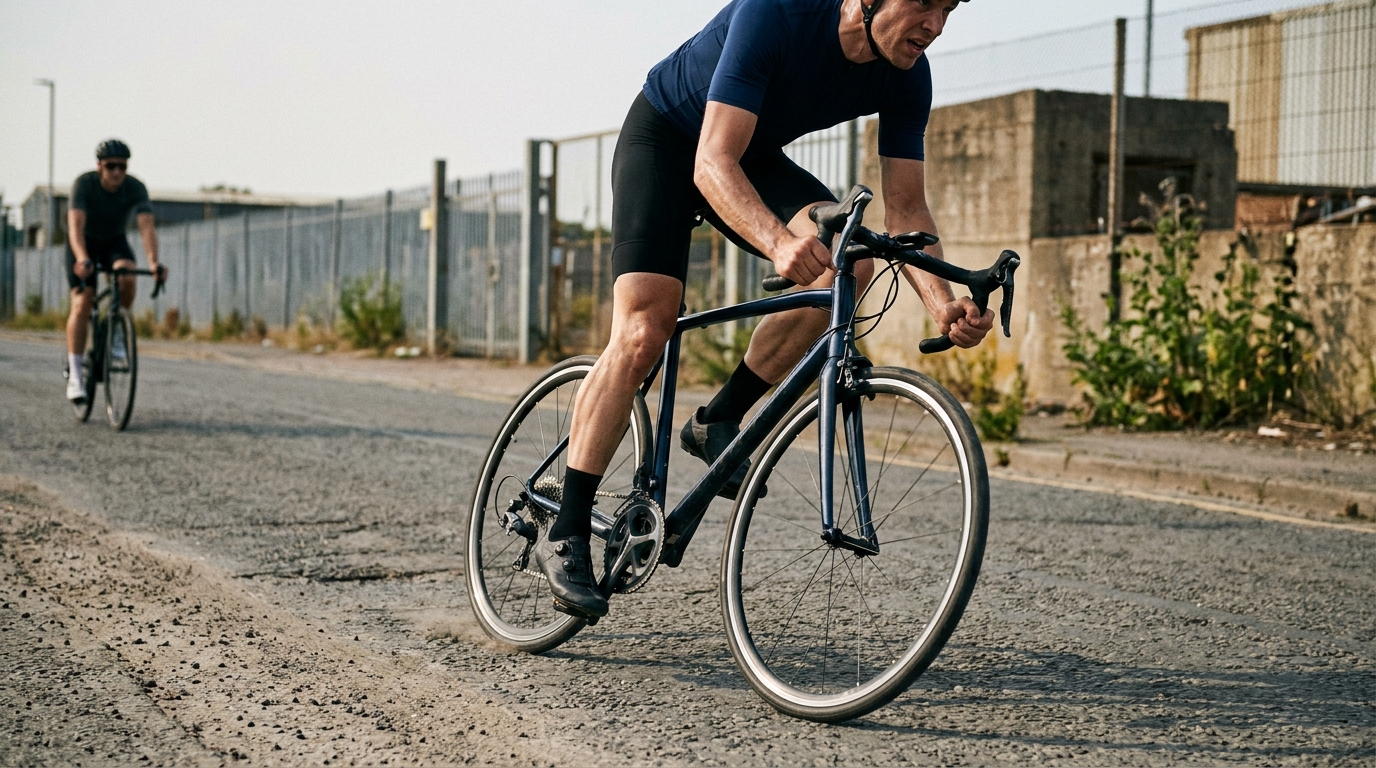
Metoda starta je važna. Rolling sprint je obično relevantniji za drumsku vožnju od skoro stacionarnog starta jer se većina ubrzanja koja donose pobedu u trci dešava iz brzine. Počnite sa kontrolisanim pritiskom, smestite se u poziciju, a zatim odlučno ubrzajte bez preteranog bacanja bicikla tako da snaga postane neujednačena.
Ne jurite broj na glavnoj jedinici tokom napora. Dobro sprintanje zahteva tajming, ravnotežu i posvećenost. Pregledajte fajl posle. Ako buljite u ekran, često ćete odložiti ubrzanje, loše menjati brzine ili sesti prerano.
Za čiste podatke, označite sprint dugmetom za krug ili napravite belešku odmah nakon vožnje. Kasnije, zajedno pregledajte trag snage, kadencu i brzinu. Snažan sprint fajl obično pokazuje odlučan porast snage, kadenca nastavlja da se povećava, a brzina raste bez dugog zastoja. Ako snaga skoči, ali kadenca padne, brzina je verovatno bila preteška. Ako se kadenca zavrti pre nego što brzina poraste, brzina je verovatno bila previše lagana ili je promena došla prekasno.
Vršna snaga vs ponovljivost: Šta je vama važno?
Odgovor zavisi od toga kako se trkate i gde gubite prilike.
Ako se takmičite u kratkim uzbrdicama, sprintovima na gradskoj liniji ili završnim ubrzanjima iz male grupe, vršna snaga je važna. Odlučujući potez može biti jedno, nasilno odvajanje. U tom slučaju, vozač koji može najjače skočiti i odmah se odvojiti ima stvarnu taktičku prednost.
Ako se trkate u kriterijumima, udarnim drumskim trkama, gravel događajima sa ponovljenim naletima ili grupnim vožnjama koje se stalno ponovo ubrzavaju, sposobnost ponovljenog sprinta je često važnija. Ne treba vam jedan savršen sprint. Treba vam sposobnost da sprintate, oporavite se dok još uvek vozite snažno, a zatim ponovo sprintate bez da vam snaga naglo opadne.
Ova razlika bi trebalo da oblikuje sprint trening za bicikliste. Vozač sa niskim vrhom treba neuromišićni rad: oštra ubrzanja, bolji izbor brzina, jača mehanika stajanja i potpuni oporavak između maksimalnih napora. Vozač sa jakim vrhom, ali lošom ponovljivošću, treba da reprodukuje snagu pod umorom. To znači sprintanje nakon dugotrajnog rada, nakon teških povlačenja ili kasno u vožnjama kada držanje i tajming počinju da se pogoršavaju.
Sveži maksimalni sprintovi grade plafon. Umorni sprintovi vas uče koliko je tog plafona upotrebljivo. Oba su važna, ali rešavaju različite probleme.
Ključni sprint treninzi za drumske bicikliste
Navedeni rasponi su početne tačke, a ne univerzalna pravila. Prilagodite ih svom uzrastu treniranja, zahtevima trke, dostupnim putevima i tome koliko čisto možete izvesti napore. Sprint rad funkcioniše samo kada je sprint i dalje koordinisan.
Sprintovi sa svežim ubrzanjem
Ovo su osnova. Vozite kontrolisanom brzinom, odaberite brzinu koja pruža otpor bez zaglavljivanja, a zatim ubrzajte što jače moguće, održavajući bicikl stabilnim.
Praktična početna sesija je 4 do 6 sprintova od 6 do 10 sekundi, sa 3 do 5 minuta vrlo lagane vožnje između napora. Postavite je rano u nedelji nakon dana odmora ili lakšeg dana, i uradite sprintove rano u vožnji nakon potpunog zagrevanja.
Zaustavite seriju kada vaša najbolja snaga jasno opadne, vaša kadenca više ne raste glatko, ili vaša forma postane neuredna. Ako je najbolji sprint uvek prvi i svaki sledeći napor je jasno lošiji, trenirali ste ciljni sistem za taj dan.
Koristite ove kada je vaš cilj vrhunska snaga u biciklizmu, bolji trzaj i čistija mehanika.
Sprintovi sa skokom iz sedišta
Sprintovi iz sedišta pokazuju koliko dobro možete da stvorite obrtni moment bez oslanjanja na telesnu težinu i bacanje bicikla. Posebno su relevantni za ubrzanja na valovitom terenu, iz krivina, ili u situacijama gde bi stajanje koštalo trakcije ili kontrole.
Počnite sa 4 do 6 sprintova iz sedišta od 6 do 8 sekundi, sa 3 do 4 minuta lagane vožnje između napora. Stavite ih na dan izdržljivosti fokusiran na veštine ili pre dužeg aerobnog rada, ne na kraju vožnje kada je stabilnost vašeg trupa već loša.
Držite gornji deo tela mirnim, učvrstite trup i gurajte pedale bez ljuljanja preko sedišta. Zaustavite se ako ne možete da održite bicikl stabilnim ili ako počnete da poskakujete umesto da primenjujete pritisak. Ako snaga raste glatko, ali brzina sporo prati, sledeći put isprobajte nešto lakšu brzinu. Ako kadenca naglo raste, ali snaga je ravna, isprobajte nešto težu brzinu.
Sprintovi sa startom iz stajanja
Sprintovi iz stajanja treniraju klasičan drumski udarac: ruke sigurne, kukovi napred, bicikl se kreće ispod vas, pritisak se primenjuje kroz ceo okret pedale. Ključ nije nasilje samo po sebi. Najbrži vozači izgledaju snažno, ali koordinisano.
Dobra početna sesija je 3 do 5 sprintova iz stajanja od 6 do 10 sekundi, sa 4 do 6 minuta lagane vožnje između napora. Postavite ih na svež dan, idealno pre velikog obima izdržljivosti ili pre težih aerobnih intervala. Ne zakopavajte ih nakon maksimalnog treninga penjanja i očekujte korisne podatke.
Uobičajeni potpis podataka lošeg sprinta iz stajanja je impresivan početni skok praćen trenutnim padom. To obično znači da je vozač sve bacio u prve udarce, izgubio ritam, a zatim morao da se oporavi unutar sprinta. Zaustavite seriju ako start postane trzav, ako vaša linija skrene, ili ako trag snage postane skok praćen kolapsom.
Sprintovi u stanju umora
Ovo je mesto gde sprint trening postaje specifičan za trke. Nakon bloka stabilnog ili varijabilnog rada, dodajte maksimalna ubrzanja dok već nosite umor. Brojevi će biti niži nego kod svežih napora, i to je poenta.
Počnite sa 3 do 5 sprintova od 8 do 12 sekundi nakon značajne vožnje izdržljivosti, tempo vožnje ili ponovljenih valovitih napora. Koristite 4 do 6 minuta lagane vožnje između sprintova tako da svaki bude tehnički koristan. Postavite ovu sesiju na dan kada je cilj kondicioniranje specifično za trke, a ne čista vrhunska snaga.
Uporedite oblik sprinta, a ne samo najbolju vrednost. Da li odlažete skok? Da li kadenca rano dostiže vrhunac? Da li sedate ranije? Da li se oseća neravnoteža levo-desno? Umor se često prvo manifestuje kao gubitak tajminga, a zatim kao gubitak snage.
Zaustavite se kada sprint postane nesiguran, kada ne možete da zadržite poziciju, ili kada se napor pretvorio u teško guranje umesto ubrzanja.
Setovi ponovljenih sprintova
Za sposobnost ponovljenih sprintova, cilj je proizvesti visokokvalitetna ubrzanja sa nepotpunom svežinom, održavajući formu. Oporavak bi trebalo da bude dovoljno dug da svaki sprint bude smislen, ali ne toliko dug da trening postane kolekcija izolovanih testova.
Početni set je 2 runde od 4 do 6 sprintova. Držite svaki sprint oko 8 do 12 sekundi, oporavljajte se lagano 60 do 120 sekundi između sprintova, i uzmite 5 do 8 minuta lagane vožnje između rundi. Postavite ovu sesiju na teži dan treninga, ne dan pre ključne trke ili treninga gde je svežina važna.
Pratite da li snaga postepeno opada ili se naglo urušava. Postepeno slabljenje je očekivano kada sesija radi svoj posao. Iznenadni kolaps često znači da se trening prebacio sa sprint treninga na vožnju za preživljavanje. Zaustavite rundu kada se mehanika pokvari, kada ne možete čisto da ubrzate, ili kada snaga sprinta više nije dovoljno blizu da bi trenirala nameravani kvalitet.
Kadenca, prenos i pozicija: Pretvaranje vati u brzinu
Vati su važni samo ako ubrzavaju bicikl. Zato analiza sprinta uvek treba da uključuje kadencu, izbor prenosa, brzinu i poziciju.
Sprint koji počinje u prevelikom prenosu može proizvesti zadovoljavajući skok obrtnog momenta, ali ne uspeva da brzo ubrza. Osećate se snažno, datoteka snage izgleda dramatično, ali bicikl ne skače. U trci, to znači da neko sa nižim vrhom, ali boljim tajmingom, odlazi dok vi još uvek forsirate prenos.
Sprint koji počinje u premalom prenosu ima suprotan problem. Kadenca brzo raste, snaga opada jer otpor nestaje, i primorani ste da menjate brzinu pod maksimalnim opterećenjem. Ponekad to uspe. Često prekida ritam baš kada sprint treba da bude najefikasniji.
Najbolji prenos je onaj koji vam omogućava da odmah primenite silu i nastavite da ubrzavate kako kadenca raste. Vežbajte započinjanje sprinta iz različitih brzina prilaza i zabeležite koji prenos omogućava da snaga, kadenca i brzina rastu zajedno.
Pozicija je jednako važna. Ako stojite previše uspravno, hvatate više vazduha i odvajate se od prednjeg dela bicikla. Ako se previše spustite bez stabilnosti, gubite sposobnost da pokrećete silu. Snažna sprint pozicija je kompaktna, učvršćena i pokretna. Bicikl se može kretati, ali napor ne bi trebalo da izgleda razbacano.
Za više o tome kako se snaga odnosi na performanse izvan sprinta, pogledajte FTP i snaga-u-odnosu-na-težinu. Sprint nije isto što i trening praga, ali vaša sposobnost da stignete dovoljno sveži za sprint izgrađena je širim motorom.
Korišćenje podataka o vožnji za uočavanje umora i promašenog tajminga
Najkorisnija analiza sprinta često dolazi nakon običnih vožnji, a ne formalnih testova. Pogledajte trenutke kada ste sprintali za znak, zatvorili prazninu, izašli iz krivine ili odgovorili na nalet. Ovo su neuredni trenuci, ali pokazuju kako sprintate u stvarnom svetu.
Započnite pronalaženjem svojih najboljih sprint napora i zapitajte se šta im je prethodilo. Da li su bili rano u vožnji? Nakon laganog kotrljanja? Nakon teškog uspona? Nakon niza ubrzanja? Ista vršna snaga ima različito značenje u zavisnosti od cene plaćene pre nje.
Zatim potražite promašeni tajming. Odloženi sprint često pokazuje oklevanje pre nego što snaga poraste. Vidite kako se brzina oko vas povećava, a zatim vaša snaga stiže kasno. U trci, to oklevanje vas prisiljava da sprintate u prazninu koju je neko drugi već stvorio.
Takođe pratite kadencu. Ako kadenca naglo opadne u trenutku kada nameravate da ubrzate, verovatno ste izabrali preveliki prenos ili predugo čekali da prebacite. Ako kadenca raste, ali snaga ne prati, možda ste započeli sprint iz prelakog prenosa ili izgubili otpor dok se grupa ubrzavala.
Umor menja ceo potpis. Pod umorom, vozači često pokazuju nižu vršnu snagu, kraće efektivno trajanje sprinta, lošiju kontrolu kadence i raniji slom držanja. Datoteka vam neće reći sve, ali će vas uputiti ka ograničavajućem faktoru. Ako je snaga prisutna kada ste sveži, ali nestaje kasnije, ne treba vam samo više sprint treninga. Morate poboljšati otpornost na umor koja podržava sprint.
Metrike poput normalizovane snage mogu pomoći u određivanju koliko je vožnja bila teška pre sprinta, ali ne dozvolite da sumarne metrike zamene inspekciju. Ključno pitanje je jednostavno: šta je sprint koštao i u kakvom ste stanju bili kada ste pokušali da ga iskoristite?
Šablon za pregled sprinta koji možete kopirati
Nakon vožnji sa sprint treningom, zabeležite sprint u istom formatu. Poenta nije da se stvori više administracije. Poenta je da se sledeća sesija učini očiglednom.
- Datum:
- Tip sprinta: sveže ubrzanje, skok iz sedišta, start iz stajanja, stanje umora, ponovljeni sprint, trka ili grupna vožnja
- Ocena svežine: niska, srednja, visoka
- Najbolja vršna snaga:
- Najbolja 5-sekundna snaga:
- Kadenca pri startu:
- Maksimalna kadenca:
- Brzina prilaza:
- Teren: ravan, valovit, uzbrdo, nizbrdo, izlaz iz krivine, uspon, završni pravac
- Napomena o vetru: čeoni vetar, bočni vetar, unakrsni vetar, zaklonjeno, izloženo, nepoznato
- Taktička napomena: izbor prenosa, tajming, pozicija, oklevanje, kvalitet menjanja brzina, razlog za početak sprinta
Koristite isti šablon za dobre i loše sprintove. Loše datoteke su često korisnije jer pokazuju odluku koja je prekinula sprint pre nego što je to učinio broj snage.
Pravila odlučivanja iz vaših sprint podataka
Podaci bi trebalo da promene ono što radite sledeće. Ako samo potvrđuju da je jedan broj porastao ili opao, ne rade dovoljno.
Koristite ova pravila kao početnu tačku:
- Ako kadenca opadne pri startu, testirajte jedan lakši prenos sledeće sesije i započnite ubrzanje nešto ranije.
- Ako kadenca skoči, ali snaga ostaje ravna, testirajte jedan teži prenos ili odložite konačno menjanje brzina tako da se ne vrtite u prazno pre nego što se bicikl ubrza.
- Ako je vršna snaga visoka, ali 5-sekundna snaga naglo opada, dajte prioritet radu na kontinuitetu: nešto duži sprintovi, čistiji ritam stajanja i napori gde nastavljate da vozite nakon prvog skoka.
- Ako je snaga svežeg sprinta solidna, ali snaga sprinta u kasnoj vožnji dosledno opada, dajte prioritet sprintovima u stanju umora i aerobnoj izdržljivosti. Ograničavajući faktor nije samo vaš udarac. To je koliko udarca preživi vožnju.
- Ako se snaga ponovljenog sprinta naglo sruši umesto da postepeno opada, produžite oporavak ili smanjite broj ponavljanja dok svaki sprint ne bude tehnički oštar.
- Ako brzina ne raste uprkos visokoj snazi, pregledajte izbor prenosa, položaj tela, vetar i teren. Problem može biti konverzija, a ne proizvodnja sile.
- Ako sprint počinje kasno u grupnim vožnjama, vežbajte taktičke okidače: menjanje brzina pre nego što se put otvori, startovanje pre nego što se praznina potpuno formira i držanje pozicije pre nego što ubrzanje počne.
Ovde sprint podaci postaju praktični. Ne sakupljate samo vršne vrednosti. Usklađujete stimulans treninga sa ograničavajućim faktorom koji vam datoteka stalno pokazuje.
Kako pratiti napredak sprinta tokom sezone
Napredak sprinta nije linearan. Menja se sa svežinom, opterećenjem treninga, terenom, vremenom, samopouzdanjem i kontekstom trke. Zato vam je potrebna metoda praćenja koja razdvaja signal od šuma.
Grupišite podatke o sprintu prema situaciji:
- Svež maksimalni sprint
- Sprint nakon rada na izdržljivosti
- Sprint nakon ponovljenih naleta
- Sedeće ubrzanje
- Stojeće lansiranje
- Sprint u trci ili grupnoj vožnji
Ovo sprečava pogrešne zaključke. Ako je vaš svež sprint ravan, ali se vaš umorni sprint poboljšava, vaš vrhunac se možda ne menja, ali je vaša upotrebljivost u trci bolja. Ako vaš vrhunac raste, ali vaš sprint pri kraju vožnje opada, vaš plafon je bolji, ali vaša sposobnost ponovljenog sprinta možda zaostaje.
Pregledajte trend kroz faze treninga umesto da reagujete na svaki fajl. Jedan sjajan sprint može doći od vetra u leđa, savršene opreme i svežih nogu. Jedan loš sprint može doći od umora ili lošeg tajminga. Ono što je važno je da li su vaši najbolji napori lakše dostupni, da li se vaša kratka snaga održava kasnije u vožnjama i da li pravite manje taktičkih grešaka pre nego što sprint počne.
Krajnji cilj nije samo veći broj. To je sprint kojem možete verovati. Želite sposobnost da čitate put, izaberete brzinu, lansirate bez oklevanja i nastavite da vozite dovoljno dugo da ubrzanje bude važno.
To je prava vrednost podataka o vožnji. Pretvara snagu biciklističkog sprinta iz nasumičnog vrhunca na krivulji snage u veštinu koja se može trenirati: maksimalna snaga kada ste sveži, ponovljivost kada ste umorni i tajming kada trka to zahteva.