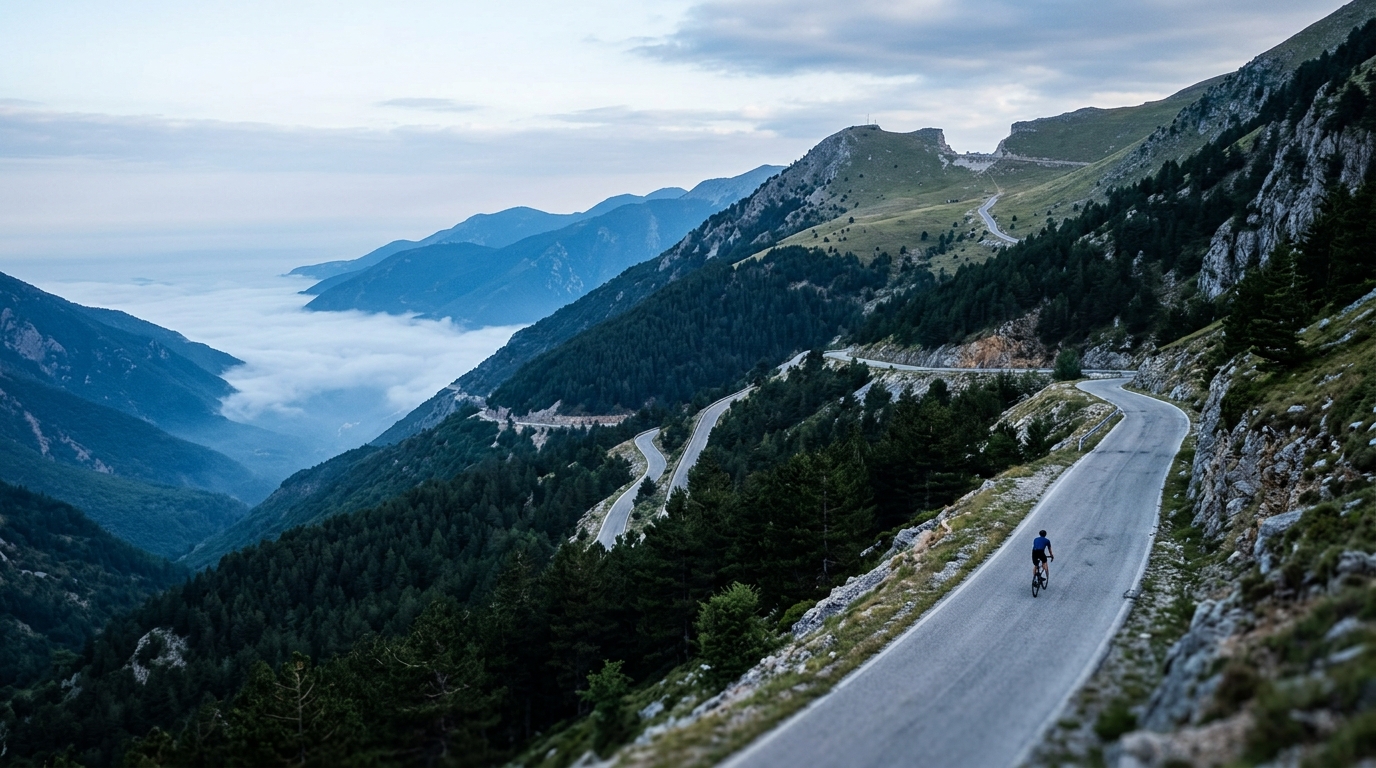
Anstiegs-Bibliothek · Albanien
Cycling climbs in Albania
Albania is a rising star for cyclists chasing quiet roads and untamed mountain scenery. The country's catalogue holds five climbs, each carving upward through rugged terrain that feels a world away from the crowded passes elsewhere in Europe. None of them tips into hors catégorie territory, and the highest summit crests at 1,594 metres — challenging enough to test your legs, yet approachable for riders building toward bigger goals. The reward is a landscape of empty switchbacks, sweeping horizons and roads you may well have entirely to yourself.
The marquee ascents give the region its character. The Llogara Pass is the headline draw, while Qafa e Prushit, Vratsa Pass, Fusha Pass and Bualli Pass round out a compact but varied selection. Together they make Albania a destination for adventurous riders who prize solitude and discovery over famous names — a place where every climb still feels like a find worth earning.
Die berühmtesten Anstiege von Albanien
Alle Anstiege in Albanien
18 Anstiege
- Llogara PassKat. 1AL · 15.3 km · 6.8% · 1009 m713Pkt.
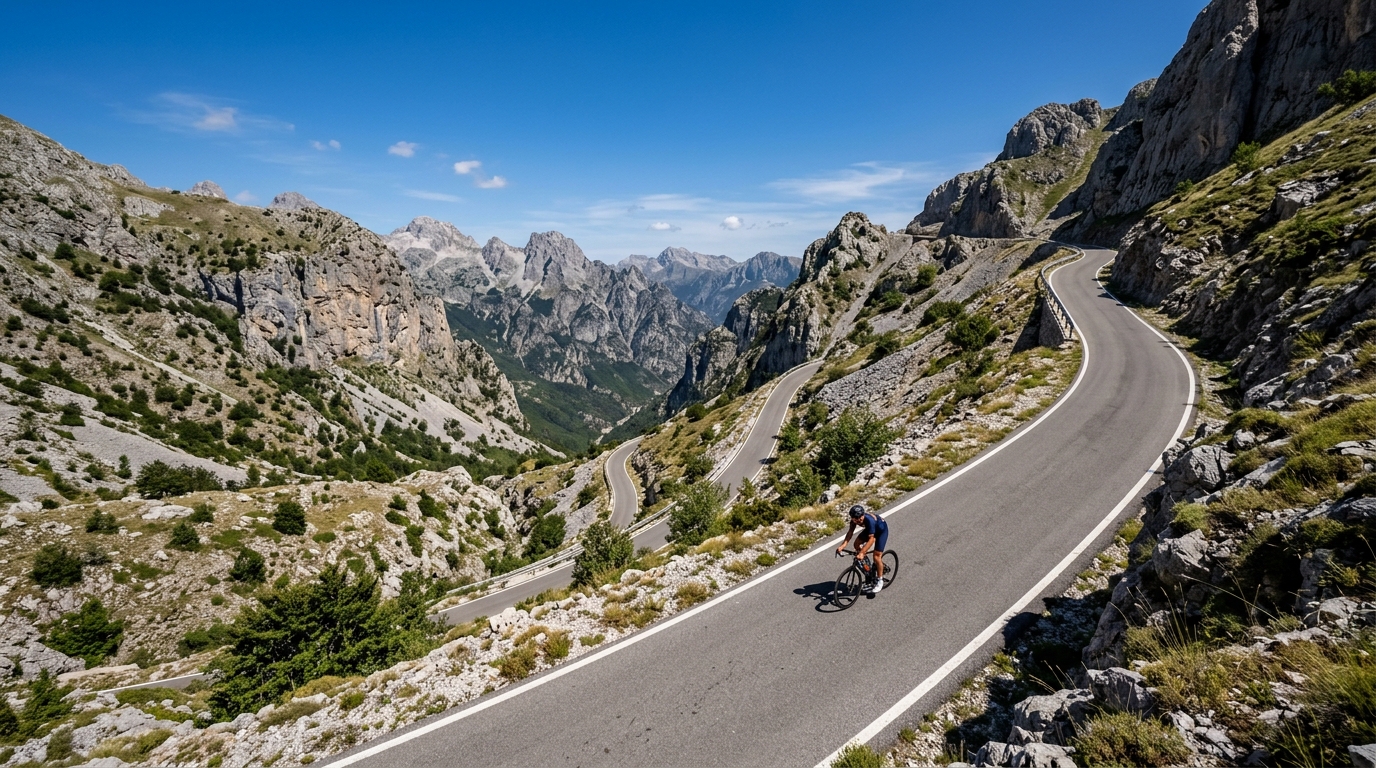 Qafa e ValbonesHCAL · 12.3 km · 10.6% · 1250 m1378Pkt.
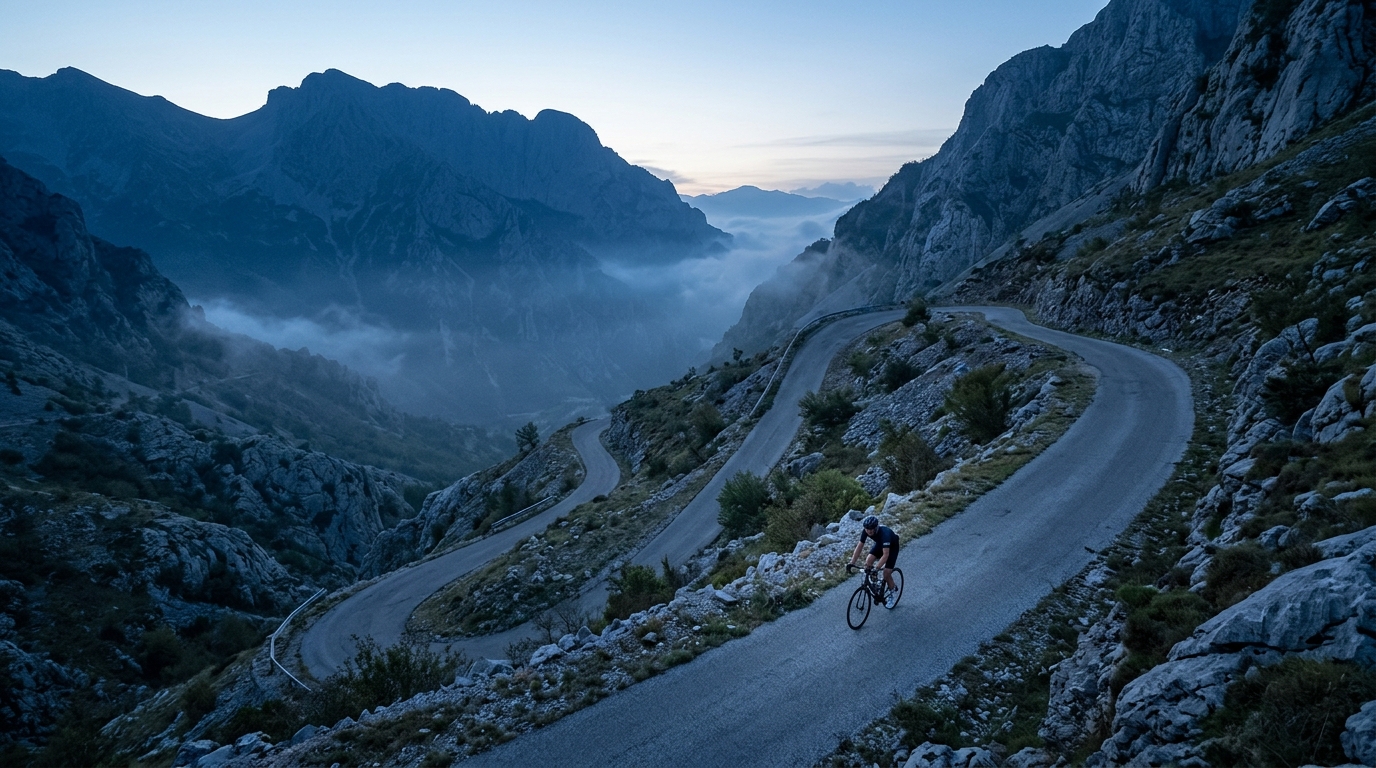 Qafa e PejesHCAL · 5.0 km · 17.3% · 819 m1484Pkt.
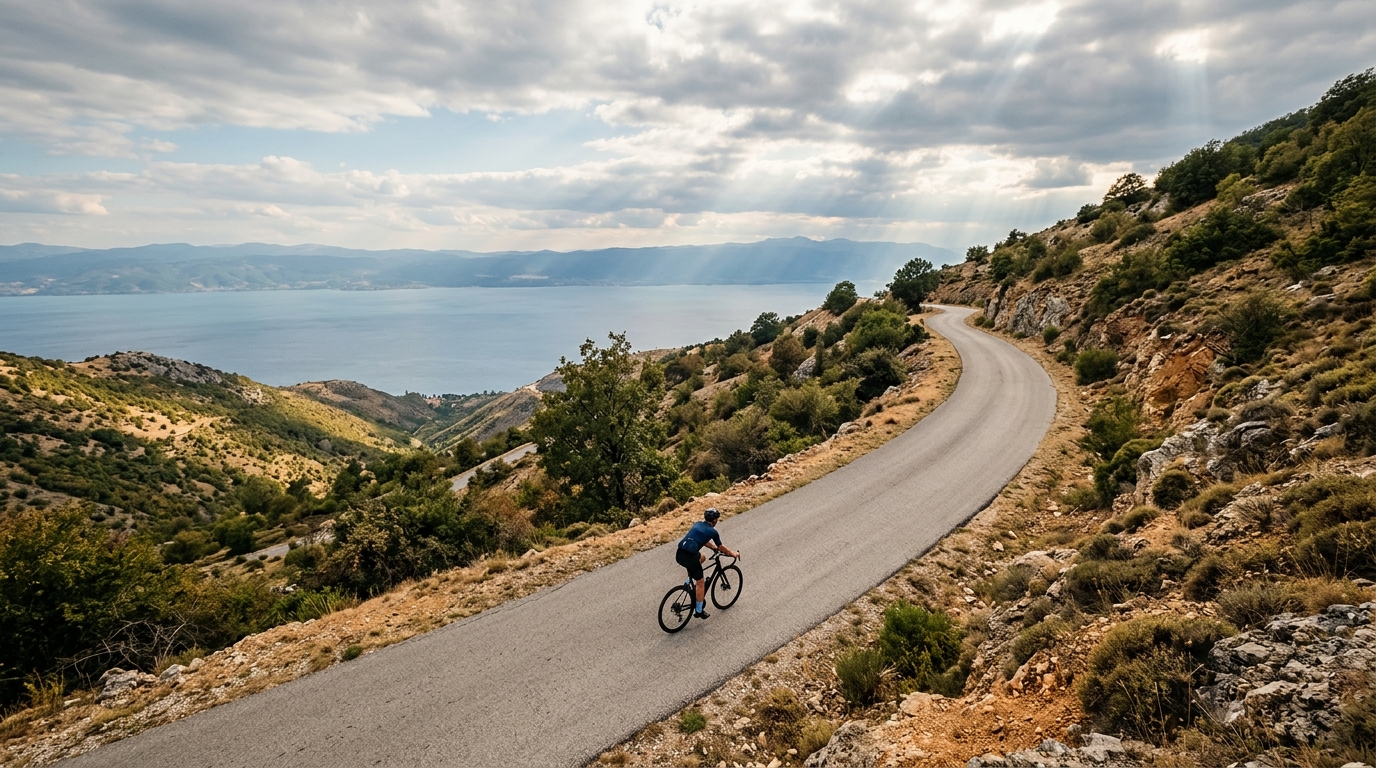 Qafë ThanëKat. 2AL · 1.2 km · 15.3% · 116 m281Pkt.
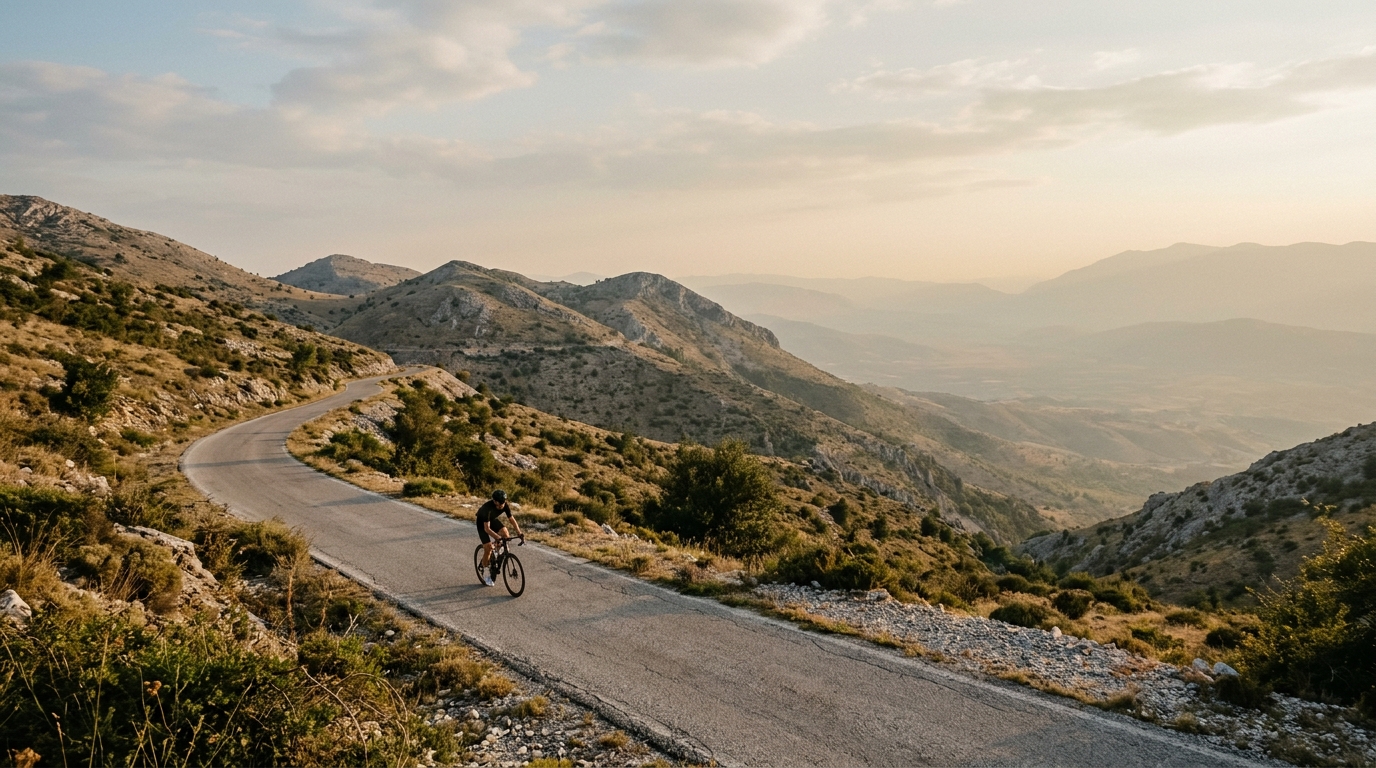 Qafa e PrushitKat. 3AL · 7.9 km · 4.7% · 350 m171Pkt.
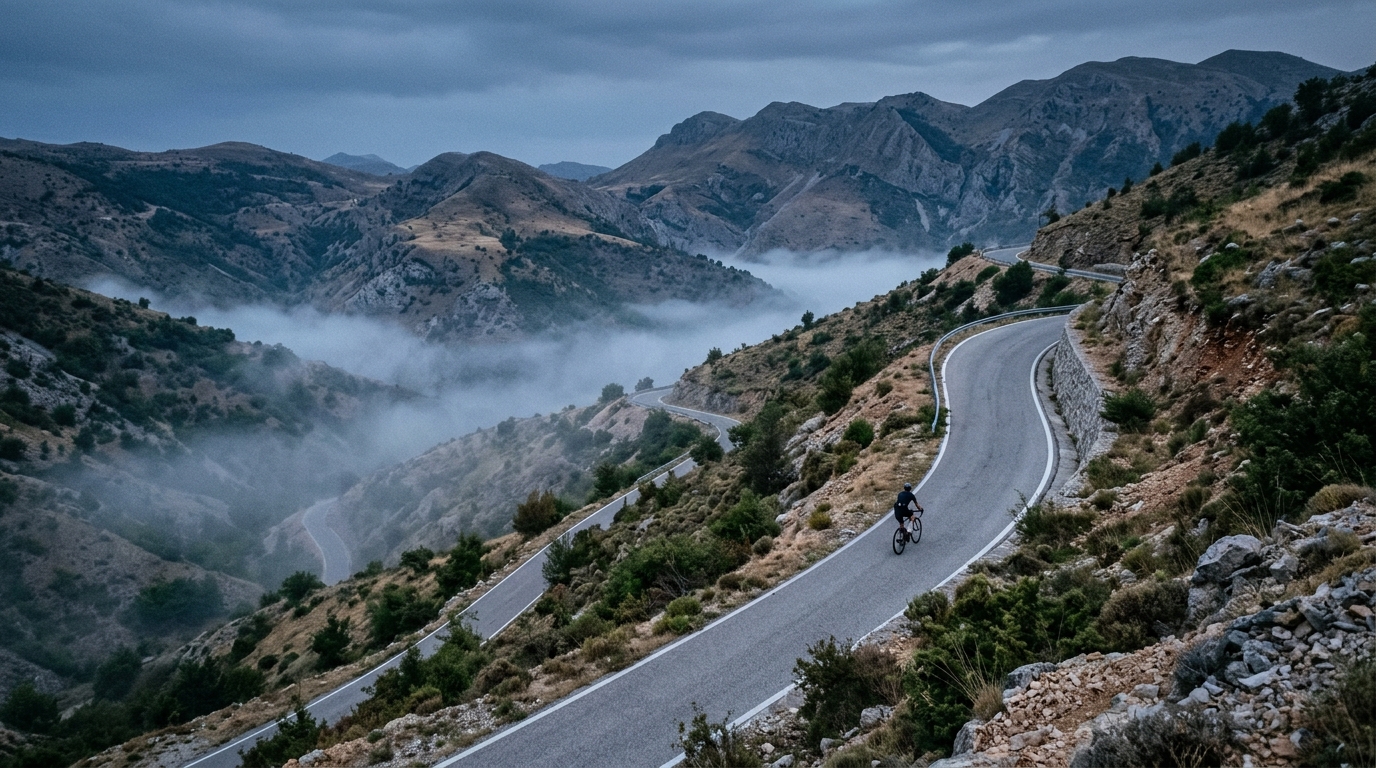 Bualli PassKat. 2AL · 6.2 km · 6.2% · 332 m234Pkt.
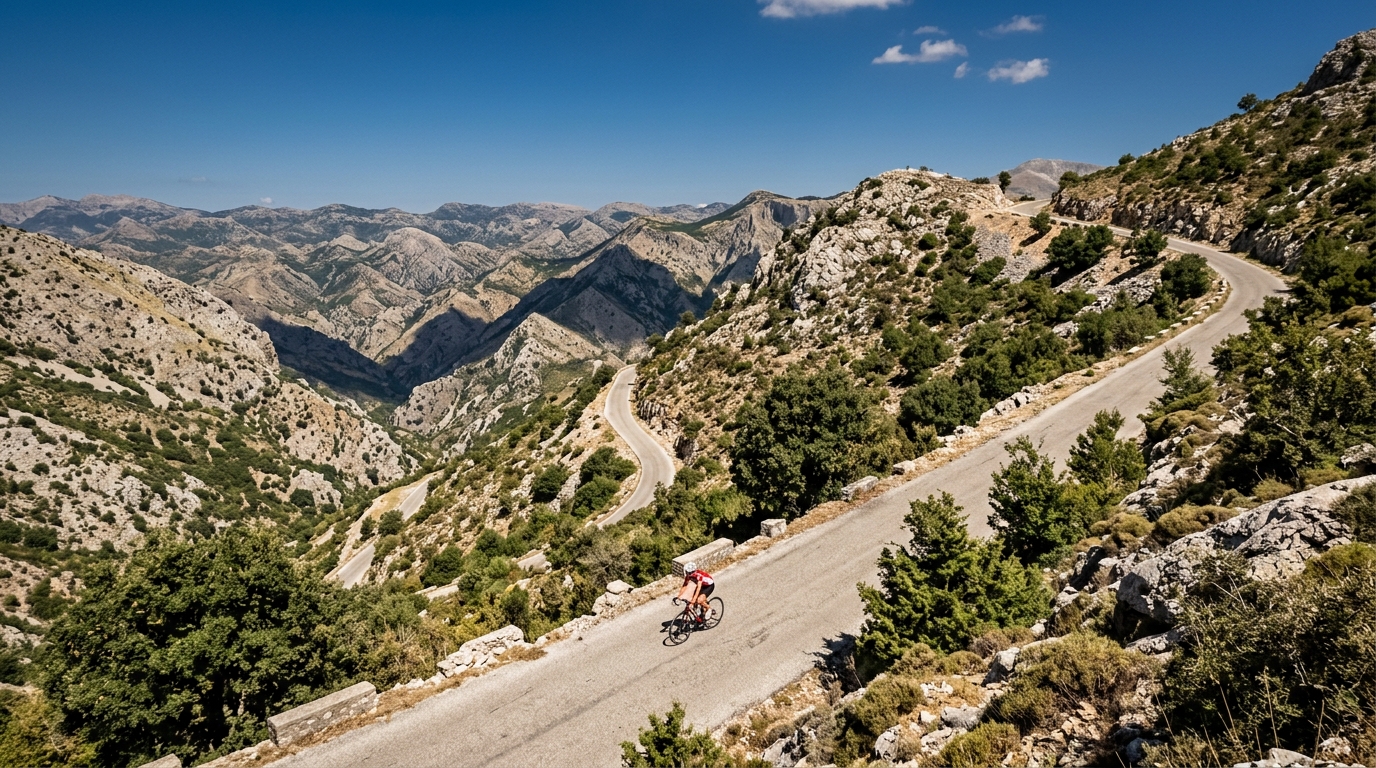 Qafa e ShtamesKat. 2AL · 16.0 km · 4.5% · 748 m321Pkt.
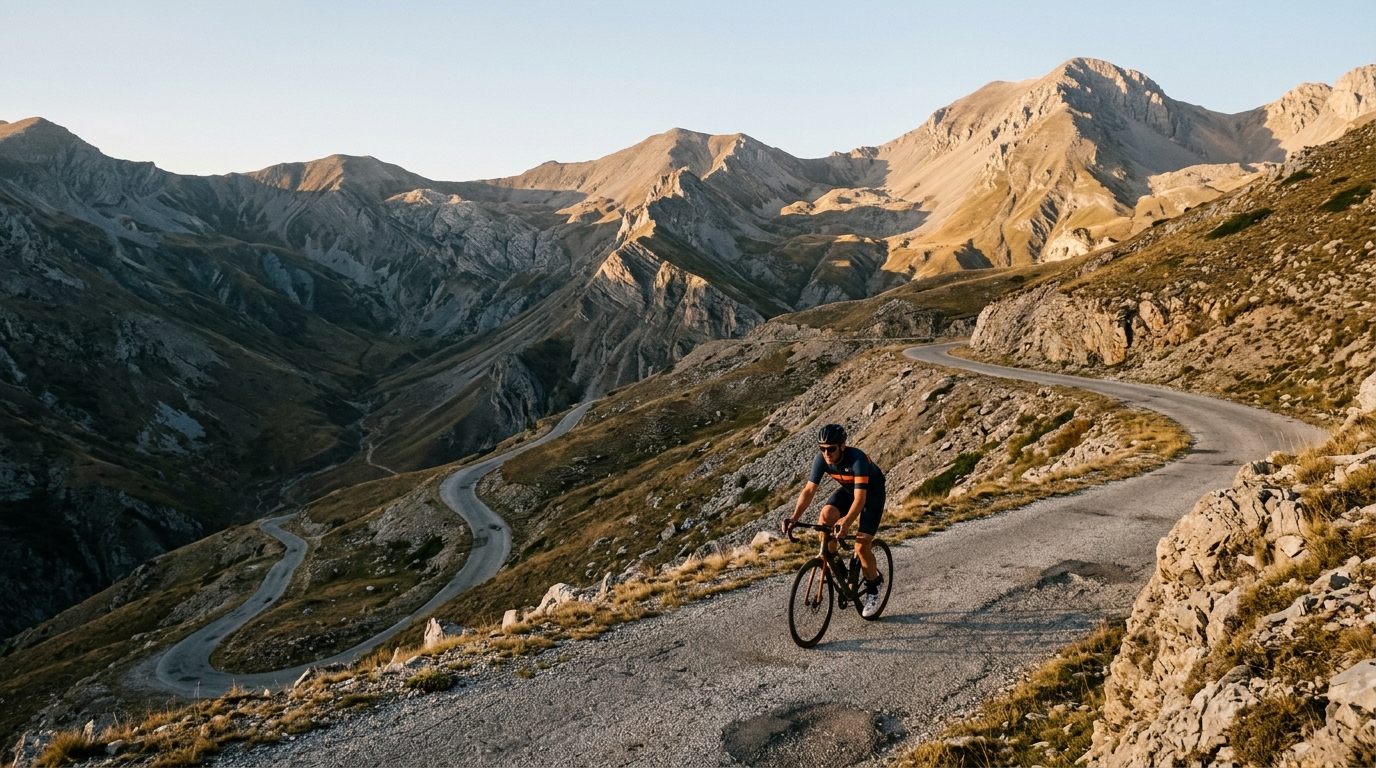 Little Korab GateHCAL · 19.7 km · 8.6% · 1886 m1453Pkt.
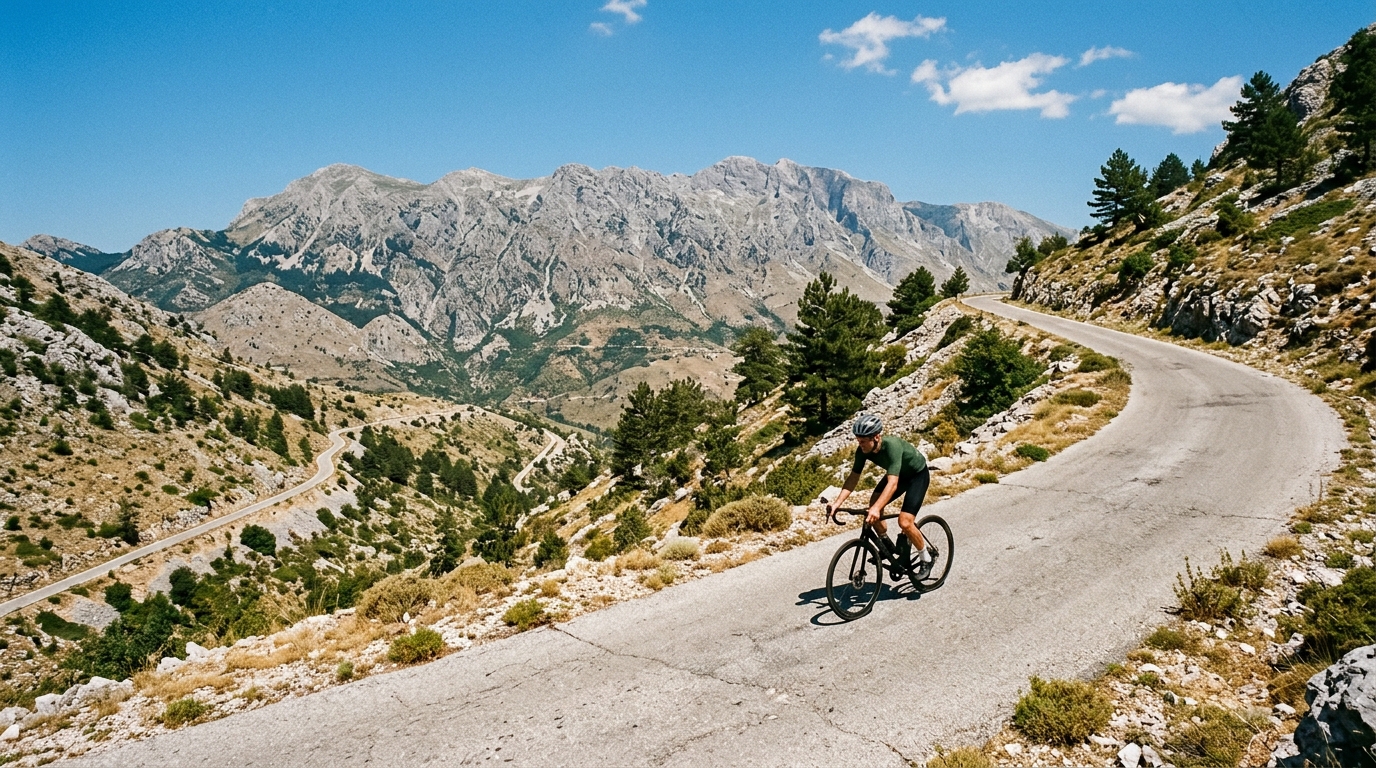 Ćafa VranicaKat. 1AL · 25.5 km · 5.2% · 1330 m701Pkt.
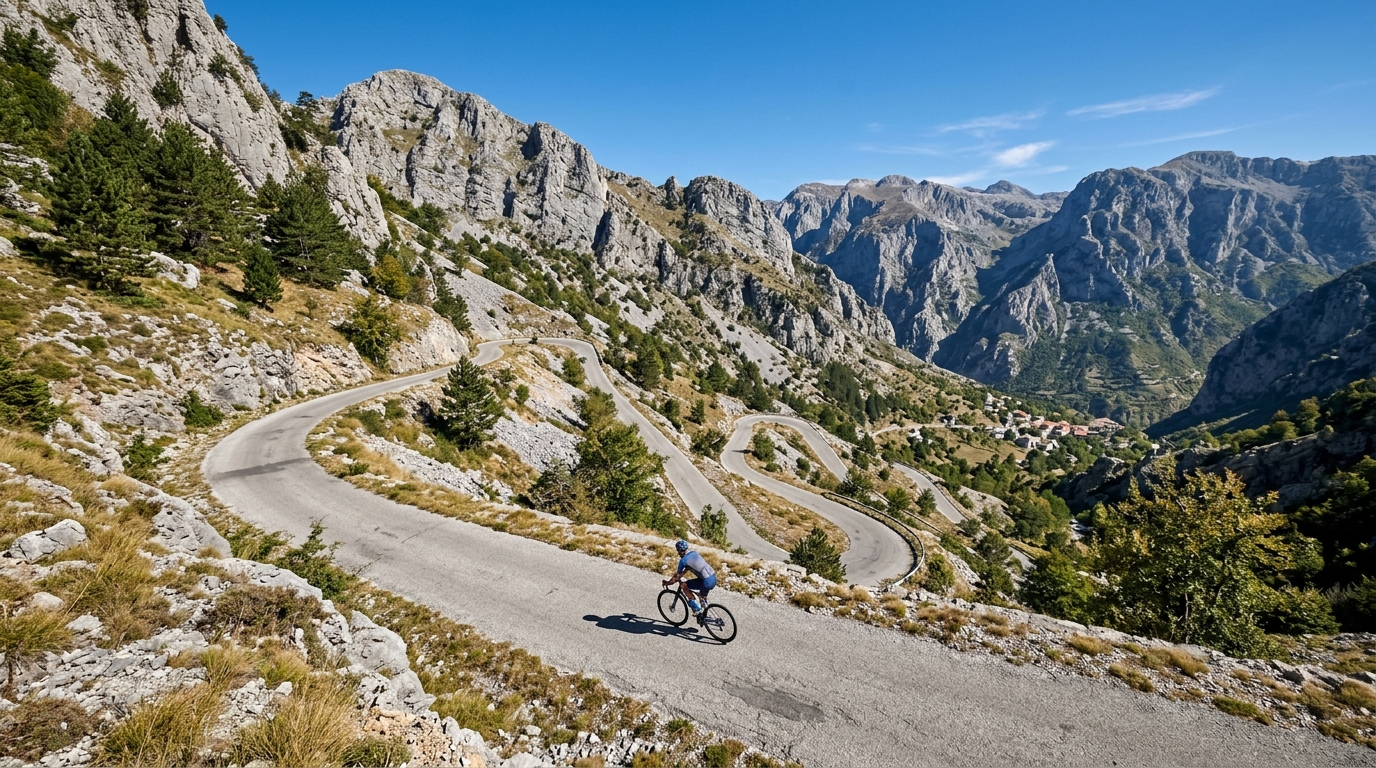 Qafa e BordolecitKat. 1AL · 18.5 km · 5.4% · 970 m531Pkt.
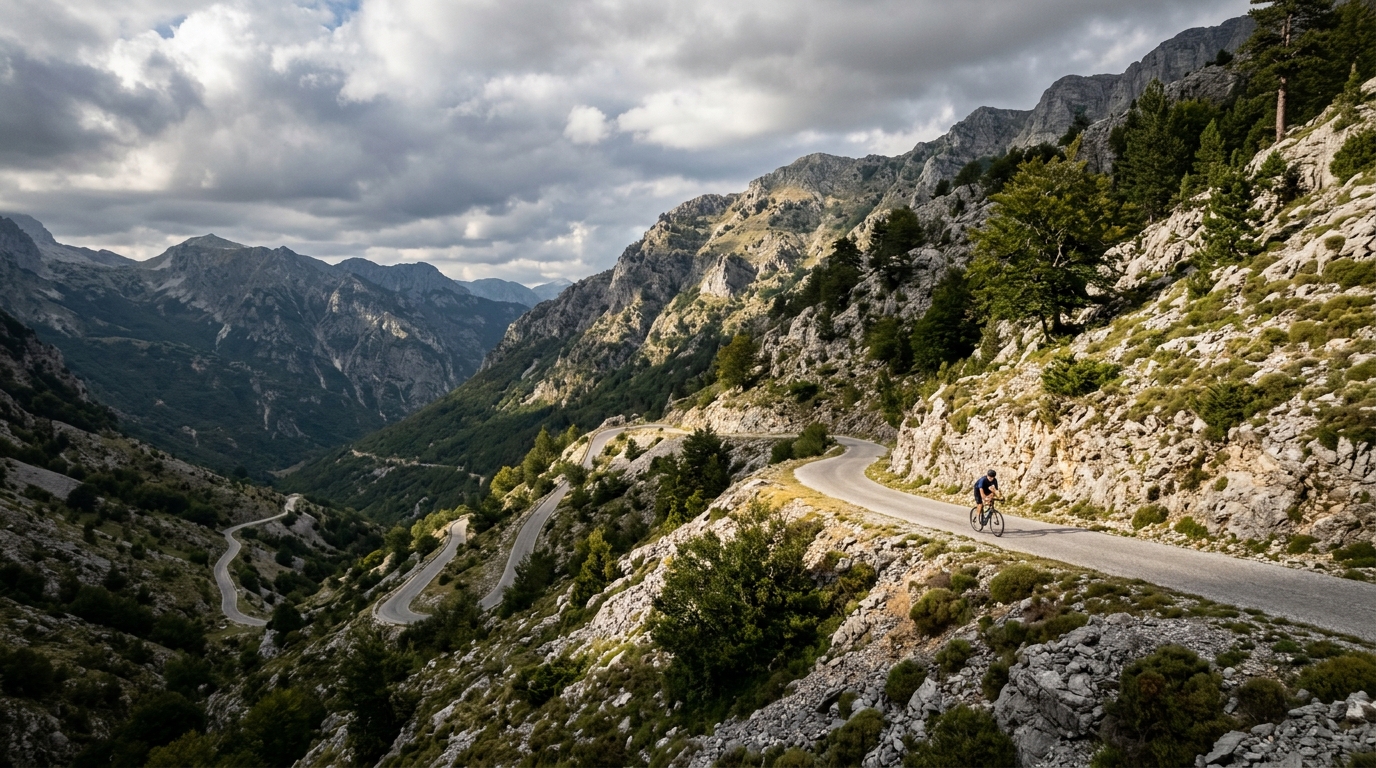 Thore passKat. 1AL · 40.6 km · 4.0% · 1588 m637Pkt.
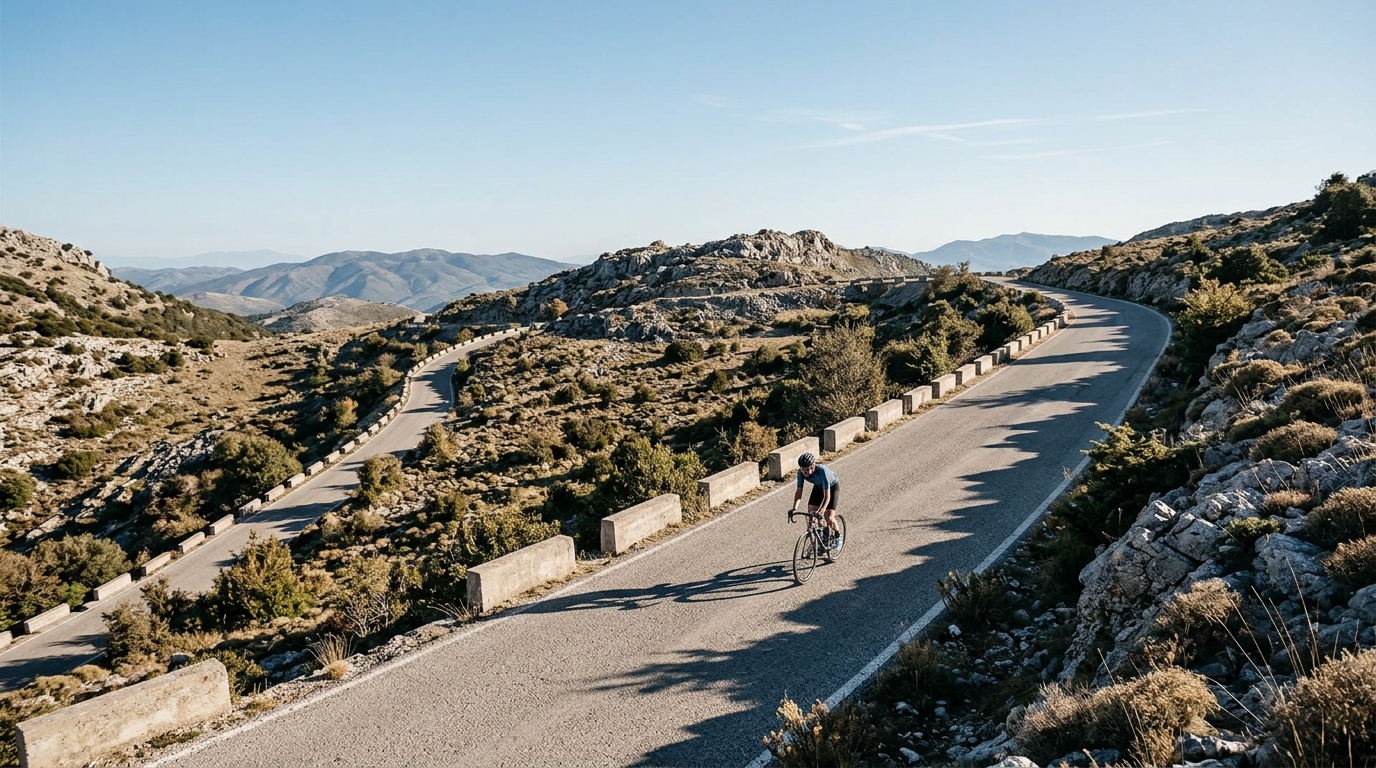 Fusha PassKat. 1AL · 7.2 km · 9.1% · 629 m598Pkt.
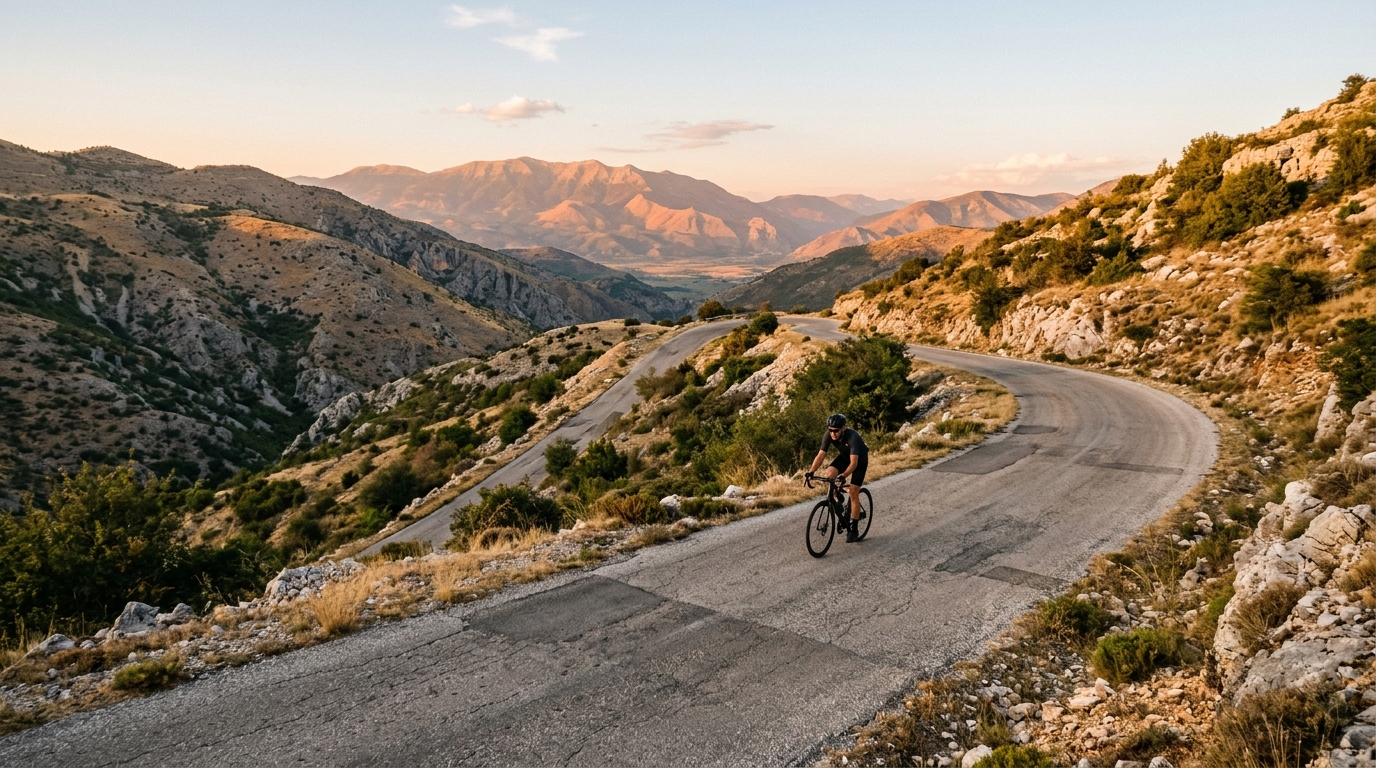 Muzina PassKat. 3AL · 2.0 km · 8.1% · 125 m130Pkt.
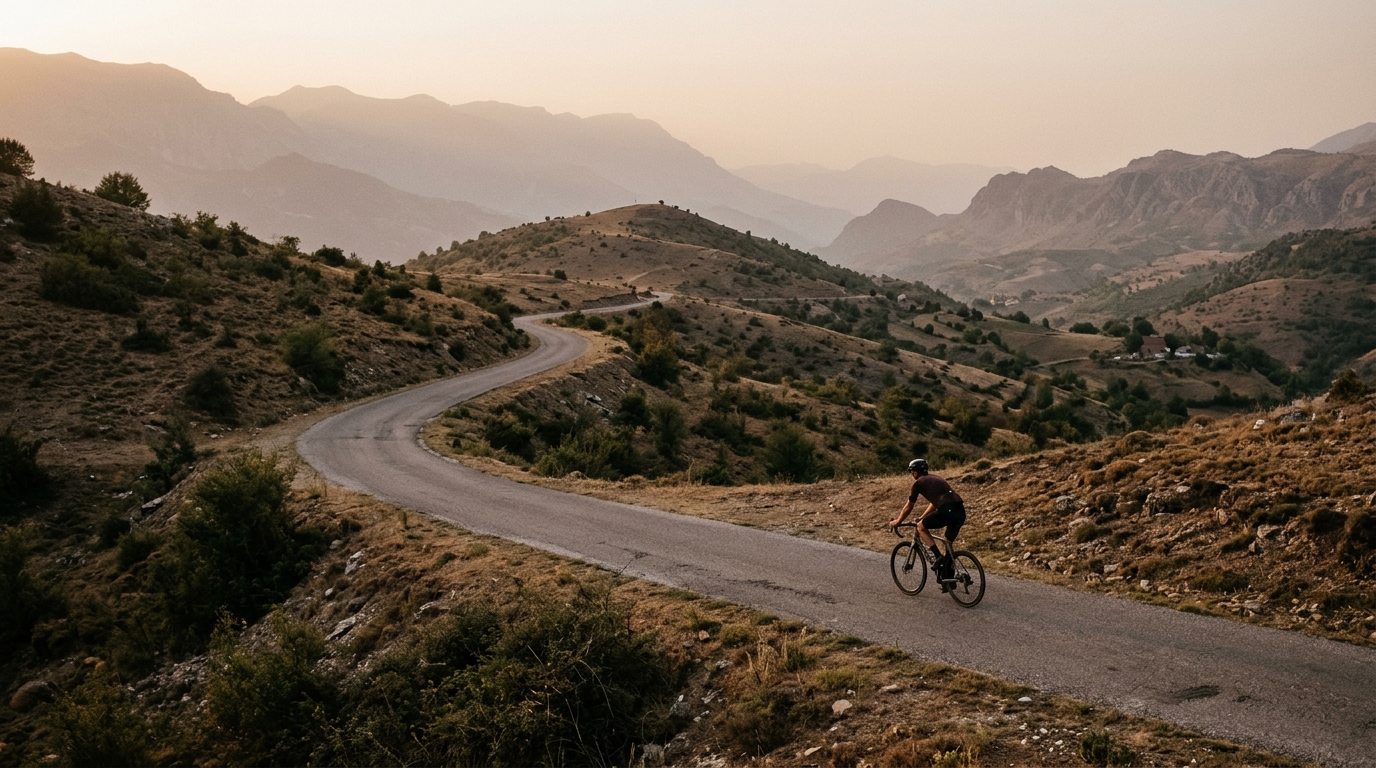 Qafë MorinëKat. 3AL · 3.6 km · 6.3% · 200 m143Pkt.
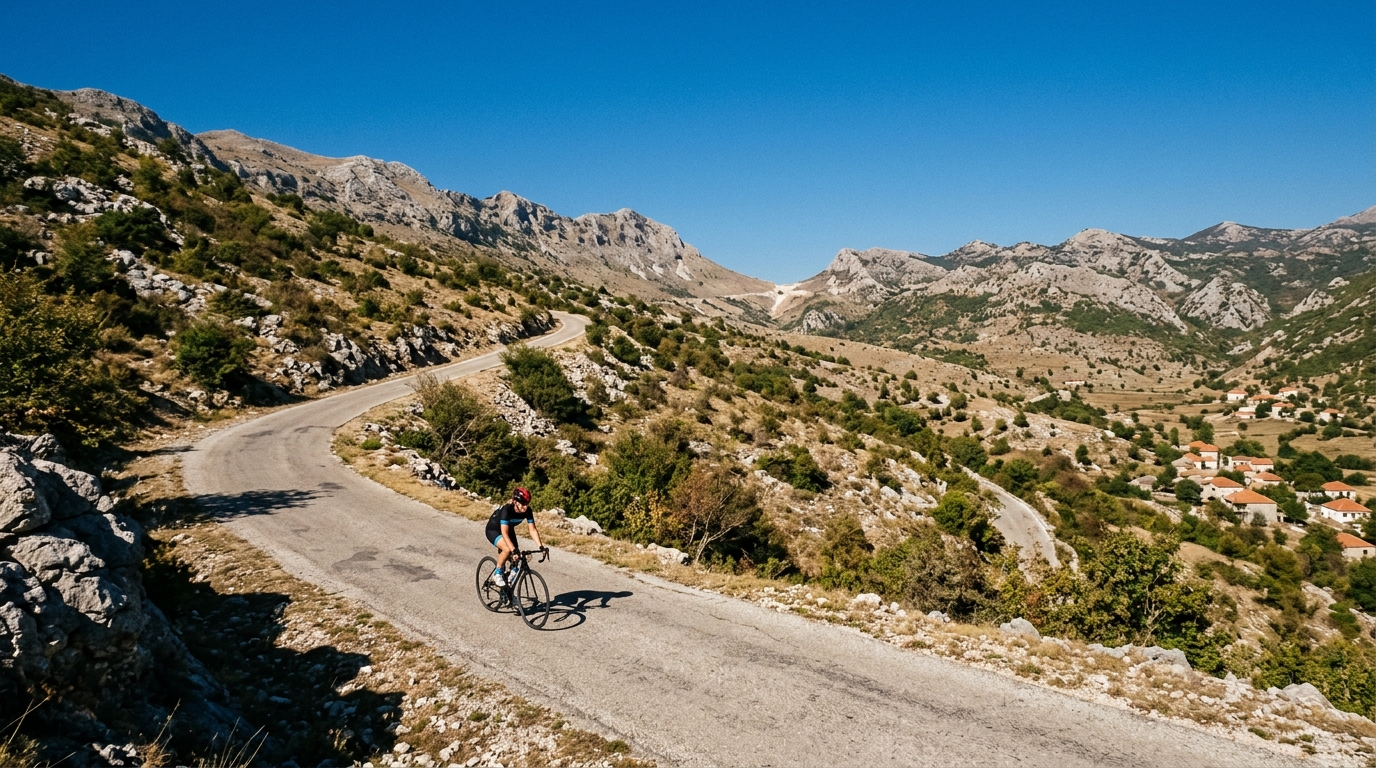 Qafa e MalitKat. 2AL · 9.4 km · 4.9% · 438 m227Pkt.
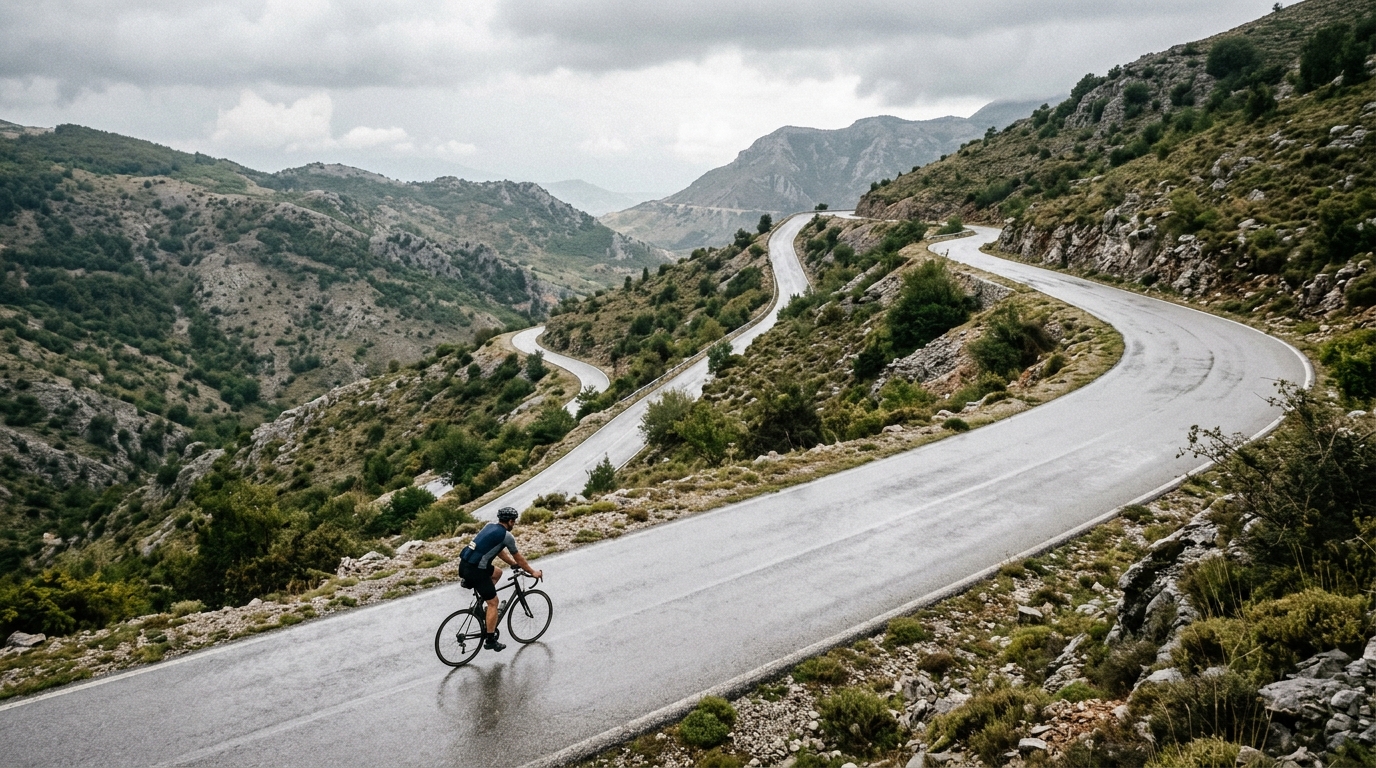 Qafa e KociutKat. 2AL · 8.4 km · 6.8% · 555 m389Pkt.
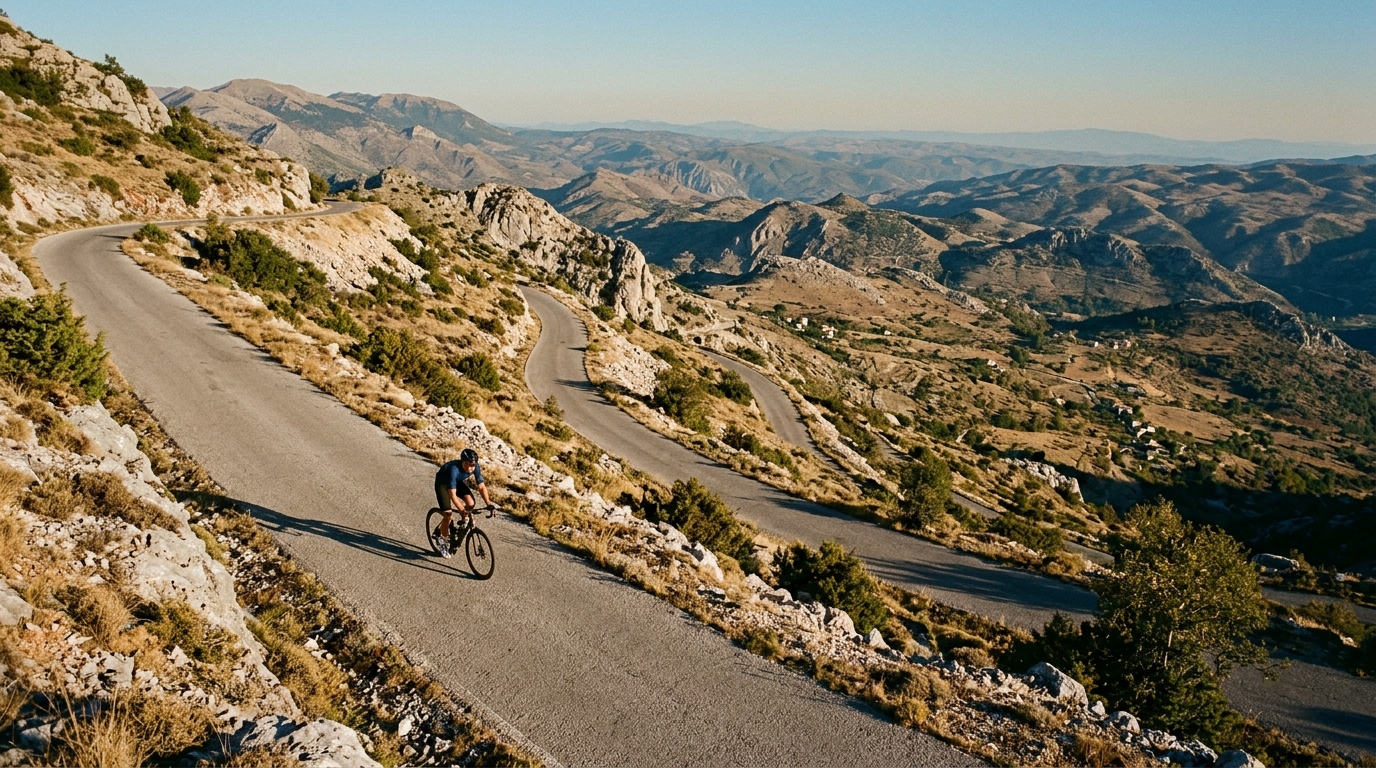 Krraba PassKat. 2AL · 6.5 km · 7.6% · 467 m371Pkt.
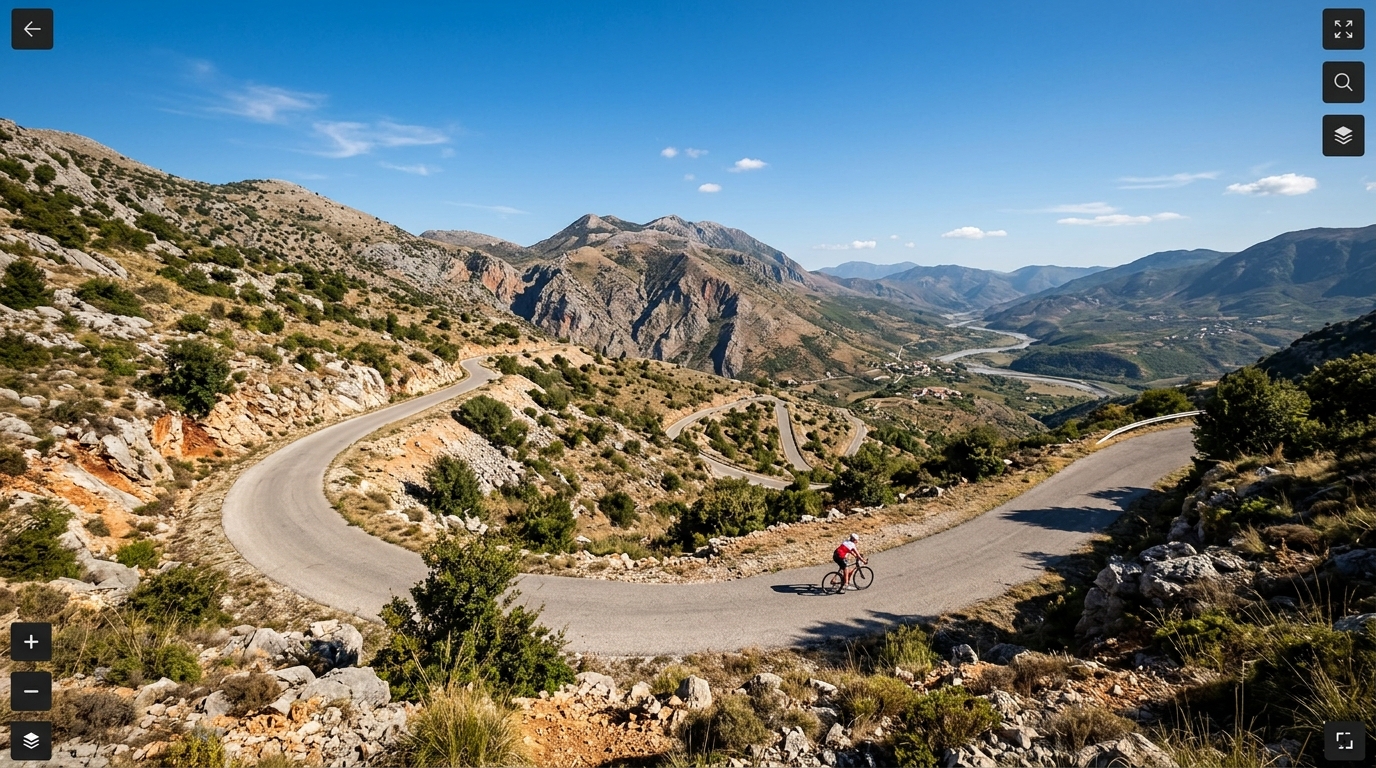 Vratsa PassKat. 2AL · 6.3 km · 7.1% · 430 m319Pkt.
Der vollständige Guide zu Anstiegen in Albanien
The Riding
Albania is a small country that rewards climbers well out of proportion to its size. The catalogue here is compact — five documented climbs — but each one carries the character of a landscape that tilts sharply from the coast up into the interior. There are no hors catégorie monsters on this list; the hardest efforts sit within reach of a fit amateur, and the highest summit tops out at 1,594 metres. That ceiling matters. It means you rarely have to worry about the thin air or the road-closure roulette of higher ranges. What you get instead is sustained, honest gradient: climbs long enough to settle into a rhythm, steep enough in places to make you respect them.
The riding rewards patience over raw power. Because the summits stay under 1,600 metres, the ascents tend to be about steady accumulation rather than a single brutal wall. You climb out of a valley or up from the sea, watch the vegetation change beneath your wheels, and arrive at a pass with the country spread out behind you. It is climbing on a human scale, and that is precisely its appeal.
Standout Climbs
Llogara Pass is the headline act and the one most visitors come for. Rising from near sea level, it is the classic Albanian coast-to-summit effort, delivering the kind of altitude gain that makes the descent on the far side genuinely memorable. It is the climb that best captures why riders make the trip.
Qafa e Prushit is a quieter, more inland proposition — a pass that trades sea views for the folded terrain of the interior. It suits riders who want the climbing without the crowds.
Vratsa Pass and Fusha Pass round out the mid-catalogue efforts. Both are the sort of ascent you can pace comfortably, testing the legs without pushing you into the red, and both make natural building blocks for a longer day linking valleys.
Bualli Pass completes the set of five. Like its neighbours, it stays within that sub-1,600-metre band, so the challenge is in the sustained effort rather than any extreme altitude.
Five climbs is a manageable list, and that is part of the charm: you can realistically target all of them across a focused trip rather than spending a fortnight chipping away at an endless catalogue.
When to Ride
With summits capped at 1,594 metres, Albania's climbs open up for a longer season than higher mountains allow. The passes are far less prone to the prolonged snow lockout that shuts down loftier roads, so the practical riding window is generous. The trade-off is heat: the lower elevations mean the valleys and coastal approaches can bake in high summer, and a climb like Llogara Pass that starts near the sea will feel considerably warmer at its foot than at its crest.
Aim for the shoulder seasons if you can. Milder temperatures make the sustained gradients far more pleasant, and starting early in the day keeps you ahead of the worst of the heat on the lower slopes. Because the altitude never climbs high enough to bring genuine cold at the top for most of the year, you can pack light and focus on managing warmth rather than fending off it.
Practical Notes
Plan around water and heat more than altitude. On coastal starts such as Llogara Pass, carry enough to see you through a long, exposed lower section, since the temperature at the base can be significantly higher than at the summit. Treat the descents with respect too — the same gradients that make these climbs satisfying going up demand attention coming down.
Given there are only five catalogued climbs, it is easy to build a trip that strings several together. Group the inland passes — Qafa e Prushit, Vratsa Pass, Fusha Pass and Bualli Pass — into linked days, and save Llogara Pass as the coastal centrepiece. Keep your gearing sensible: none of these is hors catégorie, but the sustained nature of the ascents means a comfortable climbing ratio will serve you far better than heroics.
Summary
Albania punches above its weight for climbing cyclists. Five catalogued climbs, none in the hors catégorie bracket, and a highest summit of 1,594 metres add up to a destination that is challenging without being intimidating. Llogara Pass gives you the marquee coast-to-summit experience, while Qafa e Prushit, Vratsa Pass, Fusha Pass and Bualli Pass fill out a compact, achievable catalogue. Ride the shoulder seasons, respect the heat on the lower slopes, and you will find a country that offers big-mountain satisfaction on a refreshingly human scale.
Suchst du komplette Ausfahrten in Albanien?
Routen in Albanien