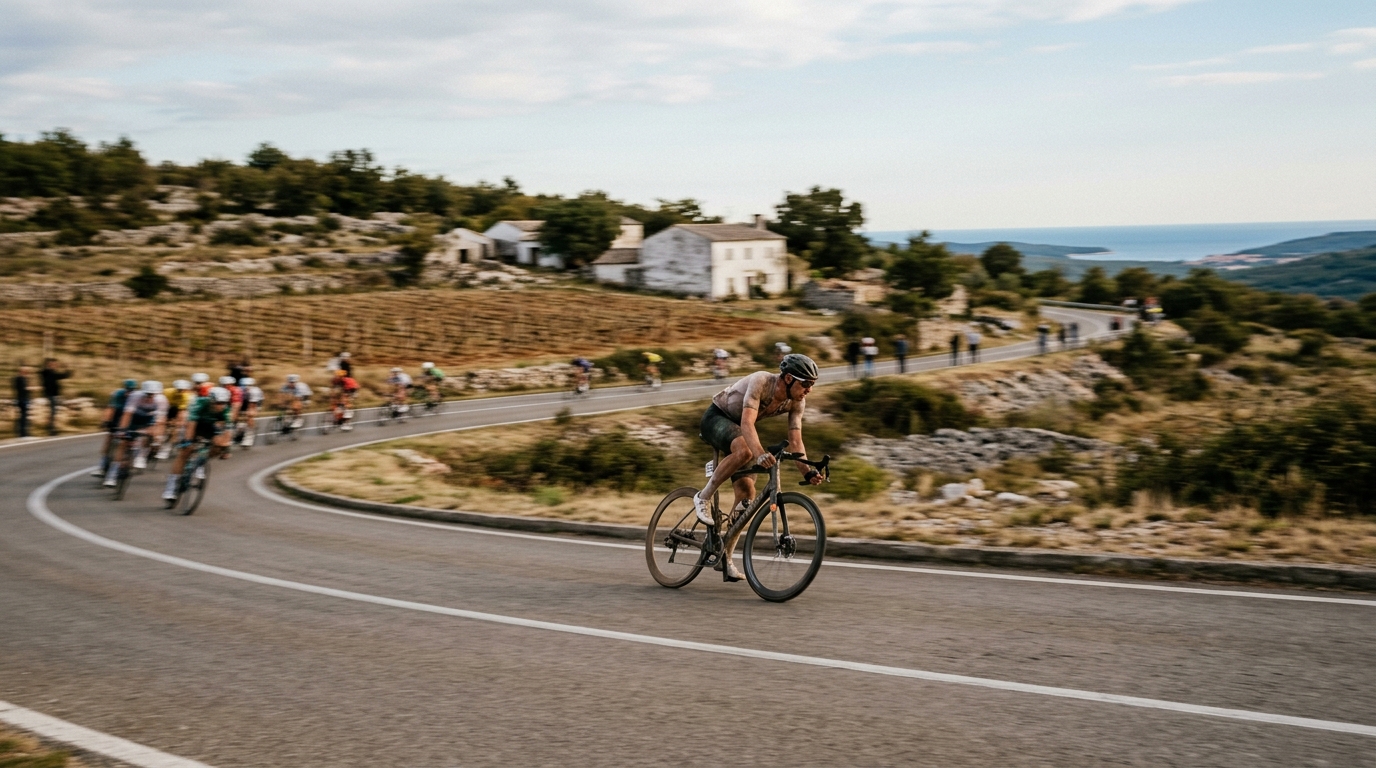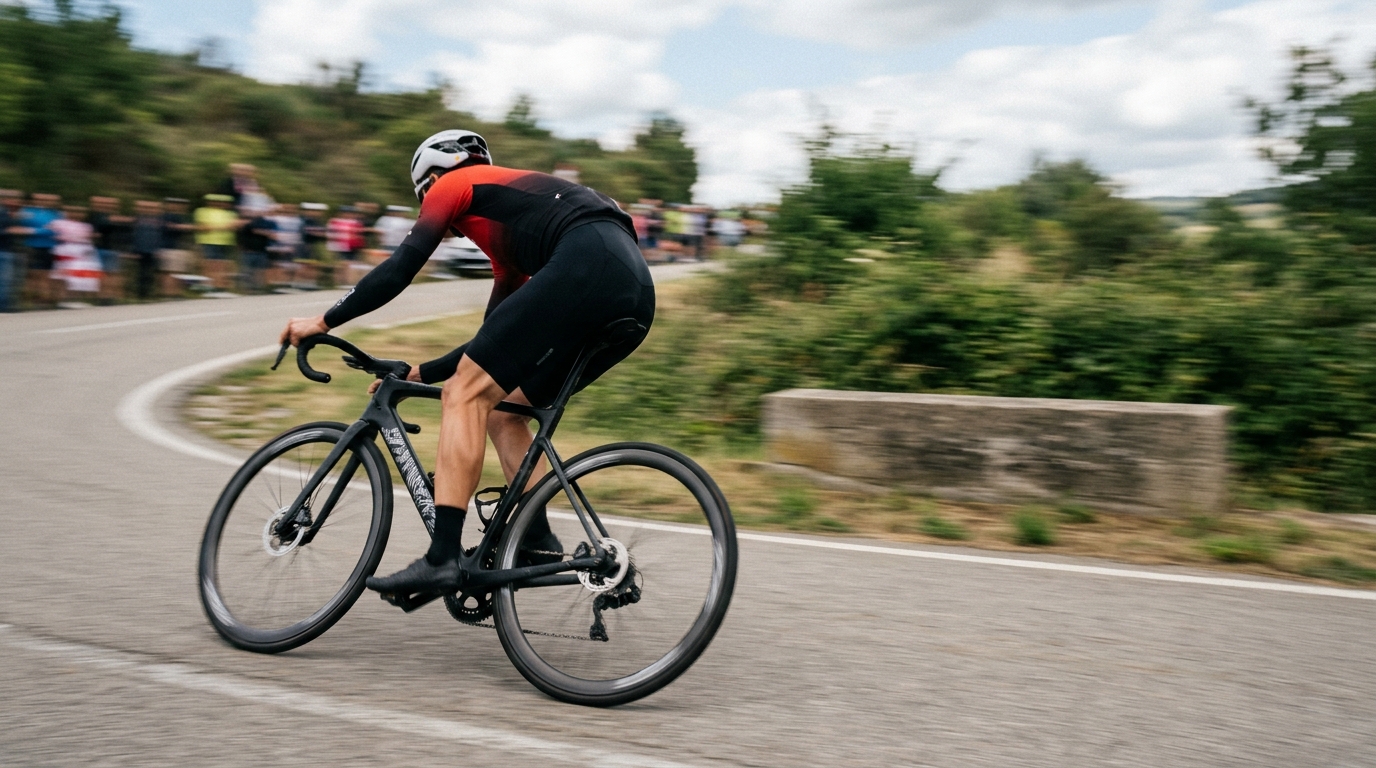
Bild von unserem Modell generiert.
Überblick
Svarre seals CRO Race after hilly six-stage test
Tobias Svarre won the CRO Race ahead of Tiberi and Wellens after a 940 km race shaped by hilly terrain and the Rijeka summit finish.
Tobias Svarre's CRO Race overall win is the day's clear result that matters, not just because he finished ahead of Tiberi and Wellens, but because of the type of race he had to survive to get there. A six-stage, 940 km route shaped by hilly stages and the Rijeka summit finish is not the kind of course that lets an overall winner hide for long.
A GC win built on terrain control
The most important detail in this result is the shape of the race. Hilly stages compress the margin for error because they repeatedly expose riders to selection points, positioning fights, and pacing decisions. Add a summit finish at Rijeka, and the overall classification becomes less about one isolated move and more about whether a rider can keep absorbing pressure across different types of climbing stress.
That context makes Svarre's victory more meaningful than a simple line in the results sheet. Winning overall across six stages requires consistency, but on this course consistency would have meant more than staying out of trouble. It meant being able to match the race when the terrain tilted upward, then still having enough control to close out the classification.
What Tiberi and Wellens tell us about the win
Svarre winning ahead of Tiberi and Wellens gives the result a useful reference point. Without needing gaps or stage-by-stage detail, the podium order still says the race was decided among riders capable of handling a demanding, rolling stage-race profile. That matters because hilly one-week racing often rewards a different blend than pure climbing races or flat sprint-heavy events. It asks for repeatability, tactical discipline, and the ability to manage decisive terrain without overcommitting too early.
For a data-driven cyclist, the takeaway is straightforward: course architecture shapes the value of a result. A 940 km race with hilly stages and a summit finish tests durability and repeatable climbing output as much as any single-day peak. Svarre did enough across that full structure to seal the overall, which is why this lands as a solid stage-race win rather than just a final-day headline.