
Überblick
Piganzoli turns time trial control into Luxembourg overall win
Davide Piganzoli’s Luxembourg win was built before the final stage: the stage 4 time trial gave him the buffer that made stage 5 about control, not rescue.
Davide Piganzoli’s Skoda Tour de Luxembourg win was not sealed by a single defensive ride on the final day. It was built the day before, when his stage 4 time trial win anchored the GC result and gave him the race position he needed to manage the hilly finale to Luxembourg-Limpertsberg.
That distinction matters. Stage races are often decided less by who looks strongest on the final stage and more by who forces everyone else into the difficult tactical position before it. Piganzoli finished fourth on stage 5, which was enough to end the race as GC leader, while Mathieu van der Poel won the hilly final stage. The split outcome says plenty about the race dynamic: Van der Poel had the freedom and punch to convert the day, while Piganzoli’s job was narrower and more valuable - protect the time he had already created.
Luxembourg rewards the complete rider
The final podium of Piganzoli ahead of Mattéo Vercher and Thomas Gachignard underlines how decisive the time trial was in shaping the race. A hilly final stage can open the door to chaos, but it is much harder to overturn a GC built on a strong solo effort when the leader is still good enough to finish fourth on the last day.
For a serious cyclist, the takeaway is straightforward: the time trial did not just add seconds to Piganzoli’s total. It changed the incentives of the race. Chasers had to attack or pressure the leader, while Piganzoli could ride with the clarity of defending a known advantage. That is the tactical leverage a GC rider gets from a stage 4 time trial win, and it is why his overall victory reads as controlled rather than merely survived.
Van der Poel’s stage 5 win fits cleanly into that same frame. On a hilly finale, the stage and the GC can become two different races happening on the same road. He took the day’s result, Piganzoli took the race.
Montreal shifts the focus to circuits and repeatability
The next major road racing focus is already underway in Montreal, where top cyclists from around the globe will race from Sept. 20 to 27. The circuits are built around the old port cobbles and Mount Royal, which immediately points toward a race environment defined by repeated accelerations, positioning, and the ability to absorb terrain over and over rather than one isolated decisive feature.
That course profile should keep the racing selective without needing to be reduced to a single climb or sector. Cobbles raise the cost of poor positioning, while Mount Royal gives stronger riders a recurring place to apply pressure. After Luxembourg showed how a time trial can lock in GC control, Montreal looks set to test a different kind of control: staying efficient, present, and tactically sharp across repeated circuit stress.
In dieser Ausgabe
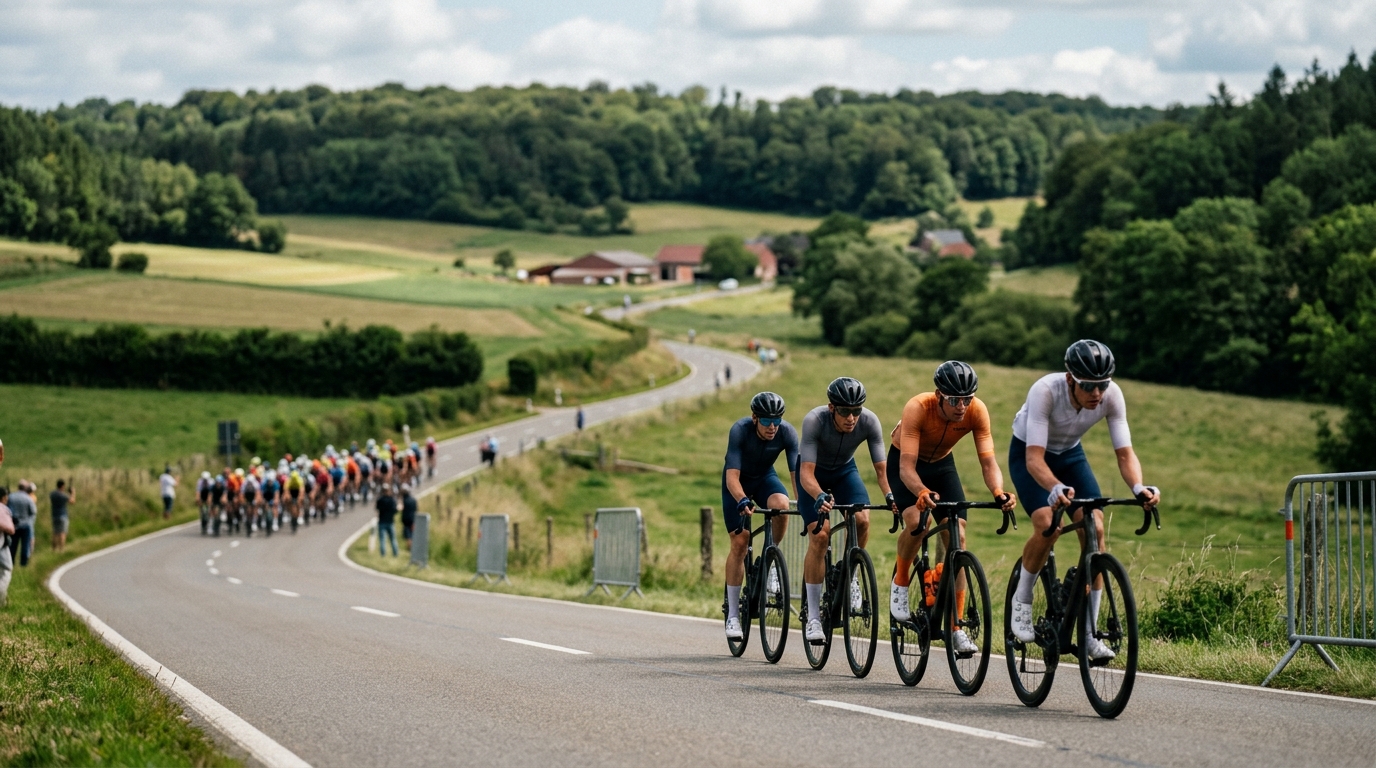
Van der Poel wins stage 5 as Piganzoli seals Luxembourg lead
Mathieu van der Poel won the hilly final stage to Luxembourg-Limpertsberg, while Davide Piganzoli finished fourth and ended the race as GC leader.
Ganzen Artikel lesen →CBC News
Montreal set for eight days of road racing worlds
Top cyclists from around the globe will race in Montreal from Sept. 20 to 27, with circuits built around the old port cobbles and Mount Royal.
Ganzen Artikel lesen →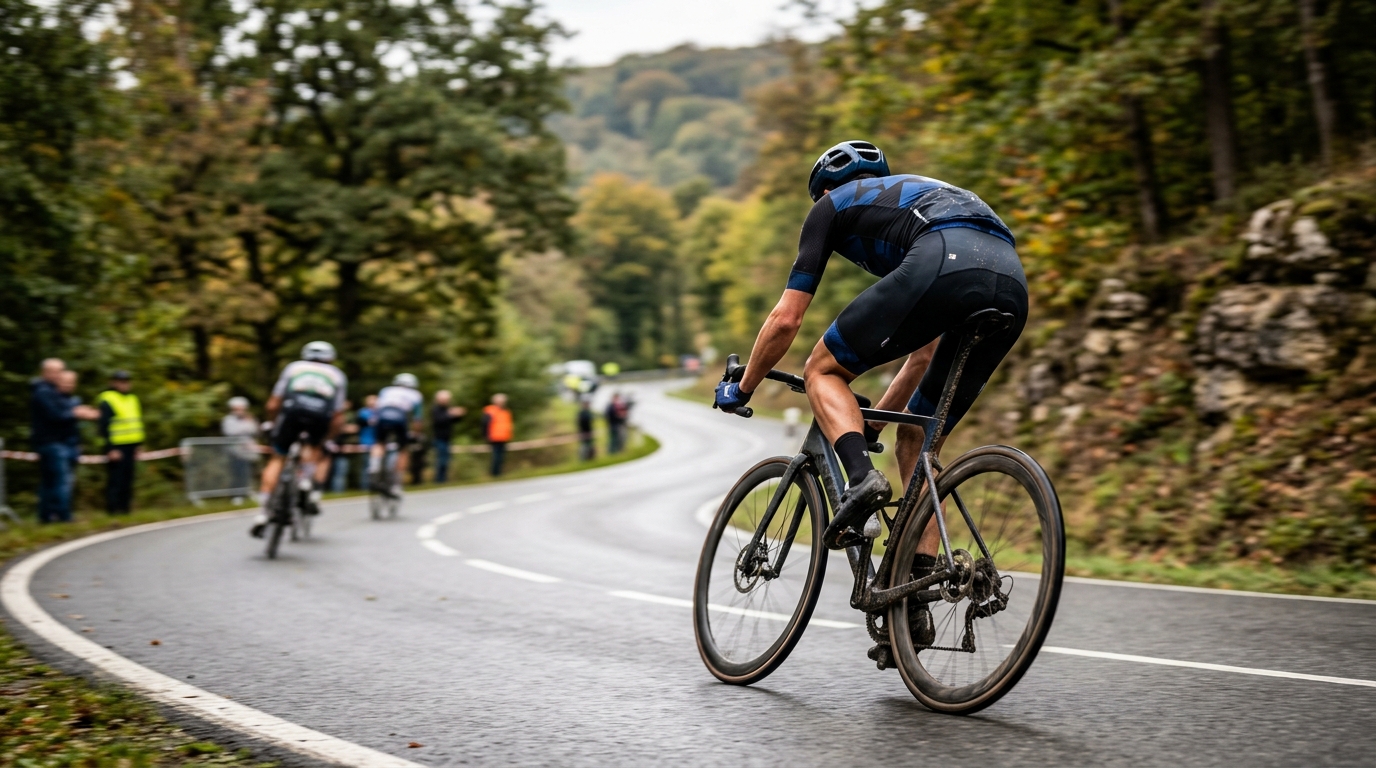
Piganzoli wins Skoda Tour de Luxembourg after stage 4 time trial
Davide Piganzoli won the 2026 Skoda Tour de Luxembourg ahead of Mattéo Vercher and Thomas Gachignard, with his stage 4 time trial win anchoring the GC result.
Ganzen Artikel lesen →