Anstiegs-Bibliothek · Spanien
Cycling climbs in Spain
Spain is a heavyweight climbing destination, with 763 catalogued climbs stacked across its mountains and 95 of them rated hors catégorie — the hardest category a climb can carry. The terrain rises all the way to a highest summit of 2816 metres, giving riders everything from lung-searing wall gradients to long, high-altitude hauls. Few countries offer this much variety in one place, and the sheer density of serious climbing makes Spain a bucket-list stop for anyone who lives for going uphill.
The marquee ascents are the stuff of legend. The Alto de l'Angliru is notorious for ramps that punish even the strongest legs, while Lagos de Covadonga and El Gamoniteiru deliver relentless, iconic climbing. Puerto de Ancares and the fierce Alto de Hazallanas round out a roster that rewards preparation and grit. Whether you chase the steepest slopes or the highest summits, Spain has a climb waiting.
Regionen in Spanien
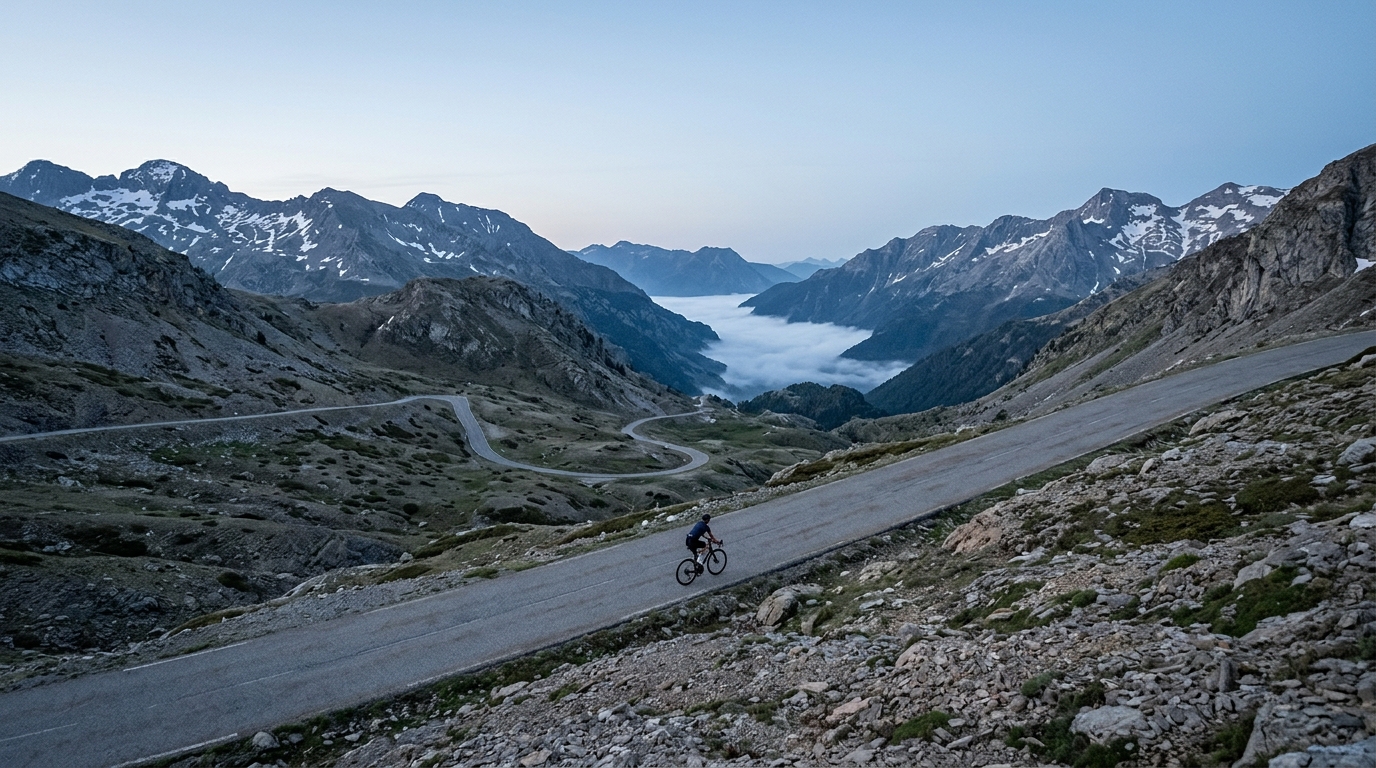
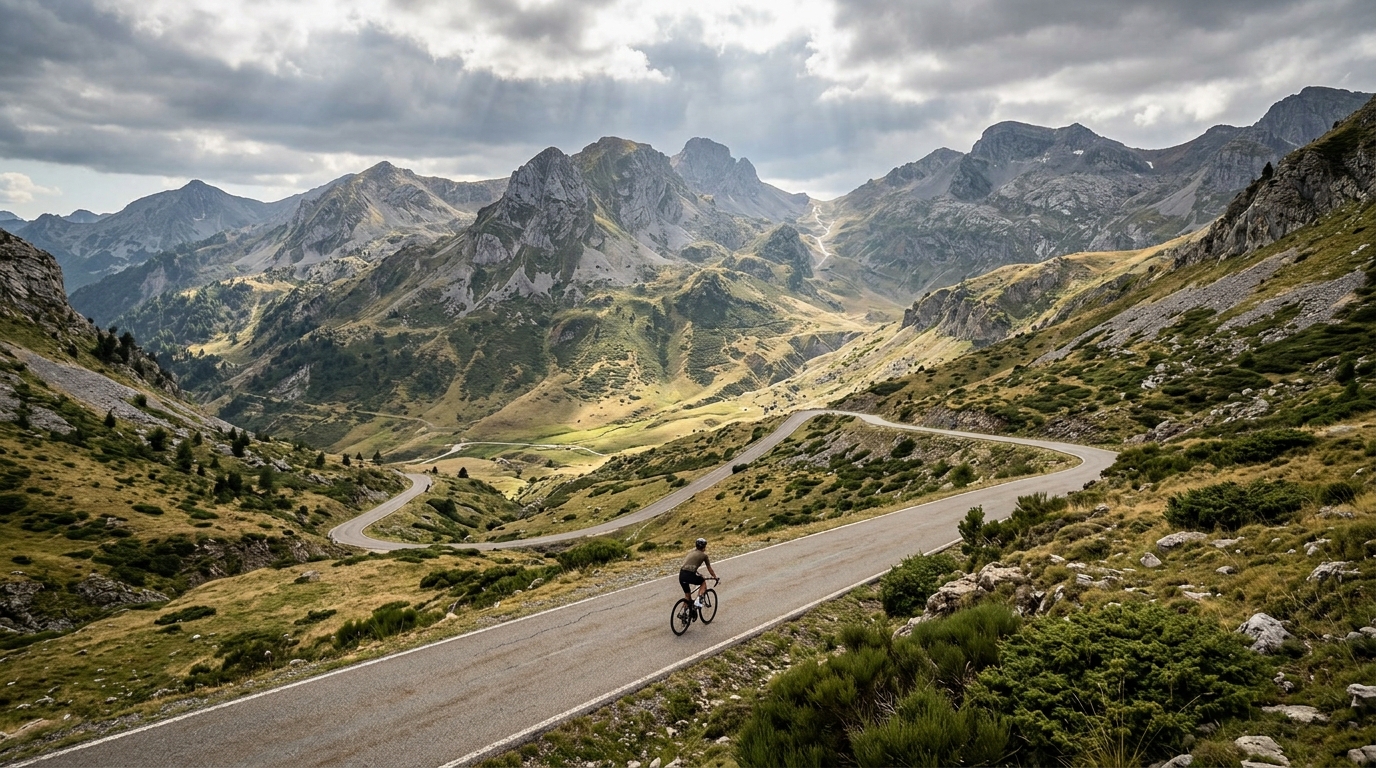
Die berühmtesten Anstiege von Spanien
Alle Anstiege in Spanien
837 Anstiege
 Puerto de CotefabloKat. 2ES · 9.9 km · 6.0% · 1035 m360Pkt.
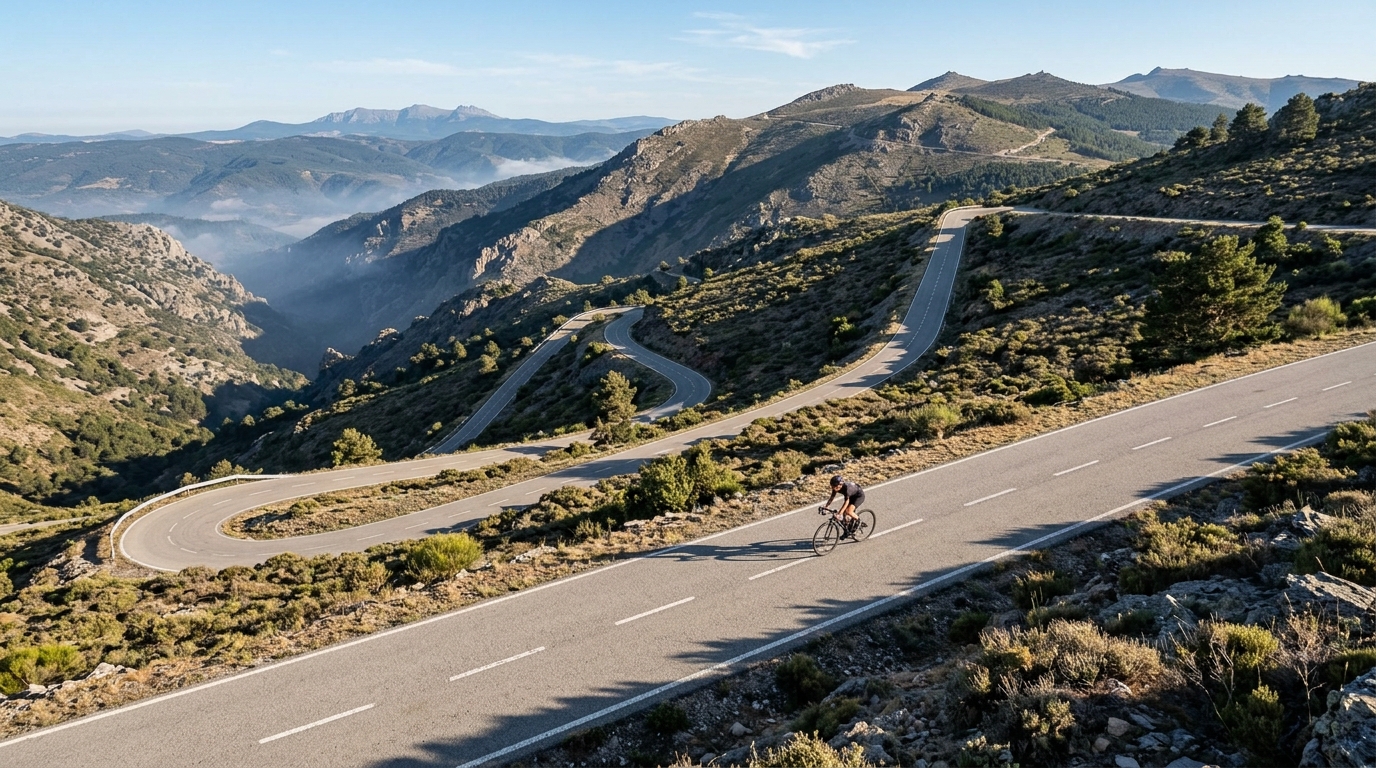 Alto de la Fuente de CabezuelasKat. 2ES · 11.9 km · 5.5% · 642 m357Pkt.
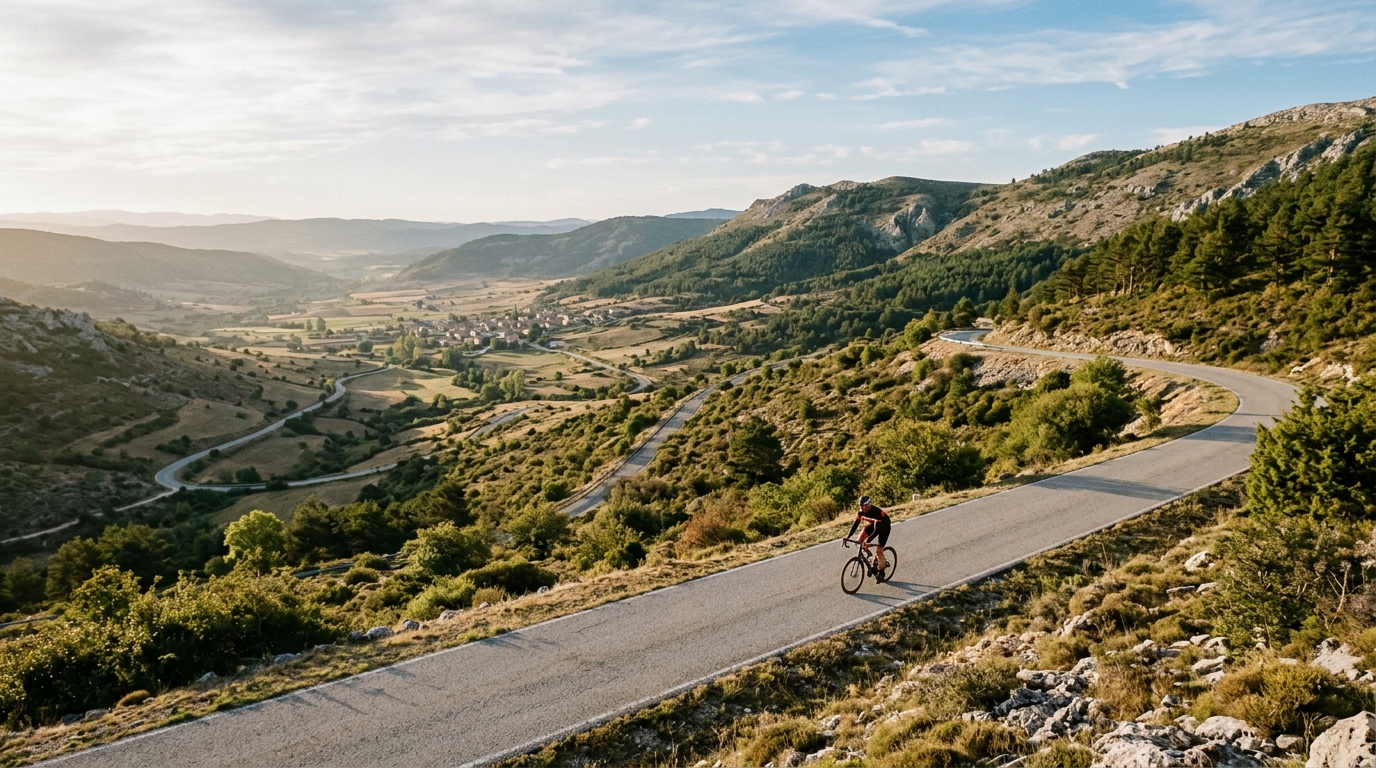 La VargaKat. 2ES · 14.3 km · 5.0% · 695 m356Pkt.
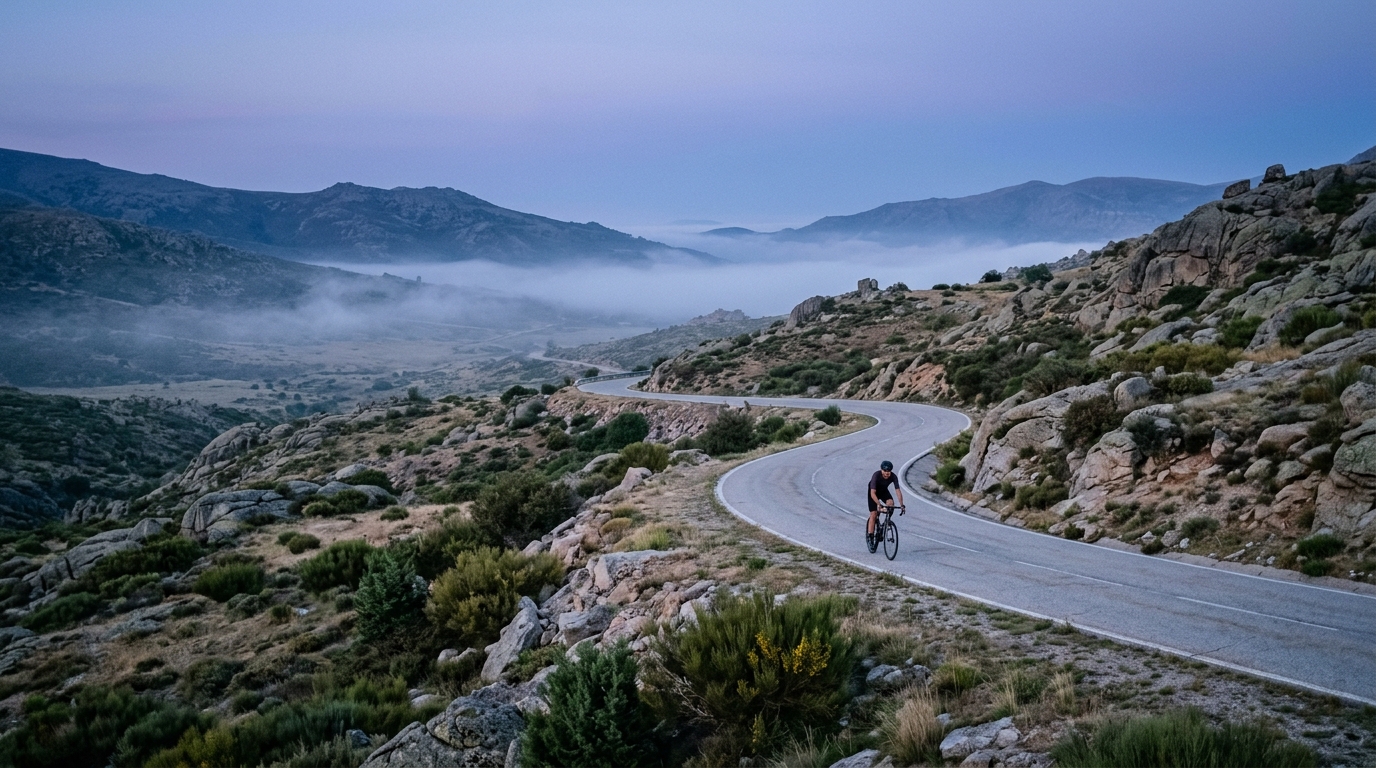 Puerto de NavalacruzKat. 2ES · 10.4 km · 5.8% · 577 m355Pkt.
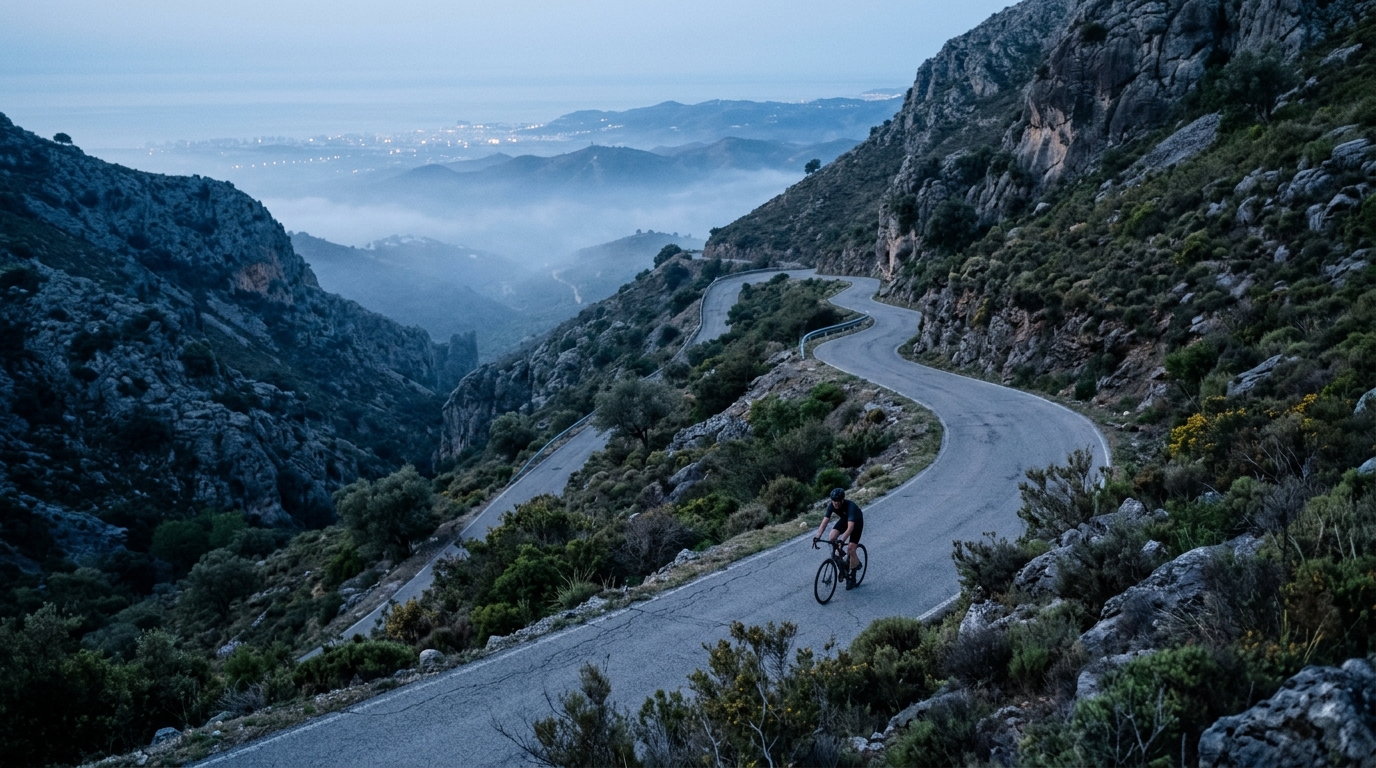 Puerto de OjénKat. 2ES · 12.4 km · 5.3% · 658 m354Pkt.
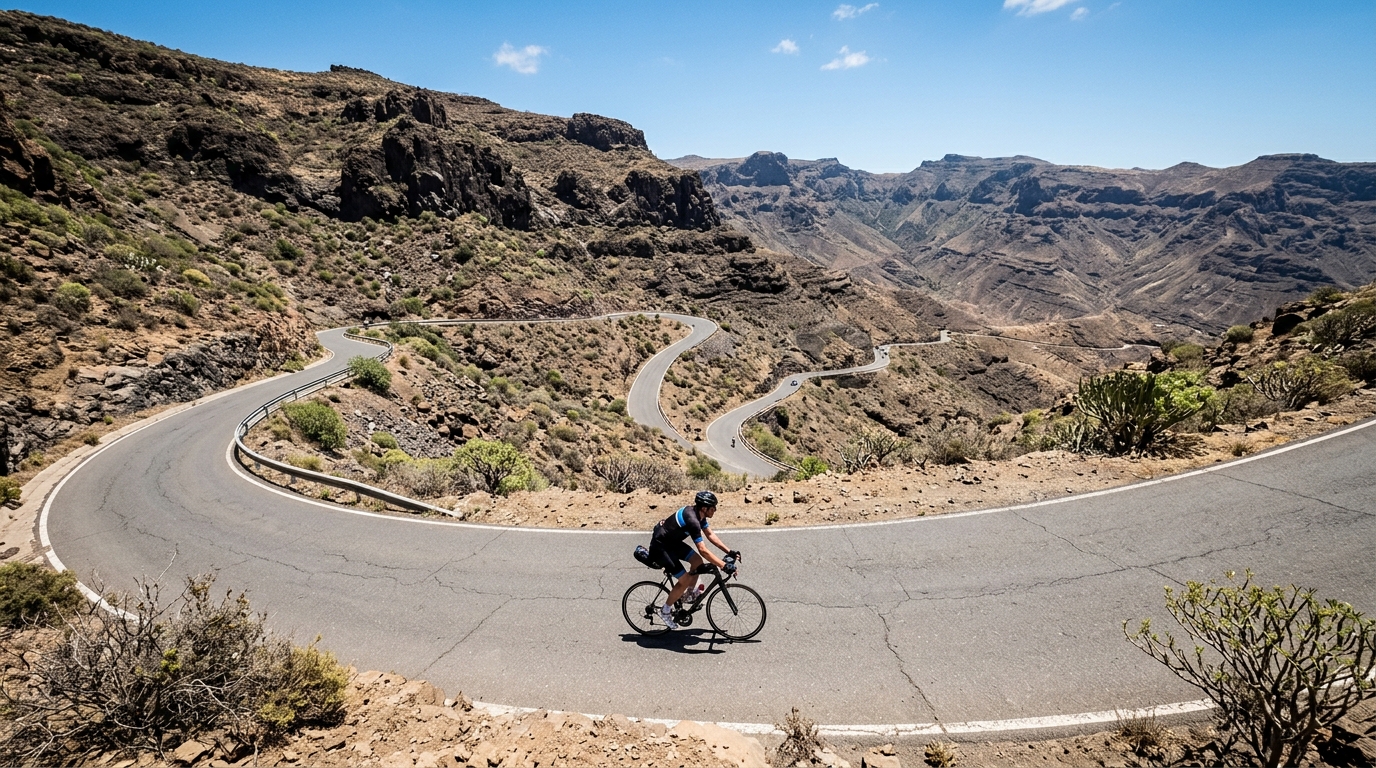 Degollada de la ManzanillaKat. 2ES · 19.7 km · 4.2% · 844 m353Pkt.
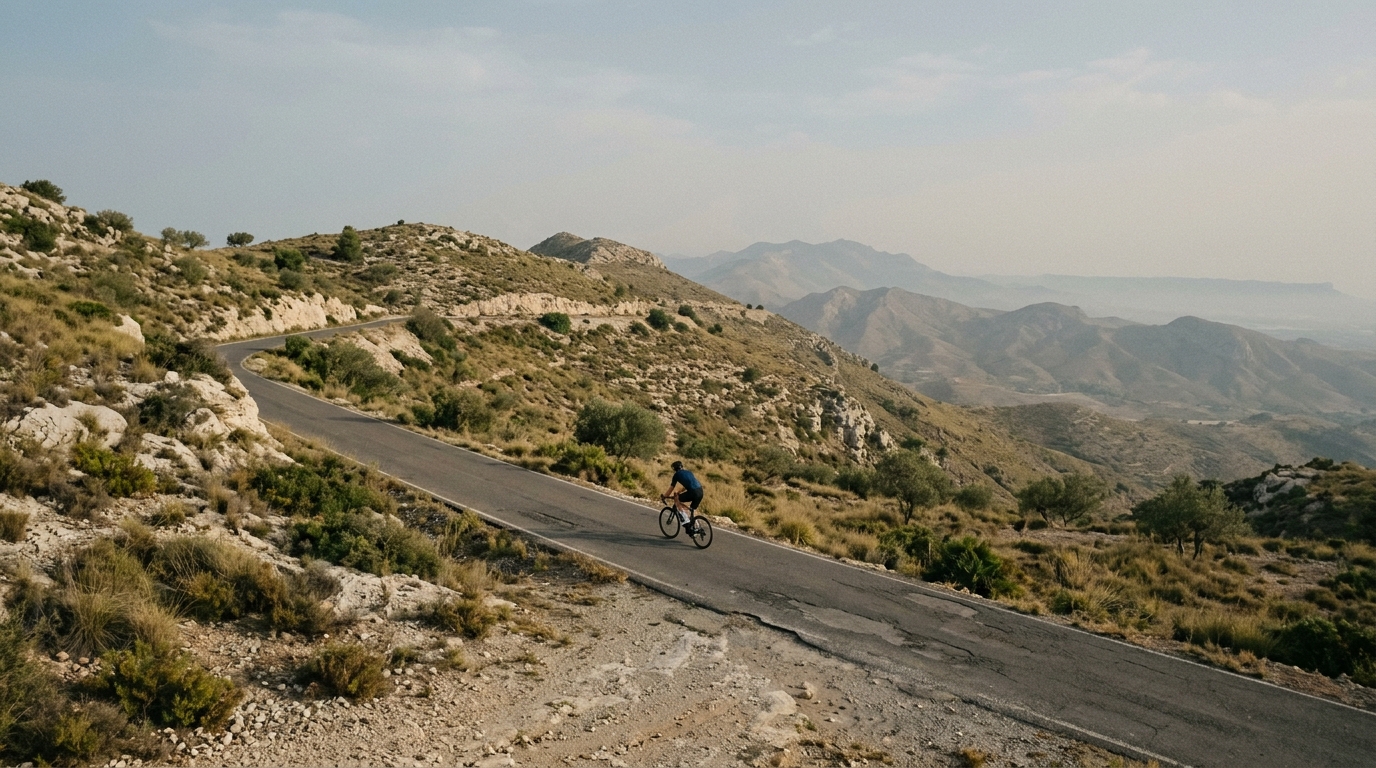 Puerto BlancoKat. 2ES · 6.3 km · 7.5% · 449 m352Pkt.
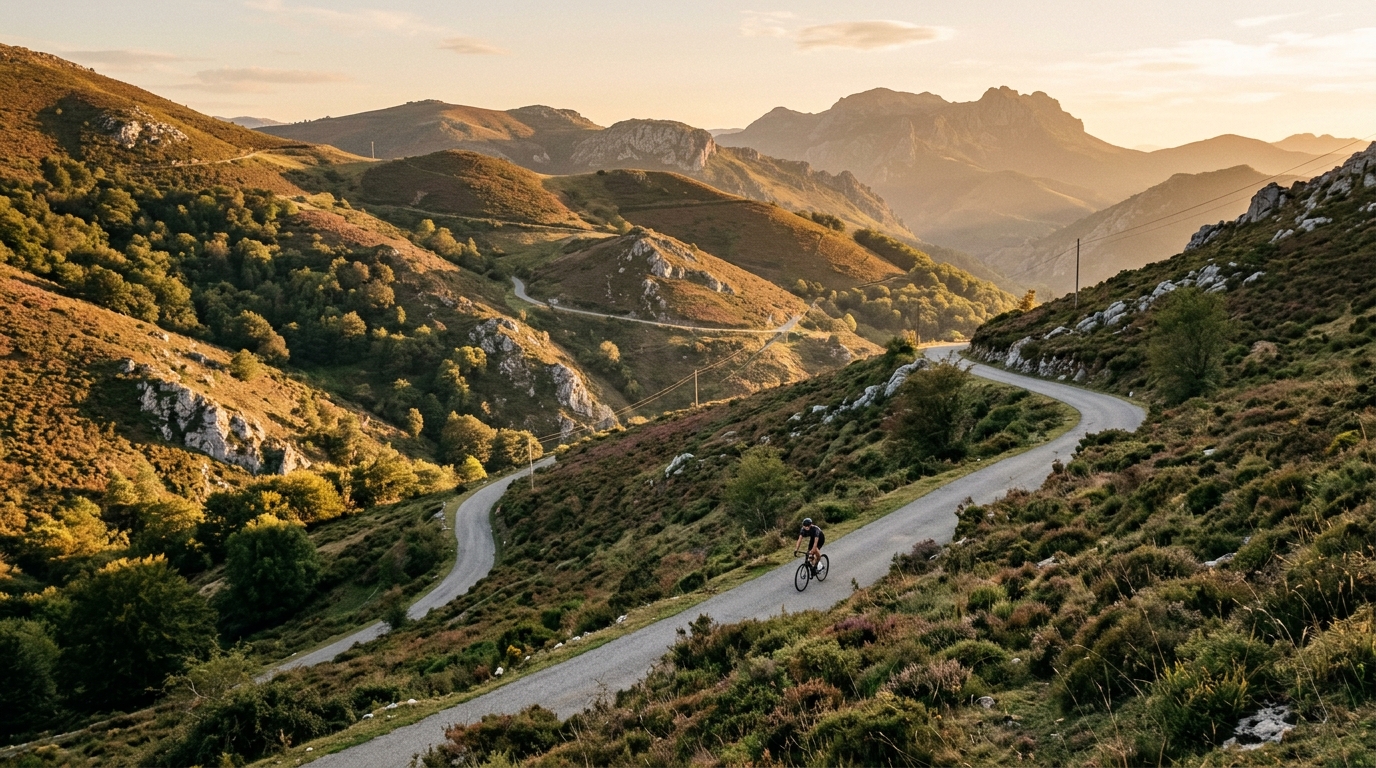 Abarrakuko lepoaKat. 2ES · 13.0 km · 5.2% · 684 m347Pkt.
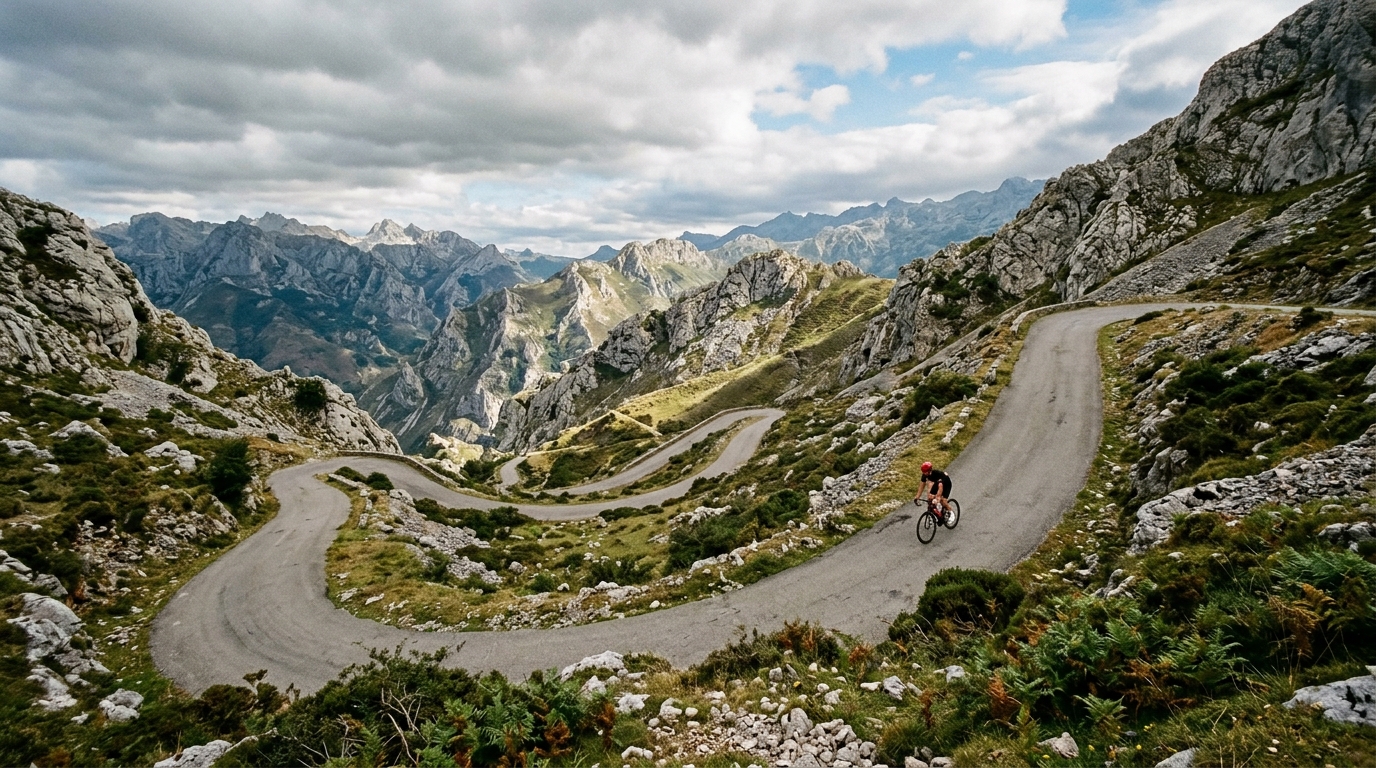 ColláuKat. 2ES · 17.9 km · 4.4% · 840 m346Pkt.
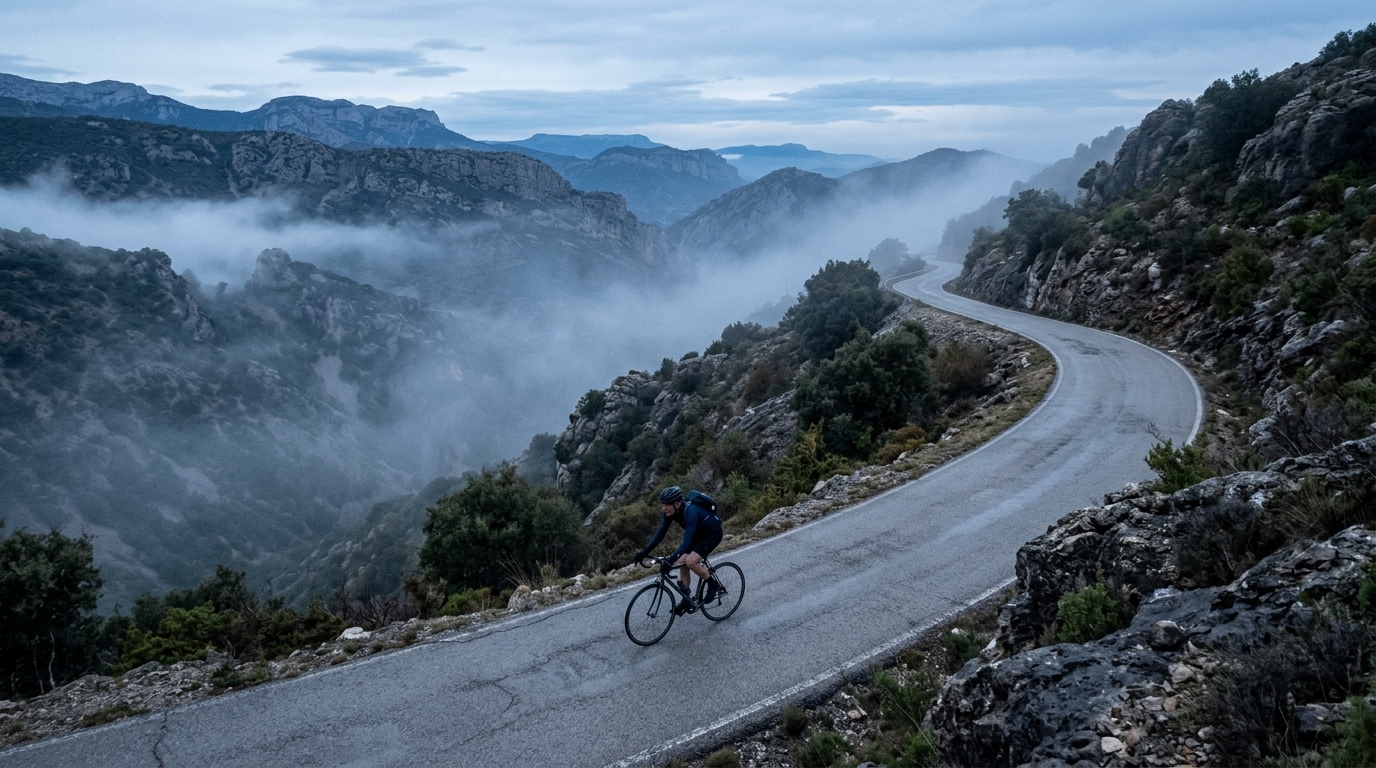 Coll de la ForcaKat. 2ES · 8.1 km · 6.5% · 735 m343Pkt.
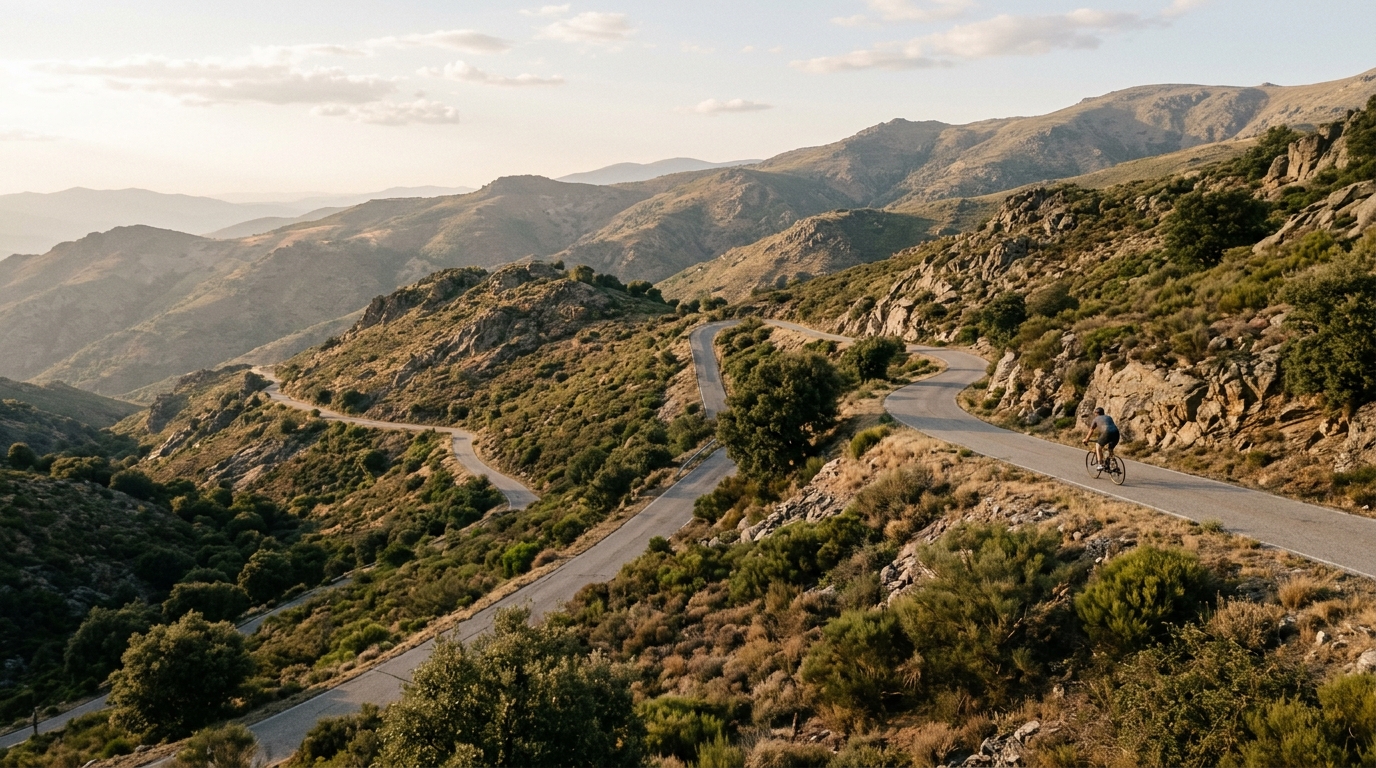 Alto de las RozasKat. 2ES · 10.7 km · 5.7% · 578 m342Pkt.
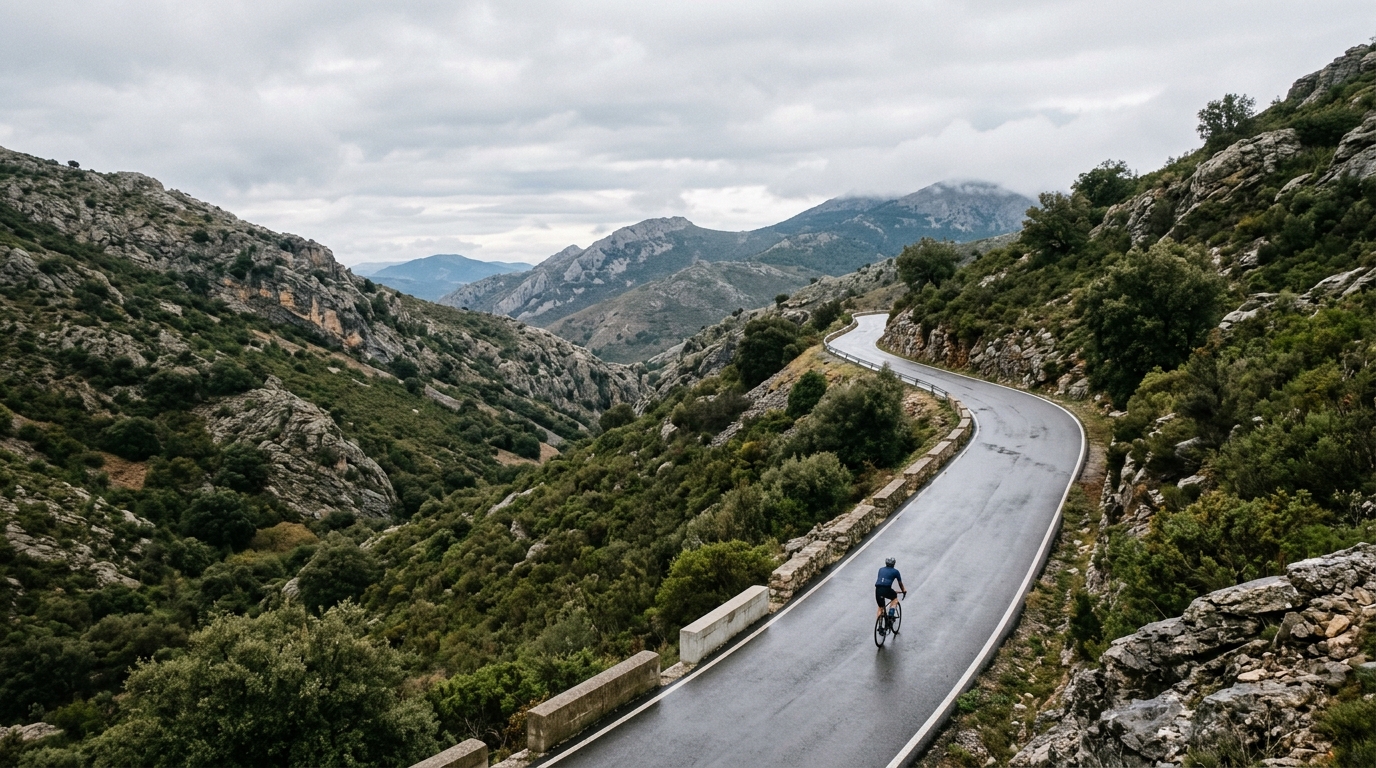 Puerto de El CardosoKat. 2ES · 8.8 km · 6.2% · 664 m341Pkt.
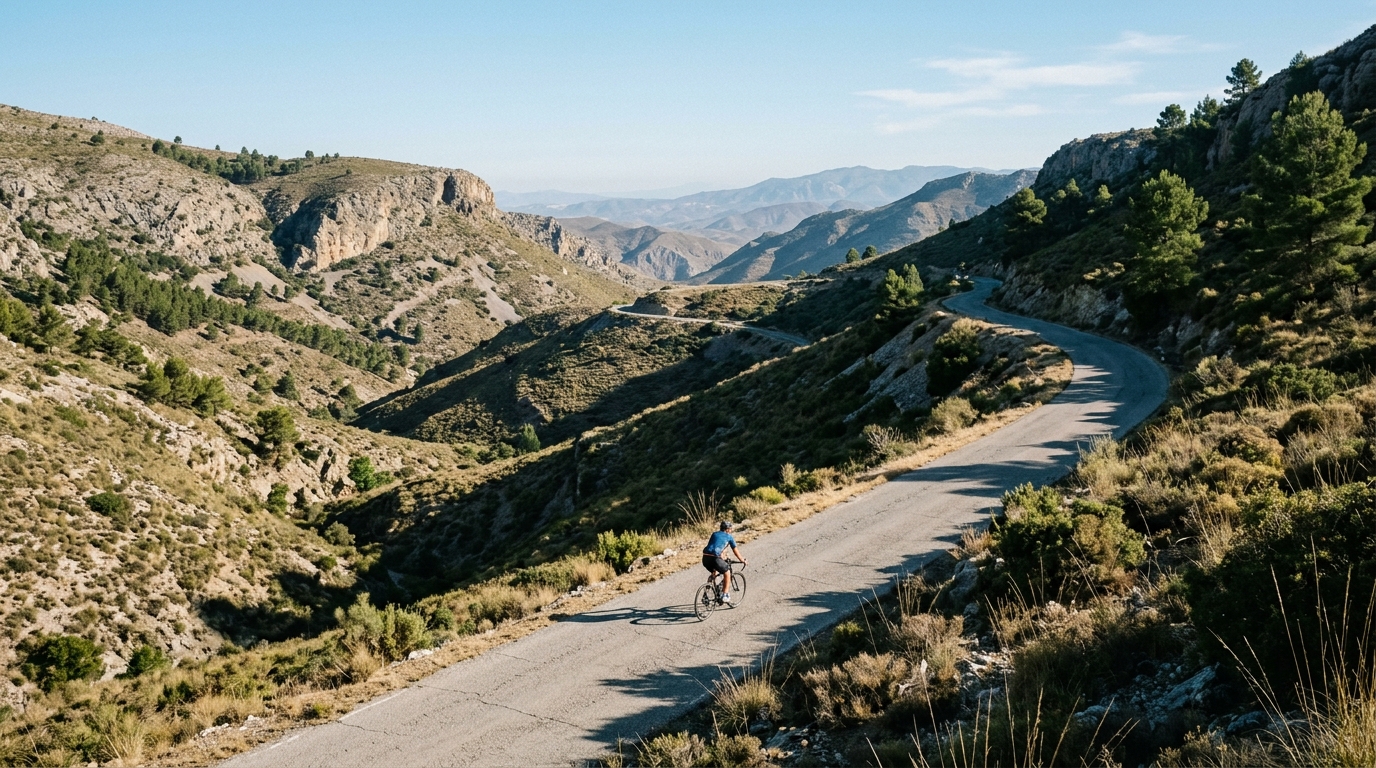 Collado del AireKat. 2ES · 31.1 km · 3.3% · 1640 m340Pkt.
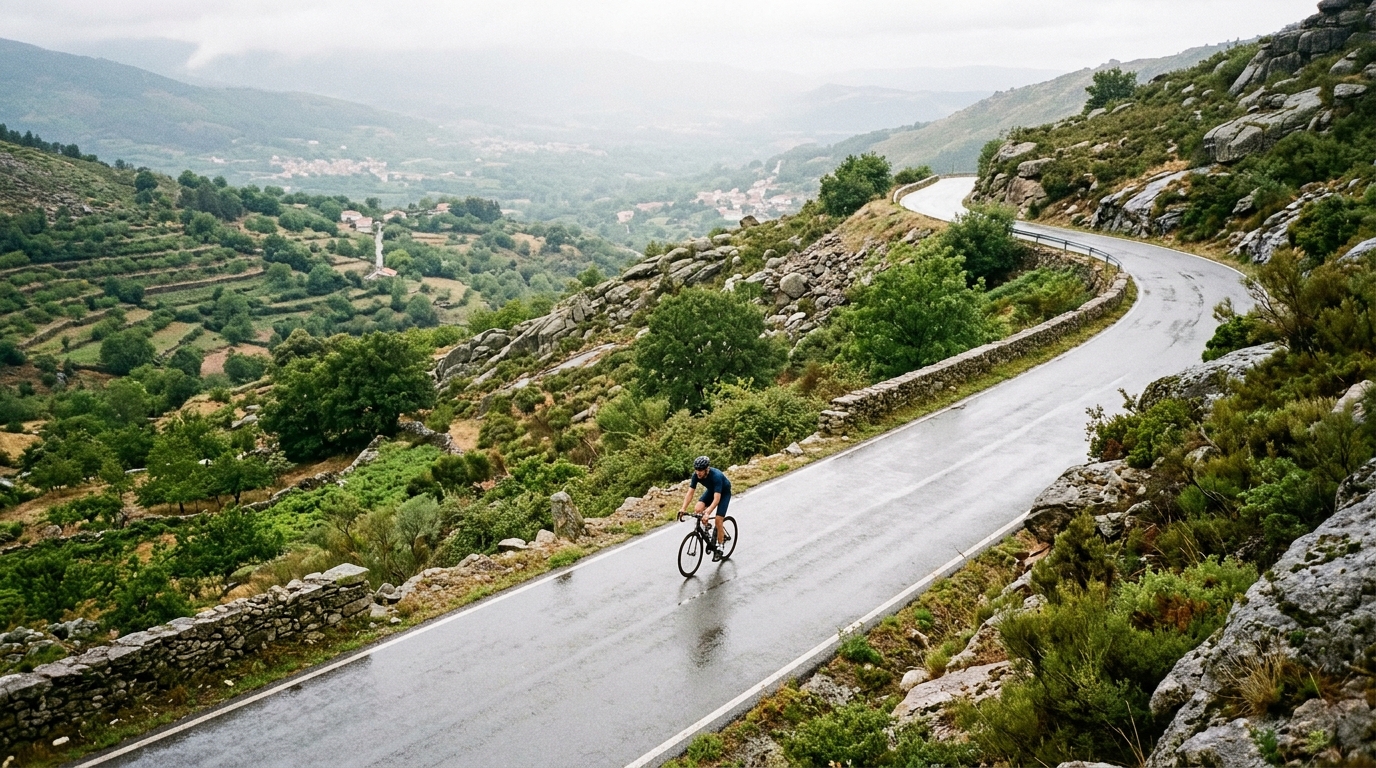 Puerto de PiornalKat. 2ES · 17.4 km · 4.4% · 1339 m339Pkt.
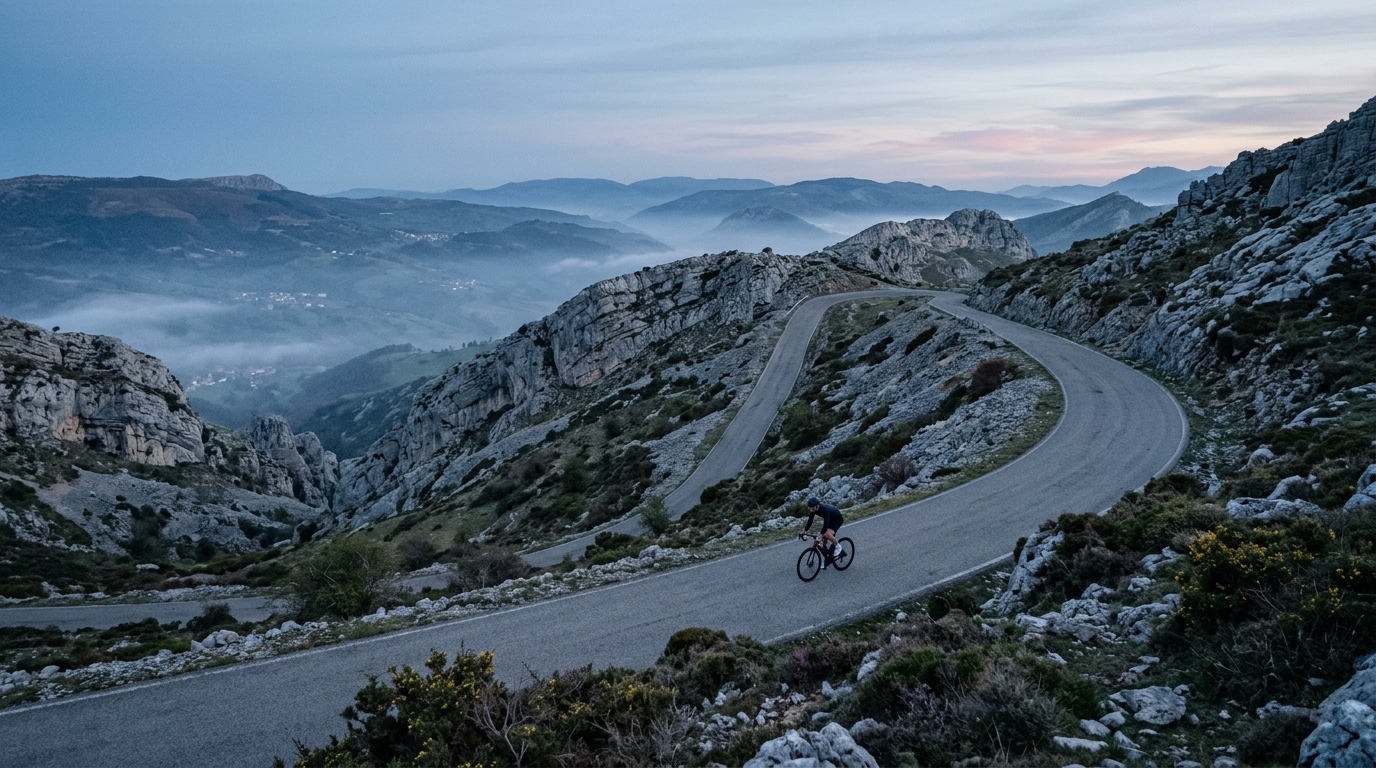 Puerto UsaideKat. 2ES · 13.0 km · 5.1% · 823 m336Pkt.
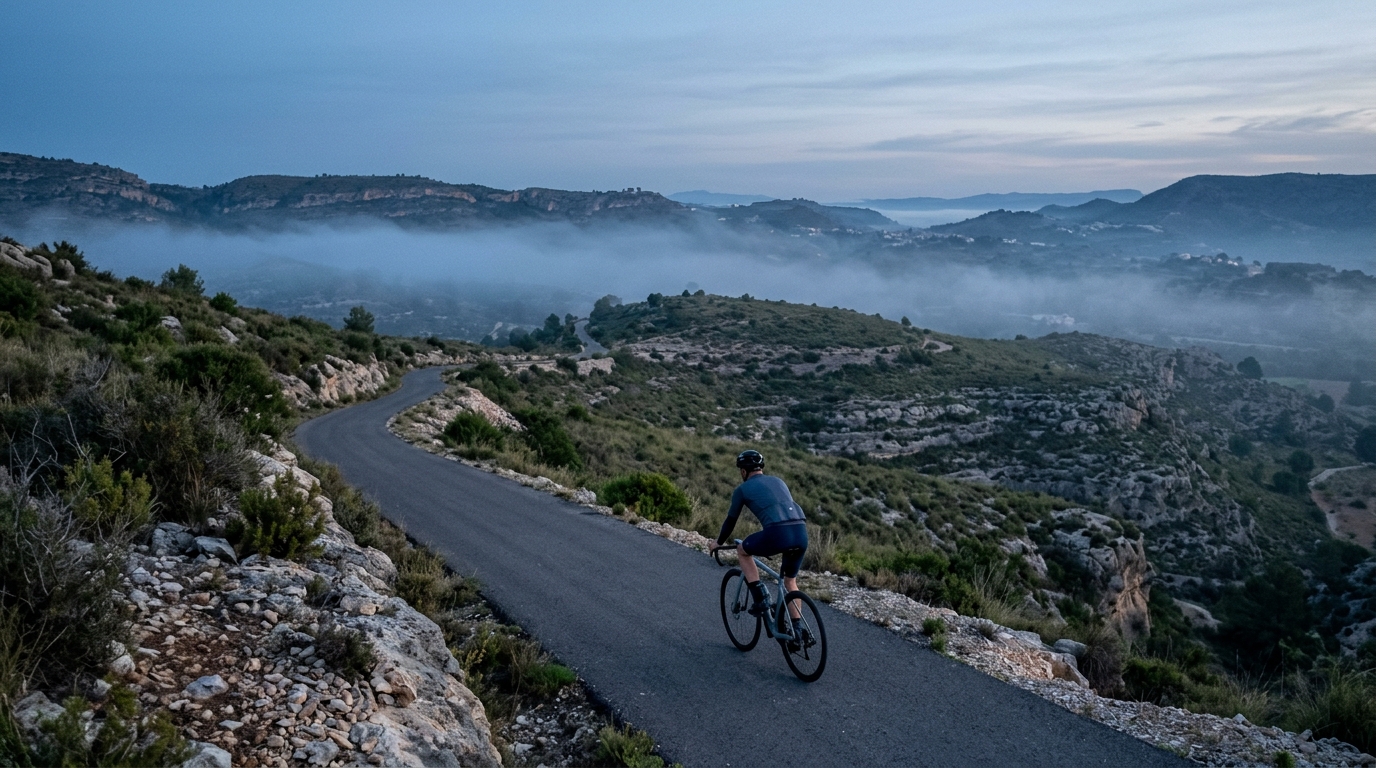 Puerto del NegroKat. 2ES · 11.0 km · 5.5% · 591 m334Pkt.
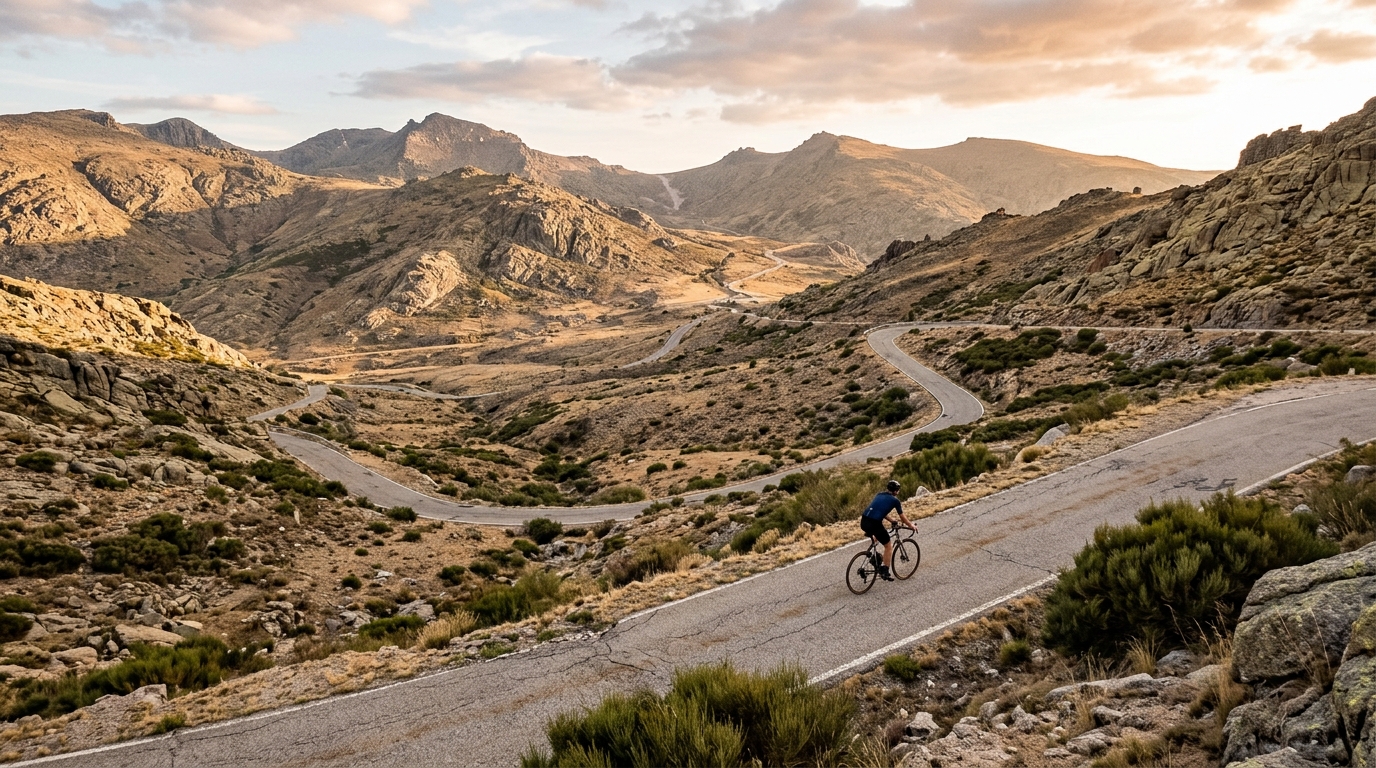 Collado del CervunalKat. 2ES · 15.0 km · 4.7% · 1042 m334Pkt.
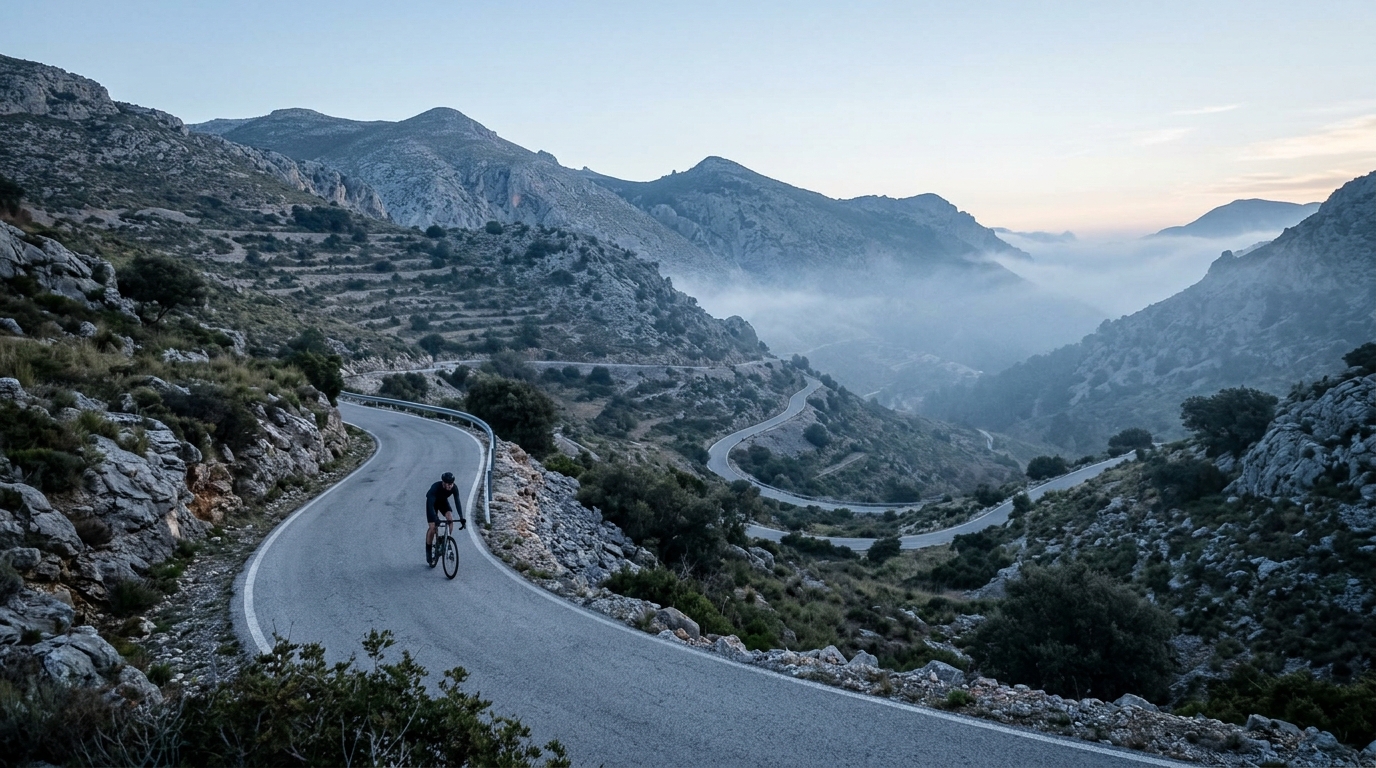 Porto Vello de AnteroKat. 2ES · 24.4 km · 3.6% · 906 m326Pkt.
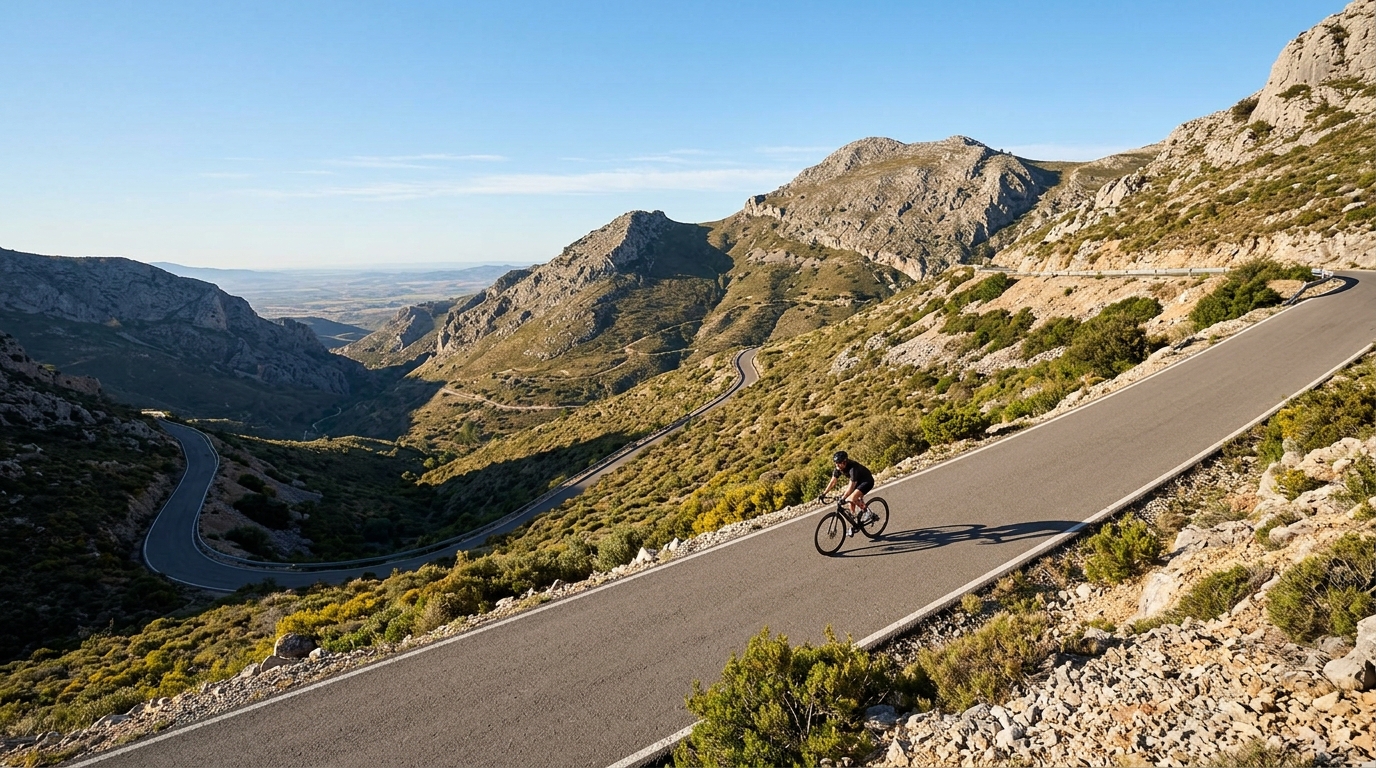 Collado YeguasKat. 2ES · 9.3 km · 5.9% · 537 m324Pkt.
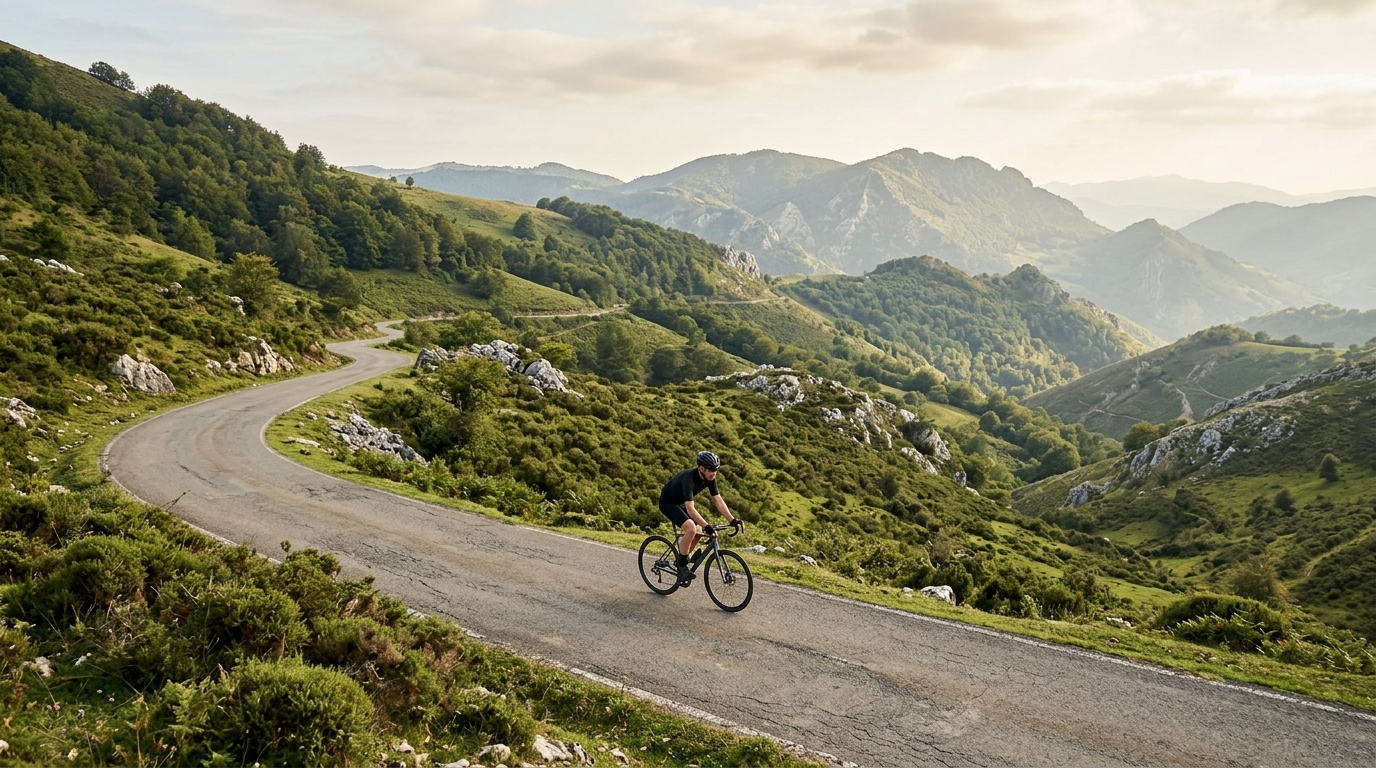 Puerto OtsondoKat. 2ES · 7.8 km · 6.4% · 792 m321Pkt.
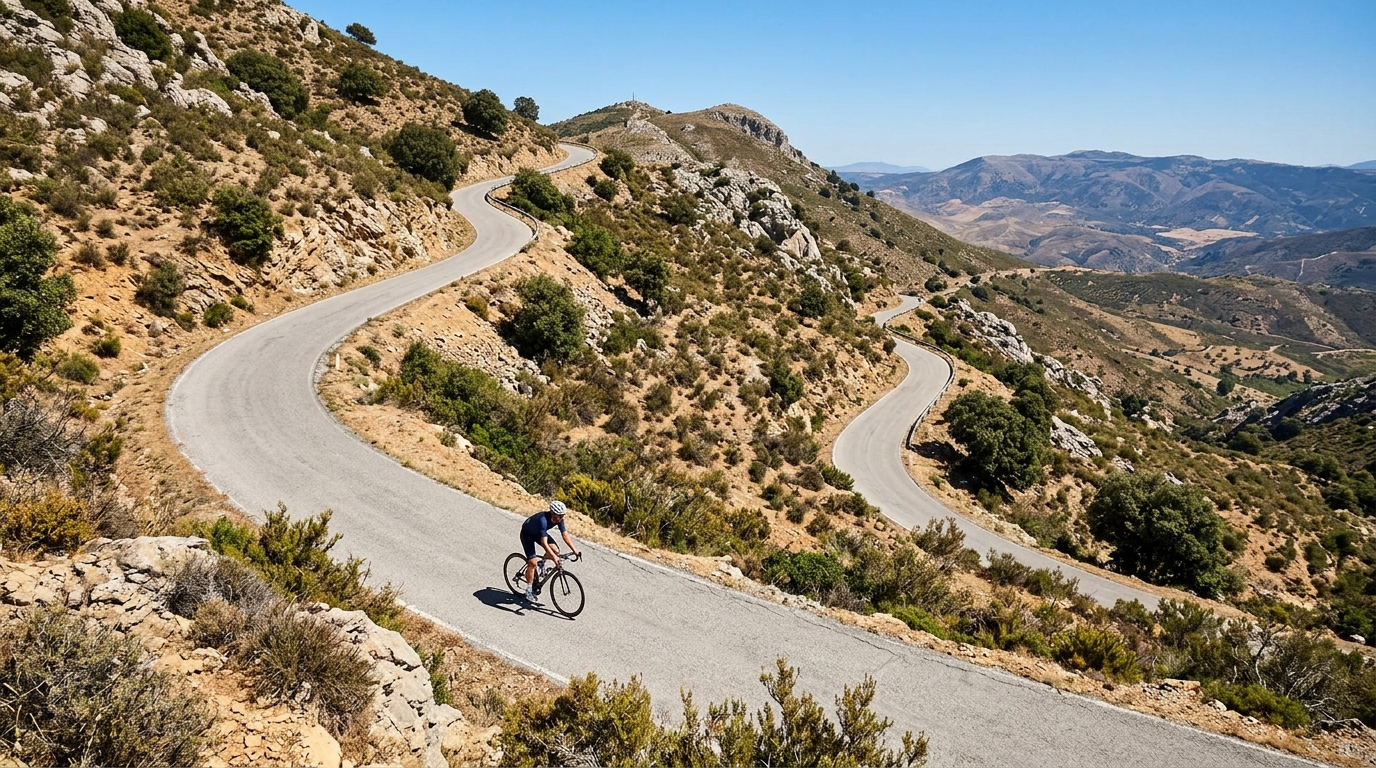 Puerto CarreteroKat. 2ES · 8.7 km · 6.1% · 505 m321Pkt.
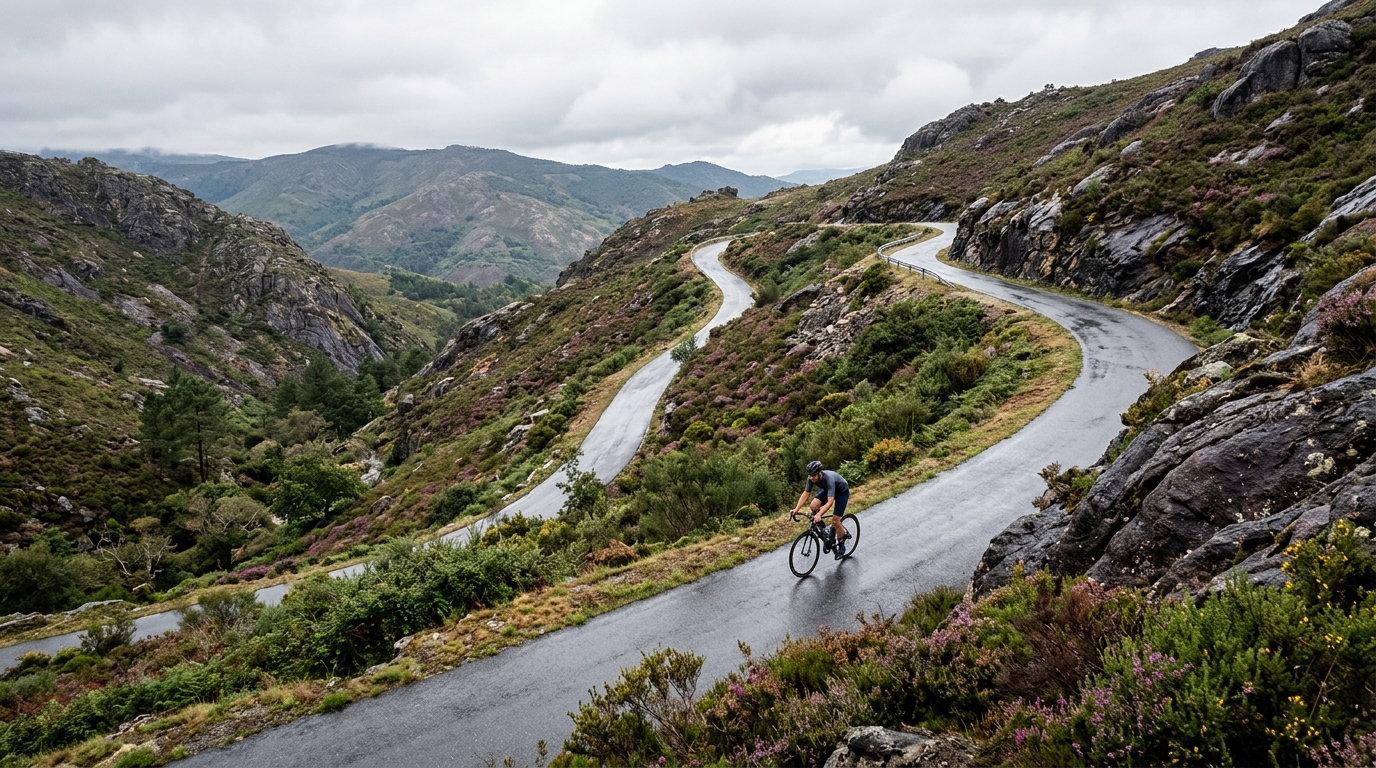 A Portela de EscouridoKat. 2ES · 6.3 km · 7.1% · 432 m321Pkt.
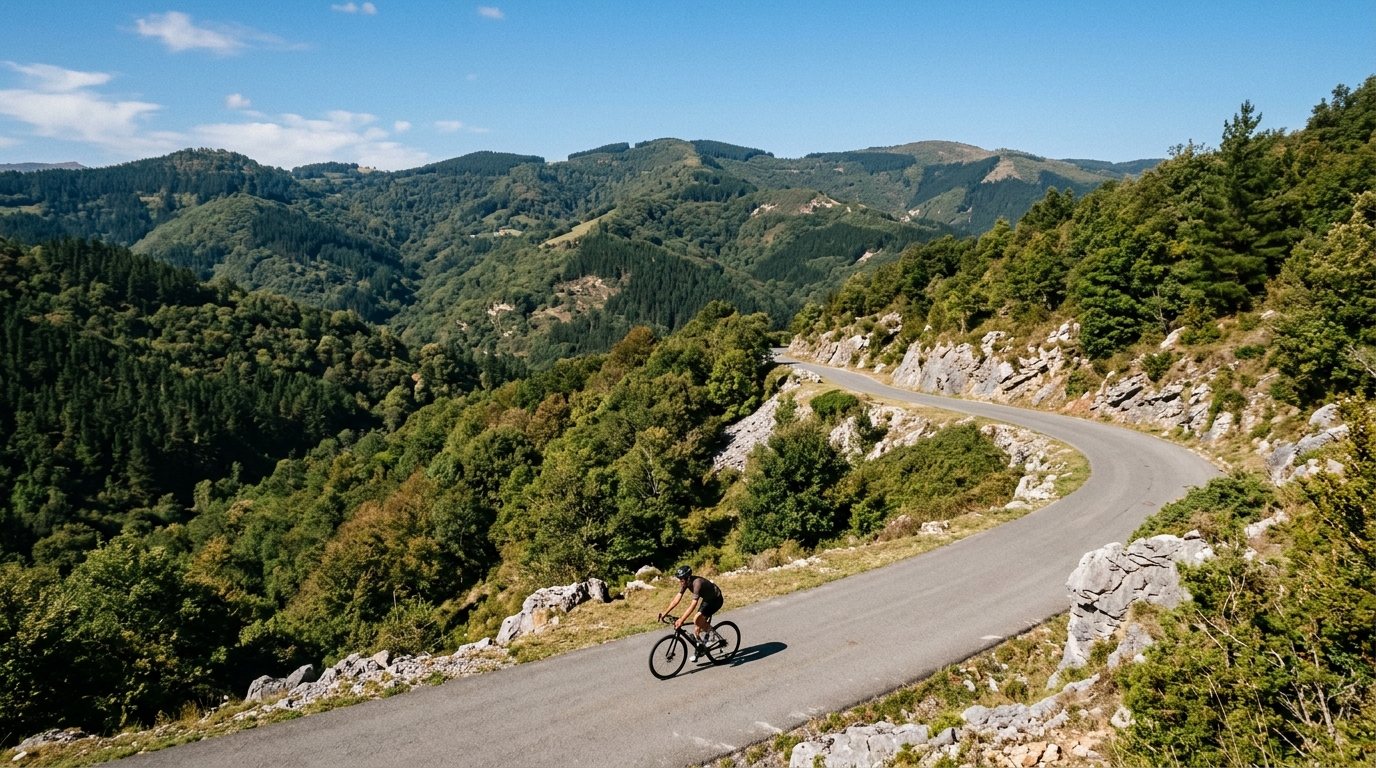 Etxegarateko mendateaKat. 2ES · 9.7 km · 5.7% · 528 m320Pkt.
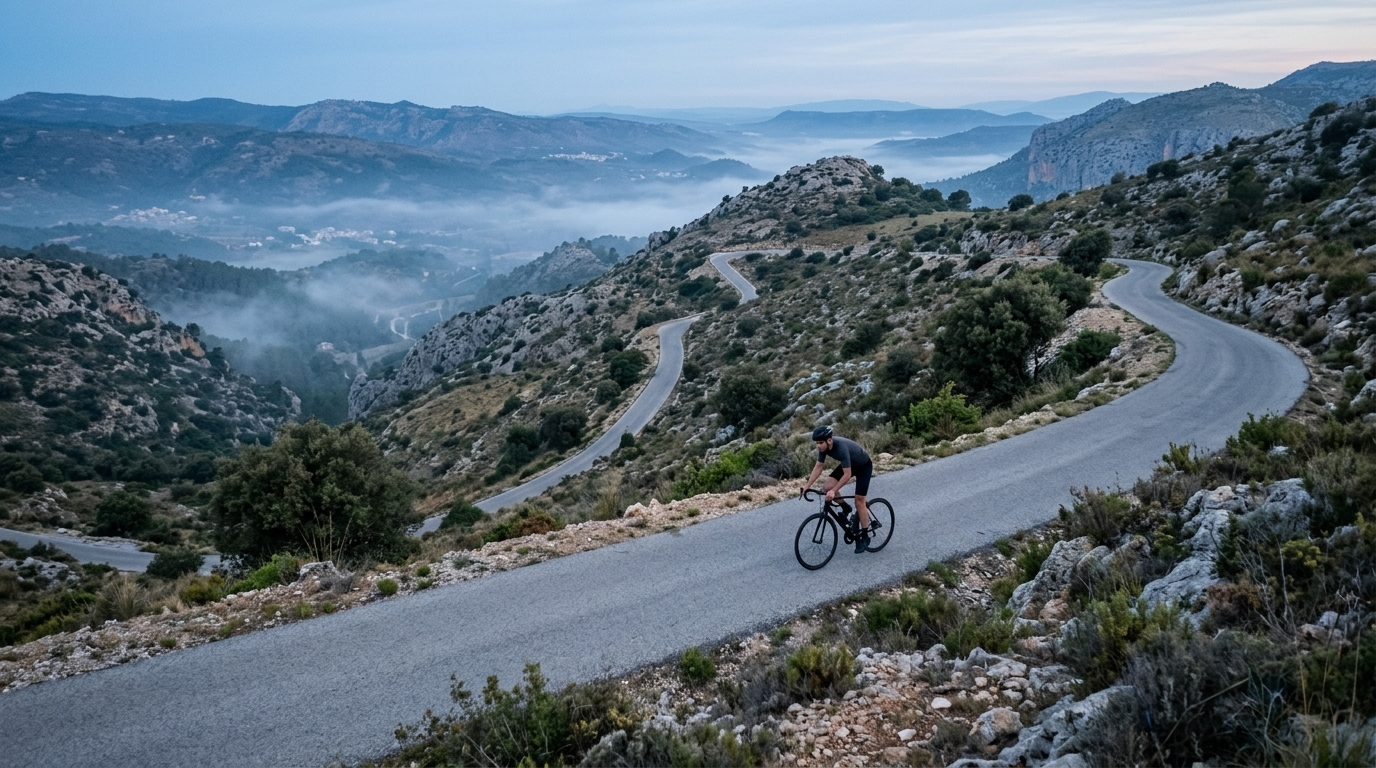 Puerto de la HigueraKat. 2ES · 9.0 km · 6.0% · 525 m320Pkt.
Der vollständige Guide zu Anstiegen in Spanien
The Riding
Spain is one of the great climbing countries for cyclists, offering a catalogue that runs deep and steep. With 763 catalogued climbs on record, there is no shortage of vertical terrain to explore, and 95 of those ascents carry the hors categorie label reserved for the hardest, longest, and most punishing efforts a rider can face.
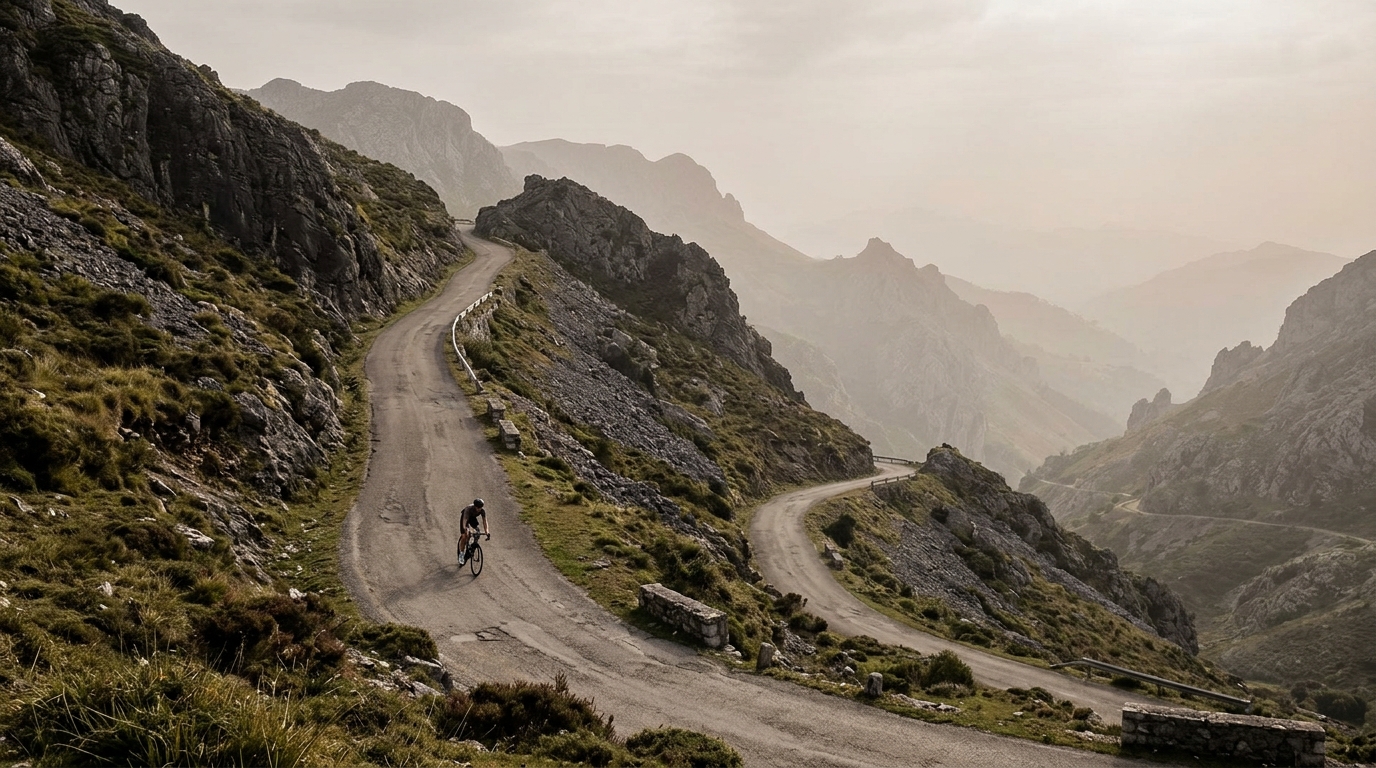
What sets Spanish climbing apart is its character rather than sheer altitude alone. The highest summit reachable by bike tops out at 2816 m, but the defining feature of many Spanish climbs is not thin air so much as savage gradient. Roads here have a habit of pointing skyward with little mercy, stringing together ramps that push well into double-digit percentages and hold them for kilometre after kilometre. Where some countries spread their elevation gain across long, steady drags, Spain often compresses it into short, brutal walls that leave legs screaming and cadence in tatters.
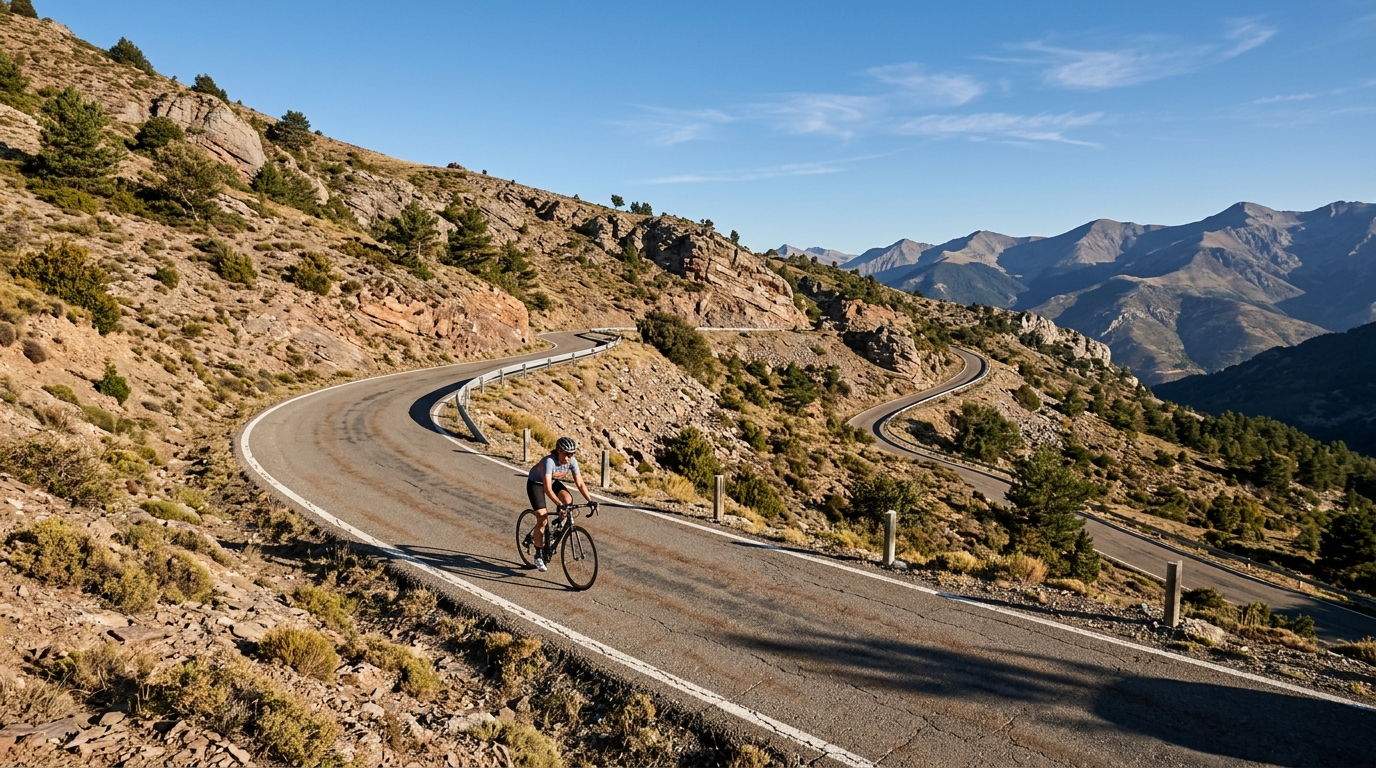
The variety is enormous. You will find smooth, well-surfaced roads that switchback elegantly up forested valleys, and you will find narrow, cracked lanes where the tarmac itself seems to conspire against you. For a rider who loves to climb, this combination of quantity, quality, and difficulty makes Spain a place to return to again and again.
Standout Climbs
No conversation about Spanish climbing begins anywhere other than the Alto de l'Angliru. It is the benchmark by which suffering is measured, a relentless ascent whose gradients turn a bike ride into a battle for traction and survival. Its reputation is entirely earned, and it remains a bucket-list ascent for climbers the world over.
Lagos de Covadonga offers a different flavour of legend. It is a climb of shifting gradients and dramatic scenery, rising through changeable terrain toward its high lakes. The rhythm is never constant, and reading the road well is part of conquering it.
For pure vertical spite, El Gamoniteiru stands alongside the Angliru as one of the toughest tests in the country. It is long, high, and unforgivingly steep, a modern hors categorie monster that rewards nothing but honest, grinding effort.
Puerto de Ancares rounds out the roster of serious ascents, a demanding climb that draws riders looking for the quieter, wilder side of Spanish mountains. And in the south, Alto de Hazallanas provides a fierce challenge of its own, with ramps steep enough to command respect from even seasoned climbers.
Together these five climbs capture the range of what Spain does best: raw steepness, memorable summits, and roads that ask everything of a rider.
When to Ride
Timing matters when planning a climbing trip in Spain. The higher ascents, particularly those reaching toward the 2816 m ceiling, are best tackled in the warmer months when roads are clear and daylight is generous. Late spring through early autumn typically offers the most reliable conditions for the big mountain days.
Summer at altitude can be comfortable, but lower and more exposed climbs may become uncomfortably hot in peak season, so early starts are wise. The shoulder months either side of summer often deliver the sweet spot: settled weather, cooler air on the steep ramps, and thinner crowds on the famous ascents.
Practical Notes
Given the gradients Spain is famous for, gearing is the single most important preparation. The steep walls of climbs like the Angliru and Hazallanas demand a generous cassette and a compact or sub-compact setup for all but the strongest riders. Do not underestimate how quickly a punishing ramp will expose an overly ambitious gear choice.
Pacing is equally critical. Spanish climbs rarely hold a steady gradient, so riders should be ready for sudden pitches that spike far beyond the average. Save reserves for these moments rather than burning matches early.
Carry enough food and water, as the more remote ascents such as Puerto de Ancares can be quiet, with few services along the way. Finally, respect the descents: many of these roads are narrow, and what goes up so steeply comes down just as sharply.
Summary
Spain is a climber's country in the truest sense, with 763 catalogued climbs, 95 of them hors categorie, and a highest summit of 2816 m. From the merciless Alto de l'Angliru and El Gamoniteiru to the scenic Lagos de Covadonga, the wild Puerto de Ancares, and the steep Alto de Hazallanas, it offers a lifetime of vertical ambition. Bring the right gears, pick your season well, and Spain will reward you with some of the finest and hardest climbing on two wheels.
Suchst du komplette Ausfahrten in Spanien?
Routen in Spanien