Biblioteka uspona · Italija
Cycling climbs in Italy
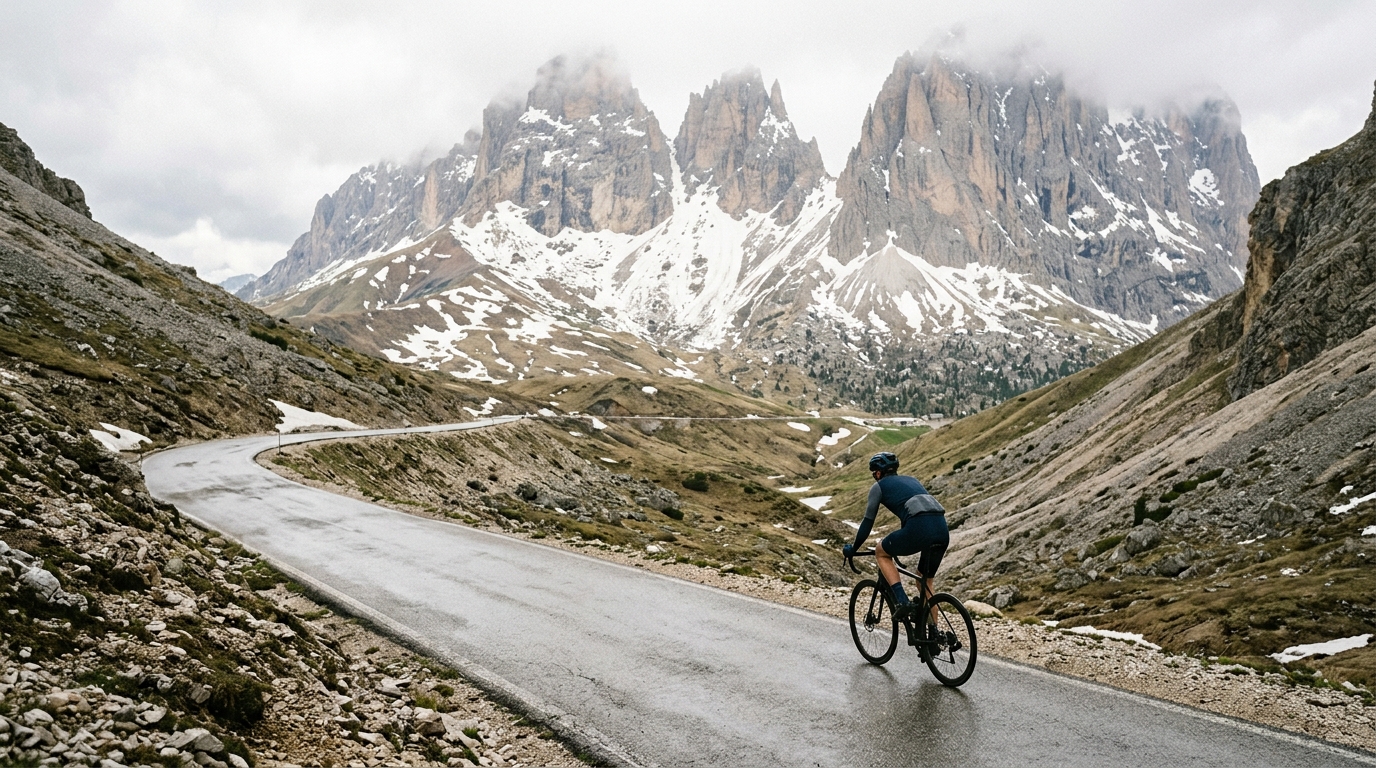
Italy is a climbing destination without rival, home to 1,007 catalogued ascents that carve their way from valley floors toward the sky. Of those, 466 carry the hors catégorie label, the hardest classification a climb can earn, so the pain here is not incidental but abundant. The highest summit tops out at 2,848 metres, an altitude where the air thins, the gradients bite, and every pedal stroke is earned. Few places pack this much vertical suffering into a single country.
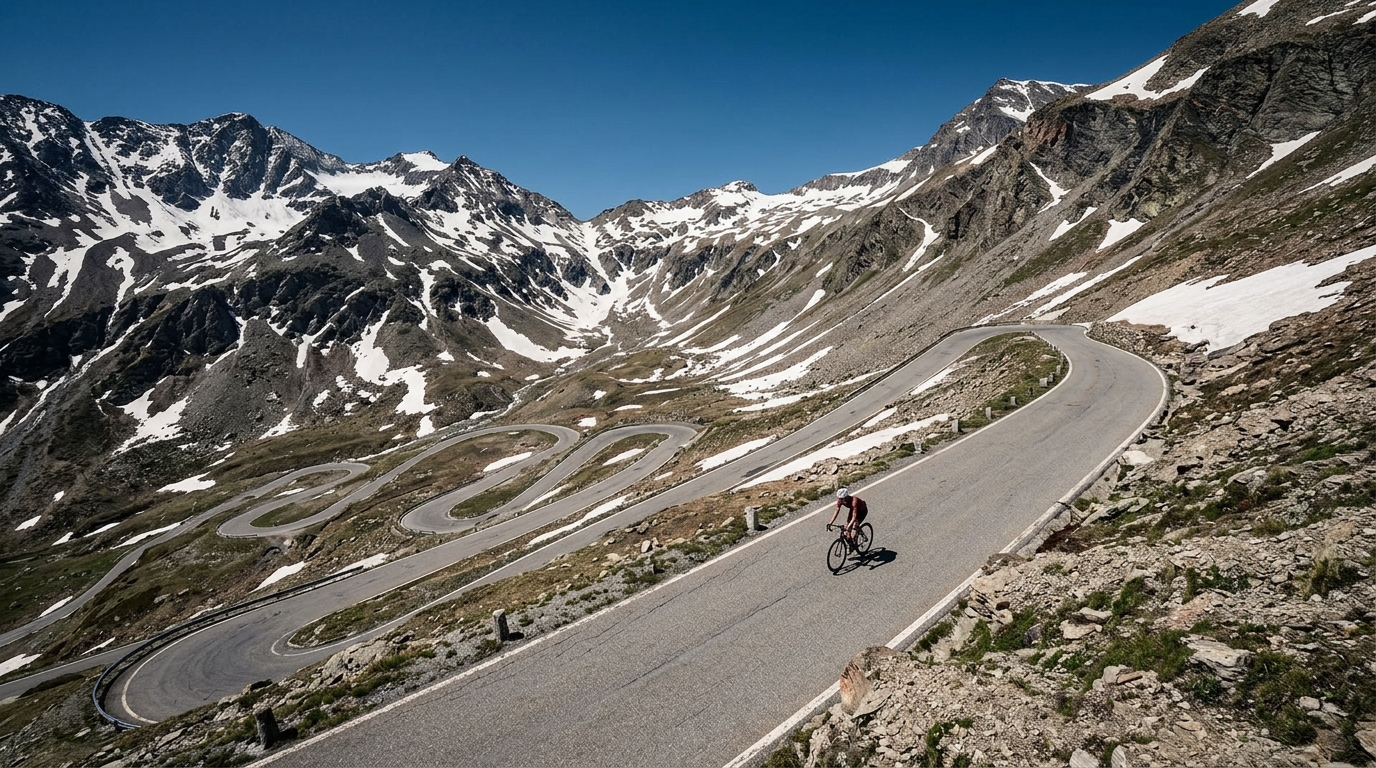
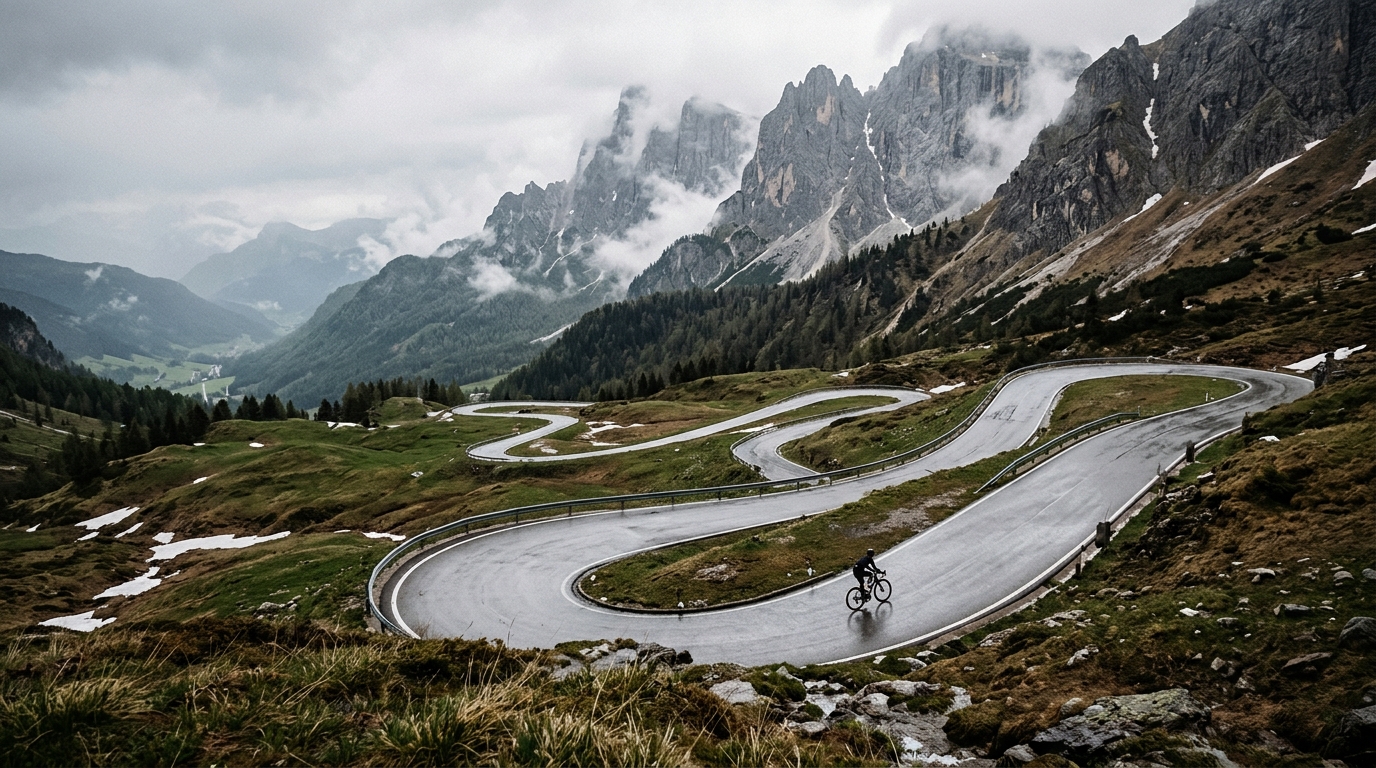
The marquee names read like a rite of passage. Passo dello Stelvio stacks switchback upon switchback into the clouds, while Passo del Mortirolo and Monte Zoncolan punish riders with brutal, unrelenting ramps. Colle delle Finestre trades tarmac for gravel high on its upper slopes, and Passo Fedaia rears up in a final wall that breaks legs and resolve alike. Come for one, and you will keep coming back.
Regioni u Italija
Prepoznatljivi usponi u Italija
Svi usponi u Italija
1.073 uspona
 SchlinigpassHCIT · 18.6 km · 7.3% · 1337 m988poena
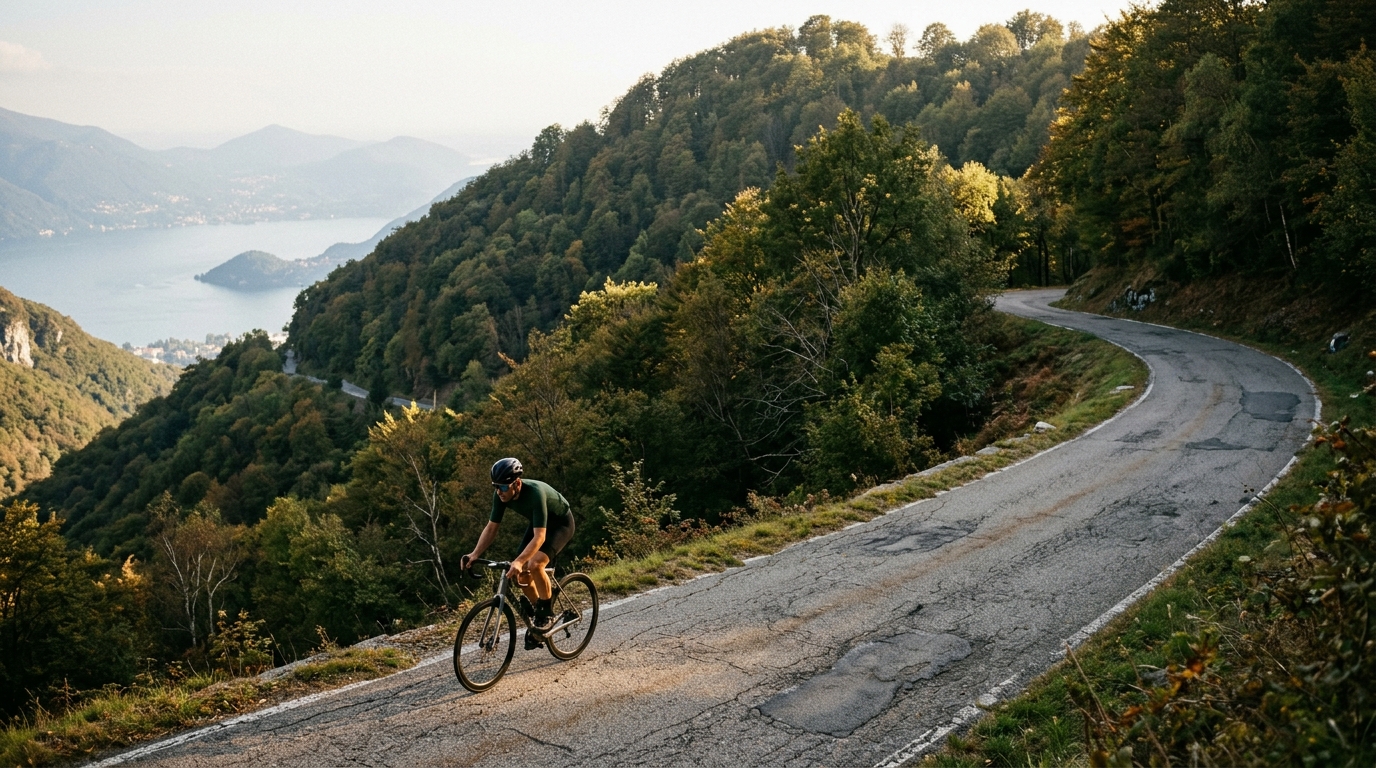 Passo del CuvignoneHCIT · 7.2 km · 11.7% · 826 m987poena
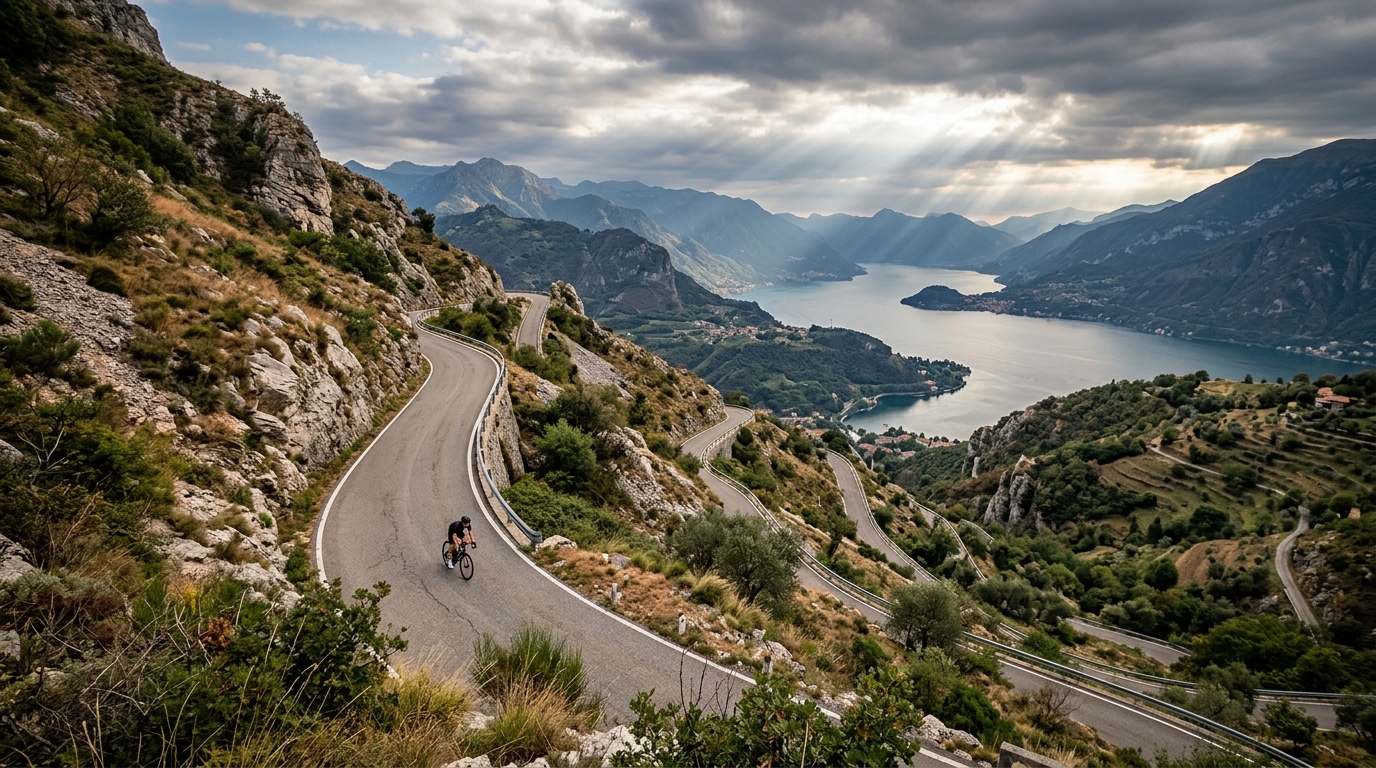 Colma CrocettaHCIT · 8.6 km · 10.7% · 891 m985poena
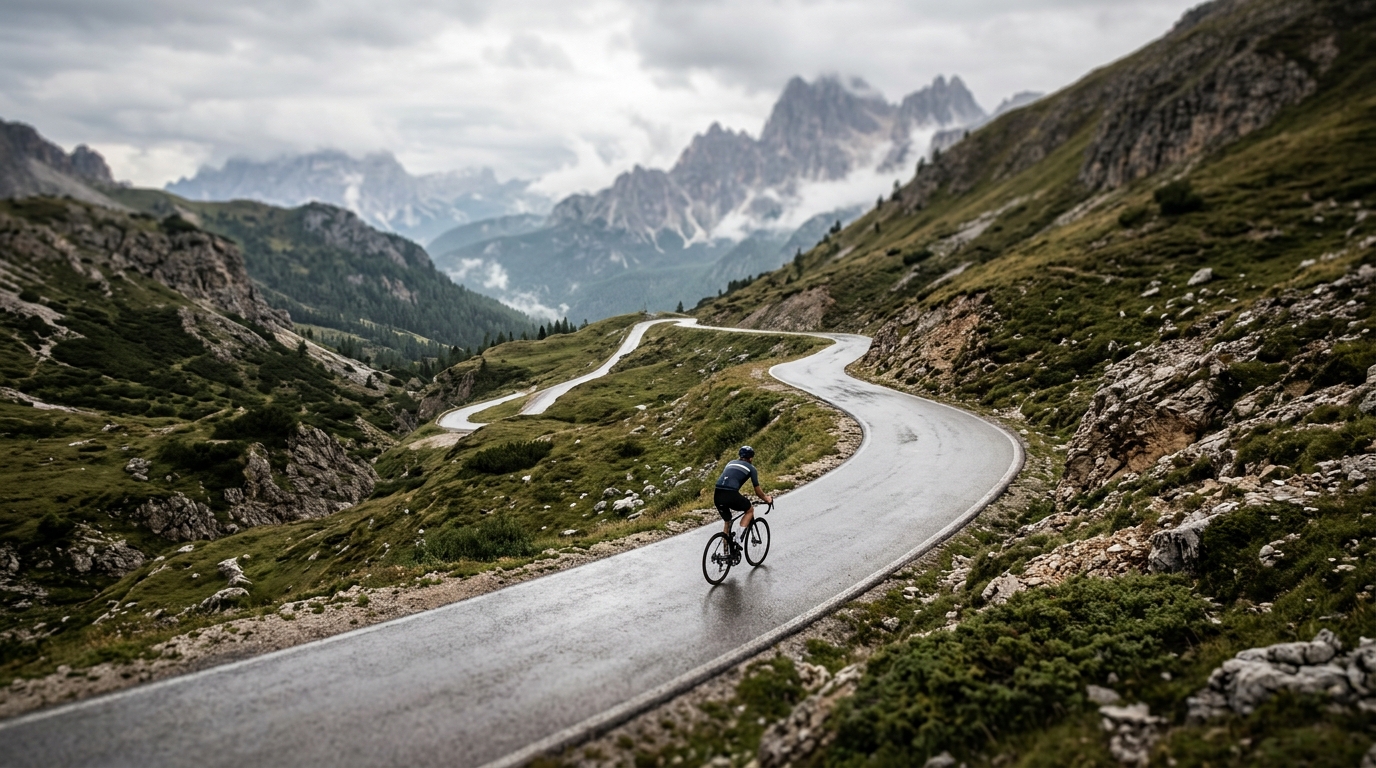 HofmahdjochHCIT · 23.5 km · 6.3% · 1653 m948poena
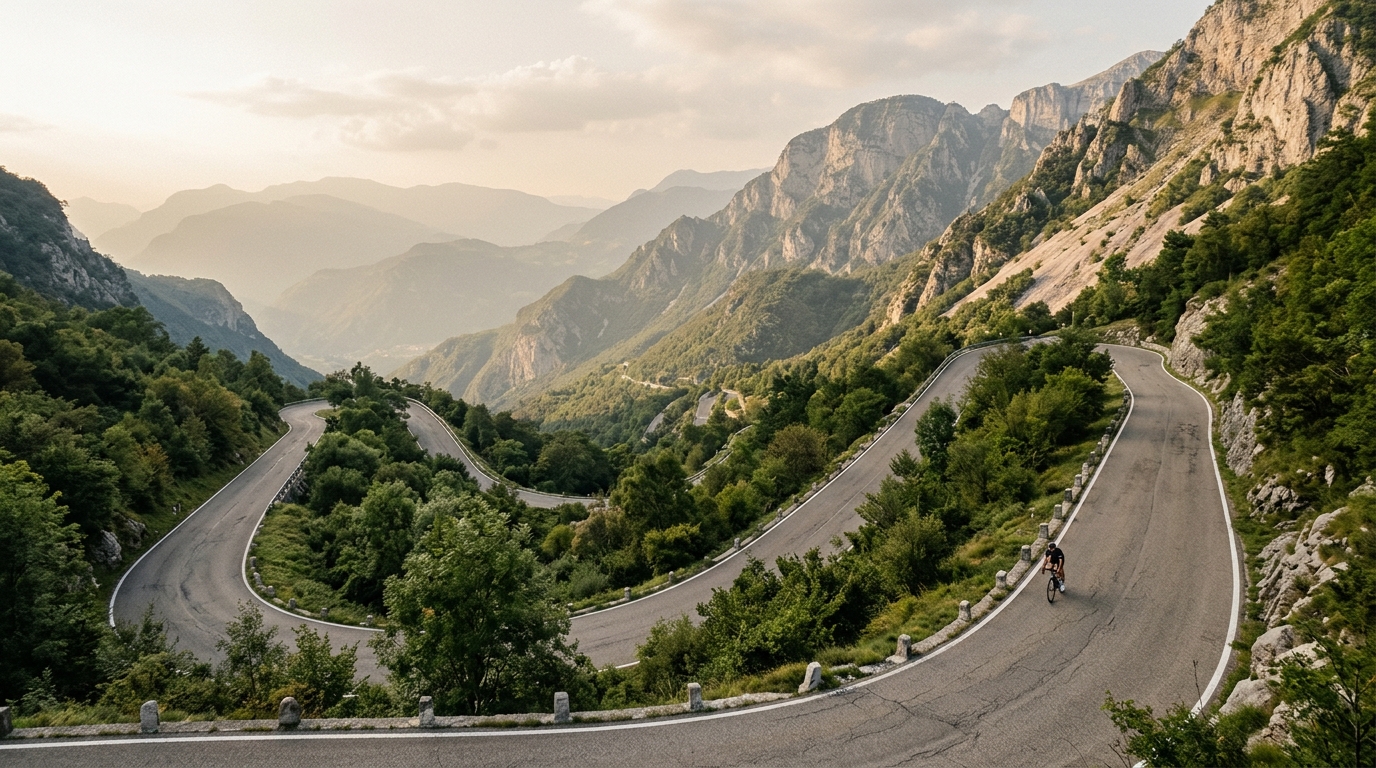 Passo BordalaHCIT · 11.5 km · 9.0% · 1028 m935poena
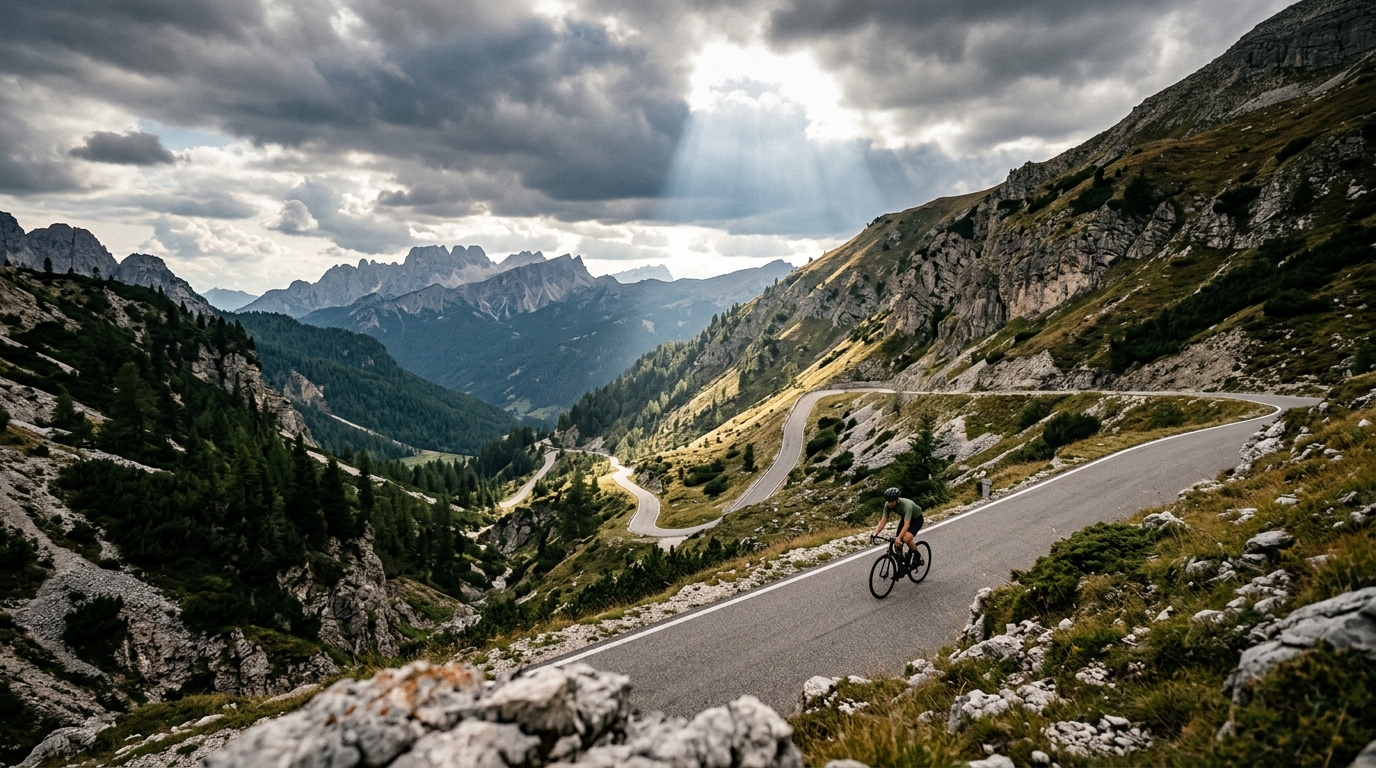 Passo SommoHCIT · 14.9 km · 7.9% · 1150 m928poena
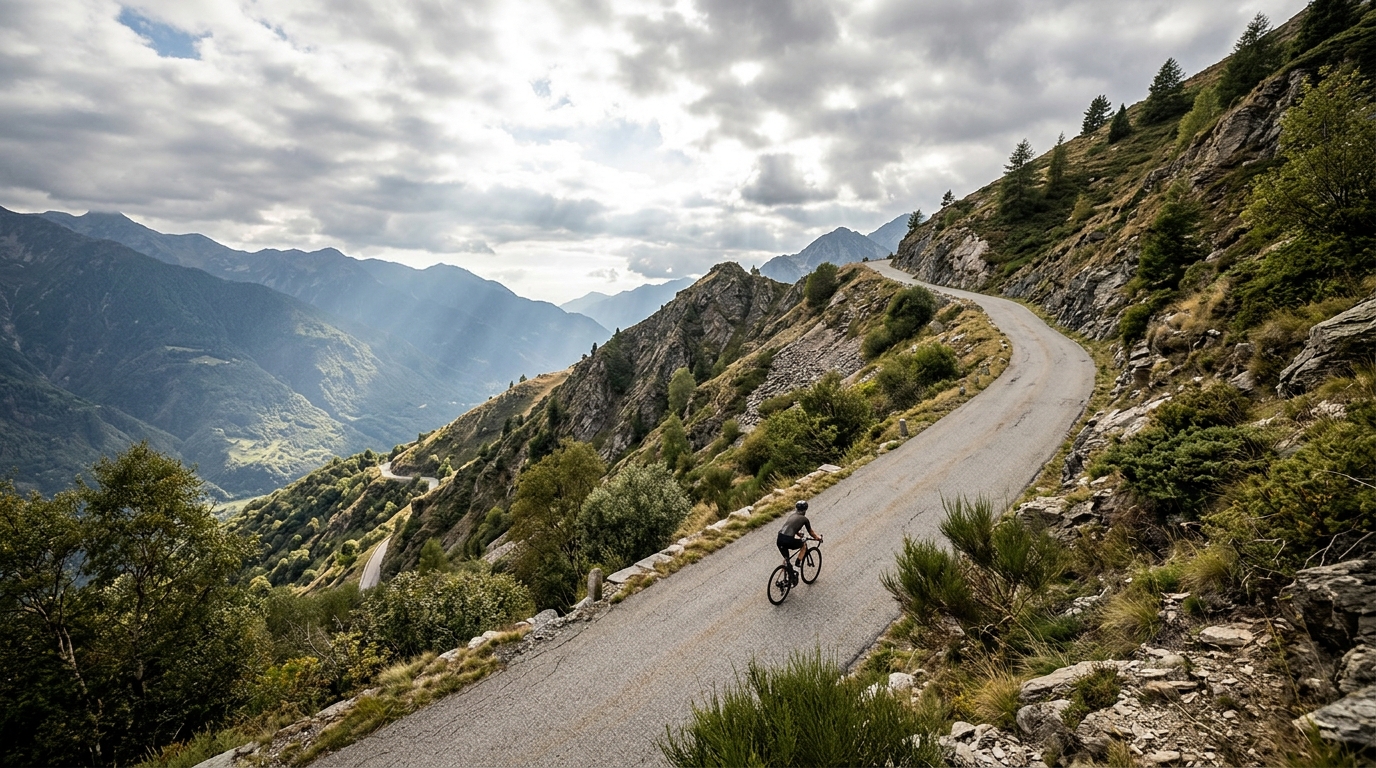 Bocchetta di NavaHCIT · 5.0 km · 13.3% · 641 m885poena
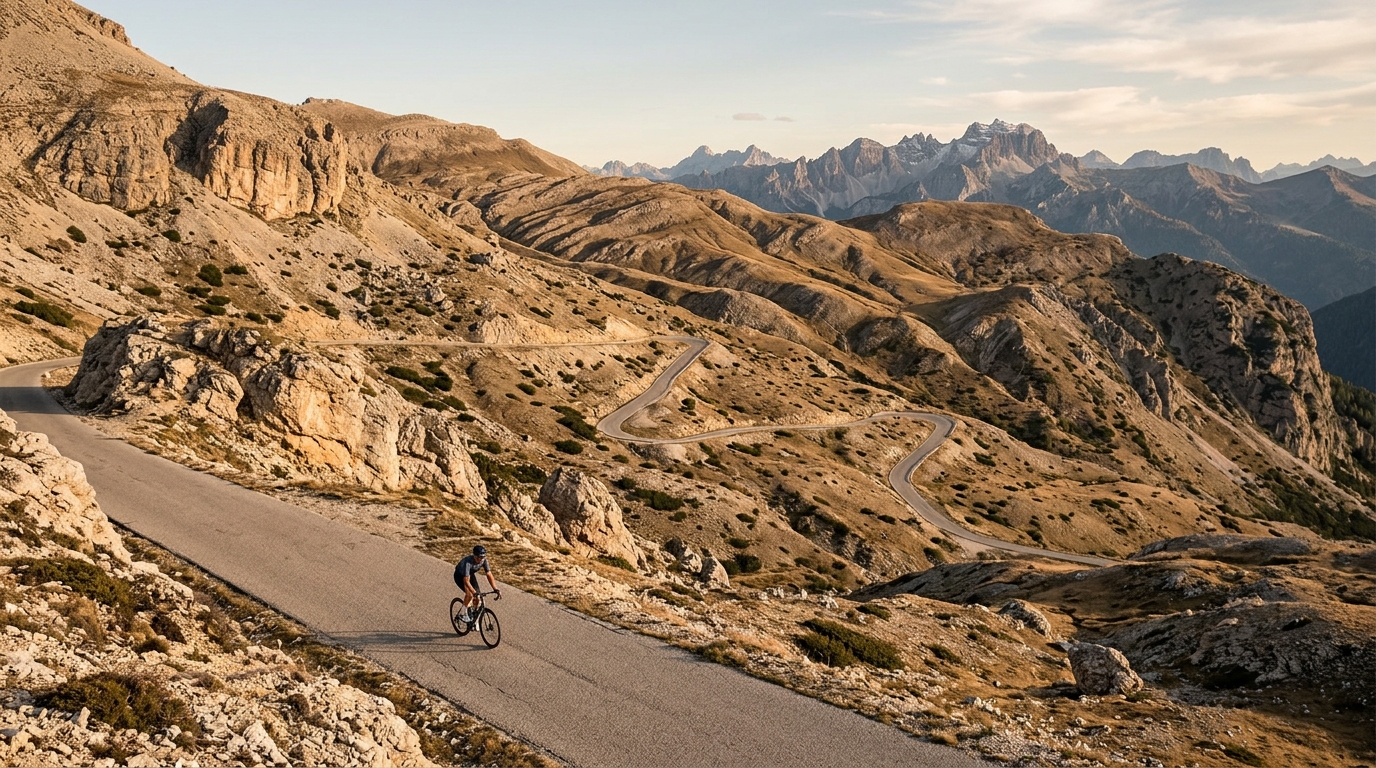 Forcella BregainHCIT · 33.5 km · 5.0% · 1663 m855poena
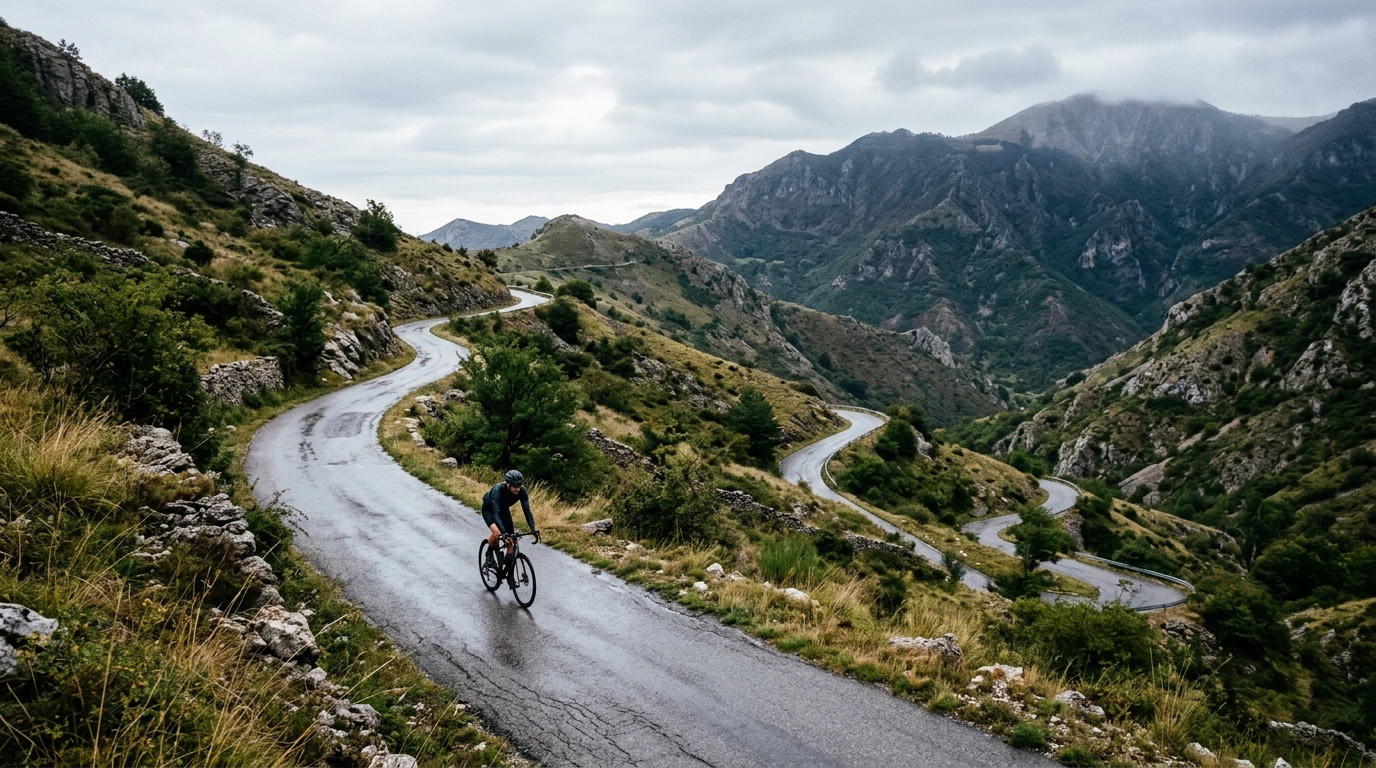 Barco dei MontoniHCIT · 16.2 km · 7.1% · 1151 m819poena
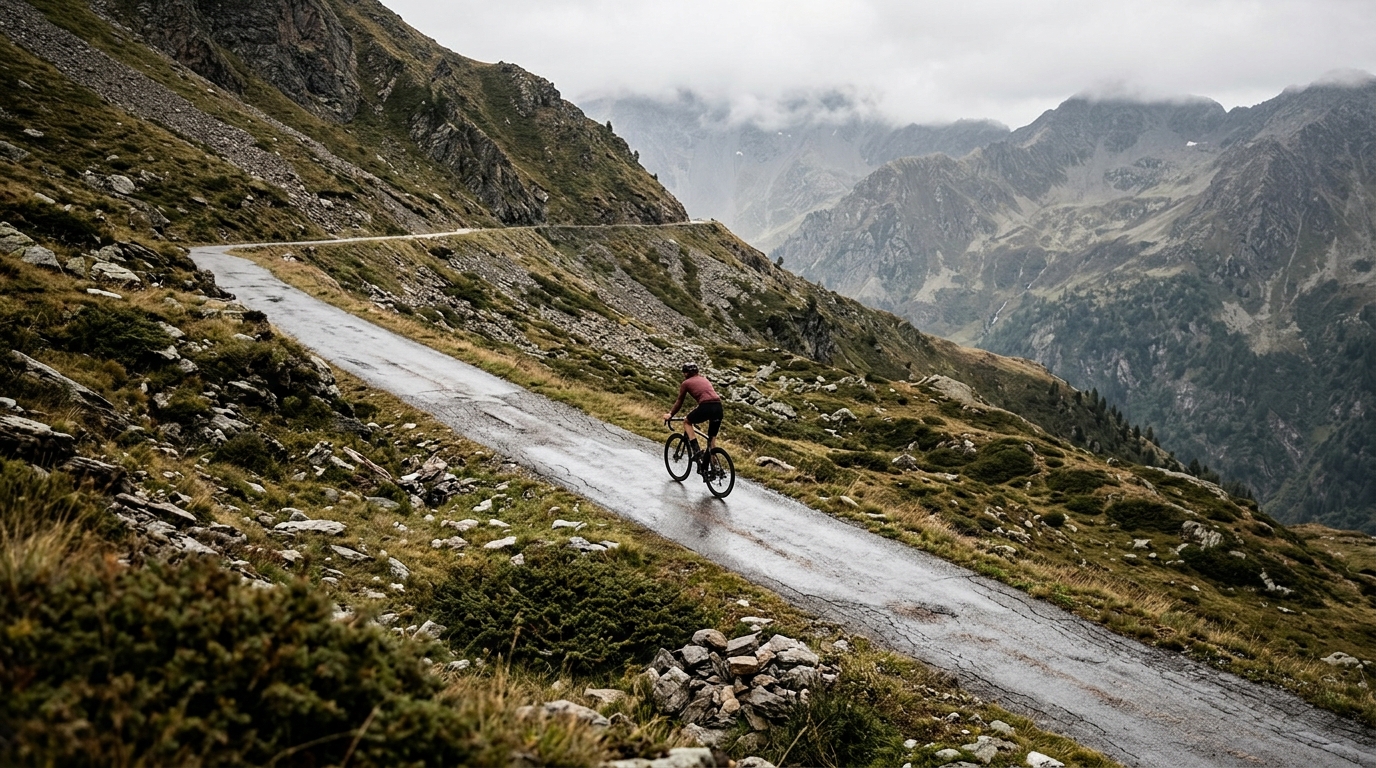 Passo di PublinoHCIT · 12.8 km · 14.7% · 1856 m2770poena
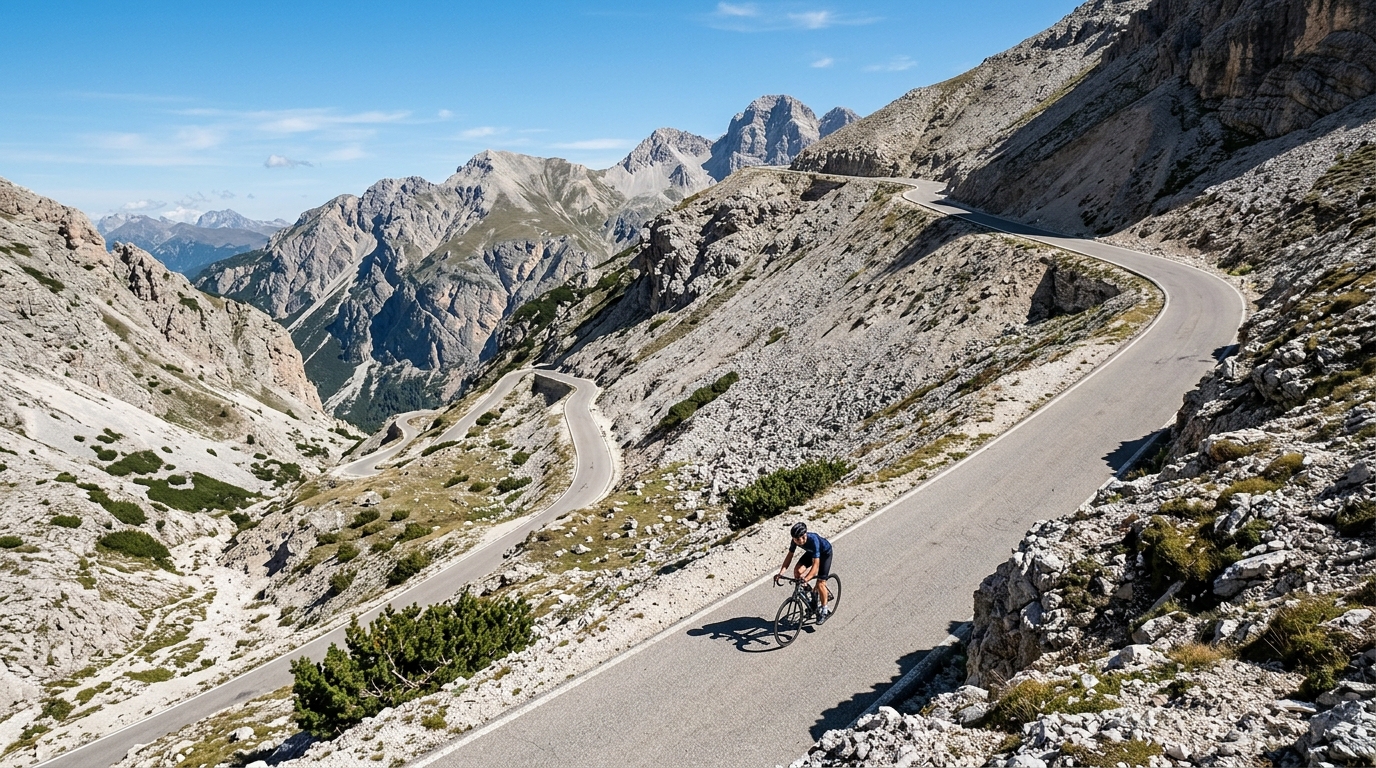 Kaltwasser PassHCIT · 19.5 km · 11.6% · 952 m2623poena
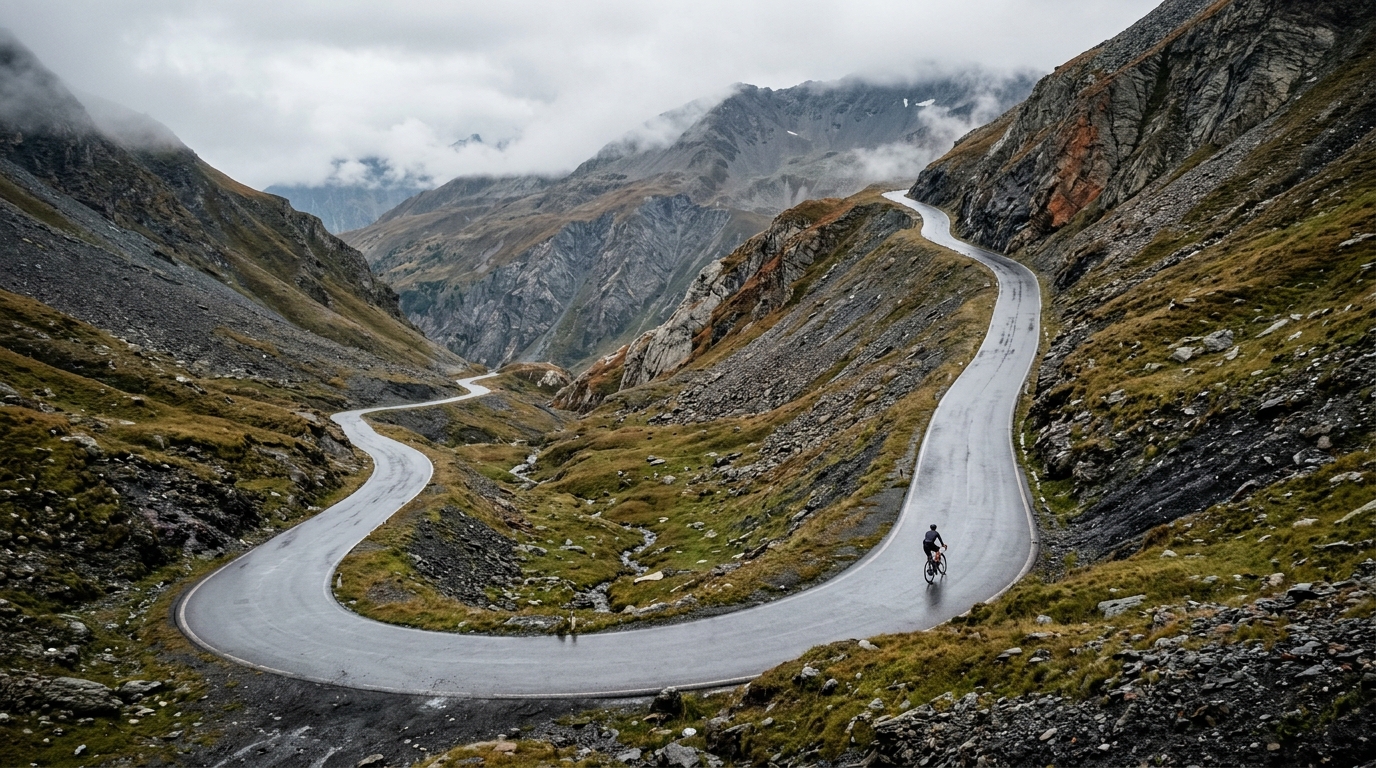 Kaltwasser PassHCIT · 21.2 km · 10.9% · 1019 m2525poena
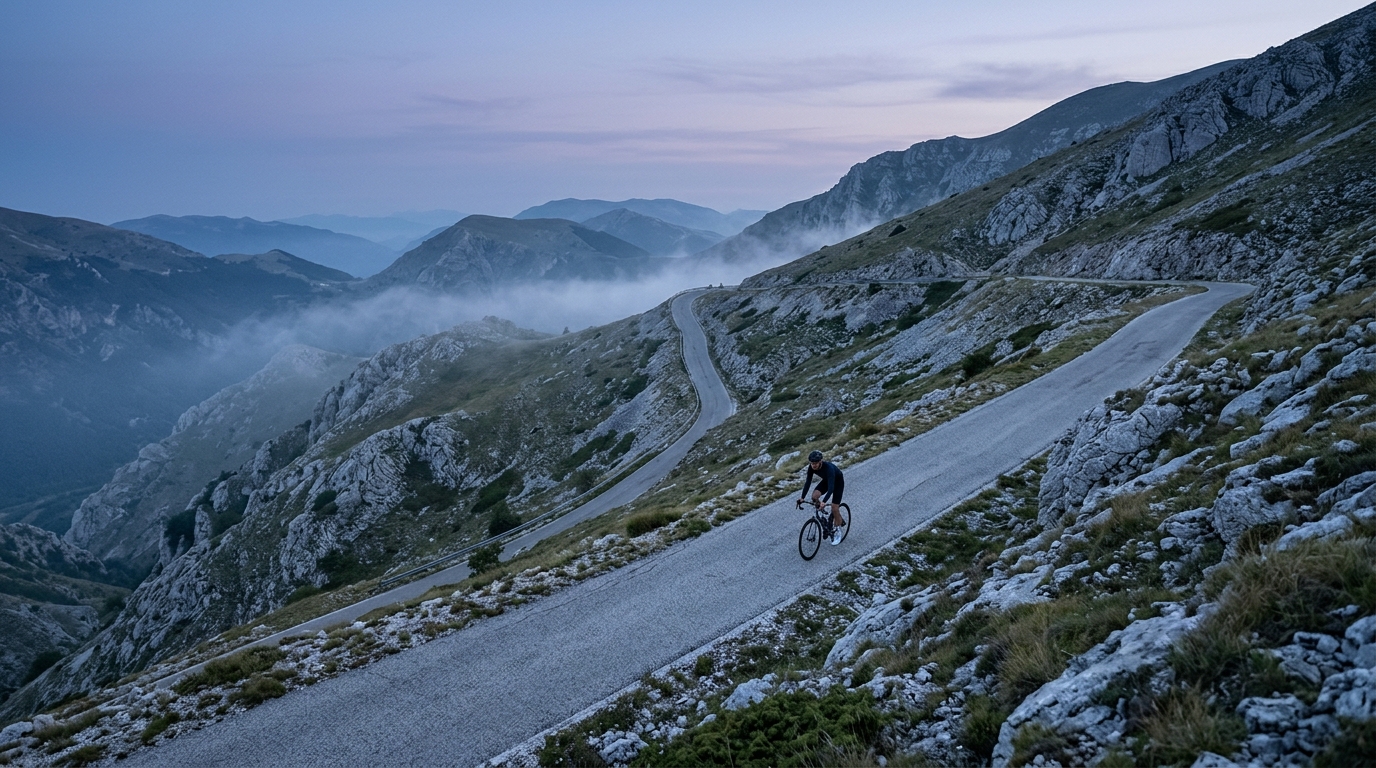 Vado di CornoHCIT · 15.2 km · 12.9% · 1896 m2522poena
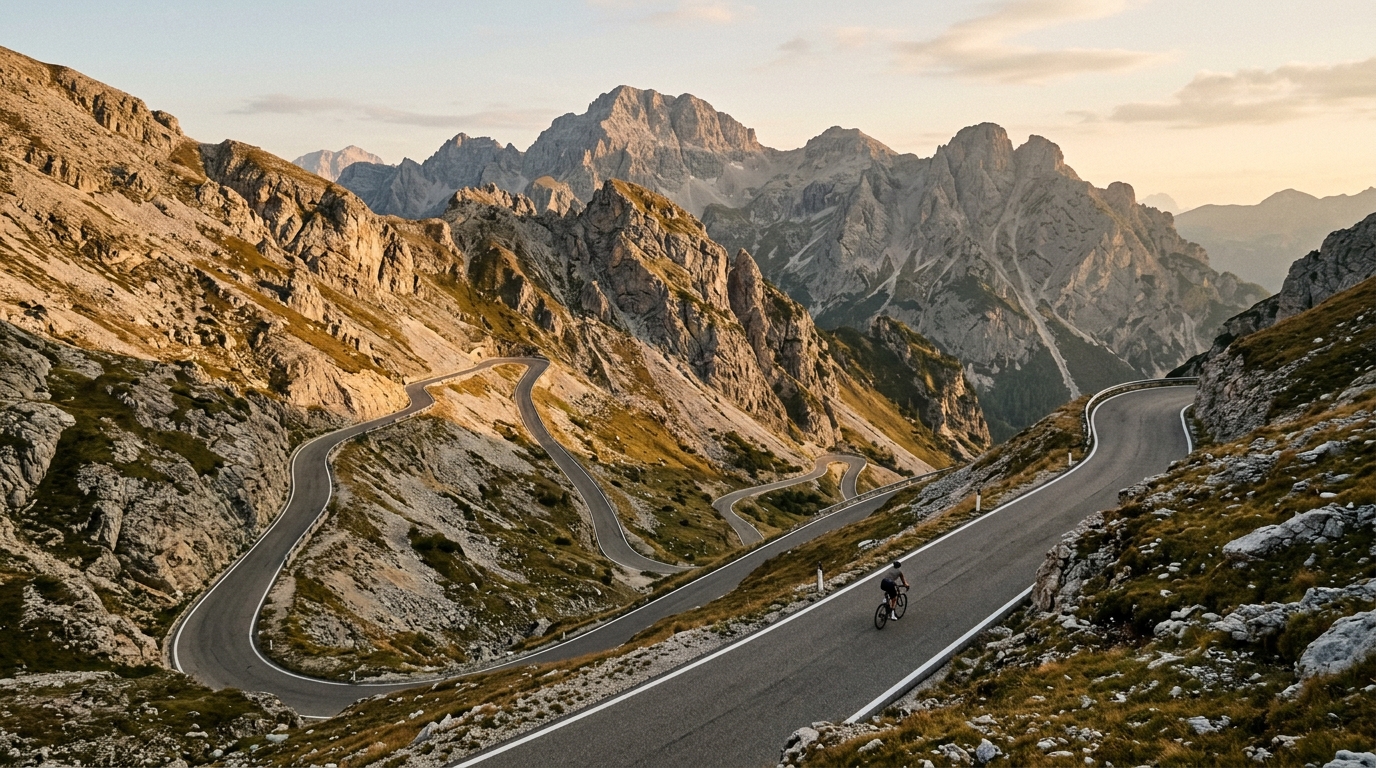 Passo di Val FreddaHCIT · 17.0 km · 12.1% · 2029 m2493poena
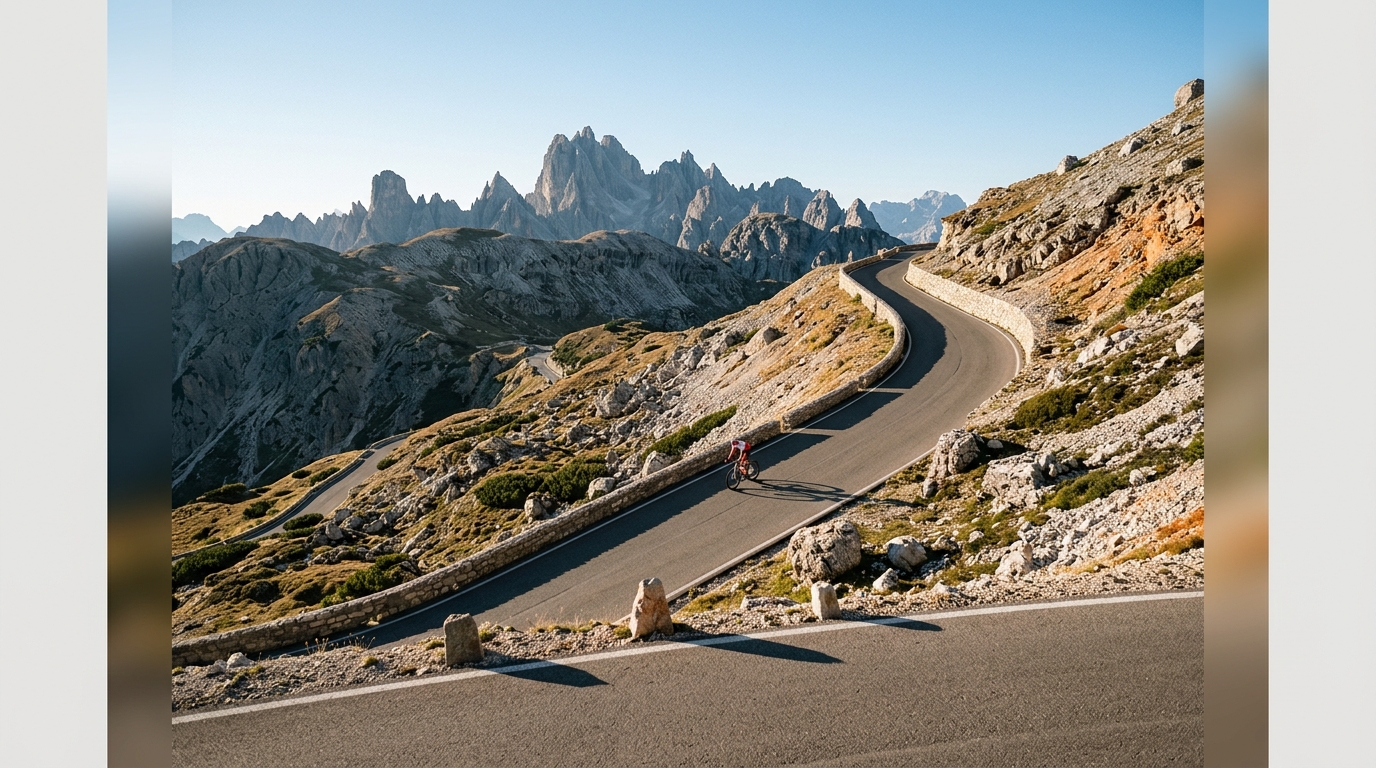 Passo del CristalloHCIT · 21.7 km · 10.6% · 2253 m2455poena
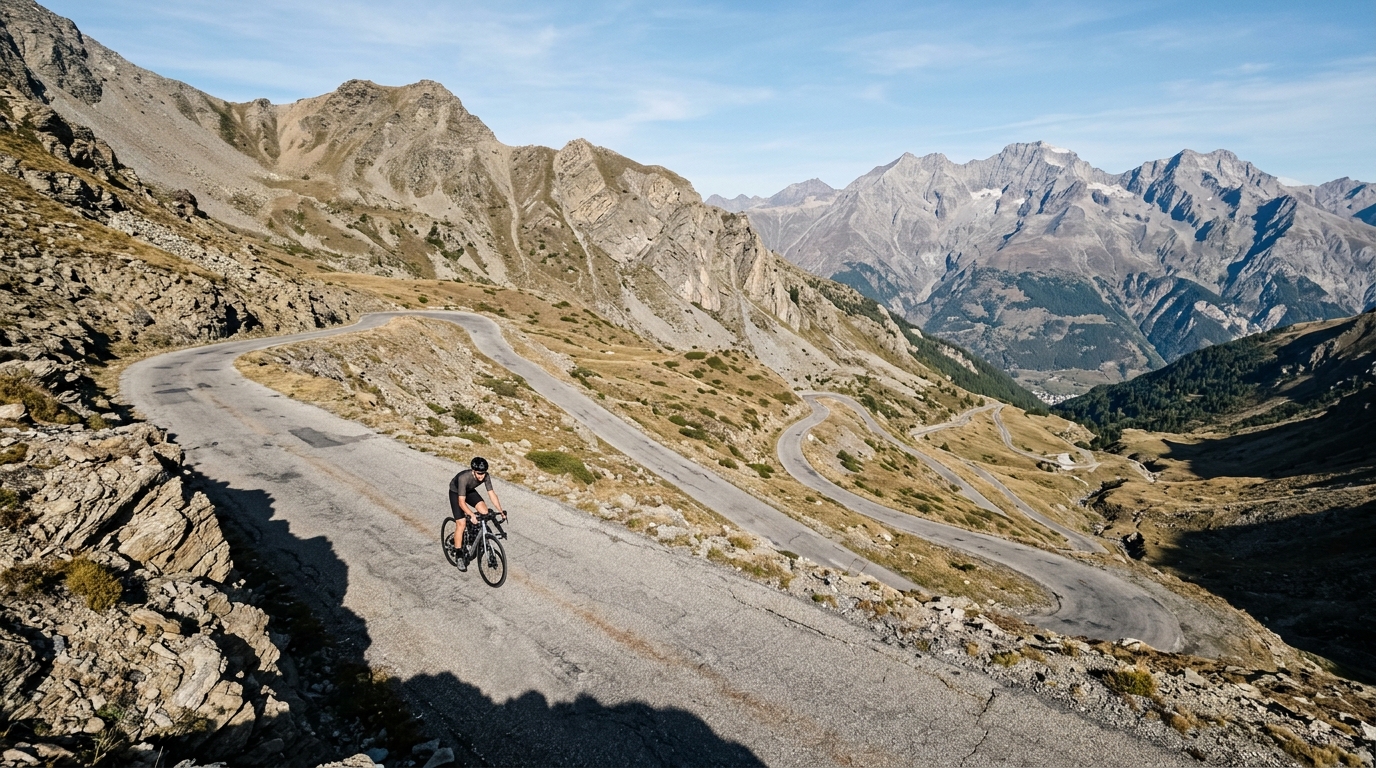 Passo di PilaHCIT · 13.6 km · 12.7% · 1692 m2198poena
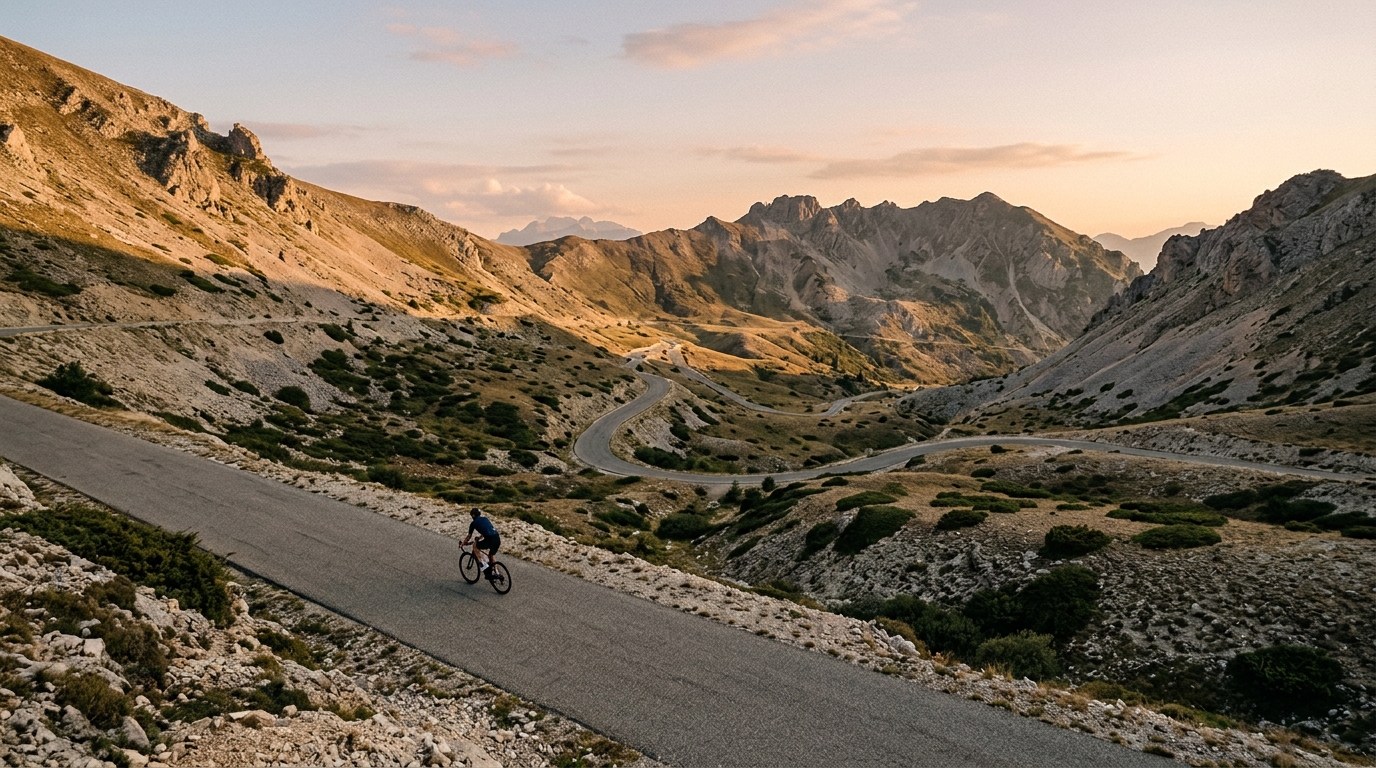 Colle LarissaHCIT · 23.6 km · 9.5% · 2228 m2116poena
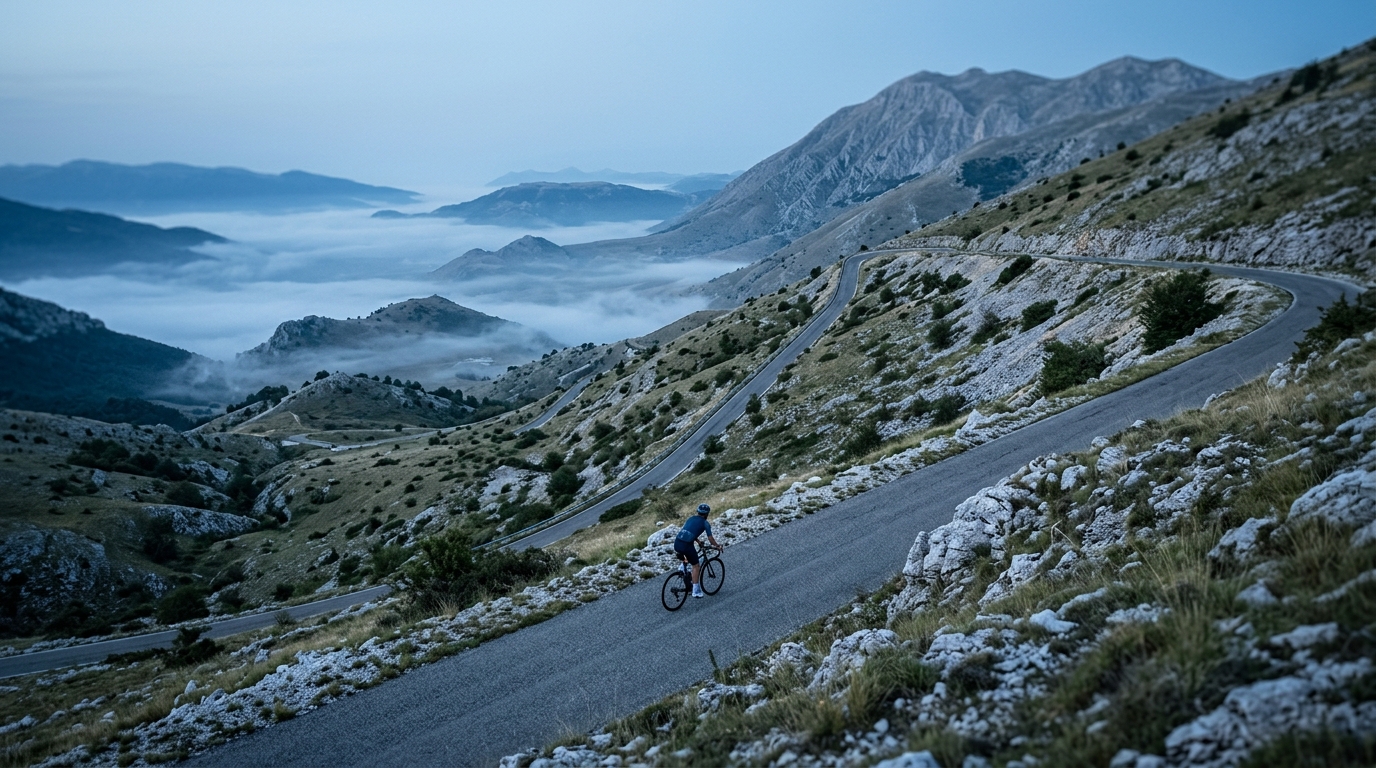 Passo del LupoHCIT · 19.2 km · 10.4% · 1972 m2100poena
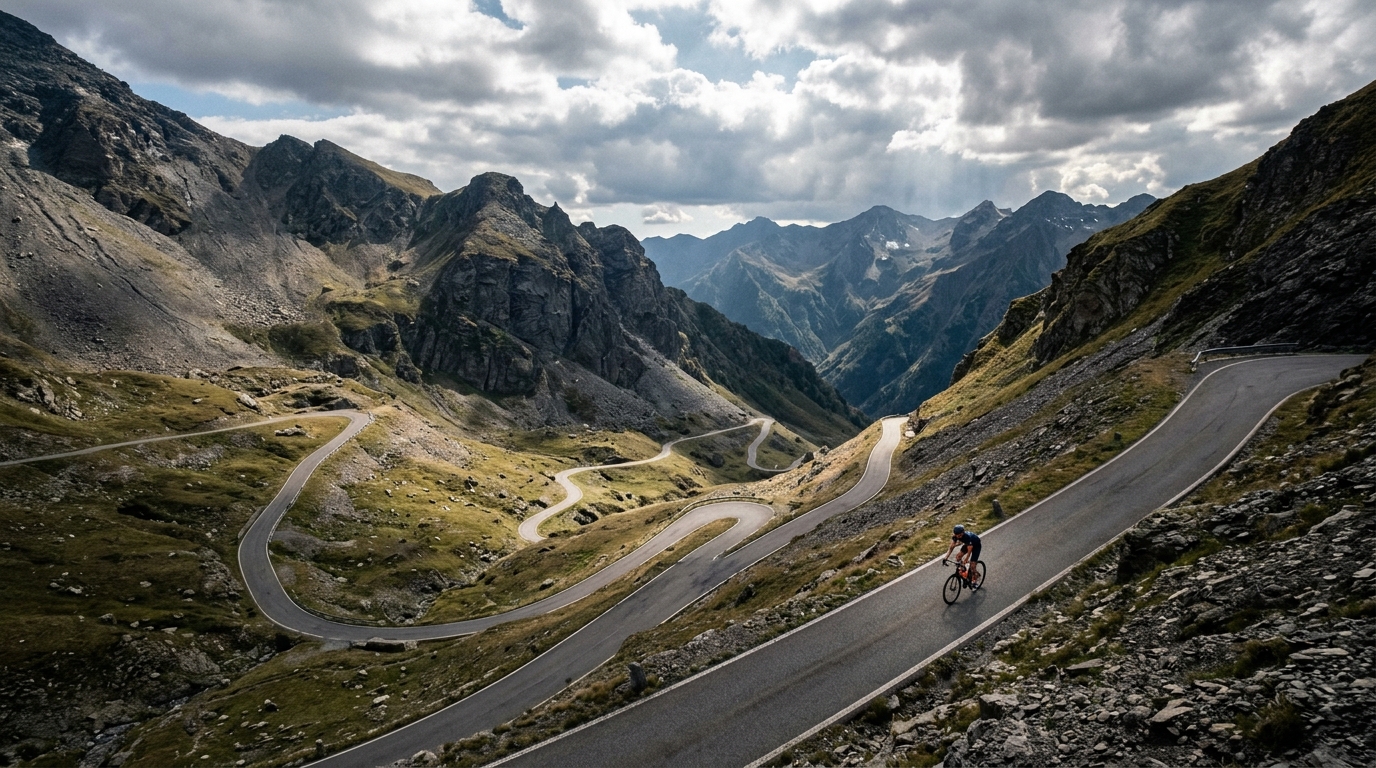 Passo di PublinoHCIT · 20.0 km · 10.2% · 2174 m2094poena
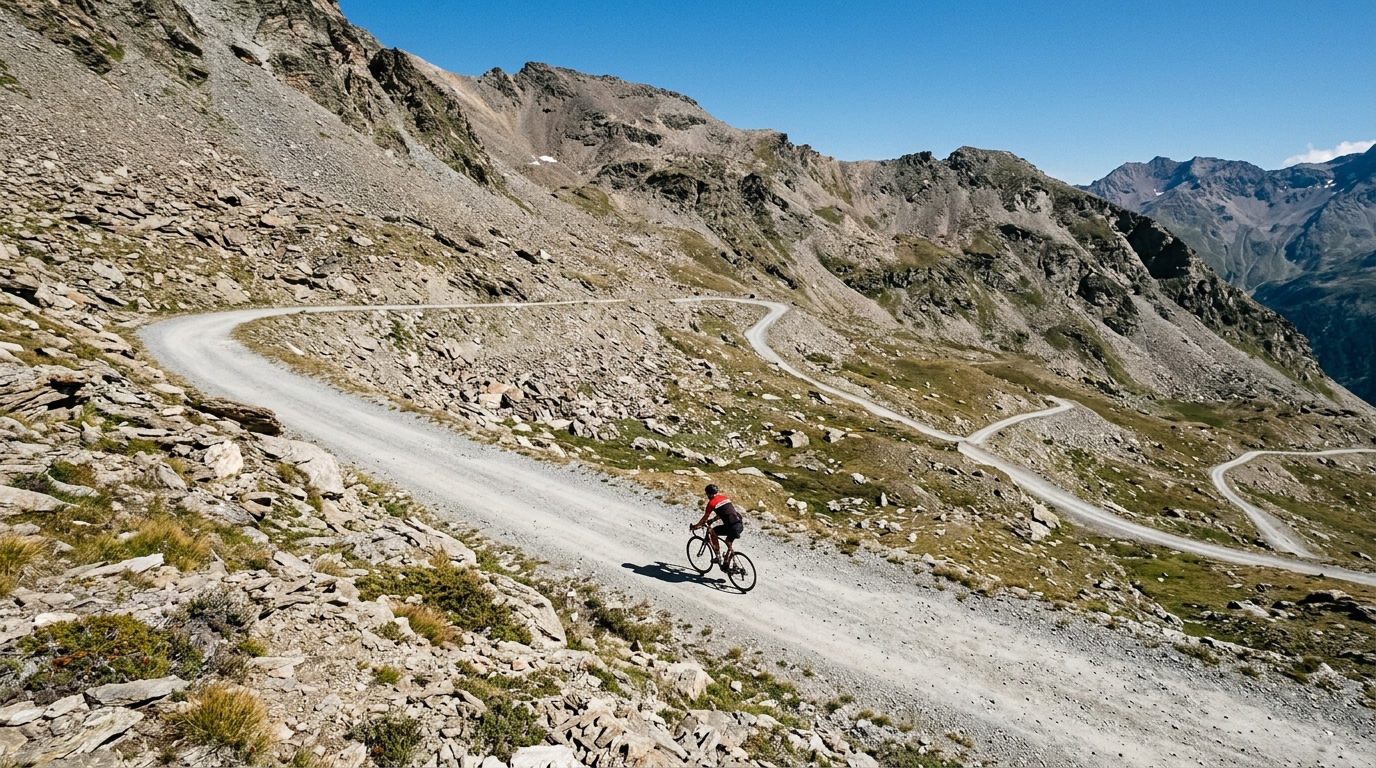 Col du LosonHCIT · 36.5 km · 7.4% · 2679 m2005poena
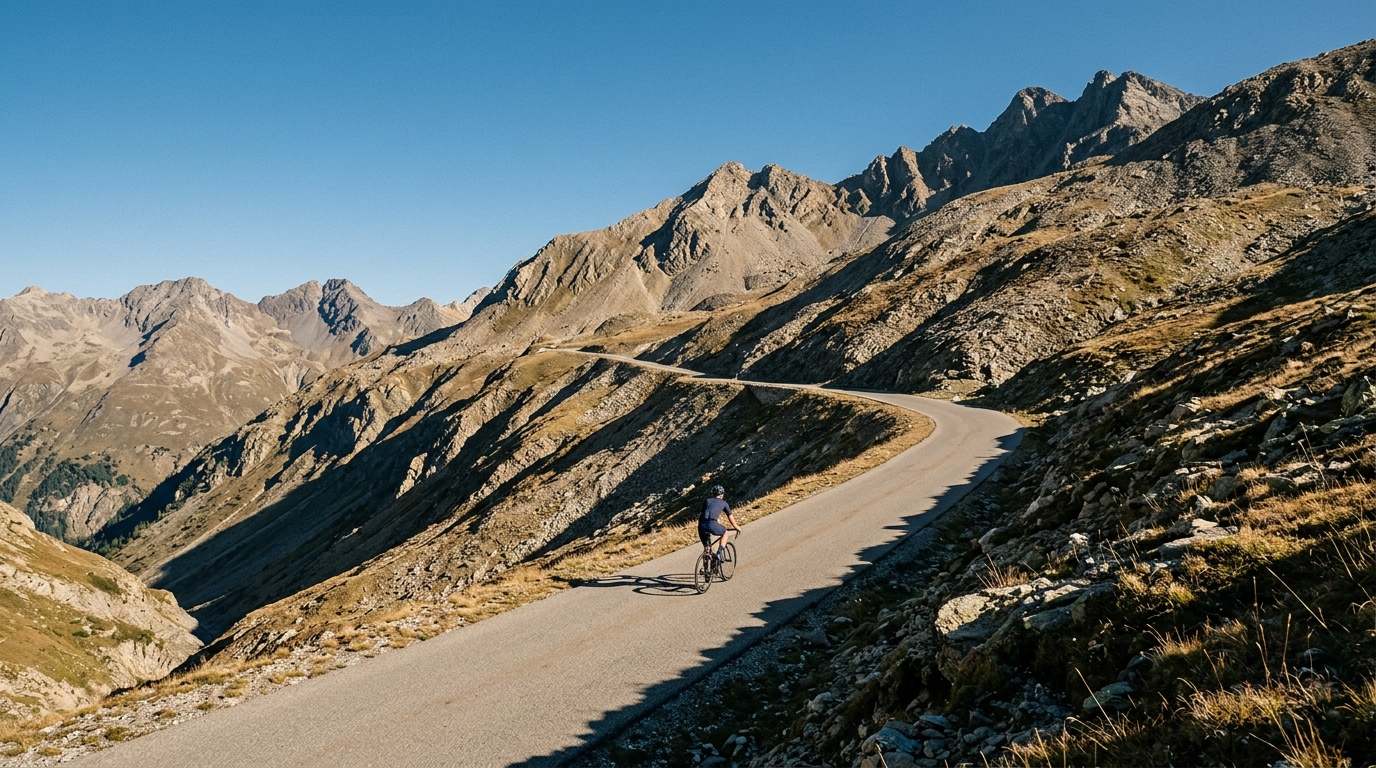 Colle della ForcolaHCIT · 20.3 km · 9.9% · 1915 m1974poena
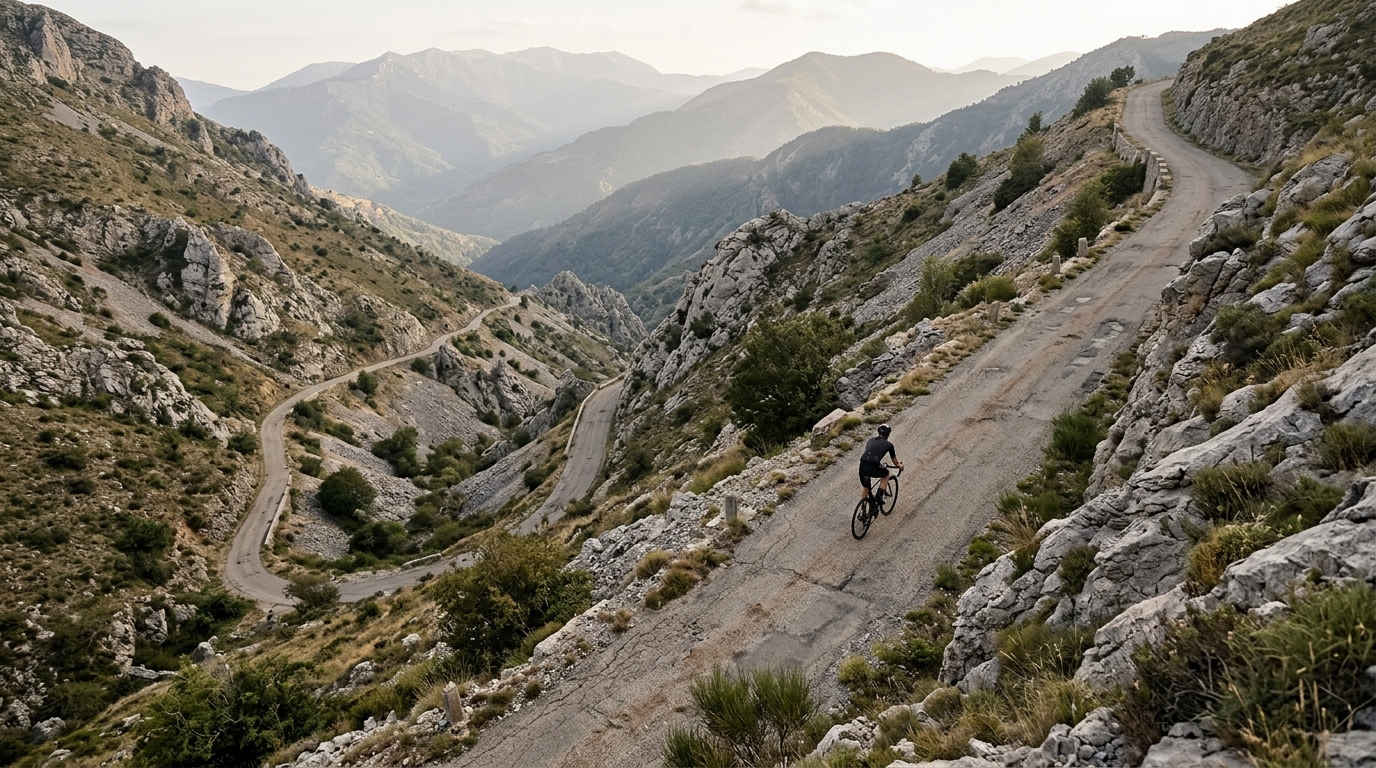 Bocchin dell'AseoHCIT · 9.9 km · 13.8% · 1326 m1878poena
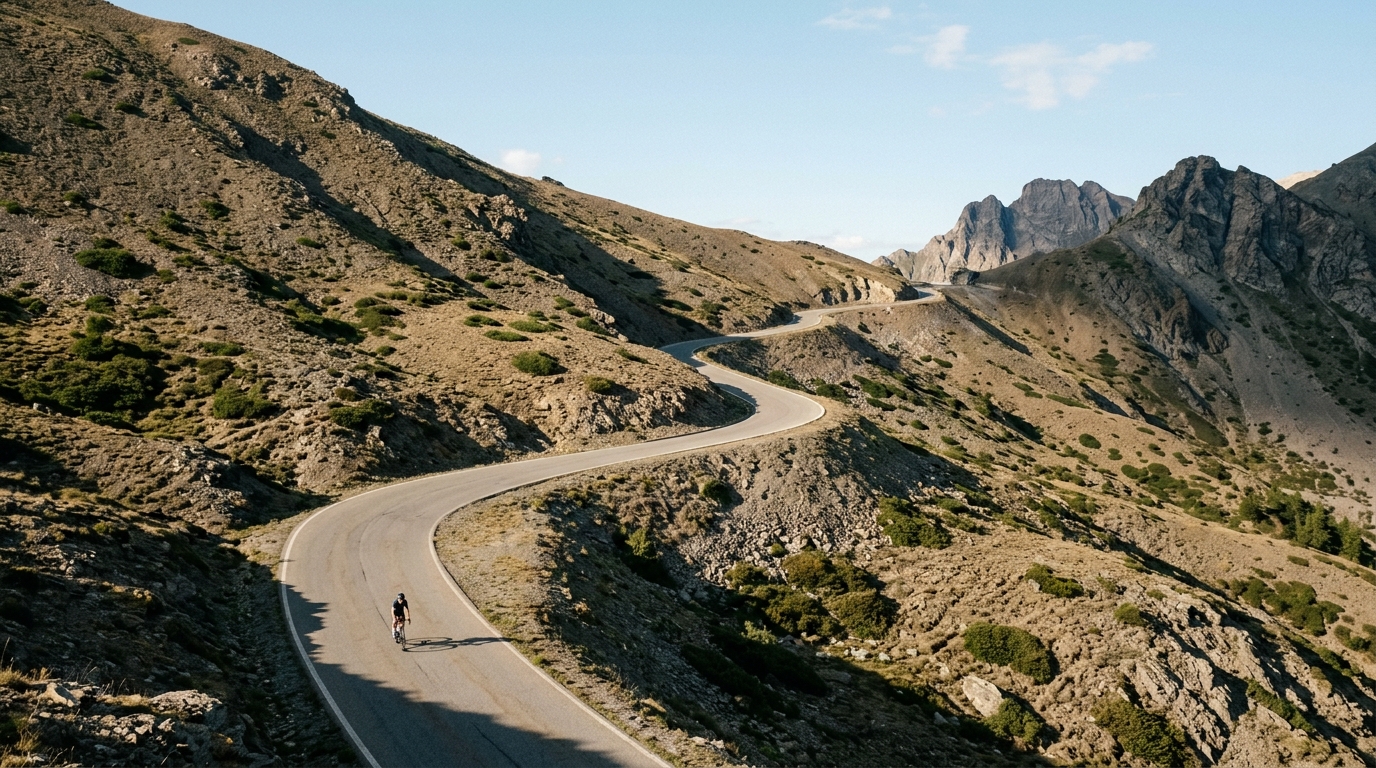 Passo del FornettoHCIT · 22.5 km · 9.0% · 1972 m1804poena
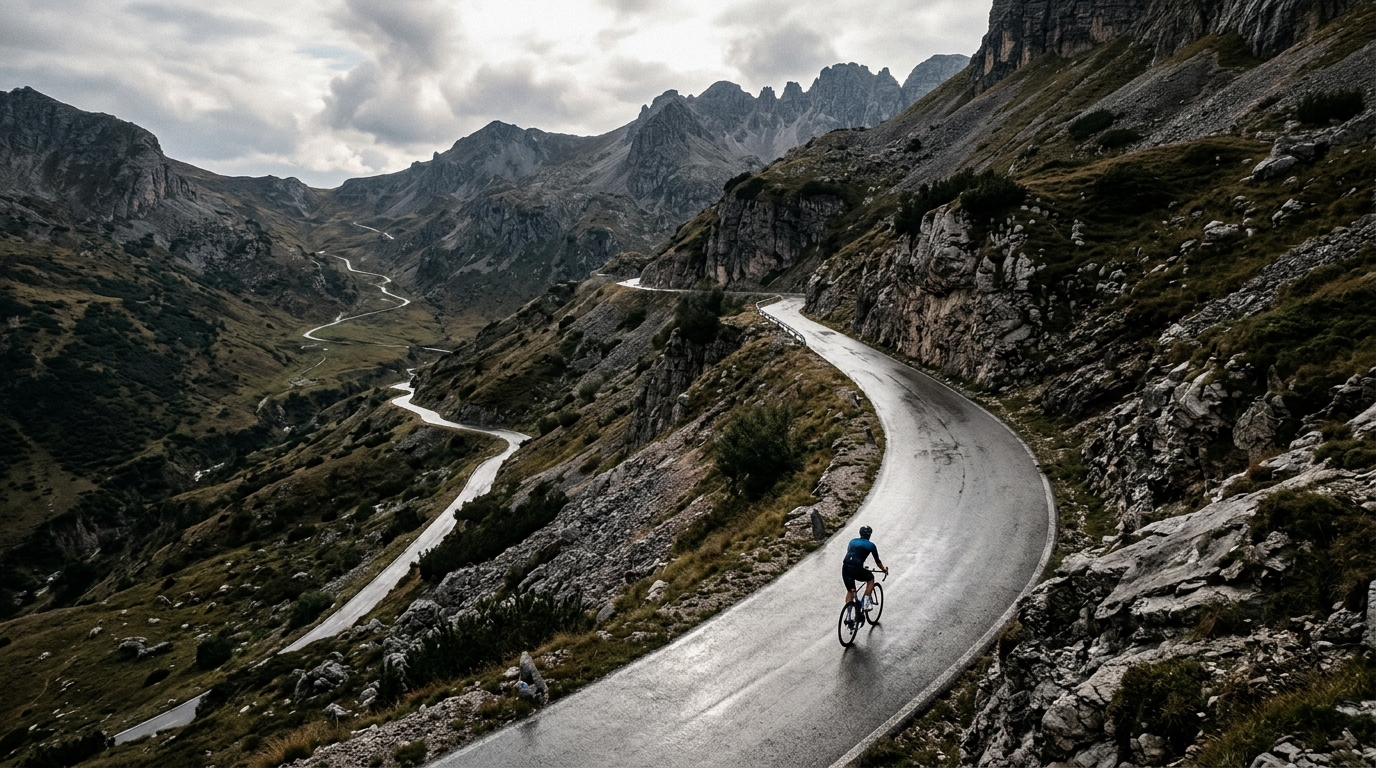 Passo della PortulaHCIT · 16.4 km · 10.4% · 1785 m1788poena
Sveobuhvatan vodič za uspone u Italija
The Riding
Italy is one of the great destinations for anyone drawn to climbing on a bike. The country holds 1,007 catalogued climbs, and an astonishing 466 of them carry the hors catégorie label — the toughest classification there is. That density of serious mountain roads means you are rarely far from a proper challenge, whether you crave a long, high-altitude grind or a short, savage wall that never lets up.
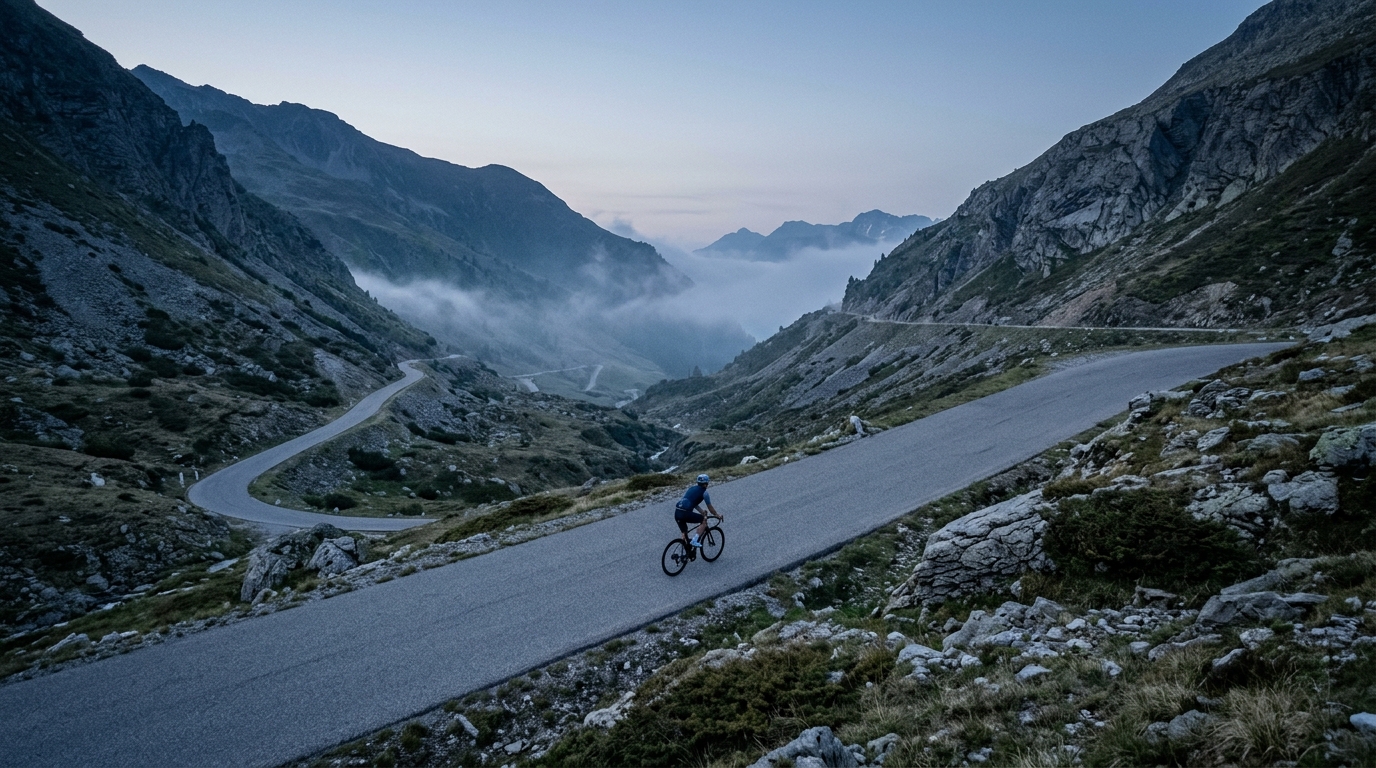
The character of Italian climbing is defined by contrast. Some ascents are long and relentless, dragging riders up toward thin air, with the highest summit topping out at 2,848 m. Others are brutally steep affairs, trading altitude for gradients that punish every pedal stroke. Between them lies a spectrum of roads that reward patience, pacing and respect. Surfaces are often narrow, switchbacking endlessly up hillsides, and the sheer number of hors catégorie options means you can string together a lifetime of riding without repeating yourself.
Standout Climbs
Five names stand above the rest, and each represents a different flavour of suffering and reward.
The Passo dello Stelvio is the giant. A long, high climb that climbs toward the country's greatest altitudes, it is a stacked series of hairpins that asks for endurance and a cool head on the descent. Reaching its heights is a rite of passage for any serious climber.
The Passo del Mortirolo is the opposite kind of monster: not the highest, but famously merciless in its steepness. It is a climb about grinding, about holding a gear you would rather not be in, and about accepting that there is no easy stretch to recover on.
Monte Zoncolan may be the cruellest of all. Short in comparison to the great passes, it makes up for length with gradients that force riders out of the saddle and keep them there. It is the sort of ascent people remember for years.
The Colle delle Finestre offers something different again — a climb whose upper reaches leave the smooth tarmac behind, adding a raw, adventurous edge to the effort. It rewards riders who like their climbing to feel a little wild.
Finally, the Passo Fedaia is a high-mountain classic, a long haul that stiffens dramatically toward its final ramps, testing whoever still has something left in the legs.
When to Ride
Because so many of Italy's best climbs reach high altitude — up to that 2,848 m ceiling — timing matters. The high passes such as the Passo dello Stelvio and the Passo Fedaia are best tackled in the warmer months, when the upper roads are clear and the weather at altitude is more forgiving. Snow can linger late and arrive early on the loftiest summits, so the reliable window sits firmly in the heart of the warm season.
Lower or shorter climbs like Monte Zoncolan and the Passo del Mortirolo have a longer usable season, but even they are more pleasant when the days are settled. Always check conditions before committing to the biggest ascents; mountain weather changes quickly, and a warm valley can hide a cold, exposed summit.
Practical Notes
Prepare for variety. With 466 hors catégorie climbs on offer, it is easy to underestimate a road, so plan gearing generously — the steepness of the Passo del Mortirolo and Monte Zoncolan in particular demands low ratios that let you keep spinning rather than stalling.
Pack for altitude on the high passes. Temperatures fall as you climb toward the 2,848 m high point, and a fast descent from a summit like the Passo dello Stelvio can be bitterly cold even after a hot ascent, so carry a windproof layer.
On climbs like the Colle delle Finestre, where the surface roughens near the top, choose tyres and pacing that suit the changing road. Carry enough food and water; the quiet, remote nature of many Italian climbs means resupply points can be sparse once you are committed to the mountain.
Summary
Italy delivers climbing at a scale and intensity few places can match: 1,007 catalogued climbs, 466 of them hors catégorie, and summits reaching 2,848 m. From the towering Passo dello Stelvio and the high Passo Fedaia to the ferocious steepness of the Passo del Mortirolo and Monte Zoncolan, and the wild upper slopes of the Colle delle Finestre, the country offers a complete education in what it means to climb on a bike. Prepare well, respect the altitude, and Italy will give you rides you will never forget.
Tražiš cele vožnje u Italija?
Rute u Italija