Biblioteka uspona · Francuska
Cycling climbs in France
France is the spiritual home of the mountain climb, and its numbers back up the legend: 408 catalogued ascents rise from its valleys, with 127 of them earning the fearsome hors catégorie rating reserved for the hardest roads a cyclist can face. From switchbacked walls to long, grinding cols, the country offers a lifetime of vertical ambition, topping out at a highest summit of 2,830 metres.
The marquee names read like a roll call of cycling folklore. Alpe d'Huez stacks its hairpins into the sky, Mont Ventoux bakes under an exposed lunar summit, and the Col du Galibier, Col du Tourmalet, Col d'Izoard and Col de la Madeleine test even the strongest legs. Whether you chase a single iconic ascent or link them into an epic tour, France rewards every pedal stroke with scenery, history and a genuine sense of achievement.
Regioni u Francuska
Prepoznatljivi usponi u Francuska
Svi usponi u Francuska
460 uspona
 Col des MoinesHCFR · 18.8 km · 7.3% · 2025 m987poena
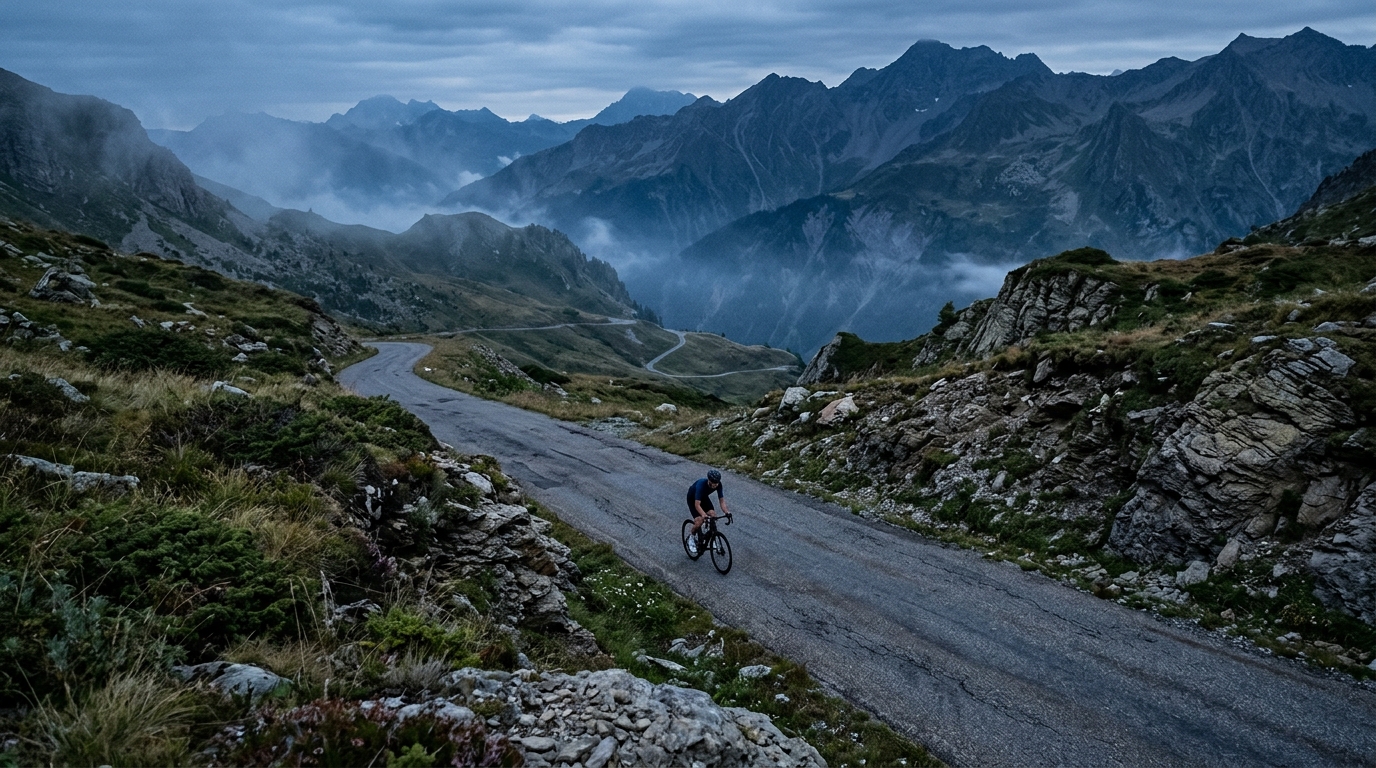 Col du JolyHCFR · 7.4 km · 11.3% · 940 m947poena
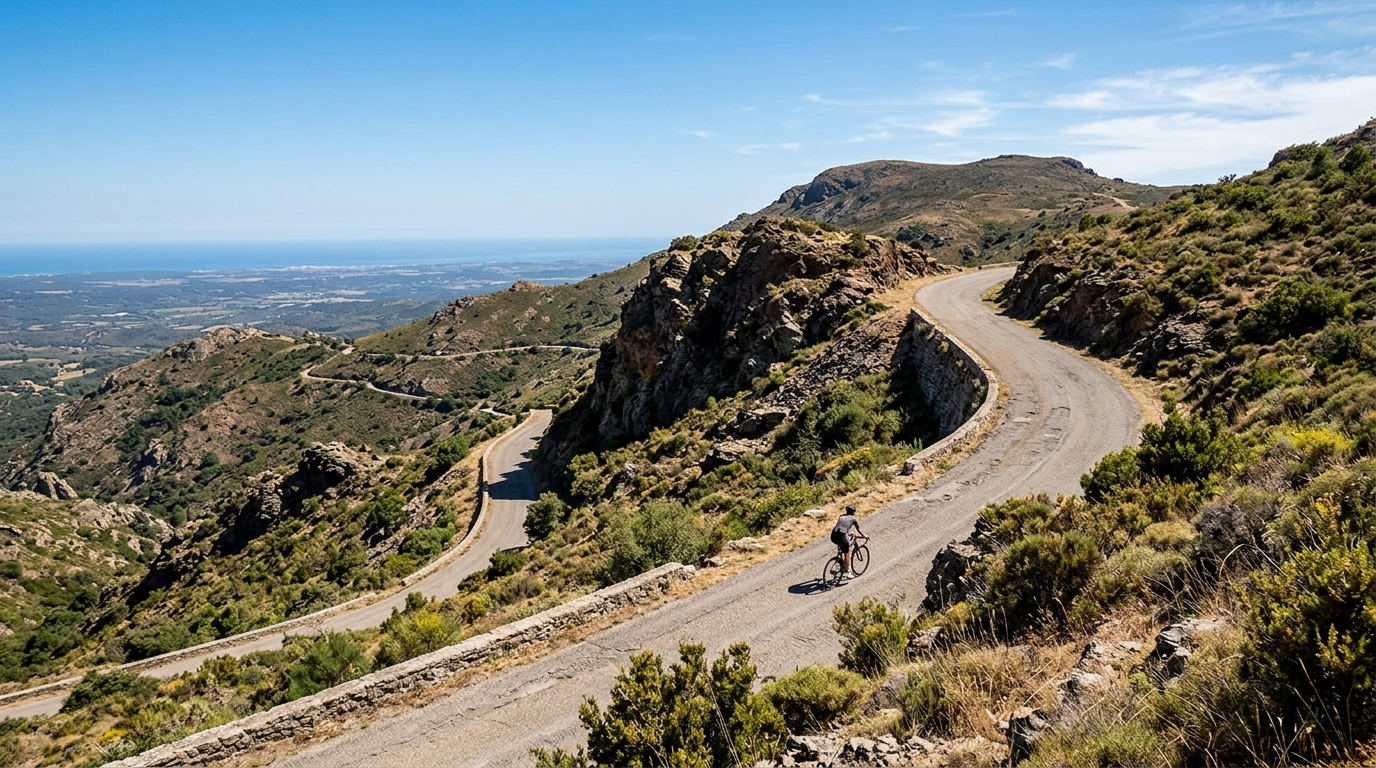 Coll de la Maçana (Espolla)HCFR · 12.4 km · 8.7% · 1033 m932poena
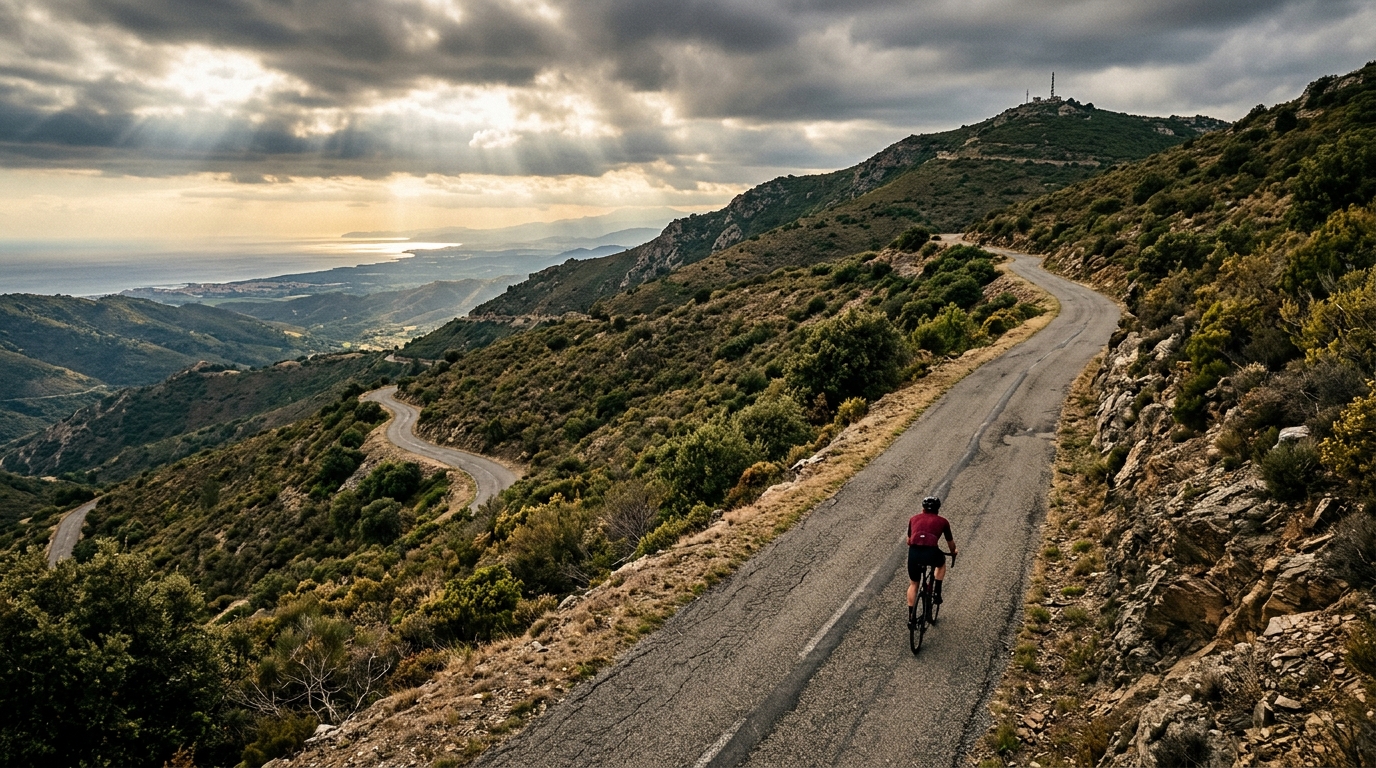 Coll de l'UllatHCFR · 8.8 km · 10.1% · 1093 m899poena
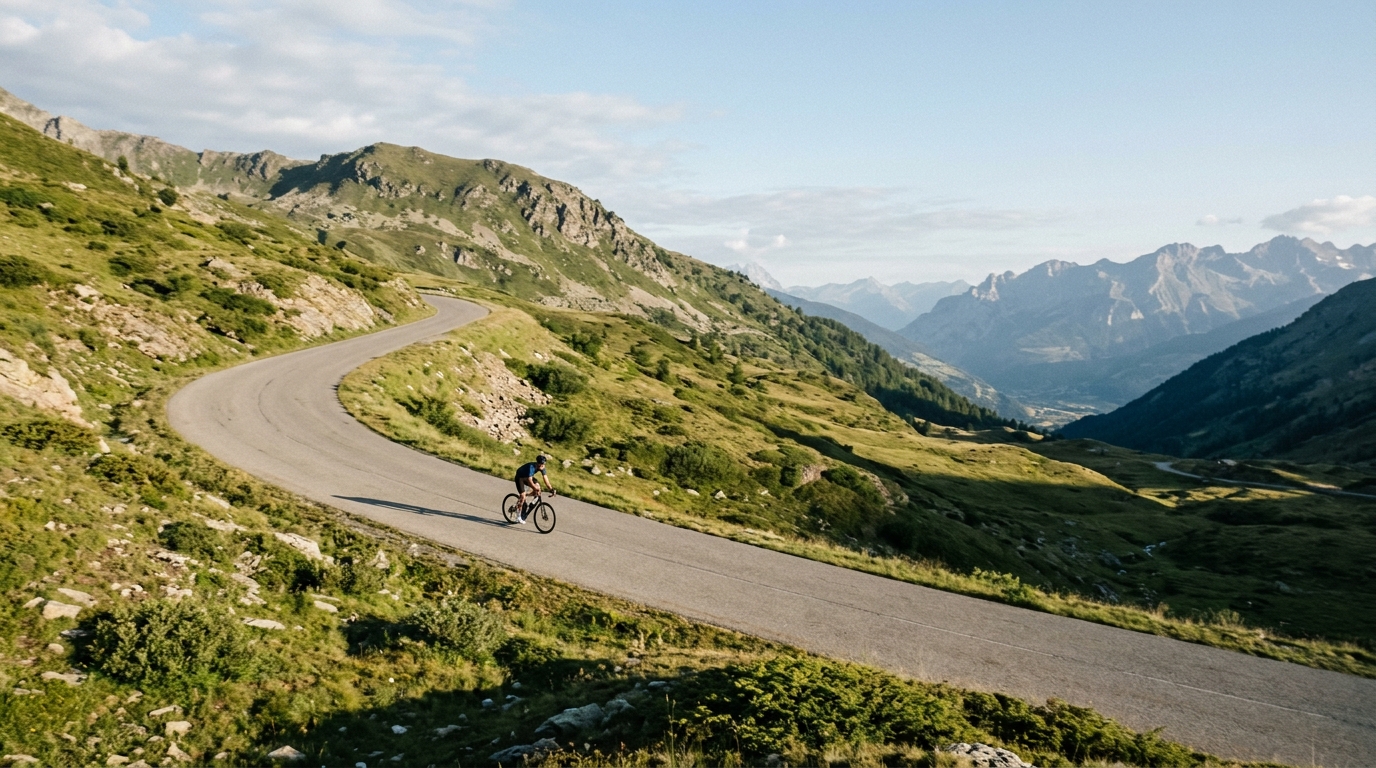 Col du MollardHCFR · 11.9 km · 8.7% · 1456 m899poena
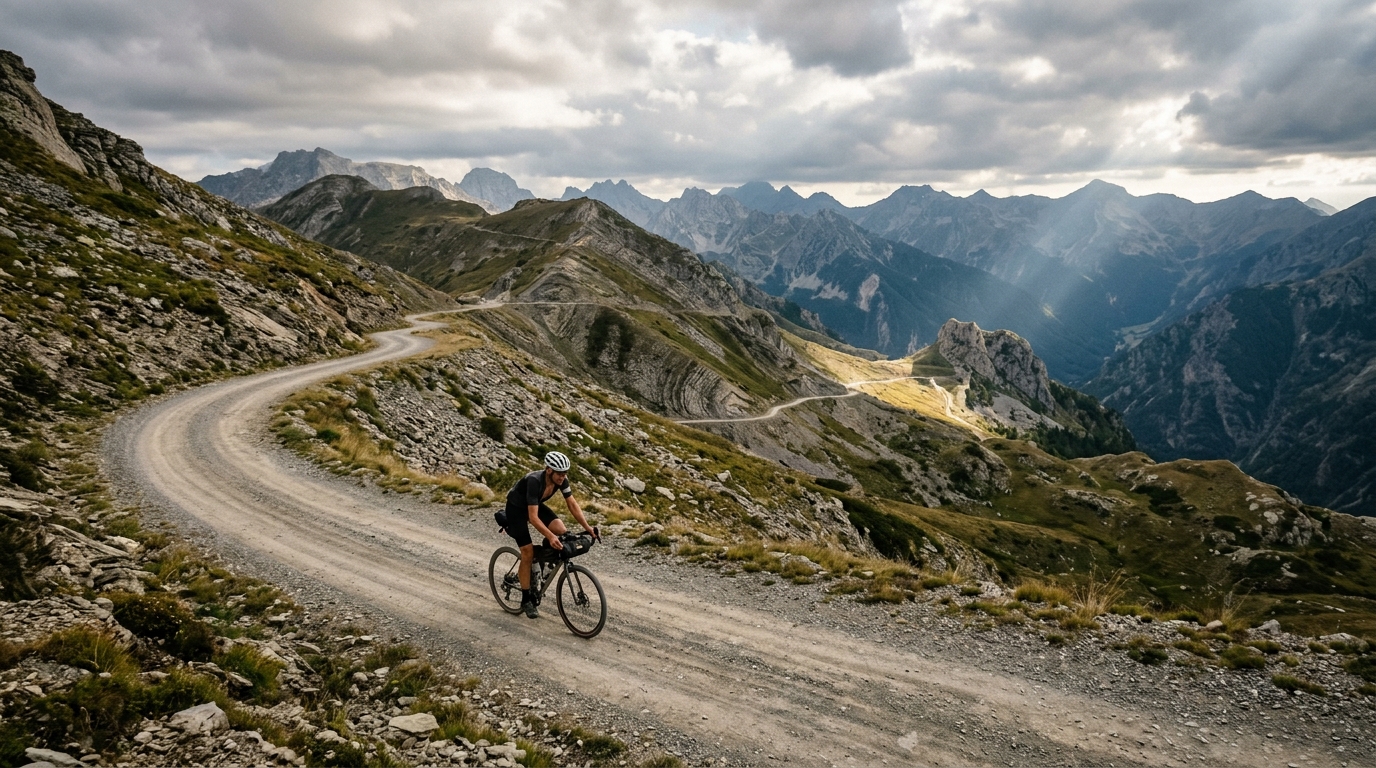 Ligurische GrenzkammstraßeHCFR · 29.7 km · 5.4% · 1576 m857poena
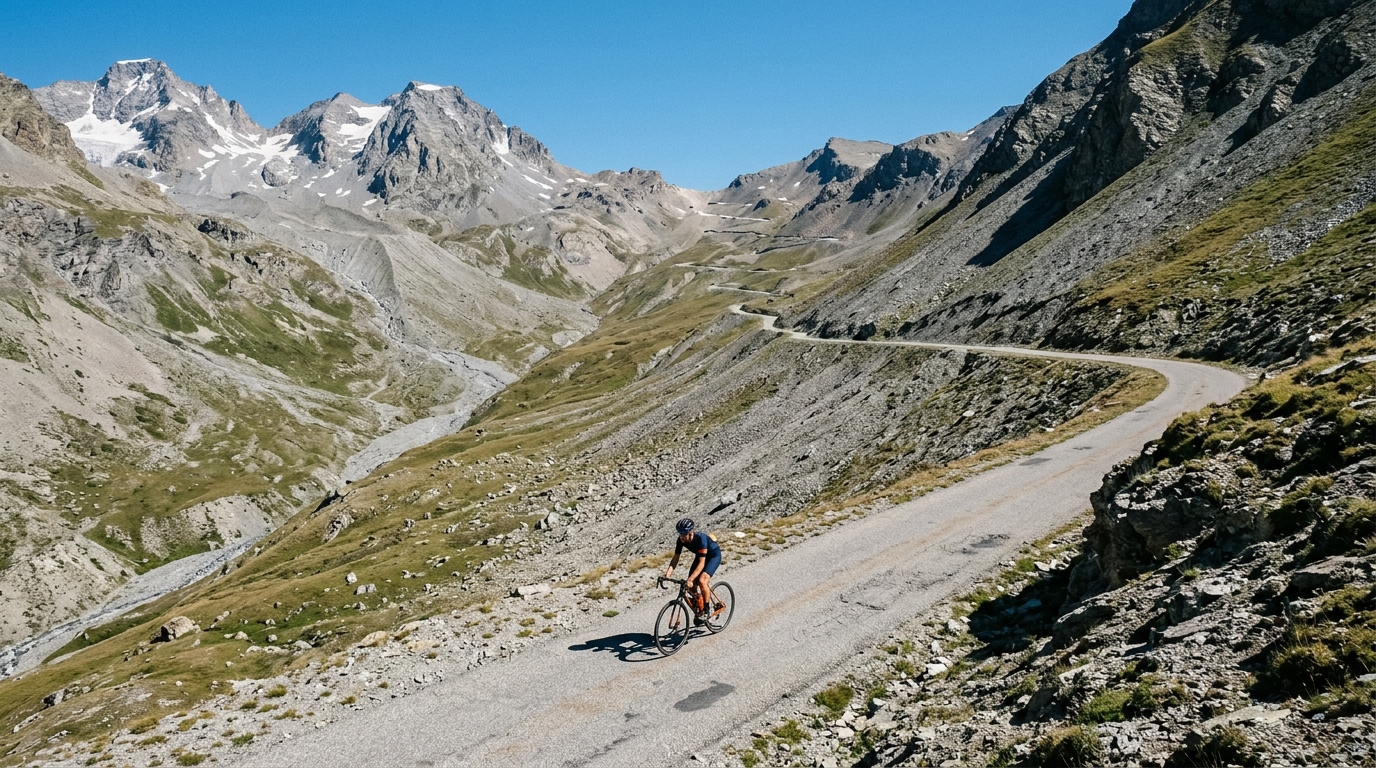 Col de la LeisseHCFR · 53.0 km · 3.9% · 2105 m818poena
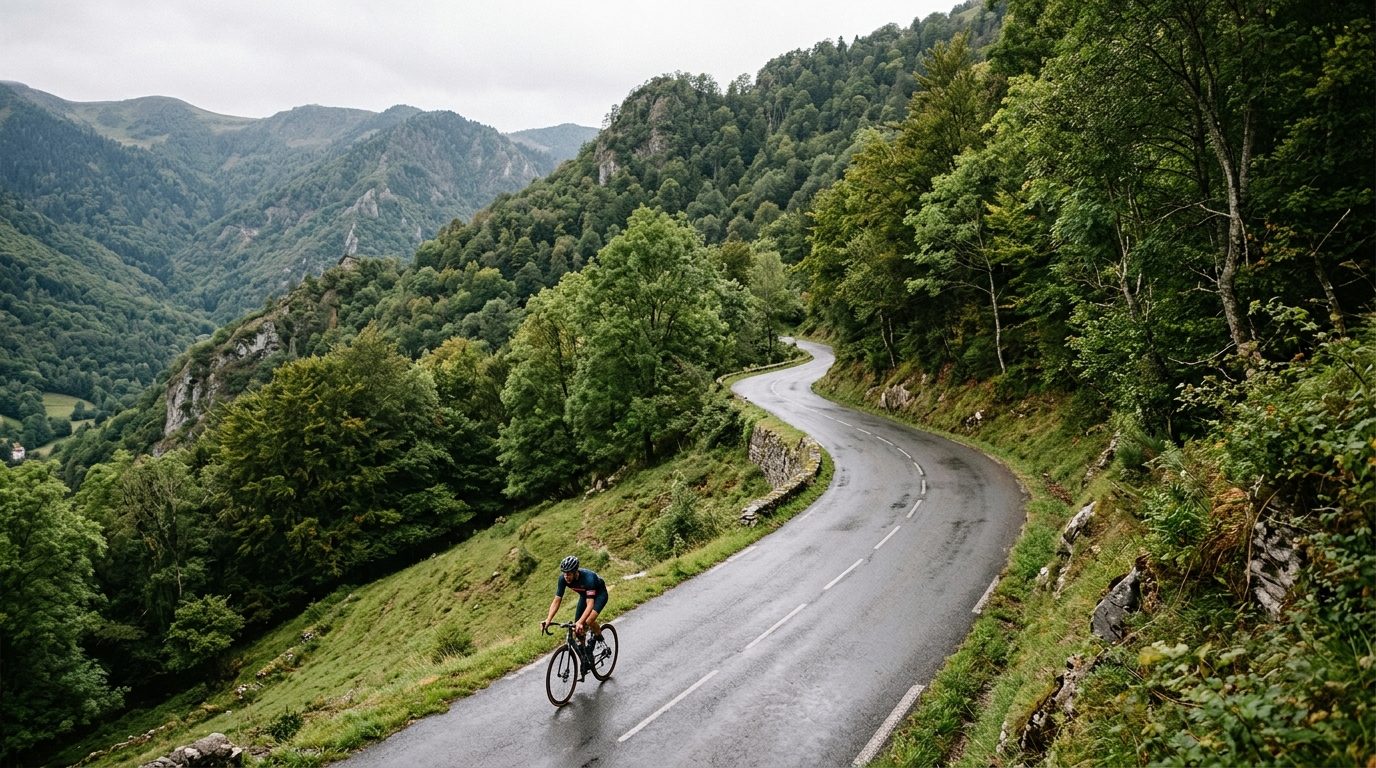 Col de Portet d'AspetKat. 2FR · 11.5 km · 4.7% · 1304 m250poena
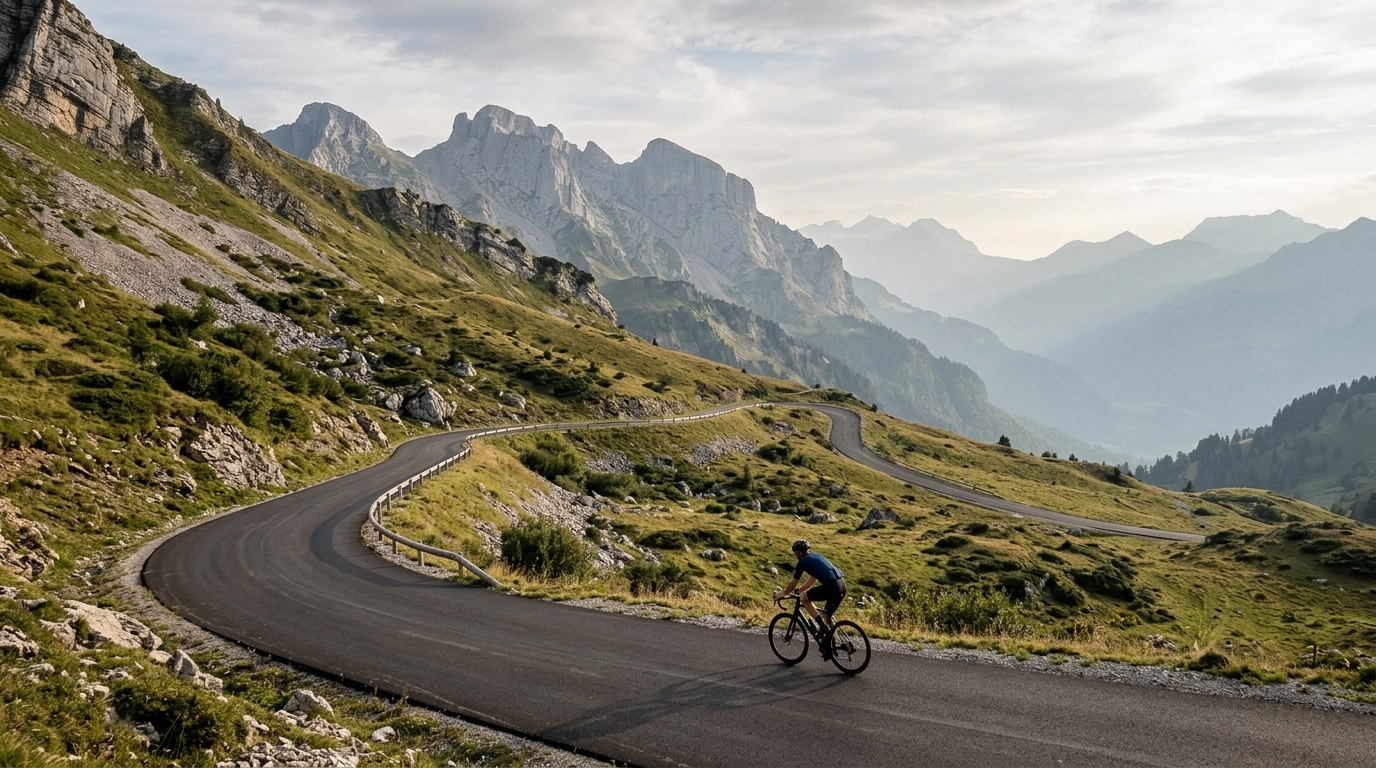 Col des AravisKat. 2FR · 7.2 km · 6.5% · 555 m304poena
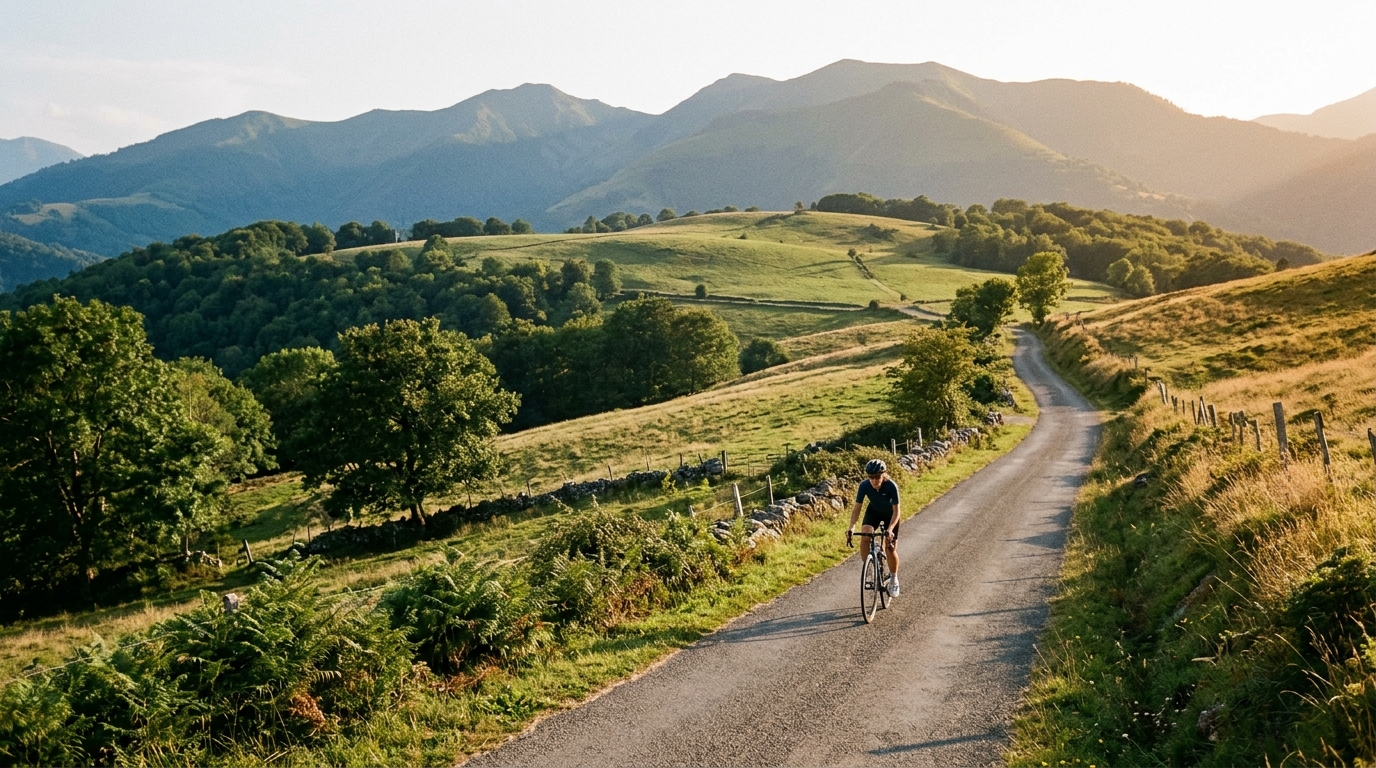 Col de Marie-BlanqueKat. 2FR · 24.6 km · 3.1% · 1192 m231poena
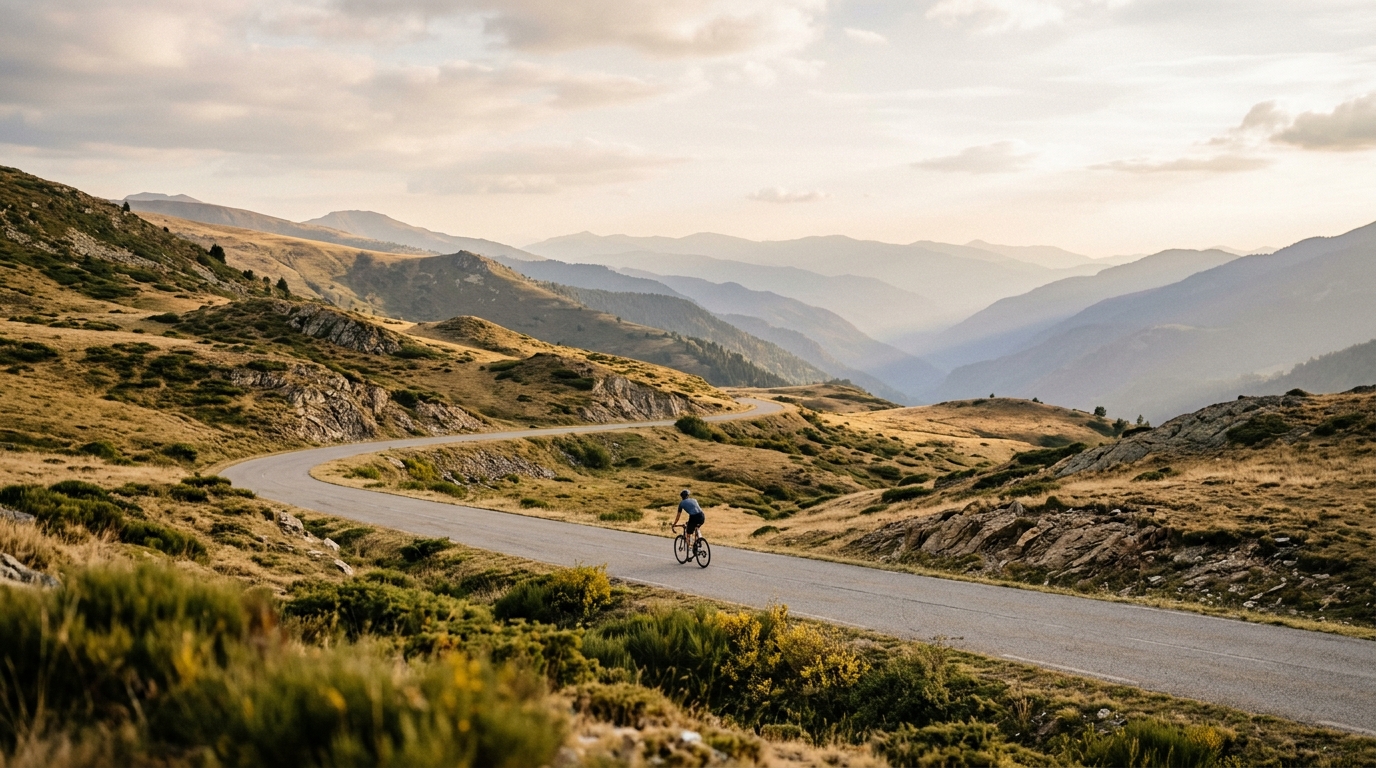 Col de PuymorensKat. 2FR · 12.8 km · 5.4% · 1373 m373poena
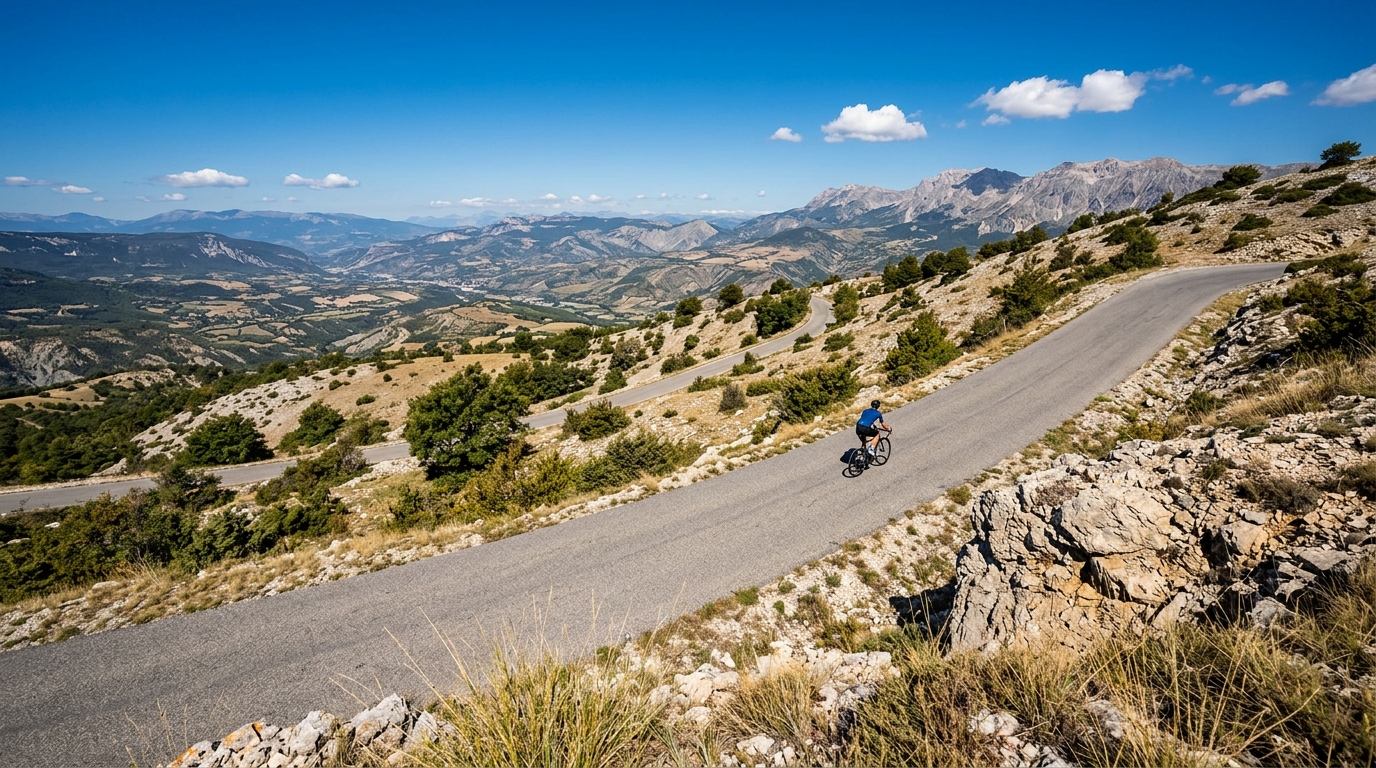 Col BayardKat. 2FR · 8.7 km · 6.1% · 597 m327poena
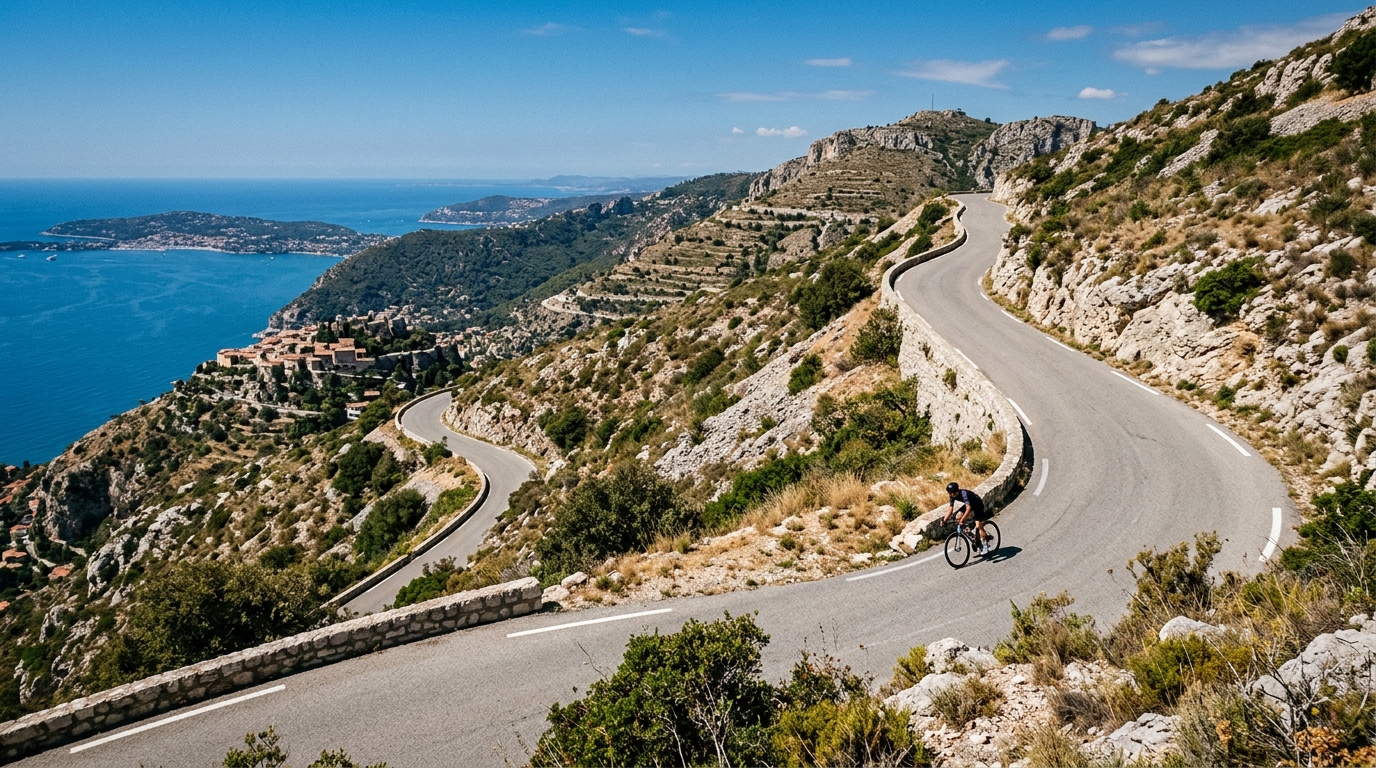 Col d'ÈzeKat. 2FR · 8.2 km · 6.2% · 926 m313poena
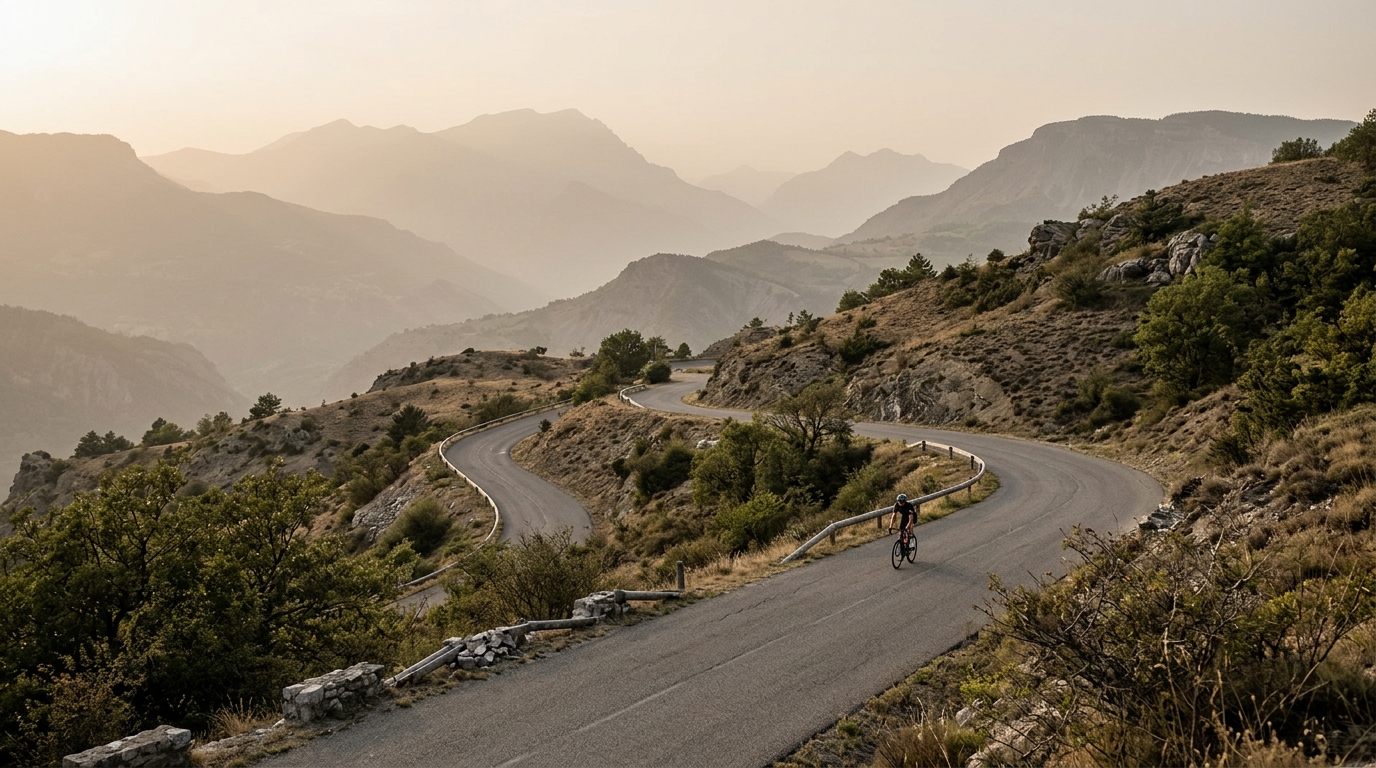 Col de ManseKat. 2FR · 7.4 km · 6.2% · 544 m285poena
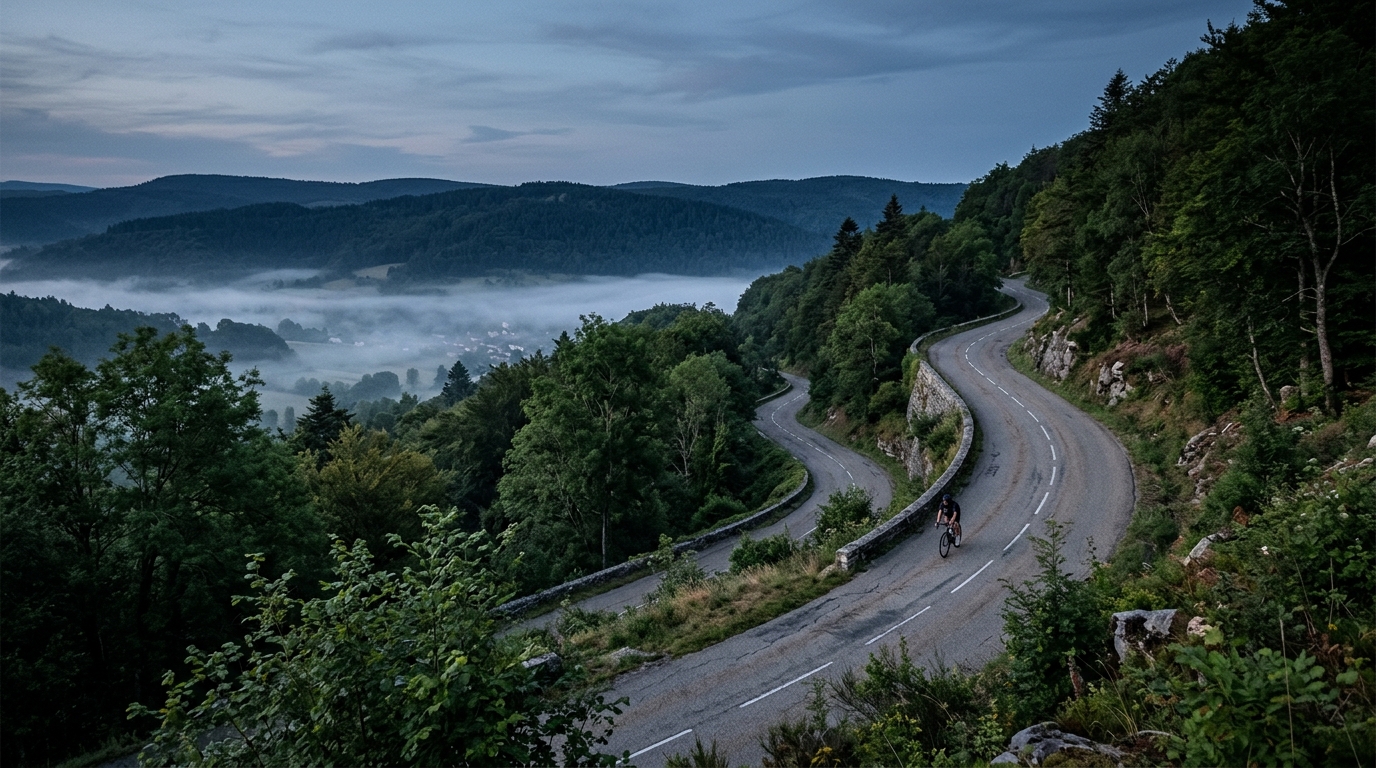 Col de la RépubliqueKat. 2FR · 10.9 km · 5.0% · 826 m277poena
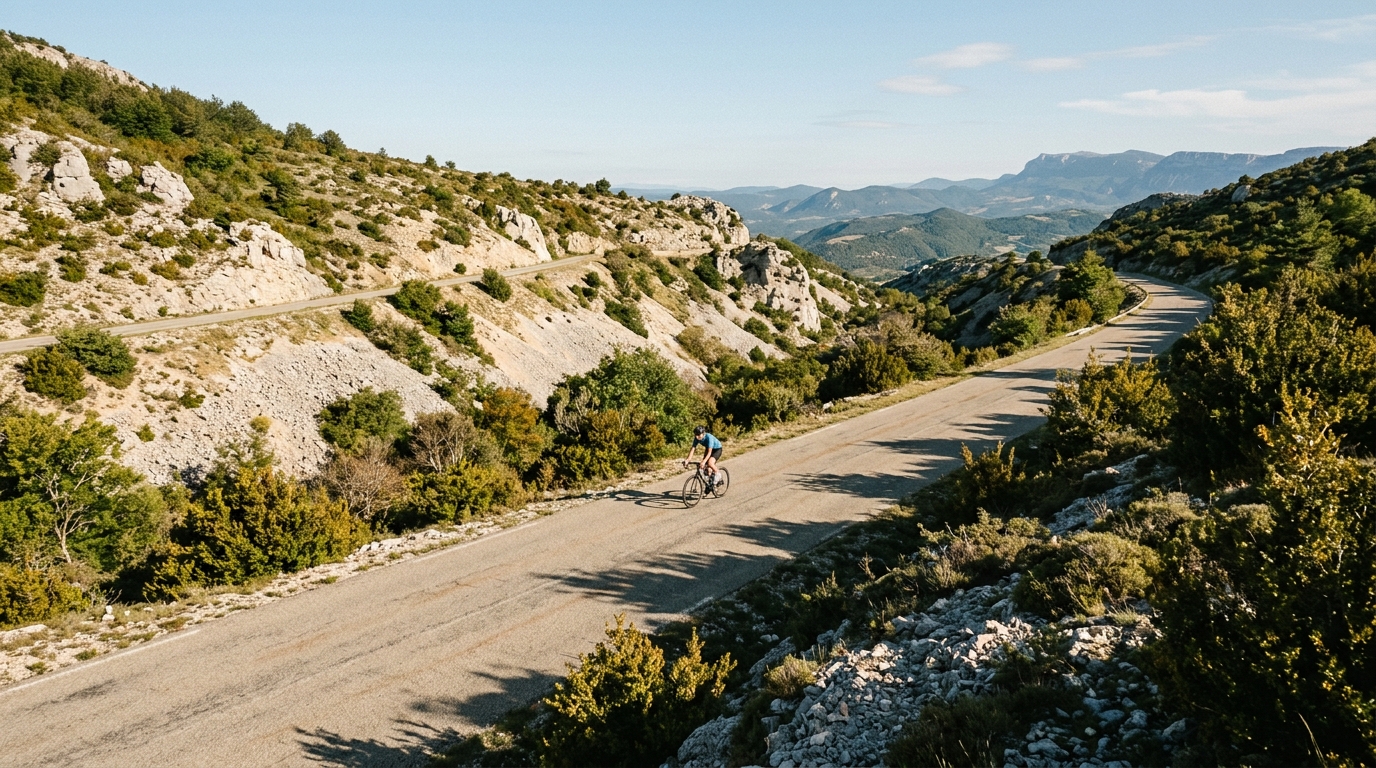 Col de la Croix HauteKat. 2FR · 8.6 km · 5.2% · 657 m228poena
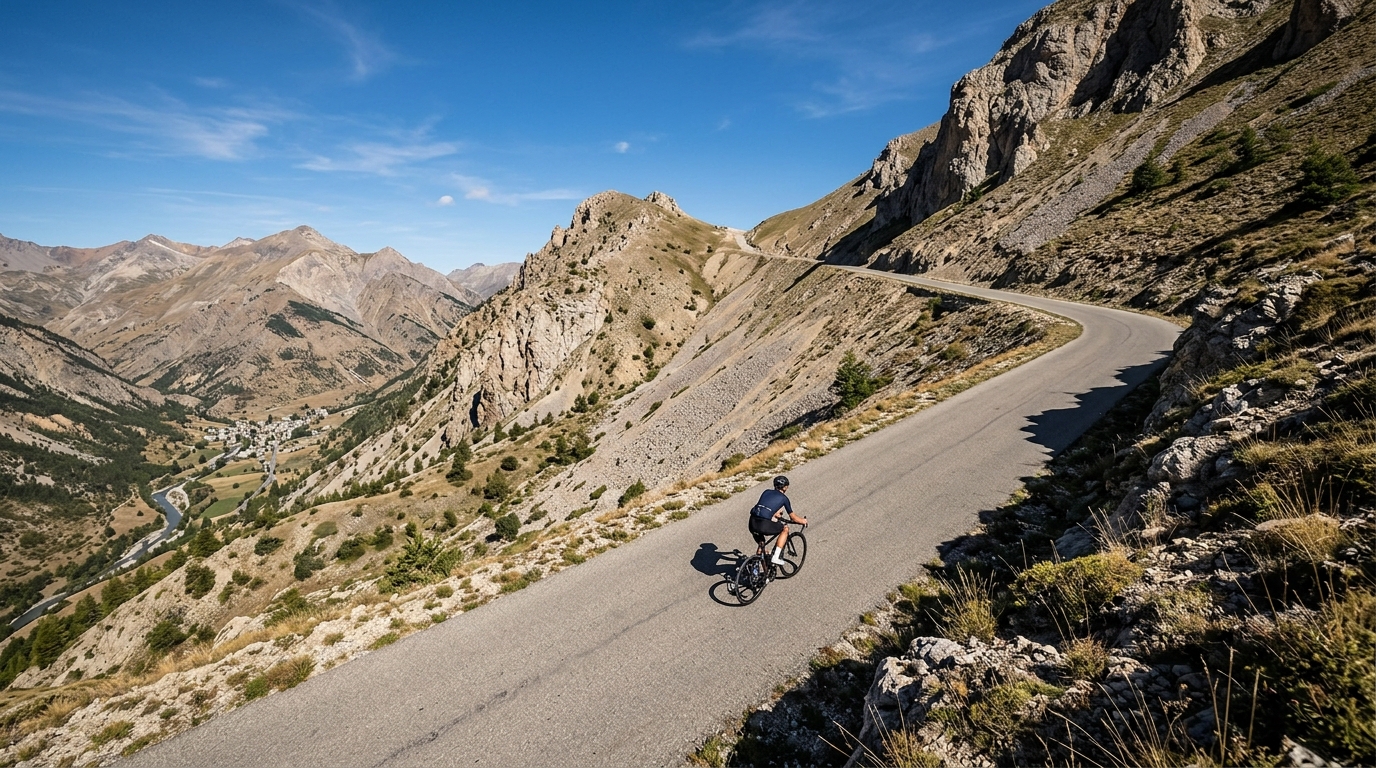 Col de l'ÉchelleKat. 2FR · 7.9 km · 5.1% · 918 m207poena
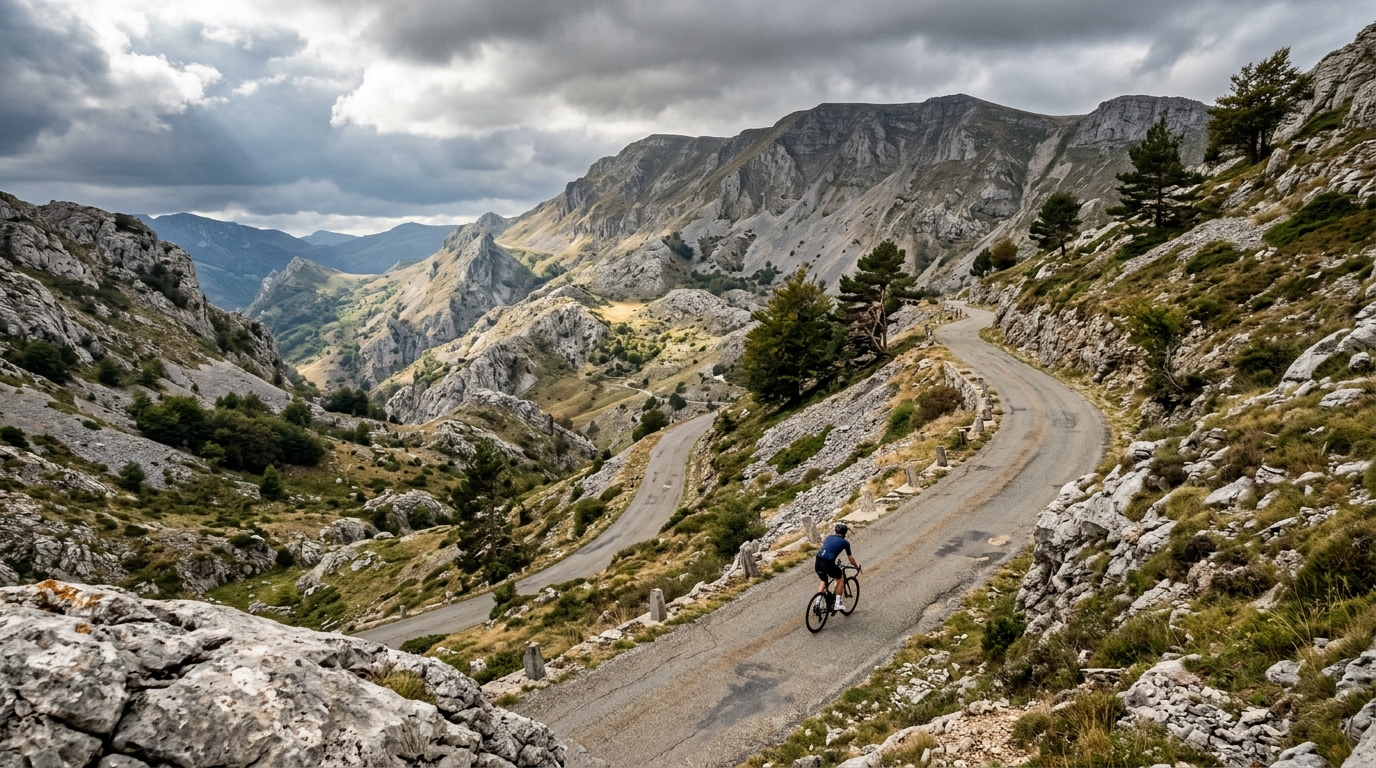 Col de la Pierre St MartinKat. 1FR · 10.1 km · 8.3% · 1078 m690poena
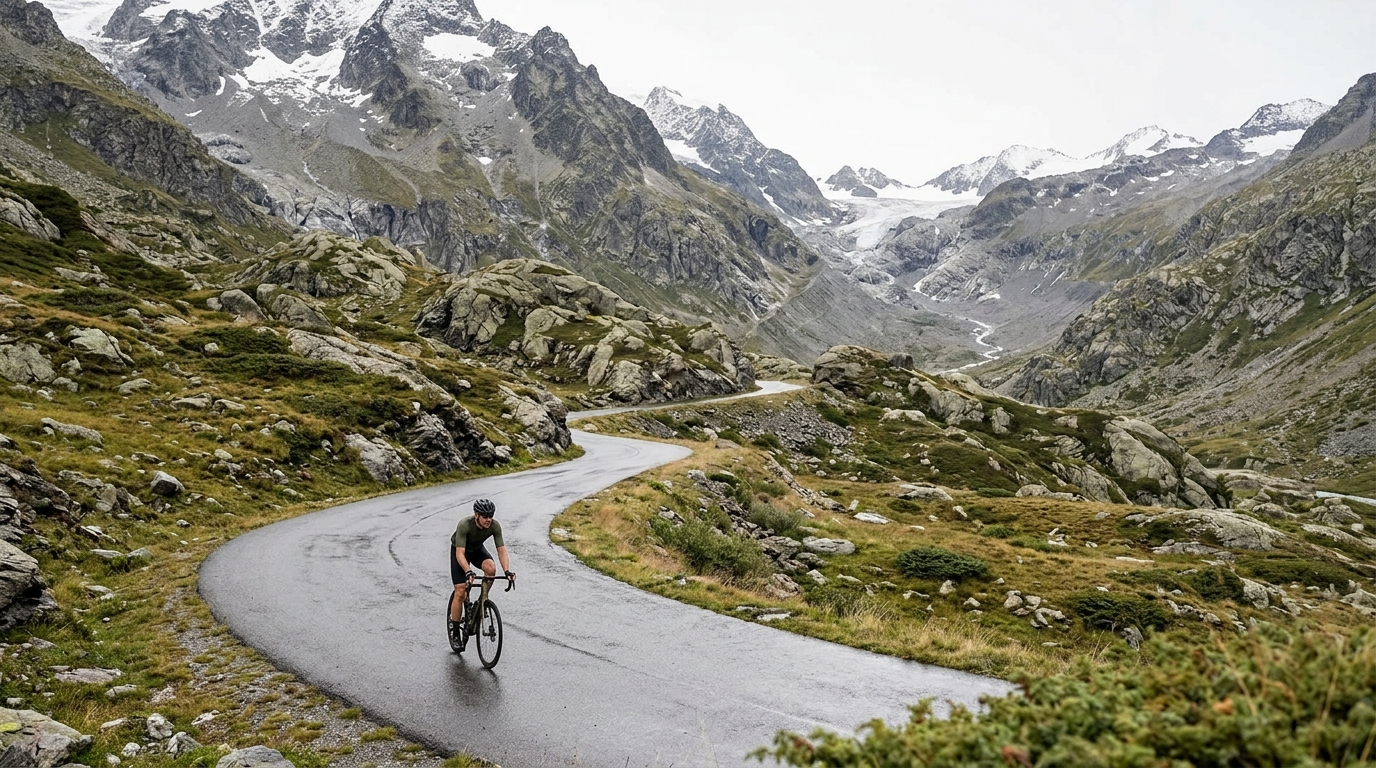 Col du GéantKat. 1FR · 37.8 km · 4.0% · 1507 m611poena
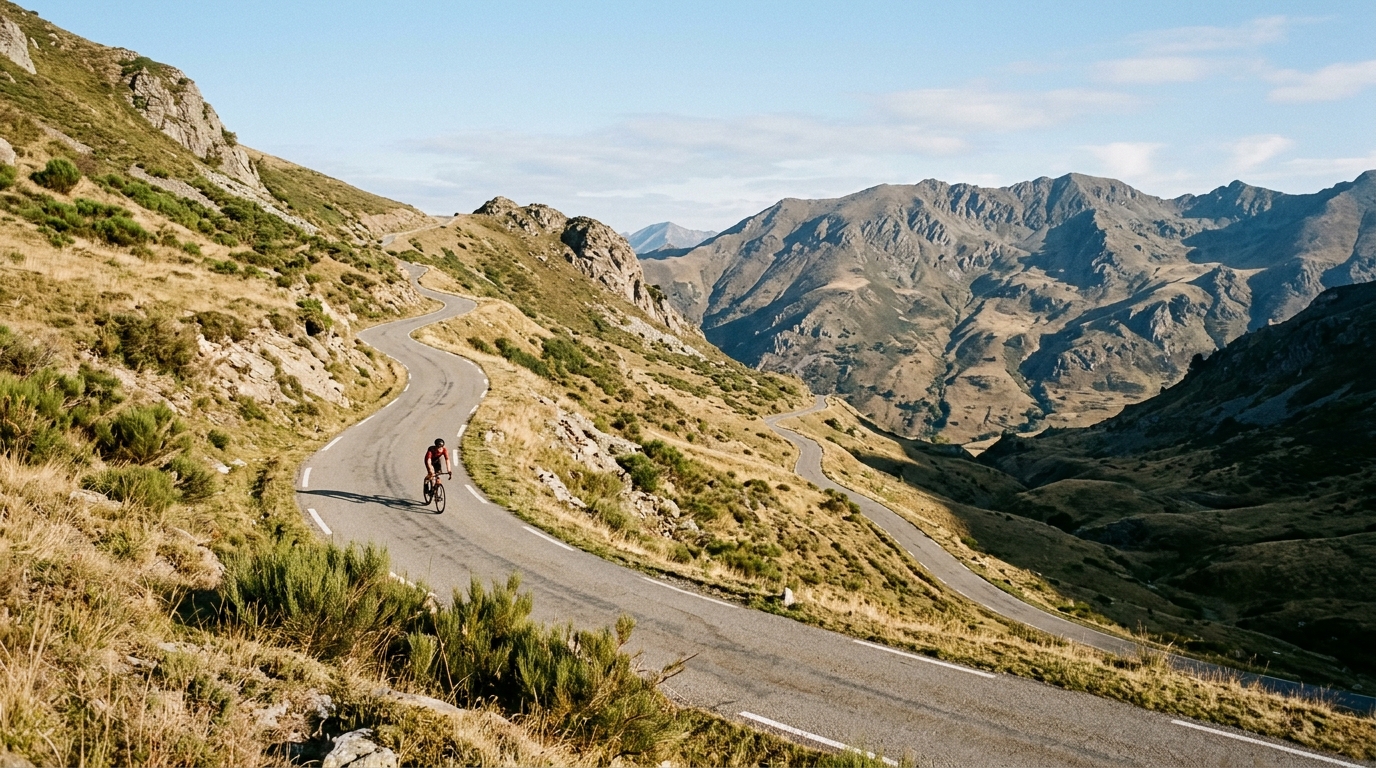 Col d'AgnesKat. 1FR · 9.5 km · 7.8% · 1005 m576poena
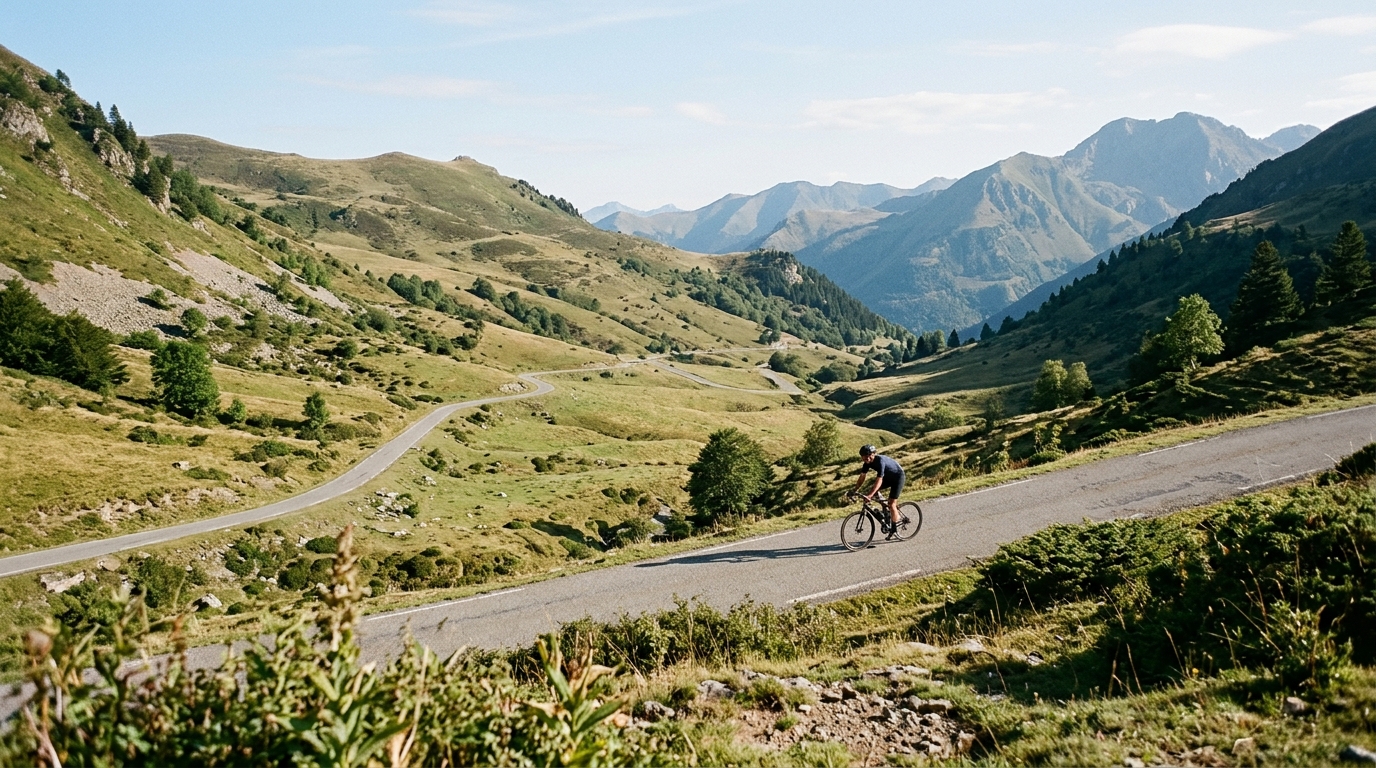 Col de Val Louron-AzetKat. 1FR · 9.9 km · 7.6% · 1132 m574poena
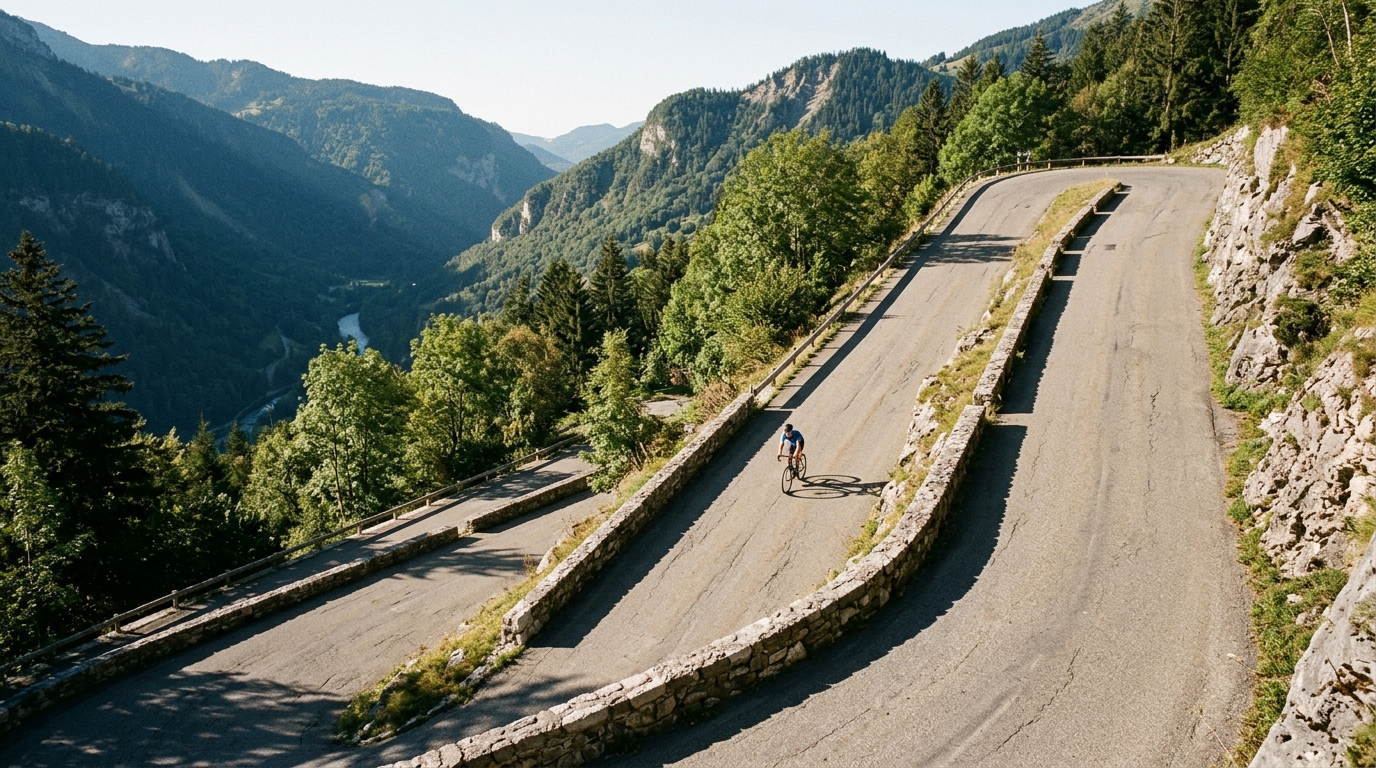 Col de la ForclazKat. 1FR · 8.8 km · 7.5% · 645 m497poena
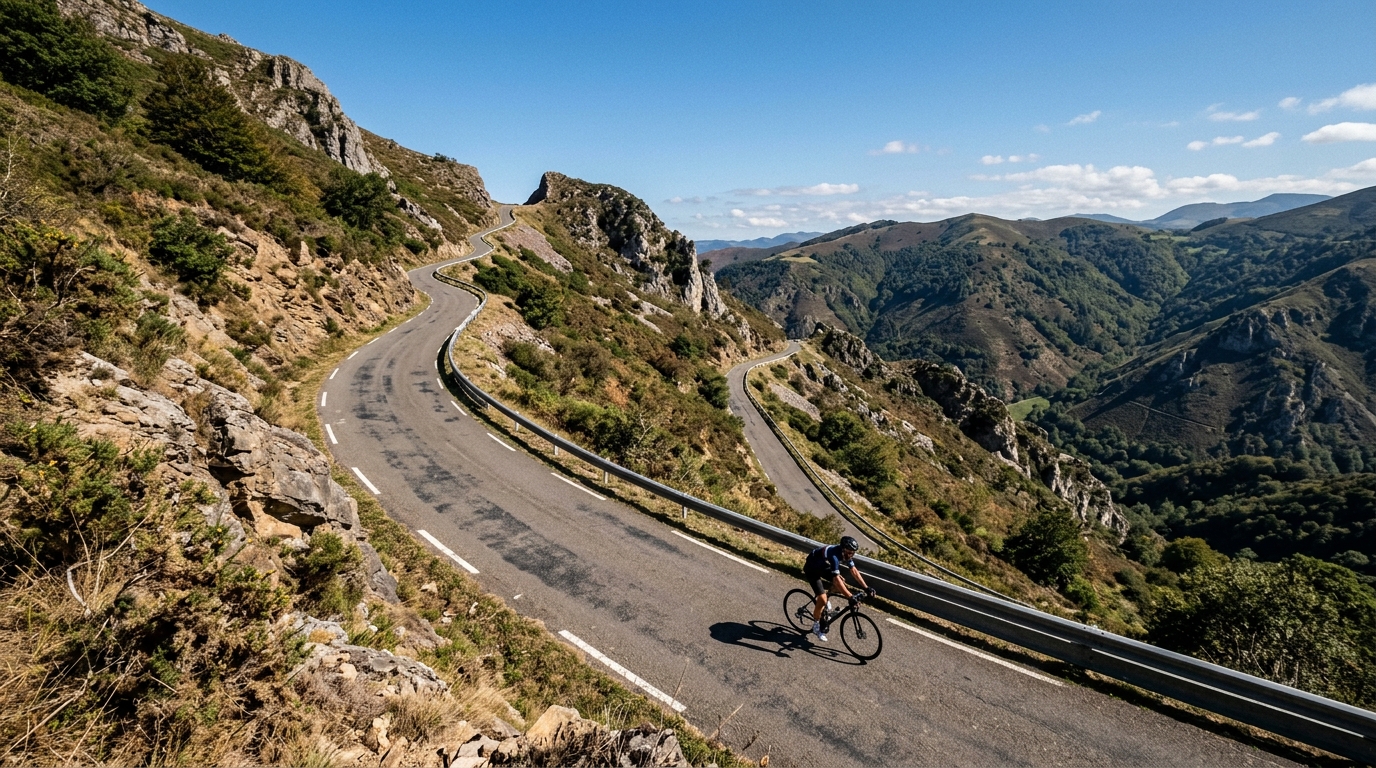 Izpegi PassKat. 1FR · 5.1 km · 9.9% · 661 m494poena
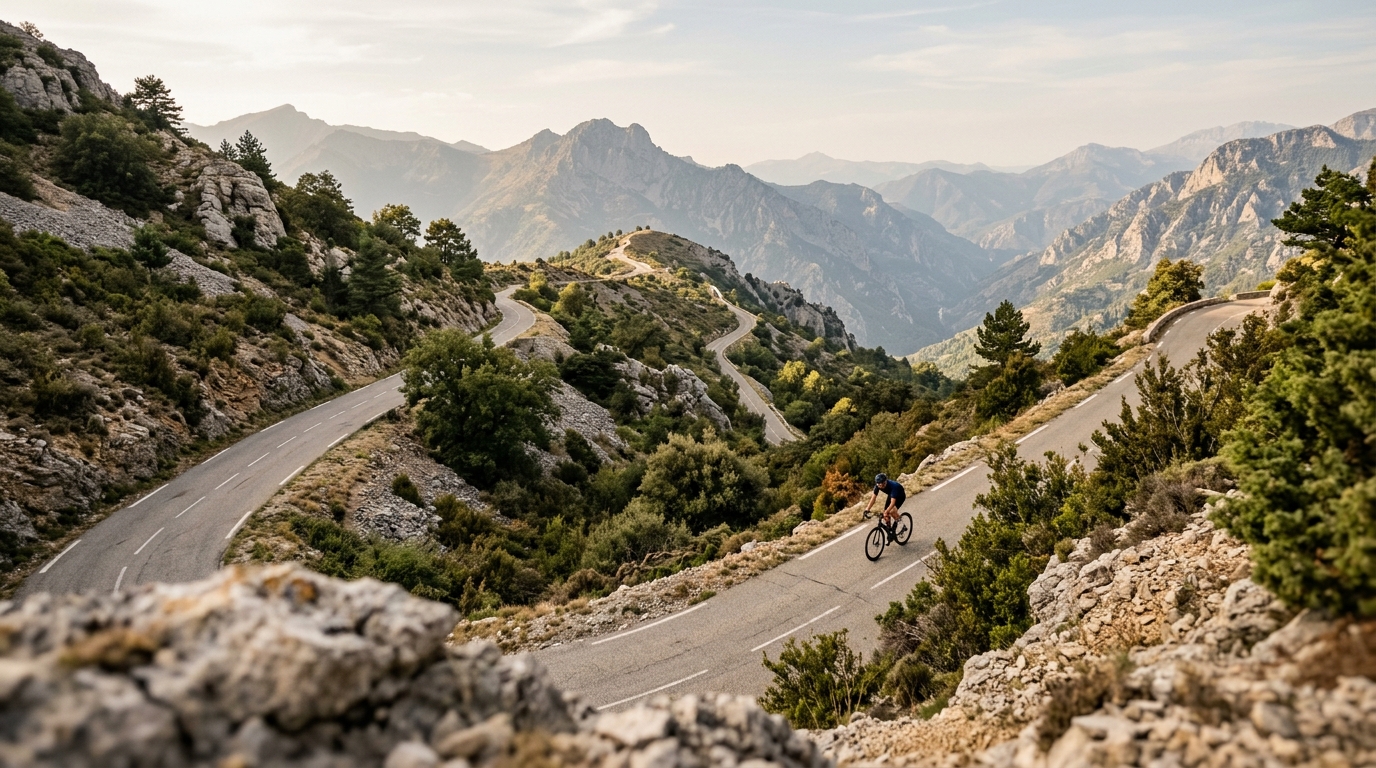 Col Saint MartinKat. 1FR · 8.9 km · 7.2% · 742 m465poena
Sveobuhvatan vodič za uspone u Francuska
The Riding
France is, for many cyclists, the spiritual home of the mountain climb. With 408 catalogued ascents to choose from, the country offers a density and variety of climbing that rewards a lifetime of riding. Of those, 127 carry the hors catégorie label — the "beyond category" designation reserved for the longest, steepest and most punishing efforts, where distance and gradient combine to push riders past any tidy classification.
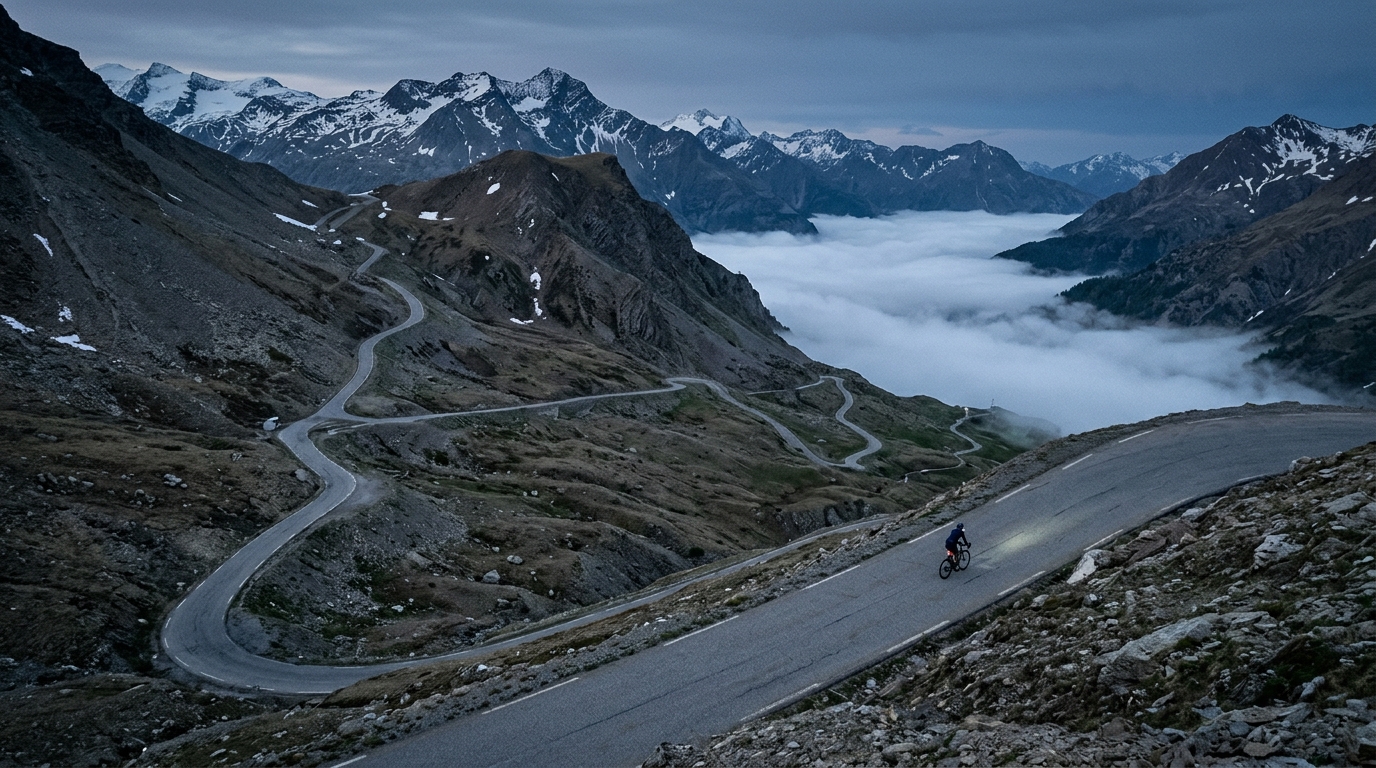
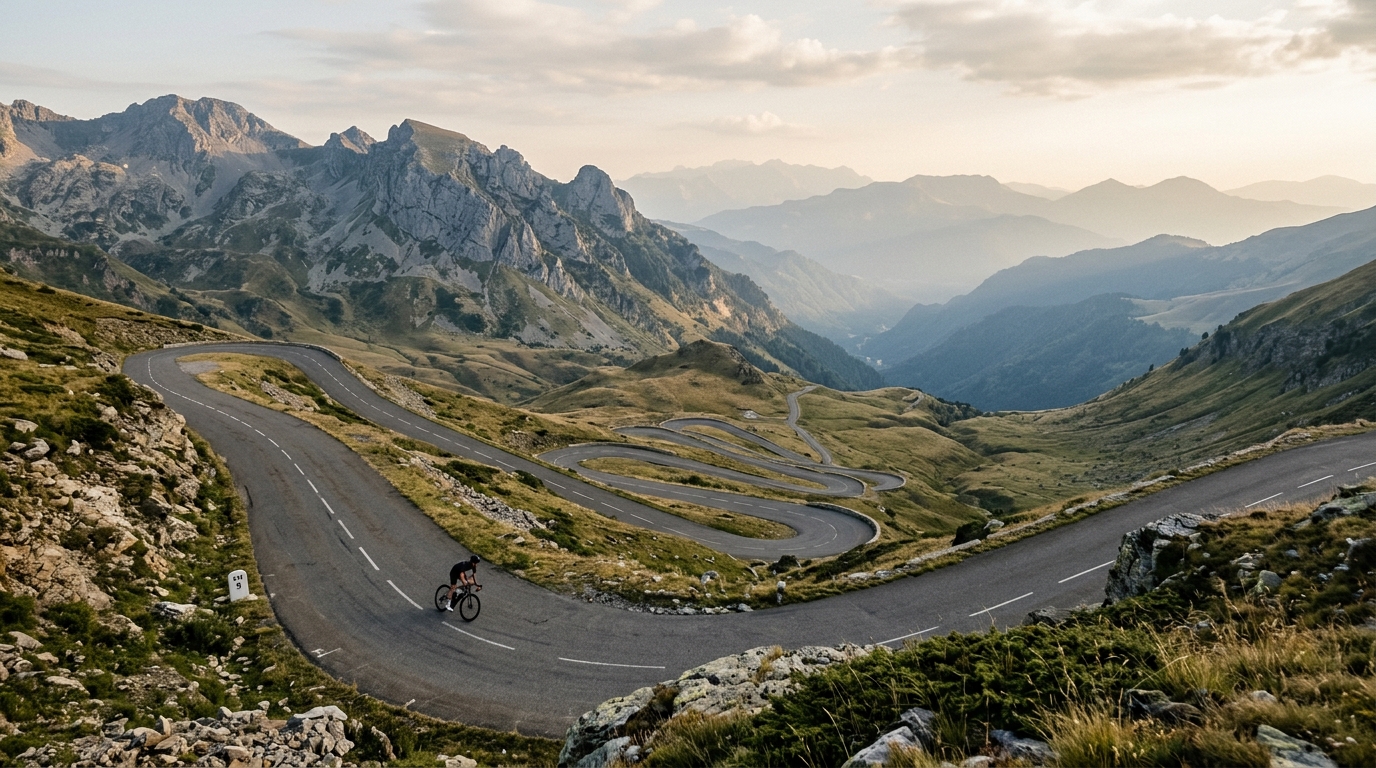
What defines French climbing is not a single character but a spectrum. Some ascents are long and metronomic, unwinding at a steady gradient for climb after climb of switchbacks. Others rear up viciously, stacking double-digit ramps that never let you settle into a rhythm. Altitude is a constant companion on the highest roads, with the loftiest summit in the catalogue topping out at 2830 m — high enough that thinner air becomes a genuine factor in how hard the final kilometres feel. The best way to understand France is simply to ride across that range: the patient tempo climbs, the wall-like pitches, and the rarefied high passes that sit closer to the sky than the valleys below.
Standout Climbs
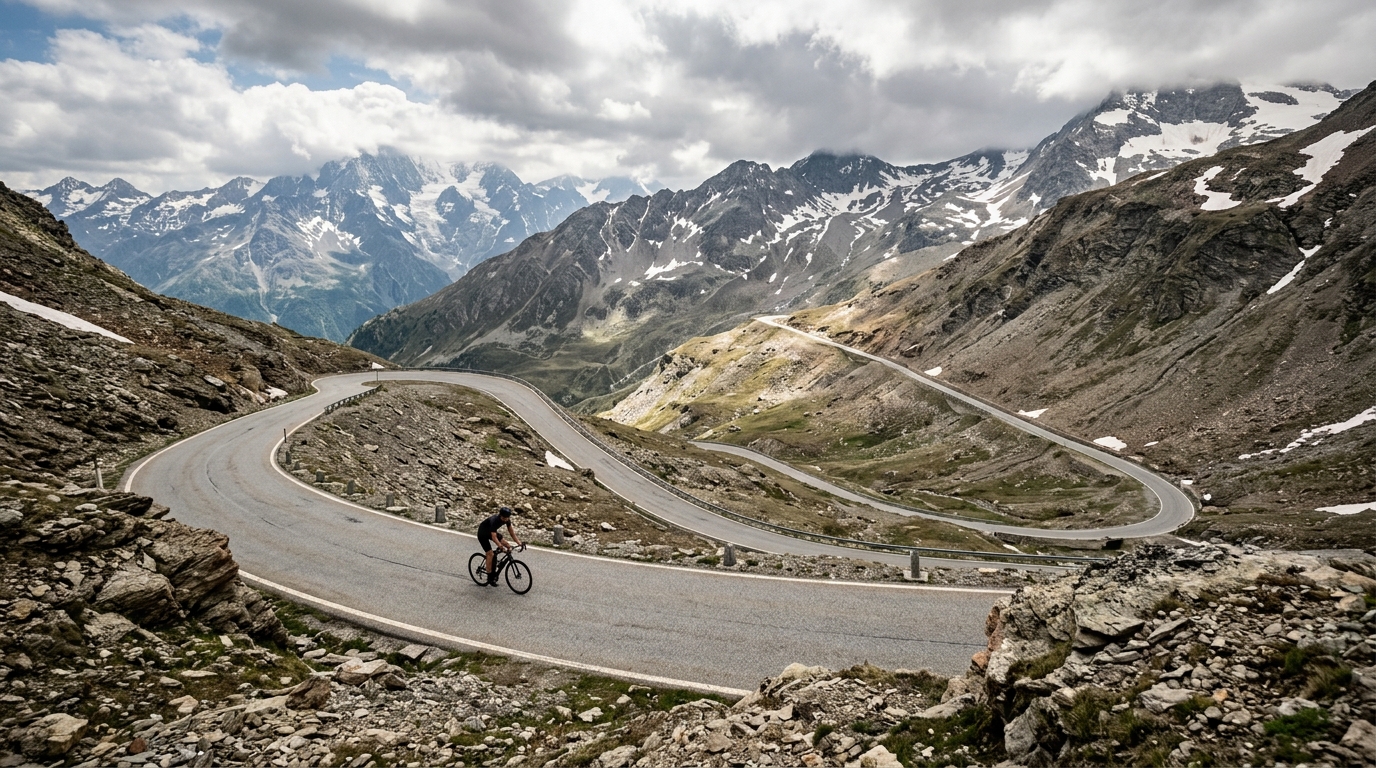
No survey of French climbing is complete without its headline names. Alpe d'Huez is the most theatrical of them all, its stacked switchbacks folding back on themselves as the road claws upward — a climb as famous for its atmosphere as its gradient. Mont Ventoux offers a different kind of severity: an exposed, relentless haul toward a bare, wind-scoured summit that feels detached from everything around it.
The high passes carry their own gravity. The Col du Galibier and the Col d'Izoard are long, serious ascents that reward patience and punish anyone who starts too hard. The Col de la Madeleine is a classic grinder — kilometre after kilometre of steady climbing that tests the legs through sheer accumulation. The Col du Granon is shorter but savage, a steep, unforgiving effort with little respite once the gradient bites.
In the far south of the mountains, the Col du Tourmalet stands as one of the most storied climbs in the catalogue, a long and demanding pass that has humbled generations of riders. And presiding over the highest reaches sits the Col de la Bonette, whose road runs among the loftiest tarmac in the country — a climb where altitude itself becomes the defining challenge.
When to Ride
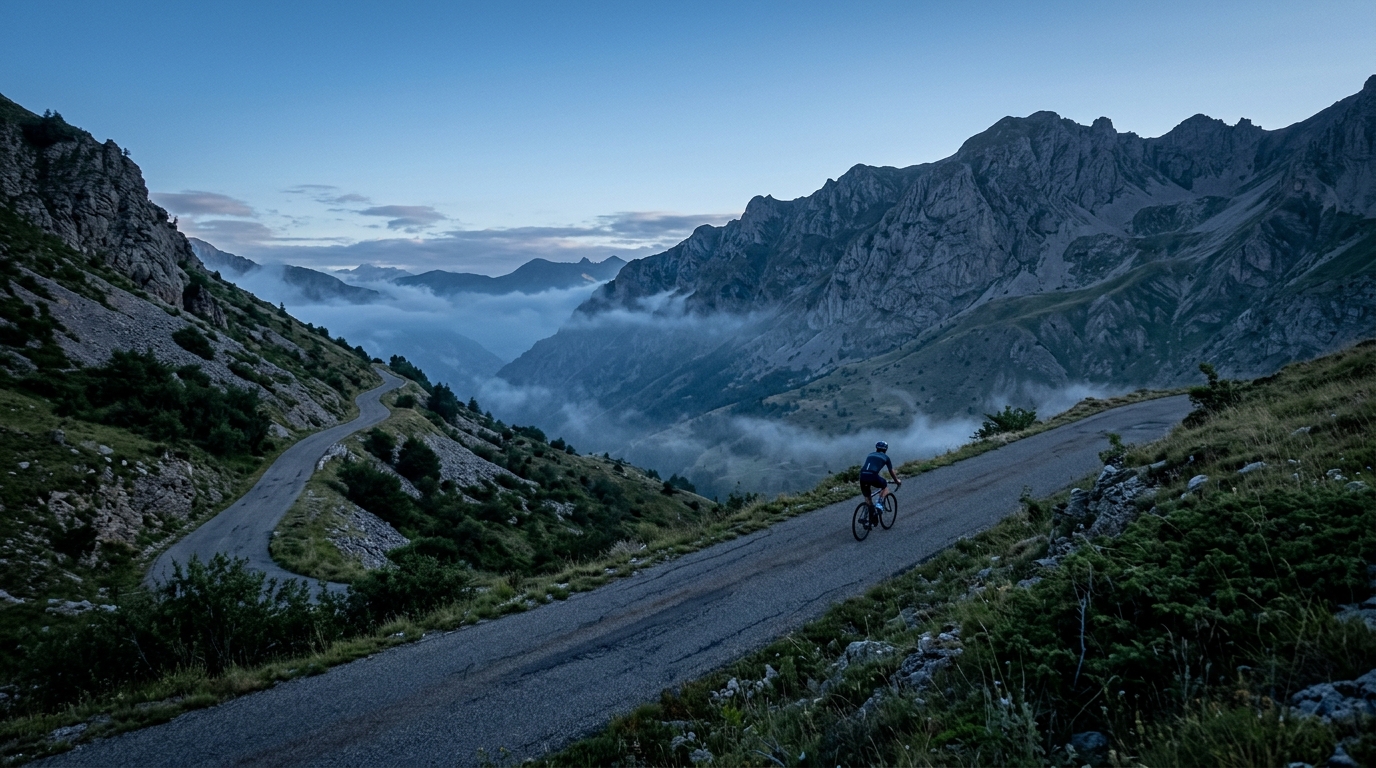
Timing matters enormously in France, because so much of the best riding sits at real altitude. The high passes — the Galibier, the Bonette, the Granon — are only reliably open and clear once the season warms, and the thin air near the 2830 m ceiling means even fit riders should expect to feel the difference on the upper slopes. Aim for the warmer months, when the highest roads are free of snow and the summits are accessible.
Lower-lying climbs like Alpe d'Huez and Mont Ventoux have a longer usable window, but Ventoux's exposed summit can be brutally windy and cold even when the valleys are pleasant. Whatever the elevation, mountain weather changes fast: a warm start at the base can give way to cold, wind and reduced visibility at the top. Plan around the summit conditions, not the valley.
Practical Notes
Respect the length. Many French climbs, especially the 127 hors catégorie efforts, are long enough that pacing is everything — starting conservatively is almost always faster over the full ascent than blowing up halfway. Carry more food and water than you think you need, since resupply points thin out as you climb.
Dress for the descent as much as the climb. On the highest roads near 2830 m, the temperature drop from sweating on the way up to descending into cold air is significant, so pack a layer even on warm days. Check that your gearing suits the steeper walls — climbs like the Col du Granon reward a generous cassette. And treat the exposed summits, Ventoux above all, with caution: wind and sudden weather can turn a straightforward day hard in minutes.
Summary
France offers cycling climbs at a scale few places can match: 408 catalogued ascents, 127 of them hors catégorie, ranging from the theatrical switchbacks of Alpe d'Huez to the sky-high tarmac of the Col de la Bonette near 2830 m. Between the long tempo passes like the Galibier, Izoard, Madeleine and Tourmalet, the vicious Granon, and the wind-blasted crown of Mont Ventoux, there is a lifetime of riding here. Come prepared, time the high passes for the warm season, and pace yourself — the mountains reward patience.
Tražiš cele vožnje u Francuska?
Rute u Francuska