Biblioteka uspona · Kina
Cycling climbs in China
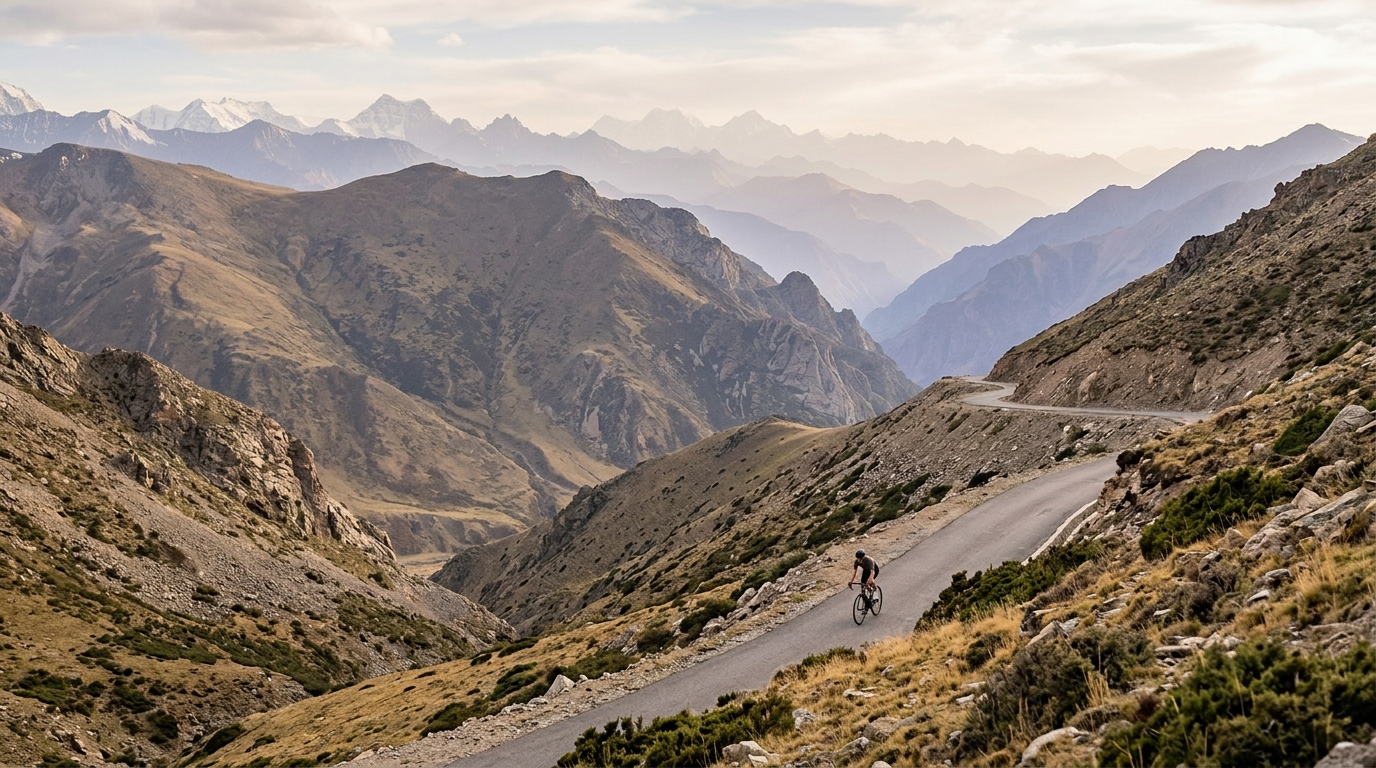
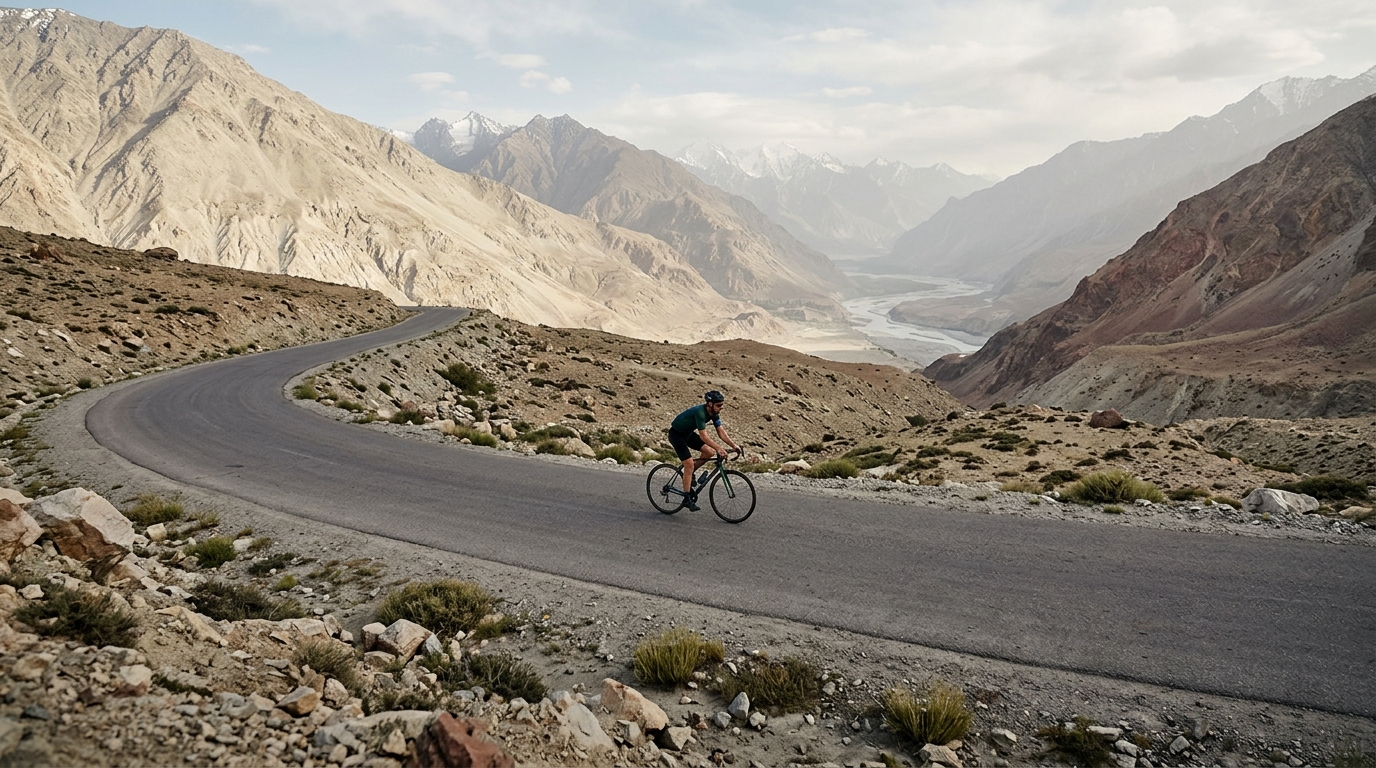
China is a destination built for riders who chase altitude. Its climbs push into rarefied territory, with the highest catalogued summit topping out at a staggering 5002 metres, where the air thins and every pedal stroke has to be earned. This is high-country cycling in its purest form, a place where the mountains demand patience, deep reserves, and respect for the elevation.
The marquee ascent here is Mila Shan, a climb that captures what makes riding in China so distinctive: long, lung-testing gradients set against vast, open highland terrain. While the catalogue is still small, with a single climb documented so far and none yet ranked hors catégorie, the sheer height on offer marks China out as a proving ground for cyclists who want to test themselves against genuine altitude.
Prepoznatljivi usponi u Kina
Svi usponi u Kina
50 uspona
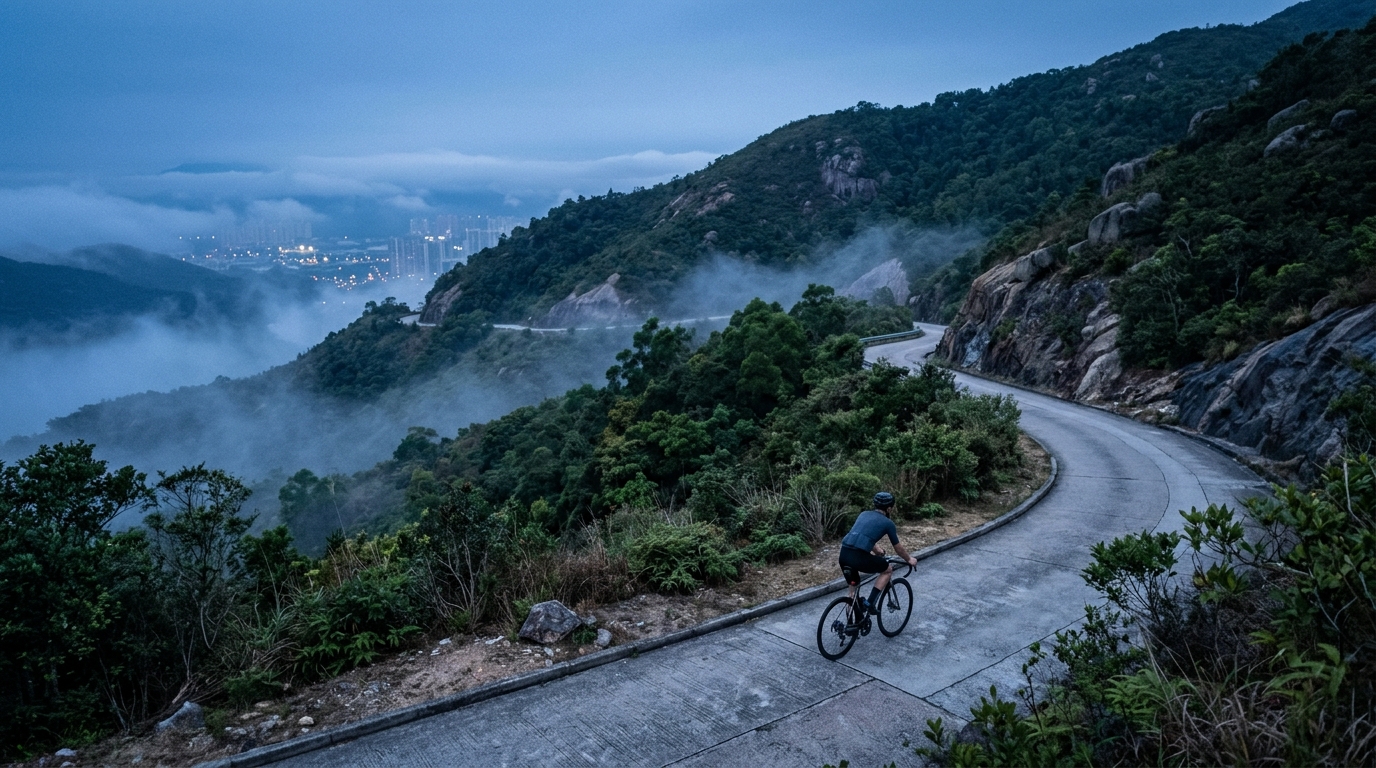 Sha Tin PassKat. 2CN · 3.0 km · 8.6% · 206 m221poena
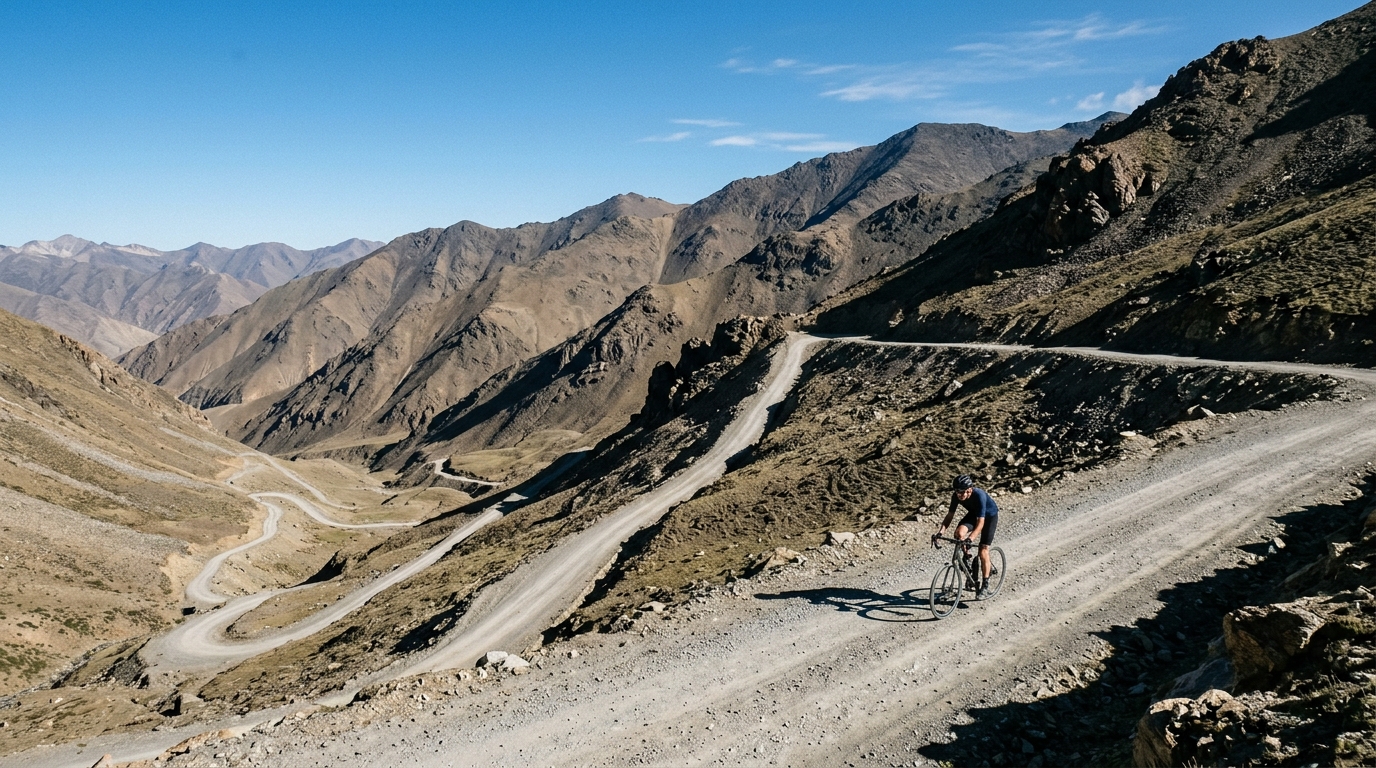 Doxong LaHCCN · 23.5 km · 7.9% · 1834 m1479poena
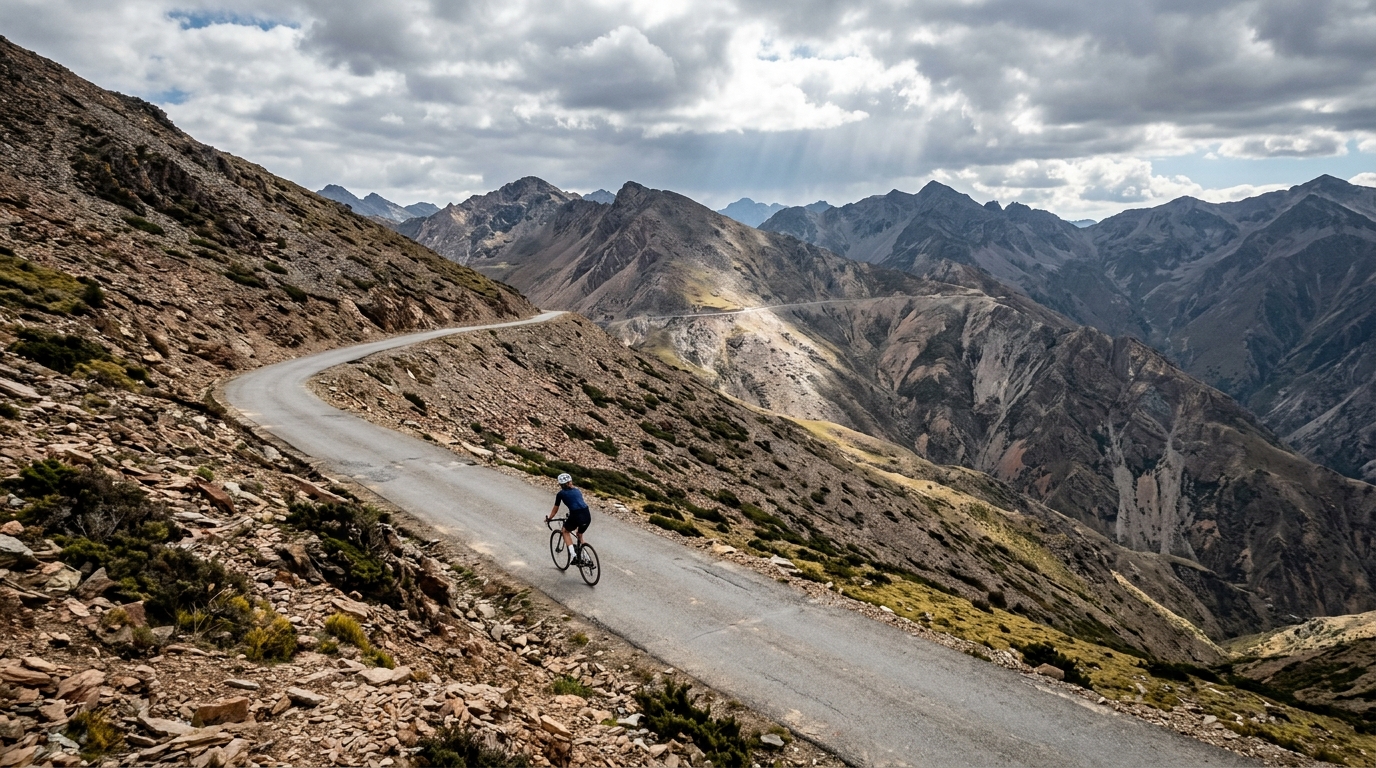 Kepang LaHCCN · 18.0 km · 12.3% · 2066 m2740poena
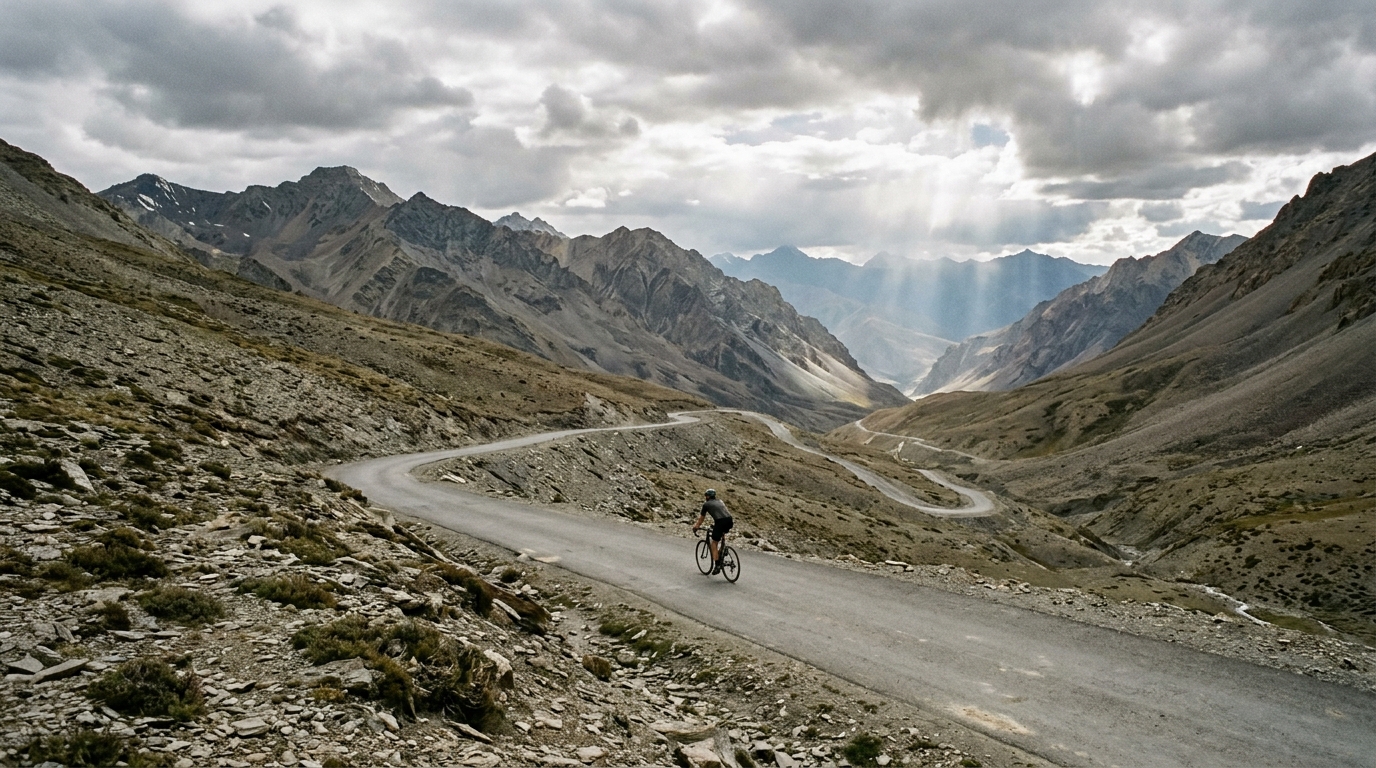 Niti PassHCCN · 54.8 km · 6.8% · 3651 m2502poena
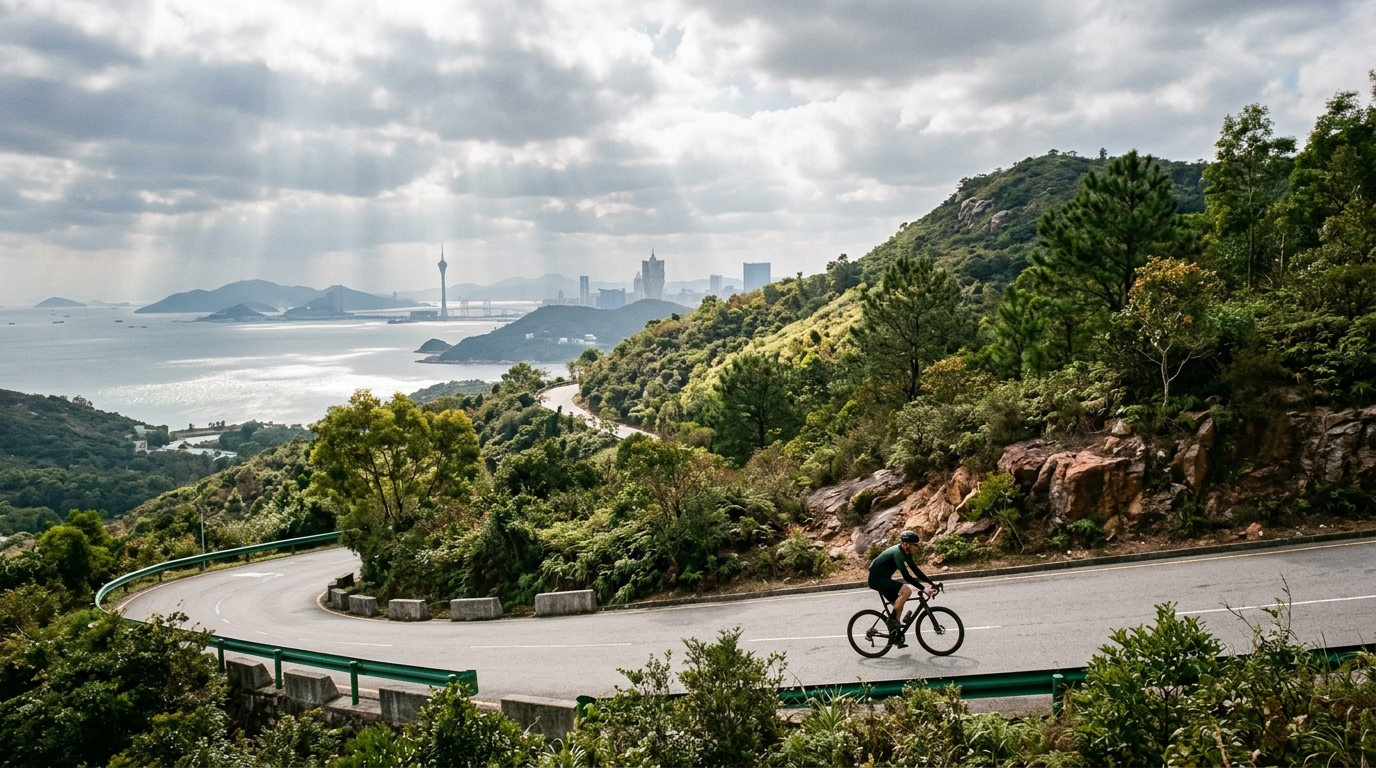 Alto de ColoaneKat. 4CN · 1.6 km · 7.0% · 81 m79poena
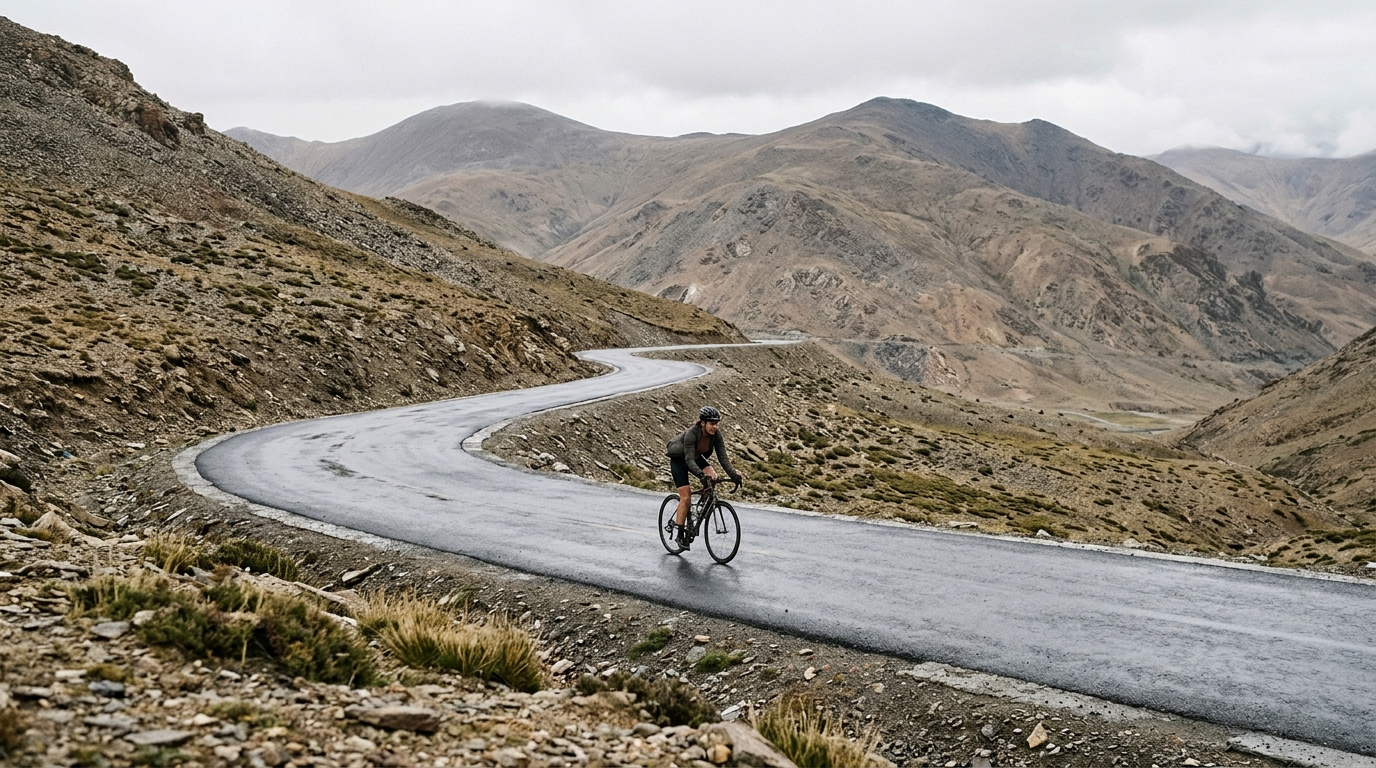 Spanggur GapKat. 1CN · 23.8 km · 5.1% · 1226 m619poena
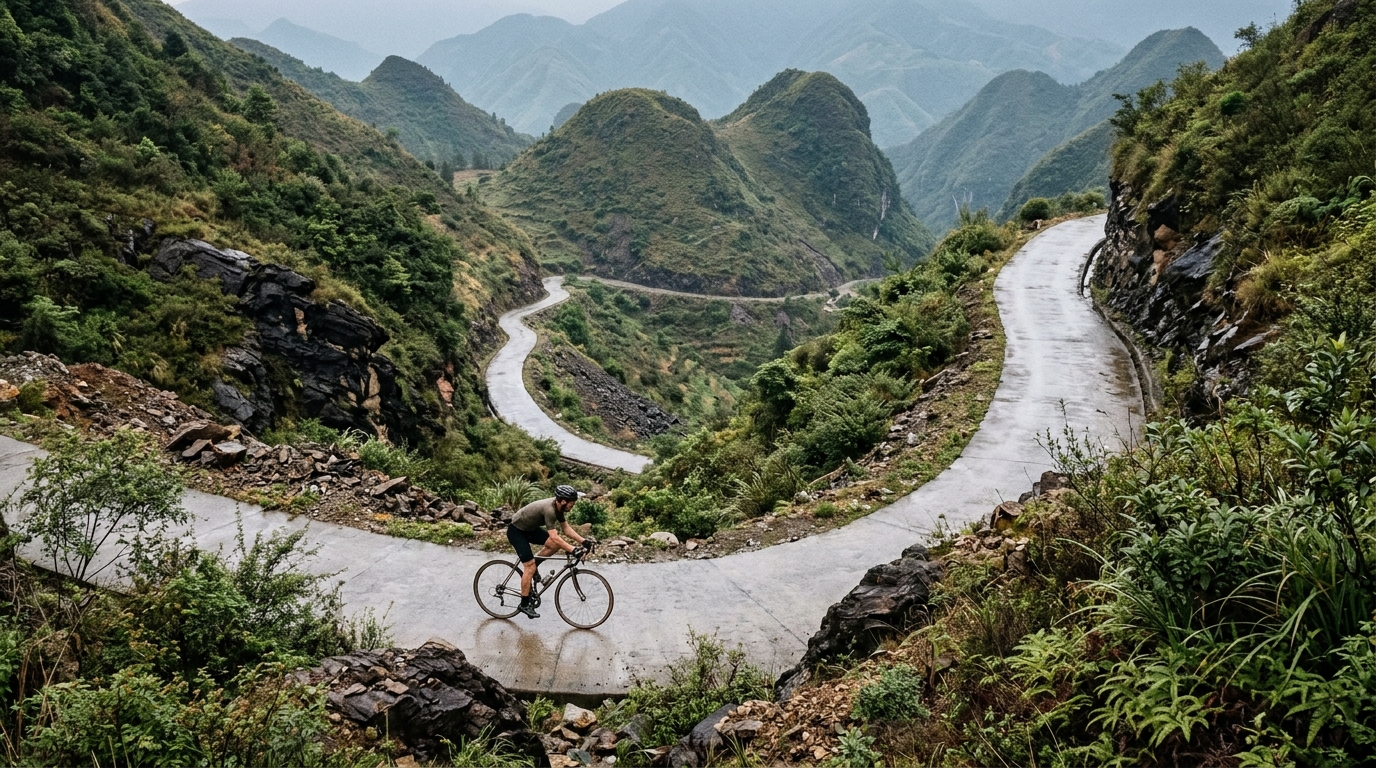 Tate's PassKat. 1CN · 2.5 km · 14.9% · 297 m544poena
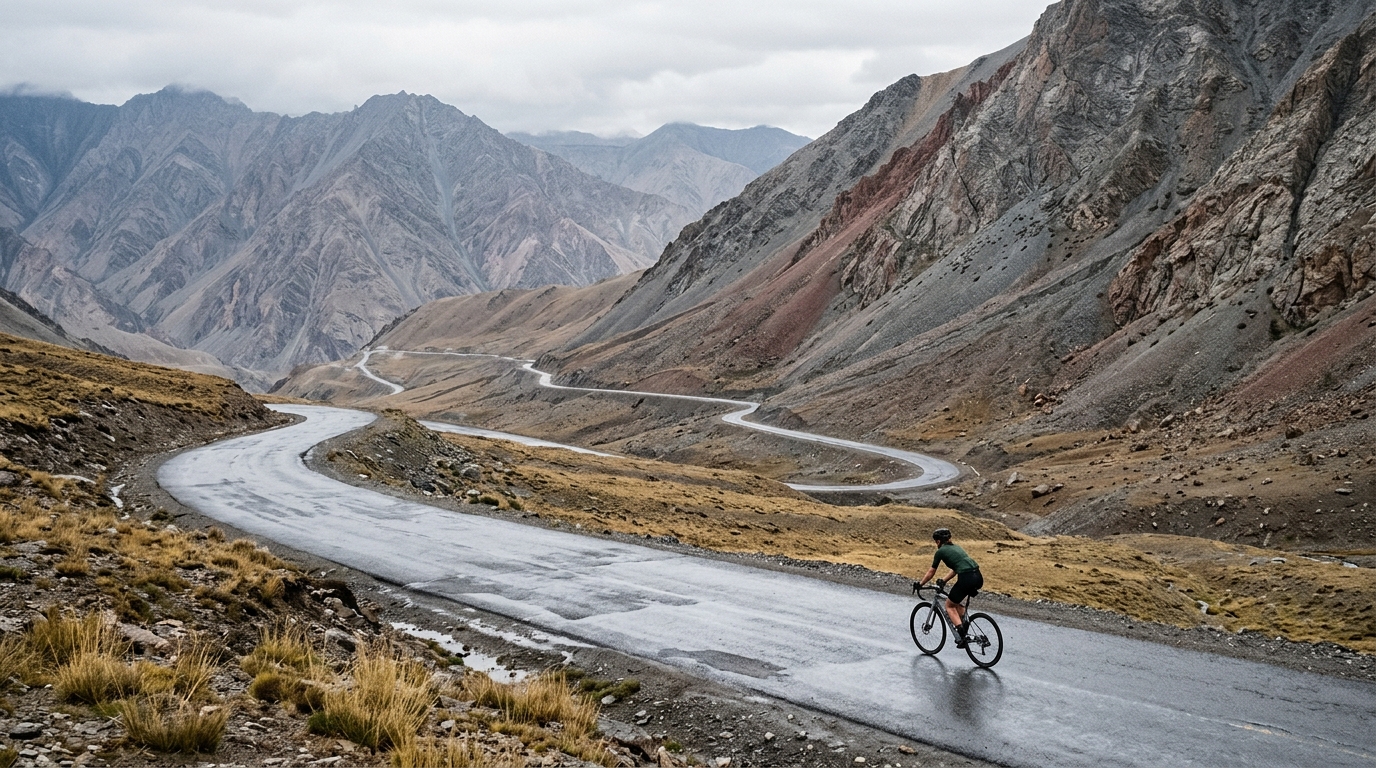 Kirgizjangal PassKat. 1CN · 17.4 km · 5.1% · 860 m448poena
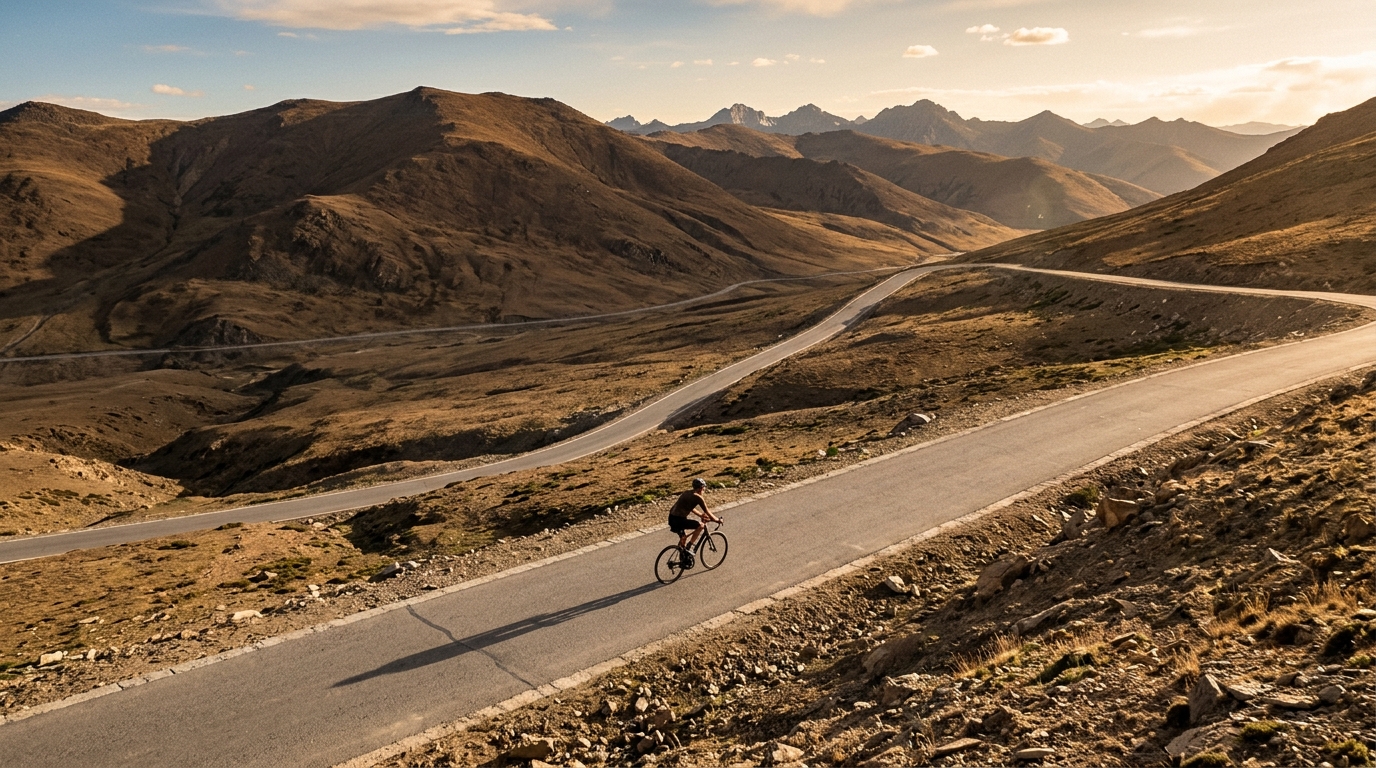 Gyatso LaKat. 1CN · 26.9 km · 4.6% · 1231 m575poena
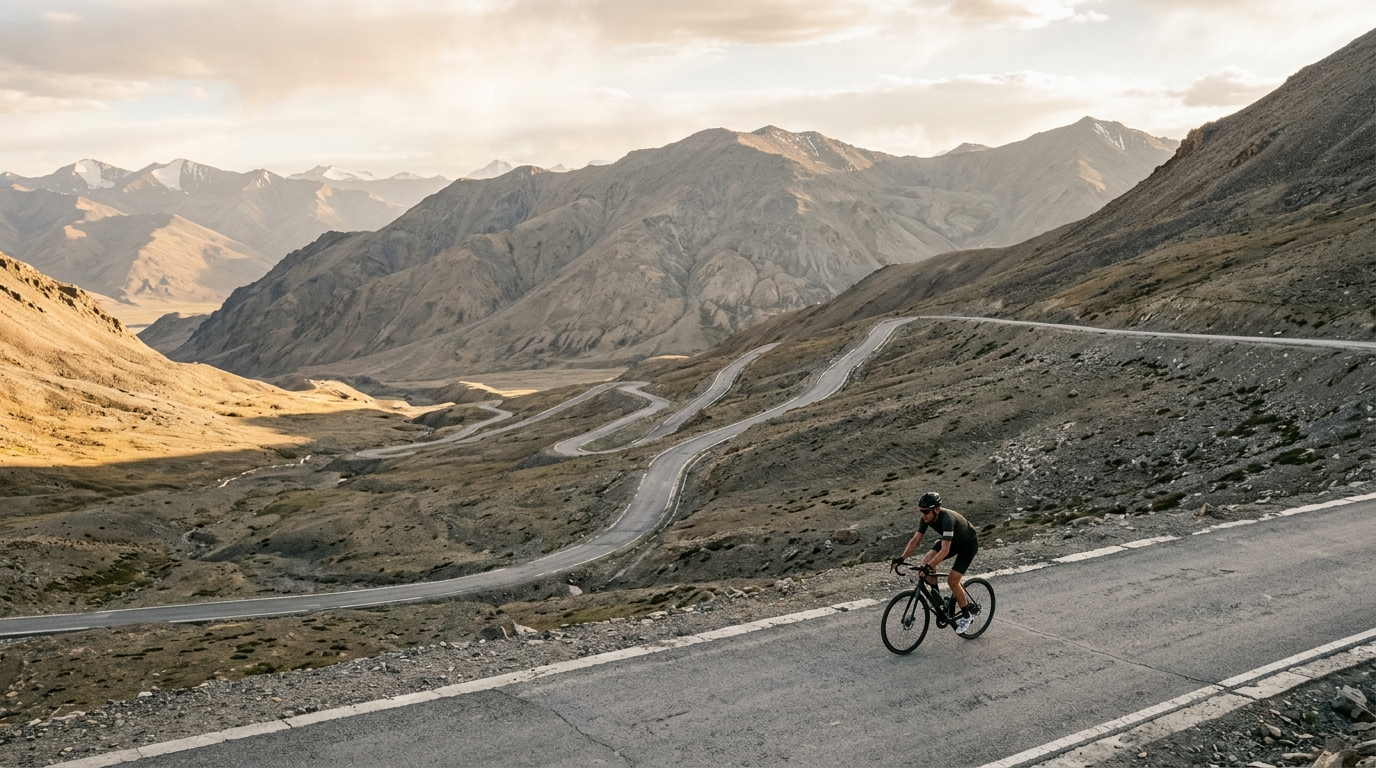 Laken PassKat. 1CN · 16.6 km · 5.4% · 877 m477poena
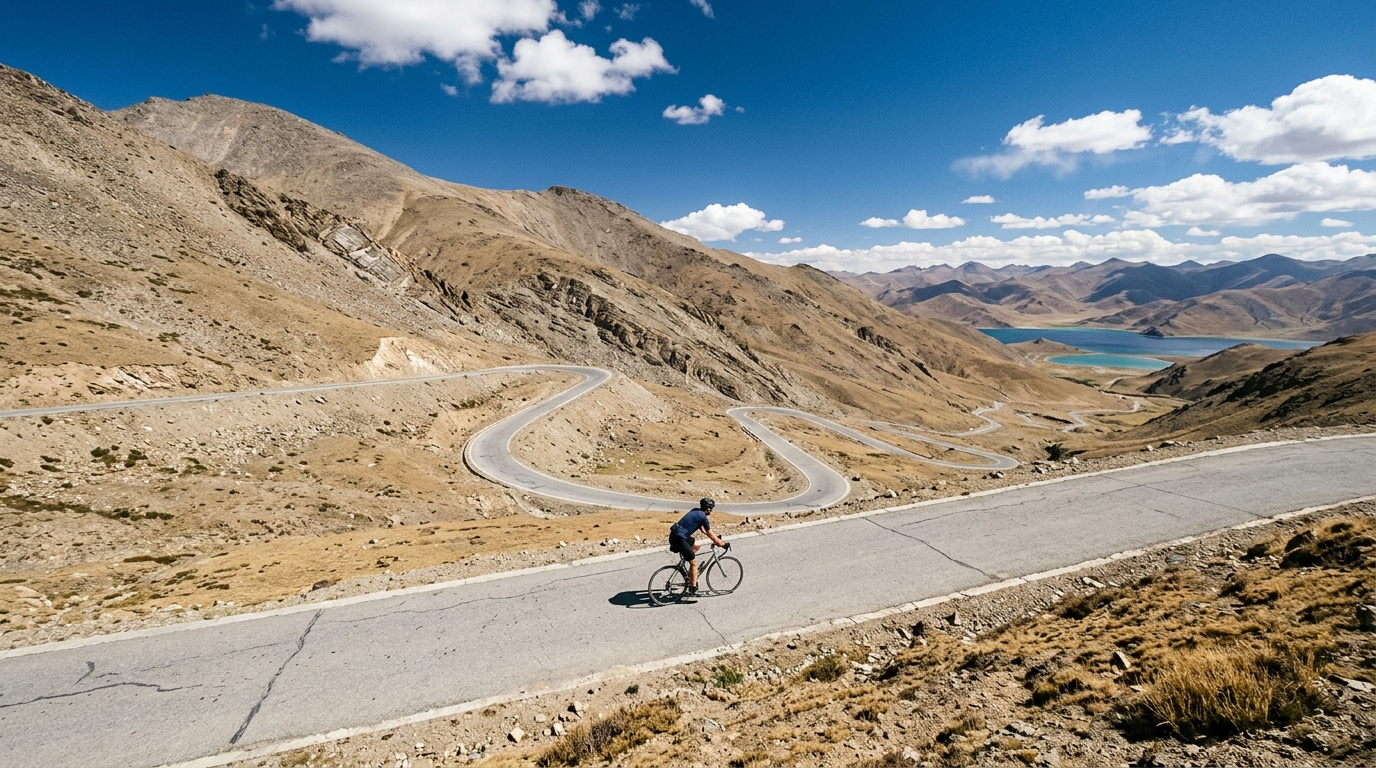 Kambala PassKat. 1CN · 29.1 km · 3.9% · 1122 m439poena
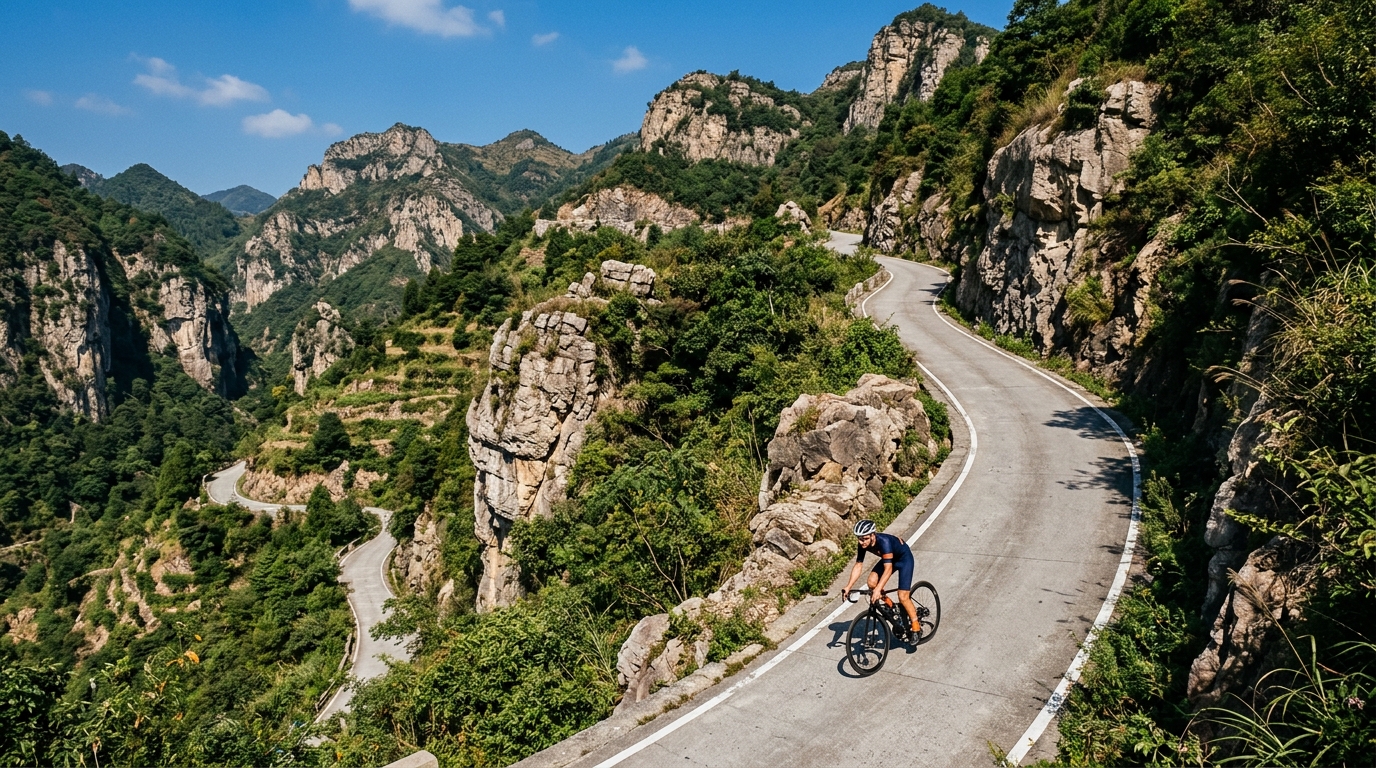 Quarry GapKat. 1CN · 1.8 km · 15.1% · 217 m411poena
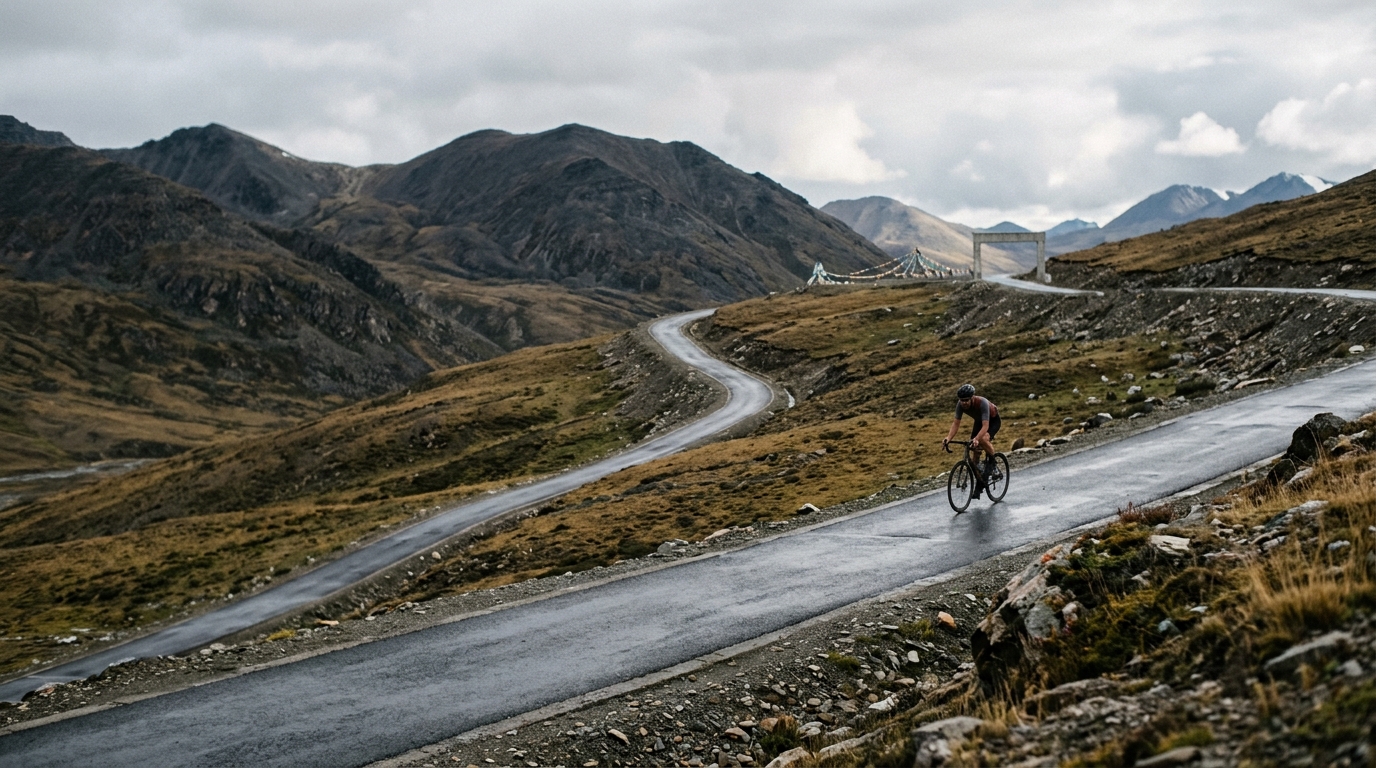 Mila ShanKat. 3CN · 4.7 km · 4.7% · 220 m104poena
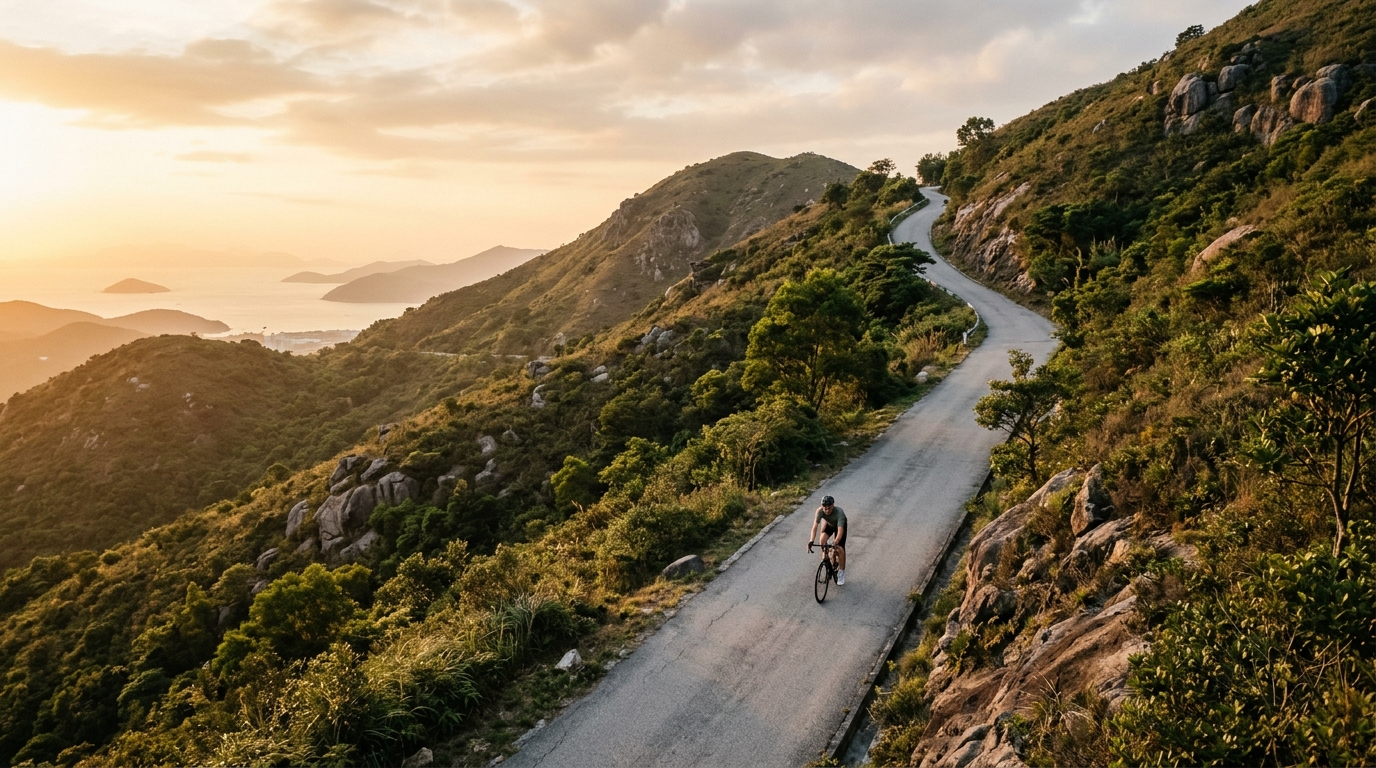 Pak Kung AuKat. 2CN · 2.2 km · 9.9% · 197 m213poena
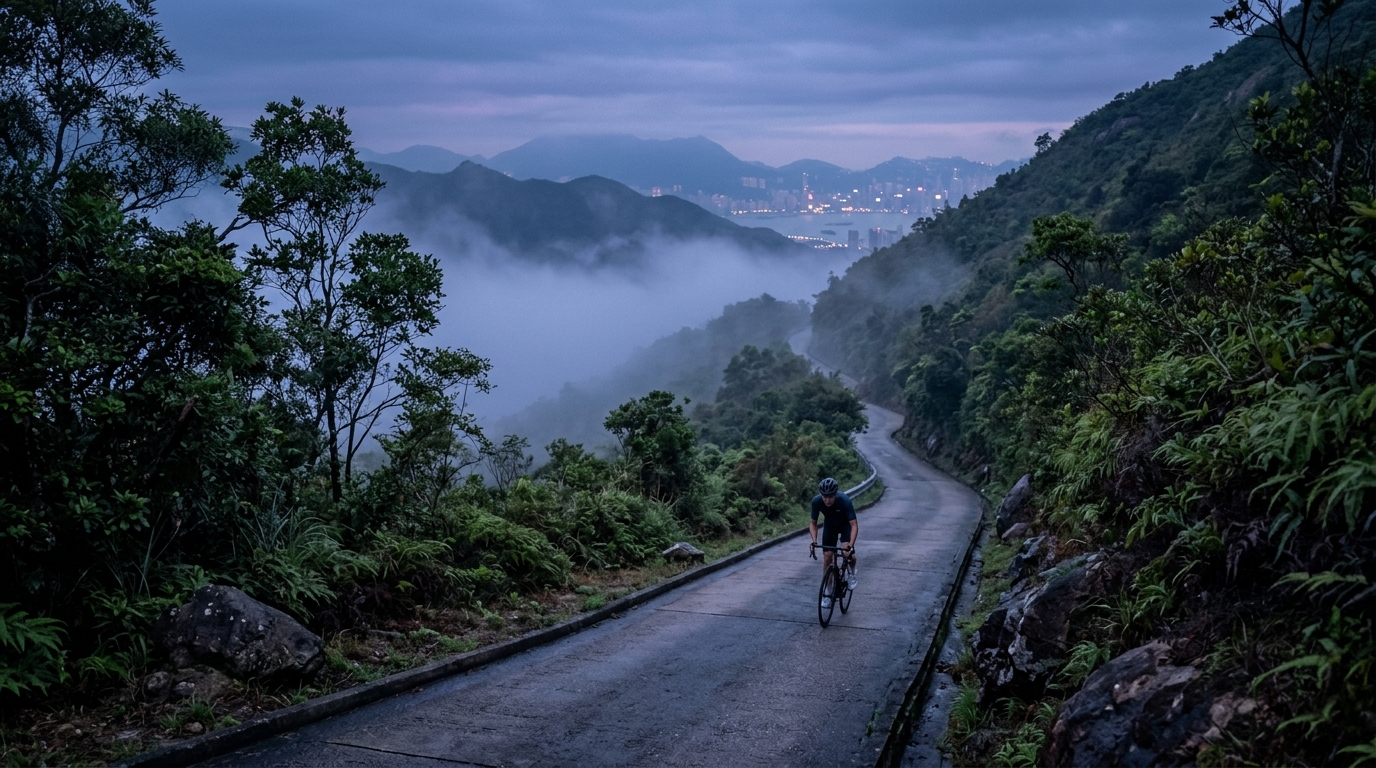 Tiu Tso NgamKat. 2CN · 1.4 km · 16.6% · 187 m387poena
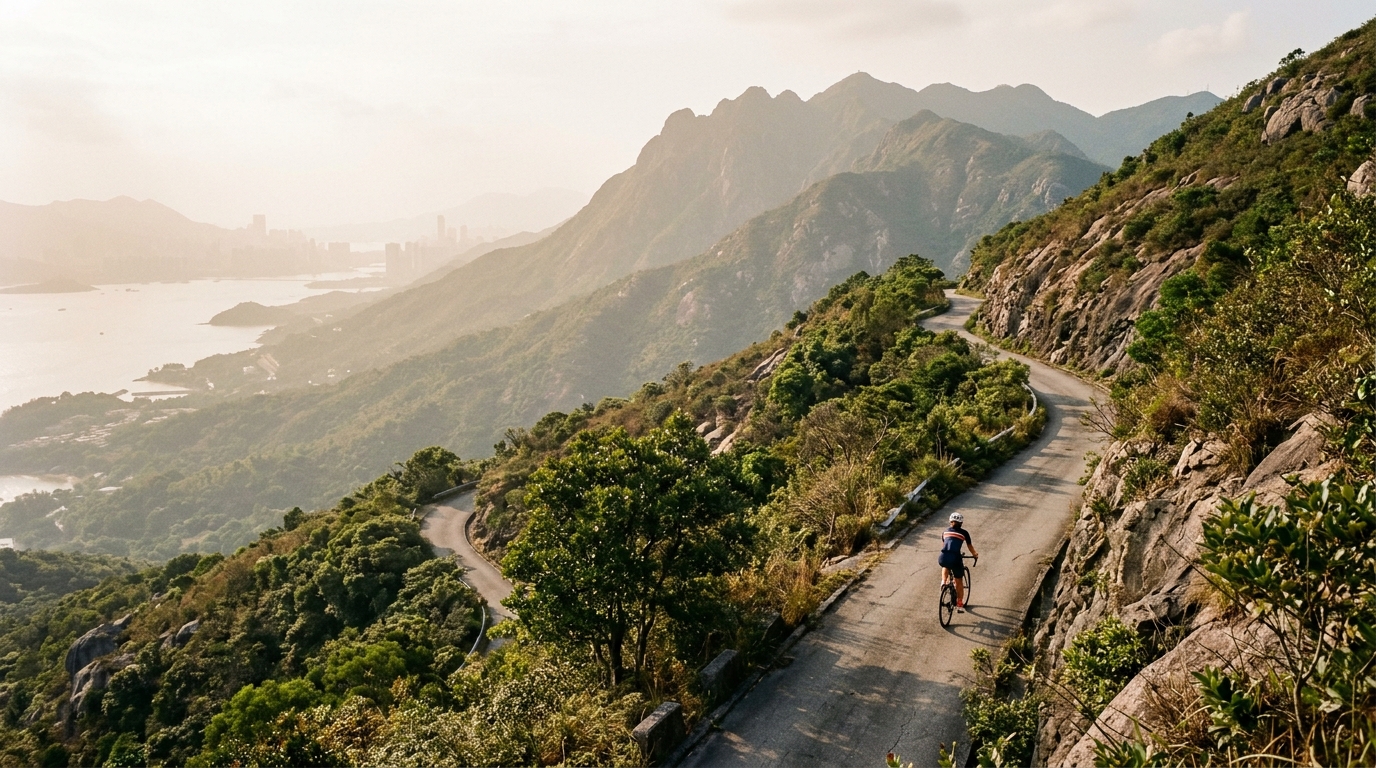 Nui Po AuKat. 2CN · 3.0 km · 10.9% · 297 m361poena
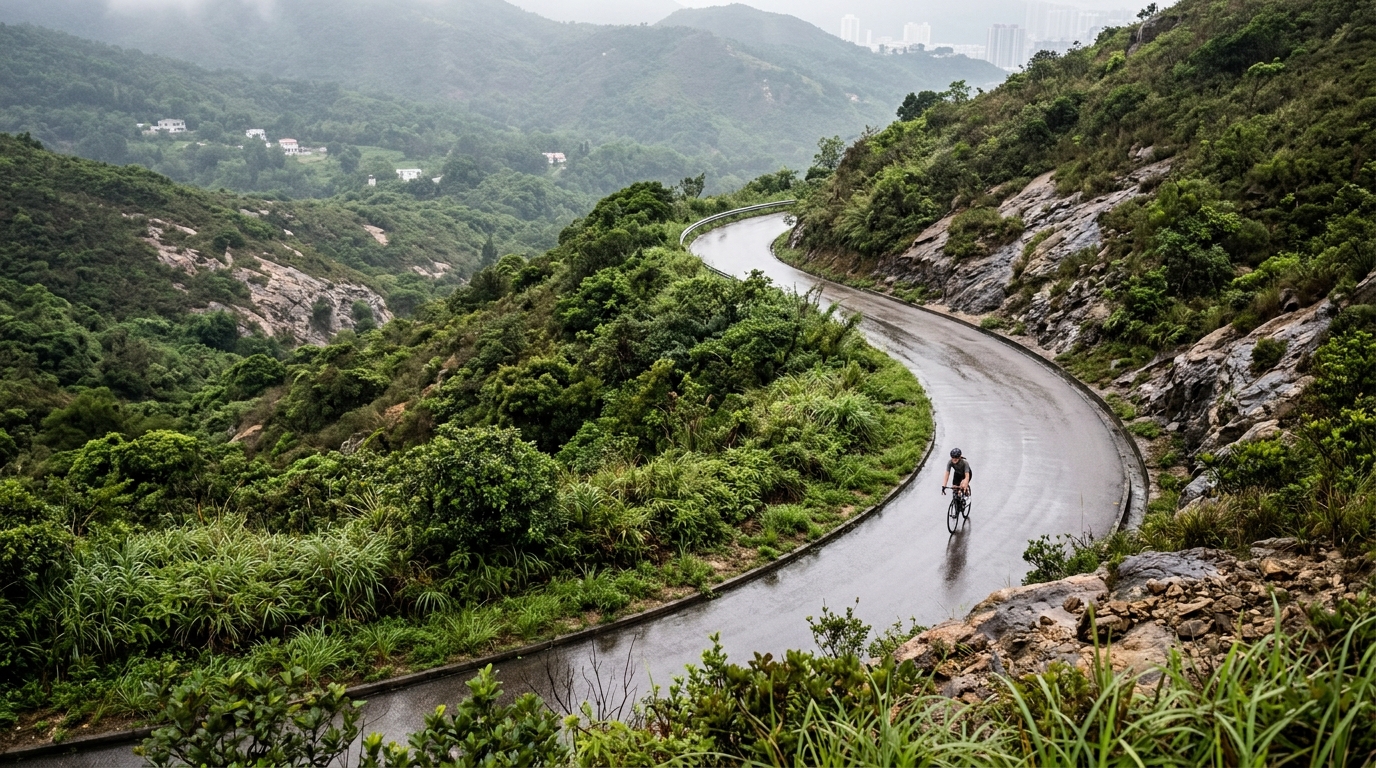 Tsuen Kam AuKat. 2CN · 6.8 km · 6.9% · 450 m326poena
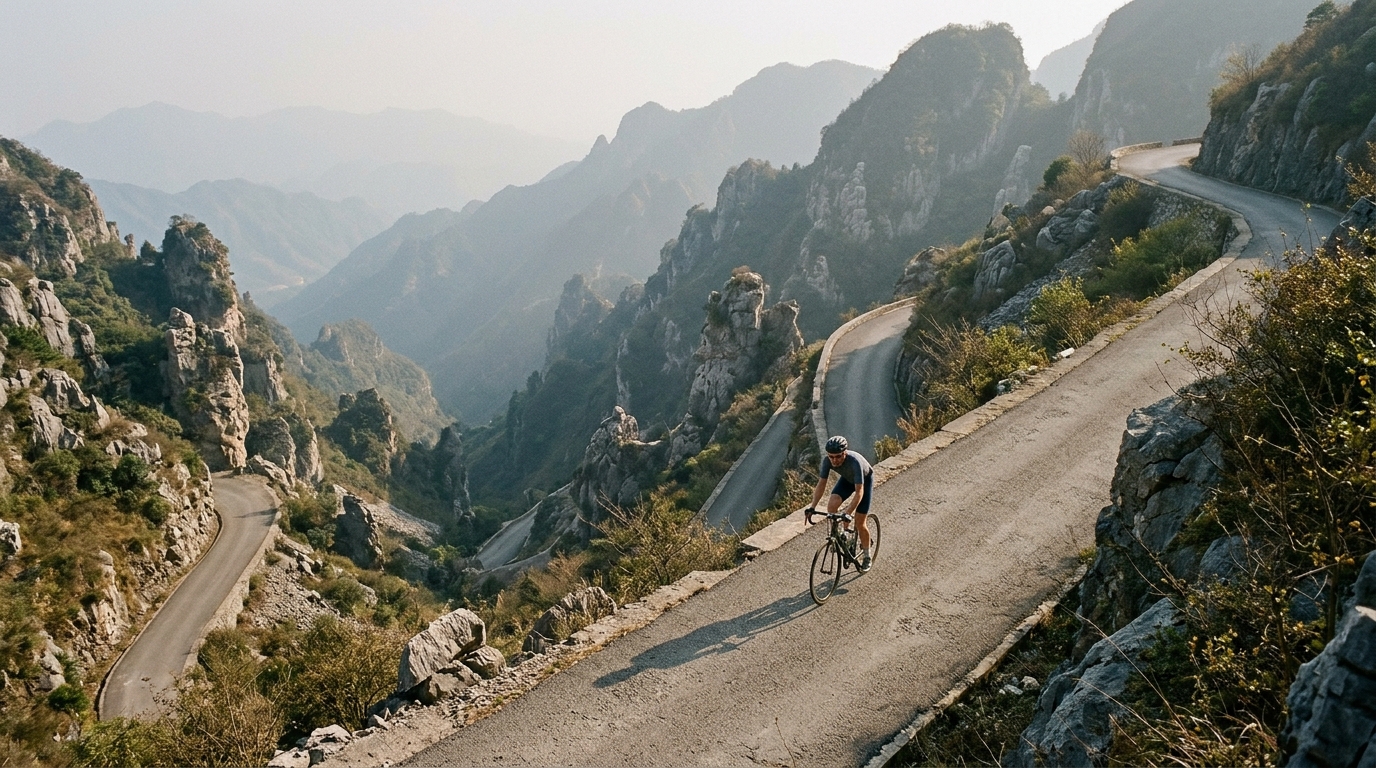 Middle GapKat. 2CN · 2.7 km · 10.6% · 238 m301poena
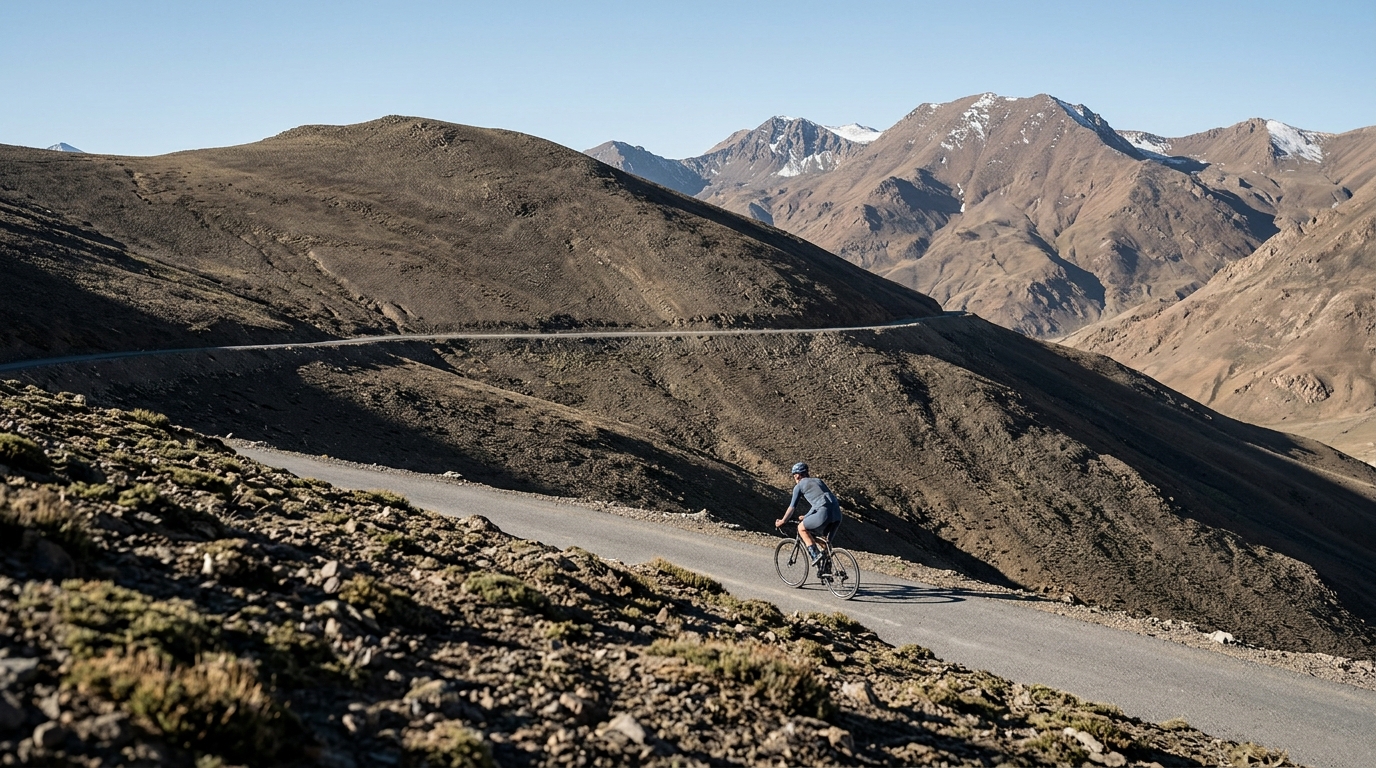 Lanak LaKat. 4CN · 2.1 km · 5.2% · 90 m57poena
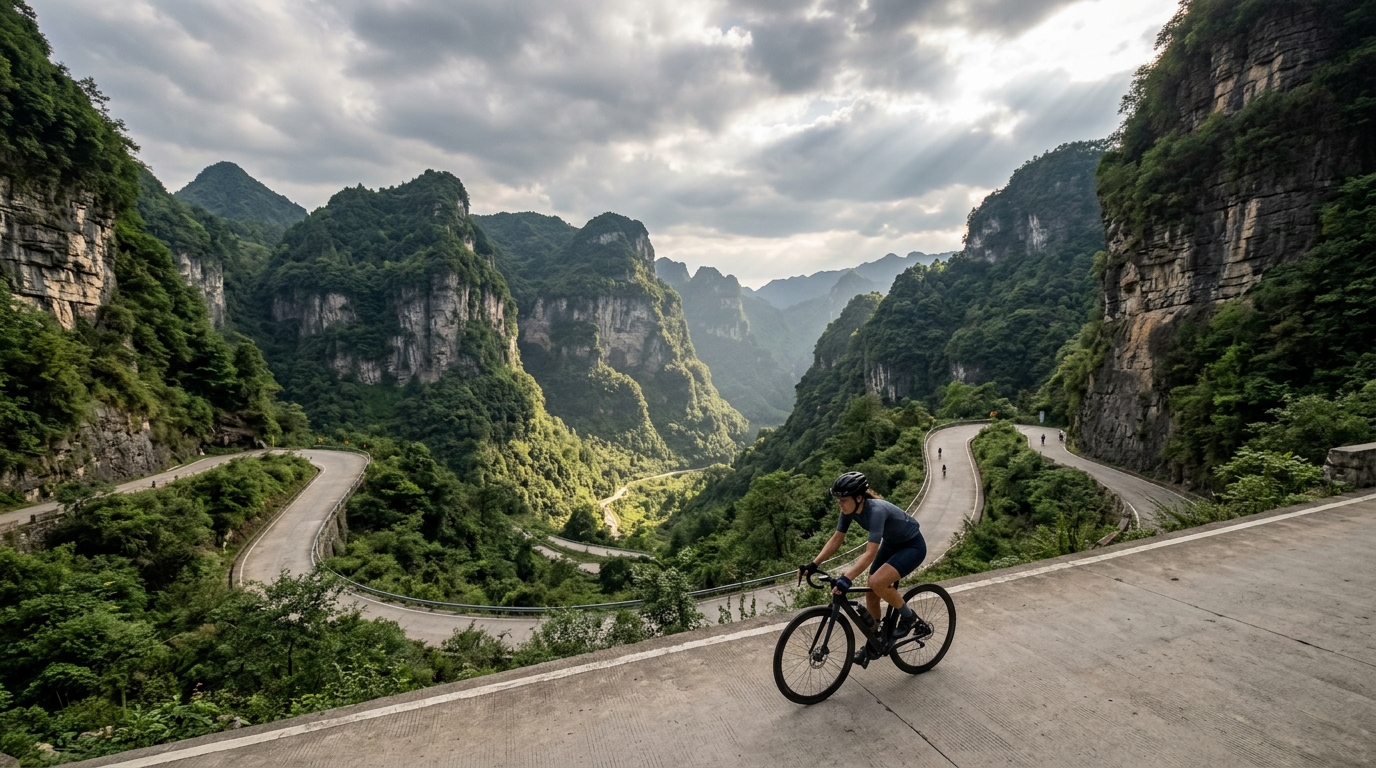 Jianmen PassKat. 4CN · 3.0 km · 5.7% · 151 m96poena
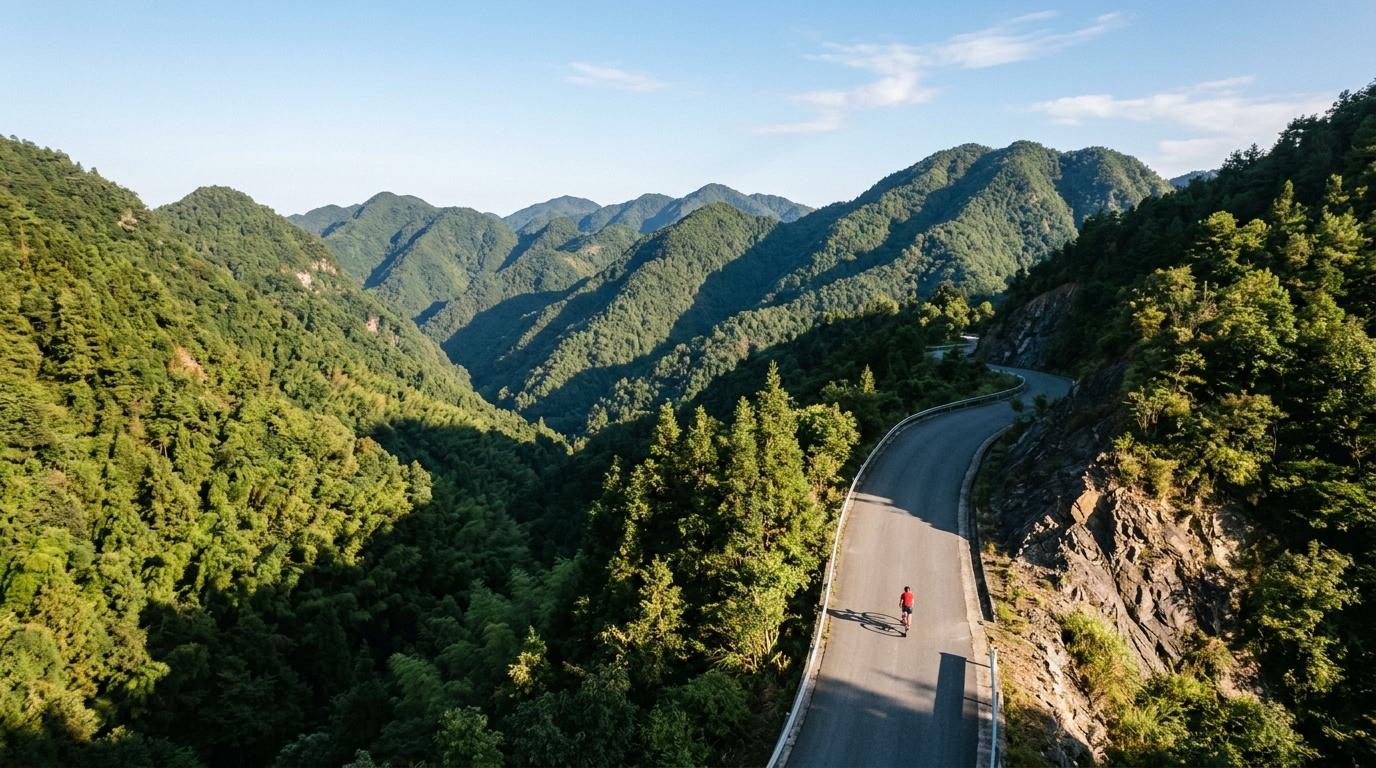 Wu PassKat. 4CN · 4.5 km · 3.6% · 144 m59poena
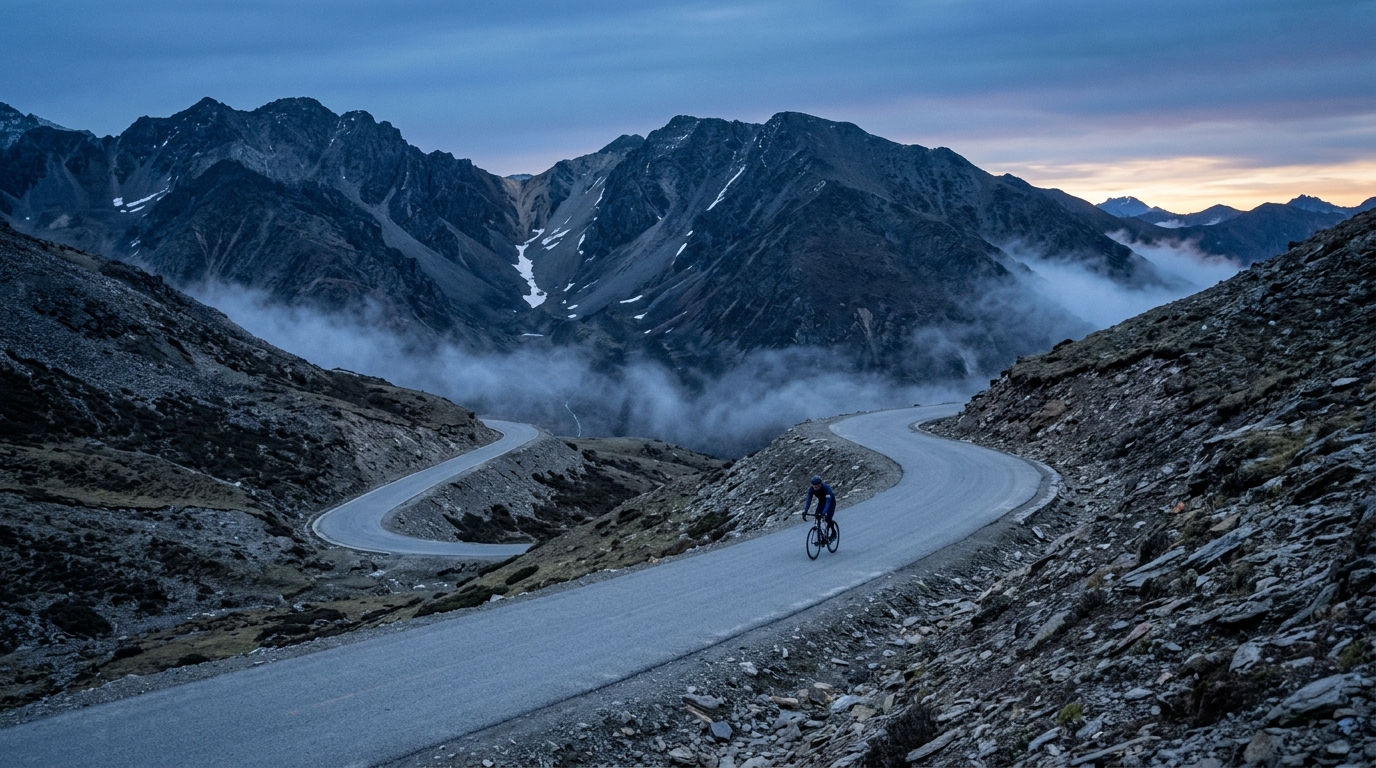 Cherko laKat. 4CN · 2.7 km · 3.8% · 84 m39poena
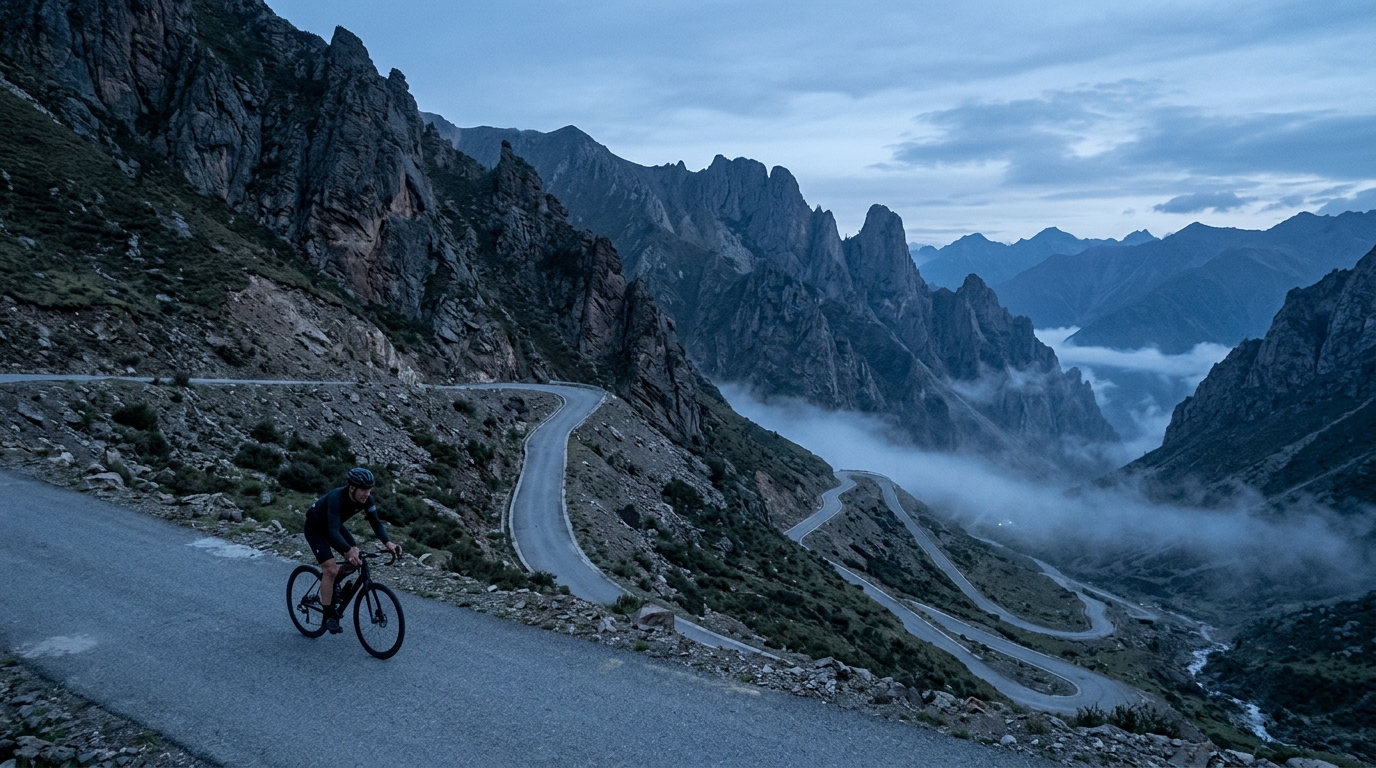 Cho La, SichuanKat. 3CN · 2.1 km · 9.6% · 178 m197poena
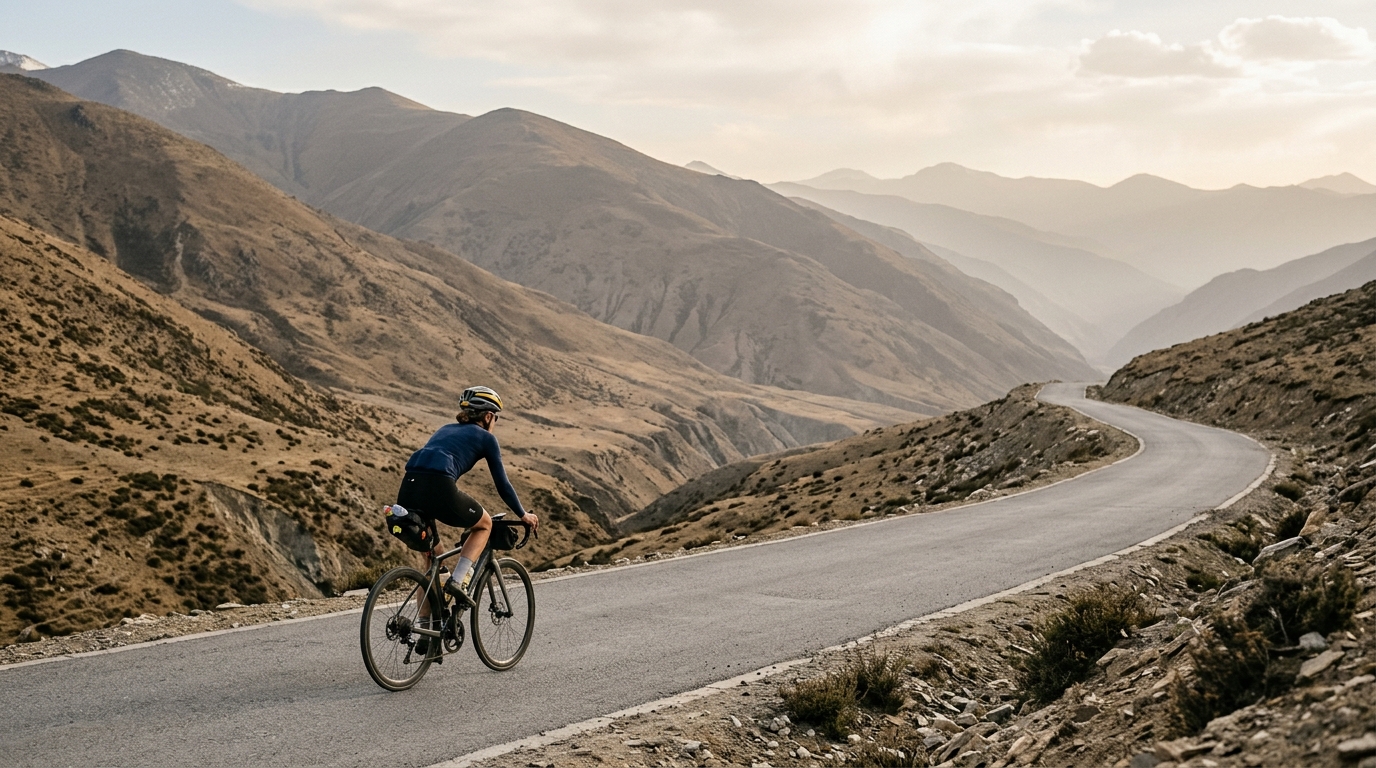 Lalung LaKat. 3CN · 11.0 km · 3.9% · 408 m166poena
Sveobuhvatan vodič za uspone u Kina
The Riding
Cycling in China means climbing into some of the highest paved terrain on Earth. The catalogued climbing here is defined less by sheer volume than by altitude: the highest summit in this collection reaches 5002 metres, a figure that reshapes how a rider thinks about every pedal stroke. At those elevations, the challenge is rarely gradient alone. Thin air, long approaches, and sustained exposure to the high plateau turn even moderate slopes into demanding efforts.
With a single catalogued climb on record and none of them rated hors catégorie, China's profile in this guide is focused rather than sprawling. That focus rewards riders who prepare properly. This is not casual terrain to stumble onto during a weekend spin. It is high-country cycling that asks for respect, acclimatisation, and a clear-eyed understanding of what altitude does to the body and the bike.
The defining feature is verticality measured against the sky rather than the valley floor. Roads climb toward passes that sit far above the tree line, where the horizon opens onto vast, austere landscapes. For riders drawn to the extremes of the sport, that is precisely the appeal.
Standout Climbs
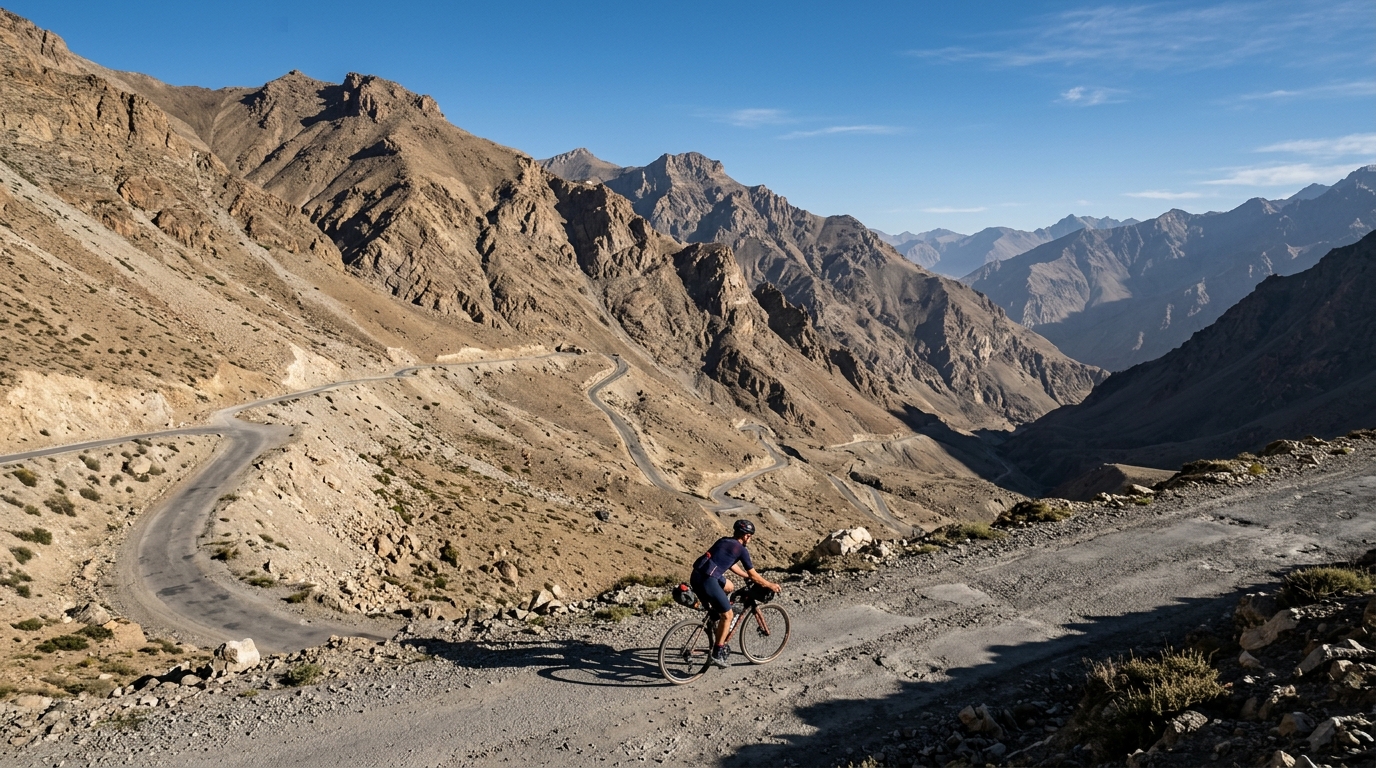
The headline ascent in this collection is Mila Shan. It anchors the catalogue and captures what makes riding at these altitudes so distinctive. Cresting a high pass, Mila Shan is the kind of climb that rewards patience over aggression. The thin air enforces a measured pace, and the summit delivers the payoff that only genuine high-altitude passes can offer: an expansive, wind-scoured view earned metre by metre.
Because Mila Shan represents the catalogued climbing here, it deserves to be treated as a destination in its own right rather than a stop on a longer chain of ascents. Approach it as the centrepiece of a trip, plan the surrounding days around it, and give it the preparation its elevation demands. Riders who arrive fit but under-acclimatised will find the summit unforgiving; those who build in time to adjust will find it one of the most memorable efforts in their riding lives.
When to Ride
Altitude and season are inseparable at these elevations. The window for comfortable, safe riding is narrow, centred on the warmer months when high passes are most reliably clear and daytime temperatures on the plateau are manageable. Outside that window, conditions at 5000 metres can turn hostile quickly, with cold, wind, and weather that shifts far faster than in lowland terrain.
Even within the favourable season, mornings offer the steadiest conditions. High passes tend to gather cloud and wind as the day warms, so an early start improves both the ride and the summit view. Always check the forecast close to your departure and be prepared to wait out a bad day rather than push into deteriorating weather high on the mountain.
Plan arrival with acclimatisation in mind. Reaching the region several days before attempting Mila Shan, and spending those days at progressively higher elevations, is the single most effective way to enjoy the climb rather than merely survive it.
Practical Notes
High-altitude cycling in China demands specific preparation. Altitude sickness is a real risk above 4000 metres, and the summit here sits far higher. Ascend gradually, hydrate aggressively, and know the warning signs well enough to turn back without hesitation.
Carry more than you think you need. Long approaches at elevation mean limited resupply, so pack food, water, and spares for full self-sufficiency. Temperatures swing sharply between valley and summit, so layer for cold, wind, and sun in equal measure, even in the warm season.
Gearing matters. While the catalogued climbing is not rated hors catégorie, altitude reduces the power you can produce, so lower gears than you would choose at sea level make sustained climbing far more manageable. Finally, respect the remoteness. Communications and services can be sparse, so share your plans, ride within your limits, and treat the mountains as the serious environment they are.
Summary
China offers a concentrated but genuinely extreme corner of the cycling world, where a single catalogued climb, Mila Shan, opens the door to high-plateau riding topping out at 5002 metres. None of it is rated hors catégorie, yet the altitude alone makes this some of the most demanding terrain a road rider can attempt. Prepare thoroughly, acclimatise patiently, ride in the warm-season window, and pack for self-sufficiency. Do that, and the reward is a summit experience few climbs anywhere can match.
Tražiš cele vožnje u Kina?
Rute u Kina