Biblioteca de subidas · Estados Unidos
Cycling climbs in United States
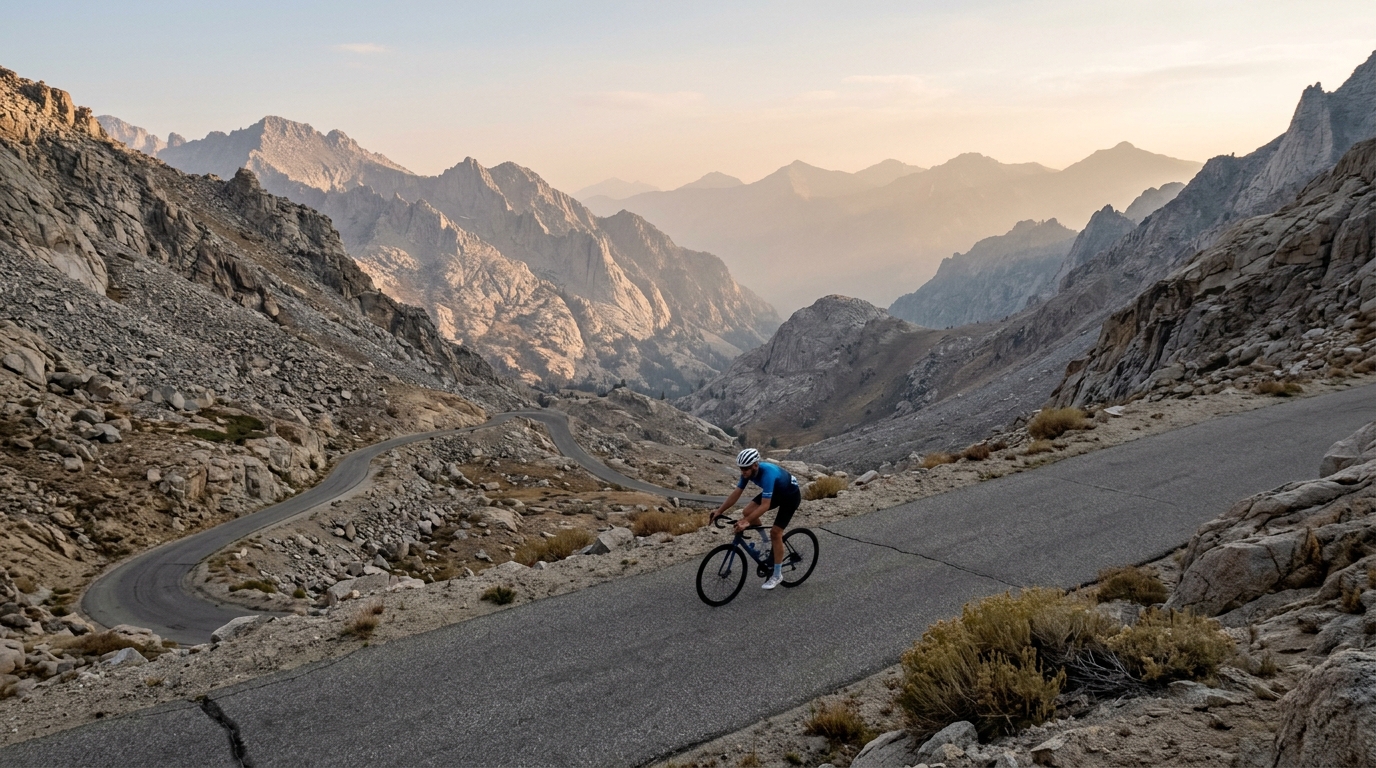
The United States is a vast playground for climbers on two wheels, with 108 catalogued ascents spread across wildly different terrain. Five of them earn the fearsome hors catégorie rating, the toughest classification a climb can carry, and the highest summit tops out at a lung-searing 4205 m. Whether you crave thin mountain air, endless switchbacks, or long grinding gradients, there is a route here to test every set of legs and every level of ambition.
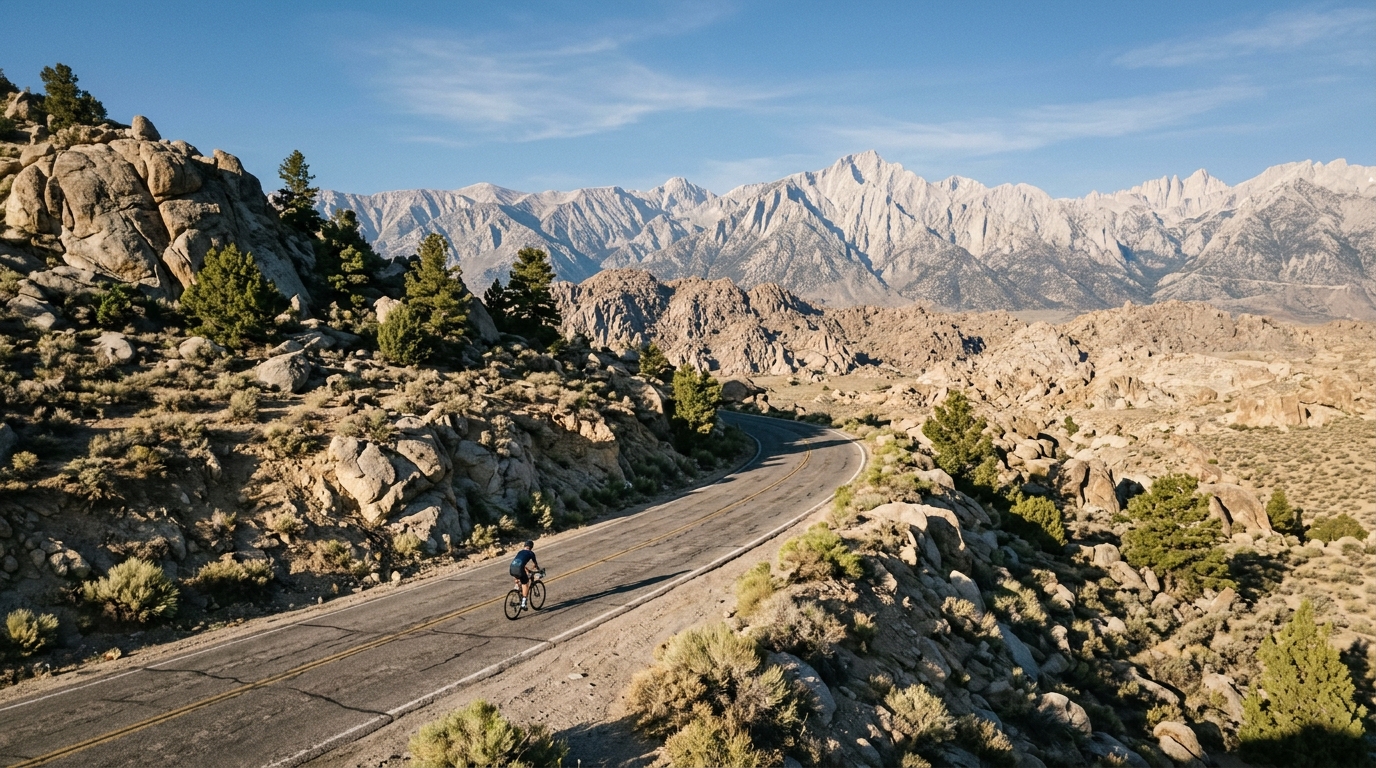
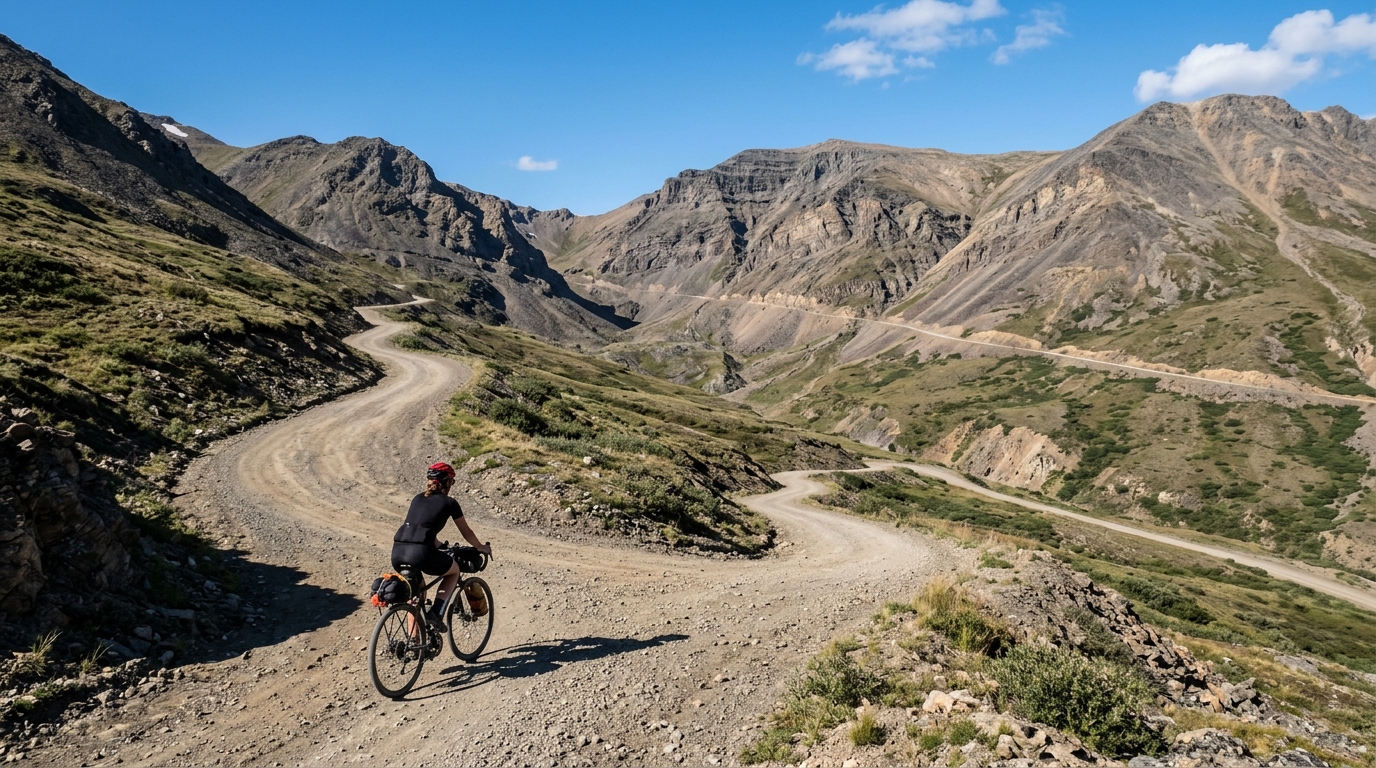
The marquee names alone hint at the range on offer. Mauna Kea rises from the sea to alpine heights in a single relentless effort, while Mount Lemmon rewards patient pacing with sweeping views. Loveland Pass and Cottonwood Pass carry riders over high, wind-scoured cols, and Cumberland Pass adds another rugged high-country challenge. Together they make the United States a bucket-list destination for anyone who measures a great ride by how far the road climbs.
Regiões em Estados Unidos
Subidas emblemáticas de Estados Unidos
Todas as subidas em Estados Unidos
163 subidas
 Eagle SummitCat 2US · 10.8 km · 4.8% · 503 m251pts
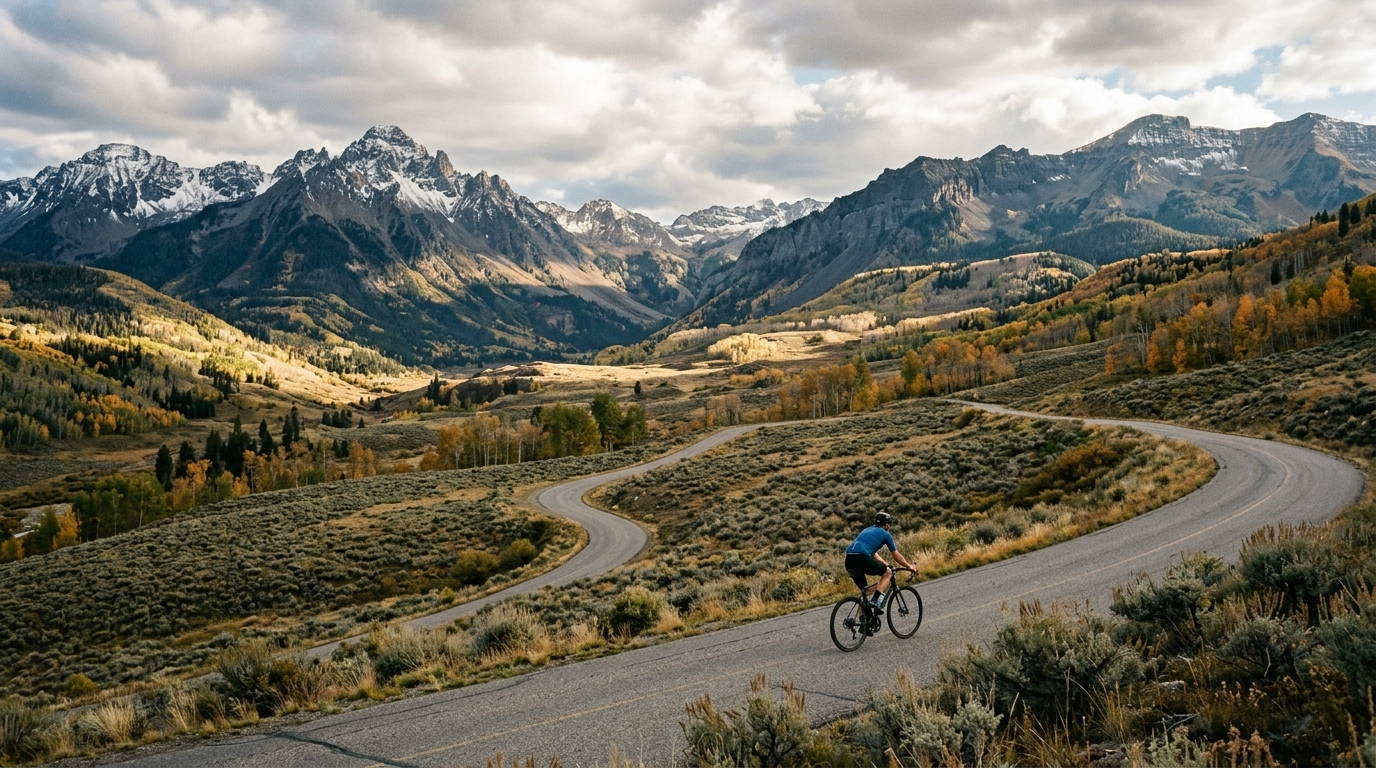 Dallas DivideCat 2US · 16.7 km · 3.7% · 596 m223pts
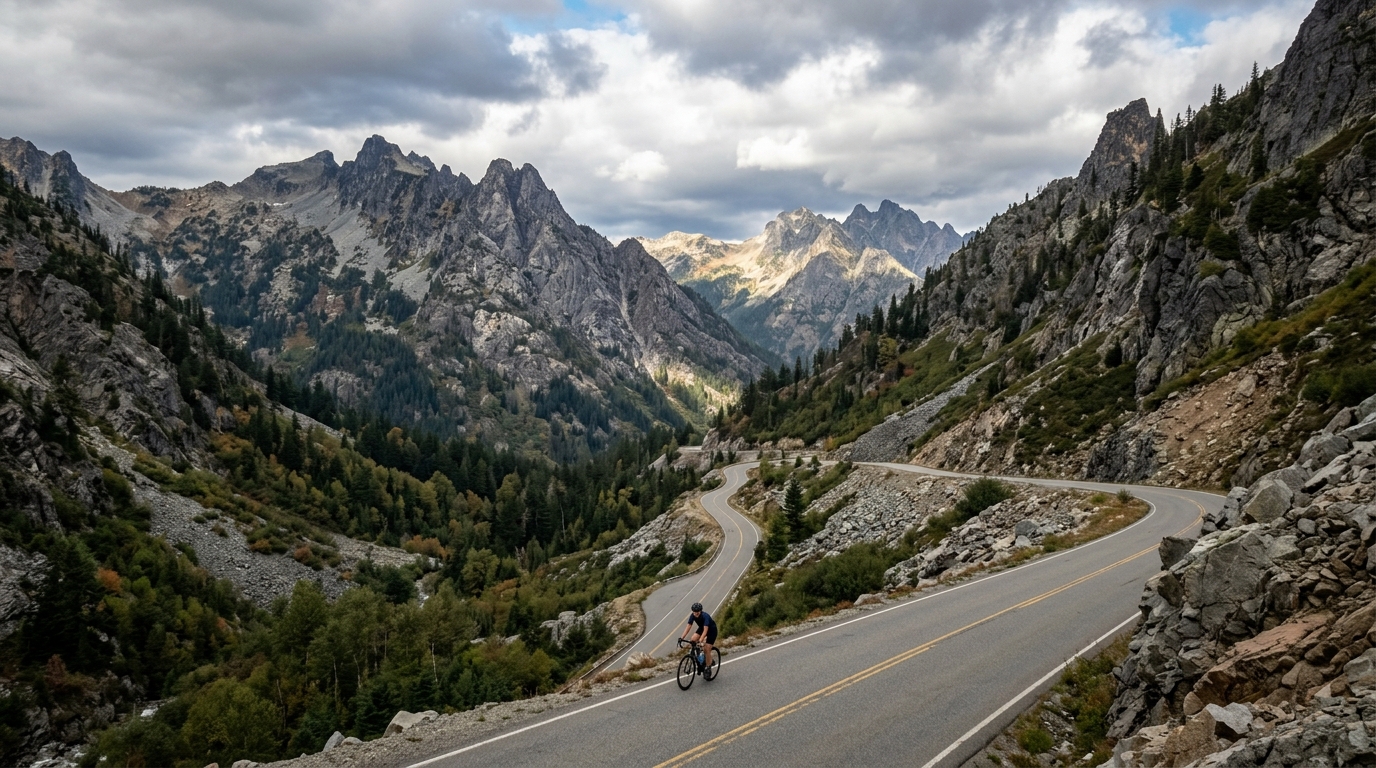 Rainy PassCat 2US · 12.8 km · 4.2% · 514 m221pts
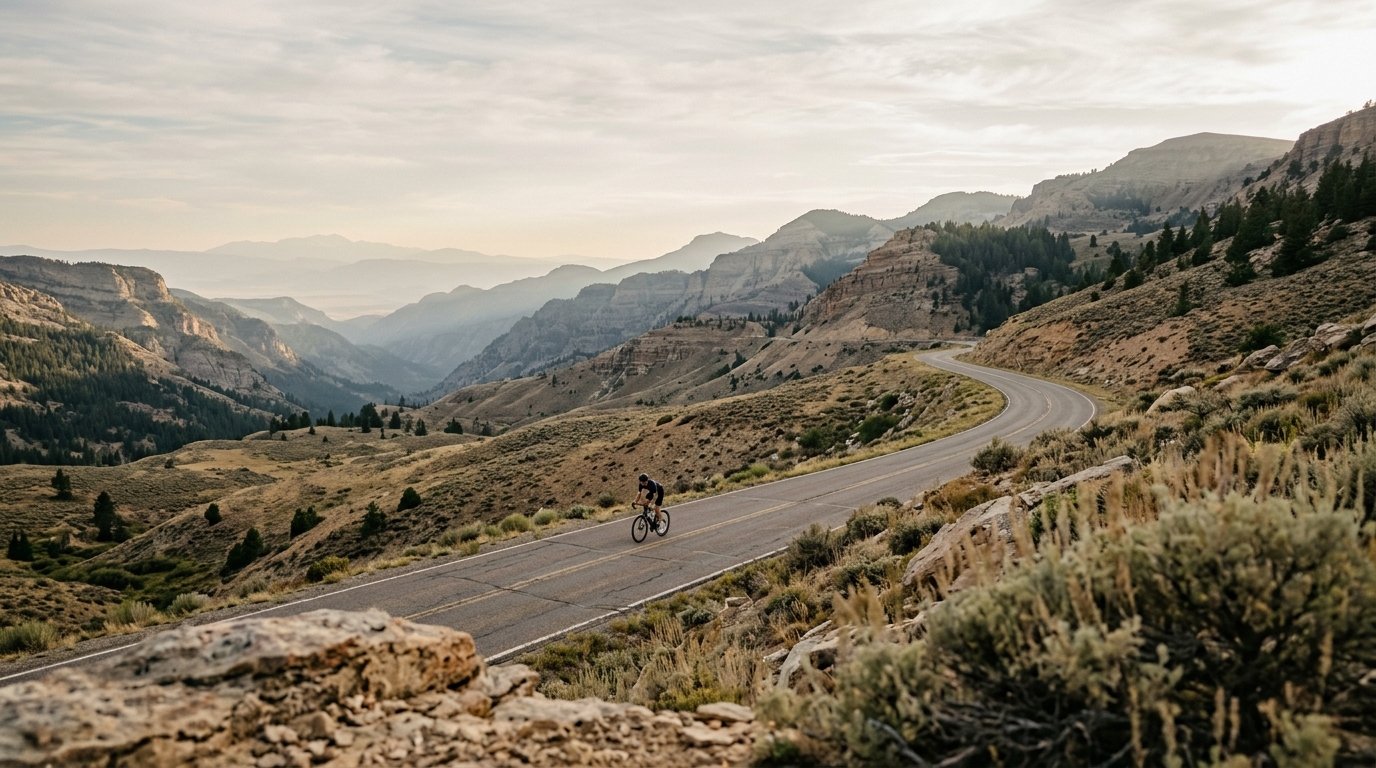 Wind River PassCat 2US · 7.5 km · 5.4% · 464 m220pts
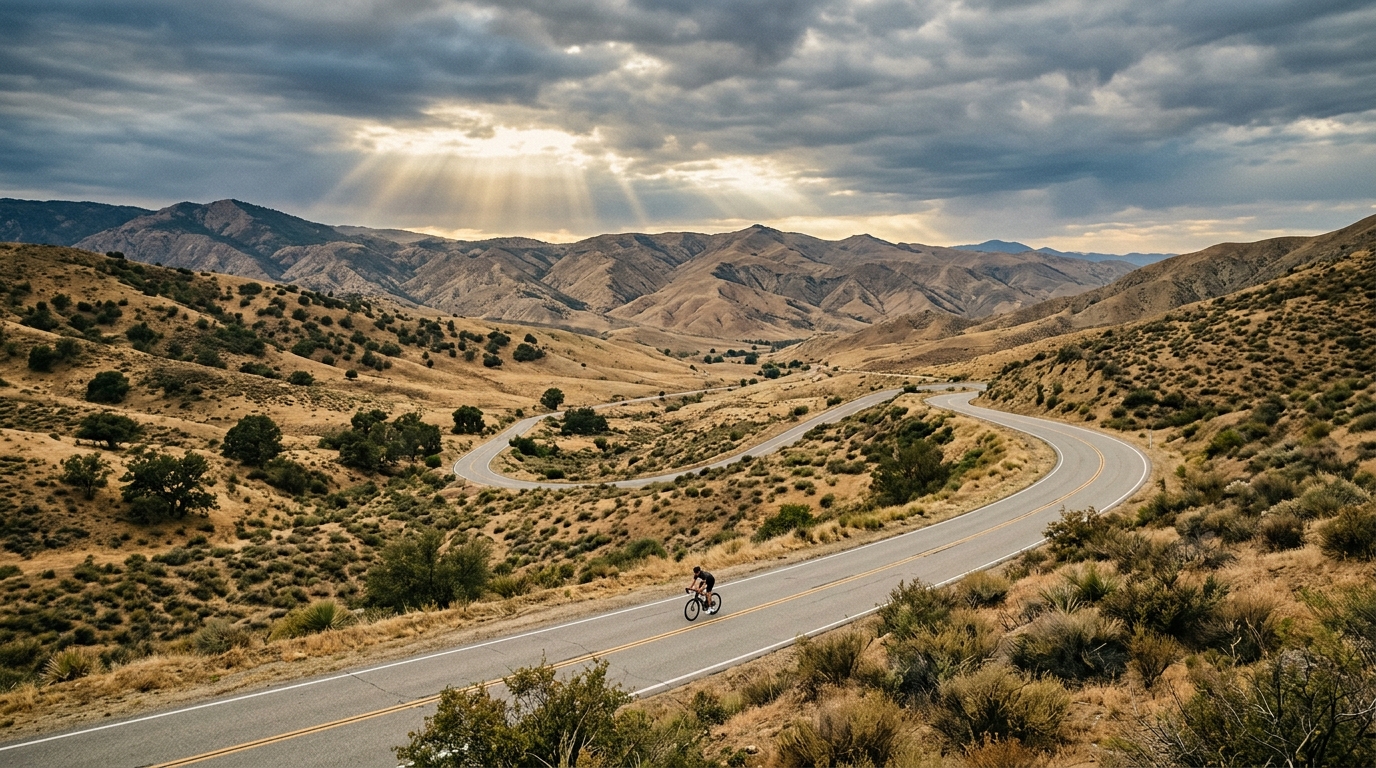 Tejon PassCat 4US · 9.0 km · 3.3% · 356 m97pts
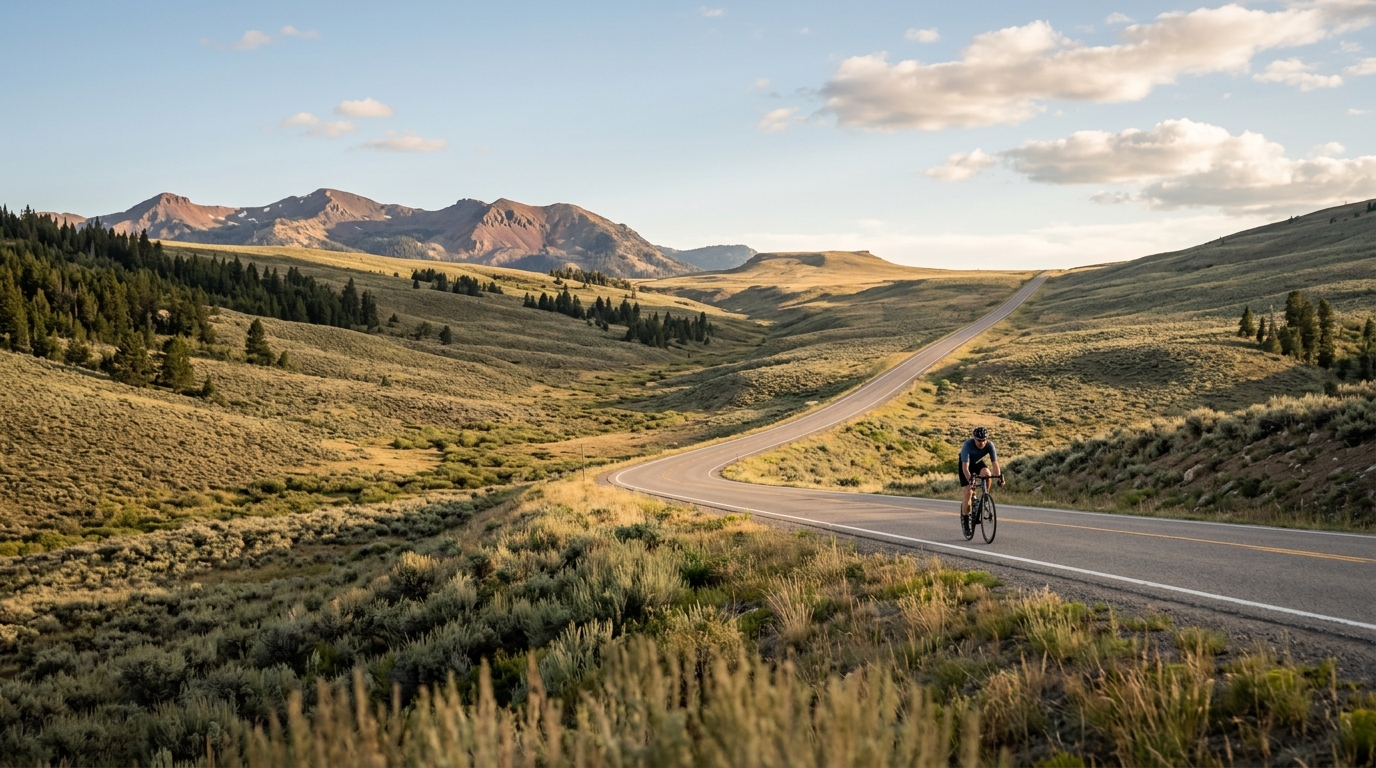 Togwotee PassCat 4US · 8.1 km · 3.4% · 385 m94pts
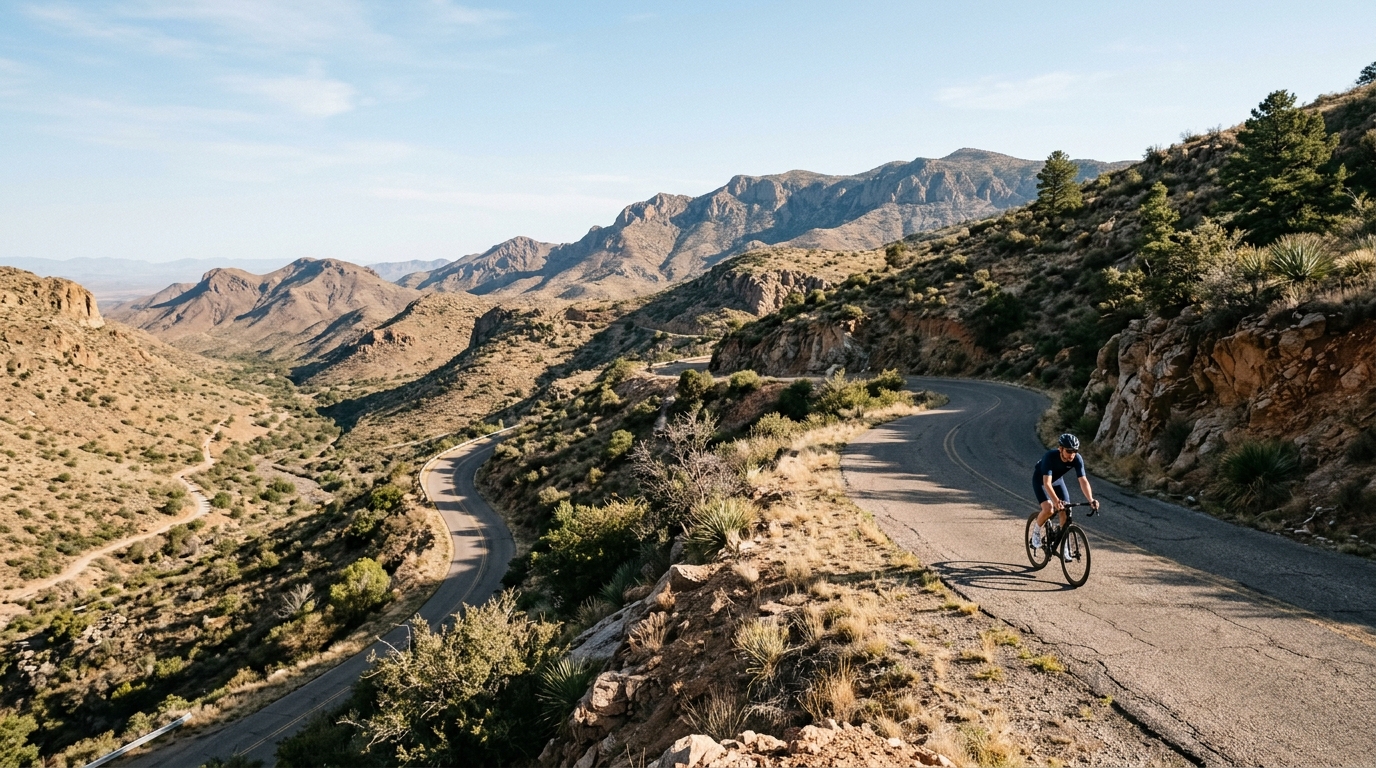 Apache PassCat 4US · 7.6 km · 3.5% · 312 m93pts
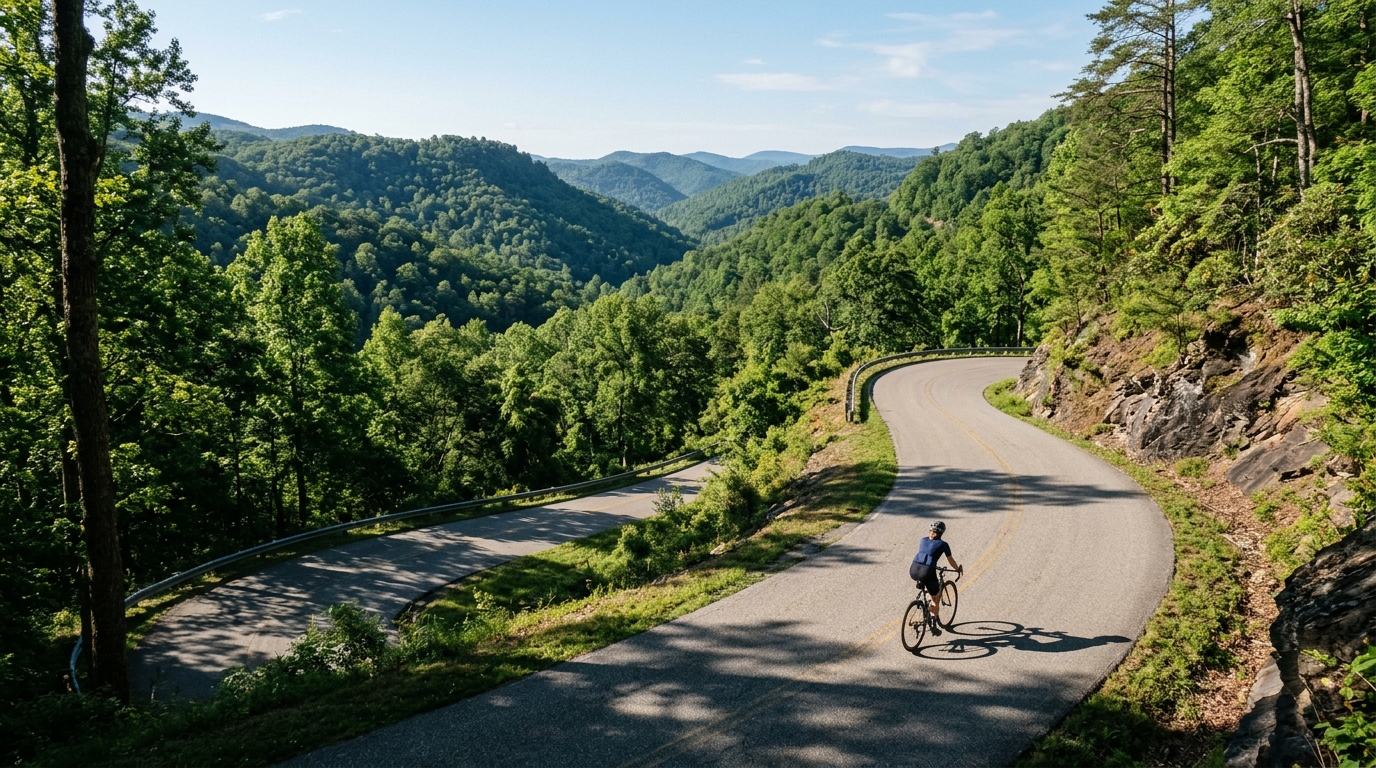 Deals Gap, North CarolinaCat 4US · 7.5 km · 3.7% · 264 m100pts
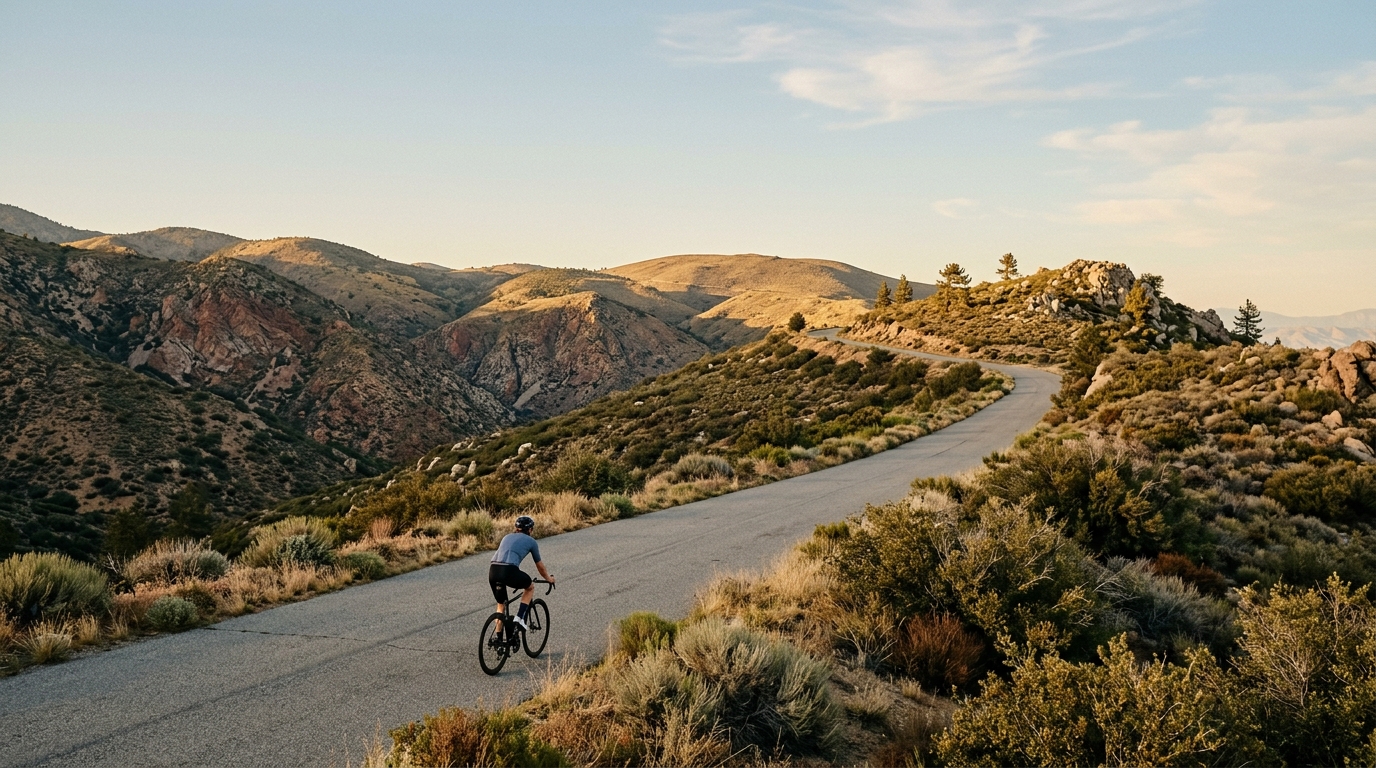 Puerto de San GorgonioCat 4US · 4.1 km · 3.4% · 124 m46pts
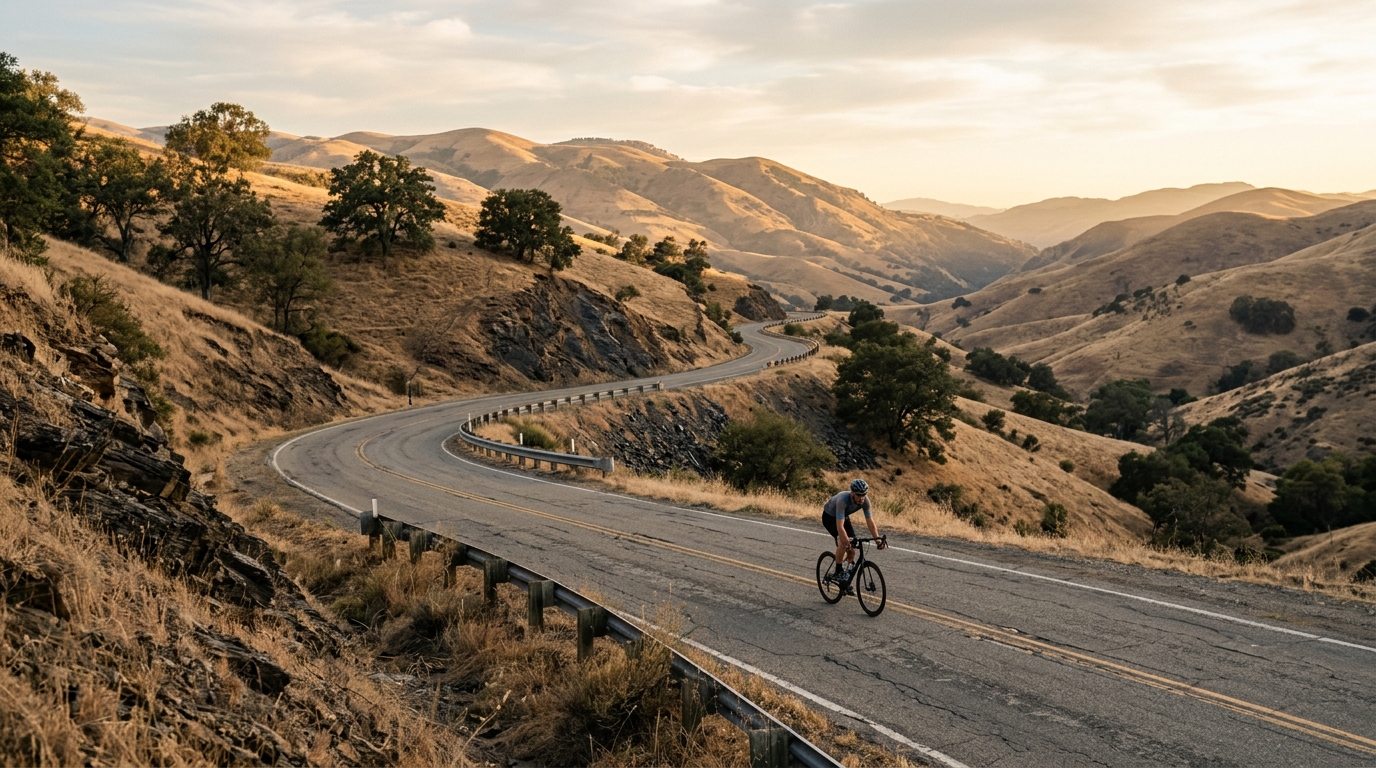 Pacheco PassCat 3US · 4.0 km · 6.9% · 255 m191pts
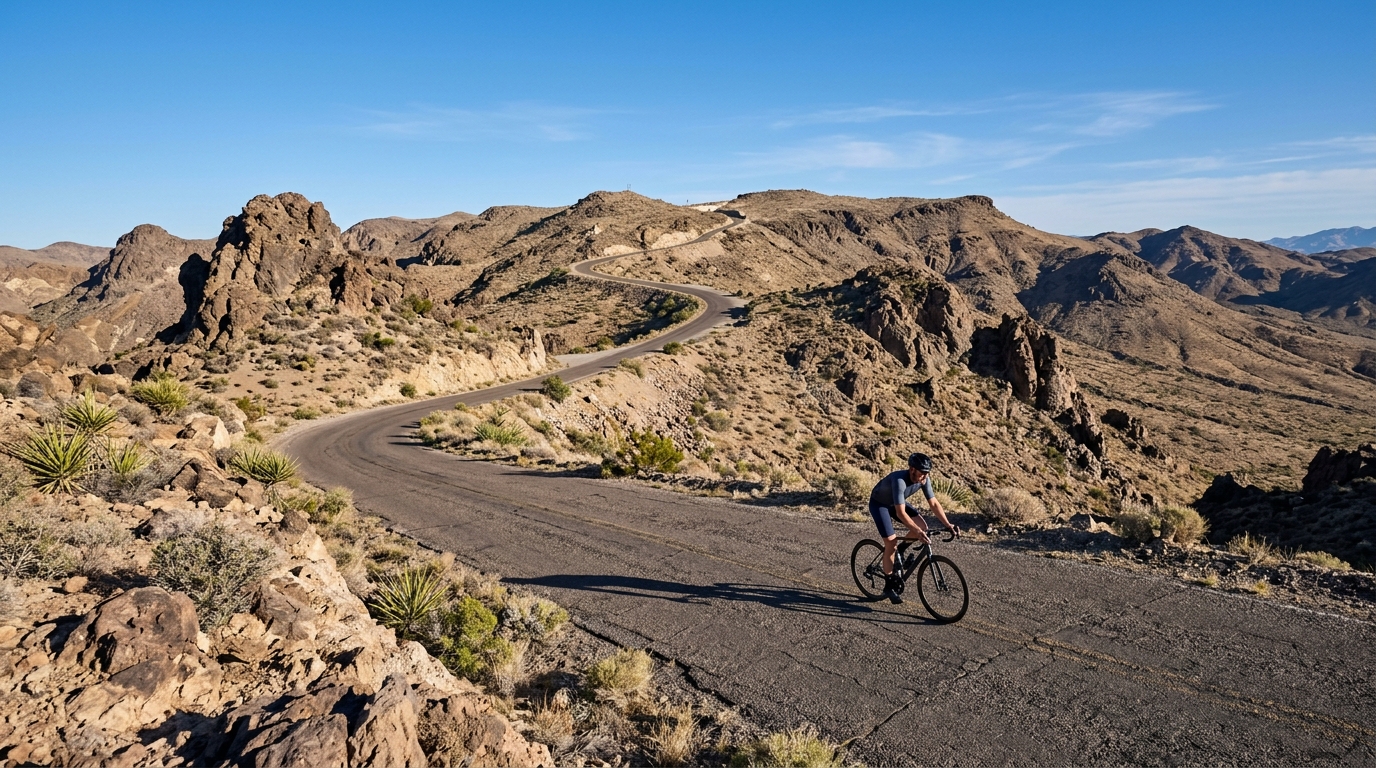 Sitgreaves PassCat 3US · 9.3 km · 4.5% · 562 m185pts
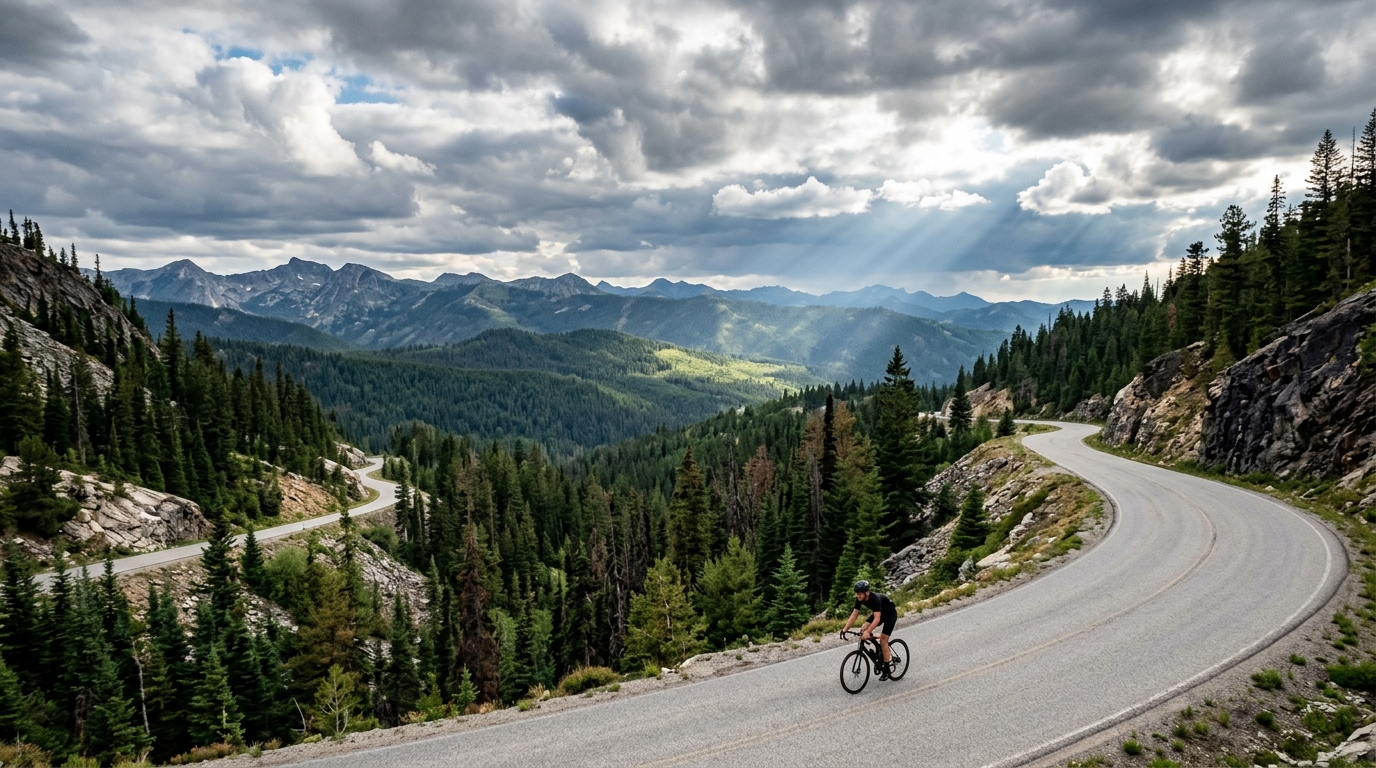 Lolo PassCat 3US · 18.3 km · 3.1% · 548 m181pts
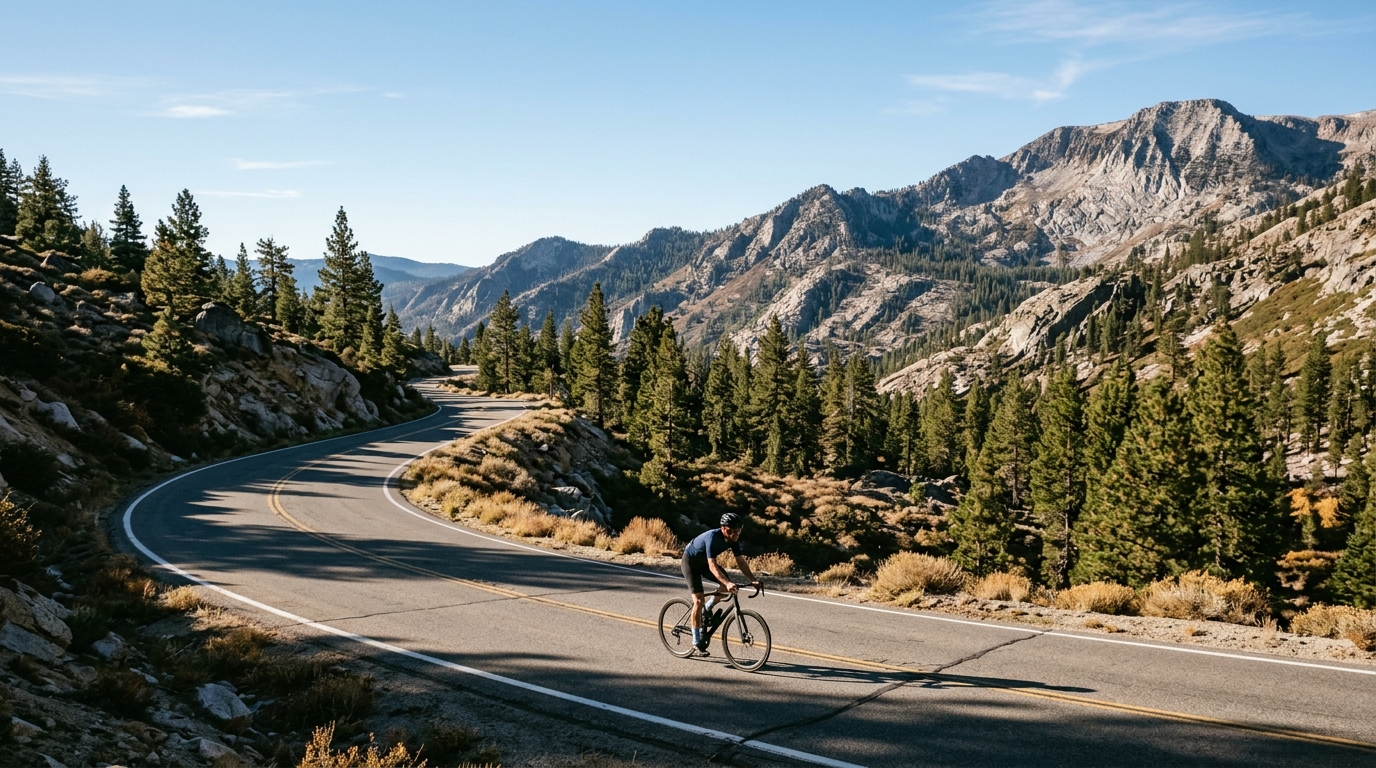 Luther PassCat 3US · 7.9 km · 4.7% · 505 m177pts
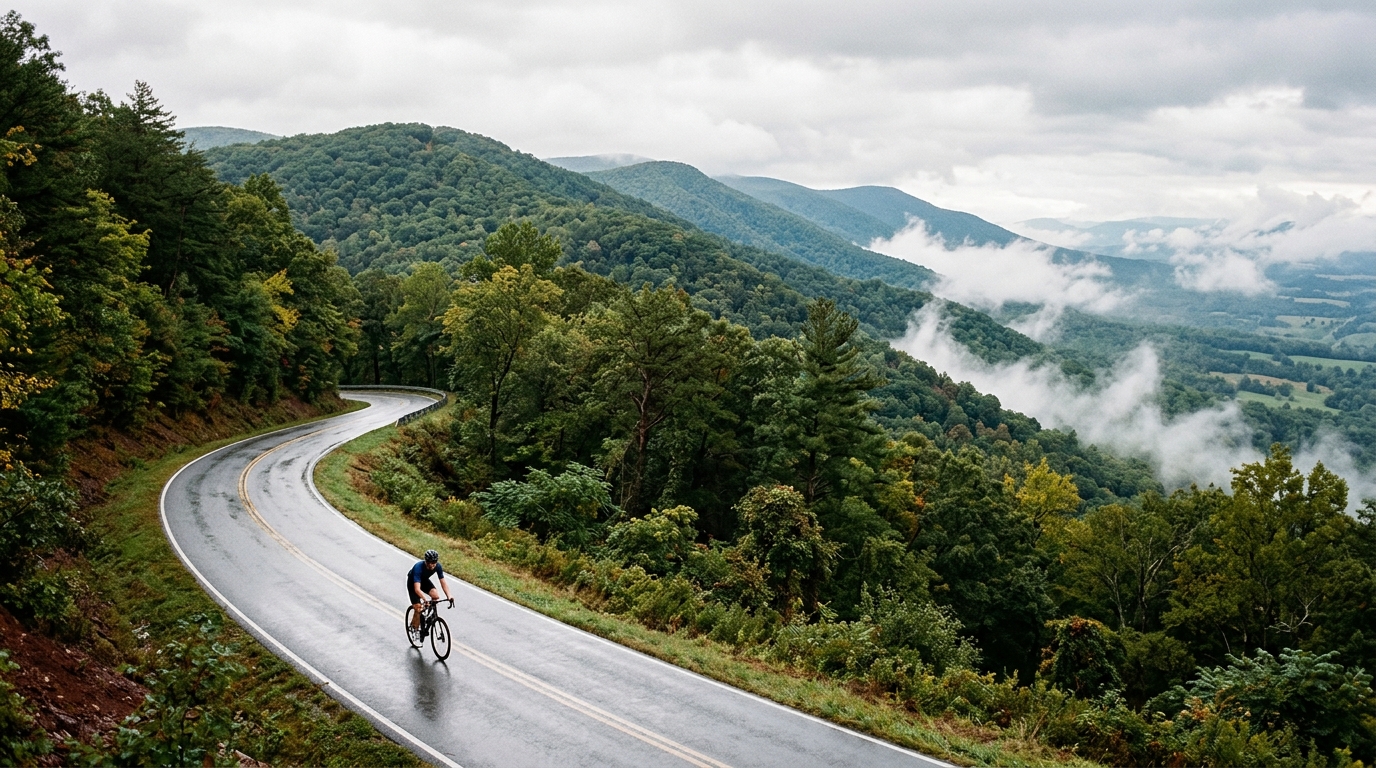 Rockfish GapCat 3US · 6.4 km · 5.2% · 458 m176pts
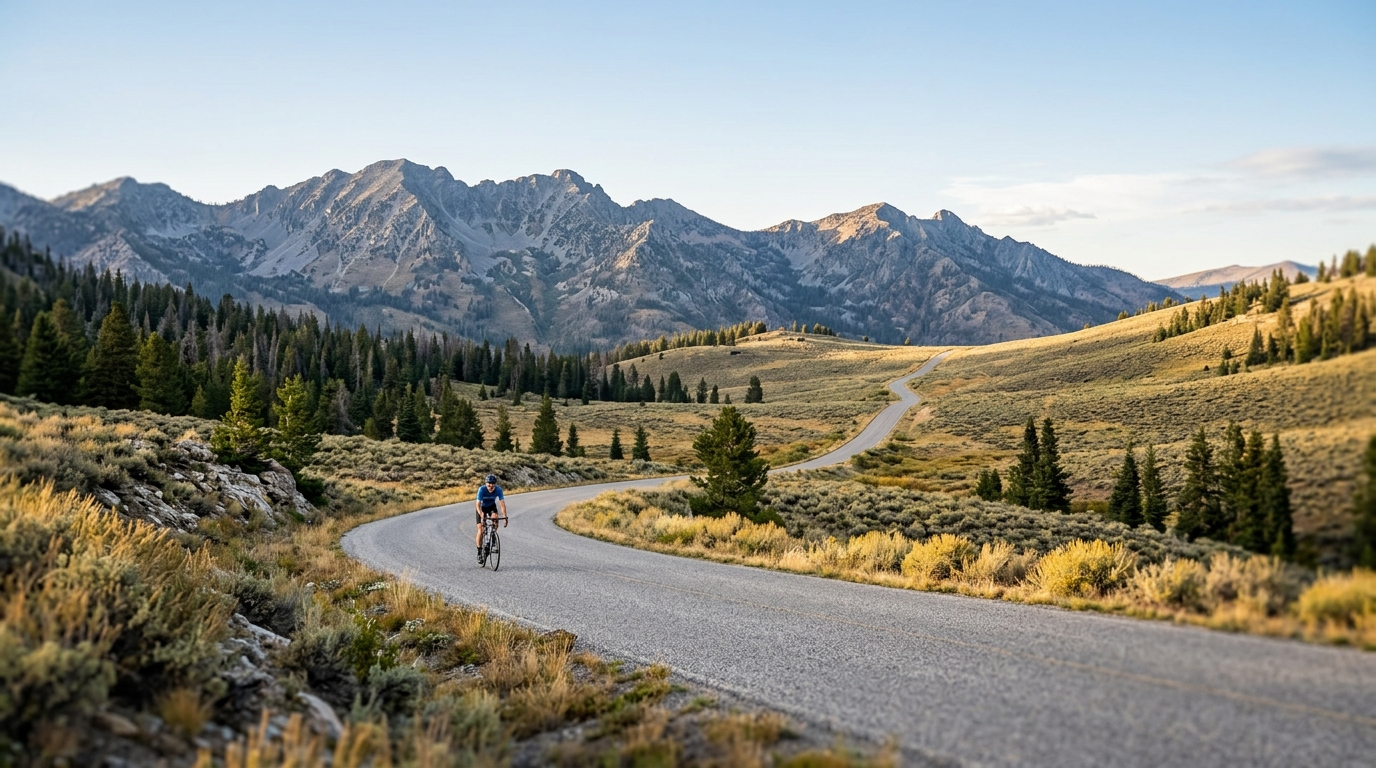 Galena SummitCat 3US · 10.7 km · 4.0% · 670 m175pts
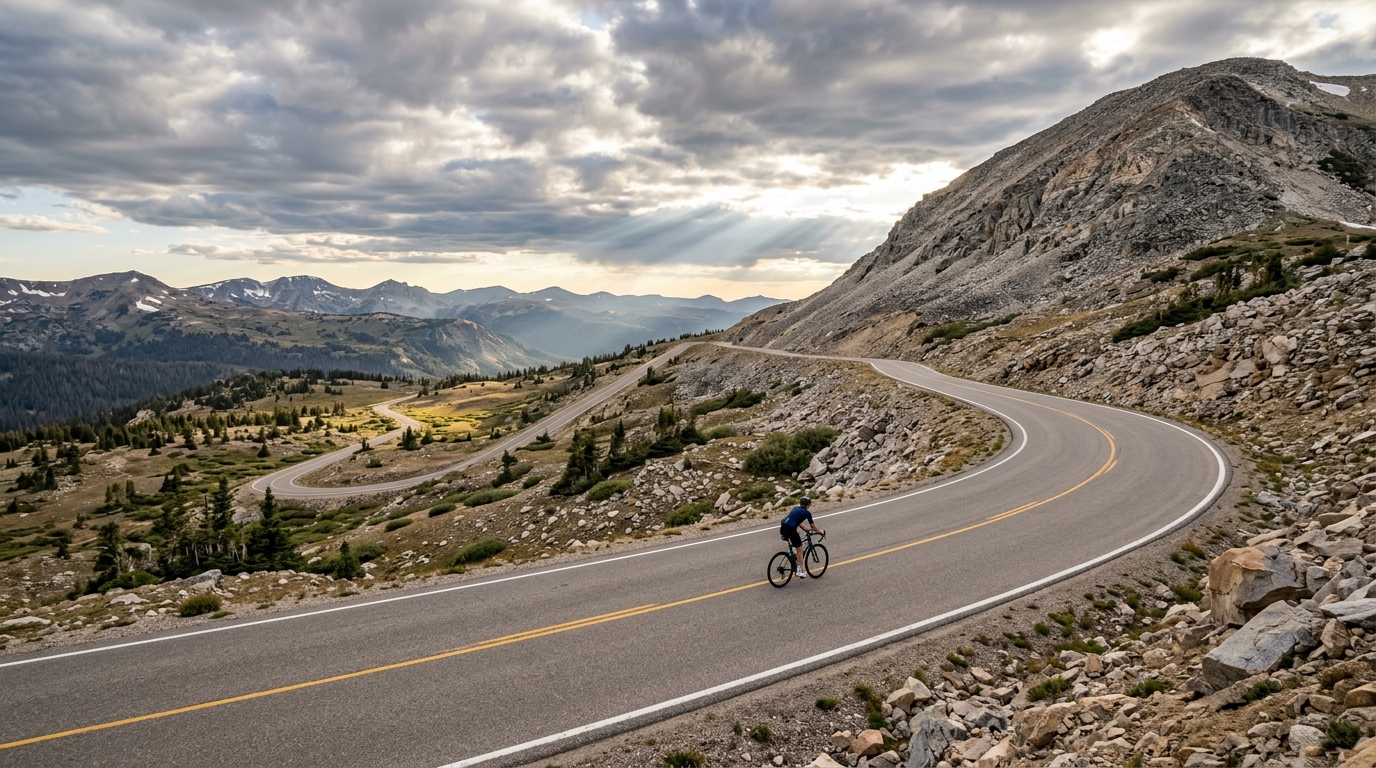 Bald Mountain PassCat 3US · 10.7 km · 4.0% · 528 m174pts
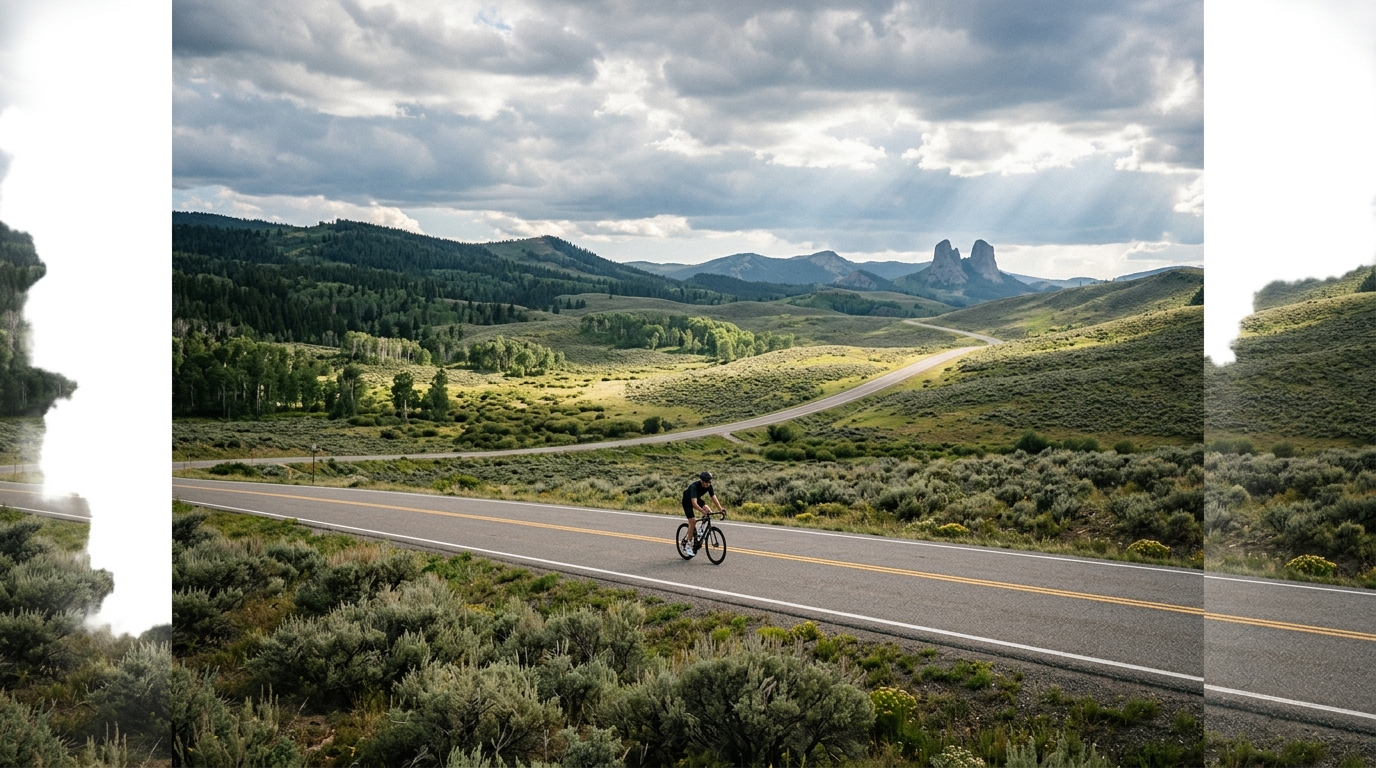 Rabbit Ears PassCat 3US · 8.7 km · 4.4% · 432 m168pts
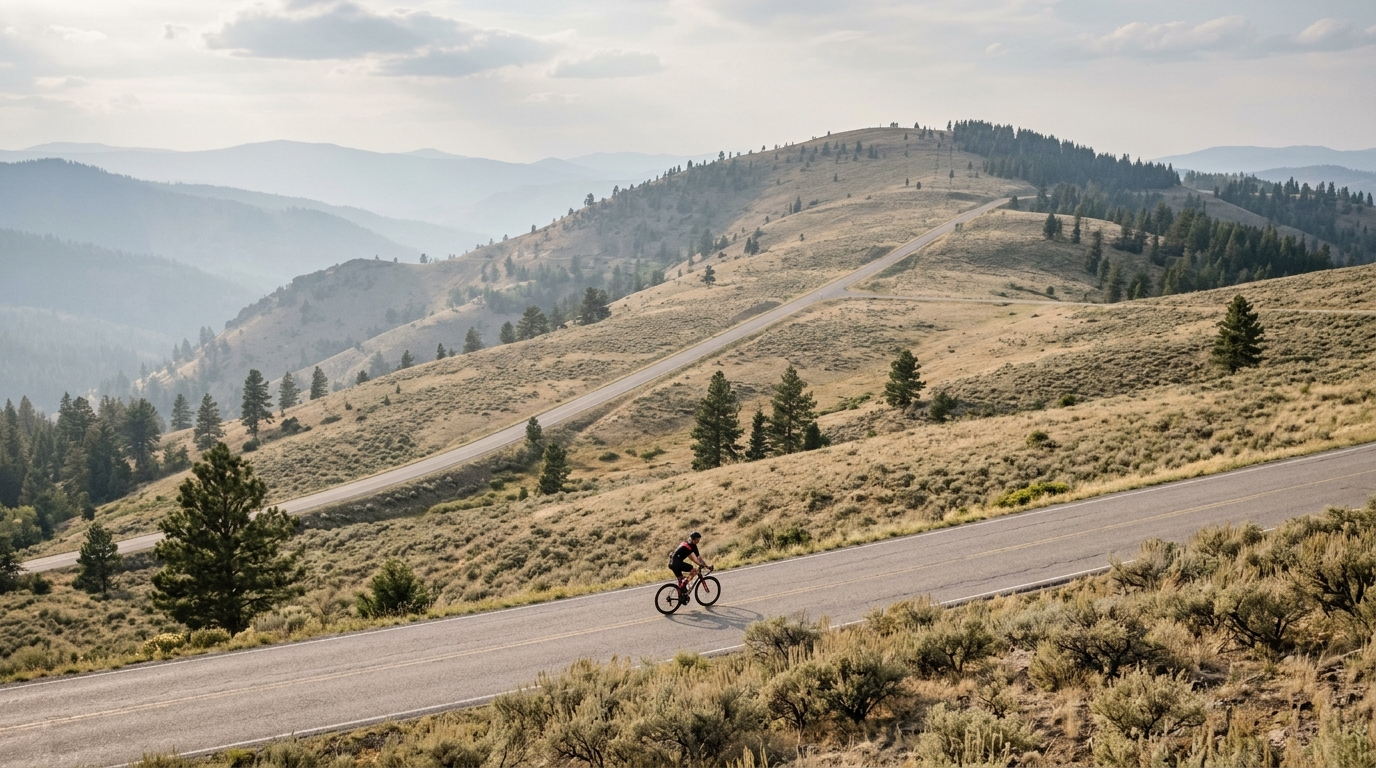 Mullan PassCat 3US · 17.5 km · 3.1% · 537 m166pts
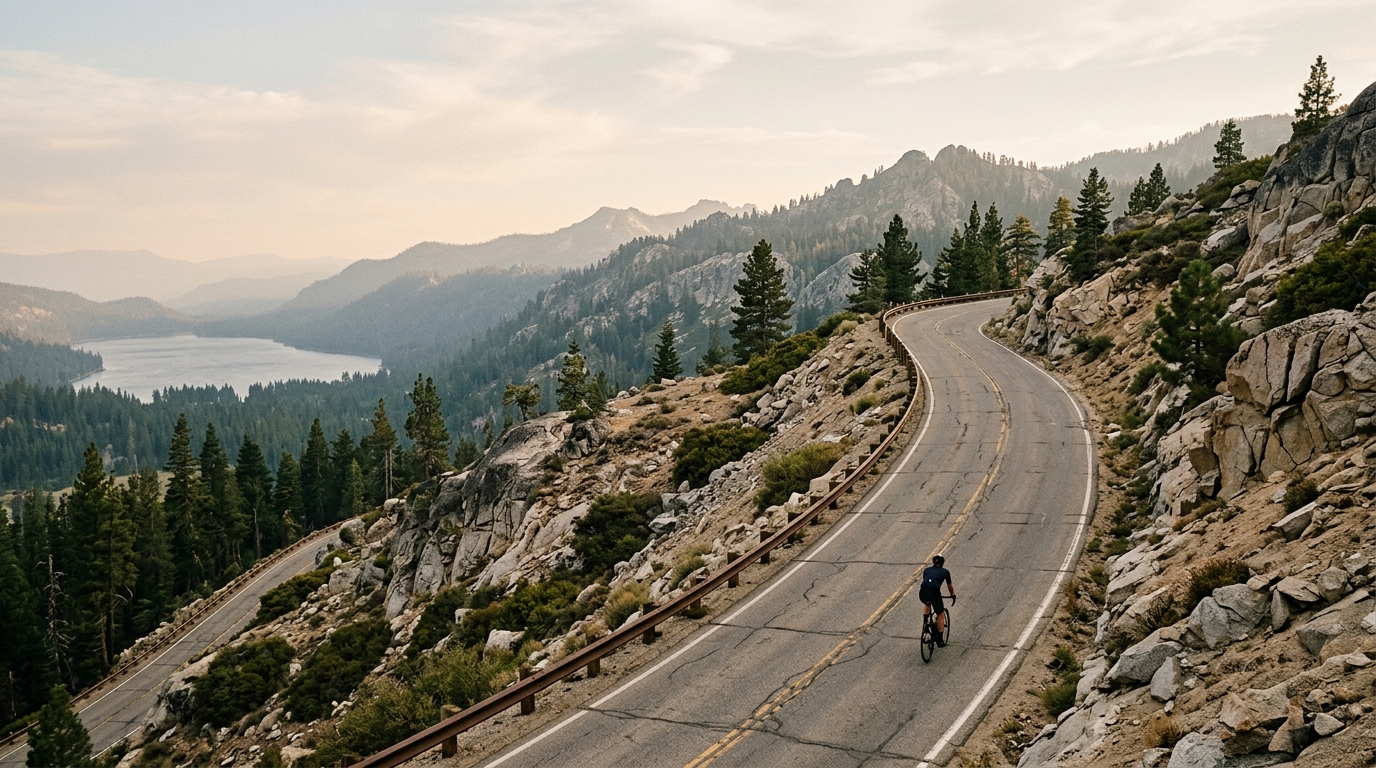 Echo SummitCat 3US · 6.8 km · 4.9% · 548 m161pts
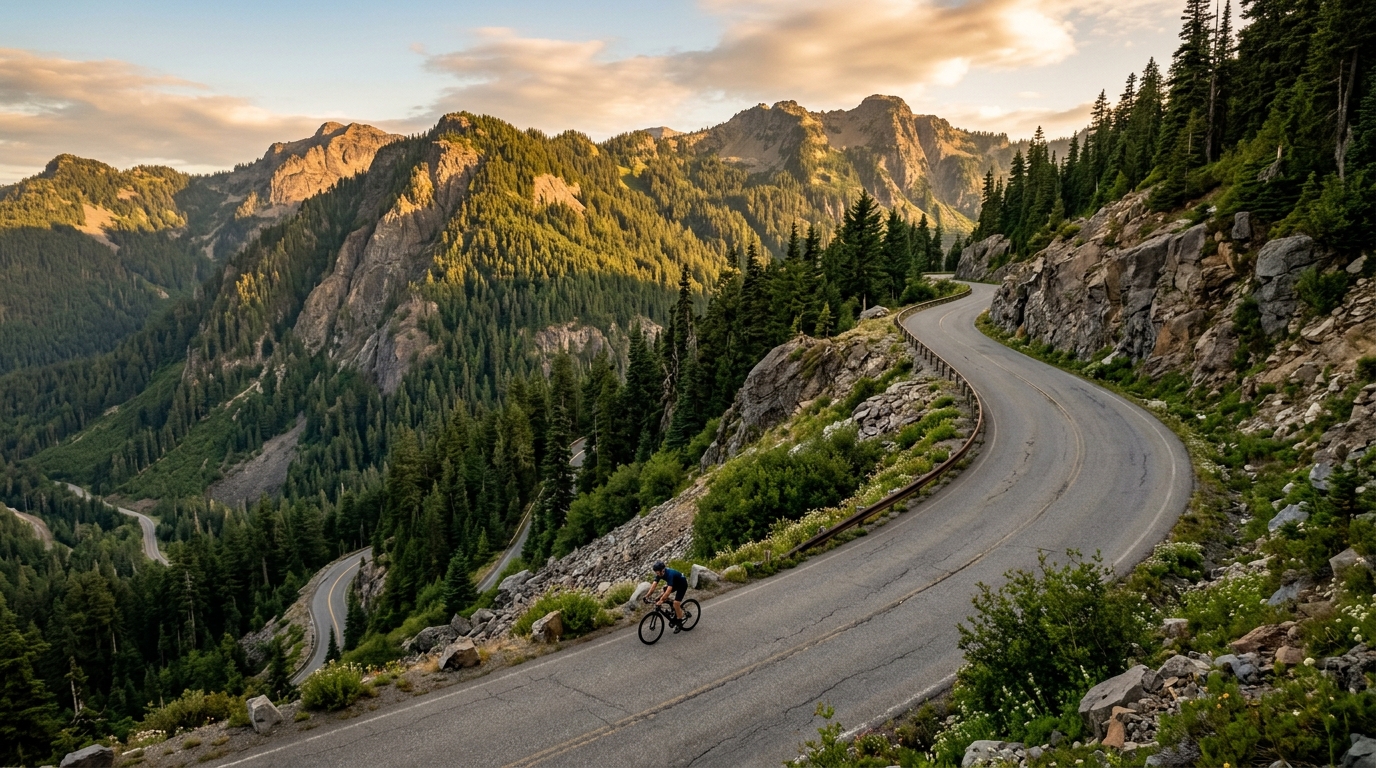 Cayuse PassCat 3US · 6.2 km · 4.9% · 607 m148pts
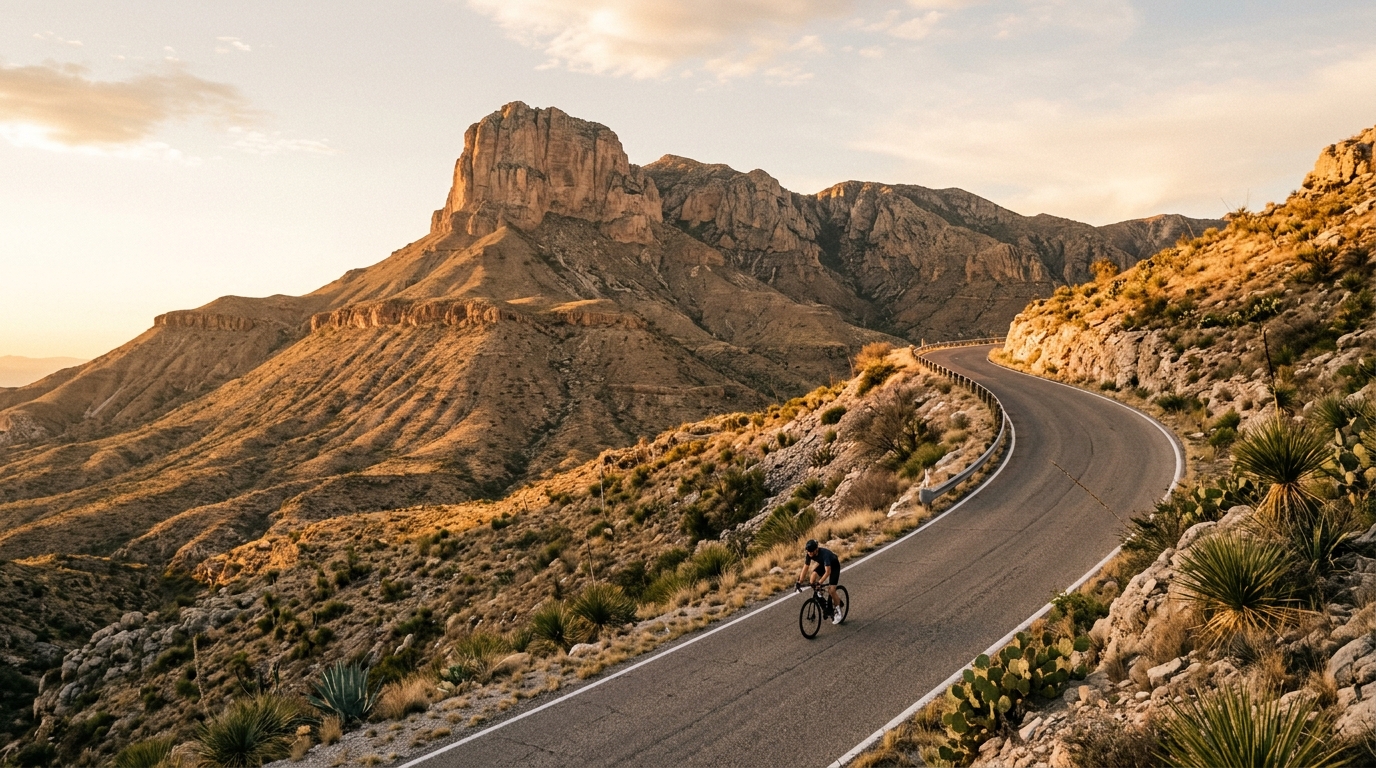 Guadalupe Pass (Texas)Cat 3US · 8.7 km · 4.1% · 384 m148pts
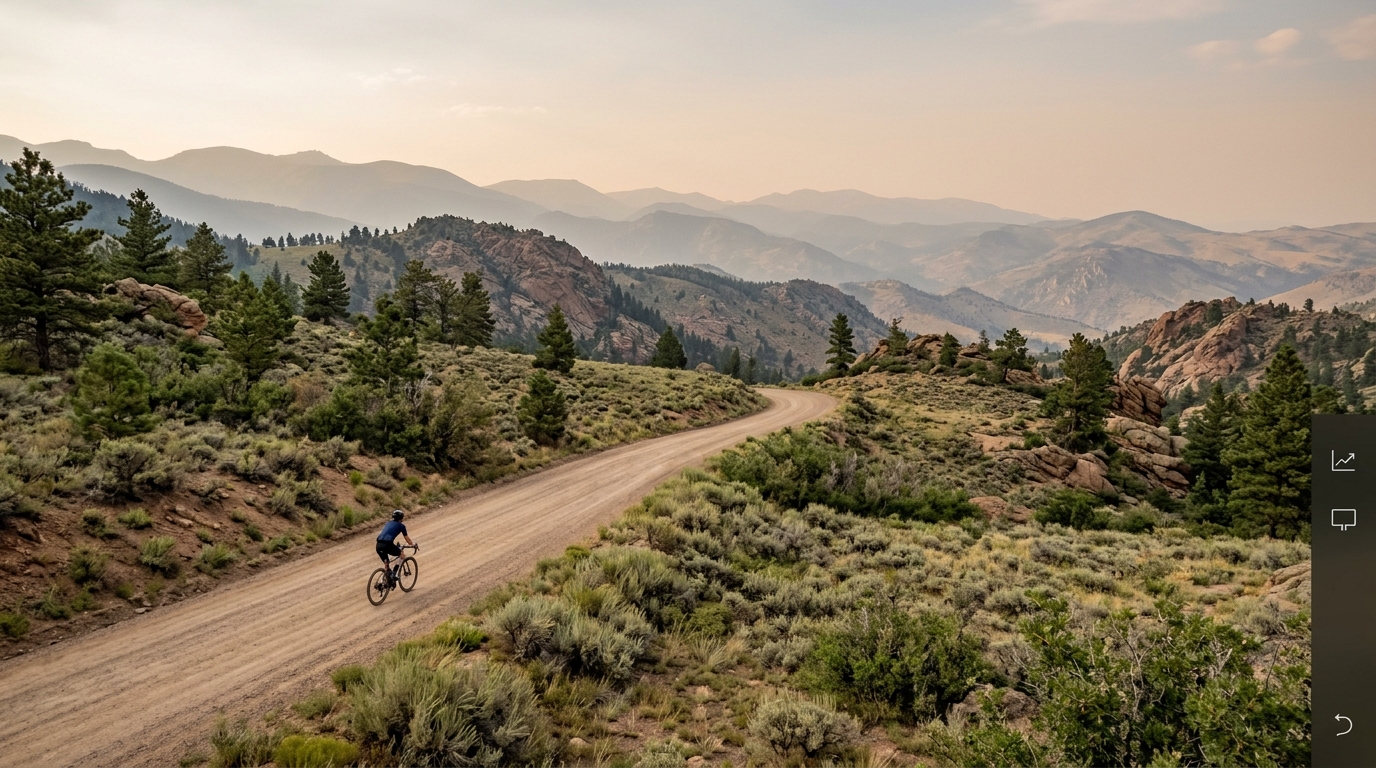 Tenderfoot PassCat 3US · 11.1 km · 3.5% · 622 m133pts
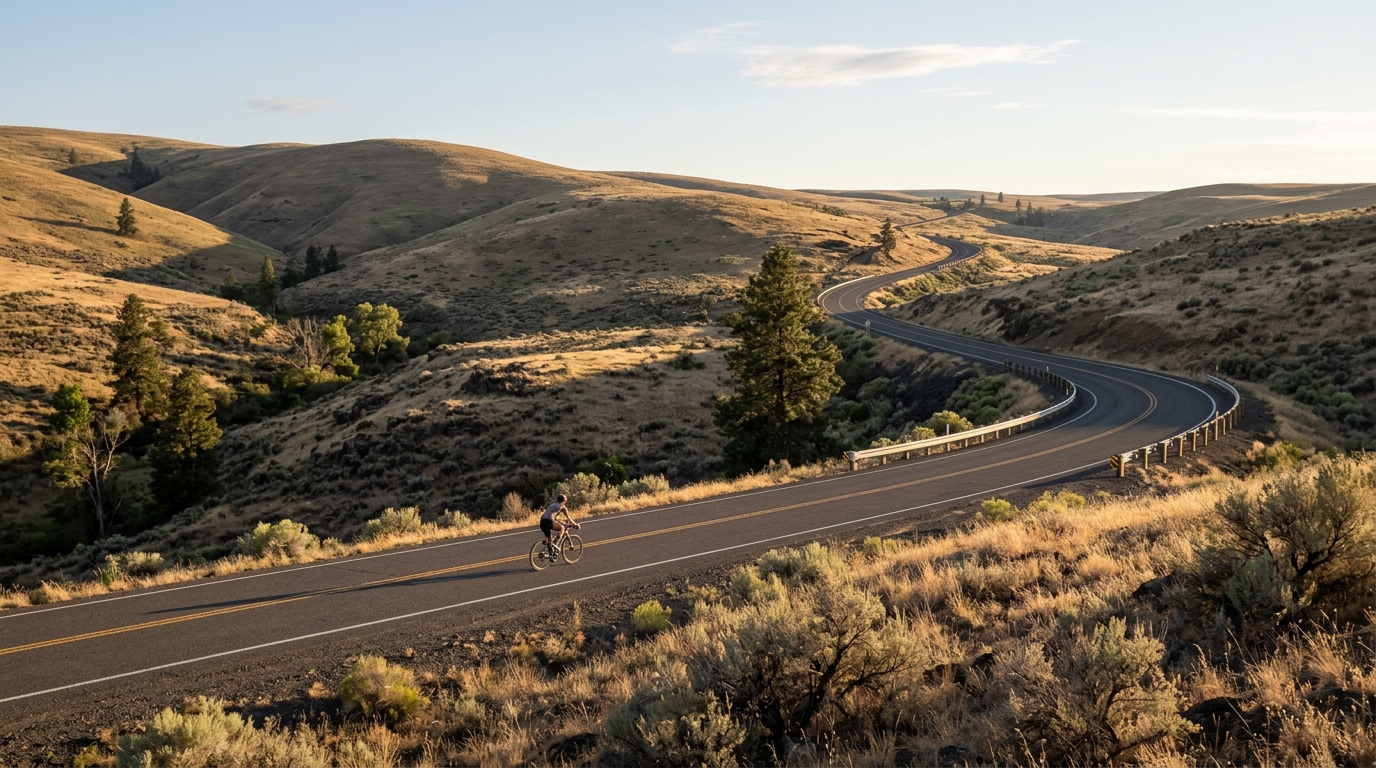 Alpowa SummitCat 3US · 8.3 km · 4.0% · 410 m133pts
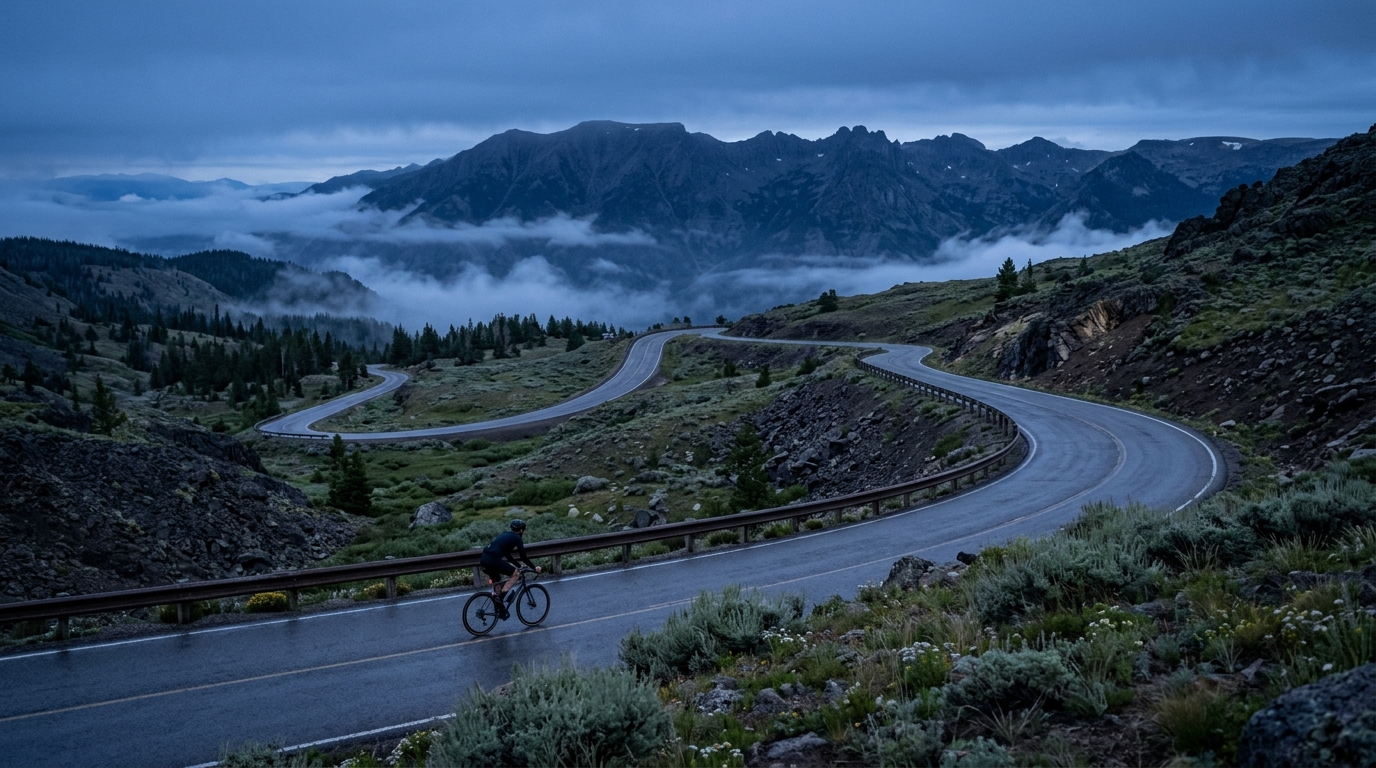 Dunraven PassCat 3US · 10.9 km · 3.5% · 575 m132pts
O guia completo de subidas em Estados Unidos
The Riding
The United States offers a deep and varied catalogue of paved climbing, with 108 catalogued climbs spanning everything from short, punchy grades to sustained multi-hour ascents. Within that catalogue sit 5 hors catégorie climbs — the ascents so long, steep, or high that they fall beyond ordinary classification. This is terrain that rewards patience and pacing rather than raw explosiveness. Many of the hardest efforts combine relentless length with thin mountain air, and the highest summit in the collection tops out at 4,205 m, an altitude where every pedal stroke costs more than it would nearer sea level.
What defines climbing here is contrast. Some ascents rise through high desert, with exposed switchbacks and little shade. Others crest genuine mountain passes, where the road climbs steadily for thousands of feet before topping a divide. The single most extraordinary climb in the country trades the mainland's dry passes for a road that begins near the ocean and finishes on a volcanic summit — a vertical span with few equals anywhere. Gradients range from steady, grinding pitches to sharper ramps, but the recurring theme is duration: these are climbs measured in hours and in altitude gained, not minutes.
Standout Climbs
Mauna Kea is the headline act and the reason the catalogue reaches 4,205 m. It is a volcanic ascent that climbs from low elevation to a high, cold summit, gaining enormous vertical over its length. The combination of sustained gradient, extreme altitude, and the sheer amount of climbing makes it one of the country's marquee hors catégorie efforts and a genuine test of endurance and acclimatisation.
Mount Lemmon offers a very different flavour: a long, steady desert climb that lifts riders out of arid lowlands into cooler, higher terrain. Its length and consistency make it a favourite proving ground for sustained tempo climbing.
The high passes round out the collection. Loveland Pass, Cottonwood Pass, and Cumberland Pass each carry the road over a mountain divide at serious elevation. These are classic pass climbs — steady rather than savage in places, but demanding because of the altitude and the total vertical involved. Riding them back to back, or linking them into longer days, is one of the great rewards of climbing in this part of the country.
When to Ride
Timing matters enormously given the range of terrain. The high passes such as Loveland Pass, Cottonwood Pass, and Cumberland Pass sit at elevations where the riding season is compressed — the reliable window falls in the warmer months, when the roads are clear and the high country is accessible. Attempting them outside that window risks cold, exposure, and closed or unrideable roads.
The desert climbs, including Mount Lemmon, are more forgiving at the shoulders of the year, when lower elevations are pleasant rather than punishing, though the upper reaches can still be markedly cooler than the base. Mauna Kea, rising to 4,205 m, demands respect year-round: the summit is cold and thin-aired regardless of season, and acclimatisation should shape any attempt.
Practical Notes
Altitude is the through-line for planning here. With a high point of 4,205 m and 5 hors catégorie climbs in the catalogue, the hardest days involve prolonged effort in thin air — arrive acclimatised where you can, and pace conservatively early. Temperatures swing sharply with elevation, so carry layers for summits that will be far colder than the valleys you started in, especially on Mauna Kea and the high passes.
The desert ascents like Mount Lemmon bring their own demands: heat and exposure low down, limited shade, and long stretches without resupply. Carry ample water and plan food stops around the length of the climb. On the pass roads — Loveland Pass, Cottonwood Pass, and Cumberland Pass — respect the mountain weather, which can change quickly at altitude. Across all 108 catalogued climbs, the smart approach is the same: match your gearing to the sustained gradients, fuel for the duration, and treat altitude as the variable that turns a hard climb into a serious one.
Summary
With 108 catalogued climbs, 5 of them hors catégorie, and a high point of 4,205 m, the United States delivers climbing built on length and altitude. From the volcanic ascent of Mauna Kea to the desert grind of Mount Lemmon and the high divides of Loveland, Cottonwood, and Cumberland passes, it is a catalogue that rewards endurance, preparation, and respect for the thin mountain air.
Procurando pedais completos em Estados Unidos?
Rotas em Estados Unidos