U.S. Bicycle Route 210
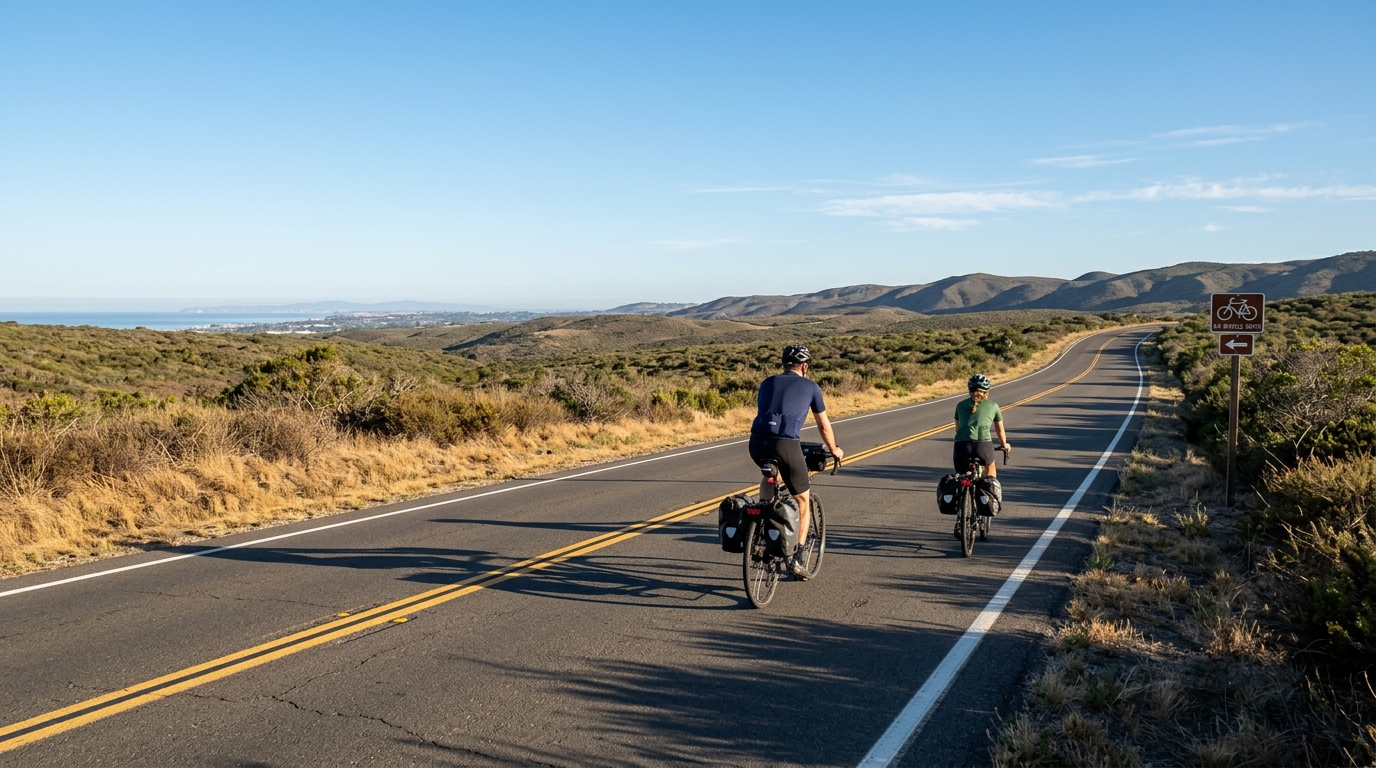
A practical guide to U.S. Bicycle Route 210, a 55.1 km asphalt point-to-point ride with modest elevation gain and no notable climbs.
- Distanza
- 55.1km
- Dislivello
- 254m
- Fondo
- —
- Forma
- Punto a punto
Il percorso
Profilo altimetrico
Route character
U.S. Bicycle Route 210 is a 55.1 km asphalt cycling route in the US with 254 m of elevation gain. The defining feature is not a marquee climb or a dramatic elevation profile, but the combination of paved surface, moderate distance, and point-to-point routing.
That matters because the ride asks for steady execution more than climbing-specific firepower. With no notable climbs listed, the elevation gain is likely to shape the route through smaller rises, rolling changes in terrain, and accumulated effort rather than a single decisive ascent. For most riders, this makes it a route where pacing errors are less obvious early but still compound over the full distance.
Terrain and pacing
The asphalt surface keeps the ride firmly in road-bike territory. The main performance variable is not technical handling, but how consistently you can hold an efficient effort across changing terrain. A route like this rewards smooth pressure on the pedals, disciplined gearing, and avoiding surges that do not actually buy much time.
Treat it as an endurance ride first. If you ride it too aggressively from the start, the modest elevation gain can still become expensive late because it is spread across the route rather than isolated into one climb you can mentally box off. A controlled aerobic effort, especially through the early part of the ride, is the smarter play. Riders using power can anchor the day around sustainable endurance intensity rather than turning it into an /glossary/ftp test.
Practical notes
Because U.S. Bicycle Route 210 is not a loop, logistics matter. Before rolling out, have a clear plan for the finish: a pickup, transit option, out-and-back extension, or a separate return route. The route format is the practical detail most likely to catch riders out, not the climbing.
The paved surface simplifies equipment choices. A well-maintained road setup is the natural fit, with attention on reliability rather than specialty gearing for major climbs. Still, do not confuse a moderate profile with a no-prep ride. Carry enough food, fluid, repair kit, and navigation support for the full 55.1 km, especially if you have not confirmed services along the way.
Who it suits
This is a good route for riders looking for a manageable point-to-point endurance ride without a major climbing objective. It should suit steady road riding, aerobic base work, and controlled group pacing. The absence of notable climbs makes it less about one decisive effort and more about staying efficient from start to finish.
The route’s appeal is its simplicity: asphalt, a clear distance, modest total elevation gain, and a format that rewards planning. Get the logistics right, ride it evenly, and U.S. Bicycle Route 210 should be a clean, useful day on the bike.
Percorsi correlati
3-Länder-Radweg
A 302.2 km asphalt route in Germany with 1512 m of climbing and point-to-point logistics shaped by the Reußenkreuz climb.
7 Peaks Alpine Challenge
A 110.9 km point-to-point assault through the Victorian Alps, stacking 3404 metres of climbing across relentless, wind-swept high-country ascents.
Aberdare Range
A 46 km asphalt point-to-point through Kenya's Central Highlands that trades big climbs for a relentless 1,700 m of rolling grind.
Abra Málaga
A 45-kilometer point-to-point ribbon of asphalt through Peru's Sacred Valley, climbing 1,699 relentless meters into the high Andes.
Afriski Mahlasela Pass
A 112.8 km asphalt ascent through the Maloti Mountains, climbing 3,384 m to the roof of southern Africa via the storied Mahlasela Pass.
Ahr Cycleway
An 82.9 km asphalt point-to-point route with 541 m of gain, the Ahr Cycleway is a steady endurance ride rather than a climb-focused day.