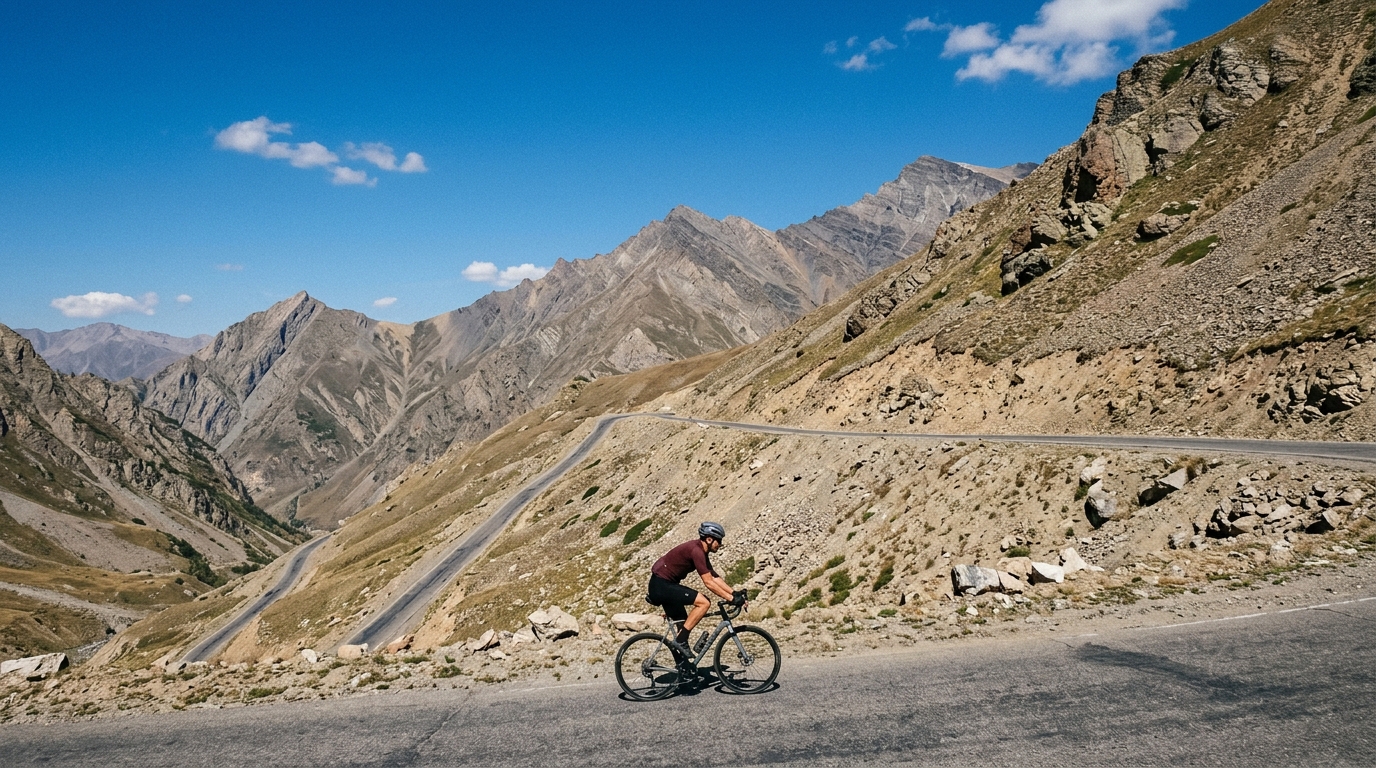
Libreria delle salite · Russia
Cycling Climbs in RU
RU is not a high-volume climbing destination on paper, with 6 mapped climbs, but the profile is immediately serious. Two of those are hors categorie, which changes the logic of a trip: this is less about ticking off easy passes and more about arriving prepared for long, selective efforts where pacing, gearing, and recovery matter as much as ambition.
The highest listed summit reaches 3351m, so the riding has real mountain consequences even before the road details come into play. Zekara Pass, Sharivtsek Pass, Sancharo, Pereval Dalari, Salashkrosgele Pass, and Sajikhvisgele Pass give the region a compact but demanding menu. For riders building a climb-focused itinerary, RU is worth attention because the depth is concentrated - fewer choices, but a higher chance that each one meaningfully shapes the day.
Le salite più famose di Russia
Tutte le salite in Russia
8 salite
- Sharivtsek PassHCRU · 18.6 km · 12.2% · 2223 m2784pt
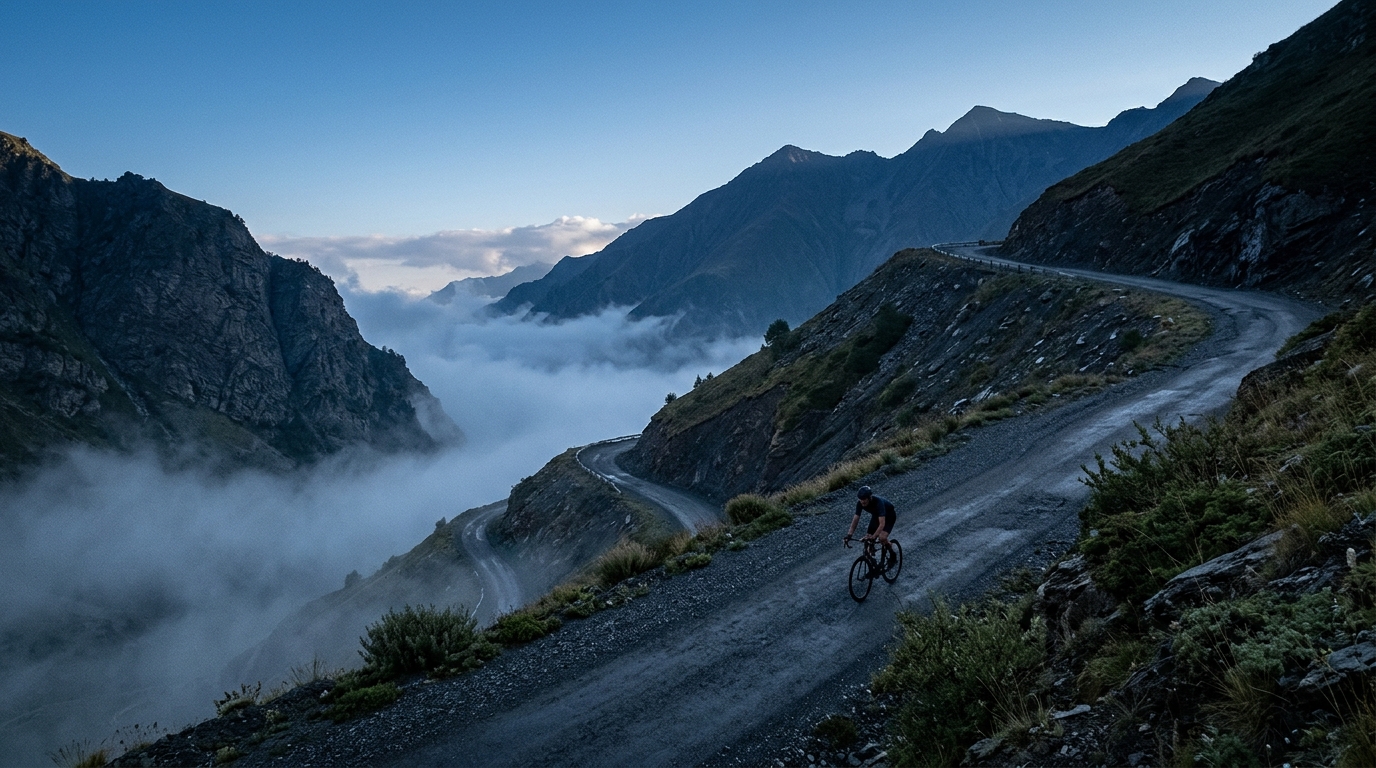 SancharoHCRU · 15.7 km · 12.6% · 1964 m2469pt
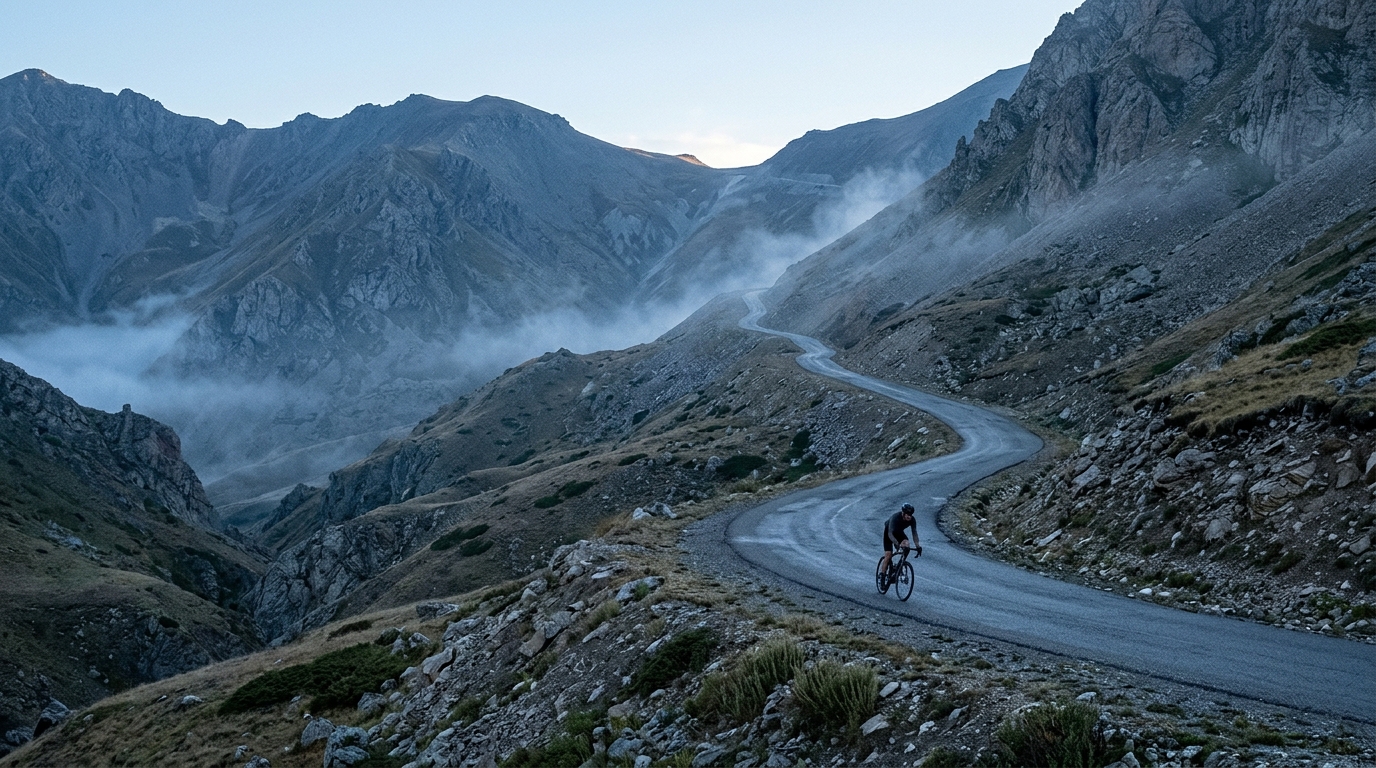 Pereval DalariCat 1RU · 80.9 km · 3.1% · 2375 m782pt
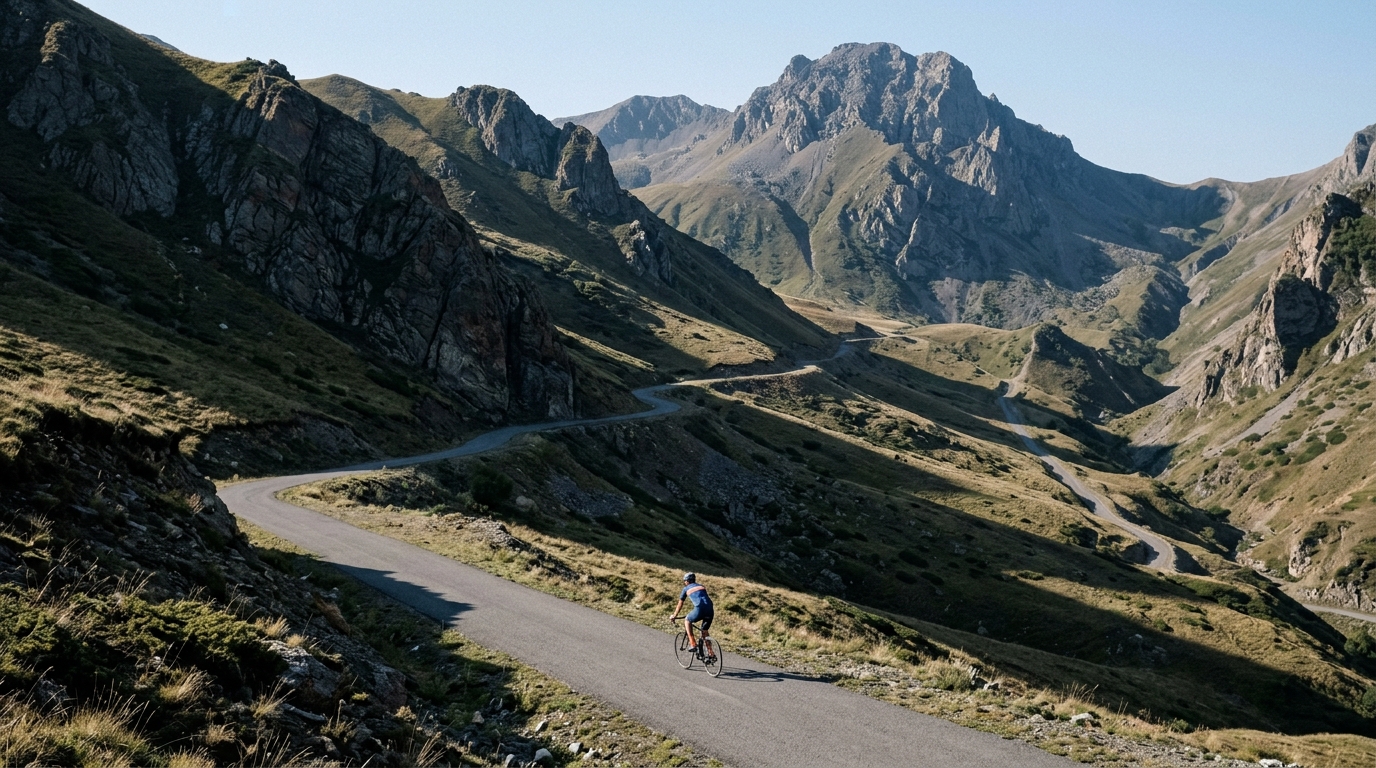 Salashkrosgele PassCat 1RU · 12.9 km · 7.4% · 910 m704pt
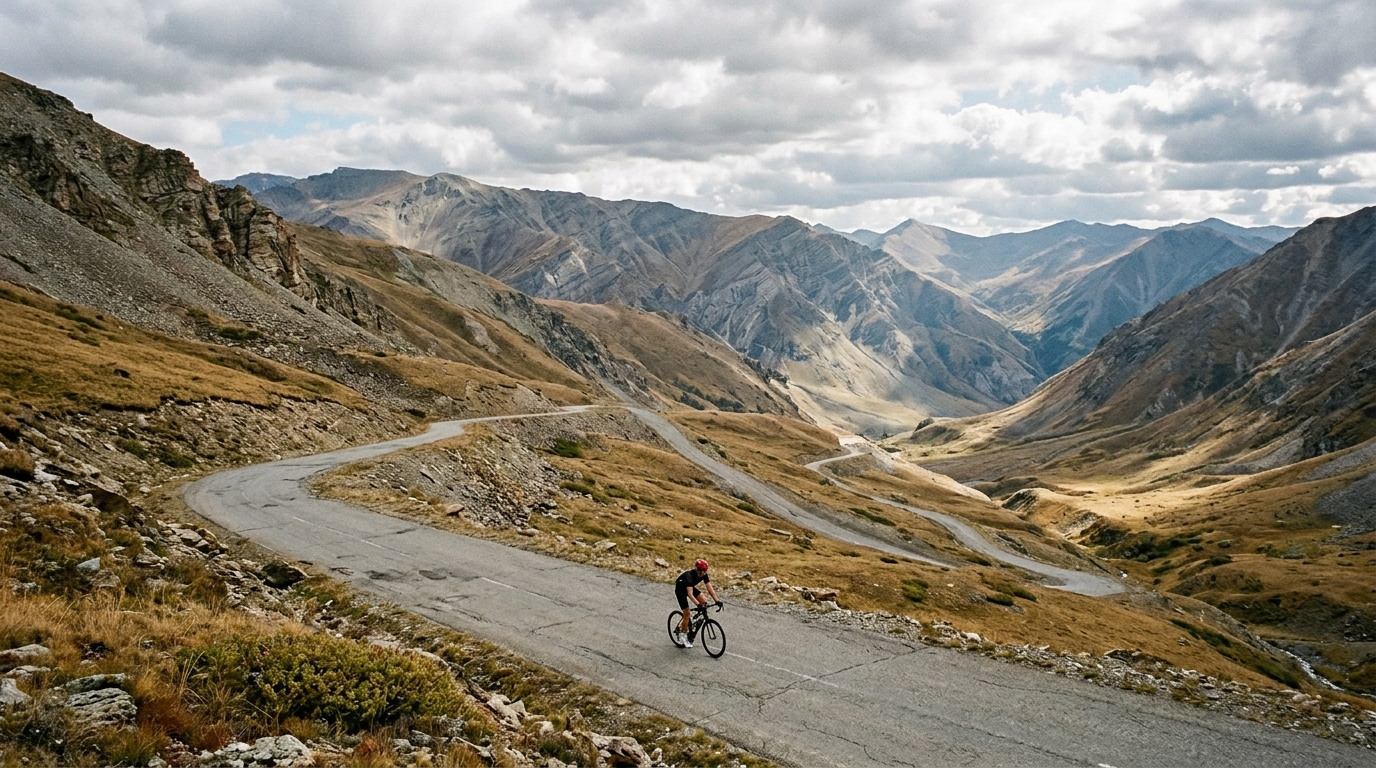 Shibugele PassCat 1RU · 12.8 km · 7.4% · 907 m705pt
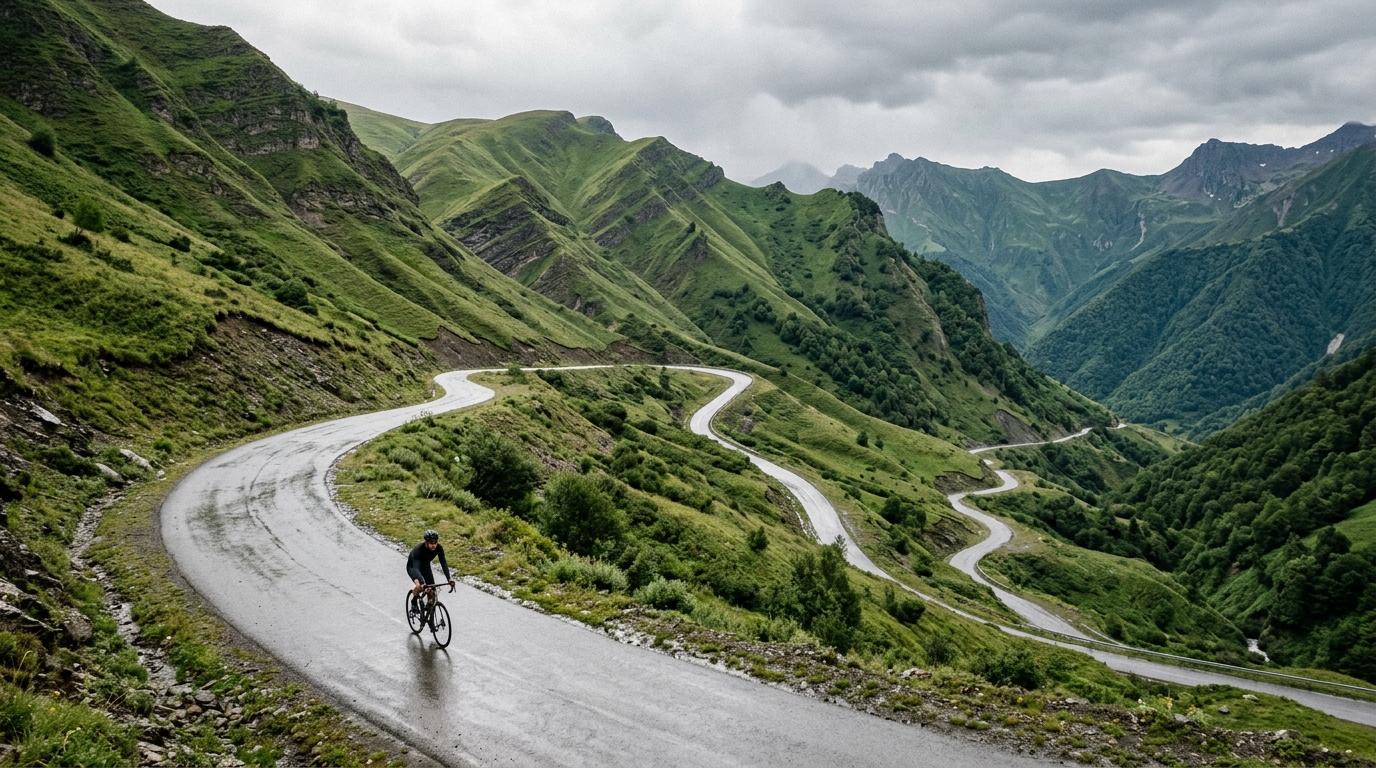 Zekara PassCat 3RU · 10.3 km · 3.9% · 361 m153pt
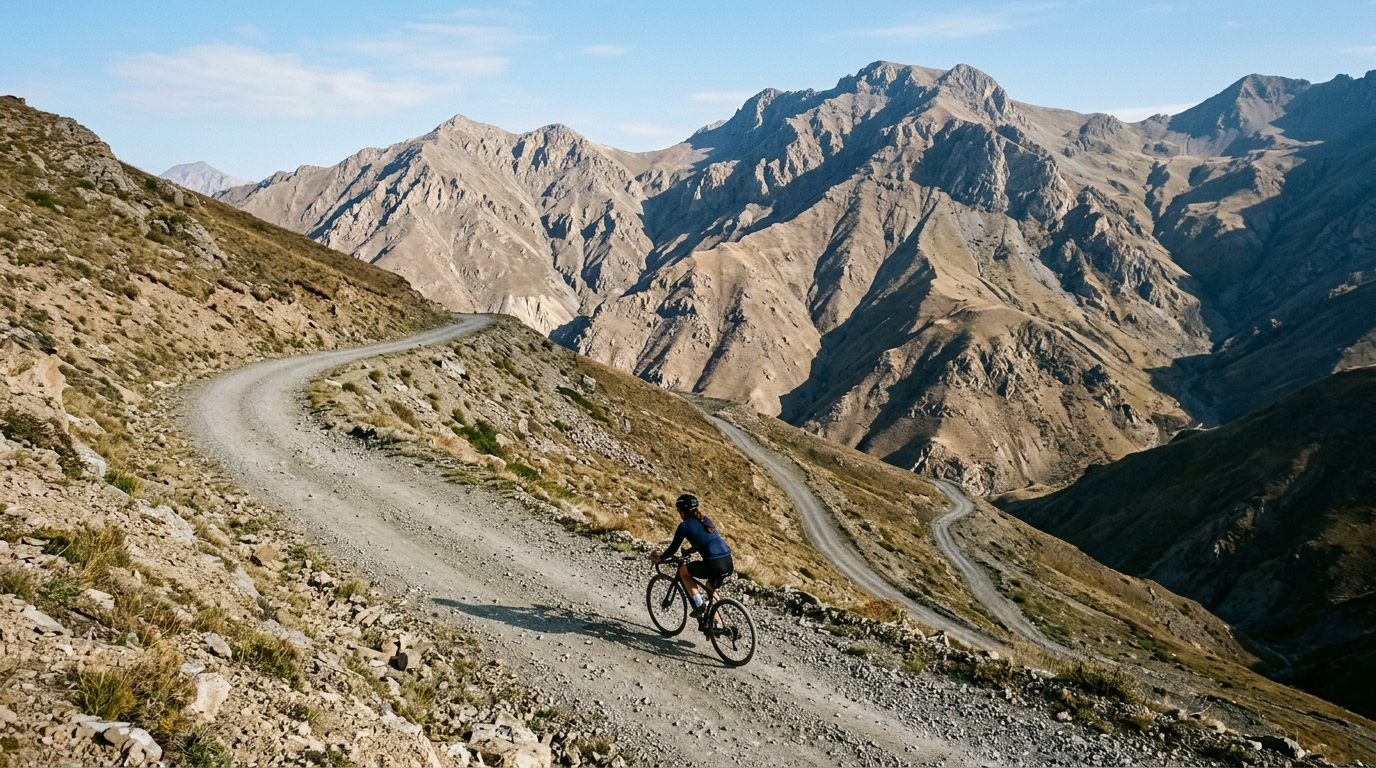 Tebulo PassCat 2RU · 7.6 km · 5.5% · 403 m233pt
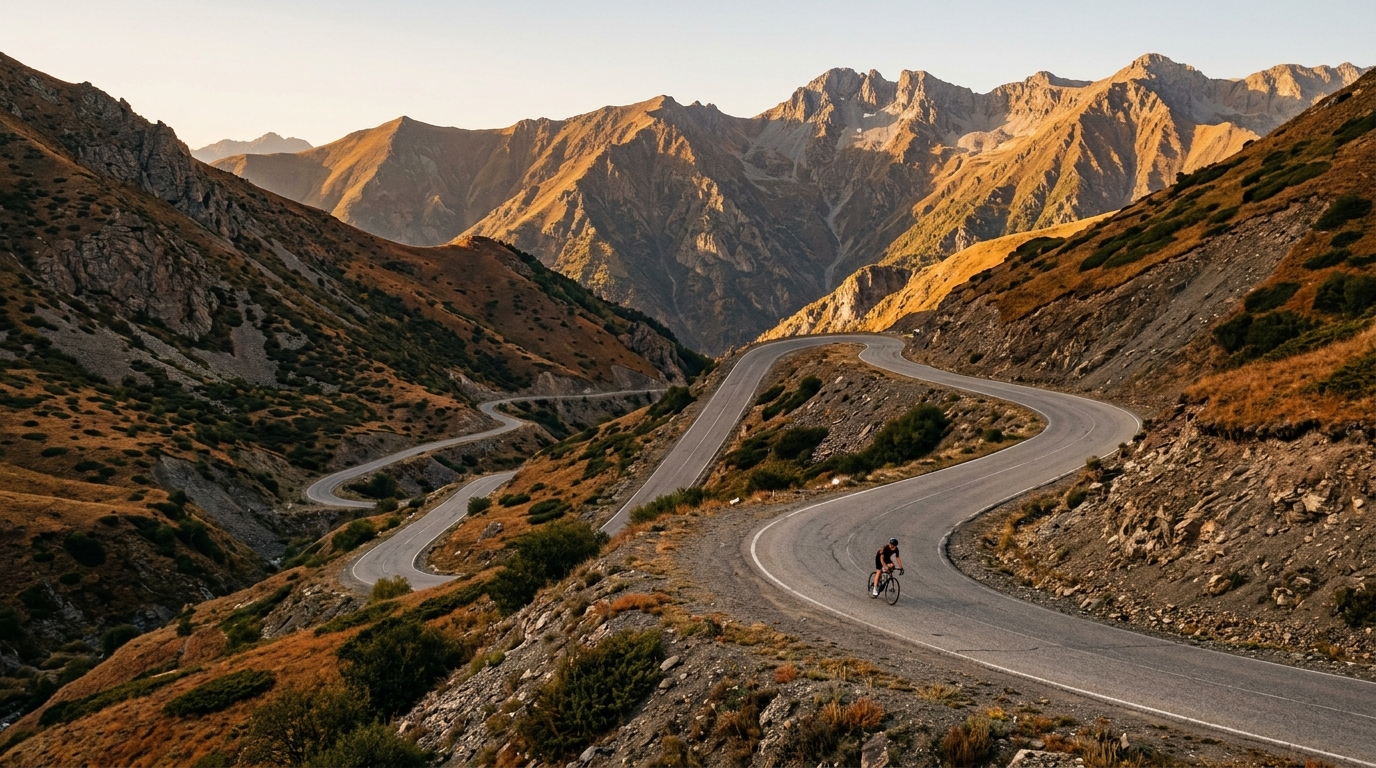 Sajikhvisgele PassCat 4RU · 1.2 km · 8.2% · 66 m78pt
La guida completa alle salite in Russia
The character of climbing in RU
RU is not a volume play. The listed climb set is small, with 6 recorded climbs, but the quality signal is high. Two of those climbs are hors categorie, and the highest summit reaches 3351m. That combination matters more than the raw count. It tells you this is a region where the defining rides are not just scenic ascents added onto a rolling route. They are day-shaping climbs that can decide pacing, equipment, nutrition, and whether the ride works at all.
The notable climb list is also pass-heavy: Zekara Pass, Sharivtsek Pass, Pereval Dalari, Salashkrosgele Pass, and Sajikhvisgele Pass all carry the logic of point-to-point terrain. A pass climb is different from an out-and-back hill effort. It usually asks a rider to think about what sits on the other side: exposure, descent quality, refuelling, weather shift, road condition, and the cost of turning a climb into a loop.
That is the central planning rule for RU. Treat the climbs less like isolated segments and more like route architecture. The ascent is only one part of the problem. The approach can determine how fresh you are at the base, the summit can carry altitude cost, and the descent can decide whether you need extra clothing, daylight margin, and brake confidence.
What the numbers actually tell you
The most useful statistic in the RU dataset is not simply that the highest summit is 3351m. It is what that altitude implies for the way a strong cyclist has to ride. At that height, pacing by feel becomes less reliable, especially if the climb comes after a long approach or if the road surface is inconsistent. A sustainable effort at lower altitude can start to feel like a threshold mistake once the air thins and the rider is already carrying fatigue.
That is where data helps, but only if it is used conservatively. Anchoring the first half of a major climb below ego pace is usually the difference between finishing well and turning the upper slopes into damage control. If you know your current FTP, use it as a ceiling rather than a target. If you do not, estimate it before the trip with the FTP estimator, then still build in a margin. A pass climb at altitude is not the place to discover that your indoor number was optimistic.
The two HC climbs in a six-climb country set also change the rider profile this region rewards. RU is not only for riders who can punch over medium climbs. The decisive skill is repeatable aerobic control under long-duration pressure. That means steady torque, calm cadence choices, and the discipline to let gradients, surface, and altitude dictate the effort rather than chasing a number too early.
Standout climbs and how to think about them
Zekara Pass
Zekara Pass should be treated as one of the anchor names in the RU climbing portfolio. The word 'pass' matters because it signals a climb that is likely to function as a crossing rather than a simple summit objective. The practical consequence is that route planning should start with the full day, not the climb profile alone.
For a rider building an RU trip, Zekara Pass is the kind of climb to place on a day with wide margins. Do not stack too much intensity before it. Do not assume the top is the end of the ride. If the road continues over the pass, the descent, weather, and exit route deserve as much attention as the ascent.
Sharivtsek Pass
Sharivtsek Pass belongs in the same strategic category: a named pass that should be approached as a route-defining feature. The best way to ride this type of climb is rarely to attack the lower slopes and hope the top arrives quickly. The better approach is to settle early, watch breathing, and use the first section to read the road.
If the climb opens up later, there is always time to lift the effort. If it tightens, roughens, or rises into more exposed terrain, the rider who kept a reserve will look much smarter than the rider who tried to impose a perfect power file on imperfect terrain.
Sancharo
Sancharo stands out because it is listed among the notable RU climbs without being labelled as a pass in the source list. That does not make it less important. It simply means it should be judged on its own route role rather than assumed to be a crossing.
For planning, Sancharo is a good candidate for a focused climbing day. If it sits naturally as an out-and-back or as the major feature of a loop, it can become the ride where you test pacing without the same level of uncertainty that comes with a remote pass day. The tactical point is simple: decide before the ride whether Sancharo is the objective or just one piece of a larger endurance route. Those are different days, and they demand different pacing.
Pereval Dalari
Pereval Dalari has the feel of a climb that should be respected for logistics as much as legs. The name places it in the pass family, and that means the rider needs to think in systems: approach, climb, summit conditions, descent, and exit.
This is where many strong riders get caught. They train for the climb, but they under-plan the transitions. On a pass-heavy route, the coldest or most exposed part of the day may not be when the power is highest. It may be immediately after the summit, when effort drops and the descent begins. Pack for that moment, not just for the climb.
Salashkrosgele Pass and Sajikhvisgele Pass
Salashkrosgele Pass and Sajikhvisgele Pass round out the notable list and reinforce the region's main pattern. RU climbing is shaped by named crossings and serious altitude potential, not by a dense grid of short climbs.
These are the kinds of climbs that reward riders who can keep the ride boring for longer than feels necessary. Smooth fuelling, low-drama pacing, and no unnecessary surges are not cautious choices here. They are the tactics that preserve options. A pass climb gives back very little to the rider who spends too much too early.
Best season and timing strategy
The best season for RU climbing is the season when the specific roads you want are open, stable, and predictable enough to make the route safe. That sounds obvious, but it is the correct way to think about a country-level climb set with a summit ceiling of 3351m. A calendar window matters less than road status and local conditions.
For lower or more accessible routes, the decision can be driven by daylight, temperature, and support options. For the highest objectives, the first filter should be confirmation: road open, surface passable, forecast acceptable, and no local restriction that changes the plan. Do not treat a climb as rideable just because it appears on a map or in a file.
The smarter approach is to build the trip with layers. Put the most condition-sensitive climb on the day with the best forecast. Keep a lower-risk alternative ready. Leave room between the hardest climbing days. If the goal is to ride one of the HC climbs well, arriving fresh matters more than proving toughness the day before.
Traffic and road rhythm
Traffic planning in RU should be specific to the climb and the access road. A pass can be quiet, busy, or variable depending on its local role, and the dataset does not support broad assumptions. The safest planning habit is to identify the likely choke points before the ride: town exits, narrow approaches, blind corners, and any section where the road narrows near the top.
The riding tactic follows from that. Keep the effort controlled where road awareness needs to be high. Save the more focused intervals or sustained tempo for sections where sightlines and surface allow it. On unfamiliar climbs, a slightly lower power number that leaves attention available for traffic and surface is usually faster in the real world than a perfect training effort ridden with no margin.
Descending deserves the same respect. Pass descents can punish overconfidence, especially if the ascent has already depleted concentration. Before committing to a fast descent, assume there may be surface changes, debris, animals, vehicles, or weather differences between summit and valley. That is not pessimism. It is how you keep a big climbing day from becoming a bad decision after the hard part appears to be over.
Resupply and self-sufficiency
Because the RU list is compact and pass-oriented, the best default is self-sufficiency. Do not build a route that depends on a perfectly timed shop, cafe, or water stop unless that stop has been verified for the day of the ride. Carry enough food to cover the climb plus a delay, and start eating before the first major ascent forces the issue.
The reason is physiological as much as practical. On long climbs, especially when altitude is part of the equation, hunger often arrives after the mistake has already been made. Power drops, cadence gets heavier, and decision-making narrows. A rider who fuels on schedule can keep the effort aerobic and controlled. A rider who waits for hunger is already negotiating with the climb.
For water, think in terms of exposure and time rather than distance. A shorter route can still require more fluid if the climbing is slow, the day is warm, or refills are uncertain. If the route crosses a pass, consider what you need not only to reach the summit, but also to descend safely and ride out.
Altitude, pacing, and gearing
The highest RU summit reaches 3351m, so altitude has to be part of the plan. Even riders with strong sea-level fitness should expect the upper portions of high climbs to feel different. Breathing cost rises, accelerations become more expensive, and recovery from surges takes longer. The answer is not to ride scared. It is to remove avoidable spikes.
Use gearing that lets you stay seated and smooth when the climb steepens or the surface slows. A bailout gear is not a sign that the climb is too hard for you. It is insurance against turning an aerobic day into a muscular grind. That matters because once cadence collapses, the ride becomes more dependent on local leg strength and less on the aerobic engine you actually trained.
If you are choosing between a heroic setup and a practical one, choose practical. The best climbers on this terrain will not be the riders who can push the biggest gear for a short section. They will be the riders who can keep pressure on the pedals without burning matches they need later.
How to build an RU climbing trip
A good RU climbing itinerary should prioritize quality over accumulation. With 6 listed climbs and 2 HC-level tests, there is no need to force every day into a maximal effort. Put the most important climb early enough in the trip that weather can be adjusted around it. Separate the hardest days with easier riding or transfer time. Use the non-HC climbs to learn the road style before targeting the biggest objective.
The cleanest structure is simple: one anchor climb, one secondary climb, and one flexible backup plan. If conditions line up, ride the anchor. If they do not, switch without emotional attachment. Climbs at this level reward patience. The mountain does not care what was written in the training plan.
RU's climbing appeal is concentrated rather than crowded. That is its strength. The region asks for preparation, pacing, and route judgement, not just fitness. Ride it that way and the climbs become more than isolated achievements. They become complete mountain days, where the smartest rider is usually the one still making good decisions after the summit.