Imagen generada por nuestro modelo.
entrenamiento para carreras por etapas
Entrenamiento para carreras por etapas para ciclistas: Días duros consecutivos
Prepárate para el ciclismo de varios días con entrenamientos consecutivos más inteligentes, ritmo resistente a la fatiga, alimentación, recuperación y estrategia de tapering.
Qué hace que las carreras por etapas sean diferentes de los eventos de un solo día
El entrenamiento para carreras por etapas para ciclistas no es la preparación para una carrera de un día con más volumen añadido. La diferencia clave es que tienes que rendir cuando ya arrastras la fatiga del día anterior.
En un evento de un día, todo el modelo de preparación apunta a estar fresco, ágil y duradero para un único esfuerzo decisivo. En una carrera por etapas, la frescura es temporal. A mitad del evento, tu resultado depende menos de tu mejor potencia y más de cuánta de esa potencia queda disponible después de un estrés repetido.
Eso cambia el objetivo del entrenamiento. No solo estás entrenando la capacidad aeróbica, la potencia de umbral o la repetibilidad del sprint. Estás entrenando la capacidad de recuperarte lo suficiente durante la noche, rodar inteligentemente al día siguiente y evitar los pequeños errores que se acumulan a lo largo de las etapas.
Por eso, la preparación para una carrera ciclista por etapas debe incluir:
- Entrenamientos ciclistas consecutivos que creen fatiga controlada
- Intensidad similar a la de una carrera cuando ya estás cansado
- Práctica de alimentación antes, durante y después de las salidas
- Disciplina de ritmo utilizando tanto la potencia como la frecuencia cardíaca
- Una reducción de la carga que disminuya la fatiga sin que te quedes estancado
El objetivo no es demostrar dureza cada fin de semana. El objetivo es llegar a la carrera con un cuerpo que entienda el ritmo de día duro, recuperar, día duro, recuperar, mientras sigues lo suficientemente fresco como para usar esa adaptación.
Evalúa la forma física, la tolerancia a la fatiga y las debilidades
Antes de construir un bloque de entrenamiento ciclista de varios días, separa la forma física de la tolerancia a la fatiga. Se superponen, pero no son lo mismo.
Un ciclista puede tener una potencia de umbral funcional fuerte y aun así desmoronarse al día siguiente de un esfuerzo duro porque quema demasiados cartuchos temprano, se alimenta mal o soporta mal el daño muscular. Otro ciclista puede tener menos potencia máxima pero recuperarse constantemente y rodar dentro de sus posibilidades, lo que a menudo produce un mejor resultado en una carrera por etapas.
Empieza con tres preguntas.
¿Qué potencia puedes repetir cuando estás cansado?
No solo mires tus mejores esfuerzos en fresco. Mira lo que sucede al final de las salidas duras o al día siguiente de la intensidad. Si tu trabajo de umbral se desmorona después de una salida de resistencia exigente, eso te dice algo útil. No significa que seas débil. Significa que la resistencia a la fatiga es el limitador.
Compara tus mejores archivos de potencia con tus días de entrenamiento más duros. La brecha entre el rendimiento en fresco y el rendimiento fatigado es donde debe centrarse tu entrenamiento para carreras por etapas.
¿Qué se rompe primero?
Algunos ciclistas pierden la chispa de alta gama. Otros ya no pueden mantener un ritmo constante. Algunos se mantienen aeróbicamente capaces pero desarrollan calambres, problemas intestinales o poca concentración. El primer sistema en fallar suele indicar la intervención de entrenamiento más valiosa.
Si tus piernas están muertas pero tu frecuencia cardíaca permanece baja, la durabilidad muscular puede ser el problema. Si tu frecuencia cardíaca aumenta para la misma potencia y el esfuerzo percibido se eleva, la recuperación, el manejo del calor, la alimentación o la durabilidad aeróbica pueden estar limitándote. Si tu potencia está bien hasta que dejas de comer, el plan de entrenamiento no es el problema principal.
¿Tus debilidades son específicas de la carrera?
Las carreras por etapas castigan la falta de coincidencia. Un ciclista que se prepara para subidas repetidas necesita un estrés diferente al de un ciclista que se prepara para aceleraciones onduladas, vientos cruzados y finales técnicos. El terreno determina el patrón de fatiga, y el patrón de fatiga debe dar forma a los entrenamientos.
Aquí es donde los datos importan. Usa las exigencias de tu evento para decidir si necesitas un trabajo sostenido más constante, aceleraciones repetidas, fuerza de baja cadencia bajo fatiga o una mejor recuperación entre esfuerzos duros. La especificidad del entrenamiento no se trata de copiar la carrera perfectamente. Se trata de preparar los sistemas que la carrera te seguirá pidiendo.
Prioriza el limitador antes de añadir más carga
El plan de entrenamiento más útil para carreras por etapas comienza con el patrón de fallo. Añadir bloques apilados más duros sin saber qué falló primero puede cansar más el sistema equivocado mientras deja el limitador real intacto.
Usa esto como un filtro práctico:
- Si la potencia disminuye al final de las salidas, prioriza la resistencia a la fatiga. Coloca el control de tempo, sweet spot o umbral más tarde en las salidas de resistencia y haz de la calidad del segundo día el principal marcador de progreso.
- Si aparecen problemas intestinales bajo presión, prioriza la práctica de alimentación antes de añadir más intensidad. Entrena el estómago con un esfuerzo similar al de la carrera con la misma mezcla de bebidas, geles o alimentos sólidos que pretendes usar.
- Si aparecen calambres, no asumas una única causa. Revisa los picos de ritmo, la exposición al calor, los hábitos de hidratación, la ingesta de sodio, la posición y la fatiga muscular. Luego, construye una carga más constante y un ritmo más limpio antes de buscar una solución mágica.
- Si el posicionamiento al final de la carrera se desmorona, prioriza la durabilidad técnica y táctica. Practica mantener la posición, tomar curvas, comer y tomar decisiones cuando estás cansado, no solo producir potencia de forma aislada.
- Si la recuperación nocturna es el limitador, reduce la densidad del bloque y ajusta la rutina de recuperación. El problema puede no ser que los entrenamientos sean demasiado fáciles. Puede ser que la recuperación entre ellos sea demasiado laxa.
Esta priorización mantiene el entrenamiento honesto. Una carrera por etapas expone el eslabón más débil, no el archivo de entrenamiento más impresionante.
Crea bloques consecutivos sin excederte
Los entrenamientos de ciclismo consecutivos son la columna vertebral de la preparación para carreras por etapas, pero también son el lugar más fácil para excederse.
El error es pensar que cada bloque apilado tiene que ser brutal. Si cada sesión se trata como una carrera, puedes cansarte, pero quizás no mejores. El propósito es la exposición controlada a la fatiga acumulada, seguida de una recuperación que permita la adaptación.
Una estructura mejor es hacer que cada día del bloque tenga un propósito diferente. Los ejemplos a continuación son plantillas, no prescripciones universales. Deben adaptarse a tu historial de entrenamiento, fatiga actual y las exigencias del evento.
Plantilla: presión sostenida, luego durabilidad
Usa esto cuando el limitador sea la pérdida de potencia durante esfuerzos constantes.
- Antes del bloque: día fácil o día de descanso, con alimentación normal y sin trabajo de fuerza extra
- Día uno: calentamiento, luego completa un tempo sostenido, sweet spot o trabajo de umbral controlado dividido en repeticiones manejables. El objetivo es una presión constante, no una marca personal.
- Día dos: salida de resistencia con una sección de tempo al final. Mantén la primera parte de la salida genuinamente aeróbica, aliméntate desde el principio, luego termina con una presión controlada en lugar de un esfuerzo máximo.
- Después del bloque: día de recuperación, un giro fácil o descanso, luego reevalúa antes de añadir más carga
La lógica es sencilla. El día uno crea fatiga. El día dos pregunta si aún puedes rodar de forma económica, alimentarte correctamente y producir potencia útil sin convertir la sesión en una prueba de supervivencia.
Plantilla: control del umbral, luego resistencia muscular
Usa esto cuando el evento tenga subidas o presión repetida sentado, y tus piernas fallen antes que tu sistema aeróbico.
- Antes del bloque: día aeróbico fácil, sin trabajo duro en el gimnasio, y un plan claro para la comida y las botellas
- Día uno: repeticiones de umbral controladas en terreno constante o una ruta con subidas. Limita el esfuerzo antes de que la forma se deteriore.
- Día dos: salida de resistencia que incluye tempo sentado de baja cadencia en terreno apropiado. Manténlo fuerte pero submáximo, con un par suave en lugar de arrastrarte.
- Después del bloque: día de recuperación, con atención extra al sueño, las comidas y el dolor general
Esto apunta a la durabilidad muscular bajo carga acumulada. El riesgo es excederse forzando demasiado el segundo día. Si la cadencia se desploma, la forma se vuelve irregular o el dolor cambia tu mecánica, la sesión ha dejado de cumplir su propósito.
Plantilla: tolerancia a los picos, luego simulación de carrera
Usa esto cuando la carrera por etapas se decida por aceleraciones repetidas, terreno ondulado, presión de viento cruzado o selecciones tardías.
- Antes del bloque: día fácil y una elección de ruta que te permita rodar de forma segura sin interrupciones constantes
- Día uno: esfuerzos cortos y duros por encima del umbral con recuperaciones incompletas controladas. El propósito es la repetibilidad, no vaciar el tanque en el primer esfuerzo.
- Día dos: salida de resistencia en terreno ondulado con esfuerzos a ritmo de carrera al final, cambios de cadencia y alimentación practicada durante las secciones más duras.
- Después del bloque: día de recuperación, luego una salida de resistencia normal antes de decidir si estás listo para más intensidad
Esto enseña al cuerpo y al cerebro a responder después de que la fatiga ya se ha acumulado. Muchas selecciones en carreras por etapas ocurren después de que la potencia fácil ha desaparecido. Entrenar ese momento es más valioso que producir un intervalo fresco impresionante.
Progresa el bloque, no solo el entrenamiento
En el entrenamiento normal, la progresión a menudo significa más intensidad, más volumen o más trabajo a la potencia objetivo. En el entrenamiento para carreras por etapas, la progresión también puede significar mejorar la calidad del segundo día.
Si el día dos se vuelve más constante, mejor alimentado, menos errático y menos costoso mentalmente, eso es progreso. No solo estás persiguiendo un pico más alto. Estás construyendo una caída más pequeña.
Mantén los bloques más duros separados por una recuperación adecuada. La adaptación proviene del ciclo de estrés y restauración, no de acumular fatiga indefinidamente.
Saber cuándo detener, reducir o reemplazar el bloque
Un bloque apilado debe crear una fatiga que puedas absorber. No debe empujarte a un agujero que descarrile la siguiente fase del entrenamiento.
Ninguna métrica única da una respuesta definitiva. La señal útil es el patrón en la potencia, la frecuencia cardíaca, el esfuerzo percibido, el sueño, el dolor y el estado de ánimo. Si varios marcadores se mueven en la dirección equivocada a la vez, reduce el bloque o reemplaza la intensidad con resistencia.
Las señales de advertencia prácticas incluyen:
- El sueño empeora a lo largo del bloque, especialmente si te despiertas a menudo o te sientes excitado pero cansado
- El esfuerzo percibido es anormalmente alto para una potencia que suele ser cómoda
- No puedes completar la potencia de resistencia normal sin forzarla
- El dolor persiste en el calentamiento o cambia tu mecánica de pedaleo
- La frecuencia cardíaca y la potencia se separan más de lo habitual en salidas de resistencia familiares
- El apetito, el estado de ánimo o la motivación disminuyen de una manera inusual para ti
- El segundo día se convierte en una prueba de fuerza de voluntad en lugar de un estímulo de entrenamiento controlado
La regla de decisión es simple. Si el bloque te está haciendo más duradero, mantenlo. Si solo te está cansando más, redúcelo. Eso puede significar eliminar el tempo final, acortar la parte dura, reemplazar el segundo día con resistencia o tomar una recuperación antes de la siguiente sesión de calidad.
Un ciclista basado en datos debe tratar estas decisiones como correcciones de rumbo, no como fracasos. El entrenamiento para carreras por etapas funciona porque alterna el estrés y la recuperación. Ignorar el lado de la recuperación no es disciplina. Es una mala planificación.
Entrena esfuerzos duros repetidos después de la fatiga acumulada
Las carreras por etapas rara vez recompensan al ciclista que solo puede esforzarse una vez. Recompensan al ciclista que puede esforzarse de nuevo después de que los esfuerzos anteriores ya le hayan dejado las piernas pesadas.
Eso significa que algunos entrenamientos deben colocar los esfuerzos clave al final de la salida o en el segundo día de un bloque. No se trata de hacer que cada sesión sea miserable. Se trata de enseñar a tu cuerpo y a tu toma de decisiones a funcionar cuando la potencia fácil ha desaparecido.
Los formatos útiles incluyen:
- Ritmo tardío después de una salida de resistencia
- Esfuerzos de sobre-debajo cuando las piernas ya están cargadas
- Subidas cortas o aceleraciones potentes después de una presión constante
- Esfuerzos a ritmo de carrera después de un día previo de intervalos
- Trabajo sentado a baja cadencia cuando hay fatiga muscular
La parte más importante es la ejecución. Cuando la fatiga aumenta, los ciclistas a menudo compensan esforzándose demasiado, dejando que la cadencia se desplome, saltándose el combustible o ignorando los objetivos de ritmo. Esos hábitos son costosos en una carrera por etapas.
En su lugar, utiliza los días de entrenamiento cansados para practicar el mantenimiento de una eficiencia aburrida. Mantén el objetivo. Come según lo programado. Mantén la parte superior del cuerpo quieta. Evita el ritmo emocional. El ciclista que puede mantenerse disciplinado bajo fatiga tiene una gran ventaja sobre el ciclista que solo rinde bien cuando está fresco.
También hay un beneficio mental. Las carreras por etapas crean incertidumbre porque cada mañana comienza con un cuerpo que se siente diferente. Entrenar a través de la fatiga controlada te enseña que sentirse cansado al principio no siempre significa que no puedes rendir. A menudo, las piernas se recuperan si el calentamiento, la alimentación y el ritmo son sensatos.
Practica la alimentación, la hidratación y la recuperación entre etapas
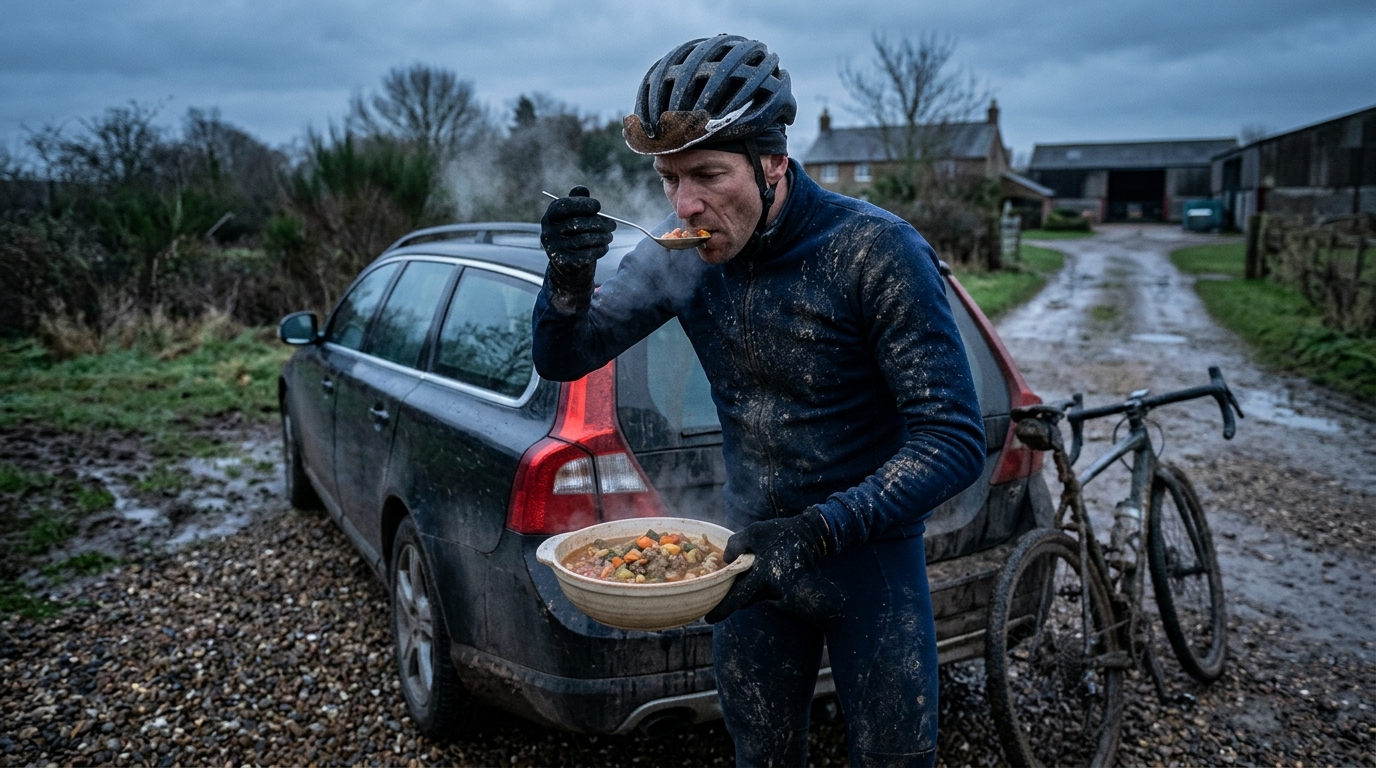
La recuperación ciclista entre etapas no es un proceso pasivo. No terminas una etapa, esperas que el cuerpo se repare solo y luego esperas que el día siguiente sea bueno. La recuperación comienza durante la salida y continúa hasta el siguiente inicio.
Los errores de alimentación se amplifican en las carreras por etapas. Si te alimentas mal un día, aún puedes terminar. Si te alimentas mal repetidamente, tu potencia, estado de ánimo, sueño y toma de decisiones se degradan.
Haz de la alimentación una habilidad entrenada, no una suposición el día del evento:
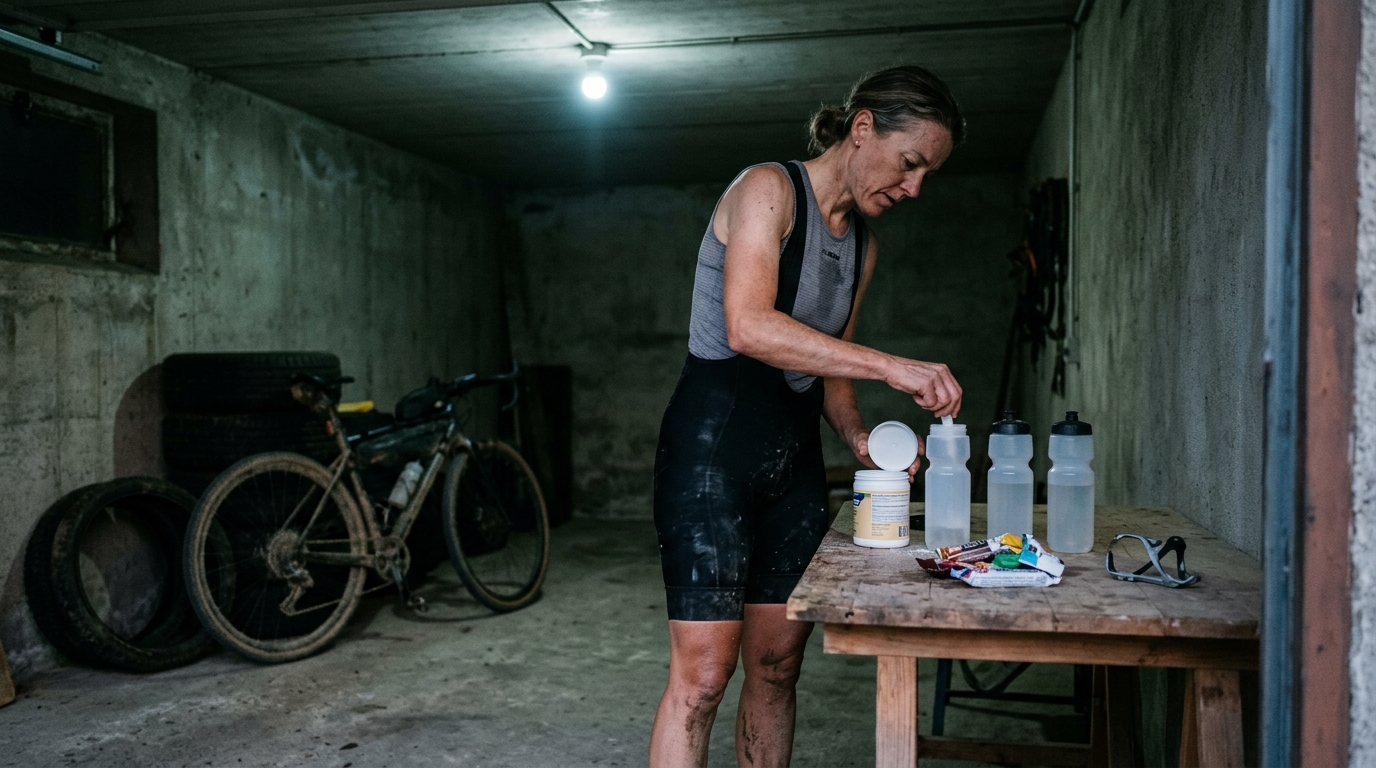
- Prepara las botellas y la comida para la salida antes de que comience la sesión, especialmente para bloques apilados donde la fatiga por decisión es parte del estrés
- Come temprano en las salidas duras en lugar de esperar a tener hambre
- Practica tomar combustible durante la intensidad, no solo durante los kilómetros de resistencia fáciles
- Prueba la mezcla de bebida, geles, barras o alimentos reales exactos que tu intestino puede tolerar bajo presión
- Anota lo que funciona con calor, frío, subidas e inicios de alta intensidad, porque el mismo alimento puede sentirse diferente bajo diferentes tipos de estrés
- Repón el combustible poco después de terminar, antes de que desaparezca el apetito o la logística se complique
- Prepara las botellas, la comida y el kit del día siguiente antes de desconectarte por completo
Después de cada día duro, prioriza los alimentos ricos en carbohidratos, una comida o snack que contenga proteínas, líquidos y suficiente comida o bebida que contenga sal para adaptarse a las condiciones. Los detalles exactos dependen del ciclista y del evento, pero la jerarquía es estable: reponer combustible, reparar músculo, rehidratar, calmar el sistema, dormir.
El valor práctico no es solo fisiológico. Una rutina repetible reduce la fatiga por decisión. Las carreras por etapas son un evento logístico tanto como una prueba de forma física. El ciclista que sabe lo que come después de terminar, lo que va en las botellas y cuándo se prepara el kit ahorra energía mental para la carrera.
No introduzcas nuevos trucos de recuperación durante la semana de la carrera. Si un suplemento, alimento, rutina de masaje o sesión de movilidad no se ha probado en el entrenamiento, la carrera por etapas es el lugar equivocado para descubrir cómo responde tu cuerpo.
Usa la potencia y la frecuencia cardíaca para marcar el ritmo de cada día de forma más inteligente
La potencia te dice lo que estás produciendo. La frecuencia cardíaca te dice parte del costo. En las carreras por etapas, usar ambas es más útil que depender de una sola.
El primer día, la potencia puede protegerte de la adrenalina. Las piernas frescas y los nervios de la carrera hacen que sea fácil rodar por encima de lo que requiere el evento. Esos excesos iniciales pueden no arruinar la etapa de apertura, pero pueden agotar la siguiente.
En días posteriores, la frecuencia cardíaca puede ayudar a interpretar la fatiga. Si la potencia se siente más dura de lo normal y la frecuencia cardíaca está suprimida, es posible que estés cargando fatiga neuromuscular o sistémica. Si la frecuencia cardíaca es inusualmente alta para una potencia familiar, puede haber calor, deshidratación, mala recuperación o estrés. Ninguna señal da una respuesta perfecta, pero juntas mejoran la decisión.
Usa las zonas de potencia y las zonas de frecuencia cardíaca como barandillas, no como esposas. La carrera requerirá momentos por encima del plan. La clave es elegir esos momentos deliberadamente.
Una buena mentalidad de ritmo en una carrera por etapas es:
- Gasta energía donde cambie el resultado de la carrera
- Evita perseguir cada aceleración si el terreno la devolverá
- Sube y atraviesa secciones expuestas con un techo, no solo con un objetivo
- Sigue alimentándote incluso cuando el ritmo sea caótico
- Trata la primera parte del evento como una preparación, no como un lugar para demostrar tu forma
Si estás utilizando un umbral estimado, actualízalo antes del bloque de entrenamiento en lugar de adivinar durante la carrera. Una herramienta como el estimador FTP puede ayudar a crear un ancla de ritmo más realista, pero el archivo aún debe interpretarse en contexto. El umbral es un punto de referencia, no una promesa de que puedes rodar a ese esfuerzo cuando quieras, especialmente después de etapas repetidas.
Prepara una carrera por etapas y revisa los datos después
La preparación para una carrera por etapas tiene un trabajo específico: reducir la fatiga acumulada mientras mantienes despiertos los sistemas que necesitas. No debe ser un apagado completo a menos que tengas una fatiga excesiva o estés lidiando con una enfermedad.
A medida que se acerca el evento, reduce la carga general pero mantén toques de intensidad. Esto preserva la agudeza y mantiene la confianza sin añadir fatiga profunda. Cuanto más te acerques a la carrera, más cada sesión debe responder a una pregunta simple: ¿esto te hace más listo, o solo más cansado?
Evita el error común de última hora de intentar arreglar tu estado físico. Si el evento está cerca, el trabajo aeróbico principal ya está hecho. Las mejores ganancias ahora provienen de la frescura, la práctica de la alimentación, la confianza en el equipo y la claridad en el ritmo.
Después de la carrera por etapas, revisa los datos mientras las sensaciones aún están frescas. No solo busques potencias máximas. Busca patrones.
Pregunta:
- ¿Dónde disminuyó la potencia a lo largo de los días?
- ¿La frecuencia cardíaca se desvió más de lo esperado?
- ¿Las etapas malas estuvieron relacionadas con una mala alimentación, sueño, calor o errores de ritmo?
- ¿Perdiste tiempo debido a tu estado físico, posicionamiento, tácticas o recuperación?
- ¿Qué sesiones de entrenamiento predijeron mejor las demandas del evento?
Esta revisión es donde el próximo ciclo de entrenamiento se vuelve más inteligente. Una carrera por etapas es una de las mejores herramientas de diagnóstico que un ciclista puede obtener porque expone lo que queda después de que se elimina la frescura fácil.
Si tu mejor día llegó tarde, tu recuperación y ritmo probablemente fueron fuertes. Si empezaste bien y disminuiste bruscamente, el limitador puede ser la resistencia a la fatiga, la alimentación o una inversión excesiva al principio. Si tu potencia se mantuvo estable pero los resultados sufrieron, las tácticas y el posicionamiento pueden merecer más atención que la fisiología.
El objetivo del entrenamiento para una carrera por etapas no es volverse indestructible. Es reducir la caída del rendimiento día a día, tomar mejores decisiones bajo fatiga y llegar a los momentos decisivos con suficiente capacidad para usar tu estado físico.
Esa es la verdadera diferencia entre estar en forma para una salida y estar preparado para una carrera por etapas.