Retrospectiva
Mas ends Spain's Vuelta wait as late-season racing turns to Belgium
Enric Mas finally converted years of Vuelta near-misses into Spain's first home win in 12 years, while the calendar now pivots toward Belgium.
Enric Mas winning the 2026 Vuelta a España is the clear center of the day because it changes the meaning of a career arc that had been defined by proximity. The headline is not only that Mas won, but that he converted years of near-misses into a historic home victory for Spain, ending a 12-year national wait at the race.
That matters because near-misses carry a specific weight in cycling. They can be proof of consistency, but they also create a ceiling in how a rider is discussed. A victory like this rewrites that frame. Mas is no longer simply the rider who kept getting close at the Vuelta. He is now the rider who finally turned that repeated contention into the result that matters most.
Mas changes the Spanish Vuelta story
The limited details available do not tell us how Mas won the race tactically, which stages shaped it, or what the final margins looked like. But the outcome itself is still a major data point. A rider with years of near-misses has now solved the final step, and Spain's 12-year wait at its home race is over.
For a serious cyclist, that is the useful takeaway: progression is not always linear on paper, but repeated closeness can be a real signal rather than a flaw. Mas' win is a reminder that sustained contention can eventually become conversion if the rider keeps arriving at the decisive part of the race with enough level to finish the job.
Belgium takes the next one-day slot
The calendar now points toward the men's Flandrien 0.0 Classic, which returns on 19 September 2026 as a 199 km Belgian 1.Pro one-day race.
That profile description is sparse, but the race category and distance already define the broad competitive problem. At 199 km, this is not a short opportunist's day. It is long enough that durability, positioning, and the ability to keep producing late in the race should matter. As a 1.Pro event, it also sits in the space where established teams and ambitious riders often have real incentive to turn the race into more than a controlled procession.
The contrast with the Vuelta is useful. Stage racing rewards accumulation and survival across repeated stress. A 199 km one-day race compresses everything into one afternoon, which makes the cost of every positioning error higher and the timing of effort more exposed.
A safety case reaches its legal endpoint
The day's hardest story sits outside performance but remains central to the sport. Vasile Barbu is to be deported after killing Rebecca Comins while she was riding a time trial event in South Wales.
There is no racing analysis to extract from that beyond the obvious reality that competitive cycling still takes place in shared and vulnerable environments. A time trial is one of the purest performance formats in the sport, but this case is a reminder that the rider's effort exists inside a safety system that can fail with irreversible consequences.
Nesta edição
ABC News (AU)
Enric Mas ends Spain's 12-year Vuelta wait
Enric Mas won the Vuelta a España in 2026, converting years of near-misses into a historic home victory for Spain.
Ler matéria completa →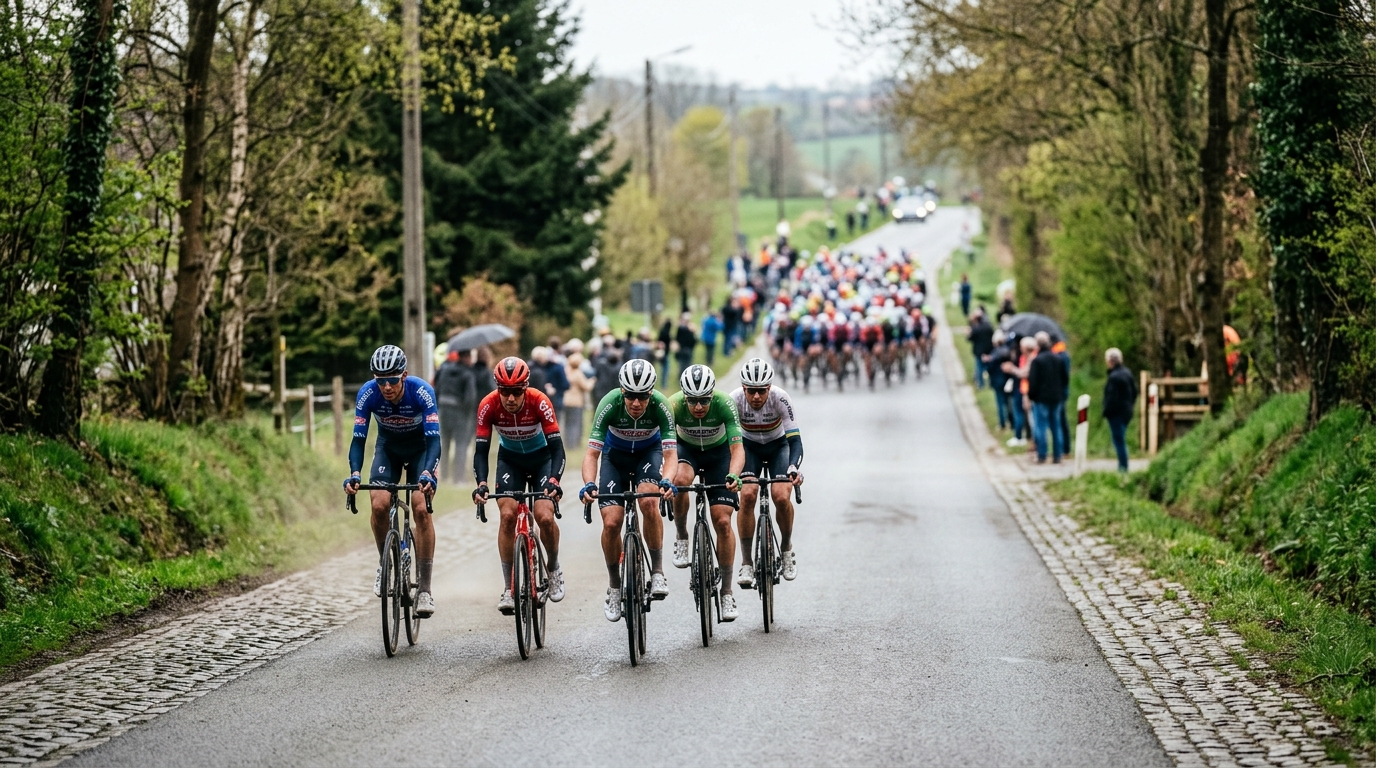
Flandrien 0.0 Classic 2026 preview: 199 km in Belgium
The men’s Flandrien 0.0 Classic returns on 19 September 2026 as a 199 km Belgian 1.Pro one-day race.
Ler matéria completa →
Dailymail.com
Driver who killed Team GB triathlete in race to be deported
Vasile Barbu is to be deported after killing Rebecca Comins while she was riding a time trial event in South Wales.
Ler matéria completa →