Biblioteca de subidas · Canadá
Cycling climbs in Canada
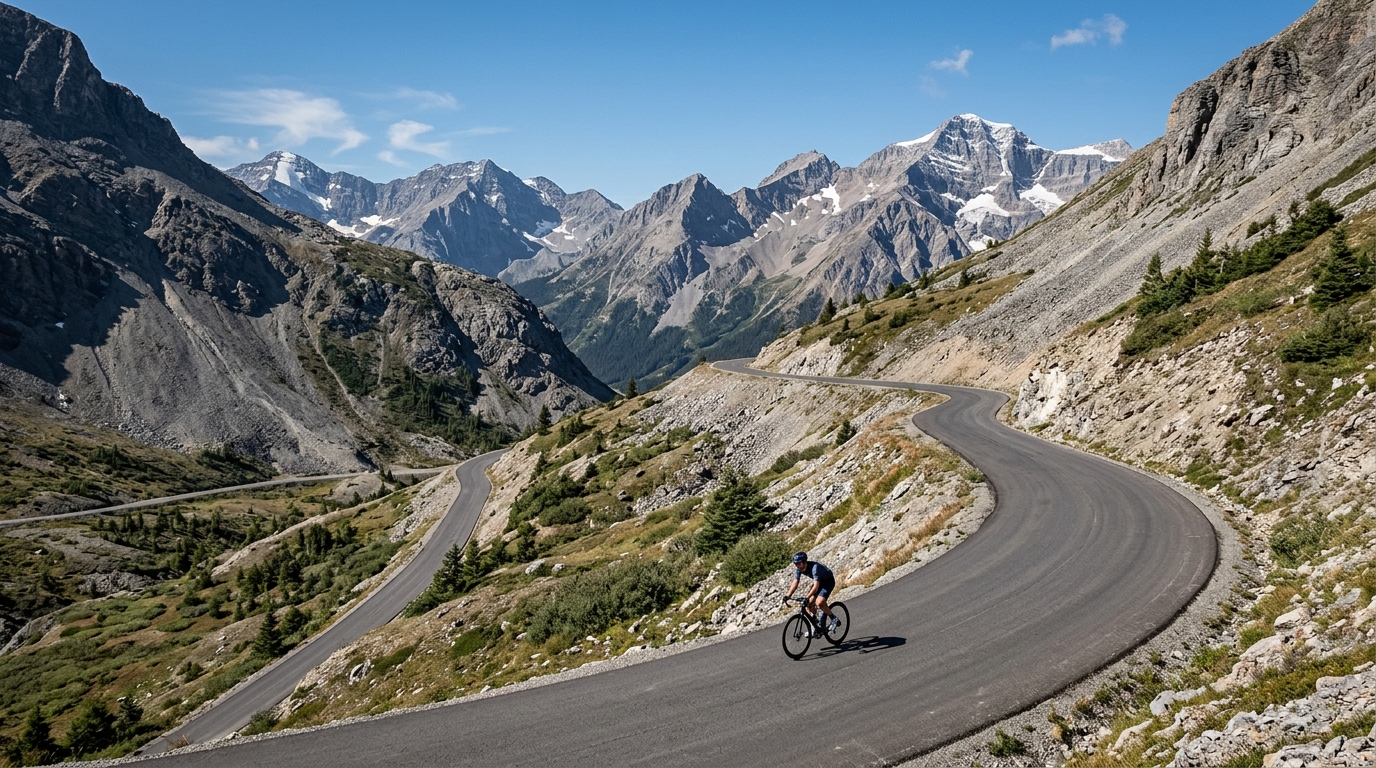
Canada rewards riders who chase altitude and open horizons. With 10 catalogued climbs and a highest summit reaching 2,214 metres, the country trades brutal steepness for long, breathable ascents that unspool through mountain corridors and forested valleys. None of these climbs carry an hors catégorie rating, so the appeal here is rhythm and endurance rather than raw gradient — steady efforts that let you settle into a cadence and watch the landscape climb with you toward thin, cool air.
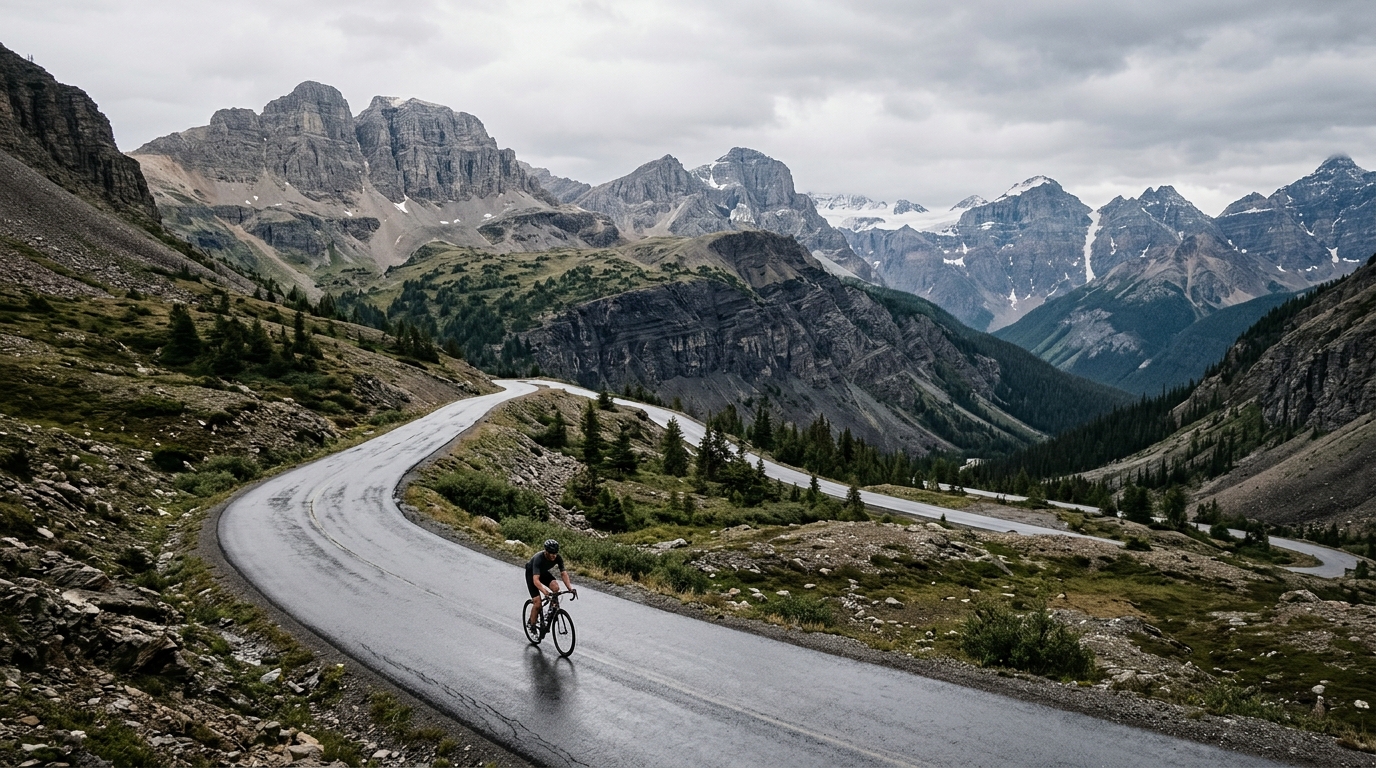
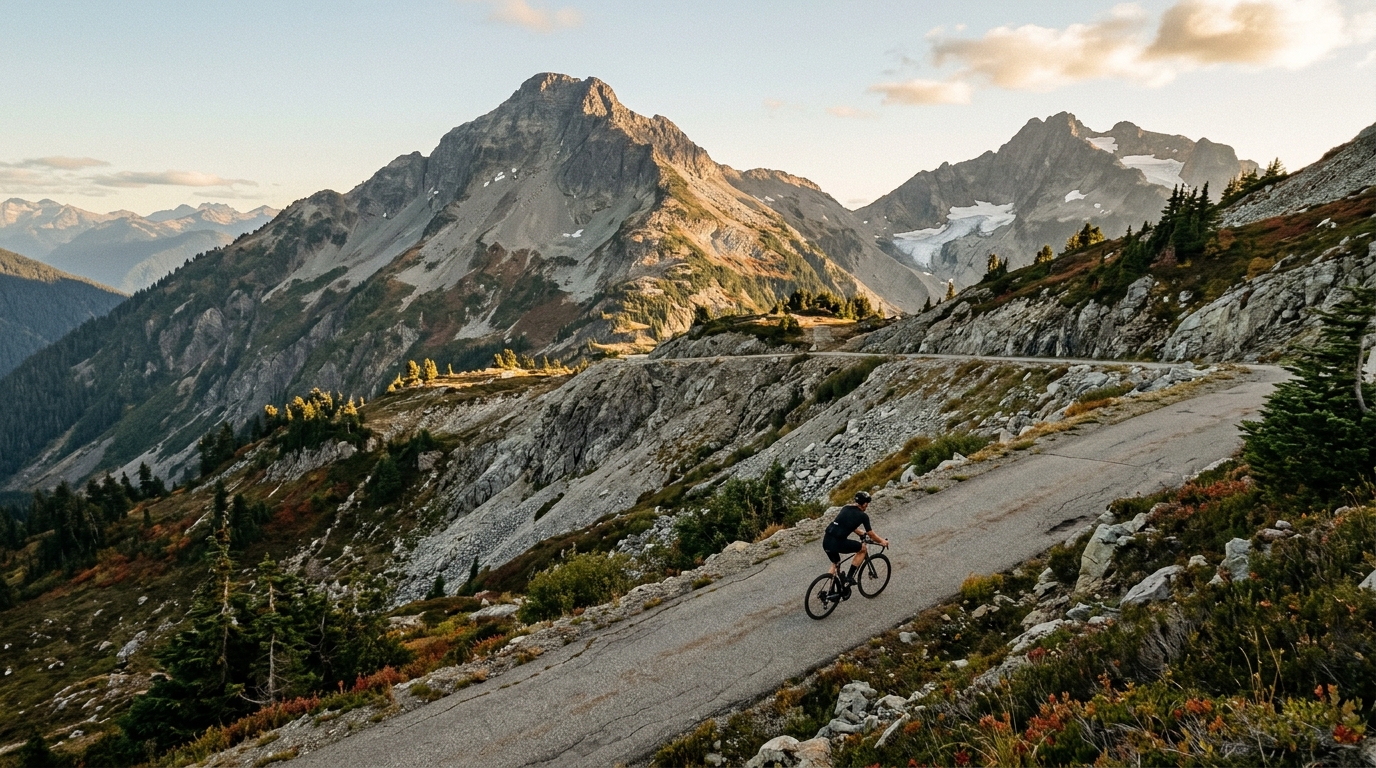
The marquee ascents read like a tour of the high country. Highwood Pass tops the list as the loftiest paved road, while Kootenay Pass and Sinclair Pass carve their own memorable lines through the ranges. Further afield, Heckman Pass, Railroad Pass, and Allison Pass round out a collection built for cyclists who prefer their suffering long and their summits earned. Together they make Canada a destination for patient climbers who savour the slow burn to the top.
Subidas emblemáticas de Canadá
Todas as subidas em Canadá
46 subidas
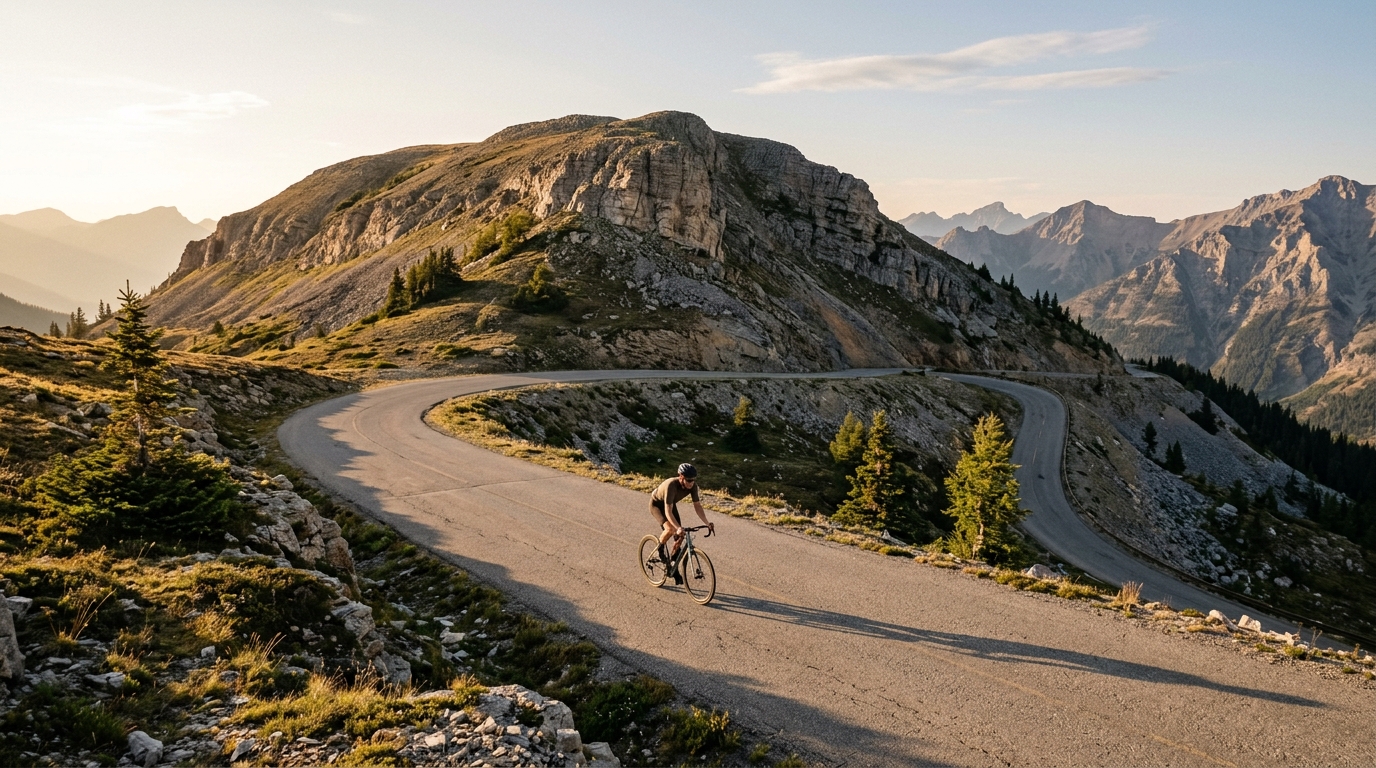 White Man PassCat 1CA · 18.8 km · 5.0% · 918 m477pts
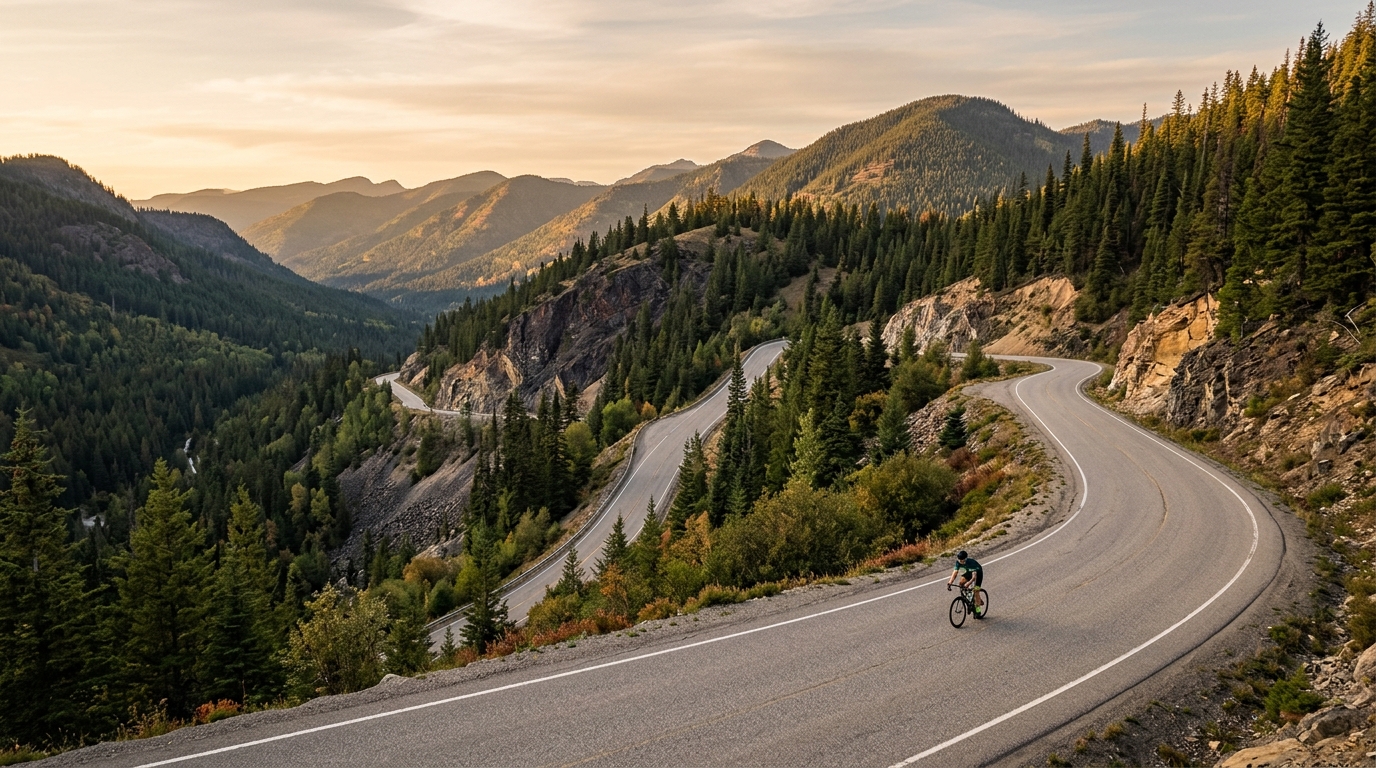 Allison PassCat 3CA · 6.7 km · 4.5% · 440 m137pts
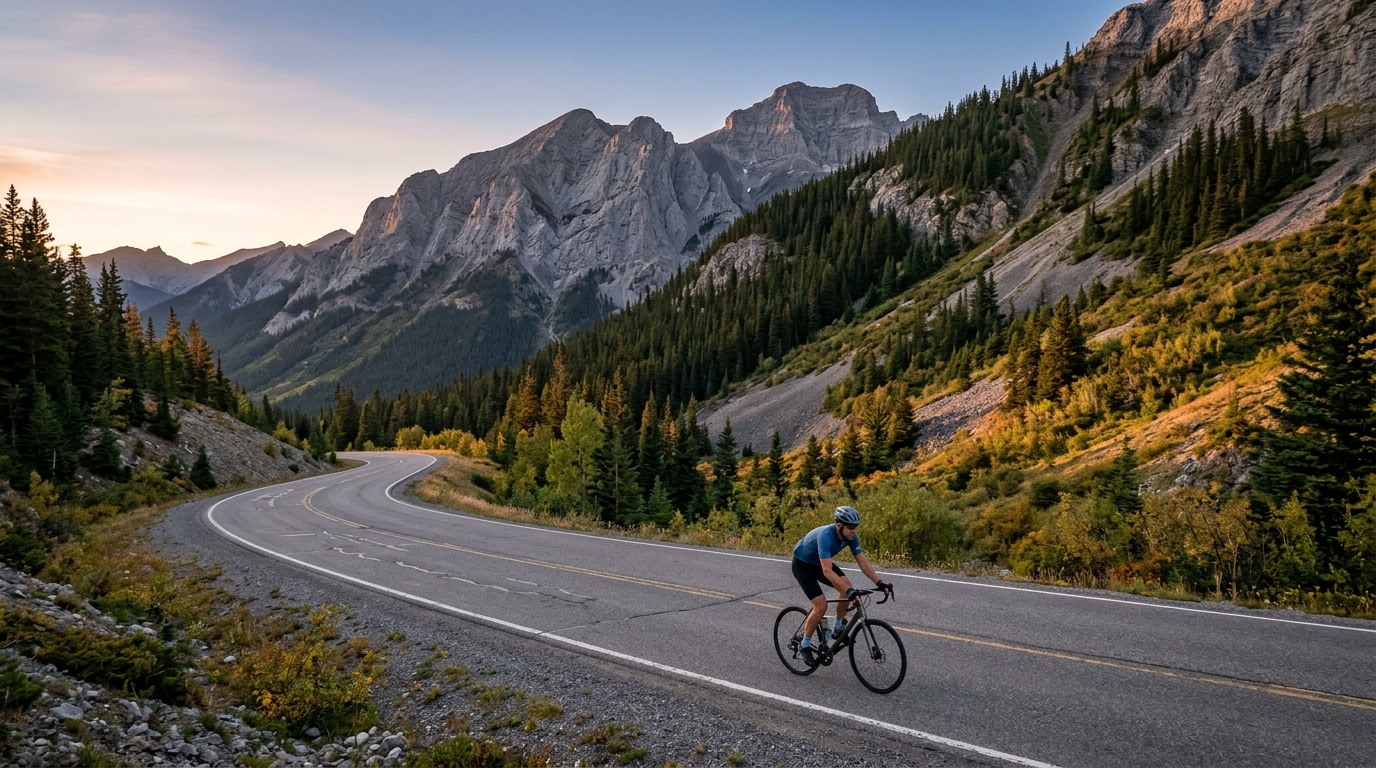 Elk PassCat 3CA · 3.8 km · 5.5% · 192 m114pts
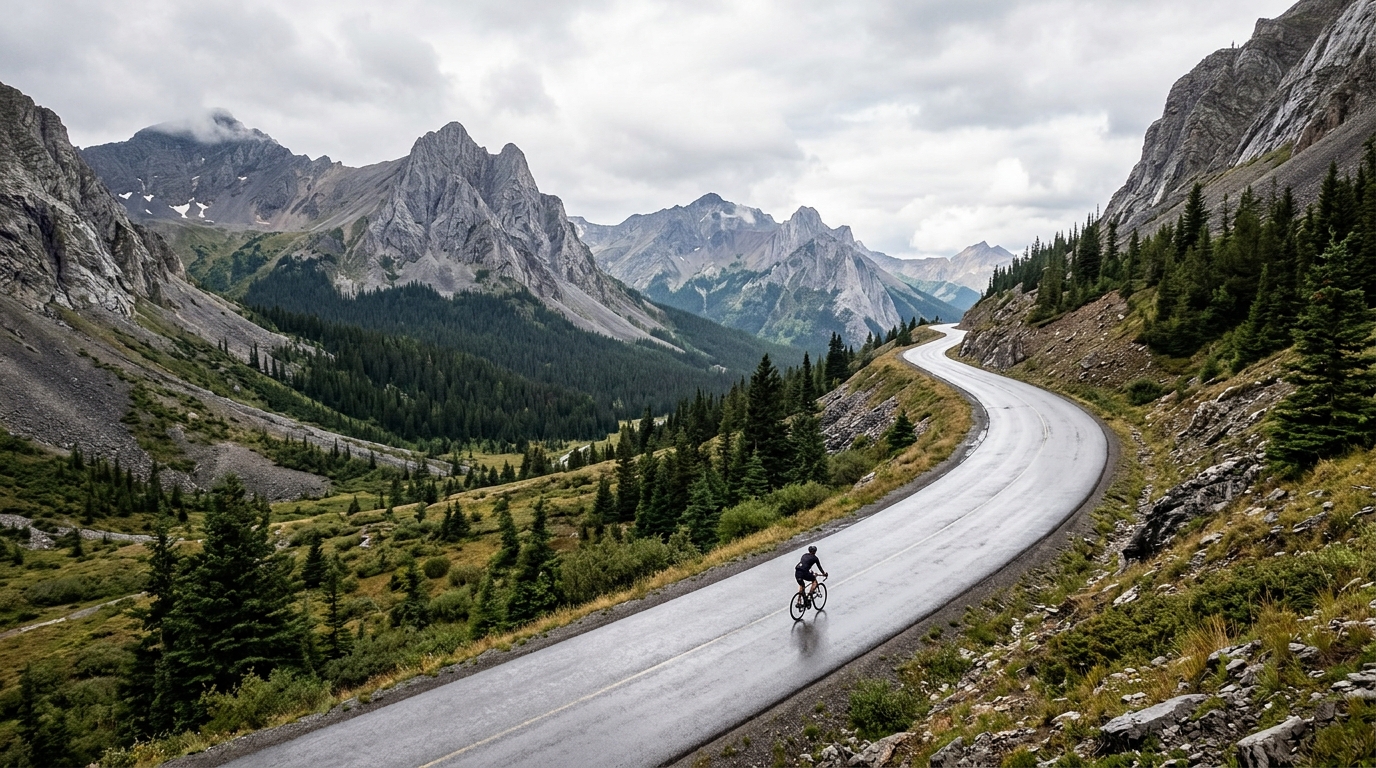 Highwood PassCat 3CA · 8.1 km · 4.5% · 446 m162pts
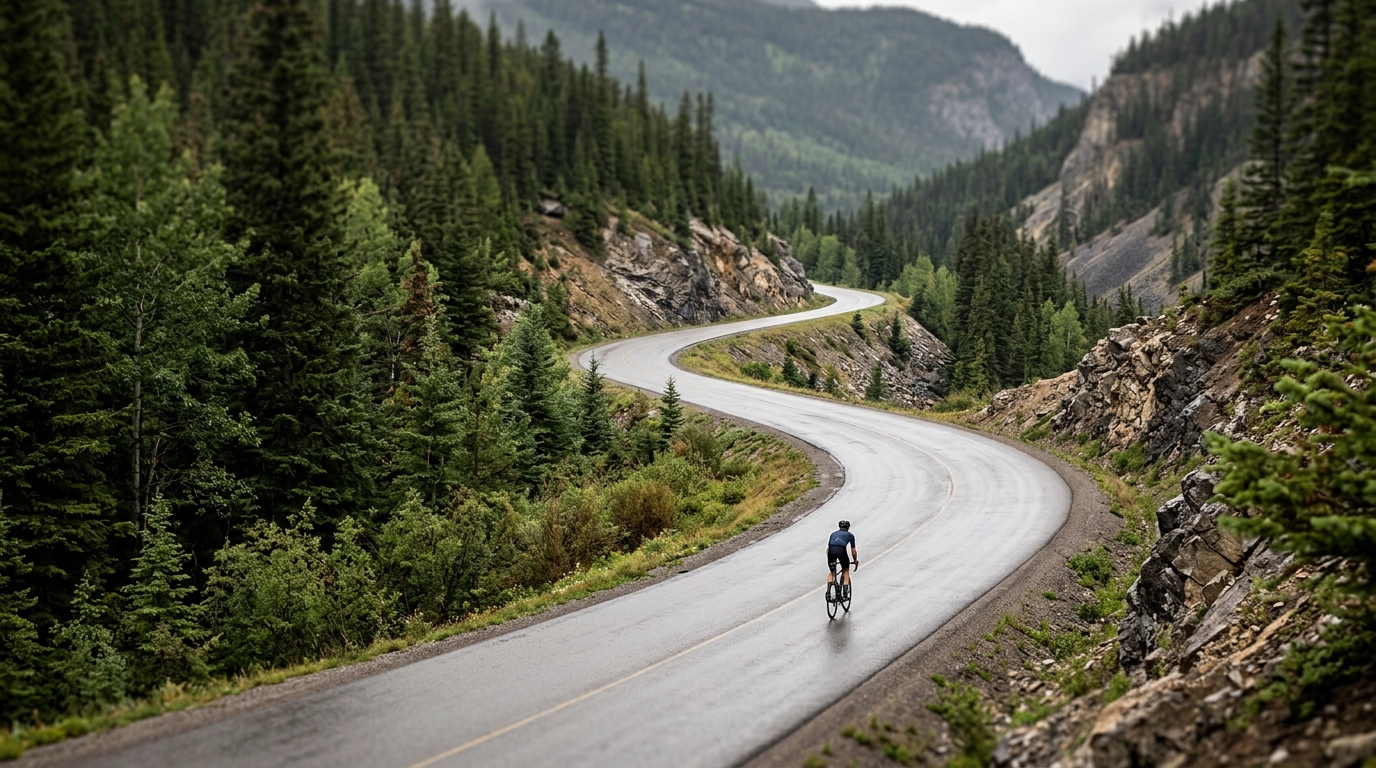 Sinclair PassCat 3CA · 11.9 km · 3.2% · 742 m125pts
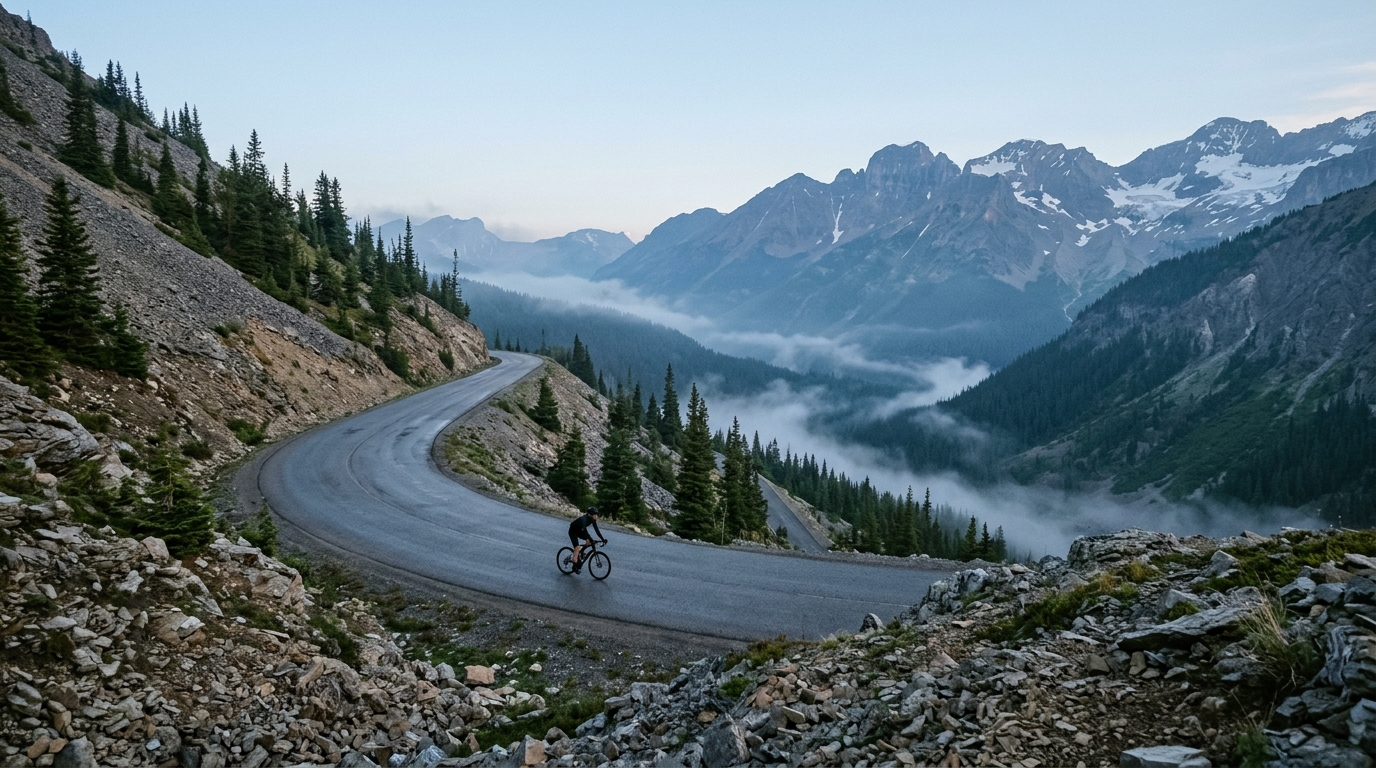 Carcajou PassCat 2CA · 7.4 km · 7.0% · 501 m366pts
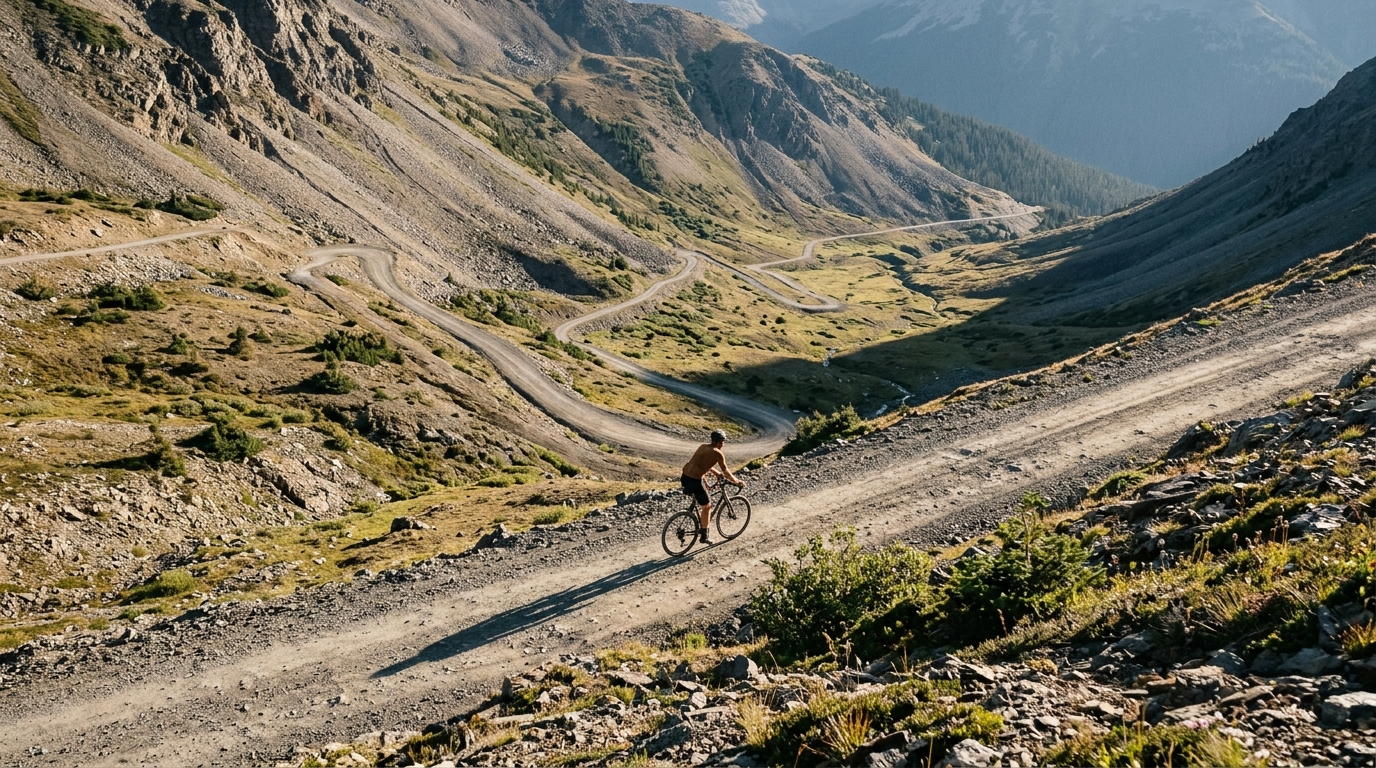 Tyoax PassCat 2CA · 13.3 km · 5.1% · 625 m351pts
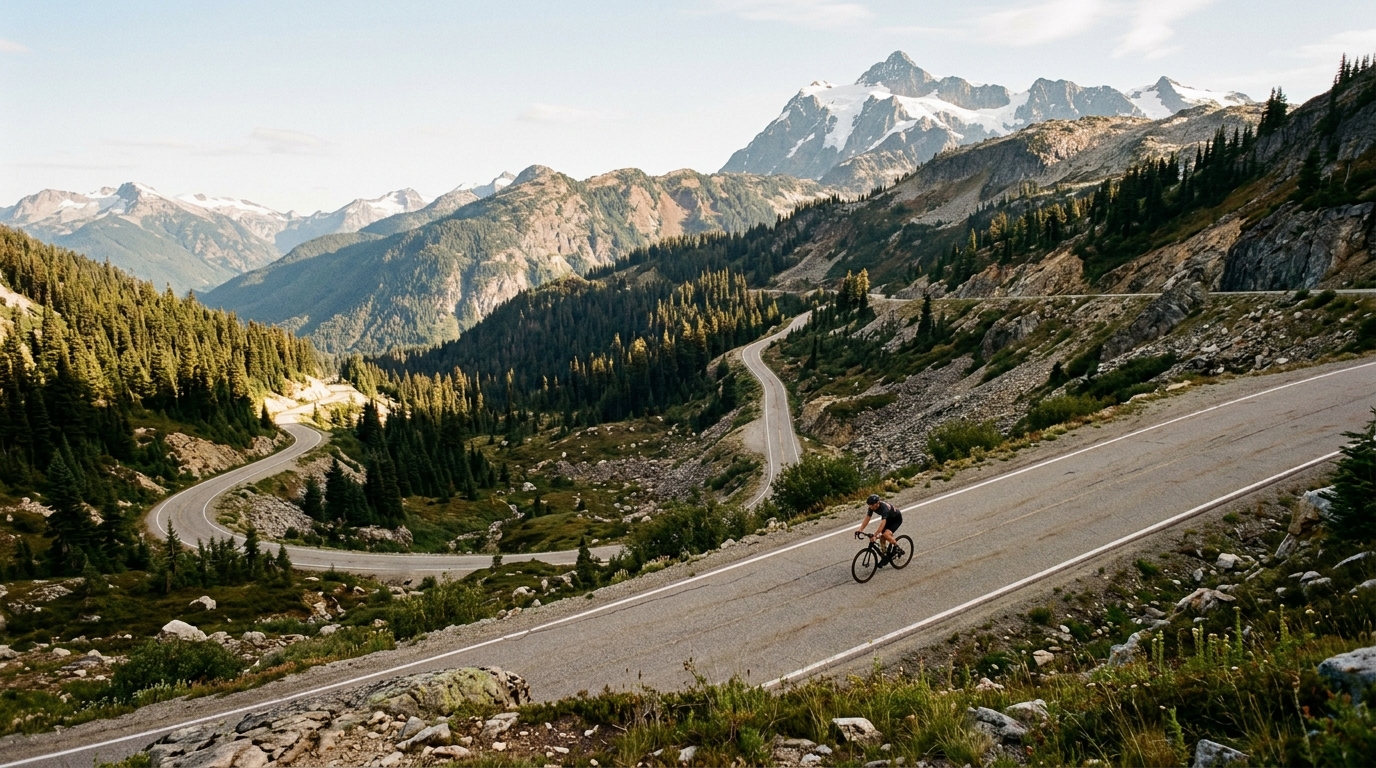 Griswold PassCat 2CA · 7.9 km · 5.7% · 422 m253pts
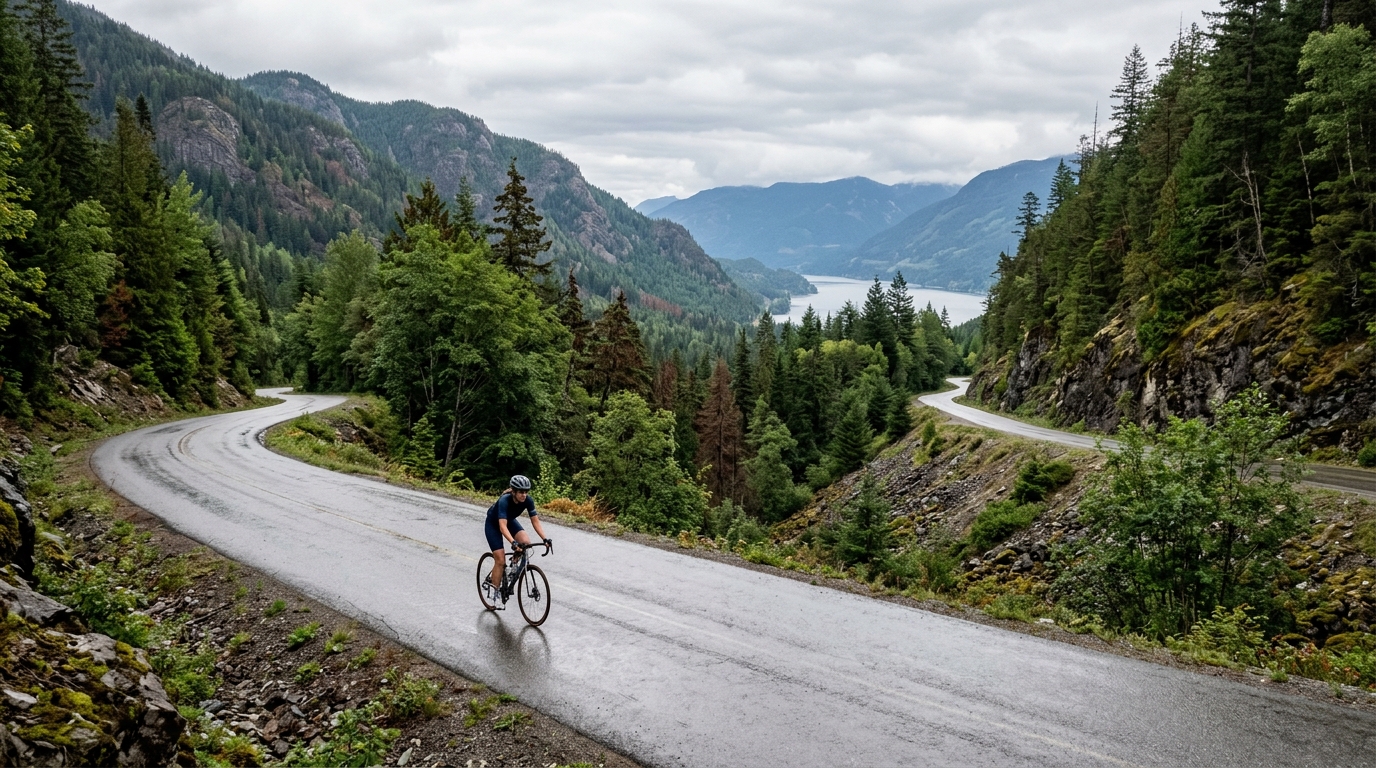 Galena PassCat 2CA · 8.0 km · 5.0% · 380 m201pts
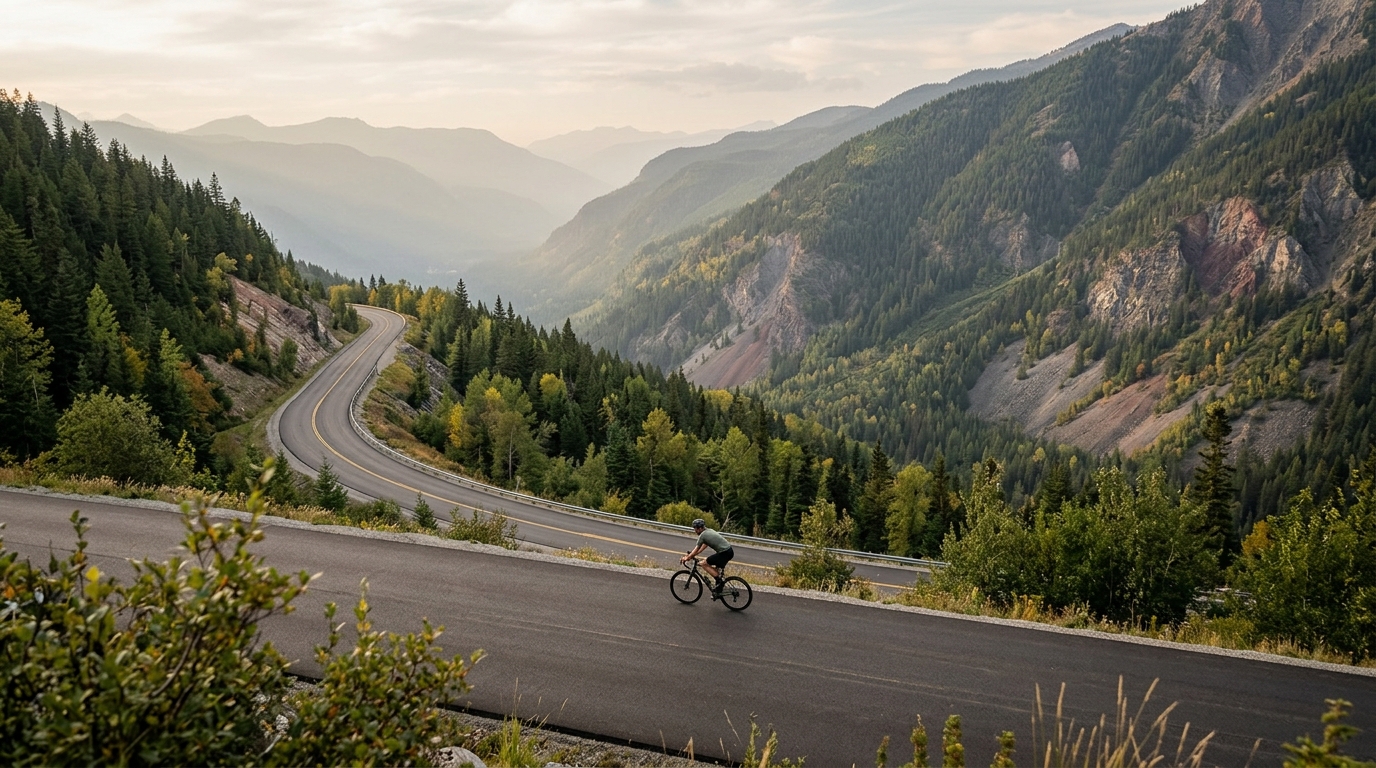 Kootenay PassCat 2CA · 6.8 km · 5.7% · 448 m221pts
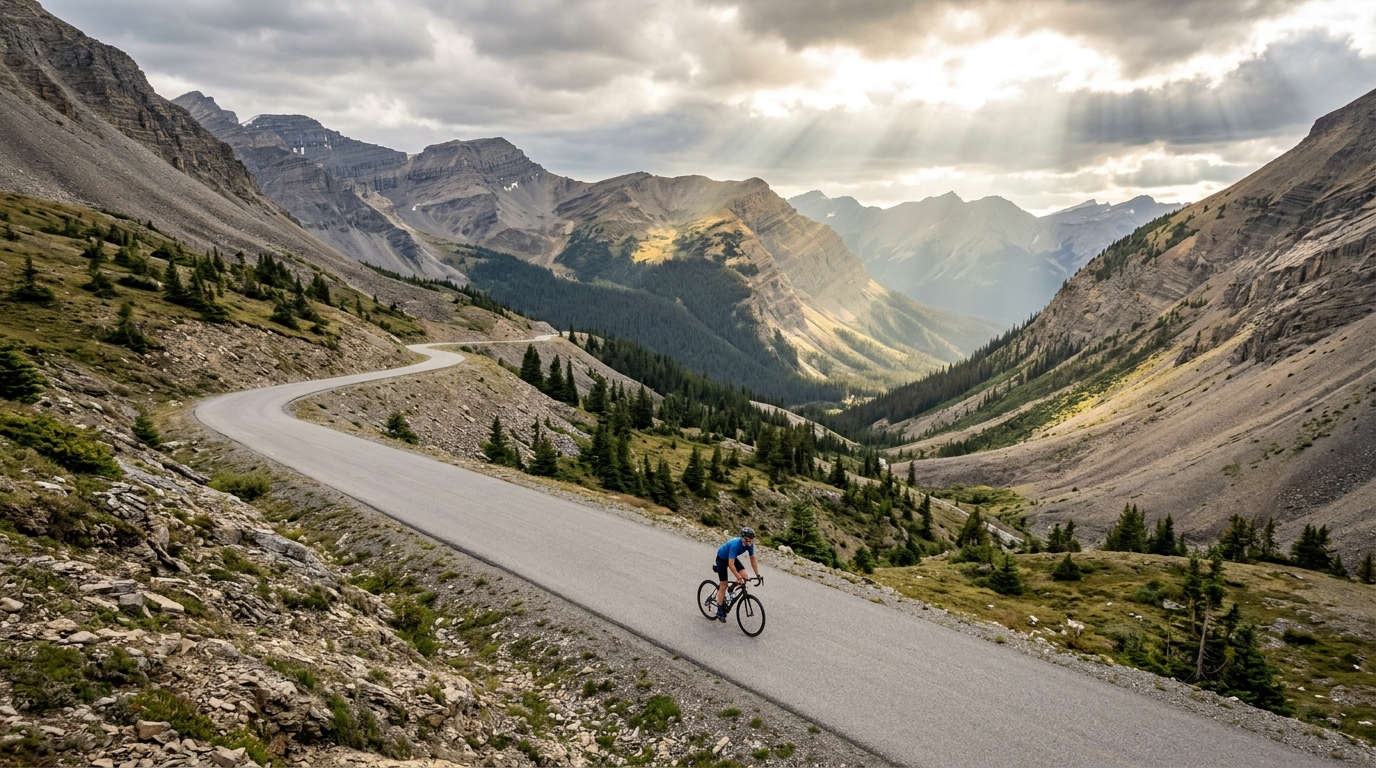 Palliser PassCat 4CA · 8.0 km · 3.3% · 243 m86pts
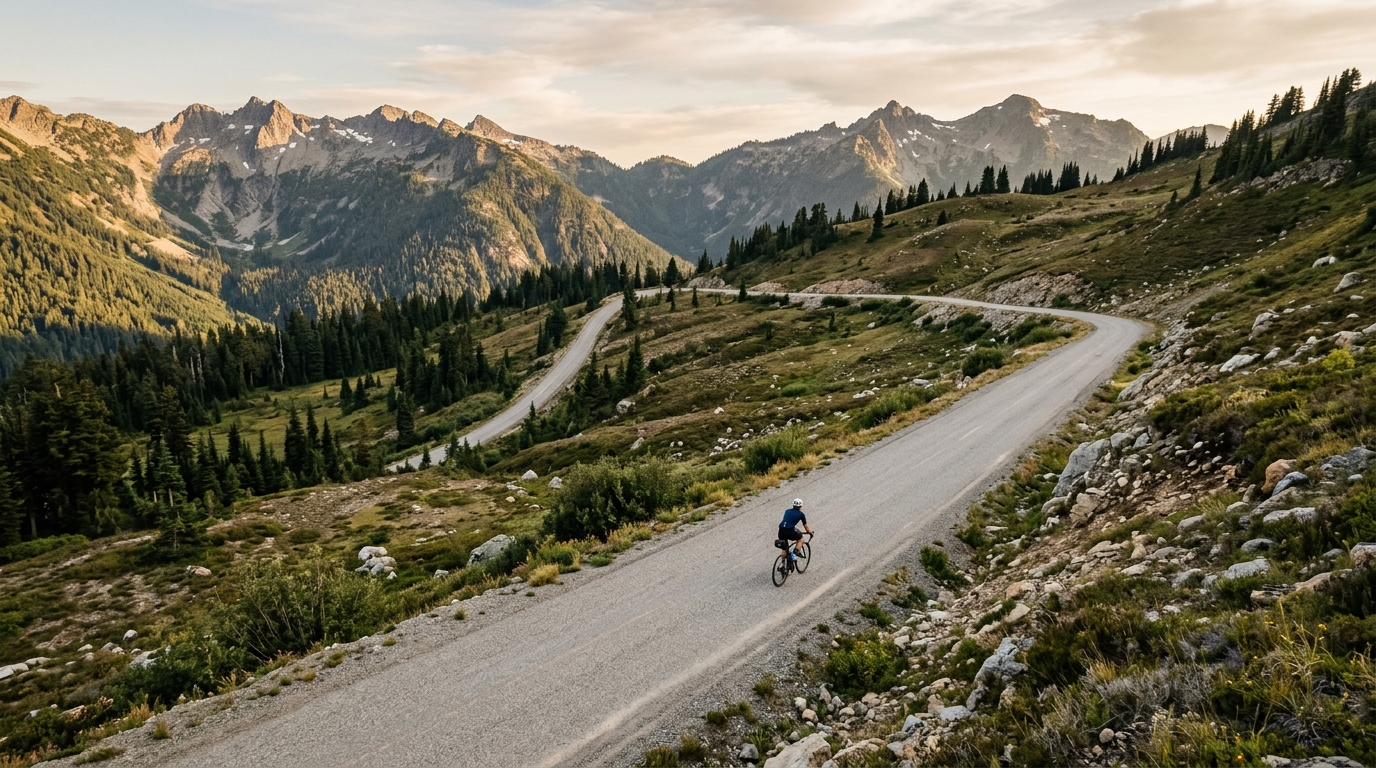 Heckman PassCat 4CA · 7.6 km · 3.0% · 359 m69pts
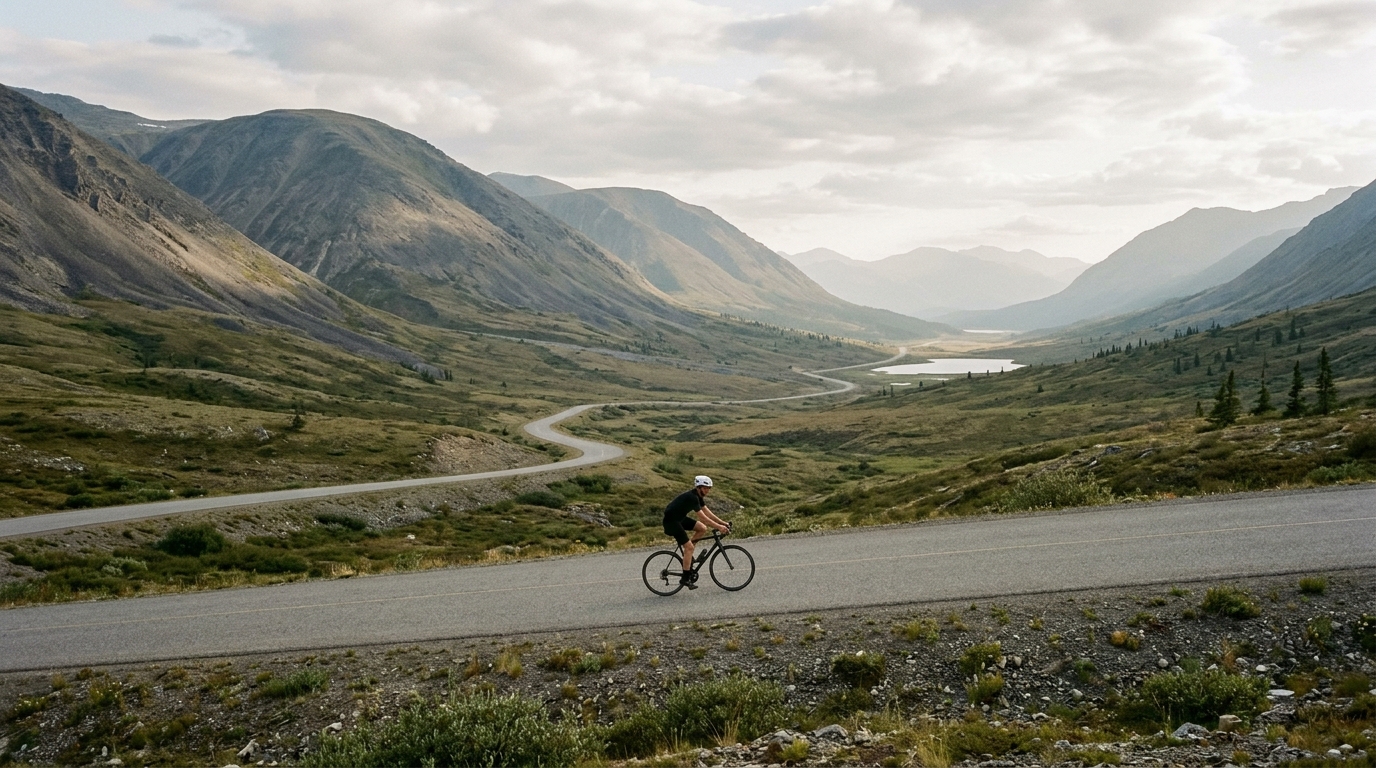 Grand Pacific PassCat 4CA · 3.3 km · 5.4% · 176 m98pts
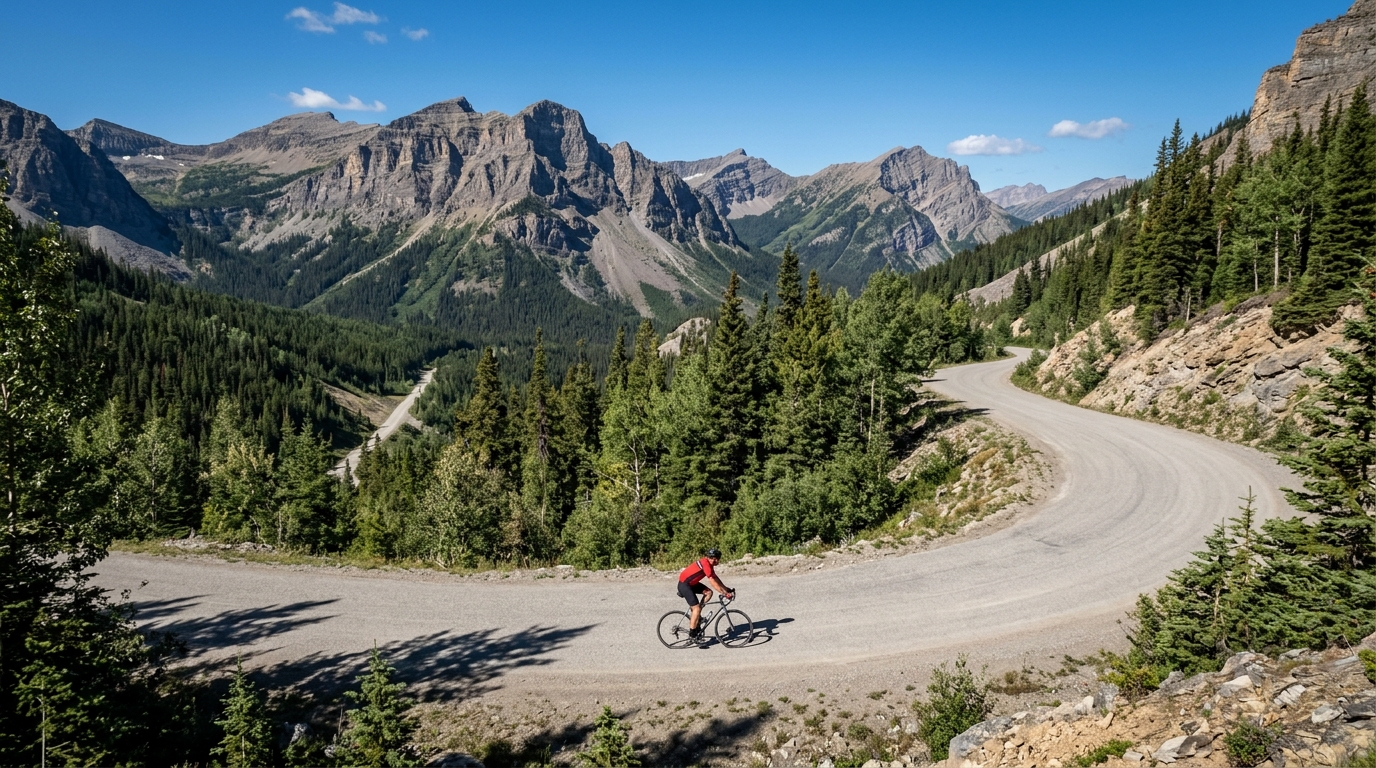 Monkman PassCat 4CA · 6.1 km · 3.3% · 187 m66pts
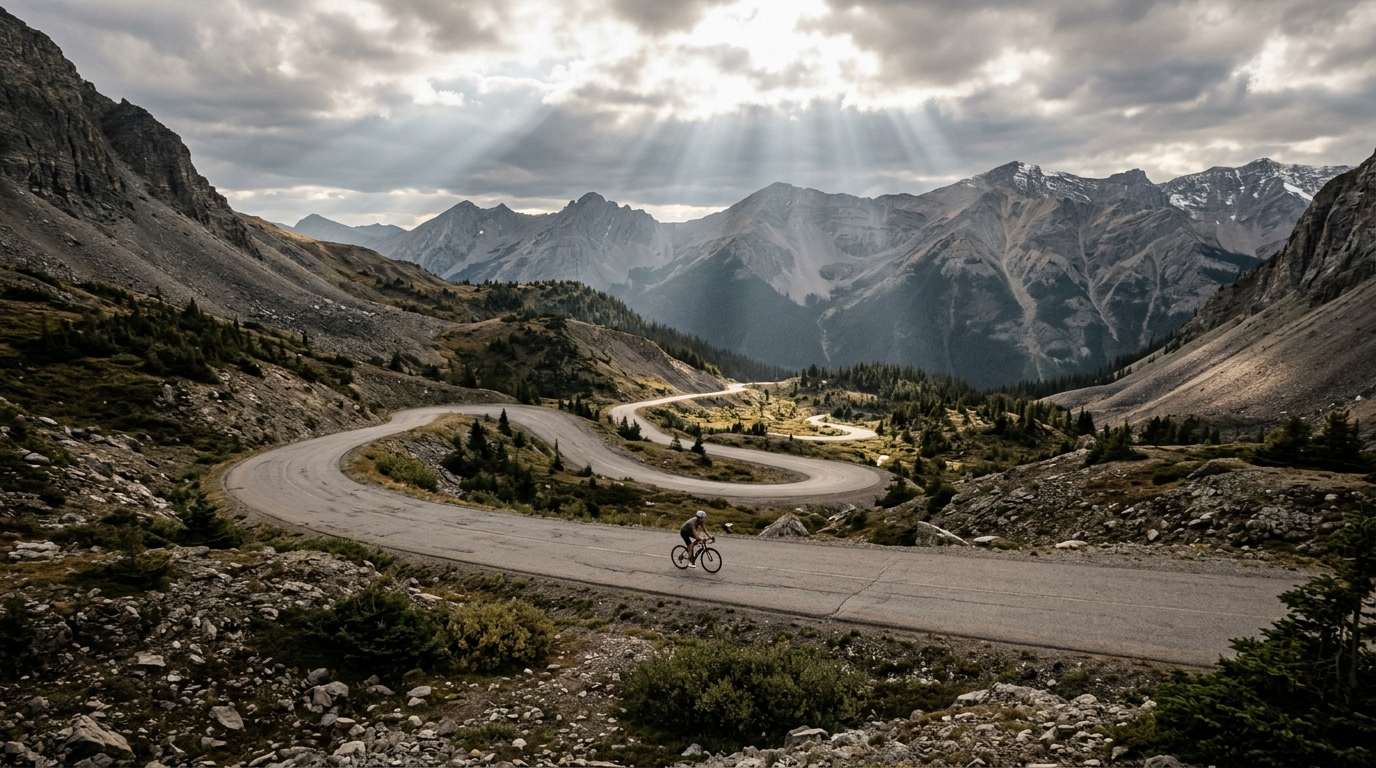 Sifton PassCat 3CA · 5.3 km · 6.0% · 107 m194pts
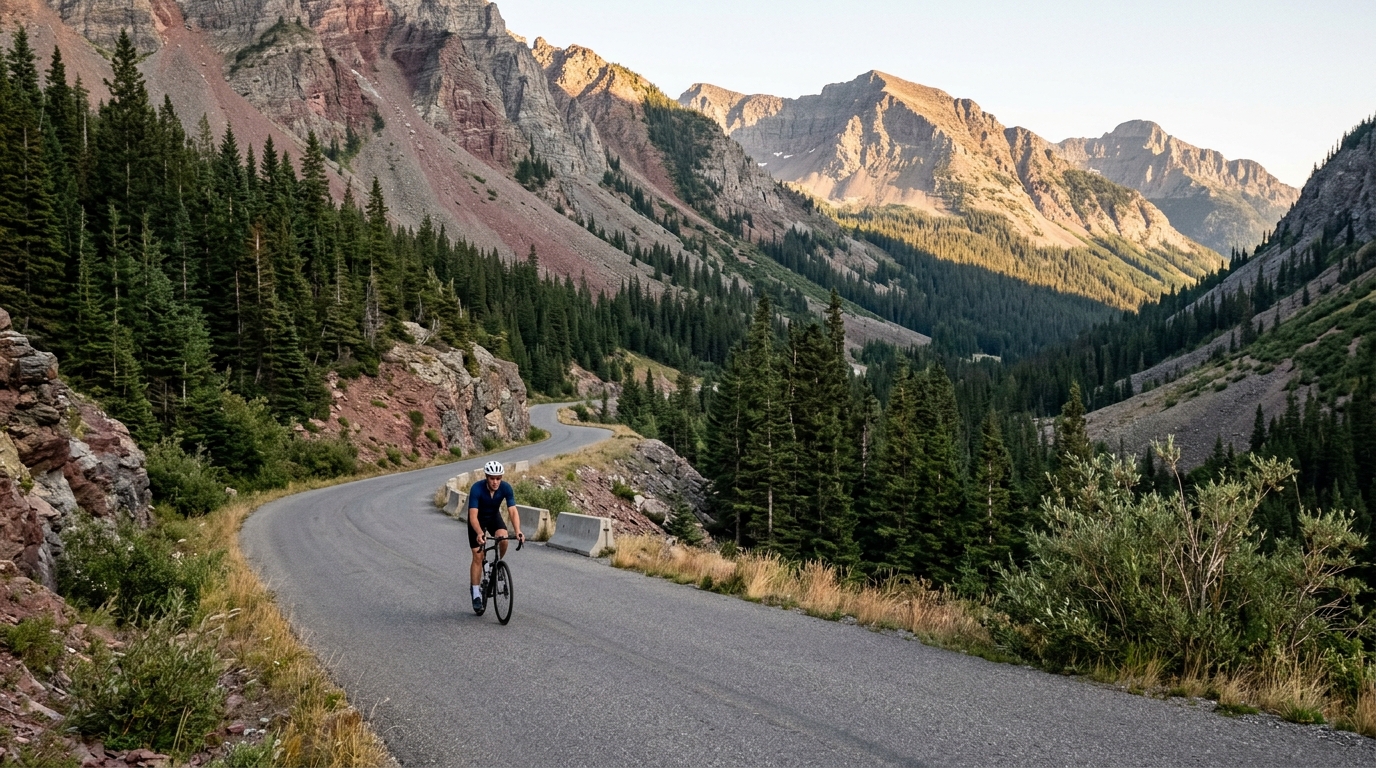 Akamina PassCat 3CA · 16.4 km · 3.4% · 532 m193pts
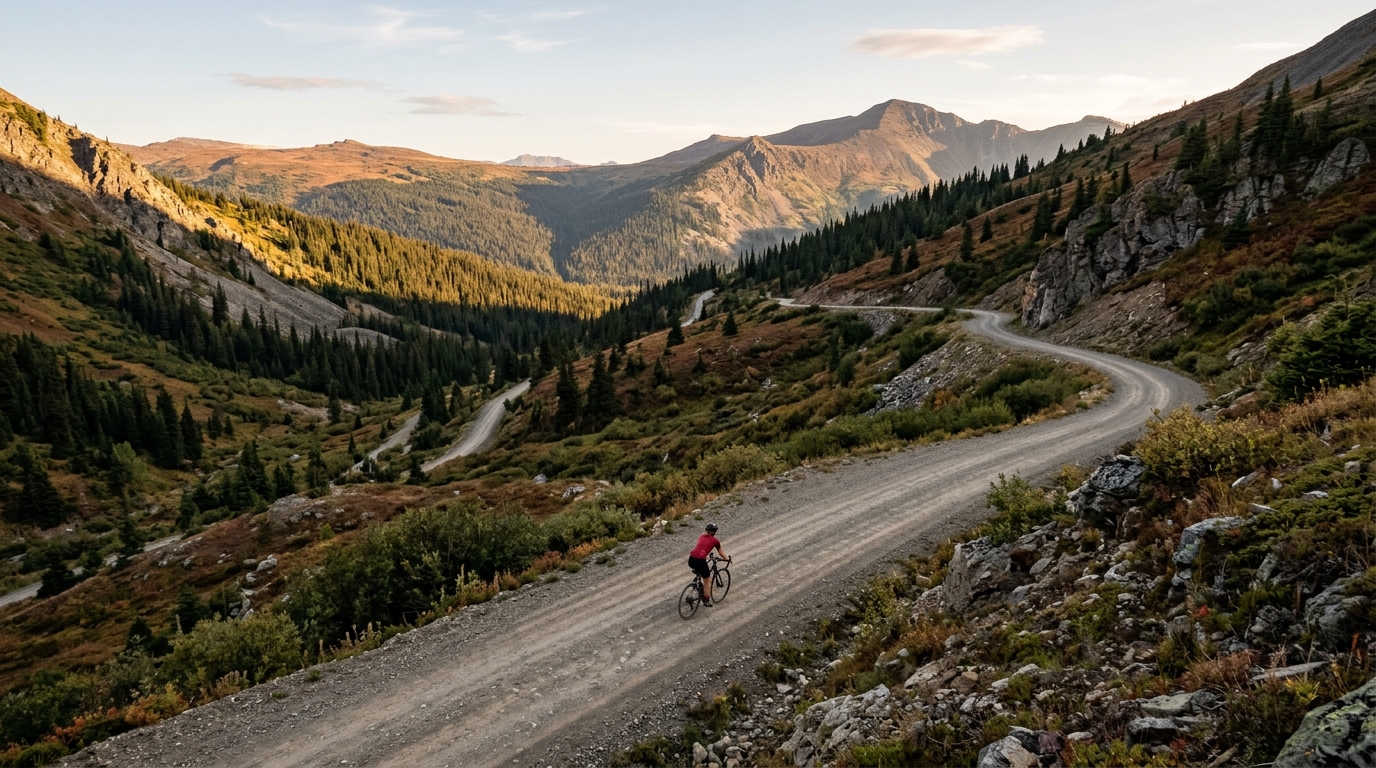 Kakwa PassCat 3CA · 9.9 km · 4.1% · 398 m170pts
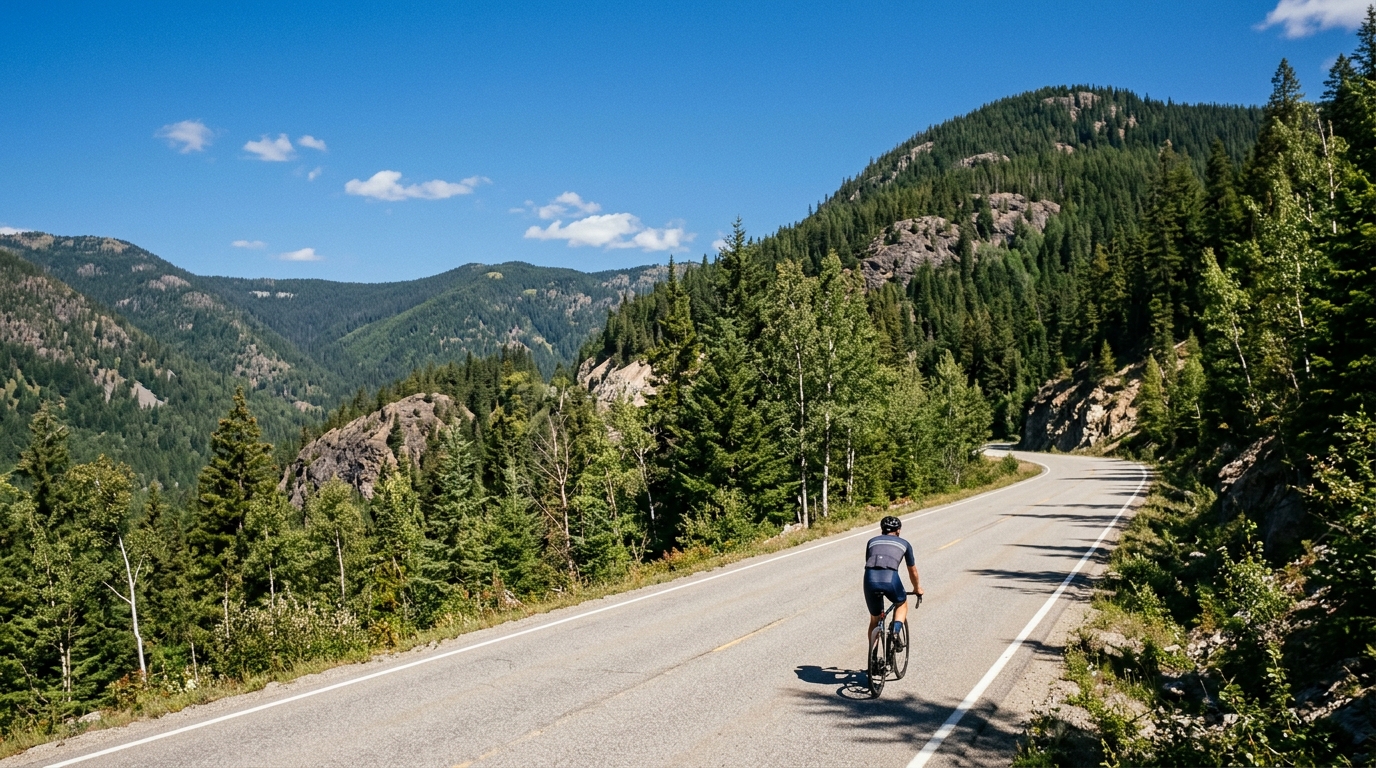 Monashee PassCat 3CA · 6.5 km · 4.7% · 337 m141pts
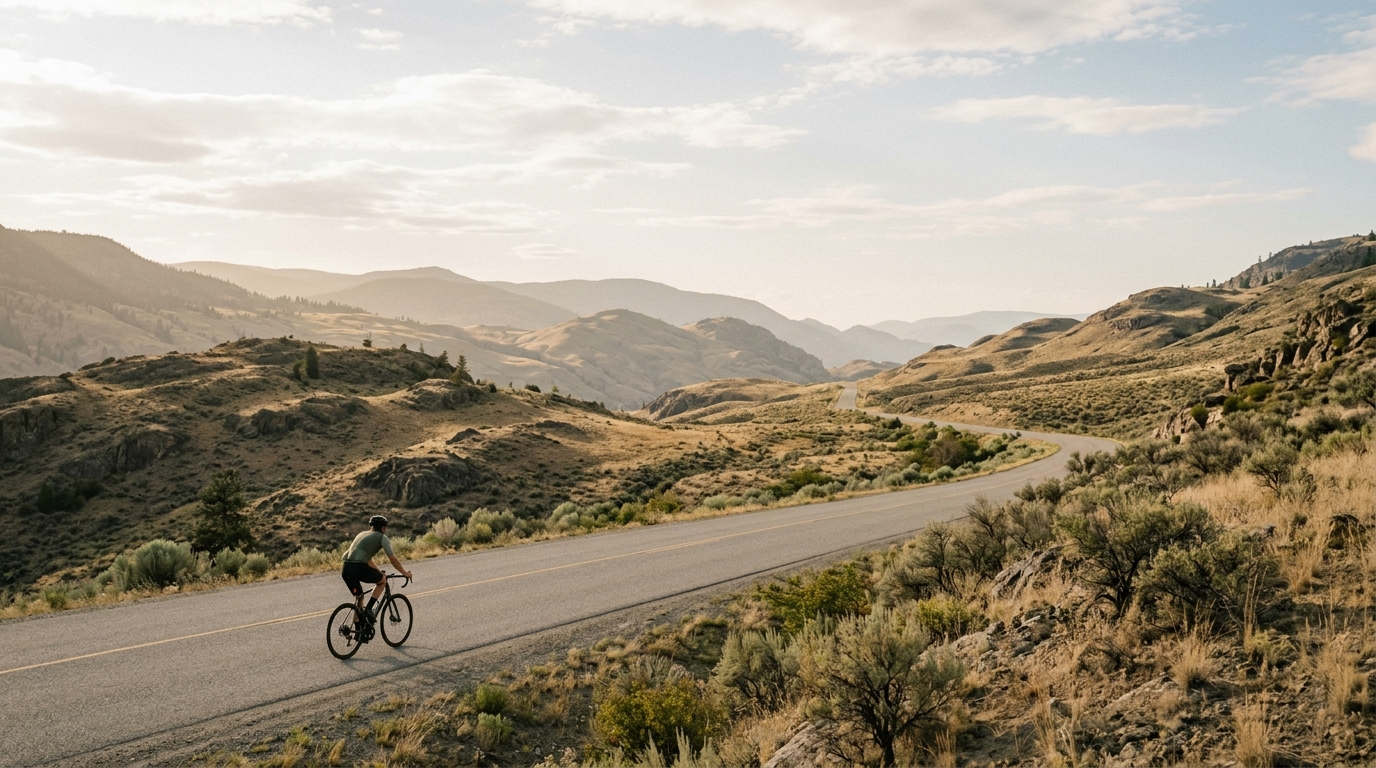 Richter PassCat 3CA · 13.0 km · 3.1% · 595 m122pts
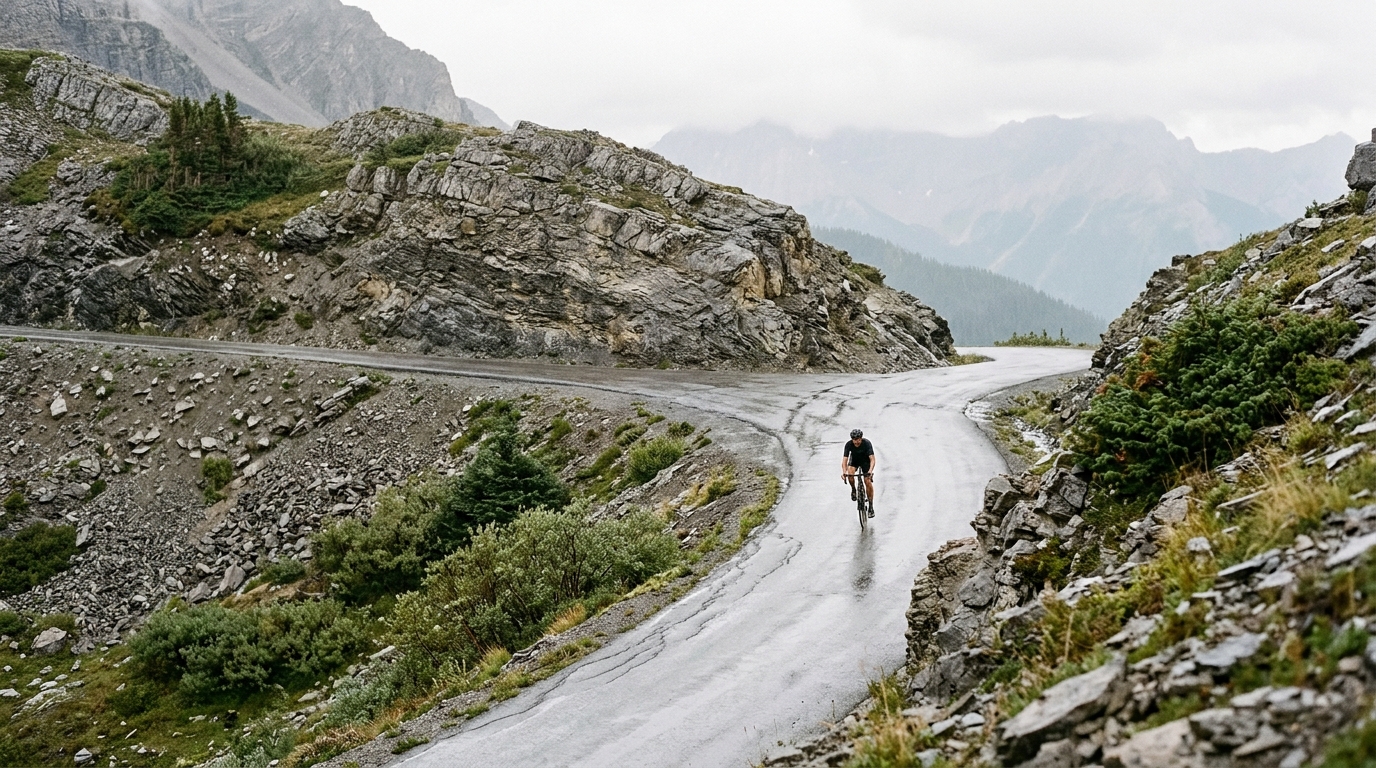 Metsantan PassCat 4CA · 1.2 km · 7.5% · 46 m68pts
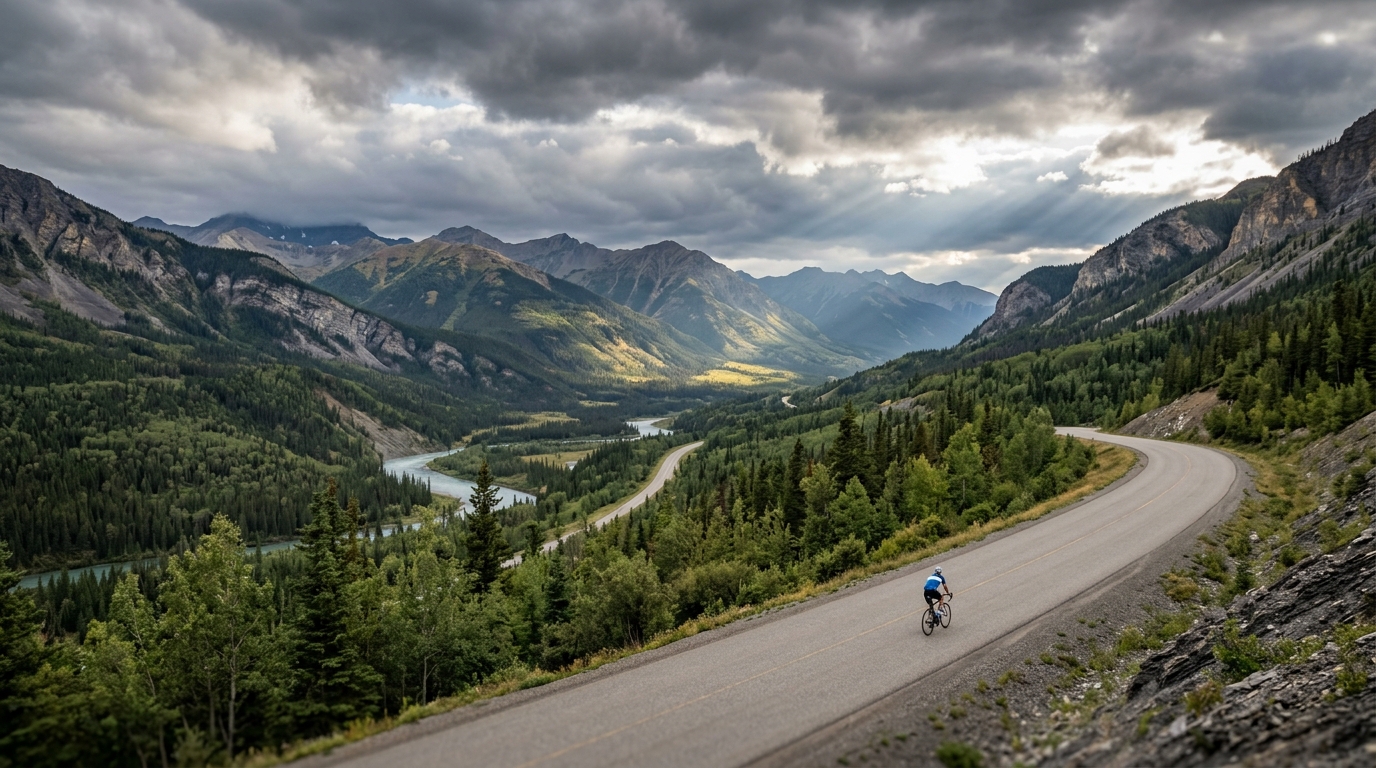 Muncho PassCat 4CA · 6.0 km · 4.0% · 284 m95pts
 Col du NordetCat 4CA · 6.3 km · 3.5% · 202 m76pts
O guia completo de subidas em Canadá
Canada offers cyclists a distinctive brand of mountain climbing: long, deliberate ascents that follow paved highway passes over forested ranges and open alpine country. The catalogue here is compact but rewarding, with ten documented climbs threading through some of the country's most dramatic terrain. These are not the razor-steep goat tracks of legend but sustained highway gradients that ask for patience, pacing and respect for altitude and weather.
The Riding
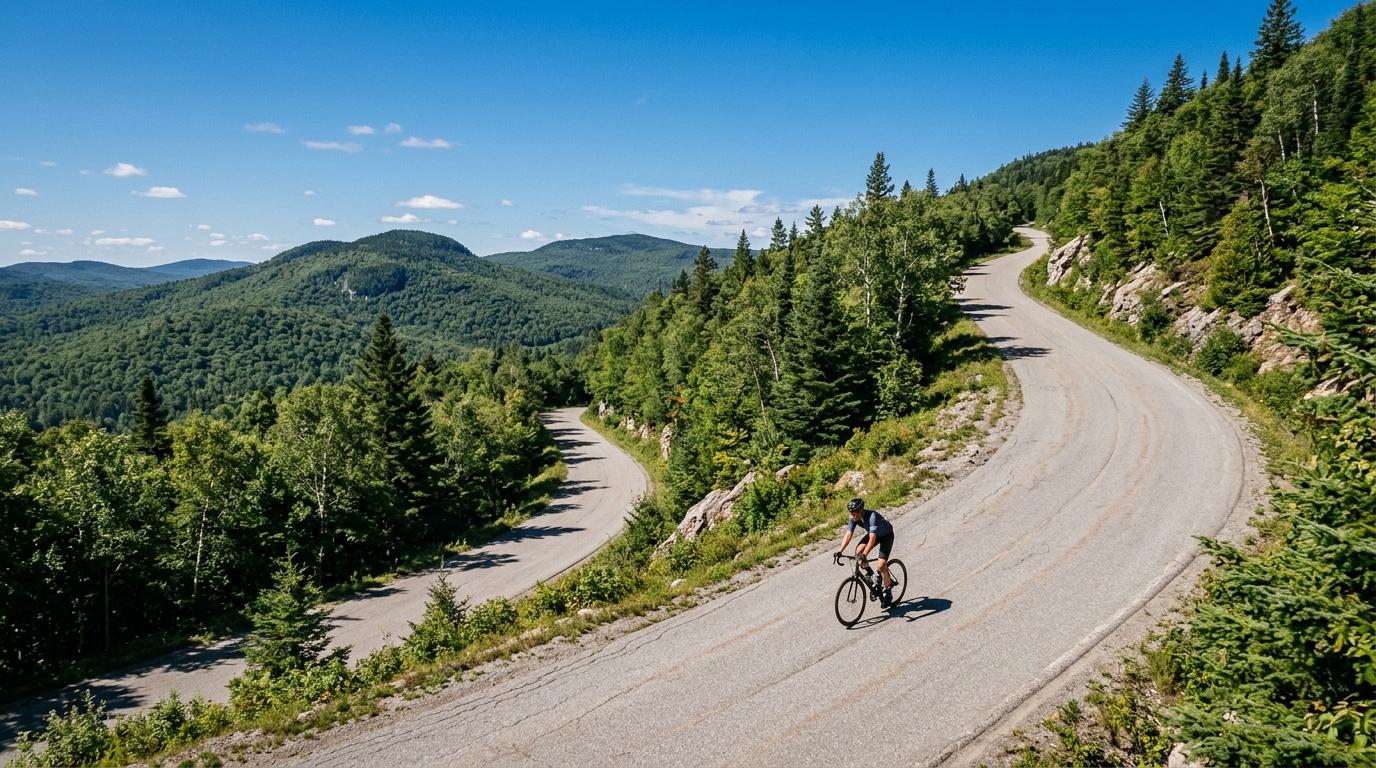
Cycling climbs in Canada are defined by their mountain-pass character. Rather than short, punchy walls, these ascents are typically long, steady grinds that gain elevation gradually as the road works its way toward a summit col. The paved surfaces are shared with highway traffic, so the riding rewards a rhythm-first mindset over explosive efforts.
Across the ten catalogued climbs, none reaches hors catégorie severity — this is a landscape of achievable but serious efforts rather than brutal outliers. The highest summit in the catalogue tops out at 2,214 metres, high enough that thinner air becomes a genuine factor on the final ramps. Expect cooler temperatures, exposed alpine sections near the top, and long descents on the far side that demand attention as much as the climb demanded legs.
Standout Climbs
Highwood Pass stands out as the marquee ascent and, at 2,214 metres, the highest summit in the catalogue. It is the climb to plan a trip around, rising into genuine high country where the alpine feels close at hand.
Kootenay Pass and Sinclair Pass offer sustained highway climbing through the ranges, the kind of steady, engine-room efforts that reward riders who settle into a cadence and hold it. Allison Pass and Monashee Pass continue that theme, each a long pull to a forested col.
Farther afield, Heckman Pass and Railroad Pass add variety to the catalogue, while Cayoosh Pass rounds out the group of named summits. Together these climbs make up the backbone of Canada's documented pass-climbing, each a self-contained objective that stands on its own or links into a longer mountain route.
When to Ride
Altitude and season are inseparable in Canada. Because the higher passes climb into alpine terrain — Highwood Pass chief among them at 2,214 metres — the practical riding window is concentrated in the warmer months, when the roads are clear and the summits are free of snow.
Shoulder-season riders should treat the high passes with caution: conditions near a 2,000-metre-plus summit can differ sharply from the valley floor, and weather can turn quickly. The lower catalogued climbs open earlier and hold their window later, but the marquee high-country efforts are best saved for the heart of summer when both the surface and the air at the top are at their most forgiving.
Practical Notes
Come prepared for the full arc of a mountain-pass day. These are long climbs on shared highways, so visibility gear and a steady line matter. The gradient is manageable rather than savage, which means gearing for endurance and a repeatable cadence serves you better than a stack of sprinter's ratios.
Pack for altitude and exposure. Even on a warm day at the trailhead, the summit of a climb like Highwood Pass sits high enough that a windproof layer for the descent is essential — the drop off the far side is where riders get cold. Carry enough food and water for the full ascent, since services thin out as the road climbs, and time your effort so you crest the summit with daylight and weather to spare for the long descent home.
Summary
Canada's cycling climbs are a study in sustained, high-country ascending. Ten catalogued passes — led by Highwood Pass at 2,214 metres, and including Kootenay, Sinclair, Heckman, Railroad, Allison, Cayoosh and Monashee — deliver long, steady highway gradients rather than extreme severity, with no hors catégorie monsters in the mix. Ride them in the warm season, respect the altitude and weather at the top, and pace yourself for the grind: these are climbs that reward patience, preparation and a love of the mountains.
Procurando pedais completos em Canadá?
Rotas em Canadá