Afbeelding gegenereerd door ons model.
anti-doping
Anti-dopingregels voor alledaagse wielrenners
Een praktische gids voor anti-dopingregels in het wielrennen, medicatiecontroles, TUE's, supplementrisico's en wat prestatiegegevens wel en niet kunnen bewijzen.
Waarom dit belangrijk is voordat het urgent wordt
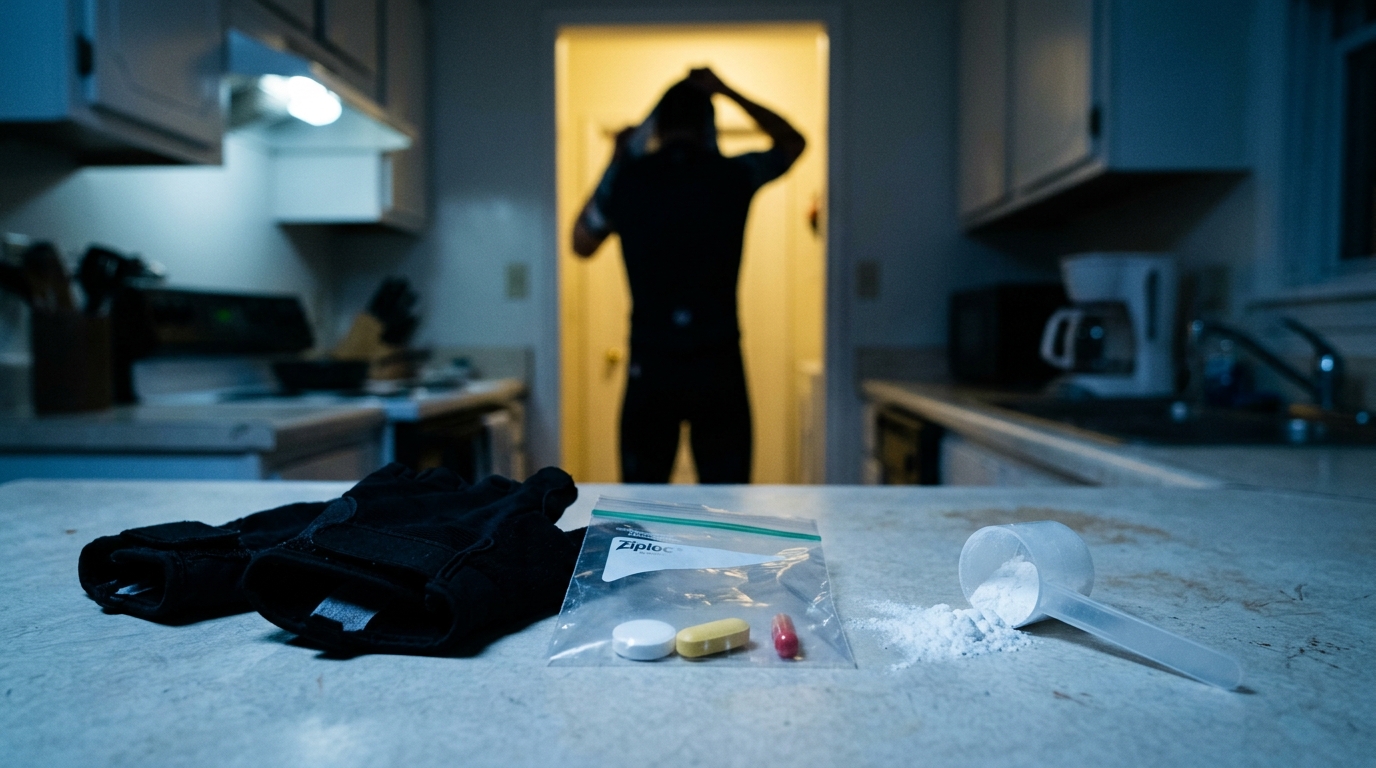
Stel je de normale versie van dit probleem voor. Een masterswielrenner krijgt een nieuwe inhalator na een zware voorjaarsallergieblokkade. Een verkoudheid slaat drie dagen voor een beoogde gran fondo toe. Een pre-workout die er in het basisseizoen onschuldig uitzag, staat plotseling op het aanrecht de avond voor de inschrijving.
Geen van deze situaties voelt op dat moment dramatisch. Dat is precies waarom ze risico creëren. De atleet probeert het systeem niet te omzeilen. Ze proberen te ademen, te slapen, verstopping te verhelpen, of zich normaal genoeg te voelen om te racen. Maar blootstelling aan anti-doping begint vaak met overhaaste, alledaagse beslissingen die onder druk worden genomen.
Voor data-gedreven duursporters is het anti-dopingprobleem niet alleen moreel of juridisch. Het is operationeel. Je beheert al trainingsbelasting, vermoeidheid, voeding, uitrusting en tempo, omdat vermijdbare fouten prestaties kosten. Medicatie- en supplementrisico verdient dezelfde behandeling. De atleet die wacht tot de raceweek om te vragen of een inhalator, pijnstiller, slaapmiddel, verkoudheidsmiddel of pre-workout is toegestaan, heeft al onnodige blootstelling gecreëerd.
Het kernprincipe is eenvoudig: je bent verantwoordelijk voor wat je lichaam binnenkomt. Dat betekent niet dat elk medicijn verboden is of elk supplement gevaarlijk. Het betekent dat het proces ertoe doet. Controleer de huidige regels die van toepassing zijn op je licentie en evenement, documenteer de beslissing, bewaar gegevens en vermijd kortere wegen wanneer het voordeel klein is en het nadeel ernstig kan zijn.
Wie moet zich zorgen maken: gelicentieerde racers, masters en gran fondo-rijders
Als je een racelicentie hebt of deelneemt aan officiële evenementen, ga er dan niet van uit dat anti-dopingregels het probleem van iemand anders zijn. De exacte dekking kan variëren per land, licentietype, federatie, evenementgoedkeuring en competitieniveau, dus de praktische eerste stap is om de regels van je federatie, de evenementorganisator en je nationale anti-dopingorganisatie te controleren waar relevant.
Het niveau van handhaving kan variëren per evenement en categorie, maar het risico verdwijnt niet omdat de race lokaal is, het deelnemersveld masters is, of de prijzenpot bescheiden is. Als regels van toepassing zijn op het evenement waaraan je deelneemt, kunnen je medicatie- en supplementkeuzes van belang zijn.
Gran fondo- en massadeelnemers moeten ook opletten. Veel evenementen bevinden zich in een grijs gebied in de gedachten van de atleet: ze voelen recreatief aan, maar ze kunnen nog steeds formele regels gebruiken, ranglijsten toekennen, resultaten publiceren of testen uitvoeren. Als een evenement leeftijdscategoriepodia, kwalificatieplaatsen of een competitieve kopgroep heeft, ga er dan van uit dat je de regels moet begrijpen voordat je vertrouwt op een medicijn of supplement.
De praktische scheidslijn is niet of je jezelf elite noemt. Het is of je deelneemt aan evenementen waar regels van toepassing zijn. Als je een nummer opspeldt, een resultaat najaagt of in een officiële classificatie verschijnt, ontwikkel dan dezelfde gewoonten die je zou gebruiken voor trainingsgegevens: verifieer, registreer en controleer.
De verboden lijst in gewoon Nederlands
De verboden lijst die wielrenners moeten begrijpen, is geen lijst met merken. Het is een lijst met stoffen en methoden, gegroepeerd naar hoe en wanneer ze verboden zijn. Dat onderscheid is waar veel fouten beginnen.
Een medicijn kan in de ene vorm toegestaan zijn en in een andere beperkt. Een stof kan in competitie verboden zijn, maar niet buiten competitie. Een methode kan verboden zijn, zelfs als de betrokken stof medisch gewoon lijkt. Een productnaam kan ook per land verschillen, terwijl het actieve ingrediënt van belang is voor de regel.
Dit is waarom alleen het lezen van etiketten niet genoeg is. De doos kan een bekend merk tonen, maar het actieve ingrediënt, de toedieningsweg, de doseringsinstructies en de combinatie-ingrediënten zijn de belangrijkste variabelen. Verkoudheids- en griepmiddelen zijn bijzonder lastig omdat ze vaak verschillende actieve ingrediënten combineren in één handige verpakking. Gemak is niet je vriend als je niet duidelijk kunt identificeren wat je neemt.
Zie de verboden lijst als een beslissingskader:
- Wat is het actieve ingrediënt?
- Is het überhaupt verboden onder de regels die op jou van toepassing zijn?
- Is het alleen verboden in competitie?
- Doet de toedieningsweg ertoe?
- Doet de hoeveelheid of formulering ertoe?
- Is er een toegestaan alternatief dat hetzelfde probleem behandelt?
Die laatste vraag is vaak het meest nuttig. Het doel is niet om een discussie met het reglement te winnen. Het doel is om gezond te worden en tegelijkertijd onnodig risico te verminderen.
Hoe je voorgeschreven medicatie, inhalers en verkoudheidsmiddelen controleert
Een goede medicatiecontrole voor fietsers begint vóór het innemen van het product, niet erna. Het proces moet saai en herhaalbaar zijn.
Begin met het actieve ingrediënt
Zoek niet alleen op de merknaam. Zoek het actieve ingrediënt op de verpakking, het voorschriftetiket of de bijsluiter. Combinatieproducten vereisen dat elk actief ingrediënt afzonderlijk wordt gecontroleerd.
Als de naam onduidelijk is, vraag dan de apotheker of voorschrijvende arts om het actieve ingrediënt en de toedieningsweg te identificeren. Wees specifiek dat je deelneemt aan wielerevenementen die onder antidopingregels kunnen vallen. Een arts begrijpt misschien de medische veiligheid, maar niet de antidopingstatus, dus beschouw een terloopse geruststelling niet als een volledige controle.
Gebruik officiële medicatiecontrole-instrumenten indien beschikbaar
Gebruik actuele antidopingbronnen van je nationale antidopingorganisatie, federatie, evenement of medische contactpersoon van het team. Waar beschikbaar, kunnen officiële medicatiecontrole-instrumenten, zoals een medicatiedatabase van een nationale antidopingorganisatie of Global DRO, indien van toepassing, nuttige startpunten zijn.
Ze zijn geen universeel antwoord voor elk land, product, formulering of evenement. Beschouw ze als onderdeel van de controle, niet als de hele controle. Federatieregels, evenementrichtlijnen, advies van nationale antidopingorganisaties en gekwalificeerde medische input blijven belangrijk.
Het sleutelwoord is actueel. Lijsten en interpretaties kunnen veranderen, en oude screenshots zijn geen betrouwbare verdediging.
Noteer bij het controleren de gebruikte bron, de productnaam, het actieve ingrediënt en het resultaat van de controle. Dit maakt een verboden stof niet toegestaan, maar het creëert een duidelijk spoor dat laat zien hoe de beslissing is genomen.
Behandel inhalers met extra zorg
Inhalers verdienen speciale aandacht omdat atleten ze vaak als routine beschouwen, vooral als ze ze al jaren gebruiken. De antidopingvraag is niet simpelweg of je astma of inspanningsgerelateerde symptomen hebt. Het gaat erom of de specifieke medicatie, doseringsinstructies en het gebruikspatroon voldoen aan de regels die op jou van toepassing zijn, of dat een therapeutischegebruiksvrijstelling (TUE) vereist is.
Als je ademhalingsmedicatie verandert, ga er dan niet van uit dat de antidopingstatus hetzelfde is als die van je vorige inhaler. Een vergelijkbaar doel betekent niet een identieke regelstatus.
Wees voorzichtig met acute ziekte voor een evenement
De ergste beslissingen worden vaak genomen wanneer een atleet ziek wordt vlak voor de wedstrijddag. De druk om het evenement te redden, duwt hen naar wat er ook maar in de kast beschikbaar is. Zo worden verkoudheidsmiddelen, decongestiva, slaapmiddelen en pijnstillers antidopingproblemen.
Het betere systeem is om een goedgekeurde persoonlijke lijst aan te maken wanneer je gezond bent. Werk samen met een arts of apotheker om opties te identificeren voor veelvoorkomende problemen zoals allergieën, verstopping, maagproblemen, pijn en slaapstoornissen, en controleer die opties vervolgens aan de hand van de antidopingregels die van toepassing zijn op jouw races. Wanneer de raceweek anders loopt, kies je uit een gecontroleerde lijst in plaats van te improviseren.
TUE-basisprincipes: wanneer je er een nodig hebt en wat je moet vastleggen
Een therapeutischegebruiksvrijstelling die fietsers nodig kunnen hebben, is geen achterpoortje. Het is het mechanisme dat legitieme behandeling mogelijk maakt wanneer een vereiste medicatie of methode anders in strijd zou zijn met de antidopingregels.
Deze gids is geen medisch of juridisch advies. Begin, stop of verander medicatiegebruik niet uitsluitend op basis van een raceplan. Bevestig de vereisten met de relevante antidopingautoriteit, federatie, evenement en je arts voordat het probleem urgent wordt.
De basislogica is eenvoudig: als je een echte medische noodzaak hebt voor een verboden stof of methode, heb je mogelijk formele goedkeuring nodig om deze in competitie of tijdens een test te gebruiken. Of die goedkeuring vóór gebruik aanwezig moet zijn, of dat een retroactief proces van toepassing kan zijn, hangt af van de stof, de situatie, het atletenniveau, de evenementregels en de bestuursautoriteit. Ga niet gissen. Controleer dit bij de relevante antidopingautoriteit of federatie voordat je in competitie op de medicatie vertrouwt.
Goede TUE-praktijk is voornamelijk documentatiediscipline. Bewaar:
- De diagnose en medische geschiedenis die de behandeling ondersteunen
- Aantekeningen van de voorschrijvende arts
- Testresultaten of klinische bevindingen indien relevant
- De exacte medicatienaam en het actieve ingrediënt
- Doseringsinstructies en toedieningsweg
- Data van voorschrift en gebruik
- Eventuele correspondentie met antidopingautoriteiten
Dit is niet alleen papierwerk. Het is risicobeheersing. Een vage herinnering dat een arts iets heeft voorgeschreven, is zwak bewijs. Een duidelijk dossier dat medische noodzaak, timing en regelcontroles aantoont, is veel sterker.
Voor masters-atleten is de fout vaak dat ze ervan uitgaan dat TUE's alleen voor professionals zijn. De praktische vraag is niet je status in de sport. Het is of de regels die jouw evenement dekken er een vereisen voor jouw situatie.
Supplementrisico: batchtesten, etiketten en contaminatie
Contaminatie van fietssupplementen is het gebied waar atleten de asymmetrie van risico's het vaakst onderschatten. Het prestatievoordeel van veel producten is bescheiden of onzeker, terwijl het nadeel van een gecontamineerd product ernstig kan zijn.
Het lastige is dat een schoon ogend etiket niet hetzelfde is als een schoon product. Contaminatie kan optreden door gedeelde productieapparatuur, slechte kwaliteitscontrole of ingrediënten die niet duidelijk worden vermeld. Producten die op de markt worden gebracht voor vetverlies, spiergroei, hormonale ondersteuning, stimulerende middelen of agressieve pre-workout effecten verdienen de grootste argwaan.
Dat betekent niet dat elk supplement uit je keuken moet worden verbannen. Het betekent dat supplementen hun plaats in je programma moeten verdienen op dezelfde manier als trainingen dat doen. Vraag welk probleem het product oplost. Als het antwoord vaag is, is het risico moeilijk te rechtvaardigen.
Een meer verdedigbaar supplementproces ziet er als volgt uit:
- Gebruik waar mogelijk eerst voedsel, vooral voor routinematige brandstofbehoeften
- Kies eenvoudige producten met minimale ingrediëntenlijsten
- Geef de voorkeur aan producten met geloofwaardige externe testen, inclusief batchtesten waar beschikbaar
- Zoek naar testcategorieën of -programma's zoals NSF Certified for Sport of Informed Sport, waar beschikbaar, zonder enig keurmerk als garantie te behandelen
- Bewaar de verpakking, lot- of batchgegevens, bonnen en foto's van het etiket
- Vermijd producten met stimulerende blends of gepatenteerde formules
- Gebruik een nieuw supplement niet voor het eerst in de buurt van een belangrijke gebeurtenis
Batchtesten vermindert risico's, maar het laat risico's niet verdwijnen. Een geteste batch is nog steeds geen juridisch schild, en testprogramma's dekken niet elk product of elk mogelijk probleem. Het punt is niet om vals vertrouwen te creëren. Het punt is om van informeel gebruik naar gecontroleerde besluitvorming te gaan.
Bouw een medicatie- en supplementenlogboek op vóór de wedstrijddag
Het beste antidoping-systeem is degene die je bijhoudt voordat er een probleem is. Een eenvoudig logboek kan in een spreadsheet, notitie-app of trainingsbestand worden bijgehouden. Het moet eenvoudig genoeg zijn zodat je het daadwerkelijk zult gebruiken.
Inclusief:
- Naam van het product of medicijn
- Werkzame stof, indien van toepassing
- Reden van gebruik
- Start- en stoptijd
- Doseringsinstructies van het etiket of de arts
- Bron en datum van de regelcontrole
- Voorschrijvende arts of apotheker, indien relevant
- Batch- of lotgegevens van het supplement
- Foto's van etiketten en verpakkingen
- TUE-status, indien van toepassing
Dit logboek doet twee nuttige dingen. Ten eerste dwingt het betere beslissingen af op het moment zelf. Als je weet dat je moet opschrijven wat je hebt genomen en waarom, worden informele keuzes minder informeel. Ten tweede creëert het een tijdlijn als er later vragen rijzen.
Het helpt ook bij je prestatieanalyse. Als de hartslag ongewoon hoog is, de slaapkwaliteit daalt, de waargenomen inspanning verandert of het vermogen onderdrukt aanvoelt, kunnen recente ziekte en medicatiegebruik meer verklaren dan alleen het trainingsbestand. Antidopingnaleving en prestatie-interpretatie zijn afzonderlijke vragen, maar hetzelfde logboek ondersteunt beide.
Wat prestatiegegevens wel en niet kunnen bewijzen
Duursporters vertrouwen vaak op het bestand omdat het bestand meestal de waarheid vertelt. Vermogen, hartslag, cadans, trainingsbelasting en vermoeidheidstrends zijn nuttig omdat ze prestaties minder mysterieus maken. Als je /glossary/ftp schatting stijgt na een consistente trainingsblok, is dat een aannemelijk aanpassingsverhaal. Als je vermogen instort na ziekte, is dat ook nuttige context.
Maar prestatiegegevens kunnen antidopingnaleving niet bewijzen.
Een normale vermogenscurve bewijst niet dat een product schoon was. Een constante trainingsgeschiedenis bewijst niet dat een medicijn toegestaan was. Een gebrek aan plotselinge verbetering bewijst niet dat er geen regelovertreding was. Antidopingregels zijn gebaseerd op stoffen, methoden, testen, documentatie en toestemmingen, niet op de vraag of een bestand er verdacht uitziet.
Dat werkt twee kanten op. Sterke prestaties zijn ook niet automatisch bewijs van wangedrag. Goede training, duurzame fysiologie, slimme pacing en gunstige omstandigheden kunnen uitzonderlijke ritten opleveren. Gegevens kunnen helpen verklaren hoe een rit tot stand kwam, maar ze kunnen medicatiecontroles, supplementencontrole of TUE-documentatie niet vervangen.
Voor de datagedreven fietser is de juiste mindset om deze domeinen verbonden maar onderscheiden te houden:
- Trainingsgegevens verklaren prestatieontwikkeling
- Medische dossiers verklaren behandelbeslissingen
- Antidopingcontroles verklaren naleving van regels
- Supplementenlogboeken verklaren blootstelling aan producten
Wanneer die gegevens overeenkomen, wordt je programma gemakkelijker te verdedigen en gemakkelijker te begrijpen.
Een praktische antidoping-checklist voor de wedstrijweek
De wedstrijweek is te laat voor diepgaand onderzoek, maar het is het juiste moment voor een laatste controle.
Vóór het reizen of inschrijven:
- Controleer elk medicijn dat momenteel wordt gebruikt
- Controleer opnieuw alles wat recentelijk is toegevoegd of gewijzigd
- Bevestig dat inhalatoren en allergiemedicatie zijn gedocumenteerd
- Controleer of er een TUE-vereiste van toepassing is onder de regels van je evenement en federatie
- Pak alleen supplementen in die al zijn gebruikt en gelogd
- Fotografeer etiketten als de verpakking mogelijk wordt weggegooid
- Vermijd het lenen van pillen, poeders of drankmixen van andere fietsers
- Houd recepten en belangrijke documentatie toegankelijk
De belangrijkste regel is om improvisatie te vermijden. Wedstrijdomgevingen creëren slechte prikkels: stress, slechte slaap, onbekend voedsel, reisdrukte en de druk om te presteren. Een duidelijk plan beschermt je wanneer het oordeel het meest waarschijnlijk gehaast is.
Het komt erop neer
Antidopingregels in de wielersport zijn niet alleen een professioneel probleem. Ze zijn van belang overal waar competitie, licenties, evenementregels en tests elkaar kruisen. Omdat de dekking kan variëren per land, licentietype, sanctie en atletenniveau, zijn de veiligste atleten niet degenen die elke clausule uit het hoofd kennen. Het zijn degenen met een herhaalbaar proces en de gewoonte om de autoriteit te controleren die hun daadwerkelijke evenement beheert.
Controleer het actieve ingrediënt. Gebruik waar beschikbaar actuele officiële bronnen. Behandel medicijndatabases als startpunten, niet als universele antwoorden. Ga voorzichtig om met inhalatoren, verkoudheidsmedicijnen en combinatieproducten. Los TUE-vragen op voordat ze urgent worden. Wees sceptisch over supplementen, vooral alles wat een dramatisch voordeel belooft. Houd een logboek bij dat medicatie, blootstelling aan supplementen en prestatiecontext met elkaar verbindt.
Die aanpak zal het systeem niet moeiteloos maken, maar wel beheersbaar. Belangrijker nog, het verschuift antidoping van een wedstrijddag-angst naar een normaal onderdeel van het zijn van een serieuze duursporter.