Libreria delle salite · Nuova Zelanda
Cycling climbs in New Zealand
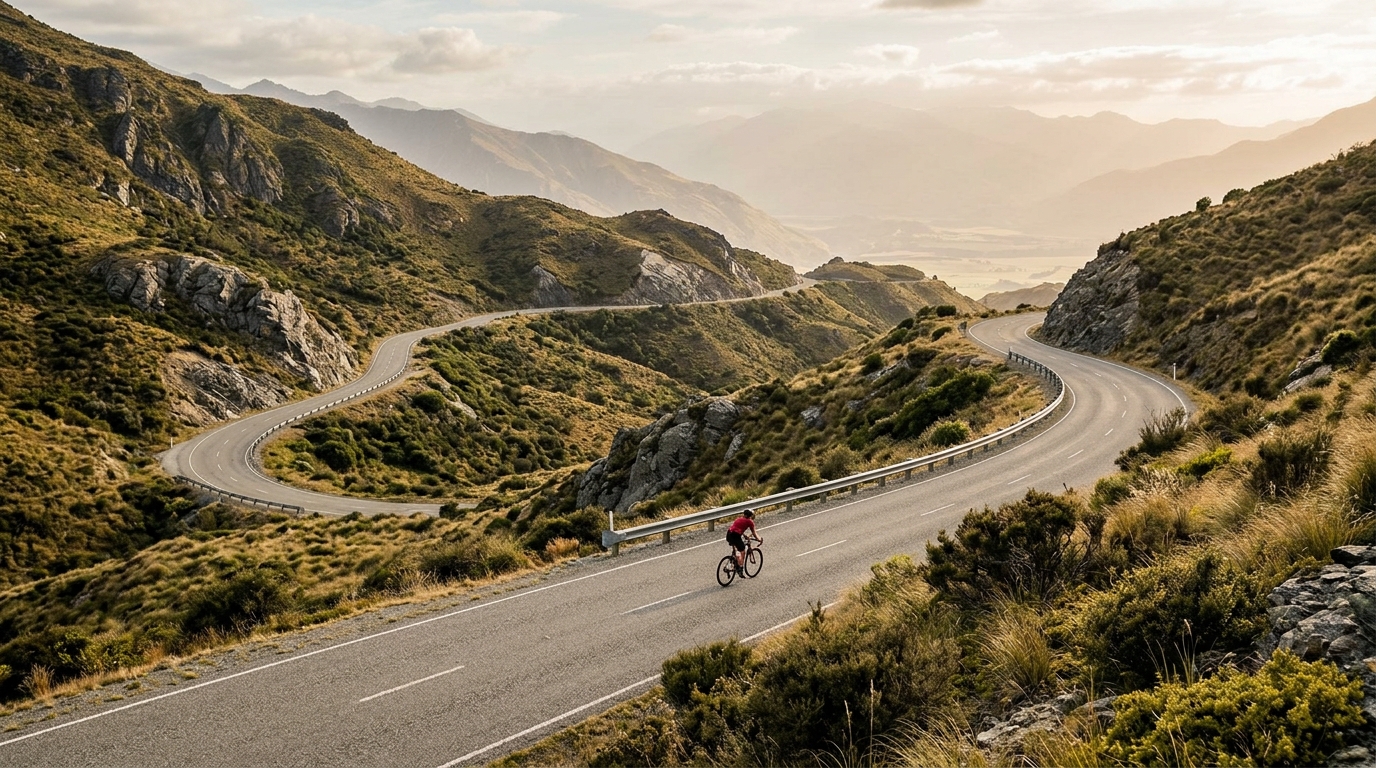
New Zealand rewards cyclists with a compact but characterful roster of eight catalogued climbs, each tracing the country's dramatic high passes. None reaches hors catégorie status, and the highest summit tops out at 1132 metres, so these are ascents built on rhythm and scenery rather than punishing extremes. From the sweeping open country of Lindis Pass to the steady grind up Arthur's Pass, the riding here trades intimidation for immersion in wild, wide landscapes.
Marquee ascents give the region its identity. Porters Pass and Lewis Pass deliver long, honest gradients through alpine terrain, while Danseys Pass and Wards Pass offer quieter, more remote challenges. Whether you are chasing every summit or picking a single standout, New Zealand's passes make for a memorable, achievable climbing destination where the effort is matched by the panorama at the top.
Le salite più famose di Nuova Zelanda
Tutte le salite in Nuova Zelanda
19 salite
- Paso de ArthurCat 2NZ · 11.1 km · 5.0% · 545 m282pt
 Arthur's PassCat 2NZ · 6.3 km · 7.6% · 687 m363pt
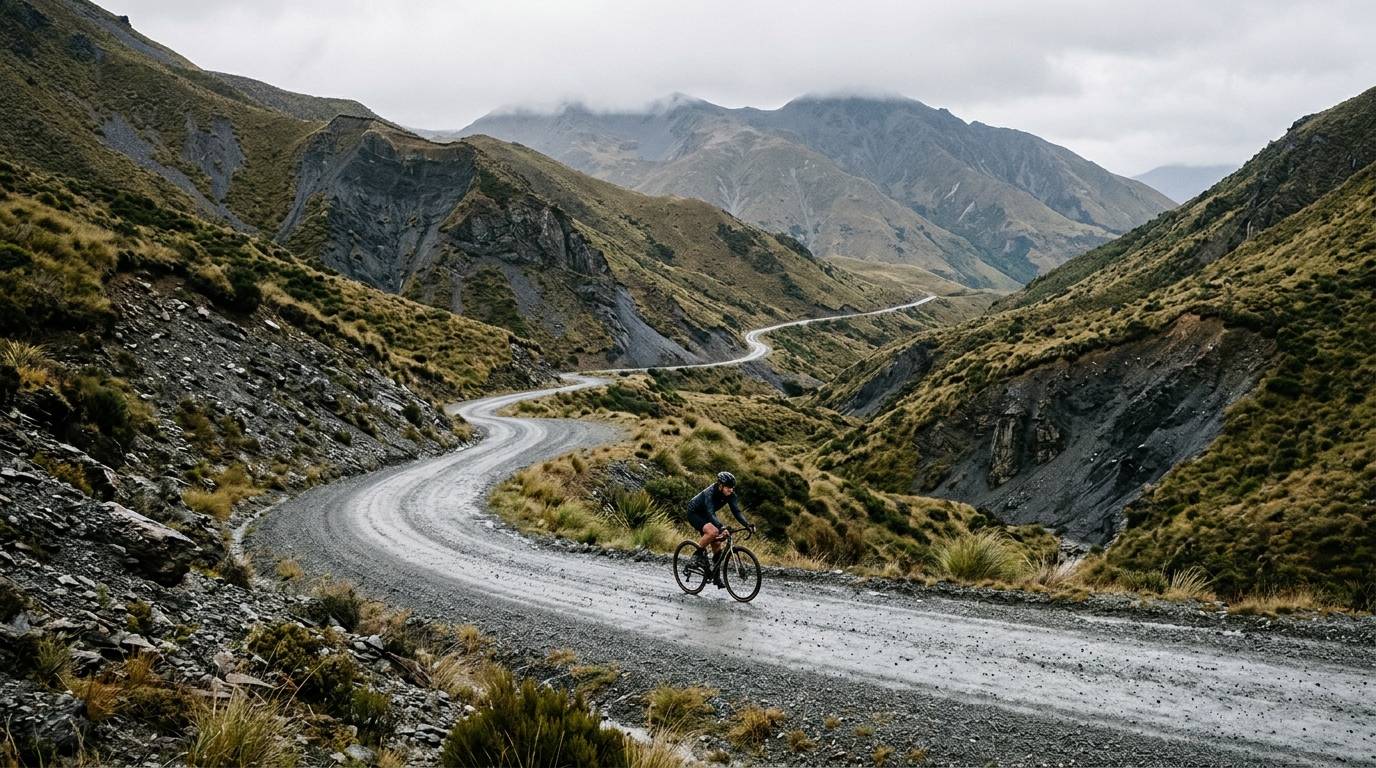 Island SaddleCat 1NZ · 5.6 km · 9.2% · 479 m475pt
 Danseys PassCat 2NZ · 7.4 km · 6.4% · 602 m303pt
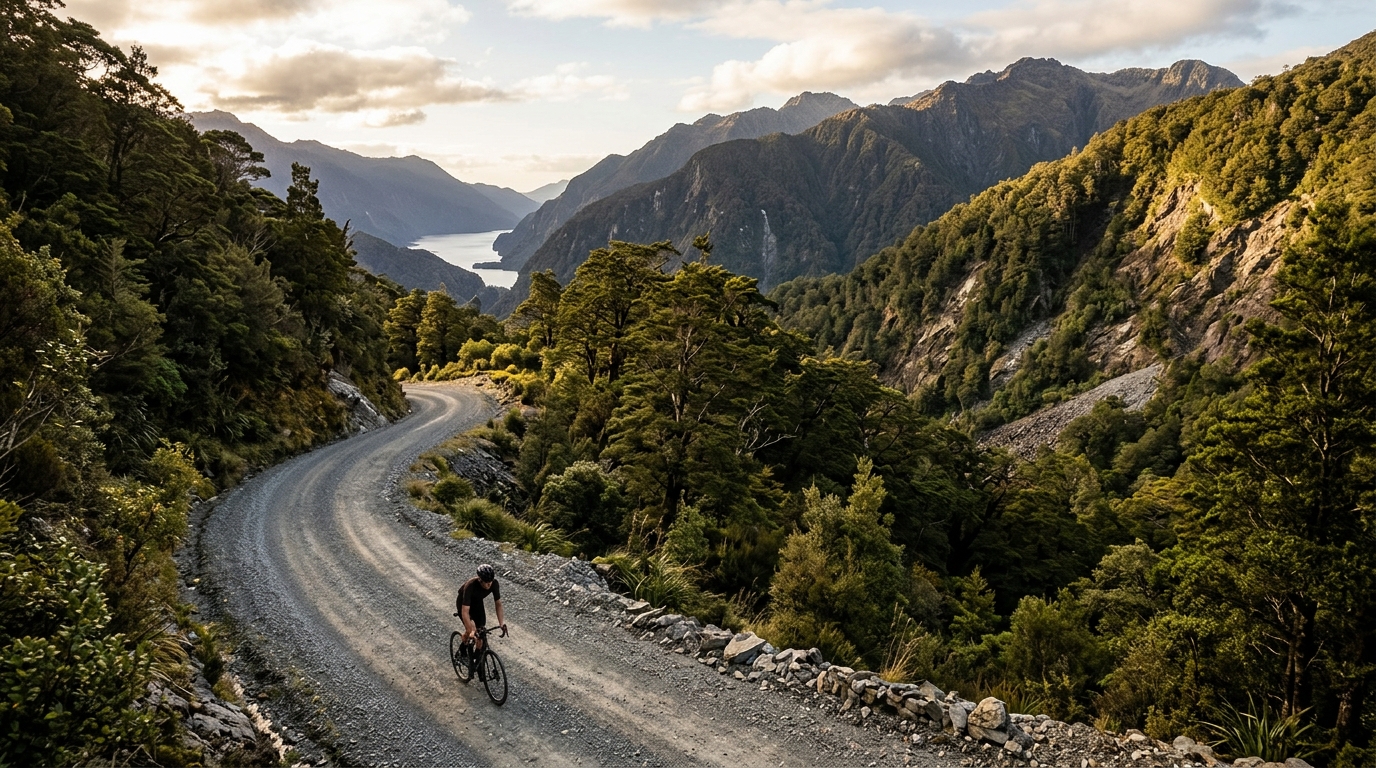 Wilmot PassCat 2NZ · 6.7 km · 7.1% · 918 m337pt
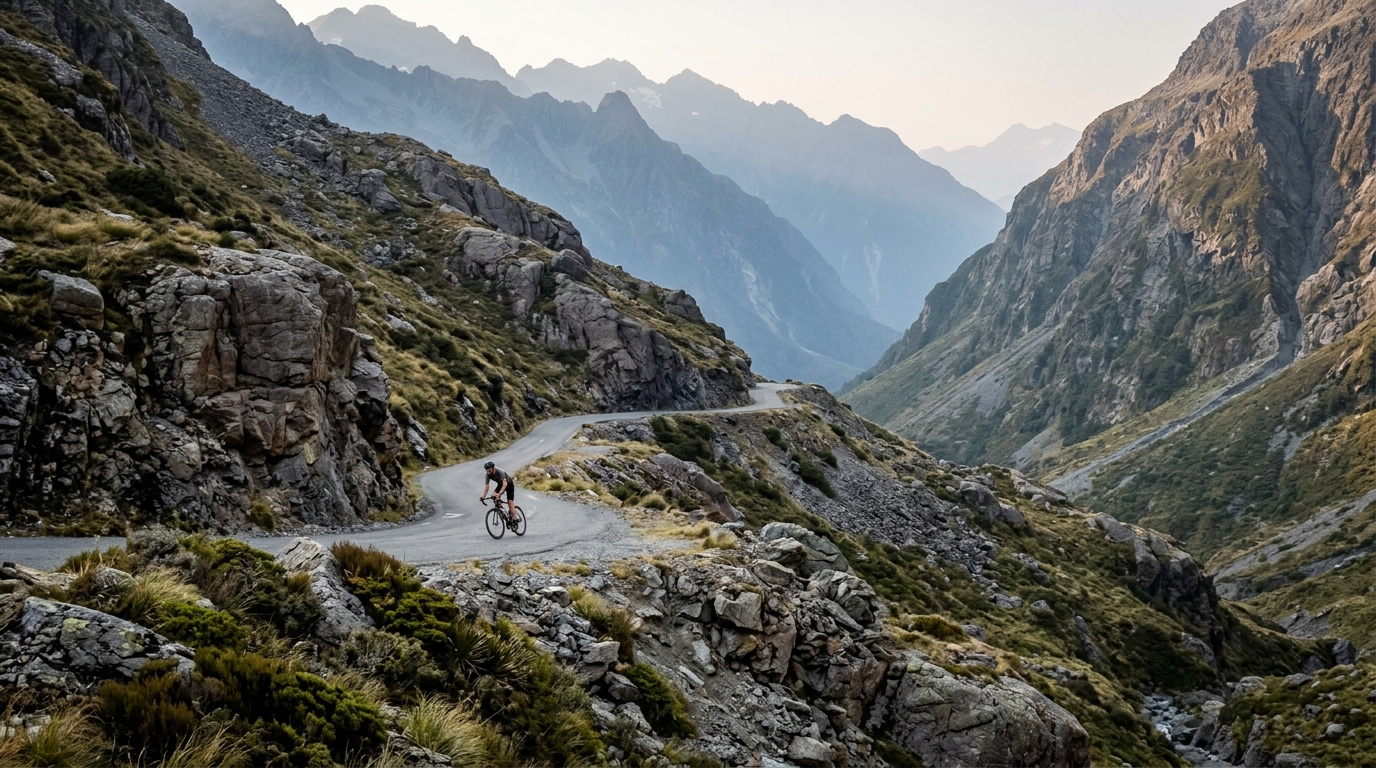 Homer SaddleHCNZ · 14.6 km · 11.3% · 1615 m1850pt
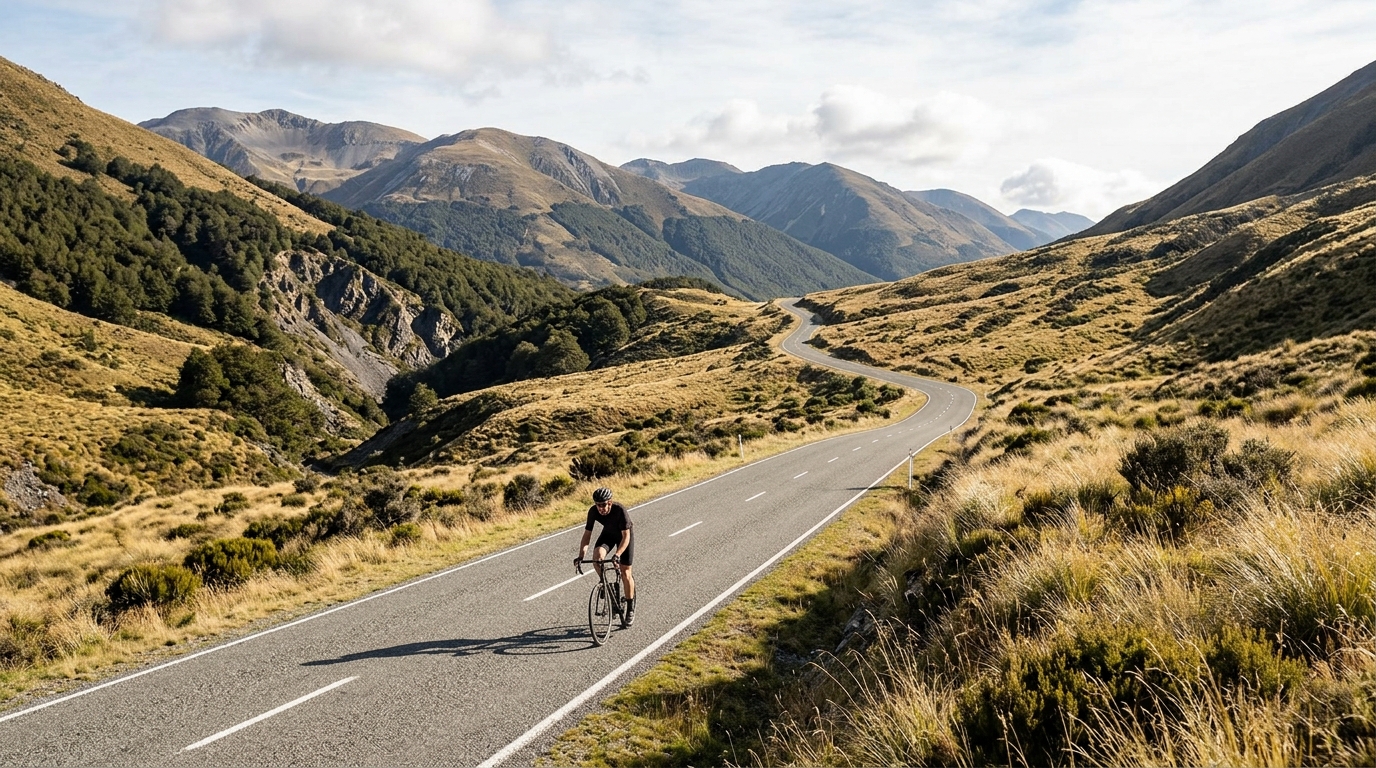 Lewis PassCat 3NZ · 6.6 km · 4.4% · 711 m127pt
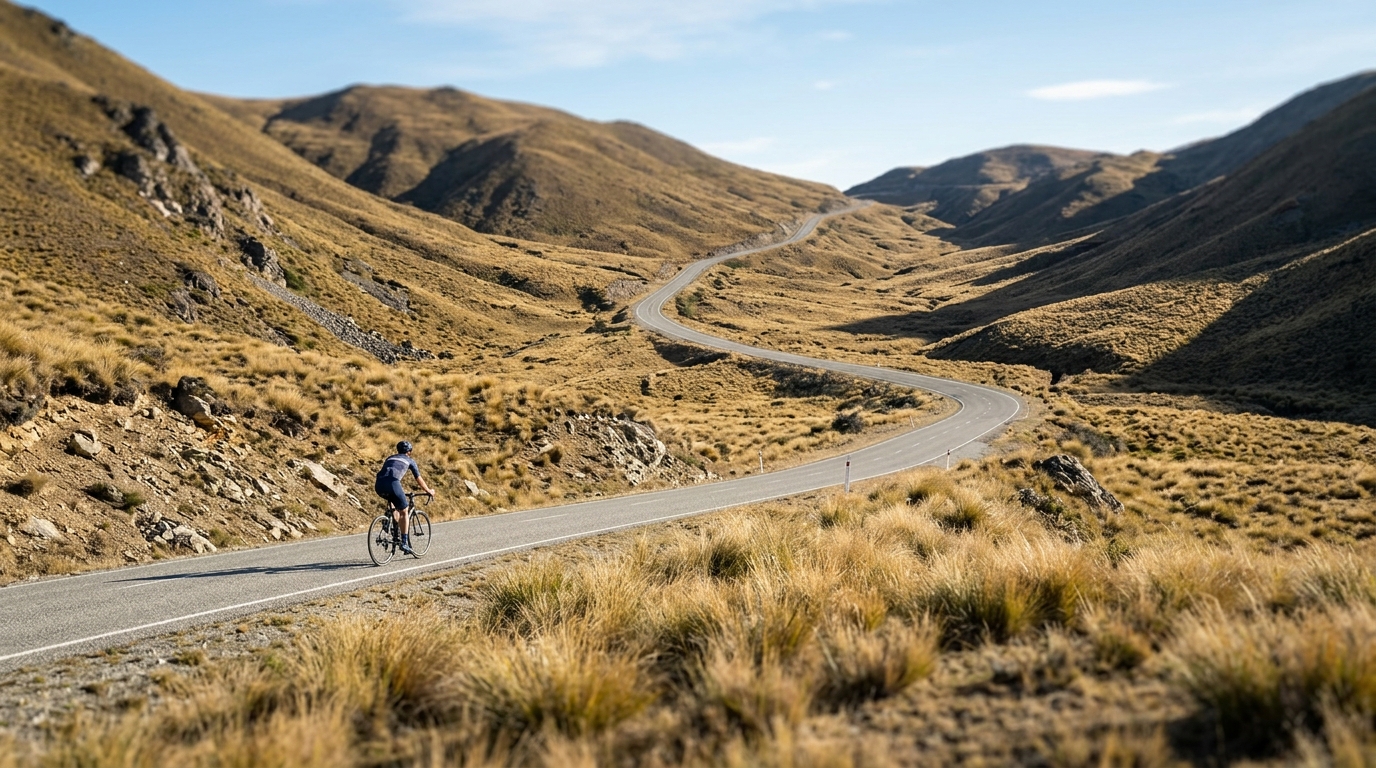 Lindis PassCat 3NZ · 7.1 km · 4.6% · 428 m150pt
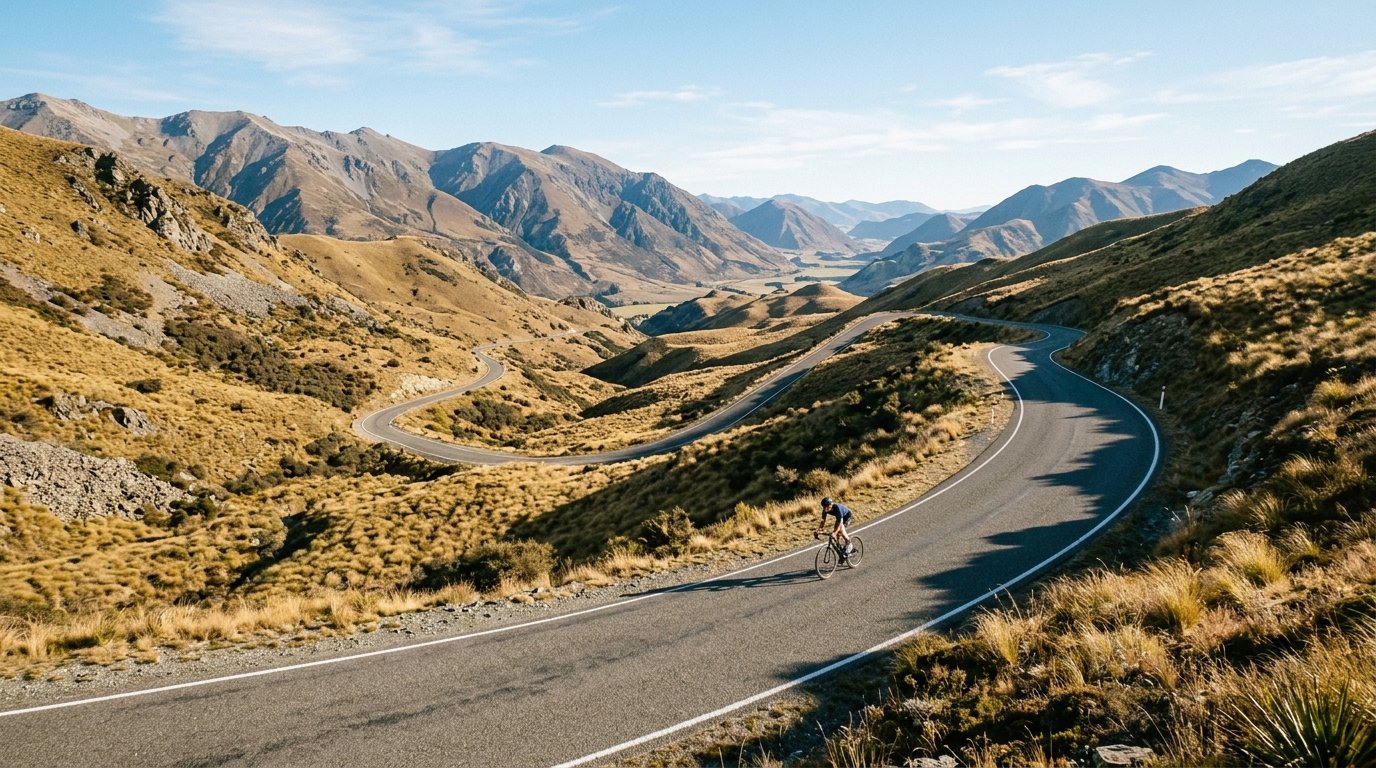 Porters PassCat 3NZ · 7.3 km · 5.1% · 608 m190pt
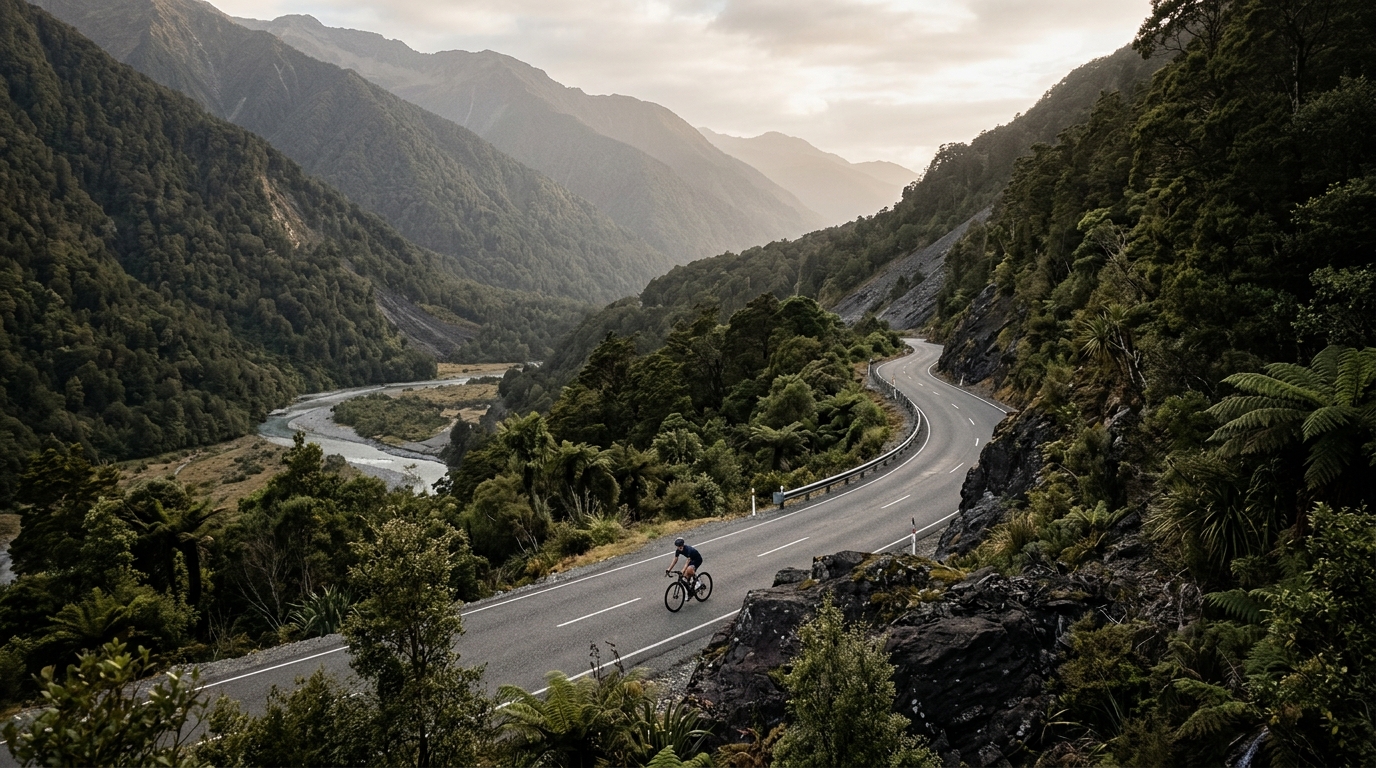 Haast Pass / TioripateaCat 4NZ · 5.3 km · 4.3% · 370 m99pt
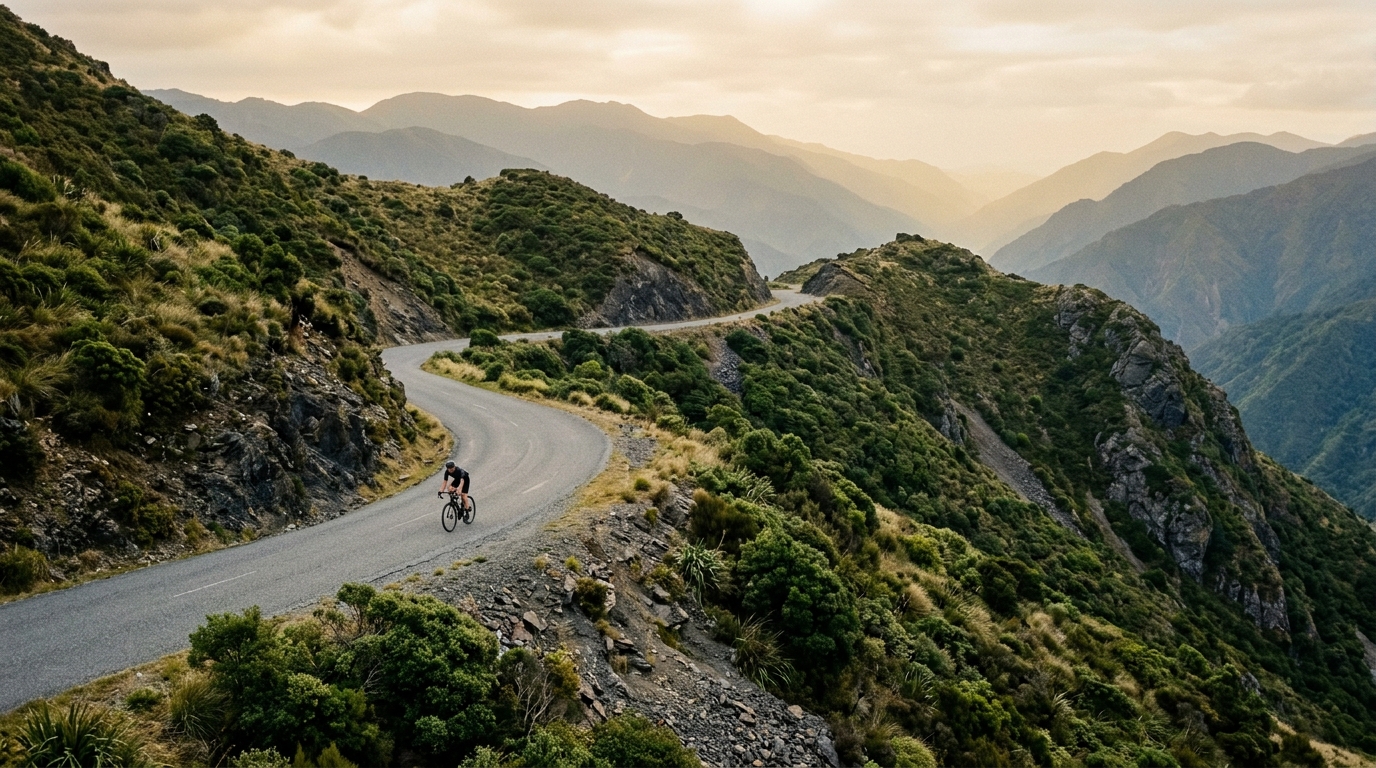 Remutaka PassCat 2NZ · 9.2 km · 5.2% · 463 m251pt
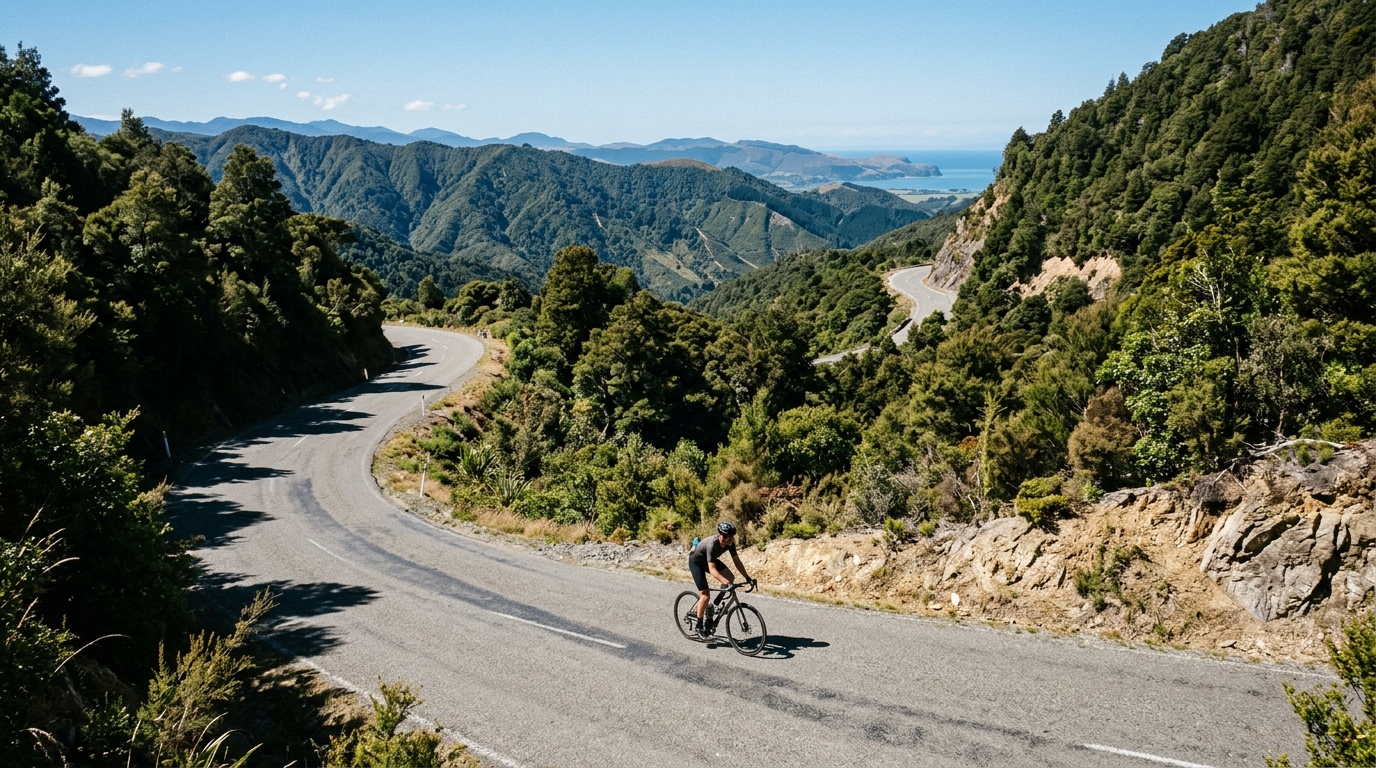 Whangamoa SaddleCat 2NZ · 5.8 km · 6.0% · 315 m209pt
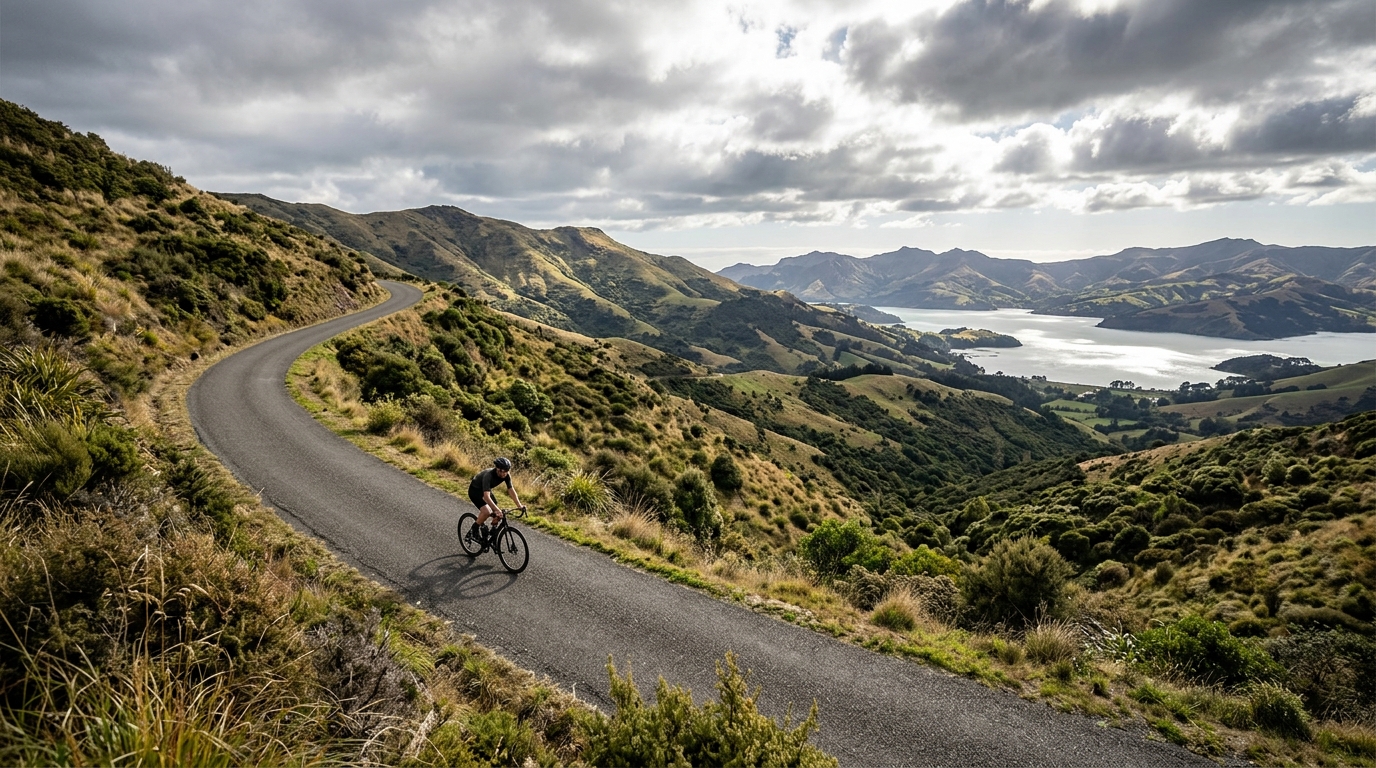 Puerto de AkaroaCat 4NZ · 1.6 km · 6.5% · 85 m69pt
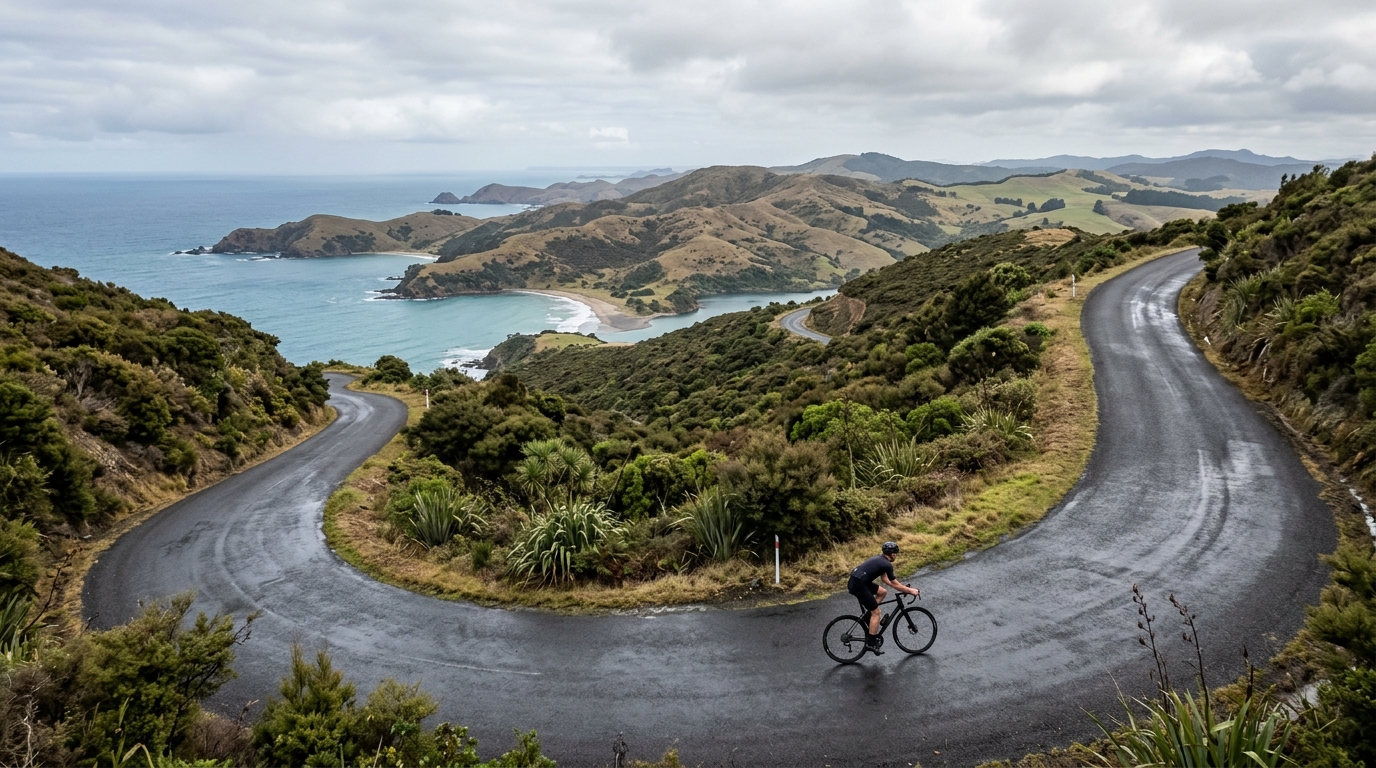 Puerto de ParengarengaCat 4NZ · 1.0 km · 8.3% · 51 m69pt
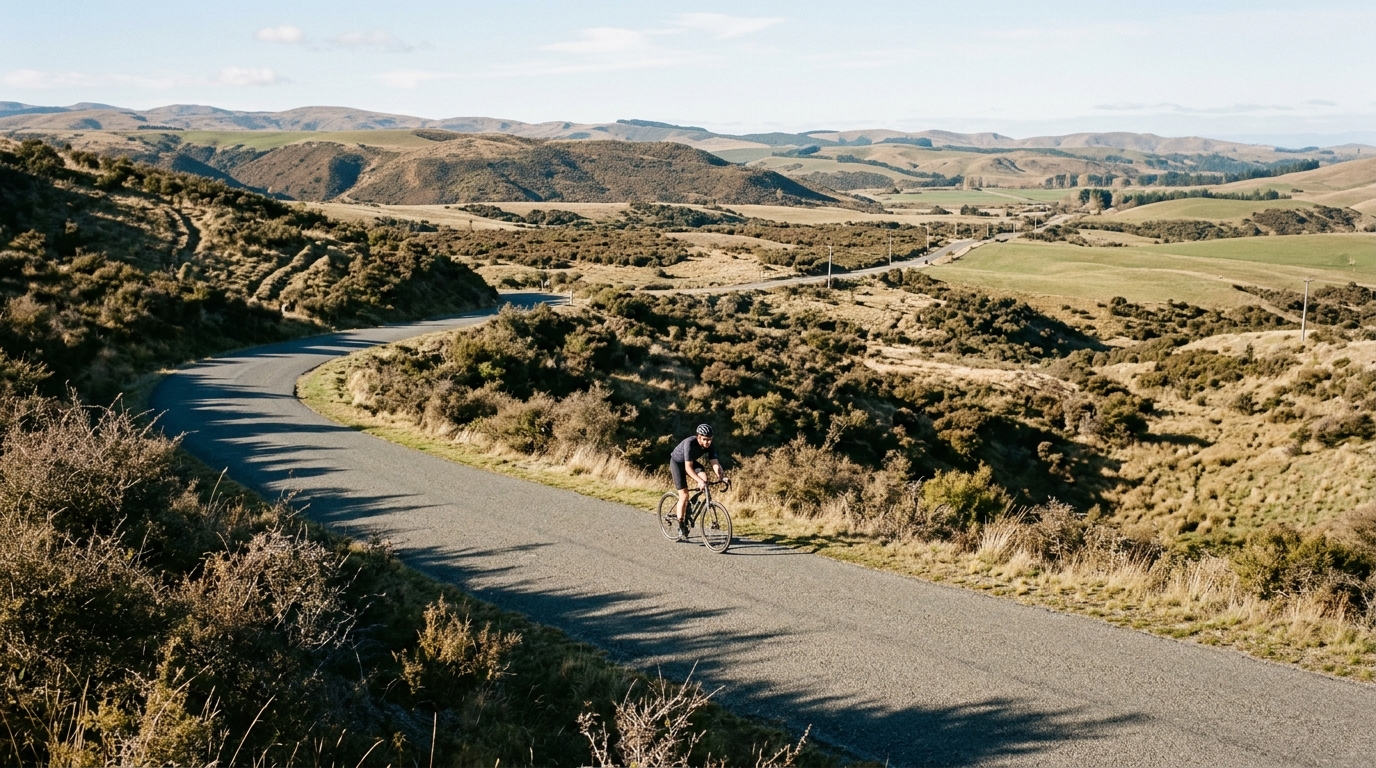 Harper PassCat 4NZ · 1.4 km · 5.5% · 53 m42pt
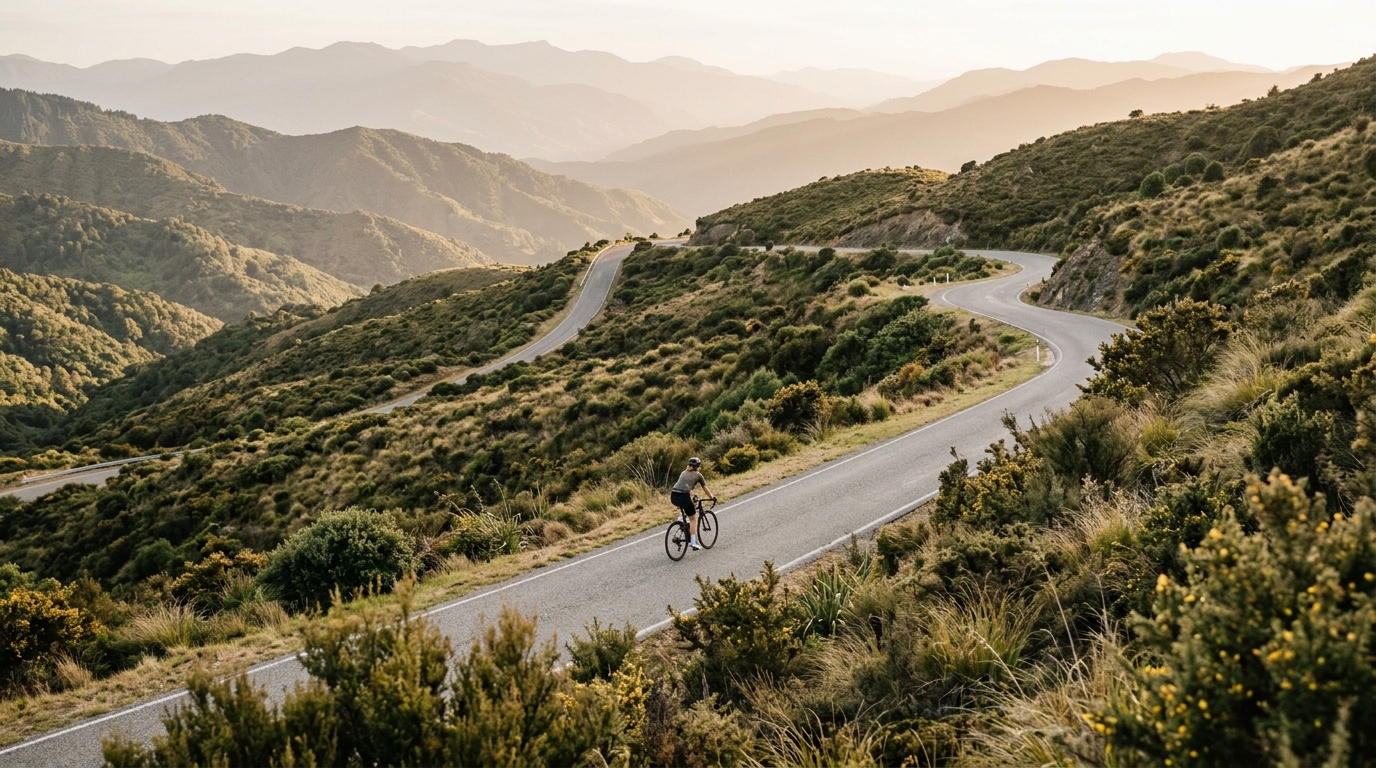 Hope SaddleCat 4NZ · 1.8 km · 6.2% · 101 m69pt
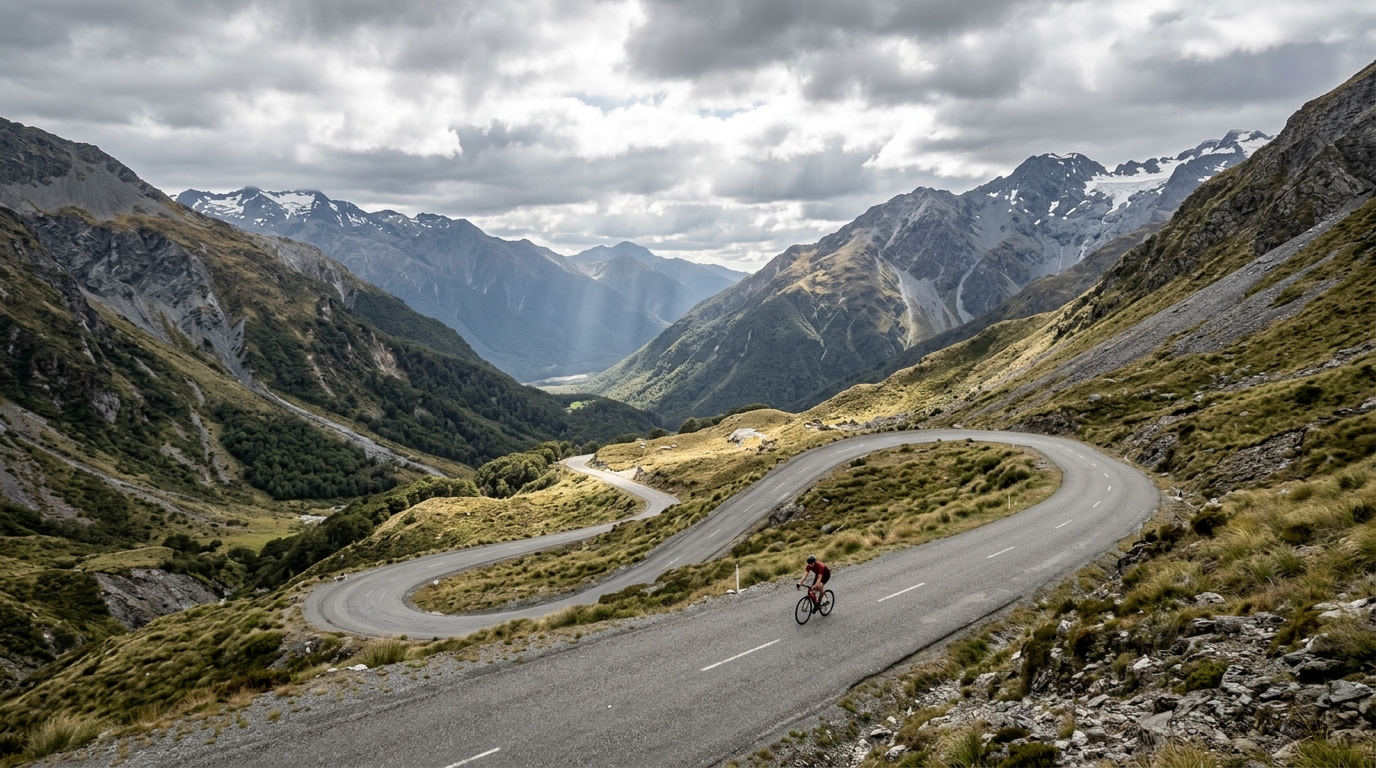 Copland PassCat 3NZ · 10.1 km · 4.3% · 371 m186pt
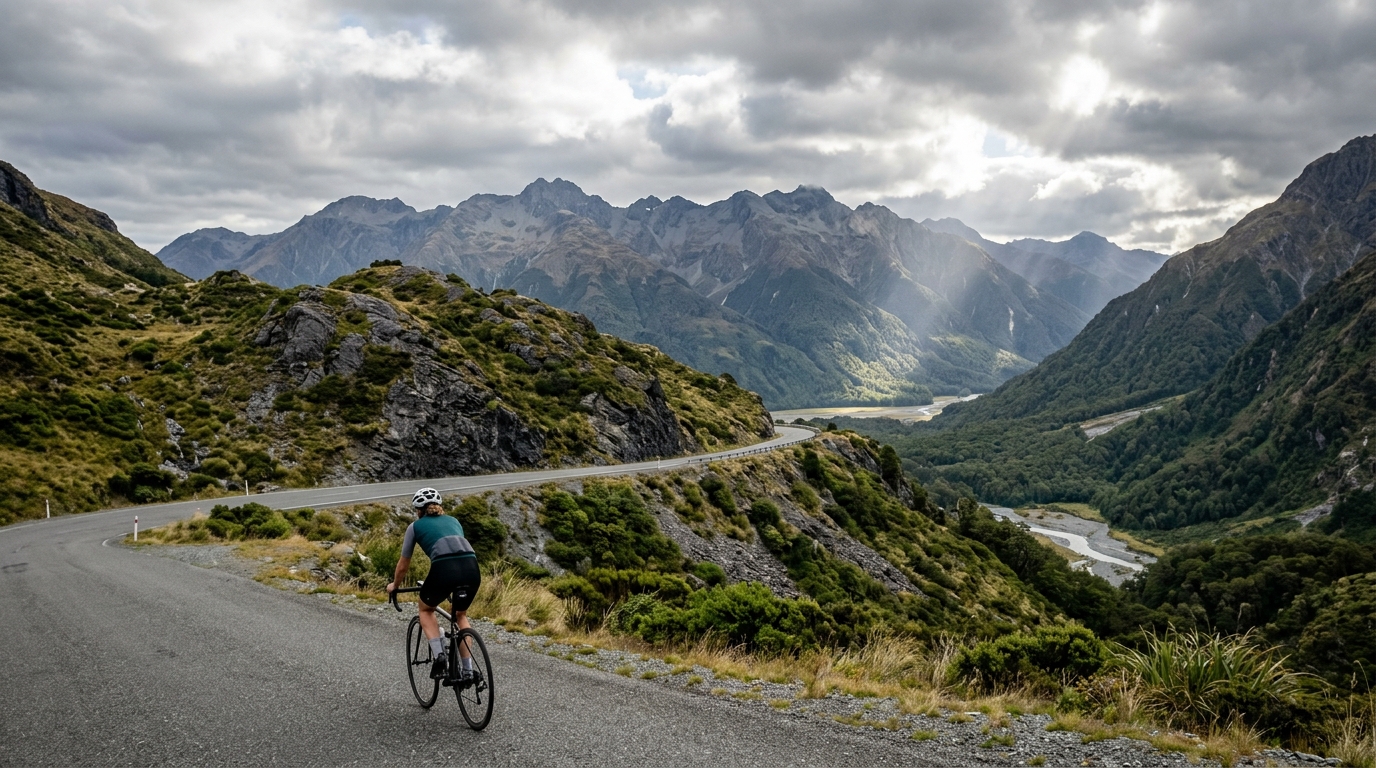 The DivideCat 3NZ · 12.5 km · 3.2% · 381 m129pt
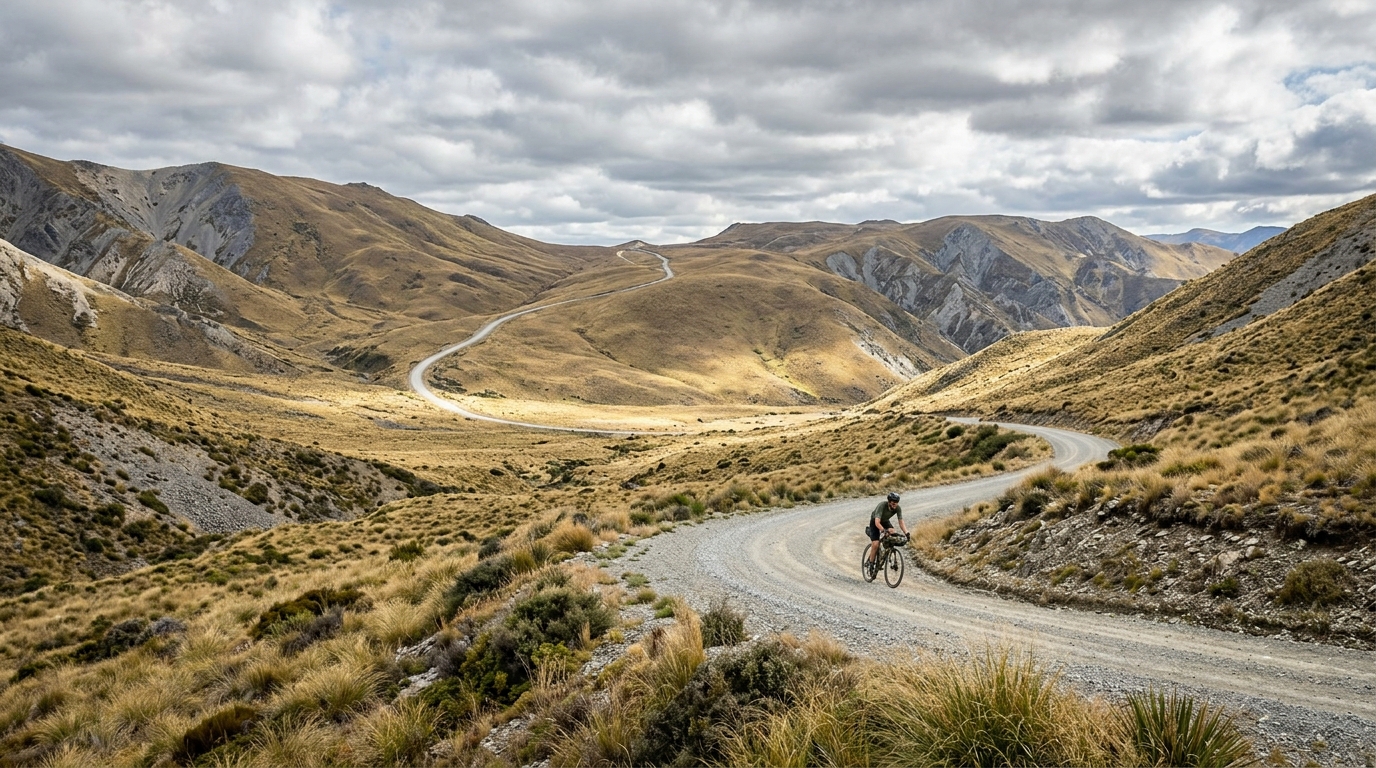 Wards PassCat 4NZ · 7.7 km · 3.4% · 368 m91pt
La guida completa alle salite in Nuova Zelanda
The Riding
New Zealand's climbing rewards riders who love long, open ascents rather than short, savage walls. The catalogue here counts eight climbs, and their defining trait is space: broad valleys, tussock-covered high country, and mountain passes that carry a road over a divide rather than up a single peak. None of the eight is rated hors catégorie, which tells you something honest about the terrain. These are ascents you settle into, not ones you survive. The gradients tend to stay steady and rideable, gaining altitude gradually across kilometres rather than throwing sudden double-digit ramps at you.
Altitude is modest by world standards. The highest summit among these climbs tops out at 1132 m, so you never contend with thin air or the extreme cold of a true high-mountain pass. What you do contend with is exposure. Much of this riding crosses open landscapes where there is little shelter from wind, and where the weather can turn from calm to fierce inside an hour. The reward is scenery that stays with you: braided rivers, beech forest on the approaches, and long sightlines to the ranges ahead.
Standout Climbs
Of the eight catalogued climbs, a handful stand out for their character and their place in a rider's memory.
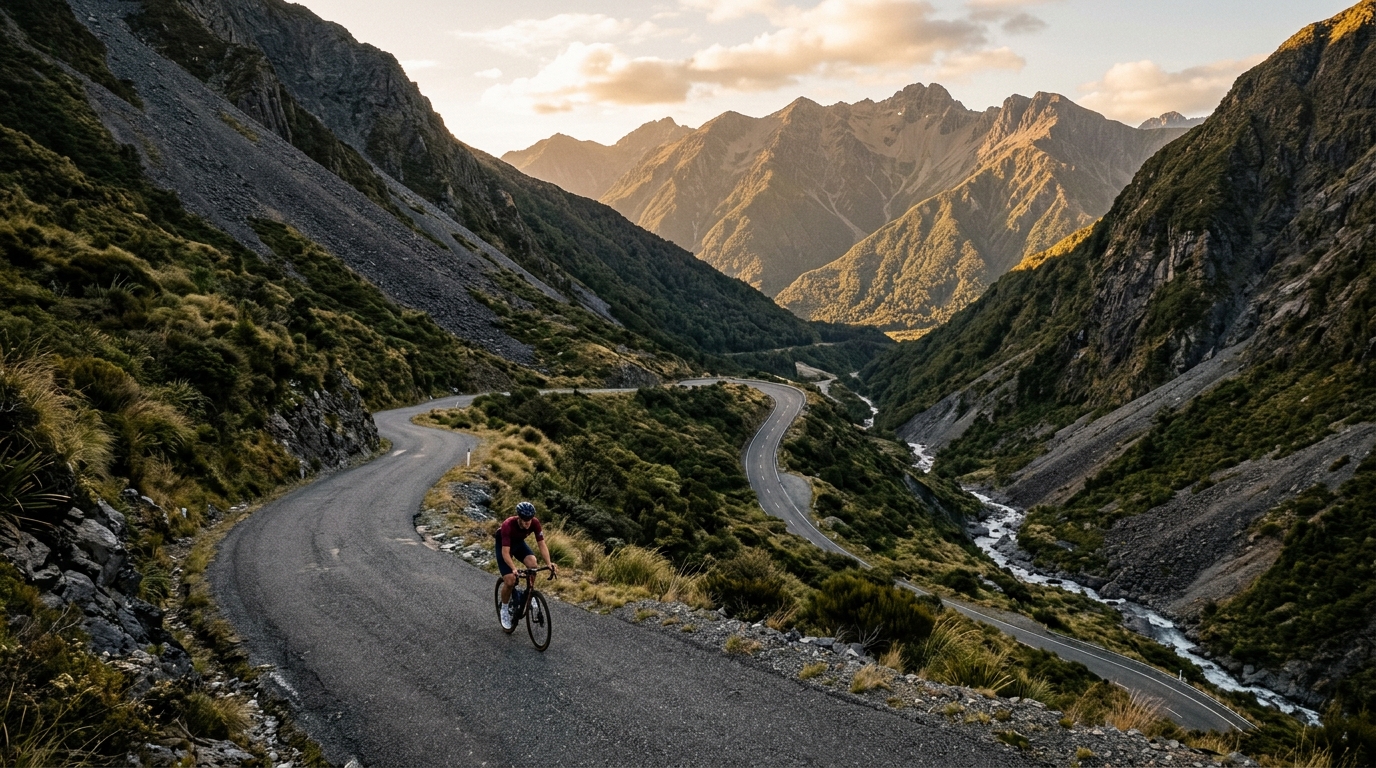
Arthur's Pass is the headline crossing, a genuine alpine road that lifts you through mountain country on a gradient that stays honest throughout. It is the kind of climb that feels like an event simply for the landscape it moves through.
Lindis Pass is the high-country classic, a sweeping ascent through golden tussock hills that opens up more the higher you go. The road unspools ahead in long curves, and the summit feels earned by patience rather than pain.
Porters Pass delivers one of the more concentrated efforts in the set, a steady pull that gains height efficiently and gives you a clear sense of the divide you are crossing.
Lewis Pass carries you over its saddle through forested approaches, a climb that trades open exposure for a greener, more sheltered feel on its lower slopes.
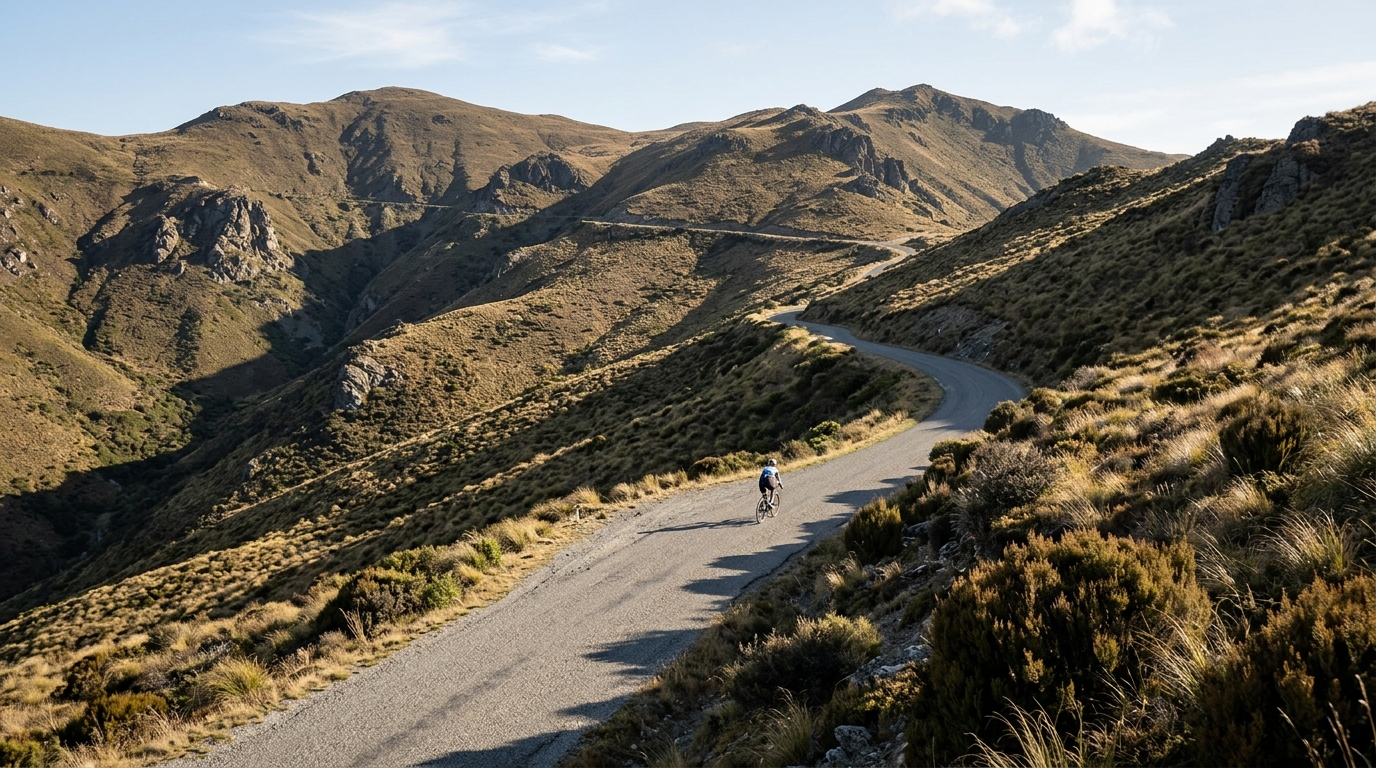
Danseys Pass is the back-road option, a quieter and more remote crossing that trades traffic for solitude and a rougher, more adventurous atmosphere.
Wards Pass rounds out the notable names, another of the passes that make up this compact but rewarding collection.
Ride two or three of these in a single trip and you get a full picture of what climbing here means: length over severity, scenery over suffering.
When to Ride
Timing matters more than difficulty. The riding season runs through the warmer months, when the high passes are clear and the roads are open. Summer brings the longest daylight and the most settled conditions, though even then the exposed sections of climbs like Lindis Pass can be windy and cold at the top. Shoulder-season riding is possible on the lower crossings, but the alpine passes such as Arthur's Pass demand more caution as the weather grows less predictable and snow lingers at elevation.
Whatever the month, treat the forecast as a serious input. On open high-country roads there is nowhere to hide, and a headwind can turn a moderate gradient into a long, grinding effort.
Practical Notes
Carry more layers than the temperature at the valley floor suggests. With summits reaching to 1132 m and climbs crossing exposed terrain, the wind chill on a descent can be dramatic even on a warm day. A windproof shell is the single most useful item in your bag.
Plan your resupply carefully. Several of these crossings, particularly the remoter ones like Danseys Pass, pass through country with few services, so water and food should go on before you start climbing. Because the ascents are long and steady, gearing that lets you spin comfortably for extended stretches beats a setup built for short, steep bursts. Finally, respect the shared-road nature of the passes: many are the main route over their divide, so ride predictably and stay visible.
Summary
New Zealand offers eight catalogued climbs with none rated hors catégorie and a highest summit of 1132 m — a portrait of climbing defined by length, steadiness and openness rather than brutal gradient or altitude. From the alpine crossing of Arthur's Pass to the tussock sweep of Lindis Pass, the sharper pull of Porters Pass, the forested Lewis Pass, and the remote Danseys Pass and Wards Pass, these are ascents to be savoured. Come prepared for wind and weather, pick your season well, and you will find riding that rewards patience with some of the finest high-country scenery you can climb into.
Cerchi uscite complete in Nuova Zelanda?
Percorsi in Nuova Zelanda