Libreria delle salite · Austria
Cycling climbs in Austria
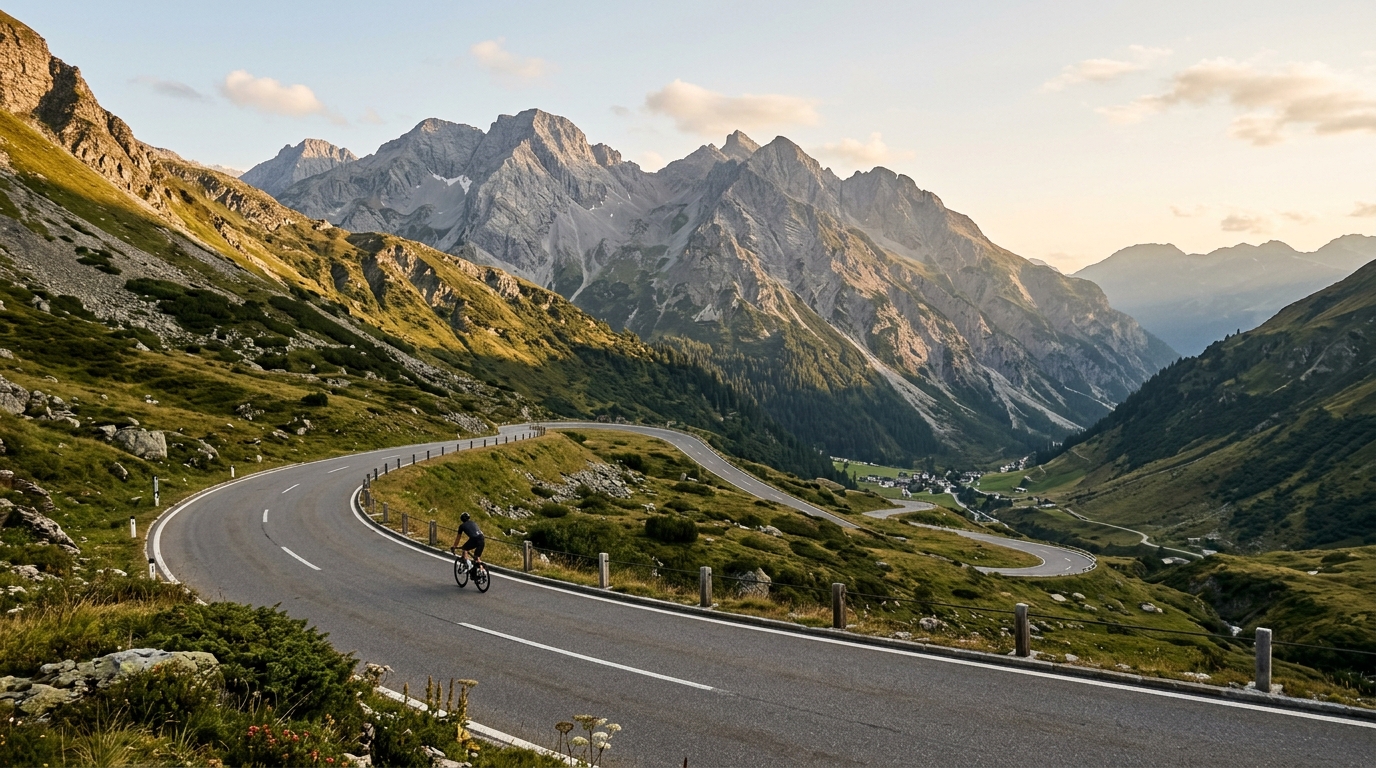
Austria is a climber's playground, with 189 catalogued ascents threading through some of the most dramatic terrain in the Alps. Of those, 22 carry the fearsome hors catégorie rating, promising the sustained gradients and thin air that define a true summit day. The highest of them crests at 2562 metres, where the effort of the climb gives way to sweeping views and the quiet reward of standing above the valleys below. These are roads that ask a great deal and give even more in return.
The marquee ascents read like a roll call of legend. The Hochtor and the Bielerhöhe Pass draw riders chasing elevation, while the Hahntennjoch, Kühtai Saddle, Gerlos Pass, and Flexen Pass each carve their own memorable character into the mountains. Whether you are hunting hors catégorie glory or simply savouring the switchbacks, Austria delivers climbing at its purest and most spectacular.
Le salite più famose di Austria
Tutte le salite in Austria
397 salite
 ArlscharteCat 1AT · 29.2 km · 4.0% · 1162 m467pt
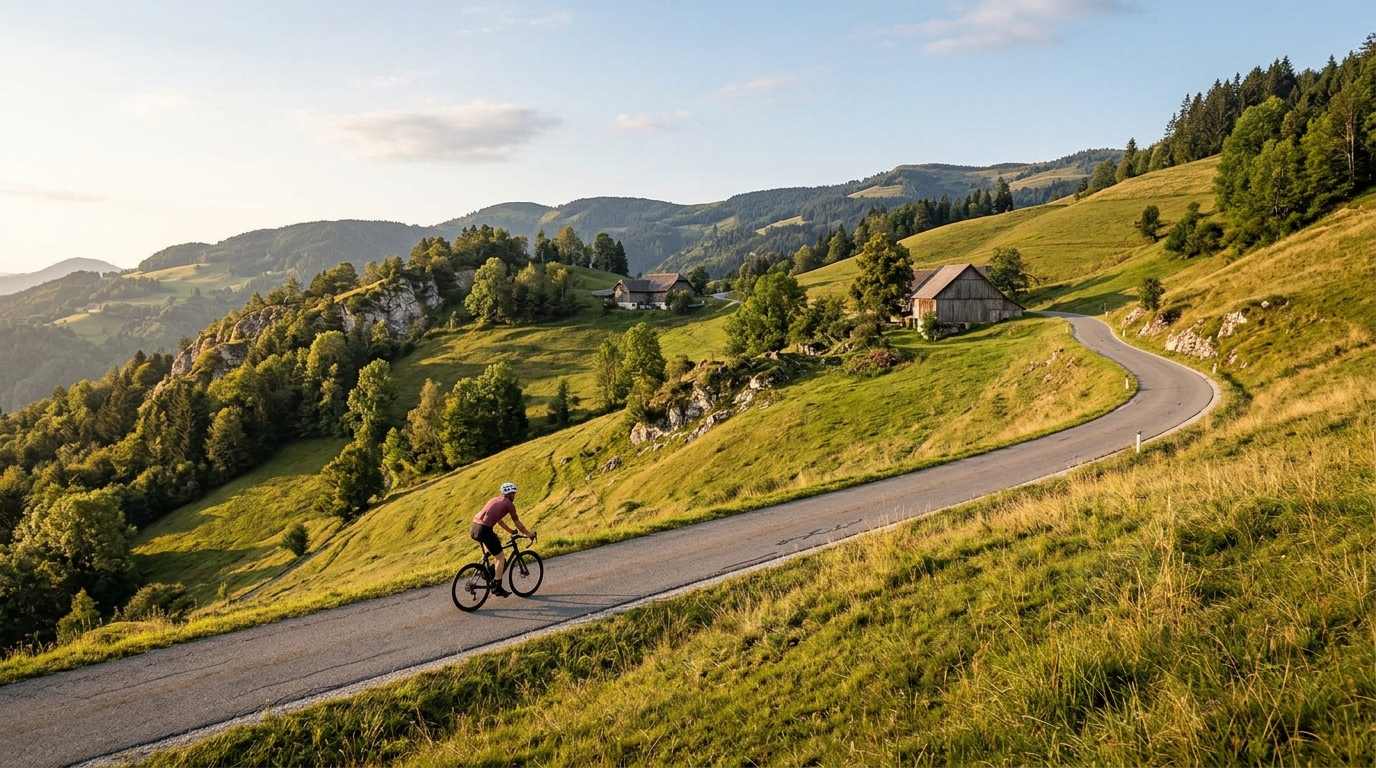 Kerschbaum SaddleCat 1AT · 8.0 km · 7.6% · 694 m462pt
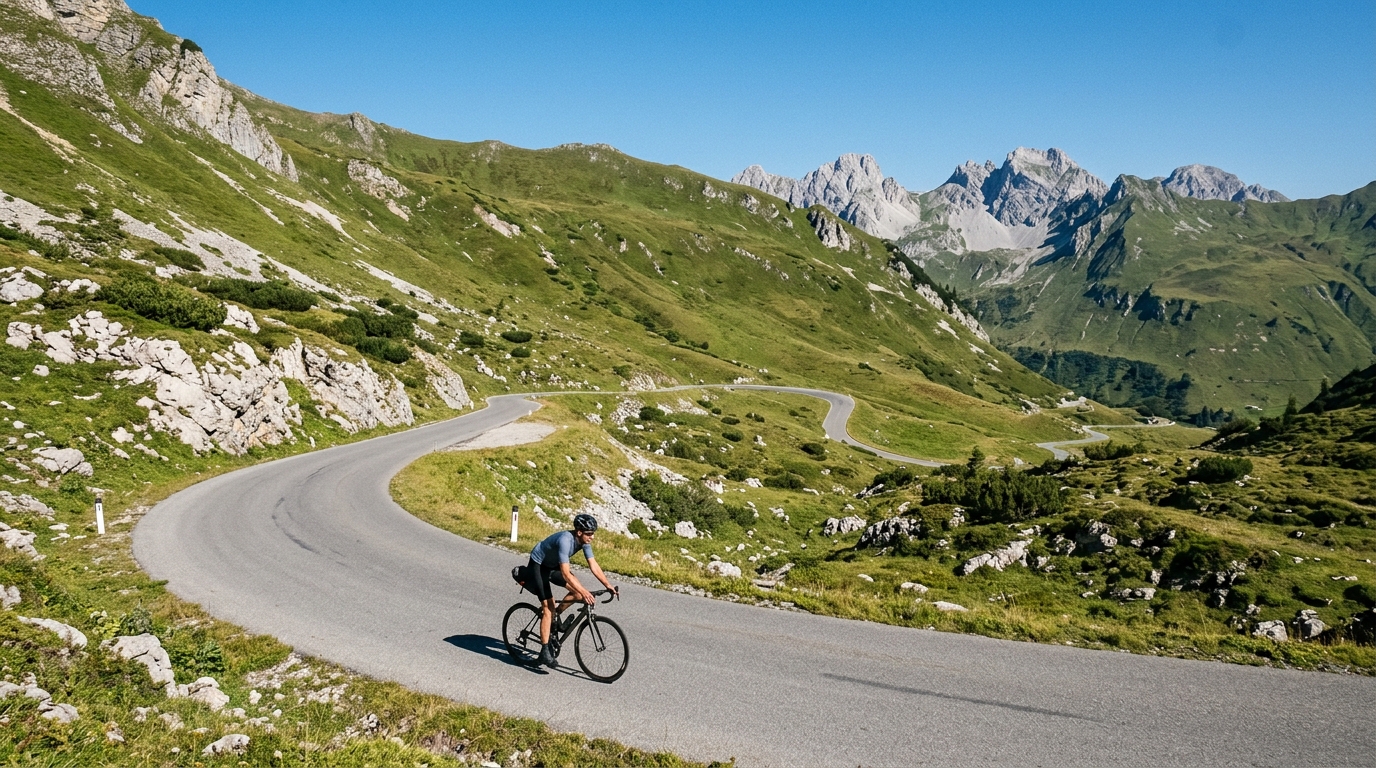 SaulajochCat 1AT · 23.9 km · 4.3% · 1010 m445pt
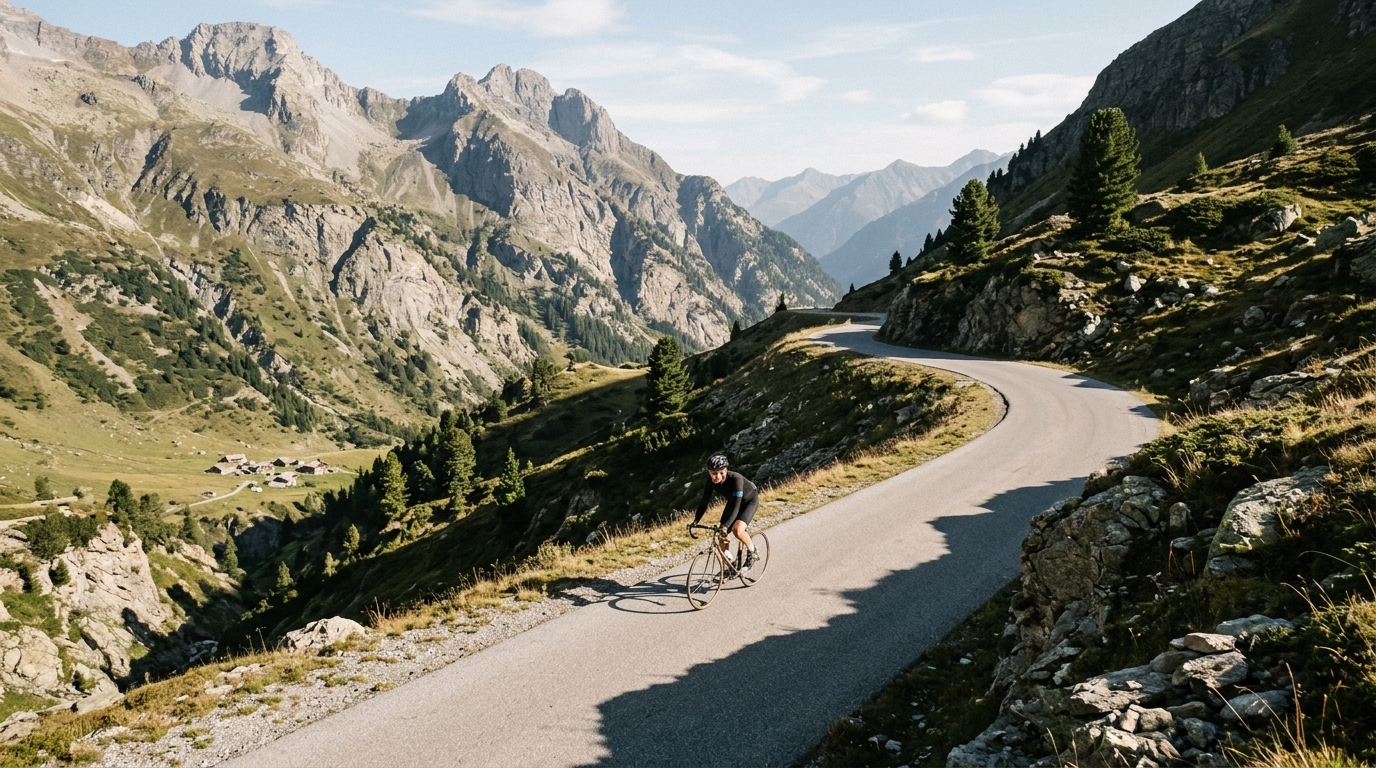 MatschunerjochCat 1AT · 41.9 km · 3.1% · 1296 m408pt
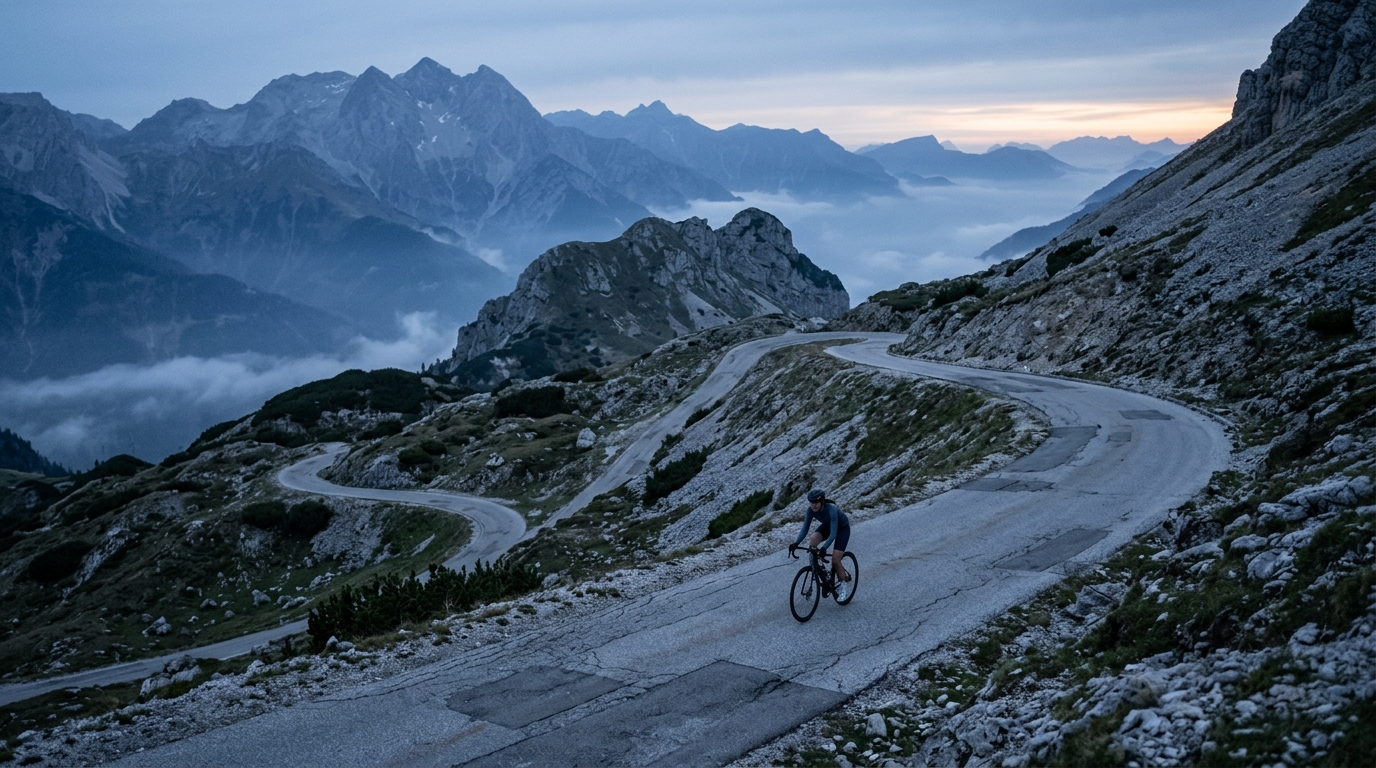 Berger TörlCat 1AT · 26.8 km · 5.5% · 1441 m799pt
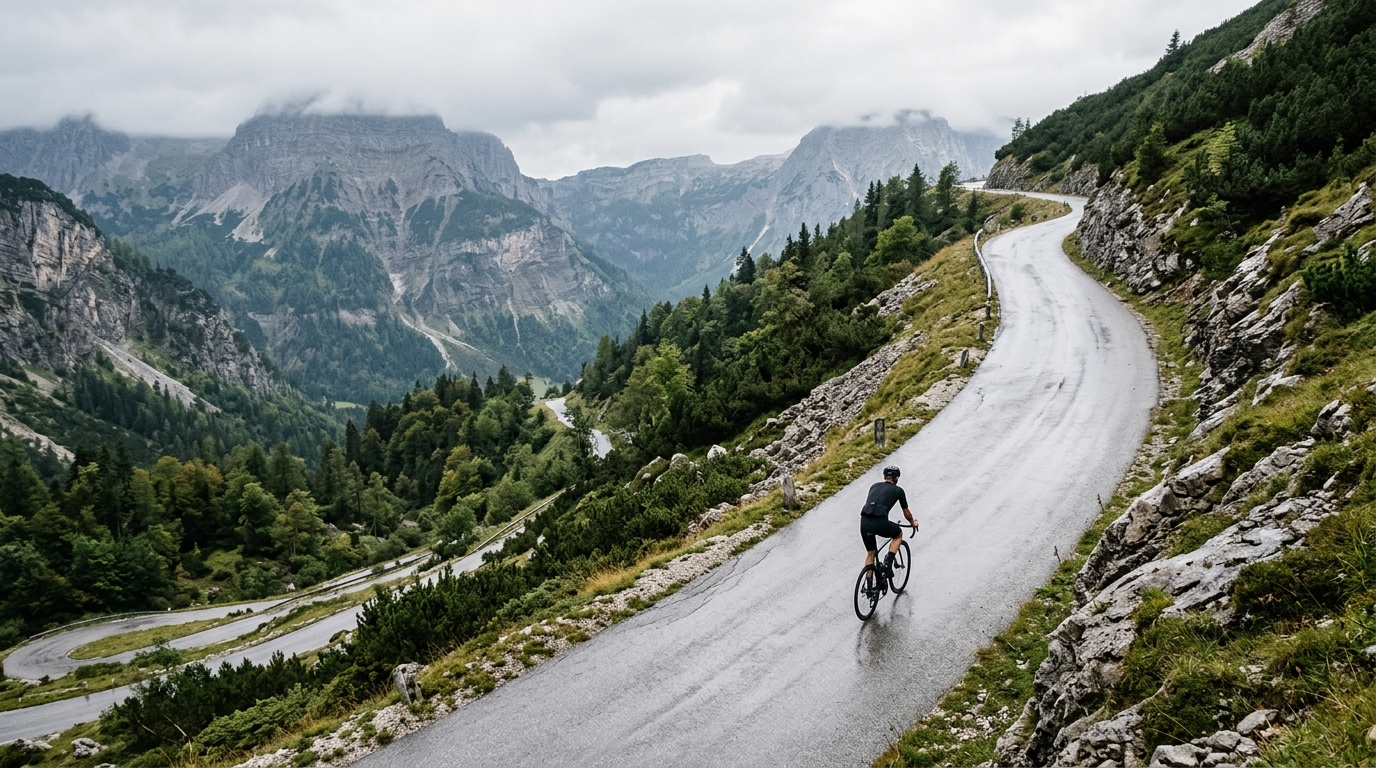 ZnachsattelCat 1AT · 18.5 km · 6.5% · 1171 m783pt
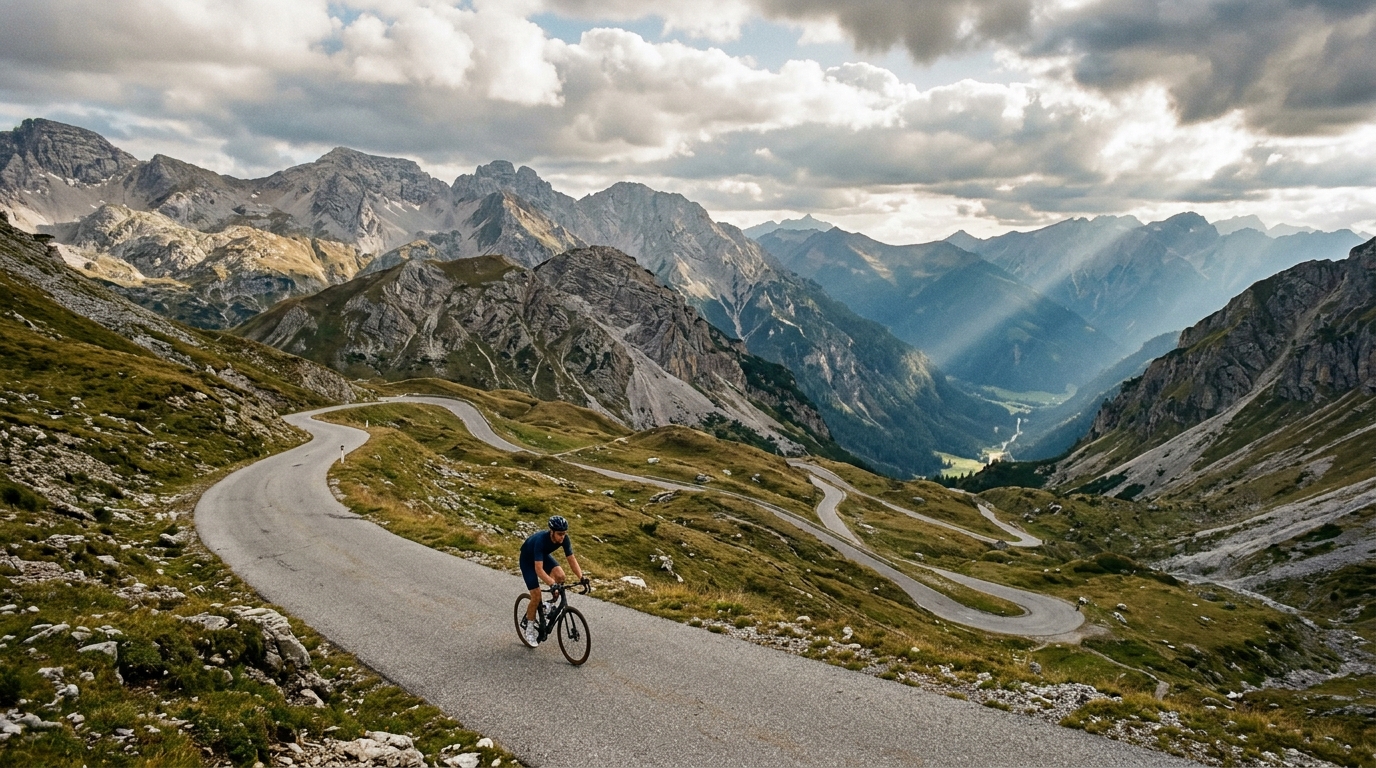 BlaufeldscharteCat 1AT · 12.4 km · 7.3% · 852 m666pt
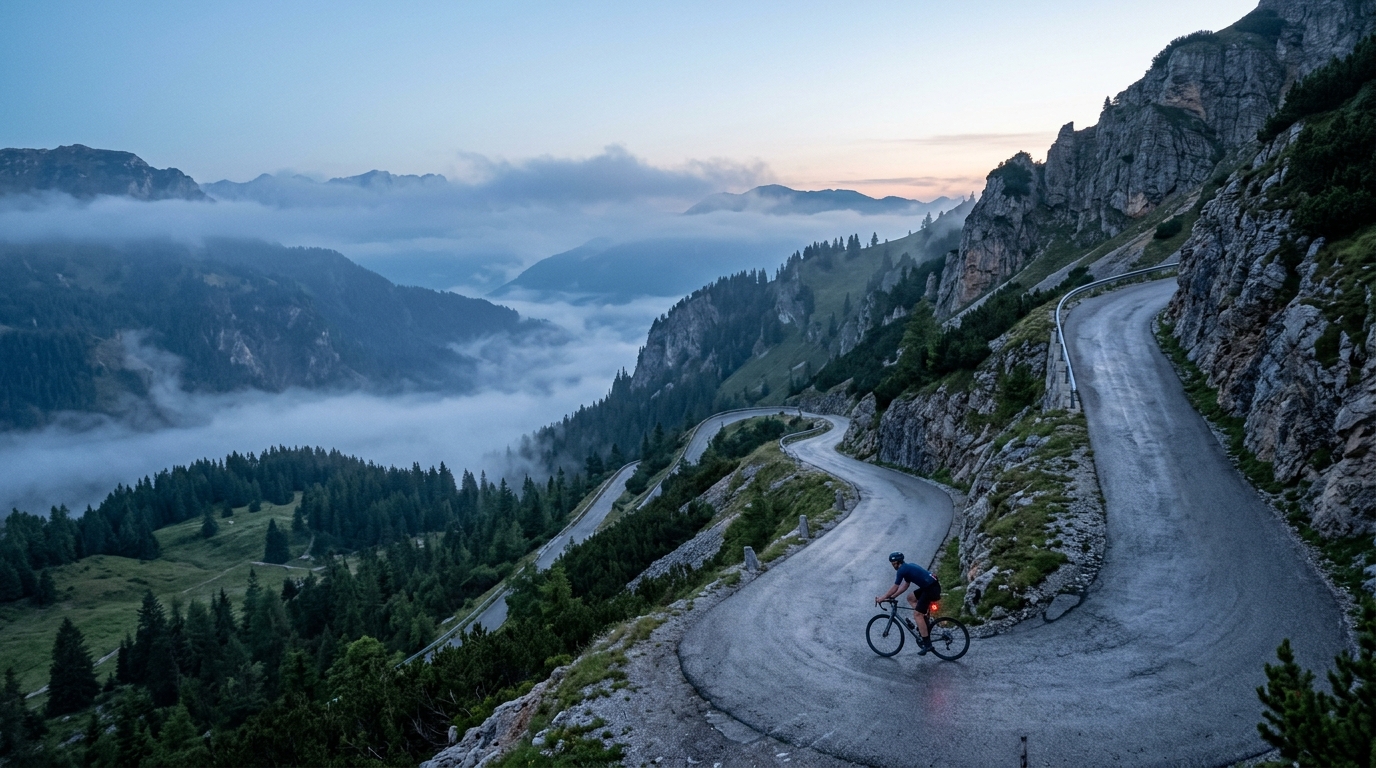 PöllasattelCat 1AT · 14.6 km · 6.5% · 956 m615pt
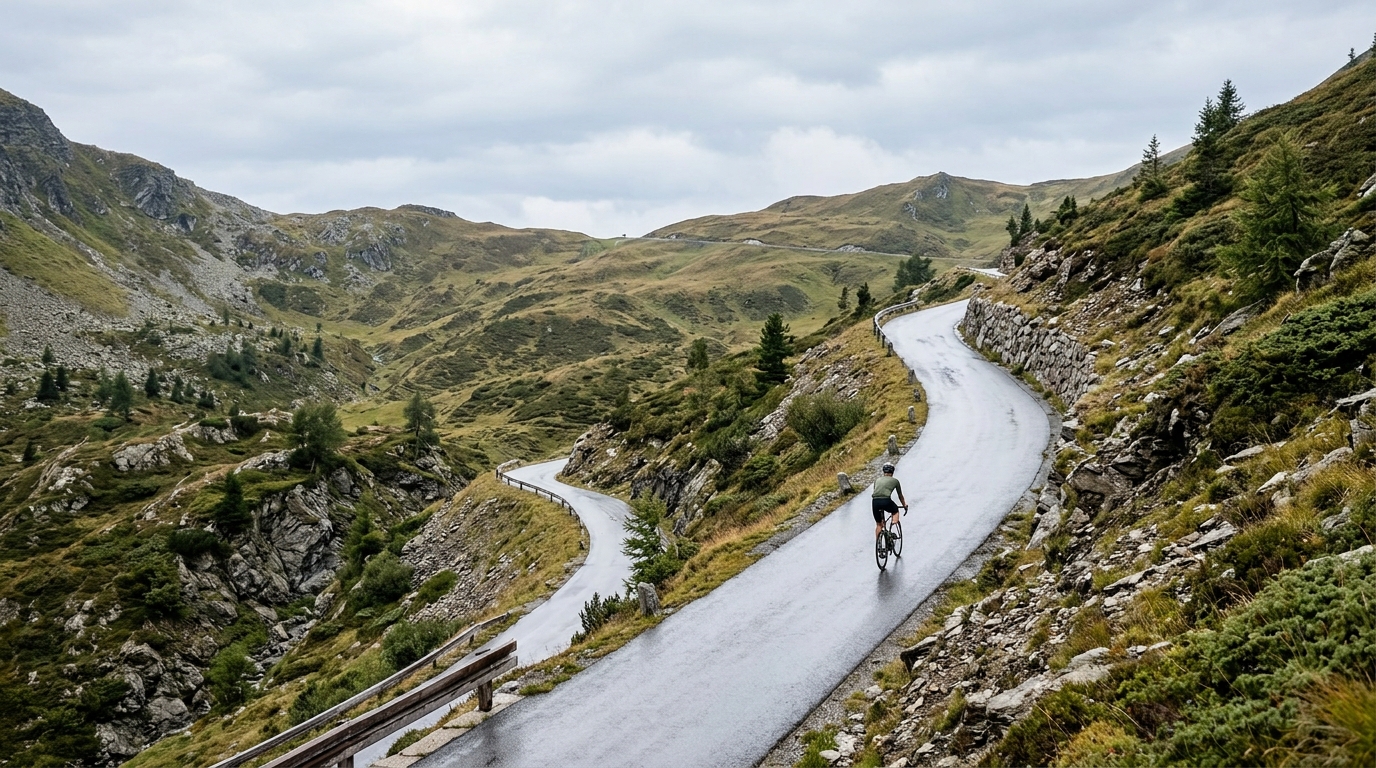 ZnachsattelCat 1AT · 17.7 km · 5.8% · 1569 m596pt
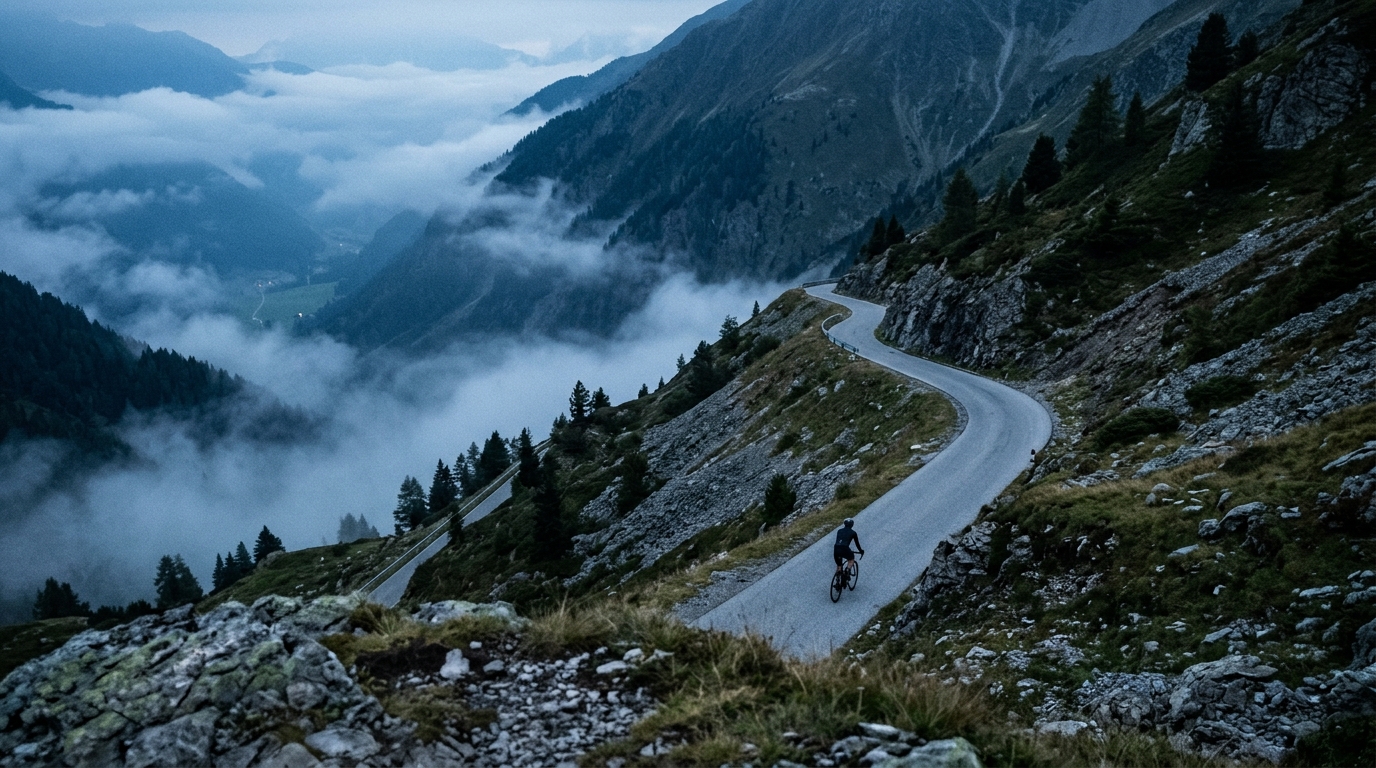 GerachsattelCat 1AT · 15.8 km · 6.0% · 930 m570pt
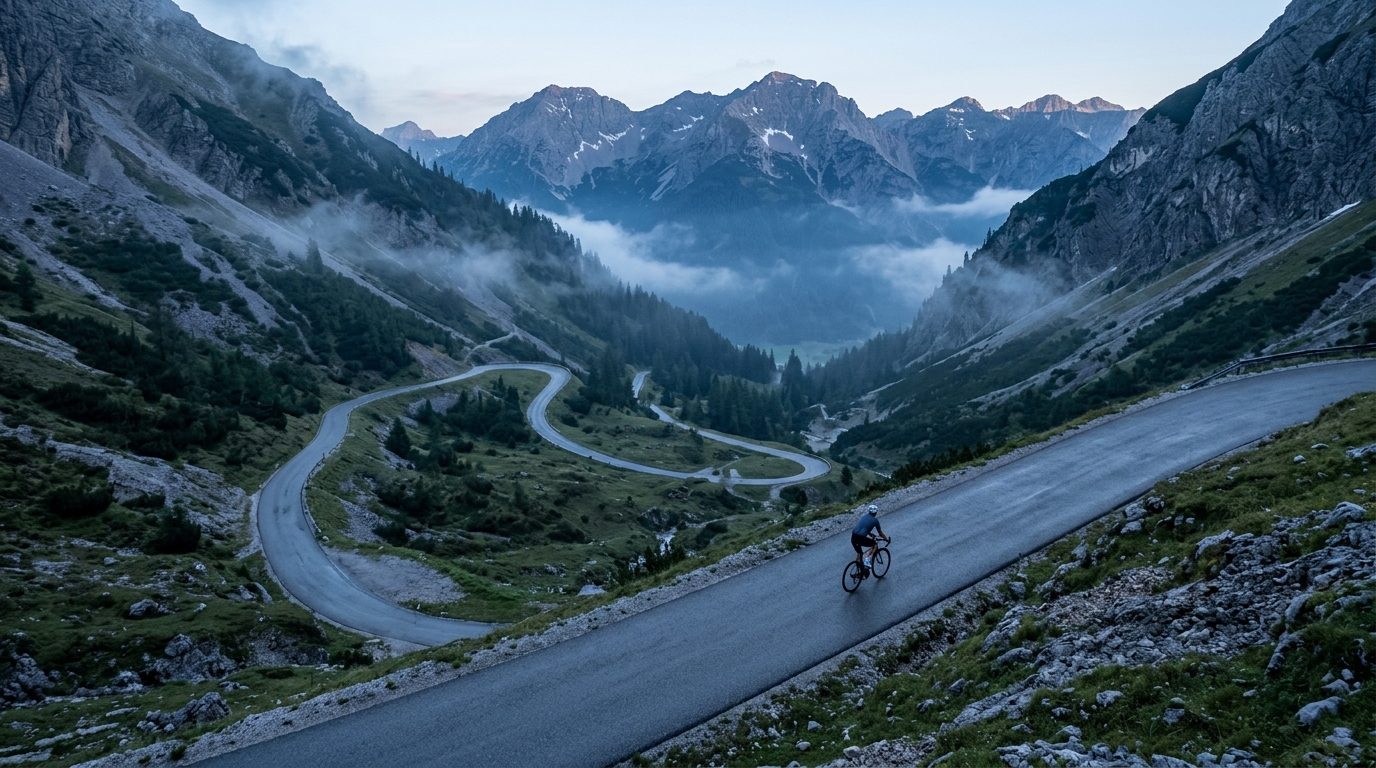 AlpenklubscharteCat 1AT · 22.9 km · 5.0% · 1128 m566pt
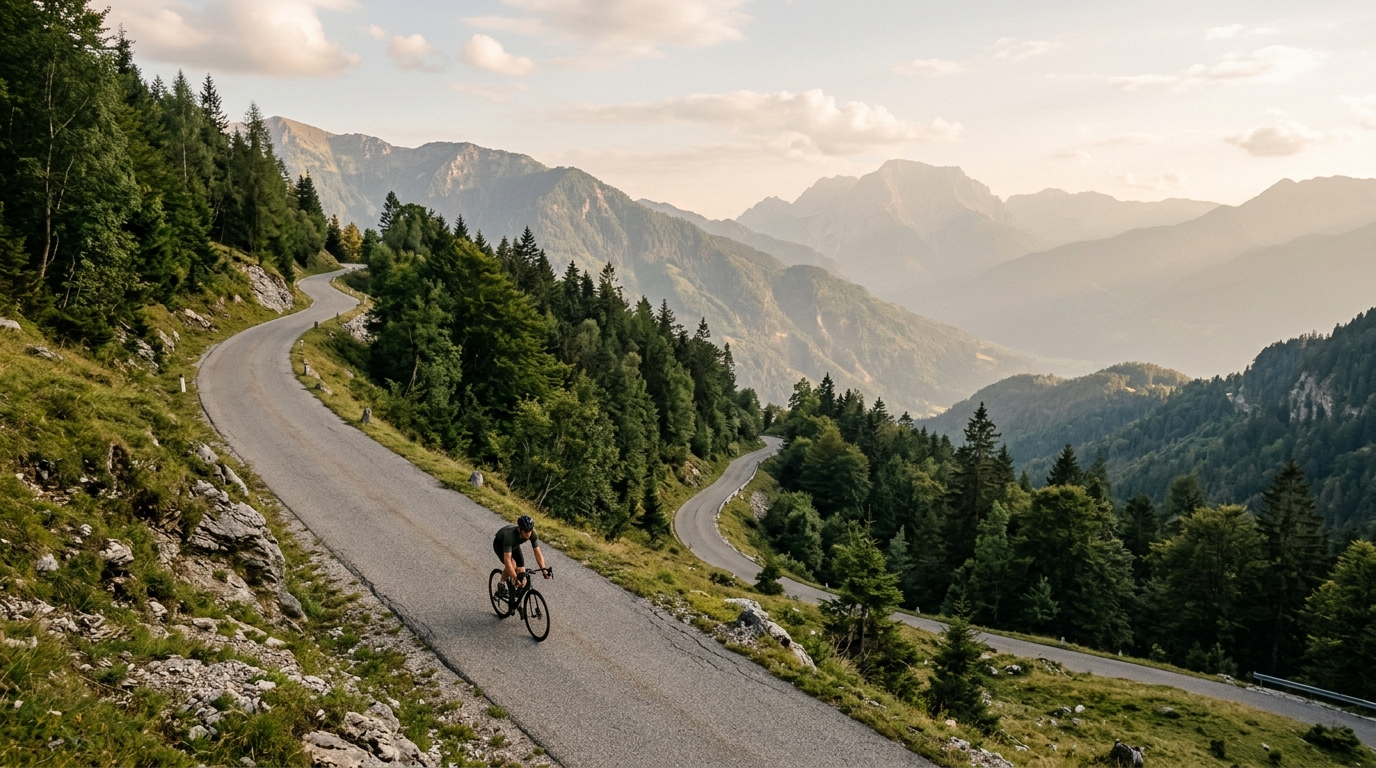 BiermanstiegelCat 1AT · 6.8 km · 9.1% · 960 m564pt
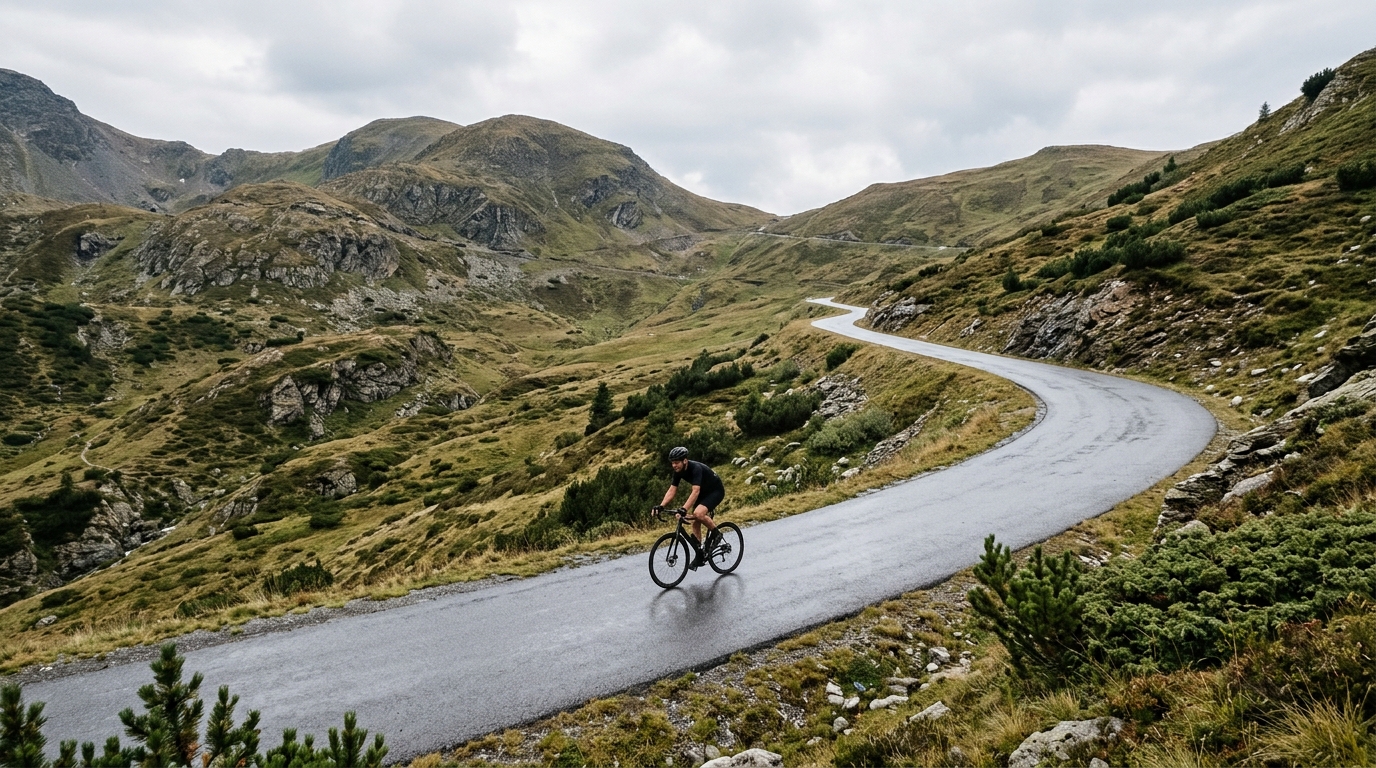 SchiestelscharteCat 1AT · 38.9 km · 3.6% · 1493 m516pt
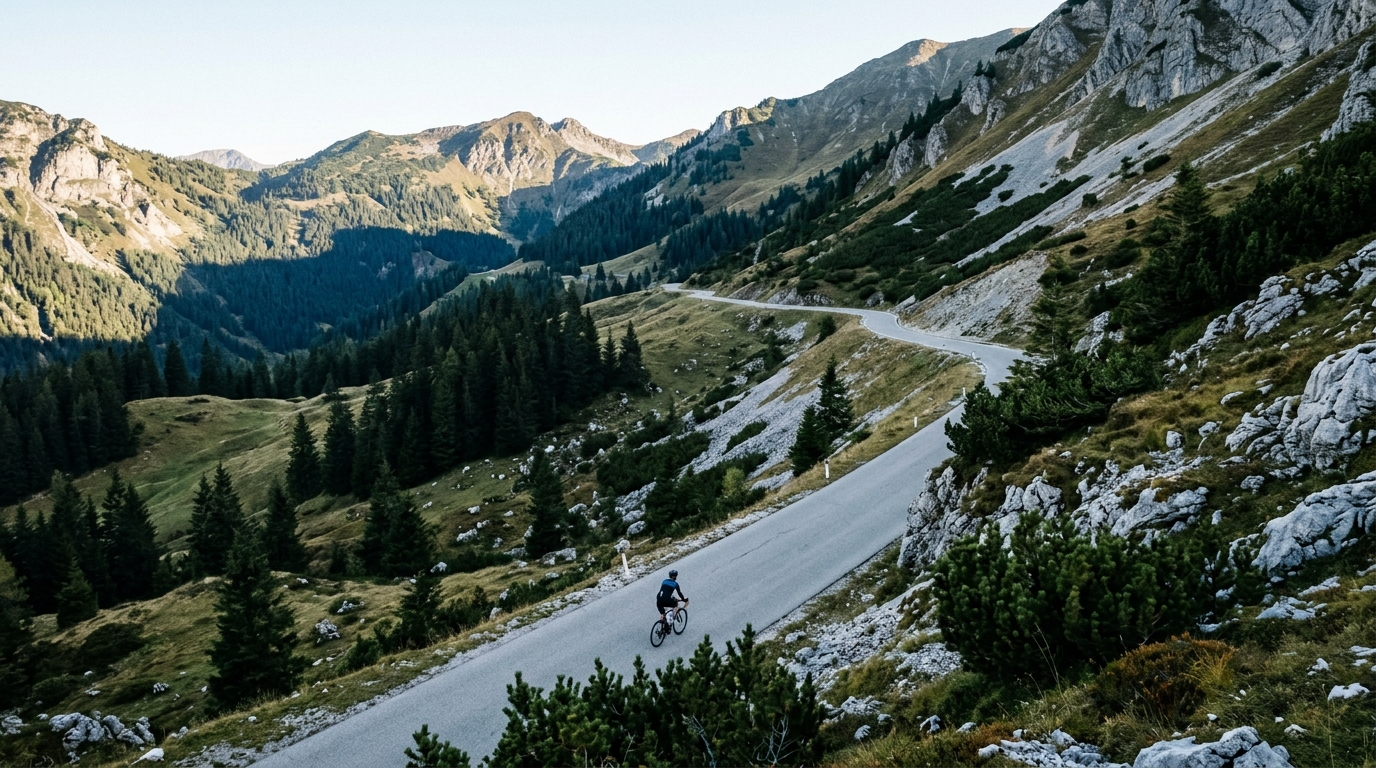 Gröbner HalsCat 1AT · 10.8 km · 6.9% · 926 m512pt
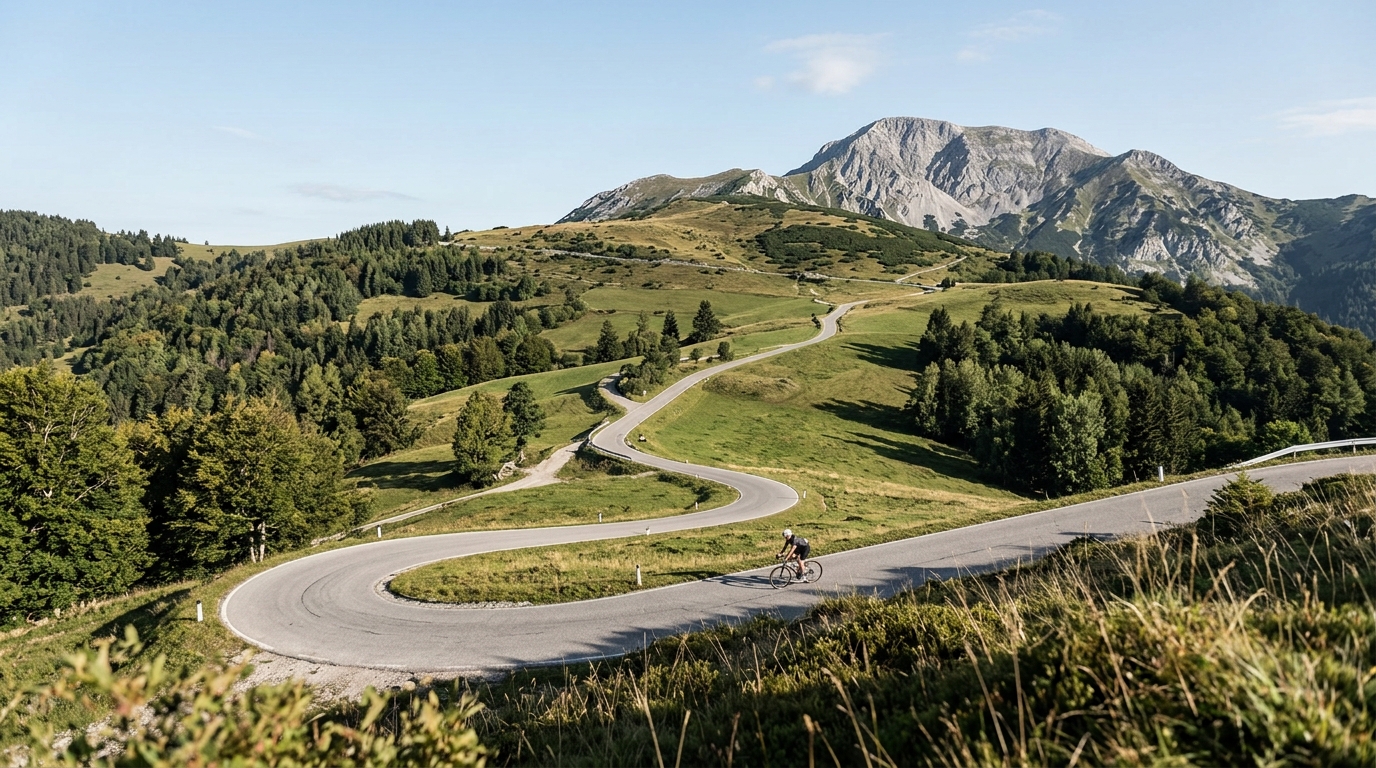 KrummbachsattelCat 1AT · 15.6 km · 5.6% · 1332 m497pt
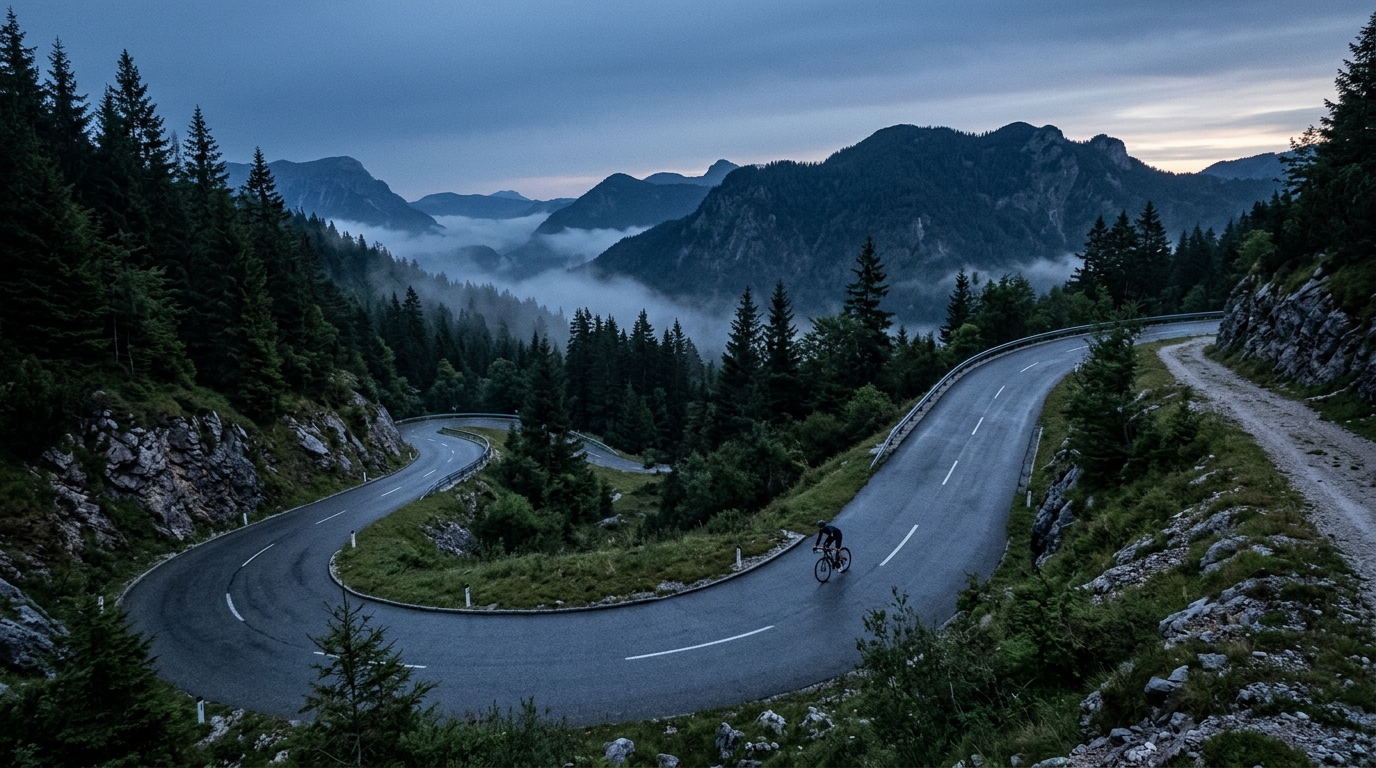 LienbachsattelCat 1AT · 9.9 km · 6.9% · 1022 m472pt
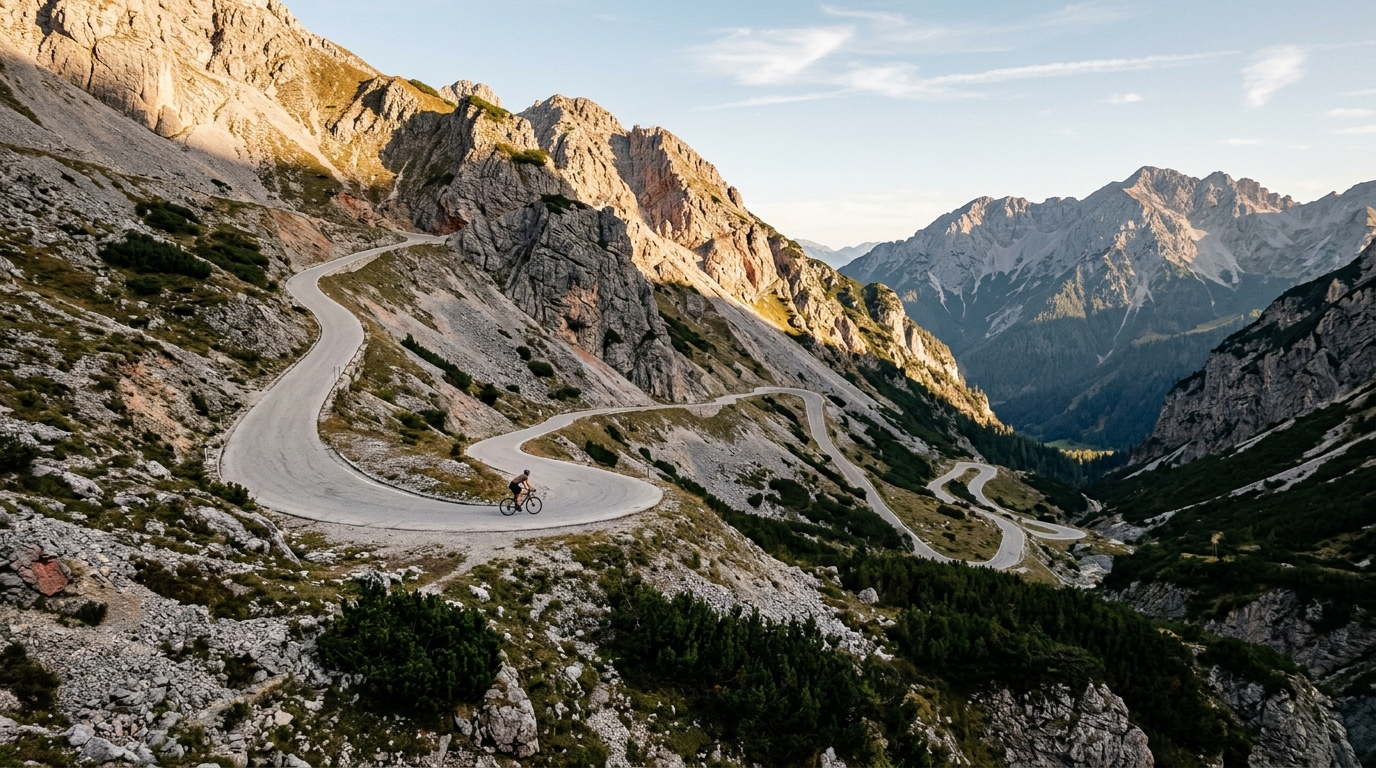 Rote-Rinn-ScharteCat 1AT · 11.7 km · 6.2% · 687 m443pt
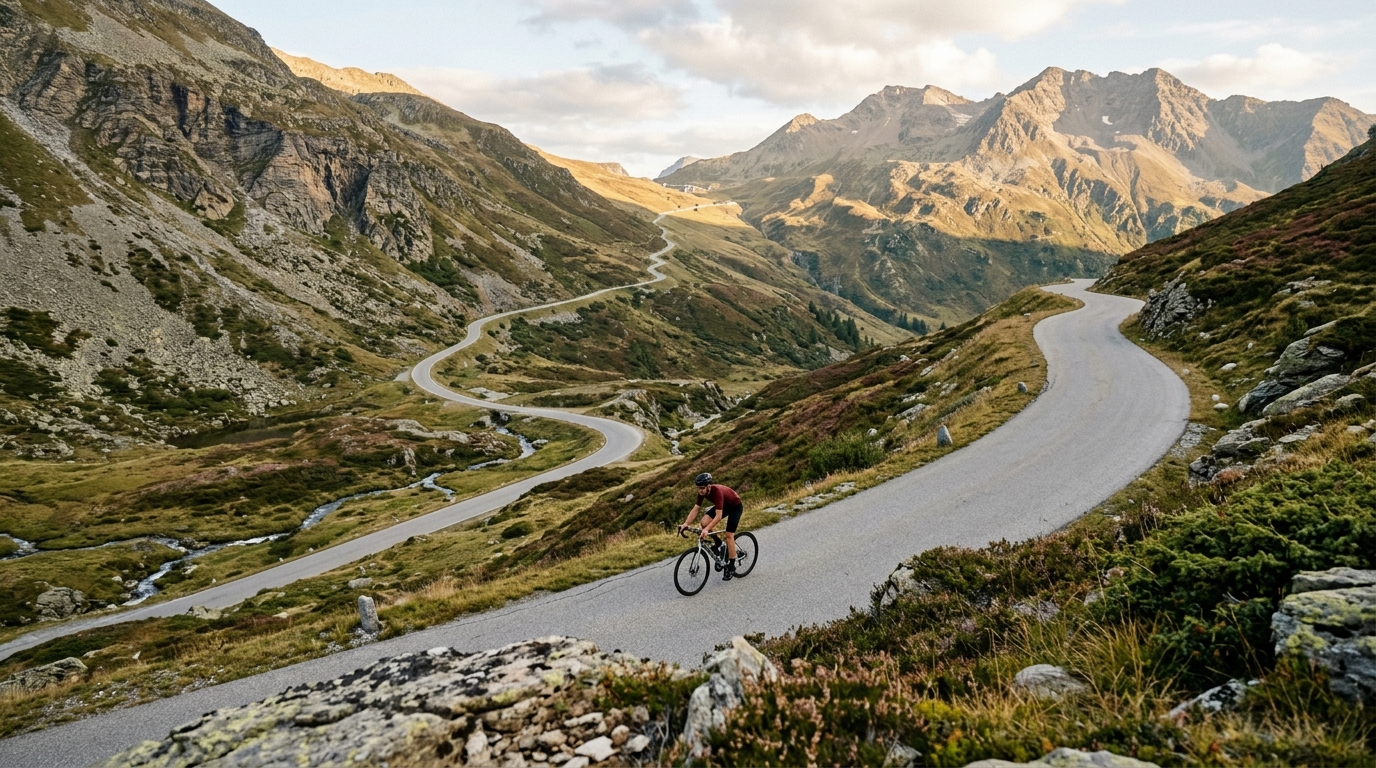 Verbellner WinterjöchliCat 1AT · 13.1 km · 5.5% · 1131 m401pt
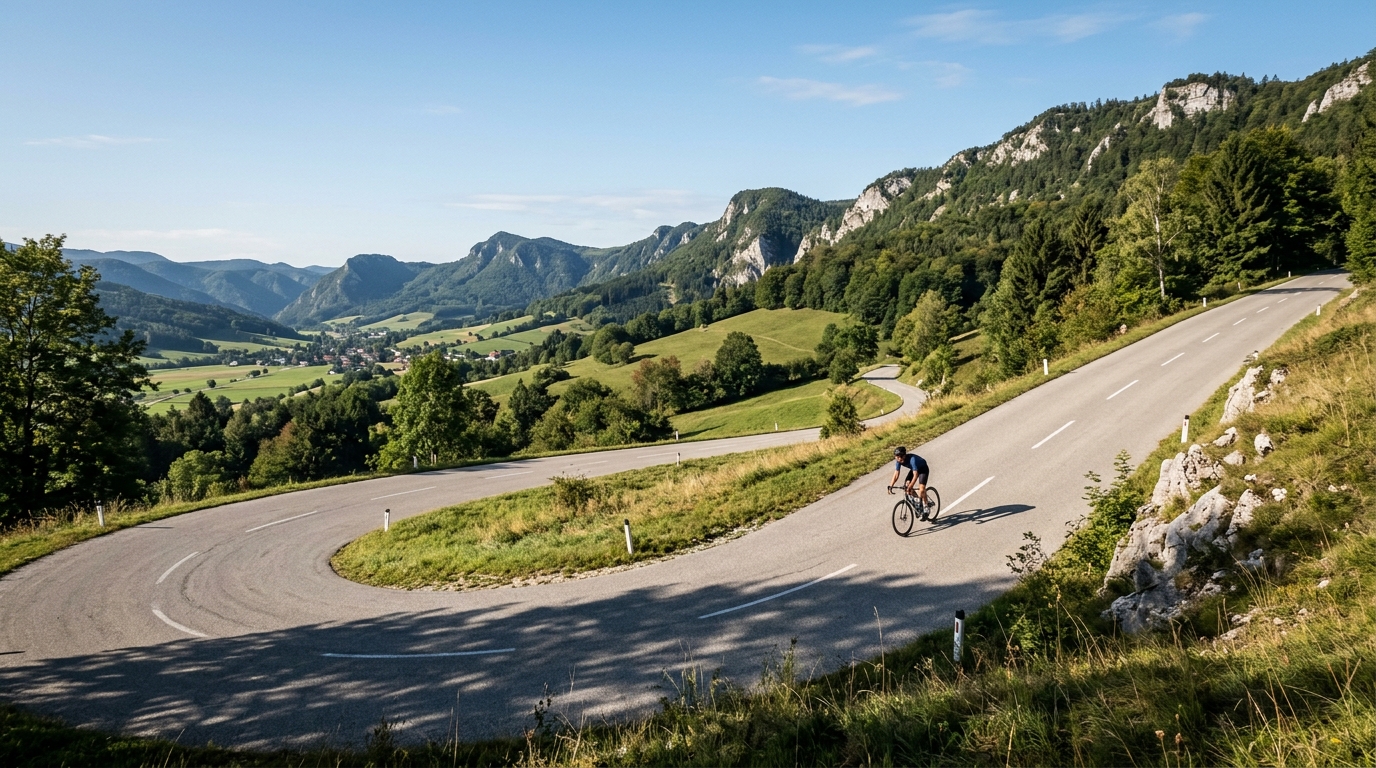 Rohrer SattelCat 3AT · 6.8 km · 5.3% · 350 m194pt
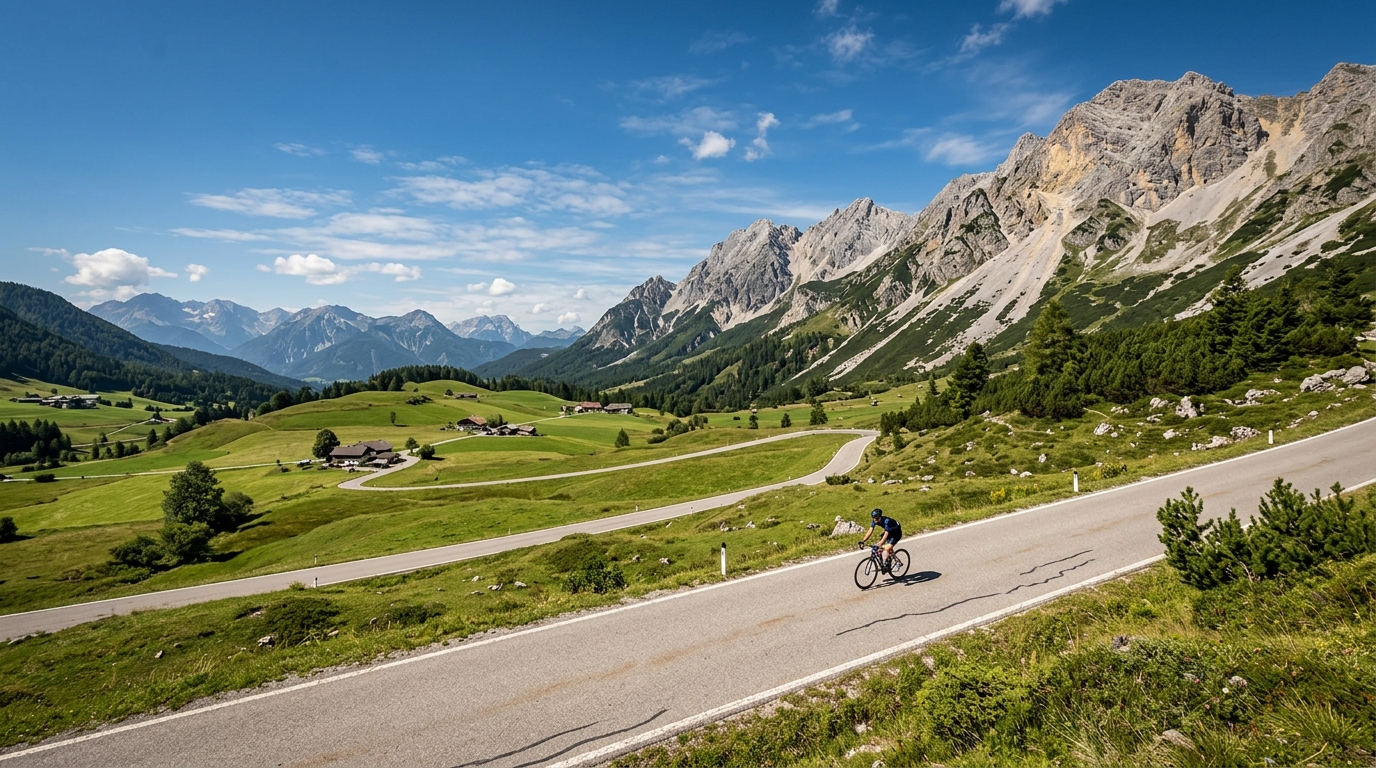 Holzleiten SaddleCat 3AT · 15.3 km · 3.3% · 486 m162pt
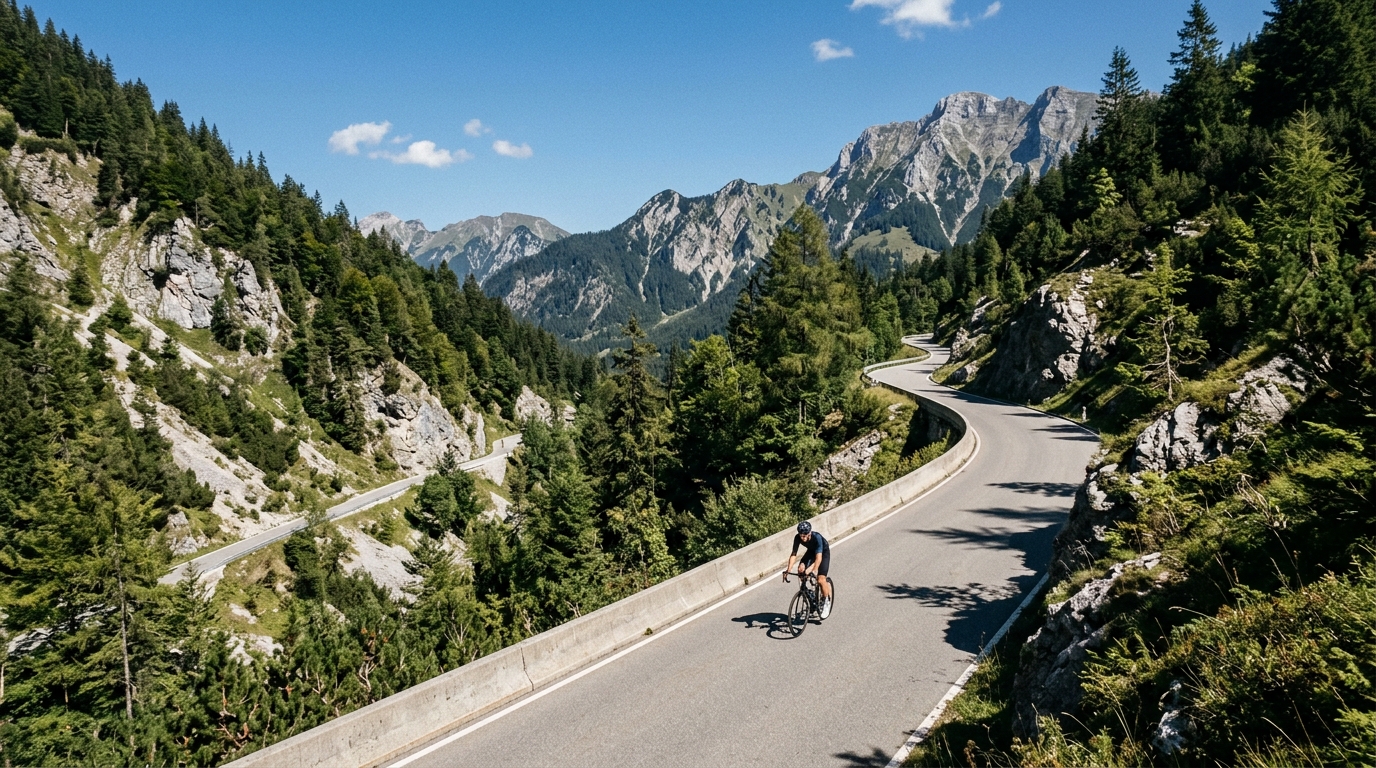 Gaicht PassCat 3AT · 2.2 km · 6.9% · 121 m104pt
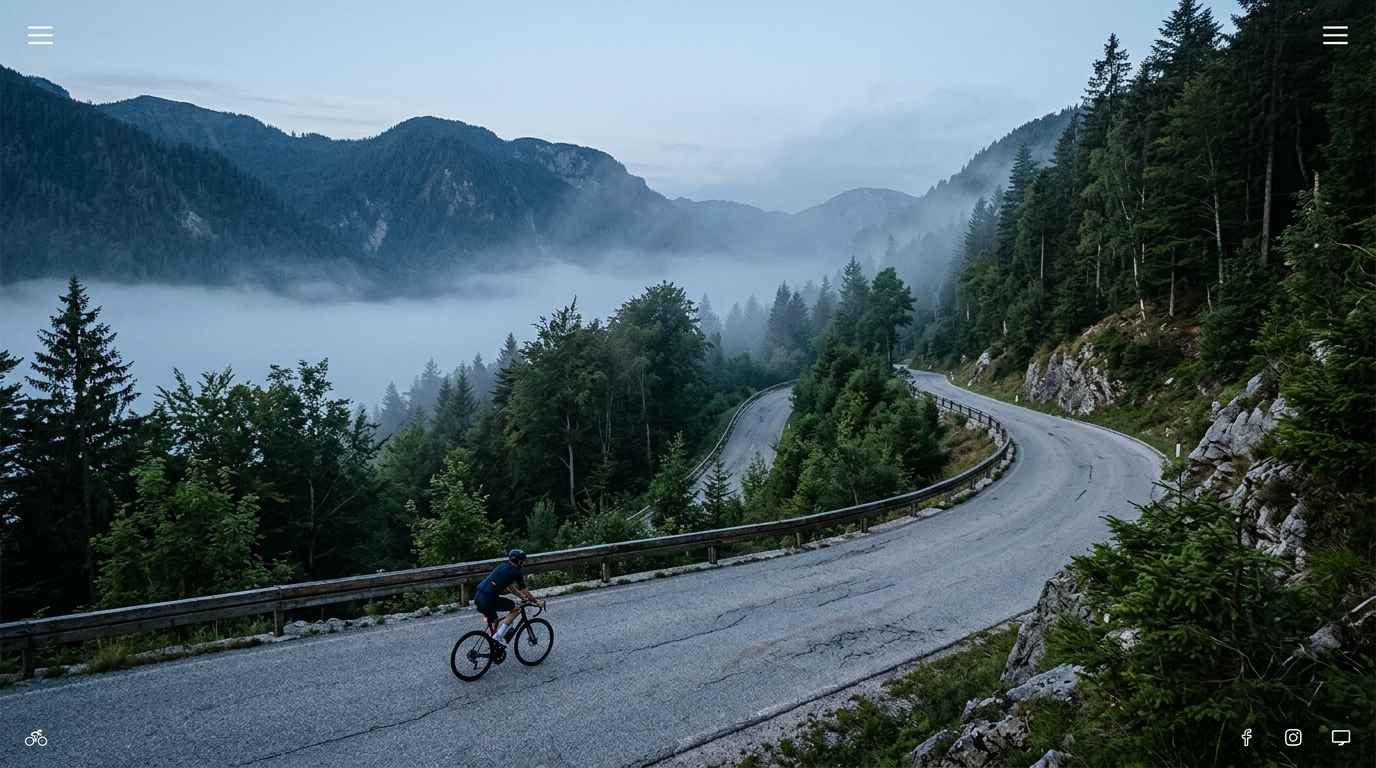 Zellerrain PassCat 3AT · 10.2 km · 4.2% · 404 m180pt
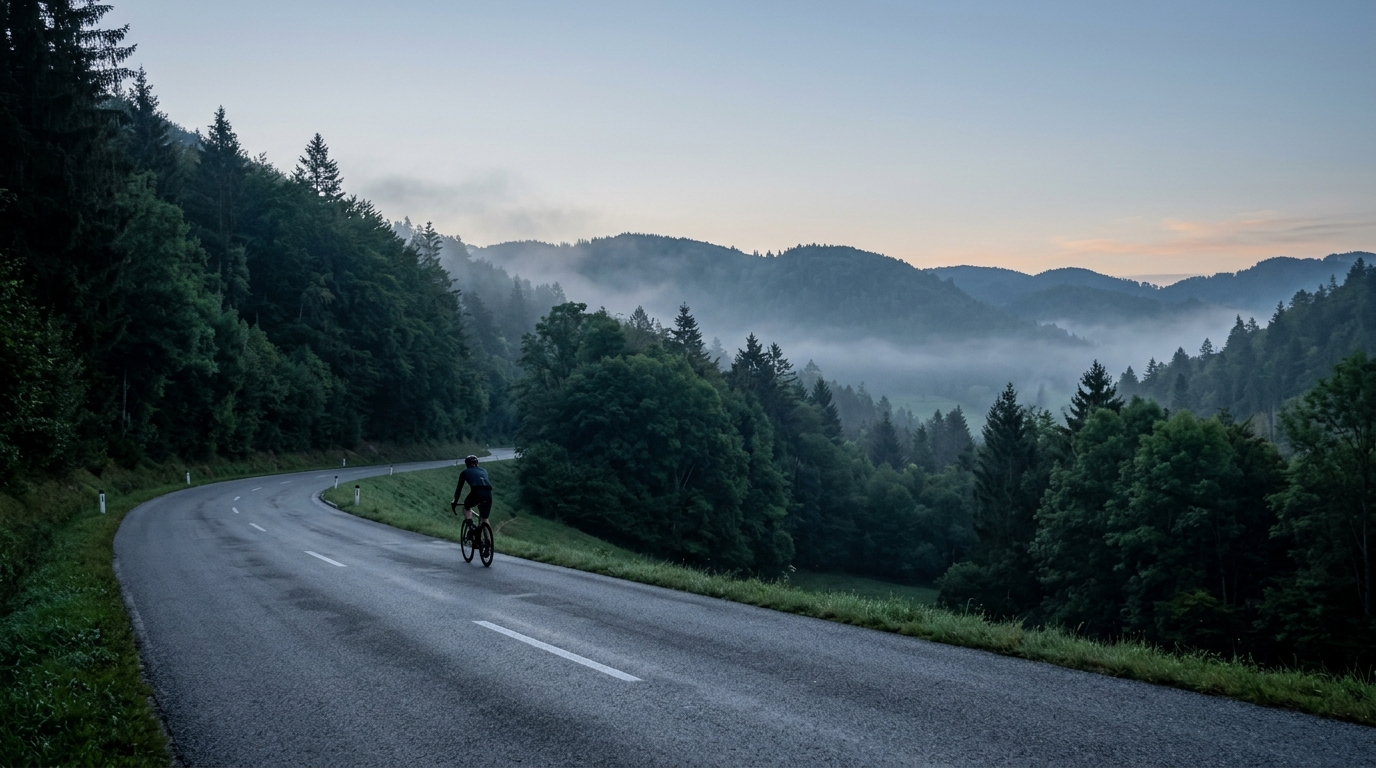 Lahnsattel (Pass)Cat 3AT · 8.8 km · 4.0% · 345 m142pt
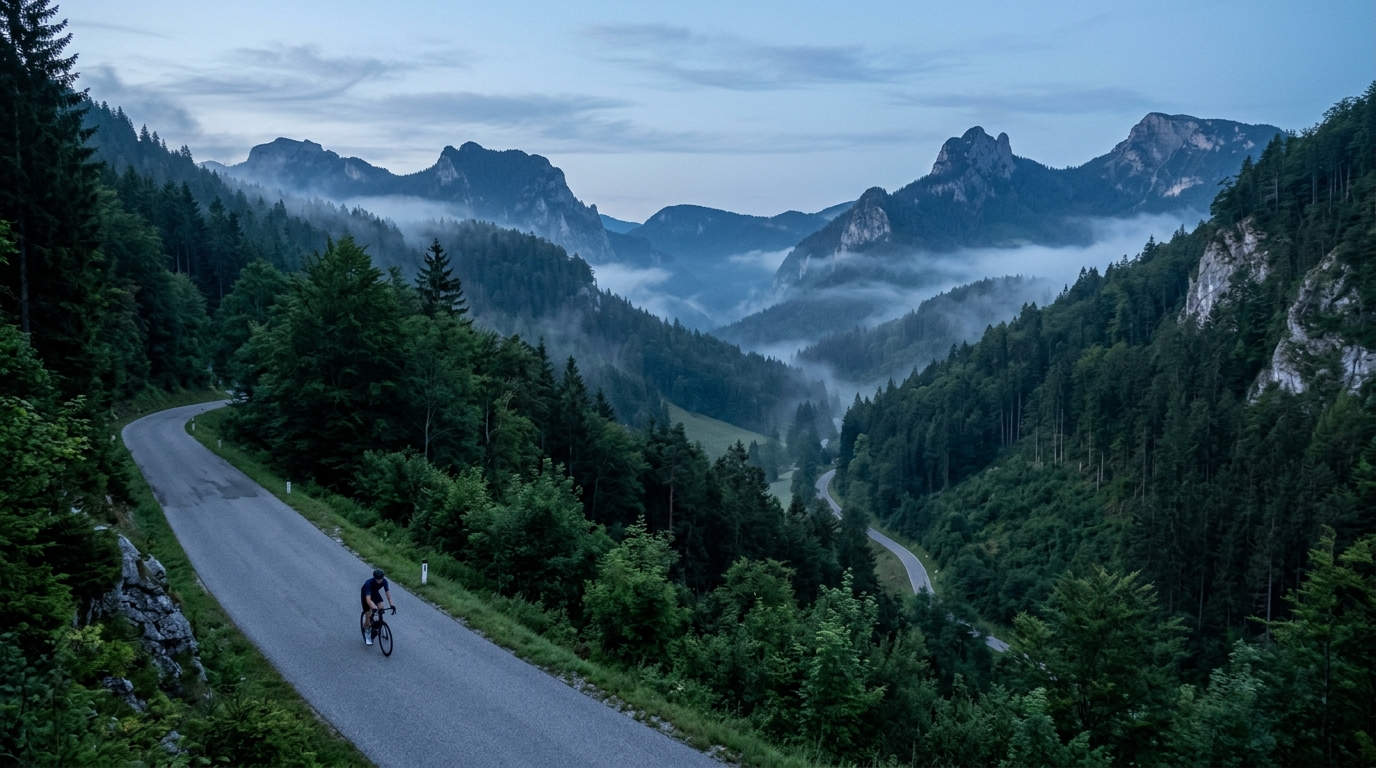 Lahnsattel (Pass)Cat 3AT · 9.2 km · 3.9% · 321 m138pt
La guida completa alle salite in Austria
The Riding
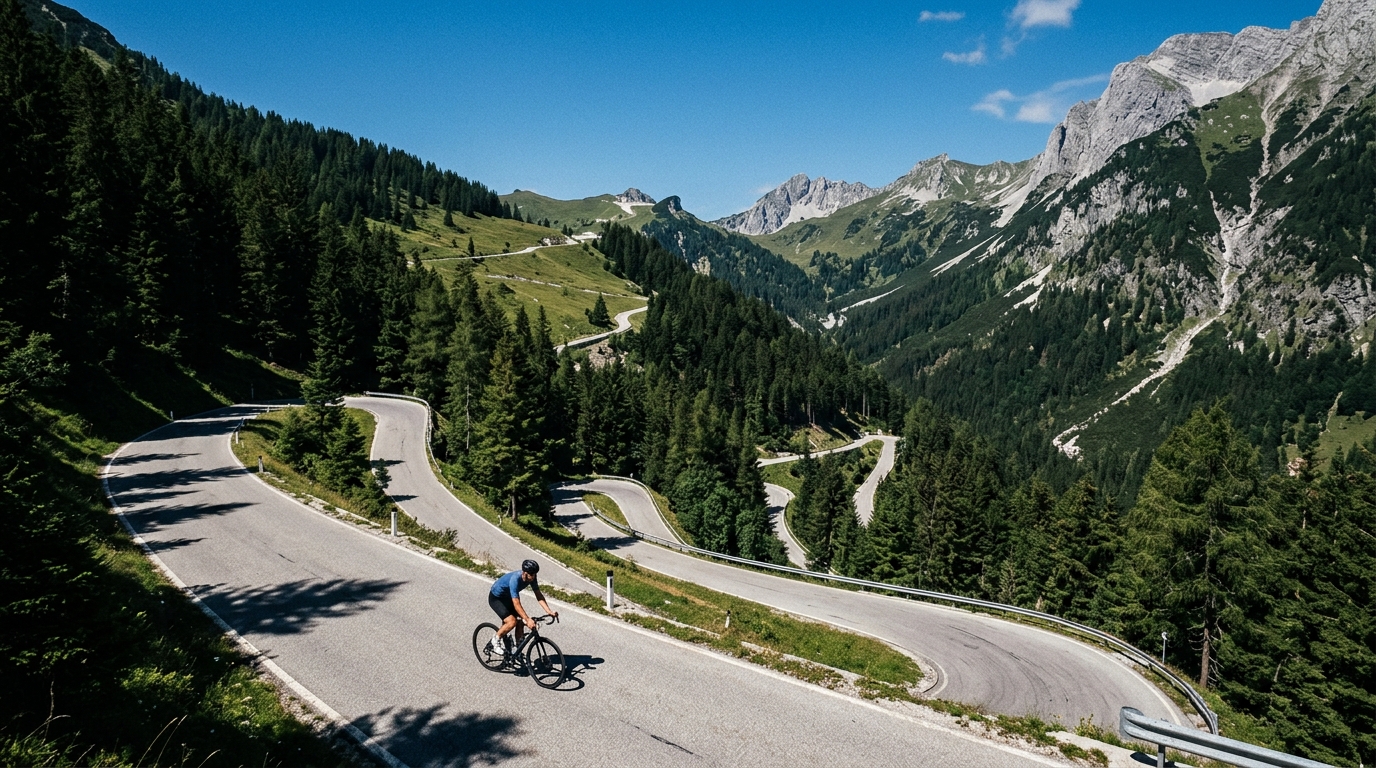
Austria is a country built for climbing on two wheels. Across its alpine landscape, riders can chase 189 catalogued climbs, a collection that ranges from steady valley-to-pass efforts to lung-searing high-mountain ascents. Among those, 22 carry the hors catégorie label, the toughest tier reserved for climbs whose length, gradient and sustained altitude gain push riders well beyond the ordinary. This is not a place for a single defining road but for a dense, varied network of passes threaded through the mountains.
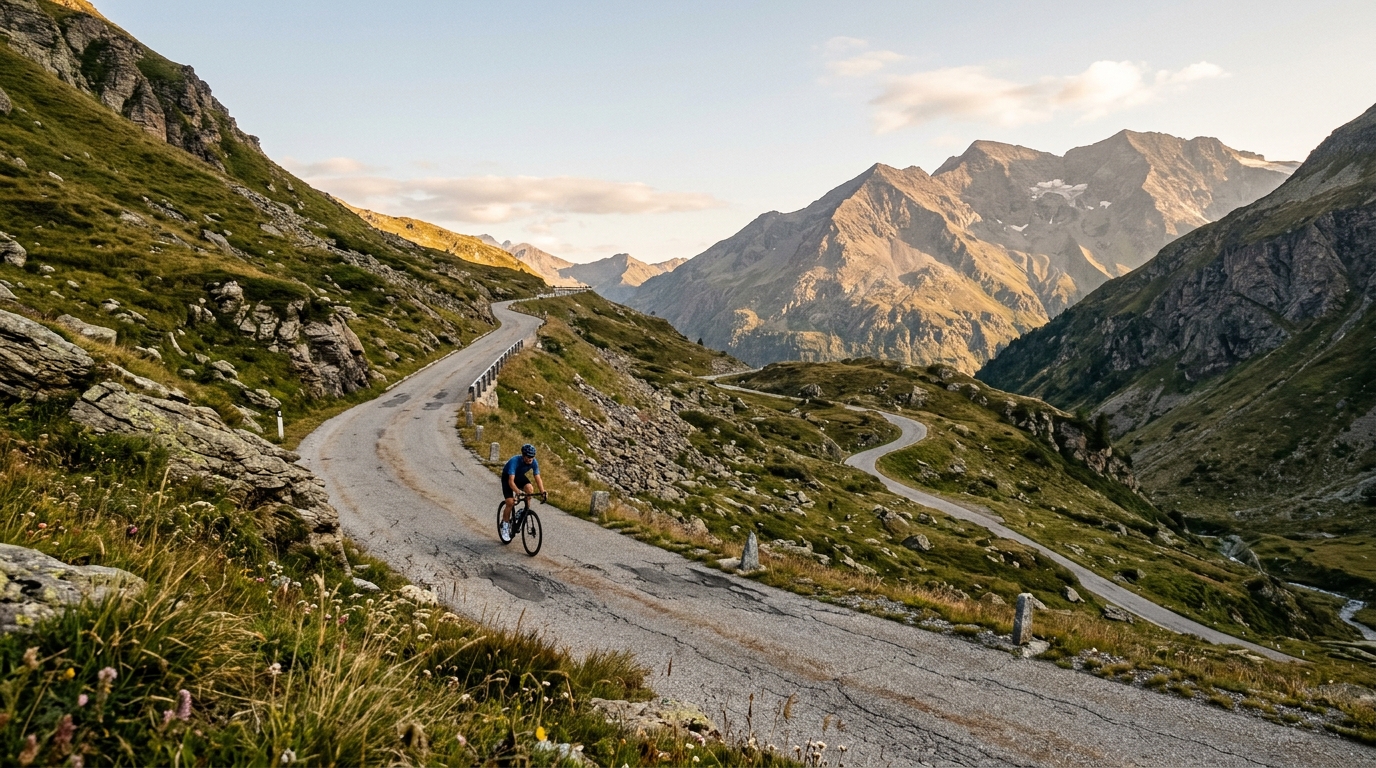
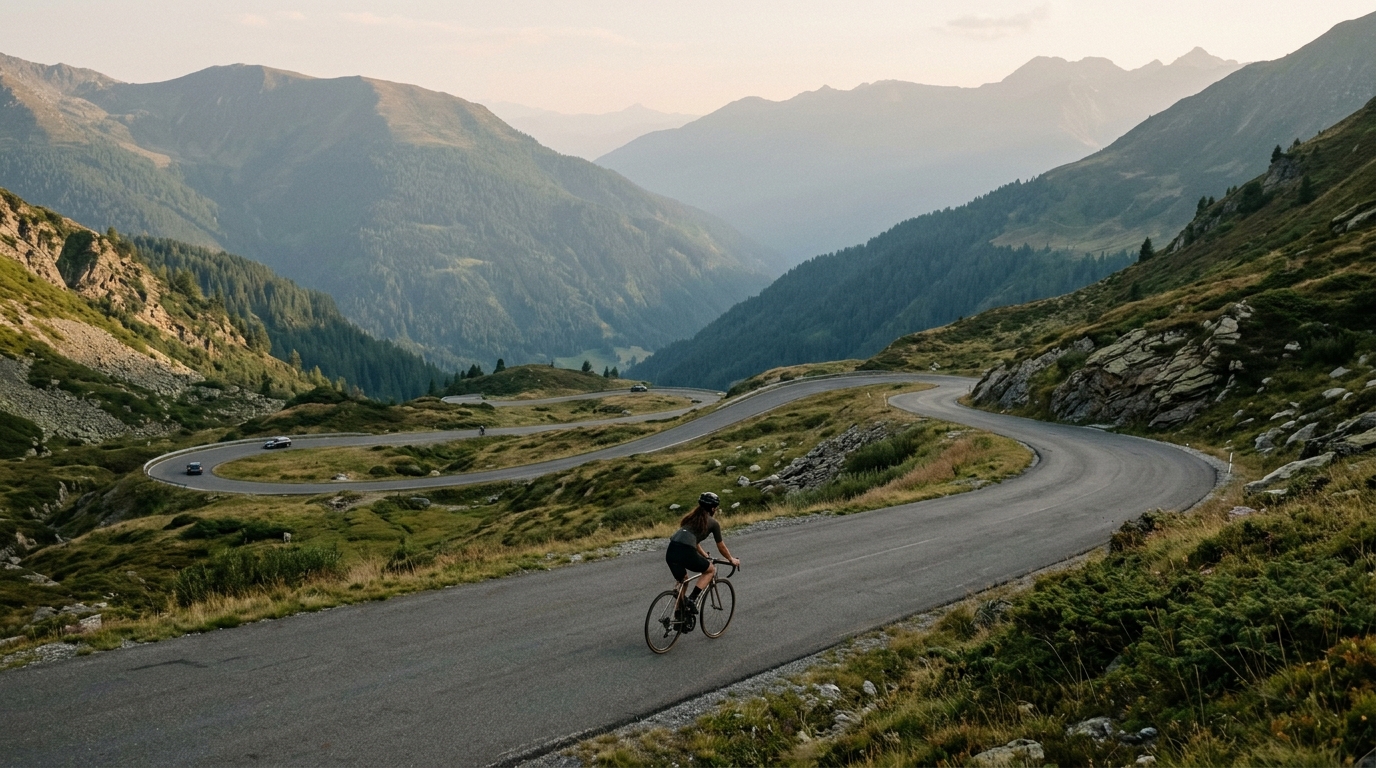
The character of Austrian climbing is defined by altitude and duration. The highest summit on offer tops out at 2562 m, and the roads that reach these heights tend to be long rather than merely steep, asking for patience and pacing as much as raw power. Gradients settle into rhythms you can sit in for the better part of an hour, then ramp up on the upper slopes where the air thins and the tree line falls away. Expect open pasture, exposed high ground and the kind of scenery that rewards every metre of elevation earned. It is climbing that respects the fit and humbles the unprepared.
Standout Climbs
The centrepiece is the Hochtor, the highest of Austria's great ascents and the summit that anchors the country's reputation for serious high-mountain riding. Long, relentless and cresting near the top of what these roads can offer, it is the benchmark against which other efforts are measured.
For riders drawn to steep, demanding gradients, the Hahntennjoch delivers a sharp, uncompromising test, while the Kühtai Saddle trades some of that severity for sheer altitude, carrying you high onto the mountain in a single sustained push. The Gerlos Pass and the Sölk Pass offer that classic Austrian blend of length and scenery, climbs you settle into and grind out over kilometres of steady rise.
Further west, the Arlberg and the neighbouring Flexen Pass form a pairing of storied high-country roads, exposed and atmospheric, linking valleys across the spine of the mountains. The Bielerhöhe Pass rounds out the marquee list, another lofty crossing that rewards the climb with commanding high-alpine views. Between them, these eight climbs capture the full range of what Austria asks of a rider: patience, staying power and a head for altitude.
When to Ride
The high passes dictate the season. Because so many of Austria's best climbs reach well above 2000 m, with the highest touching 2562 m, the riding window is firmly a summer affair. Snow lingers late on the upper slopes and returns early, so the reliable months run through the warmer part of the year when the roads over the highest saddles are clear and open.
Aim for the heart of summer for the greatest certainty on climbs like the Hochtor, the Kühtai Saddle and the Bielerhöhe Pass, where altitude keeps conditions cool even in peak season. Early and late in the window, keep a close eye on the weather: high-altitude passes can turn cold and wet quickly, and what feels warm in the valley may be markedly harsher near the summit. Lower efforts such as the Hahntennjoch or the approaches to the Arlberg tend to open a little sooner and stay rideable a little longer.
Practical Notes
Pack for altitude even on warm days. On climbs reaching toward 2562 m, temperatures at the top can be far lower than at the base, so a packable layer for the descent is not optional. The length of these ascents also means fuelling matters; carry enough to see you through efforts that can last well beyond an hour of sustained climbing.
Gearing deserves thought. With 22 hors catégorie climbs among the 189 on offer, having a low enough ratio to spin the steeper, higher sections of the Hahntennjoch or Hochtor will preserve your legs across a full day. Descents off the big passes are long and fast, so check your brakes before dropping off summits like the Flexen Pass or Gerlos Pass. Plan routes around the season, respect the weather, and treat every high crossing with the seriousness its altitude demands.
Summary
Austria offers a deep, high-altitude climbing playground: 189 catalogued climbs, 22 of them hors catégorie, topping out at 2562 m. From the commanding Hochtor to the steep Hahntennjoch, the lofty Kühtai Saddle and the storied Arlberg, Flexen Pass, Gerlos Pass, Sölk Pass and Bielerhöhe Pass, these are long, scenic, altitude-driven ascents best ridden in the warm months. Come prepared for length, gradient and thin air, and Austria rewards you with some of the finest mountain riding around.
Cerchi uscite complete in Austria?
Percorsi in Austria