Repaso
Piganzoli turns Luxembourg’s moving GC into a time trial lead
Davide Piganzoli turned Luxembourg’s rotating race lead into a time trial statement, while the week’s hilly stages showed how narrow the margins have been.
Davide Piganzoli’s three-second win in the 20.4km Ettelbruck time trial is the defining result from Luxembourg because it changed the race from a sequence of hilly-stage opportunities into a GC contest decided by measurable separation. After several days where the lead moved with stage results and tight groups, the time trial gave the strongest overall rider a cleaner way to express form.
That matters because the earlier stages had not produced much room for hierarchy. Luxembourg’s terrain has been hilly enough to reward aggressive and versatile riders, but not selective enough every day to create large splits. Piganzoli’s time trial win did not just add another stage result. It gave structure to a race that had been changing hands through small gaps and same-time finishes.
Luxembourg’s GC keeps narrowing toward Piganzoli
Mathieu van der Poel opened the race by winning the hilly first stage ahead of Pierre Gautherat and Marijn van den Berg, taking the first race lead. The significance there was straightforward: on a lumpy opener, a rider with the ability to finish fast after repeated terrain changes could convert the stage profile into both a win and the jersey.
Stage 2 kept the race compressed. Marijn van den Berg won the hilly 166.8km stage to Junglinster, and with the top ten all finishing on the same time, he moved into the GC lead without creating a decisive split. That type of result tells us the race was still being shaped by positioning, finishing speed, and bonus-style margins more than by sustained GC separation.
Stage 3 shifted the balance toward Piganzoli. Pepijn Reinderink won the hilly 179.6km stage to Diekirch, with Piganzoli second at one second and taking the GC lead. Even before the time trial, Piganzoli had already shown he could be present when the race finally started to pull apart. The one-second gap was small, but tactically meaningful because it showed he was not just waiting for the time trial. He was already close enough on the hardest road stage listed here to put himself into the race lead.
Then stage 4 made the hierarchy more explicit. Piganzoli won the 20.4km Ettelbruck time trial by three seconds and emerged as GC leader after stage 4. In a race where the top ten had previously finished together on one stage and the GC had moved repeatedly, three seconds against the clock is not a huge margin, but it is a more controlled one. It comes from pacing, position, and execution rather than the volatility of a hilly finish.
Gravel tech: race focus, big clearance
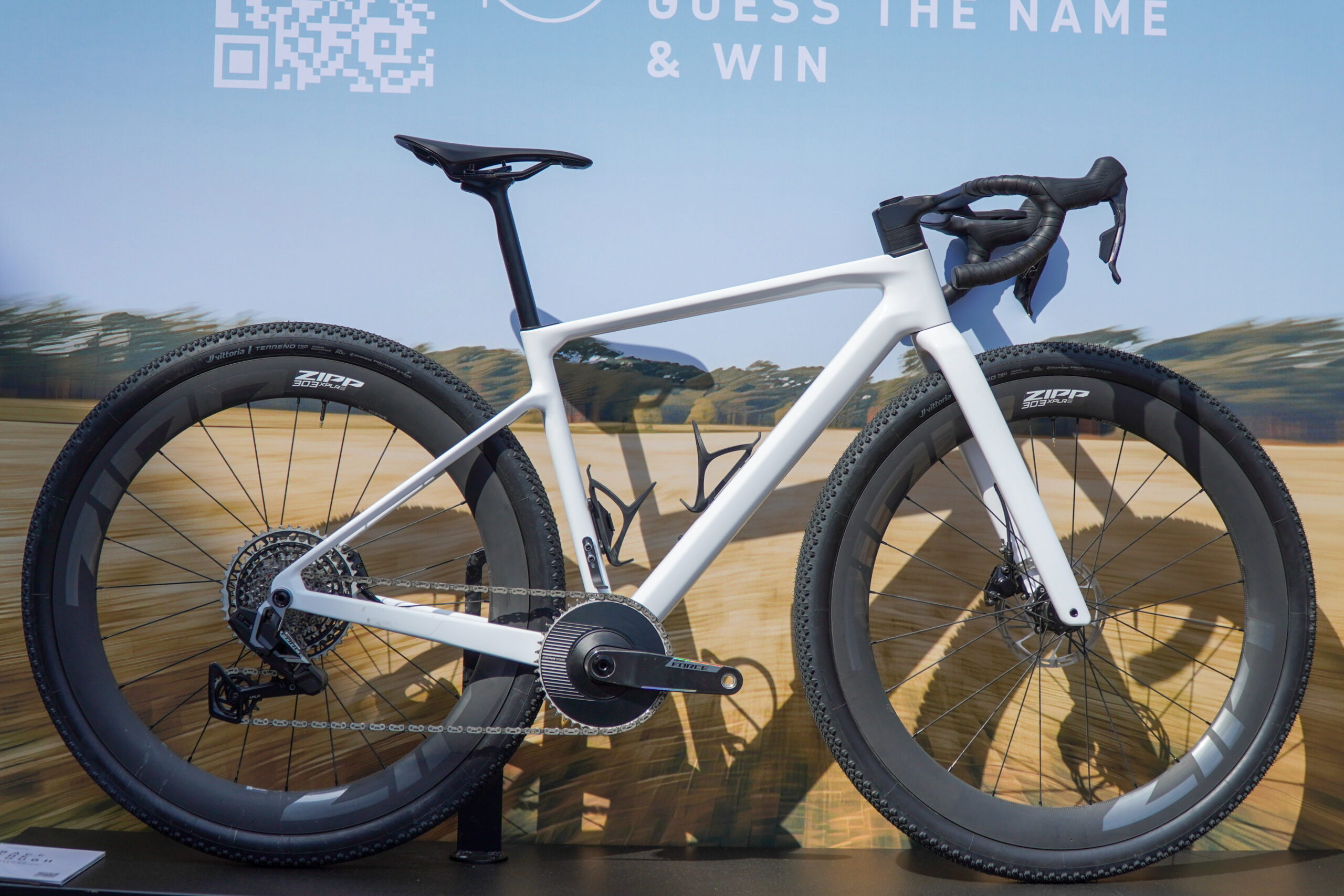
Away from Luxembourg, the most interesting equipment note is the mysterious Focus gravel race bike spotted at Sea Otter six months before its advertised launch. The headline feature is the combination of 55mm tyre clearance and minimal mounts.
That pairing is the point. Clearance that large suggests room for speed through rougher surfaces, while minimal mounts keep the design language pointed at racing rather than loaded utility. For data-driven riders, it is another reminder that gravel race bikes are increasingly judged by how they manage rolling speed, tyre choice, and course variability, not just by frame weight or accessory capacity.
En esta edición
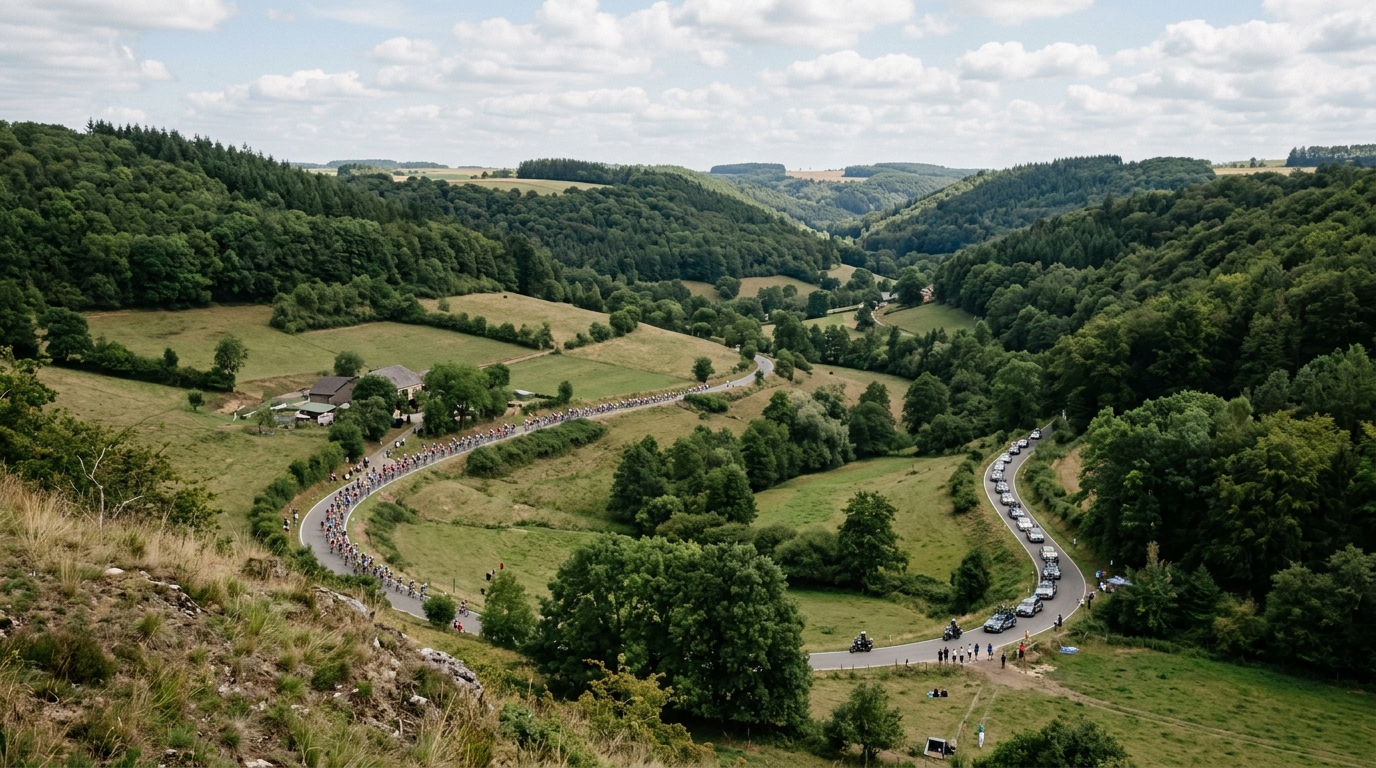
Mathieu van der Poel wins stage 1 and takes Luxembourg lead
Mathieu van der Poel won the hilly opening stage in Luxembourg, finishing ahead of Pierre Gautherat and Marijn van den Berg and taking the race lead.
Leer historia completa →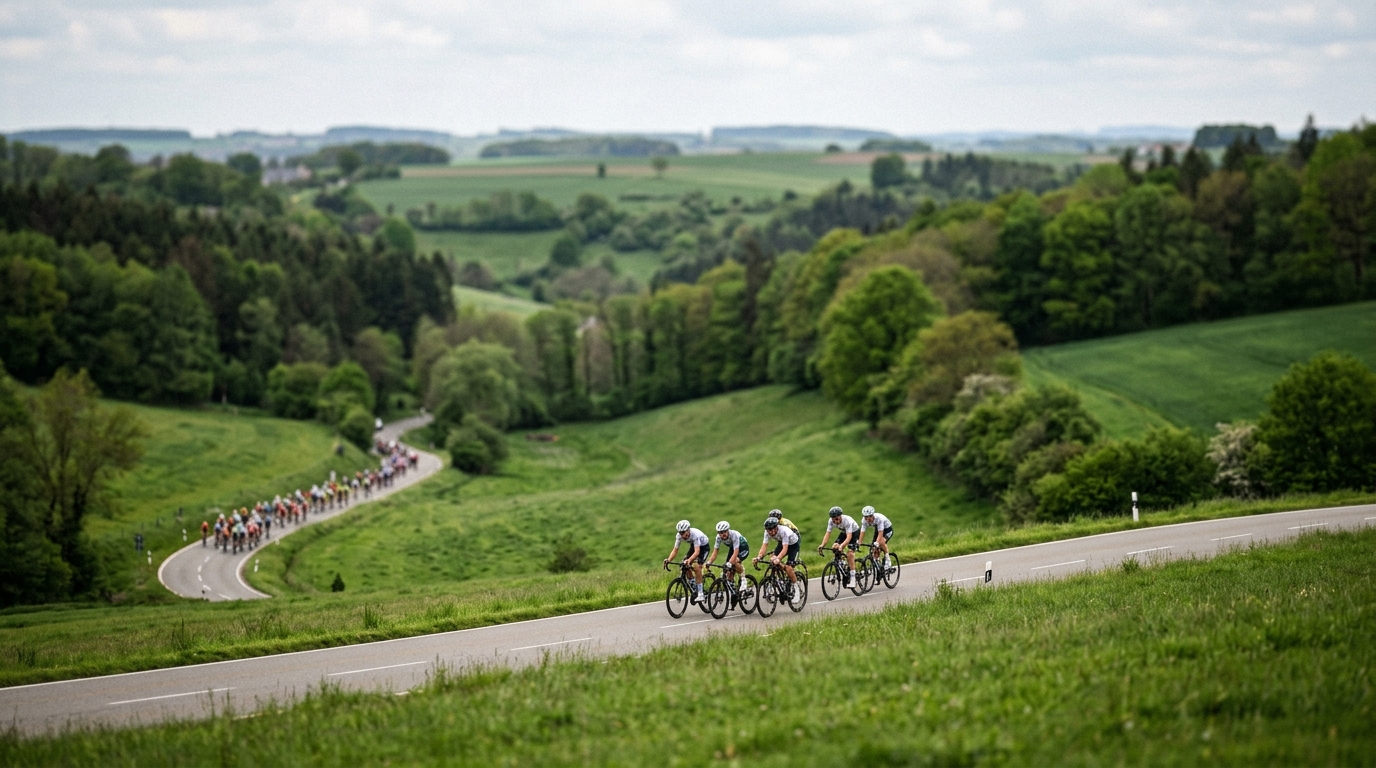
Piganzoli wins Luxembourg time trial and takes race lead
Davide Piganzoli won the 20.4km Ettelbruck time trial by three seconds and emerged as GC leader after stage 4.
Leer historia completa →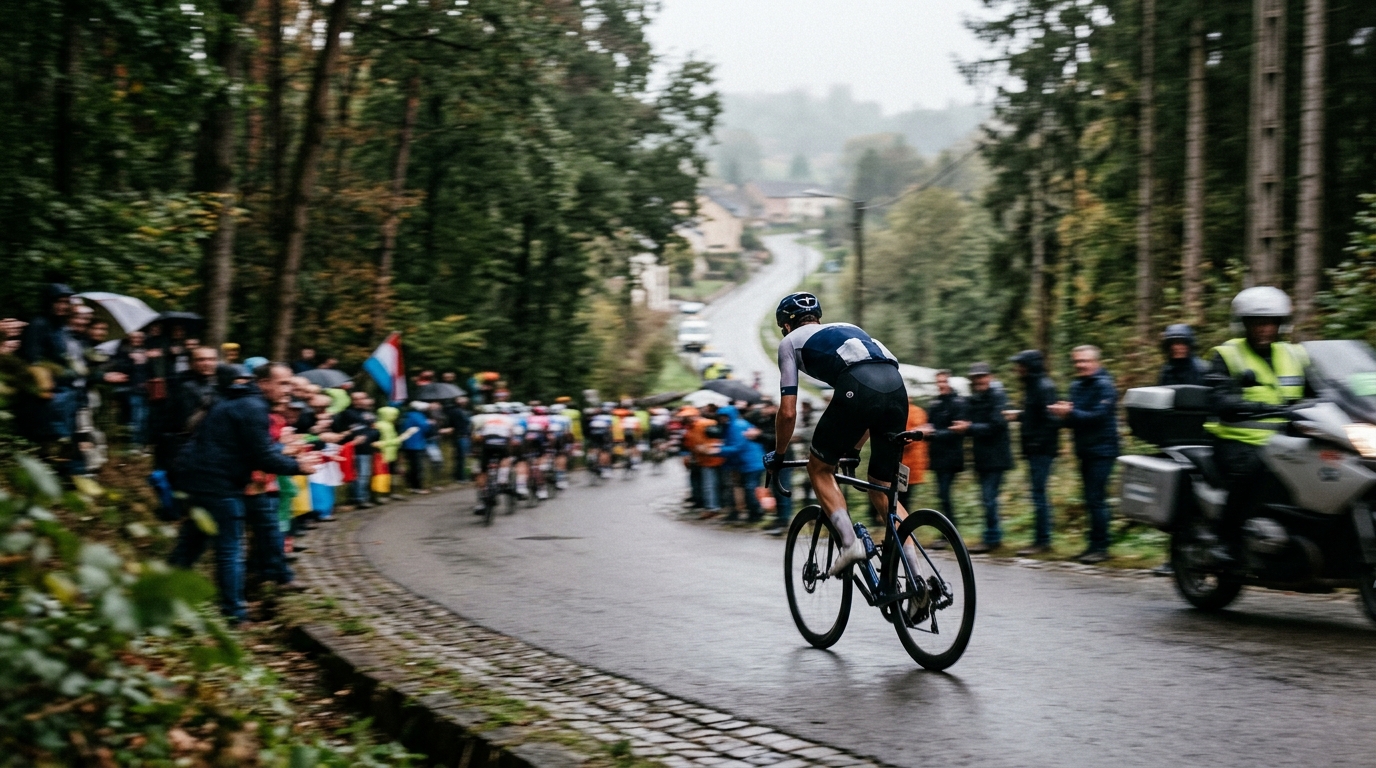
Reinderink wins stage 3 as Piganzoli takes race lead in Luxembourg
Pepijn Reinderink won the hilly 179.6 km stage to Diekirch, with Davide Piganzoli second at one second and taking the GC lead.
Leer historia completa →
Van den Berg wins stage 2 and leads Tour de Luxembourg GC
Marijn van den Berg won the hilly 166.8km stage to Junglinster, with the top ten all finishing on the same time and Van den Berg moving into the GC lead.
Leer historia completa →road.cc
New Focus gravel race bike spotted with room for 55mm tyres
A mysterious Focus gravel race bike has appeared at Sea Otter six months before its advertised launch, with 55mm tyre clearance and minimal mounts.
Leer historia completa →