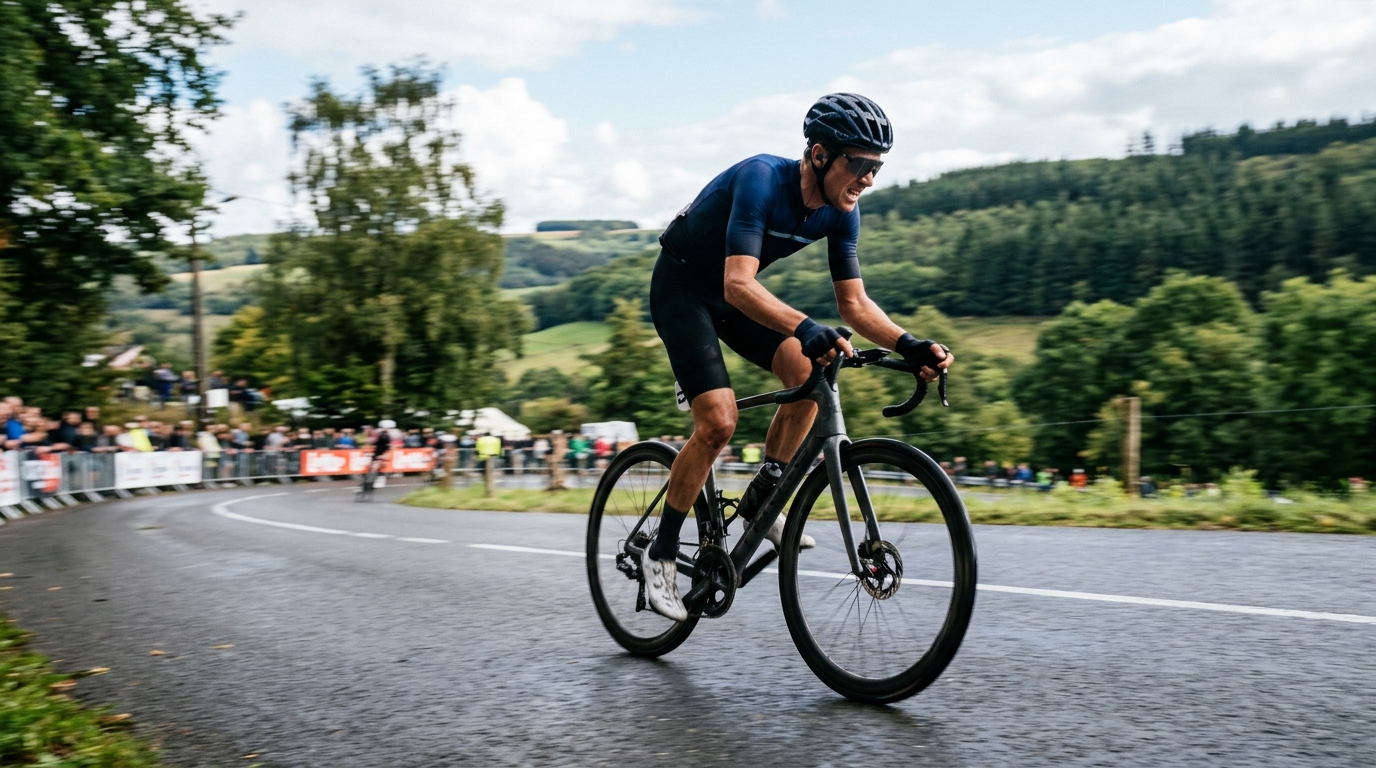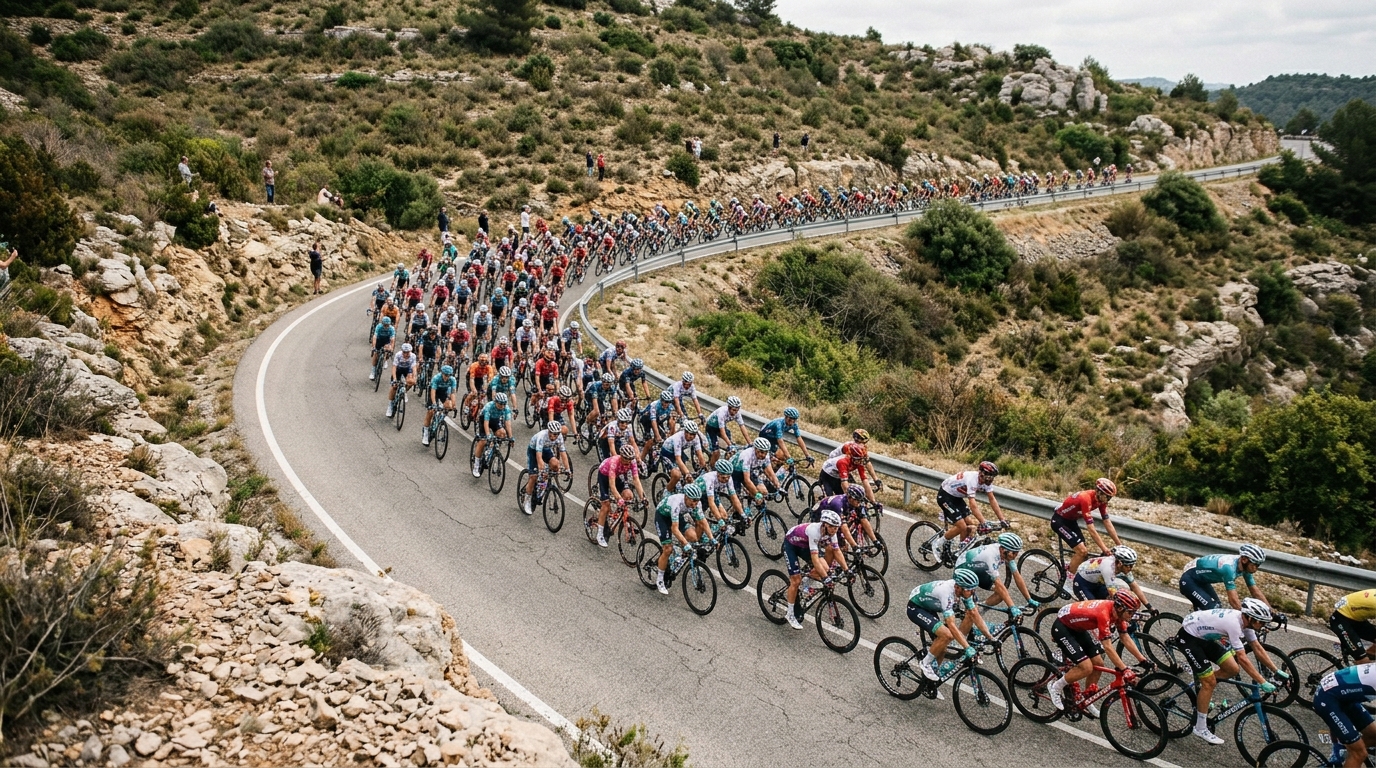
Imagen generada por nuestro modelo.
Repaso
Lotto Grand Prix de Wallonie brings a 1.Pro Belgian test into focus
The Lotto Grand Prix de Wallonie is the lone item on the desk today, but its shape matters: a men's UCI 1.Pro one-day race in Belgium on 16 September.
The Lotto Grand Prix de Wallonie 2026 is the only race on today's desk, but it is still worth treating with the right lens: this is a men's UCI 1.Pro one-day road race in Belgium on 16 September 2026, which means the entire competitive problem is compressed into a single afternoon rather than stretched across a stage-race arc.
That matters because one-day racing rewards clarity. There is no chance to recover a poor opening day, no time trial later in the week to rebalance the picture, and no accumulation of stages to gradually expose weakness. The tactical question is simpler but less forgiving: arrive ready, read the race correctly, and convert on the day. For a serious cyclist watching or using the race as a reference point, that is the value of a 1.Pro one-day test. It is a clean snapshot of execution.
Why the classification matters
The UCI 1.Pro label places the Lotto Grand Prix de Wallonie in a professional one-day framework, which is relevant because it sits in that space where race craft can be as decisive as raw depth. Without a multi-day structure, the race does not need to produce a broad hierarchy. It needs to produce one winner from one day of positioning, timing, and commitment.
That is also why previews of races like this should not be treated as filler between larger events. A one-day race in Belgium has a very different logic from a stage race. The margin for hesitation is narrower, and the cost of a mistimed effort is immediate. The format forces riders and teams to make decisions without the safety net of tomorrow.
What to watch from here
At this point, the key confirmed details are the race name, level, format, location, and date. The Lotto Grand Prix de Wallonie 2026 is set for 16 September 2026 in Belgium, and the most useful way to frame it is as a stand-alone professional test rather than part of a broader general classification story.
For data-driven athletes, that distinction is the takeaway. The race is not about cumulative load across stages. It is about how form, positioning, and tactical timing translate into one result when the opportunity comes only once.