Repaso
Aero fairness questions move to clothing at the Tour de France Femmes
Clothing checks at the Tour de France Femmes show where modern aero scrutiny gets difficult: a plausible performance theory is not the same as proof of cheating.
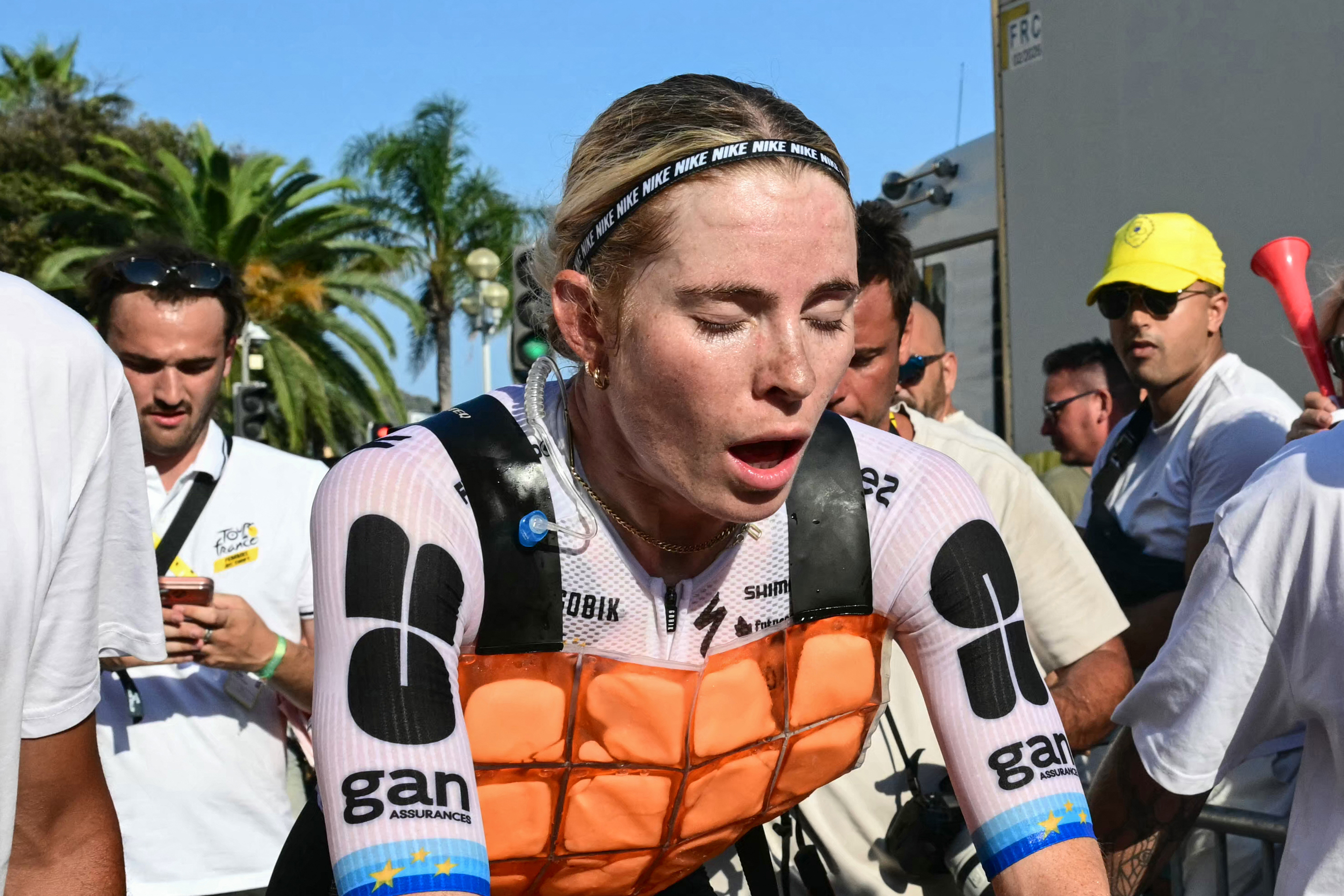
The most important story today is not simply that riders at the Tour de France Femmes faced clothing checks over alleged bra padding. It is that the sport is running into one of the hardest parts of modern performance regulation: separating a real aerodynamic concept from actual evidence of cheating.
That distinction matters. The data-driven cyclist understands that clothing is not neutral. Fit, surface, and shape can all influence drag, and at the top level even small aerodynamic differences can shape how a race is won or lost. So the theory behind the scrutiny is not frivolous. If padding could change airflow in a meaningful way, then race officials have a legitimate reason to care.
But the second half of the report is just as important: the aero theory is real, while evidence of cheating is not. That is where fairness can get messy. A check based on a plausible performance mechanism is not the same thing as proof that riders or teams deliberately crossed a line. If the sport wants to police these grey zones effectively, it has to avoid treating suspicion, appearance, and confirmed violation as the same thing.
The bigger issue: regulation is chasing marginal gains
This is the logical endpoint of a sport that has become increasingly optimized. Once bikes, helmets, clothing, and body position are all performance variables, officials are forced to decide which optimizations are acceptable and which become artificial advantage. The problem is that some of those calls are easier to make on paper than in the controlled chaos of a race environment.
For riders, the takeaway is clear: equipment and clothing choices are now part of the competitive and regulatory battlefield. For fans and analysts, the key is to keep two ideas in tension. Aerodynamics can be decisive, but a plausible aero benefit does not automatically establish intent or wrongdoing.
Isabel King and the demands behind the number
The other story today sits in a different corner of endurance cycling, but it also centers on what performance requires in the real world. Professional cyclist Isabel King told The Post she completed a 12-hour, 207-mile race while breastfeeding.
The number is striking on its own, but the context is what makes it meaningful. A 12-hour, 207-mile effort already demands disciplined fueling, pacing, and mental management. Adding breastfeeding to that effort introduces another layer of constraint that cannot be treated as a side note. It changes the frame from simply how far an athlete can ride to how performance is built around life conditions that do not pause for competition.
Taken together, today’s stories are both about boundaries. One asks where equipment advantage ends and unfair modification begins. The other shows how endurance performance is shaped by constraints that are physiological and personal, not just aerodynamic or tactical. In both cases, the easy headline is less useful than the underlying question: what does it actually take to race fairly, and at a high level, when every detail matters?
En esta edición
Medical Daily
Tour de France Femmes clothing checks raise aero fairness questions
Riders faced clothing checks over alleged bra padding, but the key distinction is clear: the aero theory is real, while evidence of cheating is not.
Leer historia completa →
New York Post
Isabel King raced 207 miles while breastfeeding
Professional cyclist Isabel King told The Post she completed a 12-hour, 207-mile race while breastfeeding.
Leer historia completa →