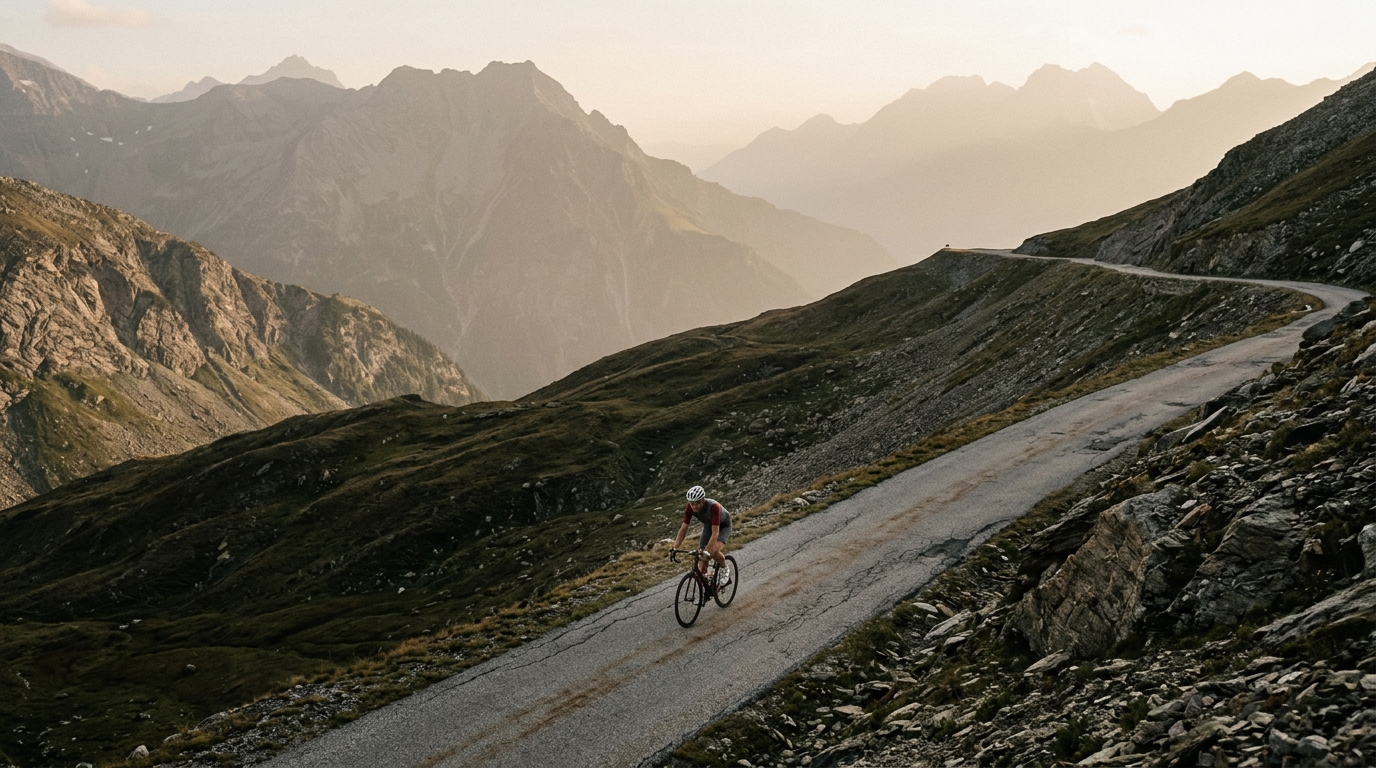
Niedere Scharte
A practical Niedere Scharte cycling climb profile, with pacing and gearing notes for a 19.9 km HC ascent averaging 6.63 percent.
- Lengte
- 19.9km
- Gem.
- 6.6%
- Max
- 13.3%
- Top
- 2,116m
- Hoogtewinst
- 1,295m
De klim
Hoogteprofiel
Niedere Scharte cycling climb profile
Niedere Scharte is an HC climb in Austria, and the headline numbers explain why it has to be ridden with restraint: 19.9 km at an average gradient of 6.63 percent, rising from 799 m to 2116 m. The listed net elevation gain is 1317 m, with total ascent recorded at 1295 m, so the useful takeaway is simple rather than overly granular - this is essentially a long, high-vertical climbing effort where fatigue accumulation matters more than any single steep ramp.
The average gradient sits in the zone where many riders can convince themselves the climb is manageable early on. That is the trap. At nearly 20 km, 6.63 percent is not a punchy hill effort. It is a sustained aerobic load that steadily taxes muscular endurance, fueling, and cooling. The maximum gradient of 13.27 percent also tells you the climb is not just a smooth diesel ascent. There are pitches steep enough to force a change in rhythm, especially if you arrive over-geared or already above threshold.
How the gradient should be read
With only the full-climb statistics available, the safest way to understand Niedere Scharte is as a long climb with meaningful variability inside a steady overall demand. The average is moderate for an HC ascent, but the max gradient is roughly double that average, which means the steepest sections are likely where pacing mistakes become expensive.
The key is not to chase speed on the more comfortable gradients. If the road eases, use it to bring breathing and torque back under control. If it kicks up toward the steeper end of the profile, accept a slower speed and protect cadence. The riders who climb this well will be the ones who keep the effort boring for the first half and still have enough torque for the final kilometers.
Pacing and gearing notes
For pacing, anchor the effort below your sustainable climbing limit until deep into the ascent. If using power, this is a climb to pace around controlled endurance-to-threshold discipline rather than repeated surges. Riders who know their /glossary/ftp should avoid treating the early gradients as permission to ride at or above it. If you are estimating targets before a trip, use an /tools/ftp-estimator as a starting point, then build in a margin for duration and elevation.
Gearing should be chosen for the 13.27 percent maximum gradient, not the 6.63 percent average. A setup that feels comfortable on the middle gradients can become restrictive on the steepest ramps, particularly late in a 19.9 km climb. Prioritize a low enough gear to keep seated cadence viable when the road bites, because standing repeatedly on an HC-length ascent usually becomes a cost you pay later.
Niedere Scharte is the kind of climb where the decisive move is rarely dramatic. It is made by not over-spending early, keeping cadence alive on the steepest pitches, and respecting the vertical gain all the way to 2116 m.