NeverChill blog
Endurance training, written honestly
Pacing, power, training load, and practical ways to use your data.
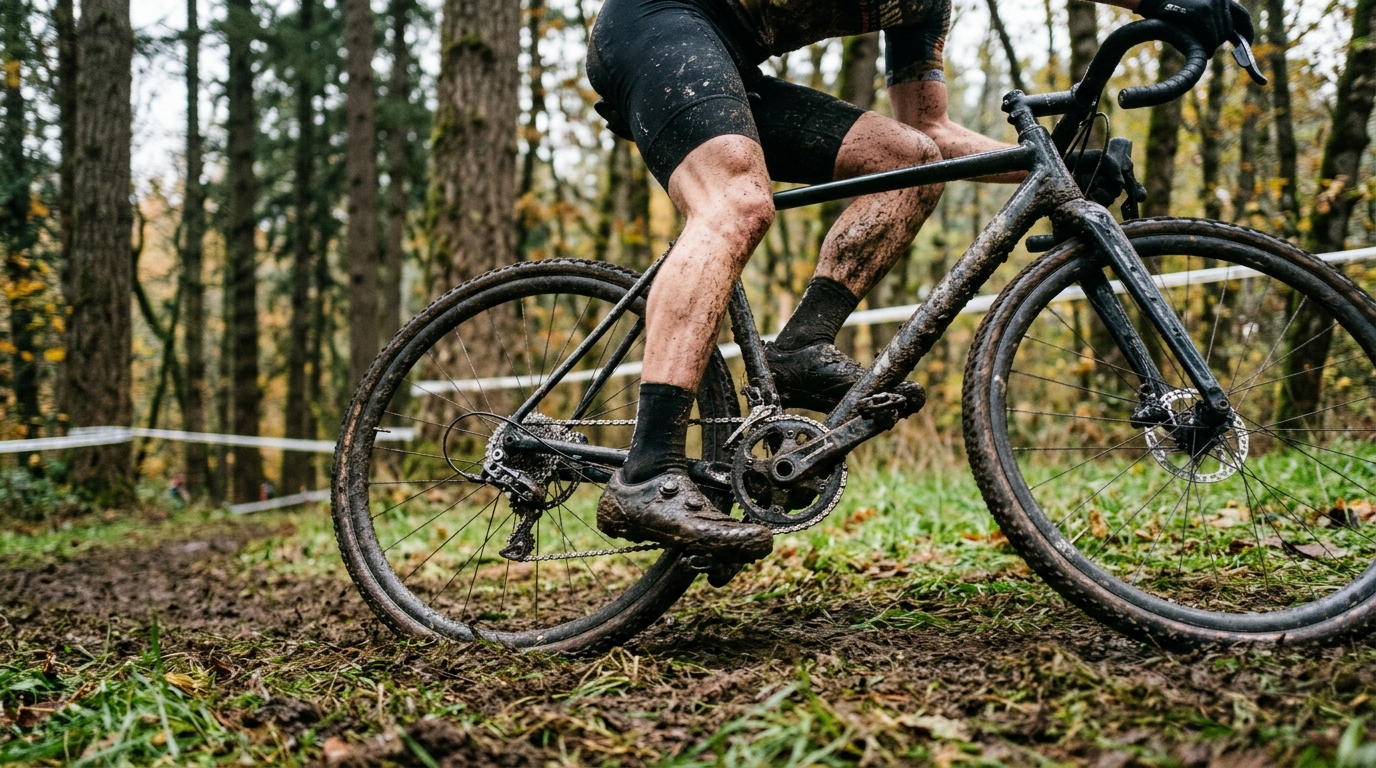
Normalized Power vs Average Power: What to Track
Average power tells you the arithmetic output. Normalized power helps explain variable ride cost. Here is how to use both after every ride.
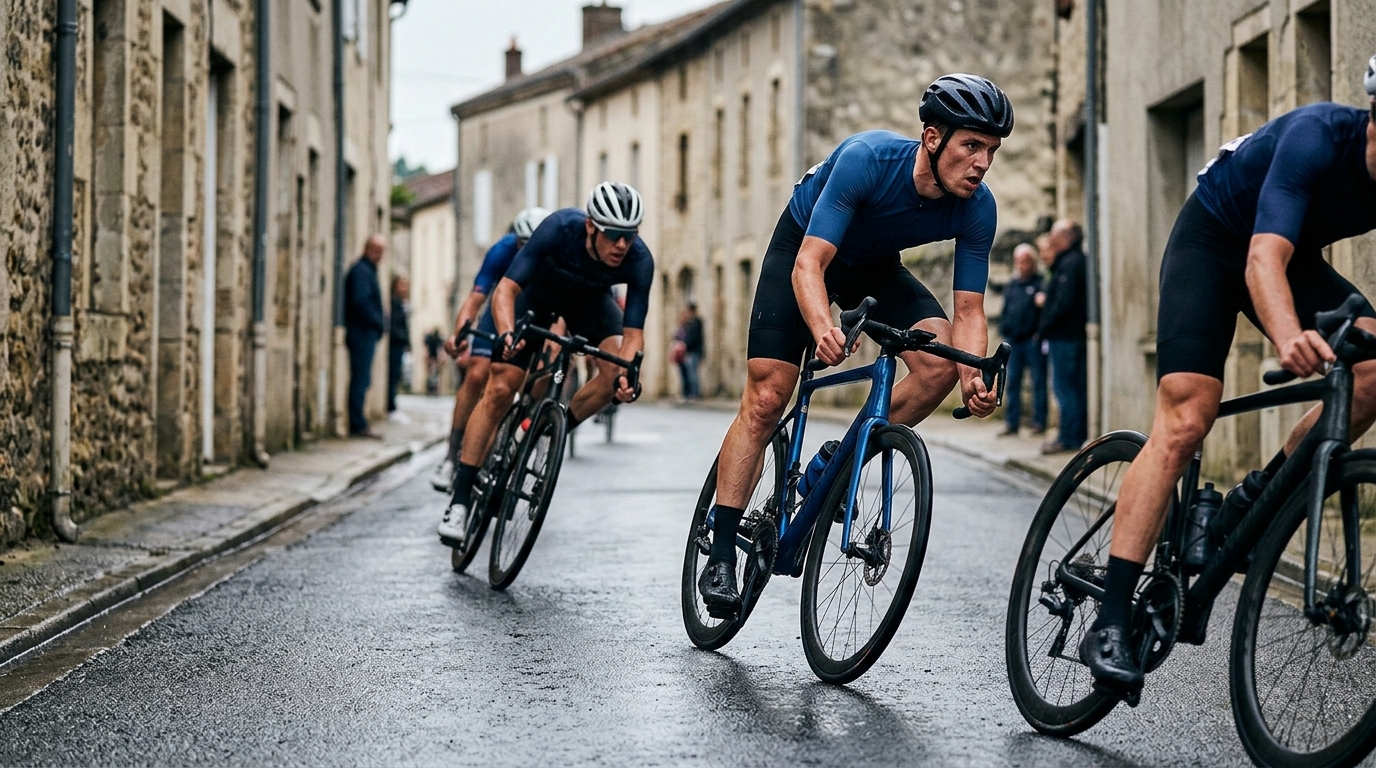
Race File Analysis for Cycling: Find Attacks and Burned Matches
Learn how to analyze cycling race data to find decisive surges, wasted efforts, burned matches and sharper training priorities.
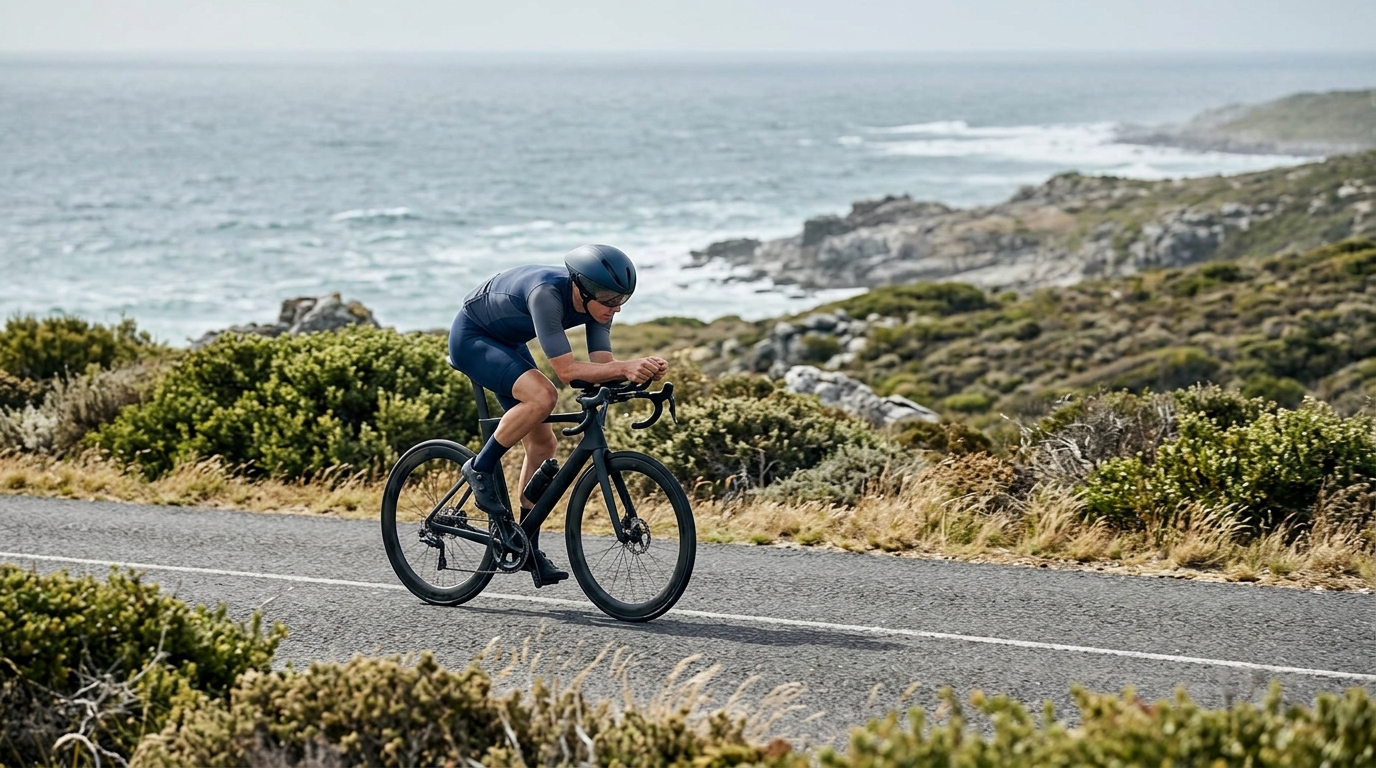
Cycling Aerodynamics: How to Test and Track CdA
A practical guide to measuring CdA, controlling test variables, and turning field aero testing into faster real-world riding decisions.
How to Migrate from TrainingPeaks Without Losing History
A practical guide to preserving workouts, plans, comments, fitness context, and ride files when you move training data to a new platform.
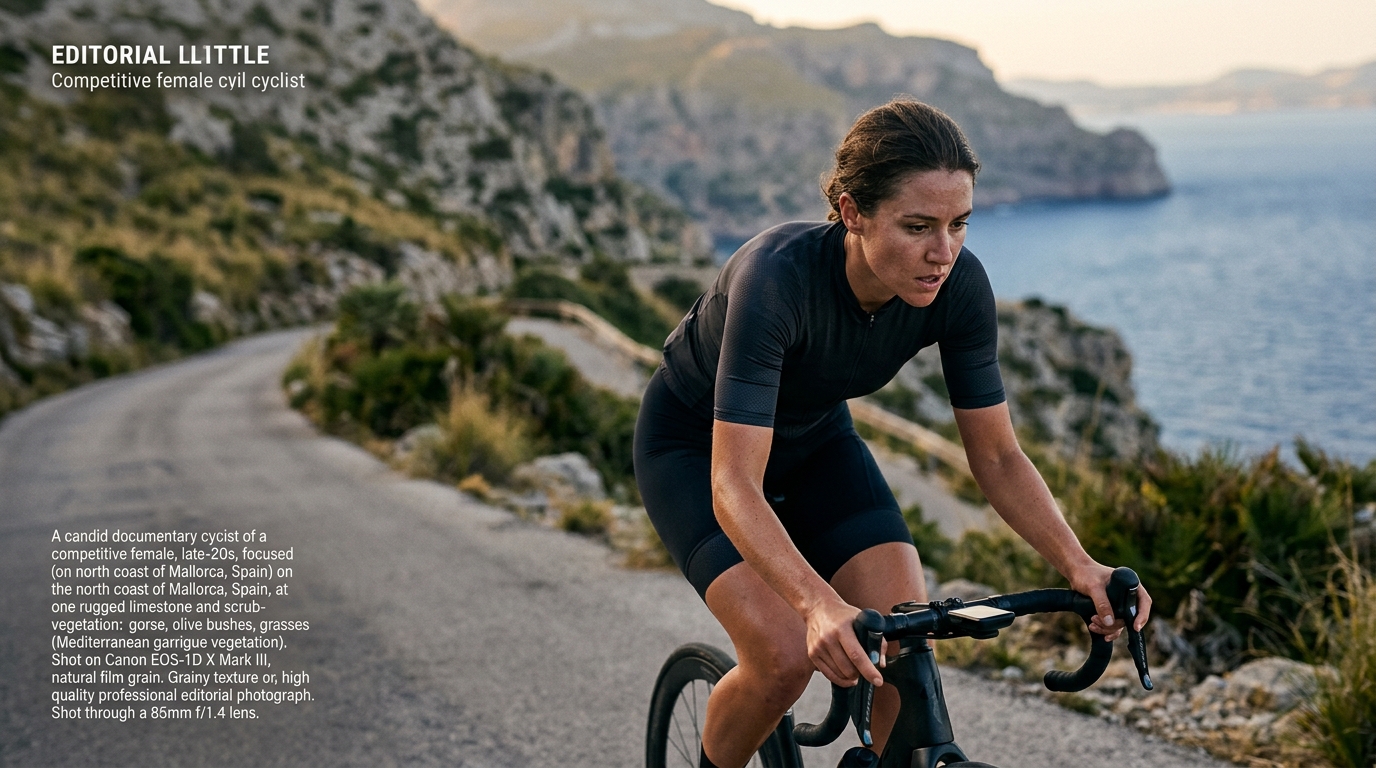
How to Choose the Best Cycling Head Unit for Training
The best cycling head unit for training is not the one with the longest feature list. It is the one that records clean data and helps you execute hard rides.
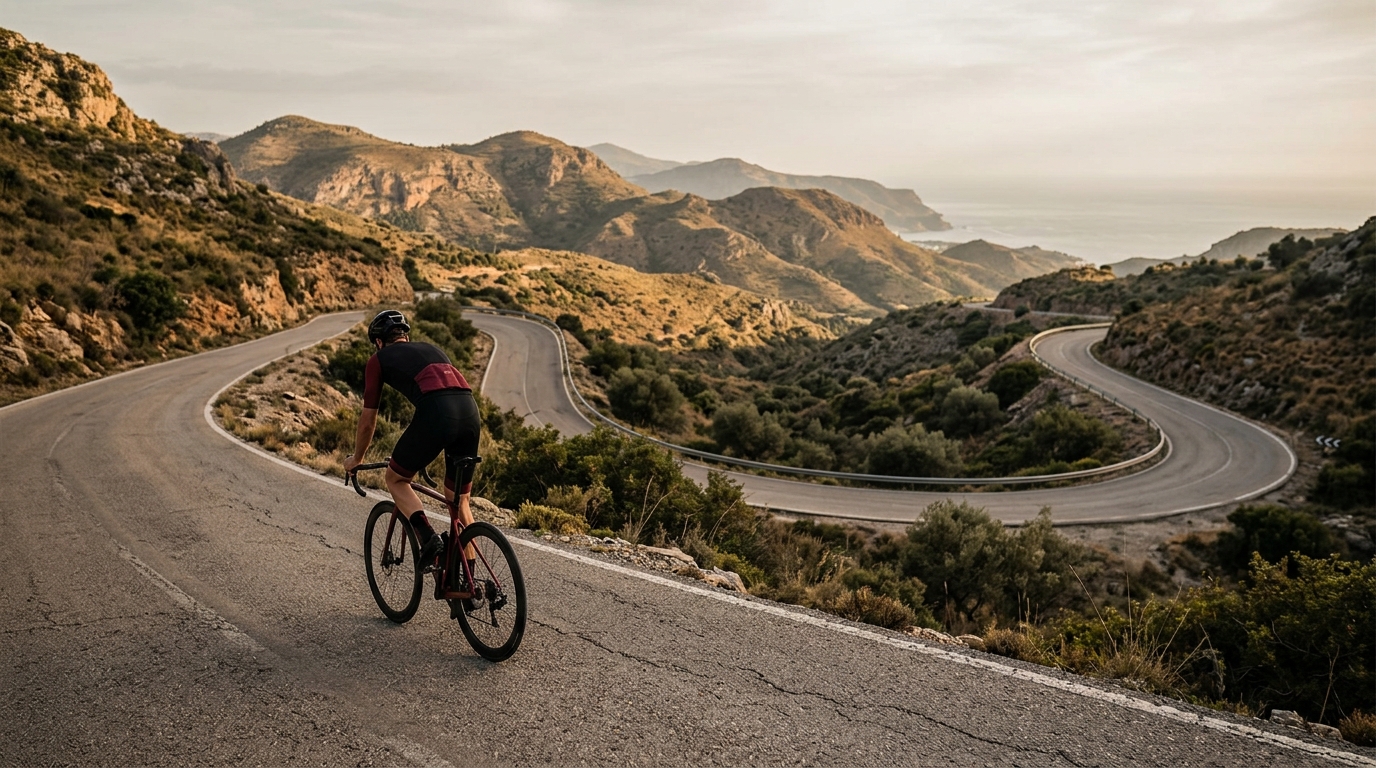
Cycling Climbing Metrics: W/kg, VAM and Pacing
Use W/kg, VAM, gradient, duration, power and heart rate together to understand climbing performance and build a better pacing strategy.
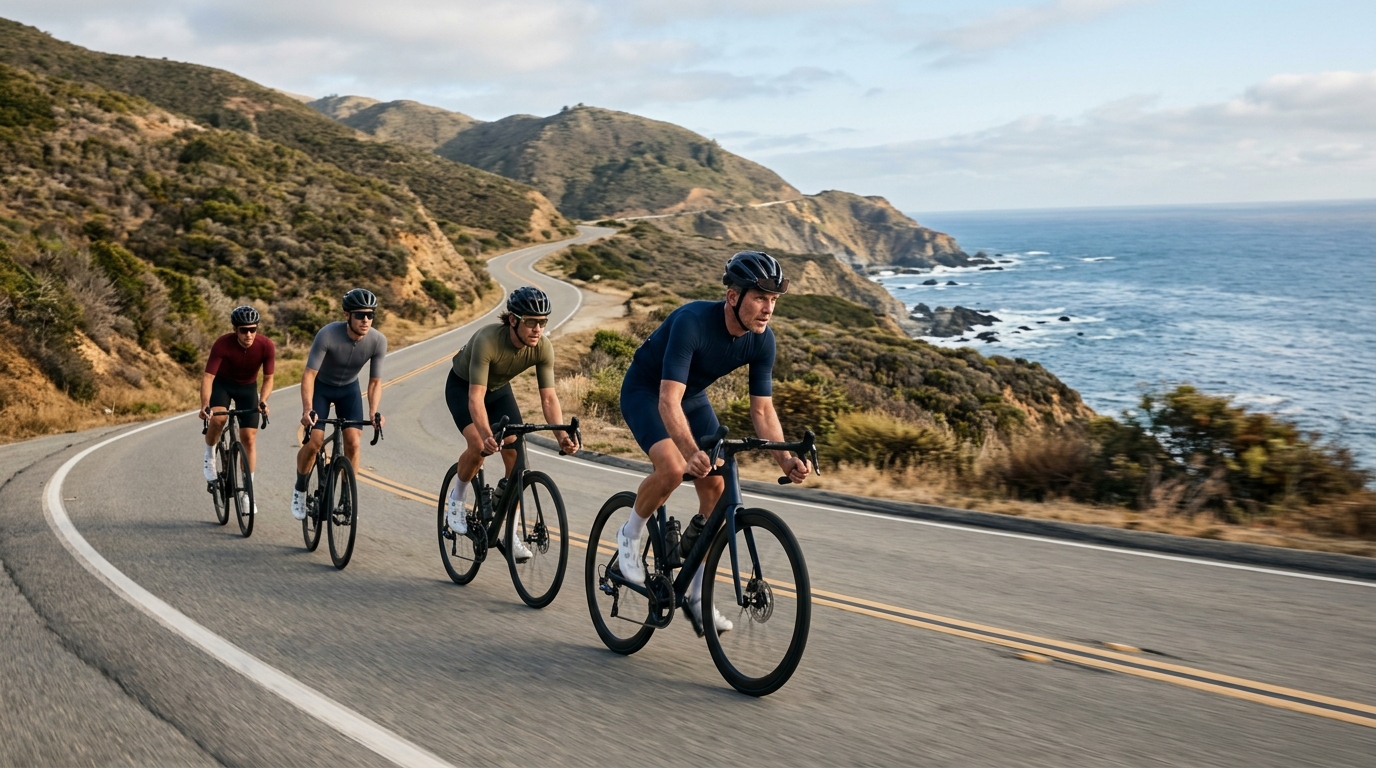
Group Ride Route Planning: Safer, Smoother Routes
Better group ride route planning starts with the riders, then works backward through pace, terrain, stops, safety, and clear pre-ride communication.
Indoor vs Outdoor Power: Smart Trainer vs Power Meter
Indoor and outdoor power rarely match perfectly. Here is how cooling, position, trainer mode, and device choice explain the gap.

How to Import Strava Data Without Losing Your Training History
A practical guide to moving your cycling activity history while preserving routes, power files, sensor data, and the context that makes old rides useful.
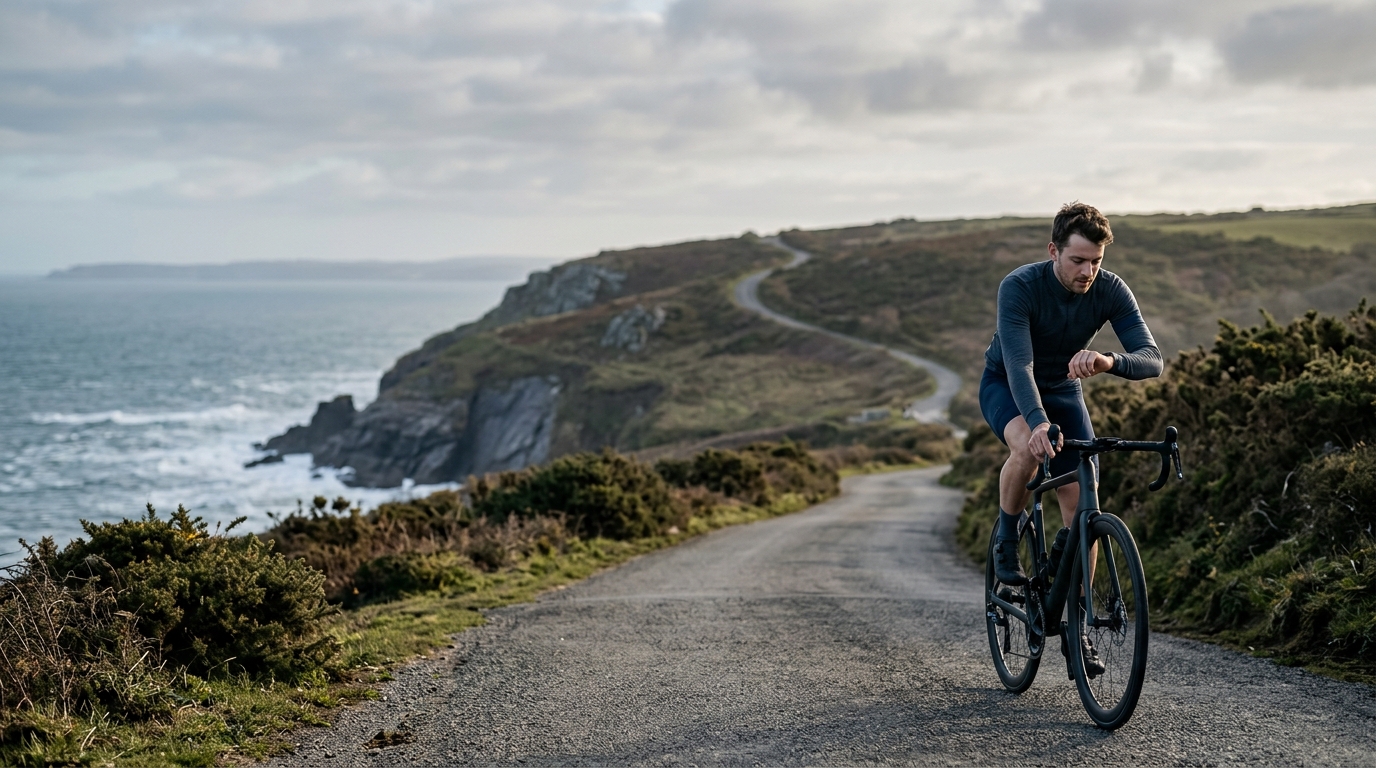
Cycling Recovery Metrics: Read Sleep, HRV, and Fatigue
Recovery data helps only when it changes training decisions. Here is how cyclists should read sleep, HRV, resting heart rate, soreness, and fatigue.
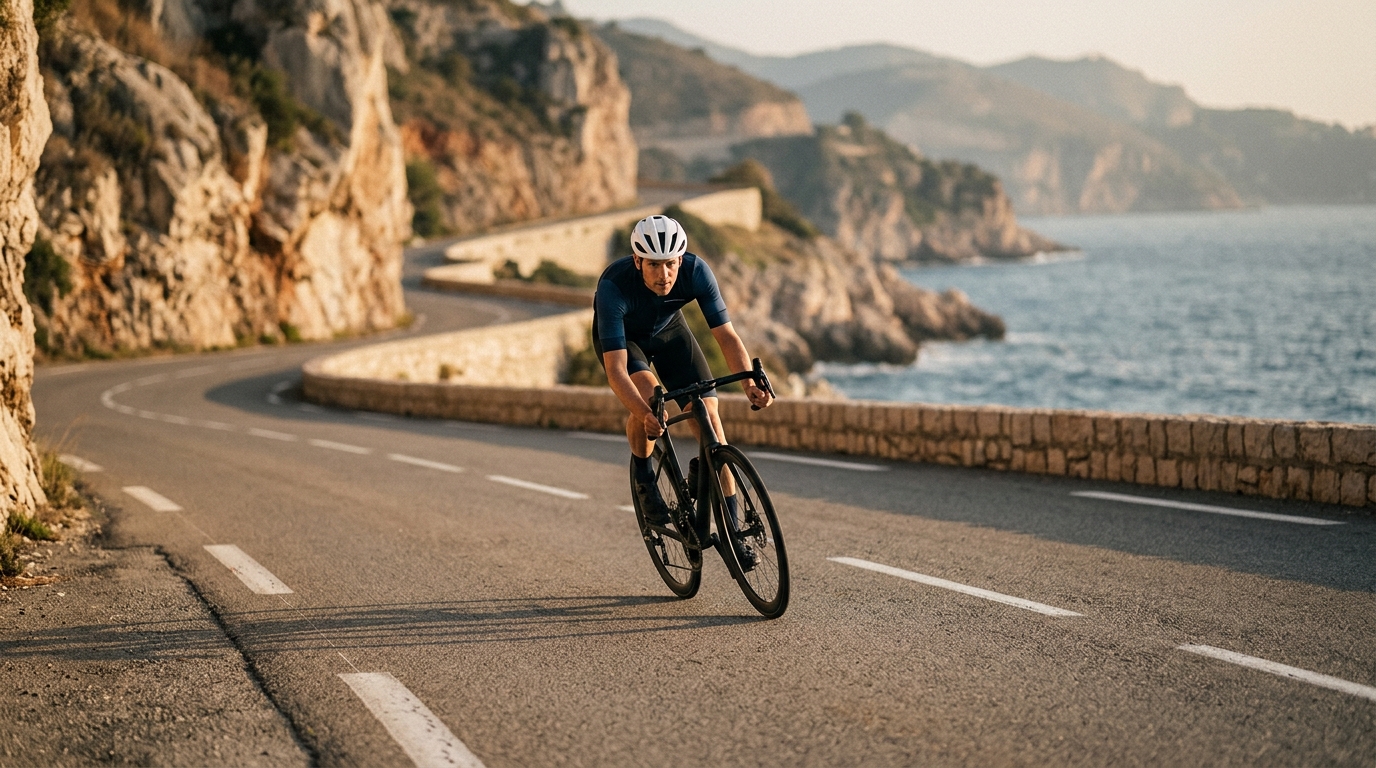
How Ride Data Improves Cycling Descending Skills
Descending speed is not just nerve. Use ride data to improve cycling descending skills, cornering, pacing, and control.
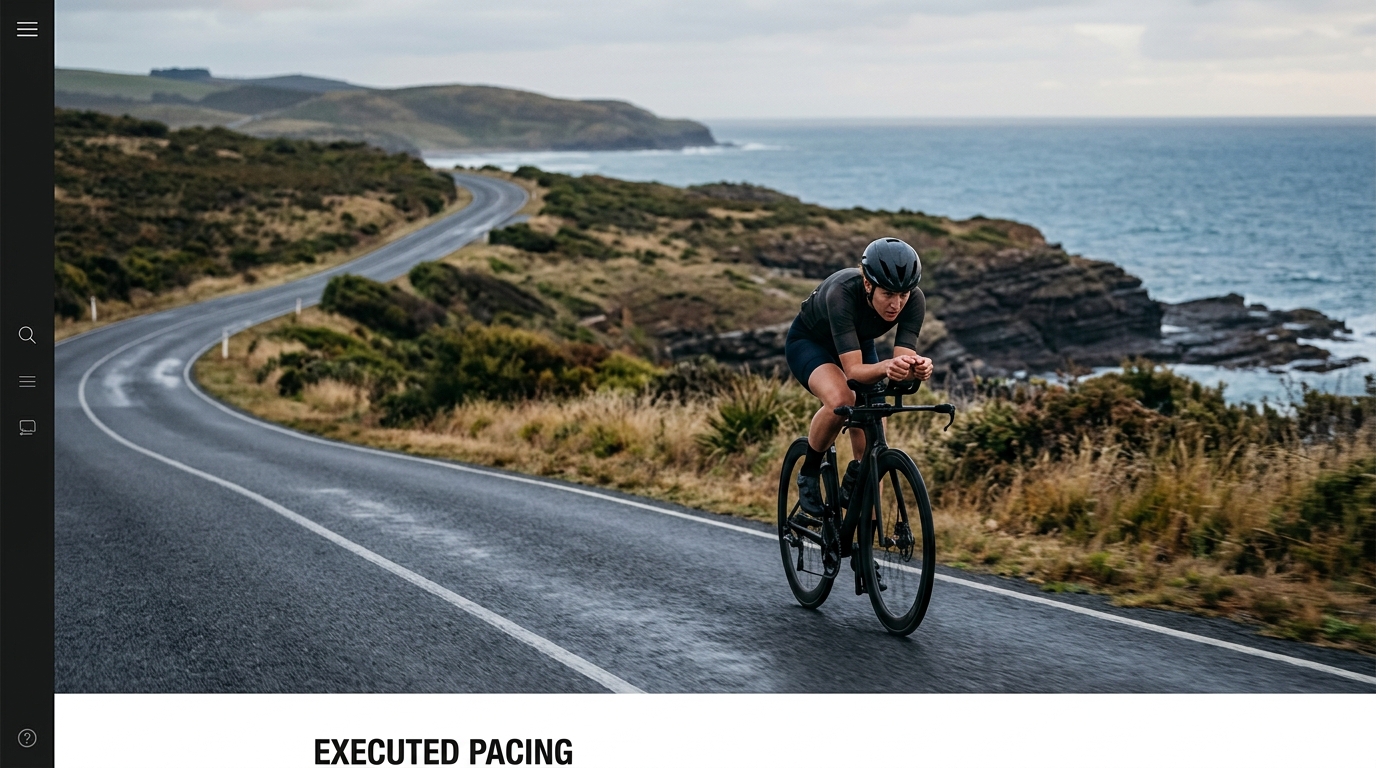
Time Trial Pacing: Build a Power Plan for Any Course
A practical guide to time trial pacing, from setting target power to adjusting for climbs, descents, corners, wind, heart rate, and post-race review.