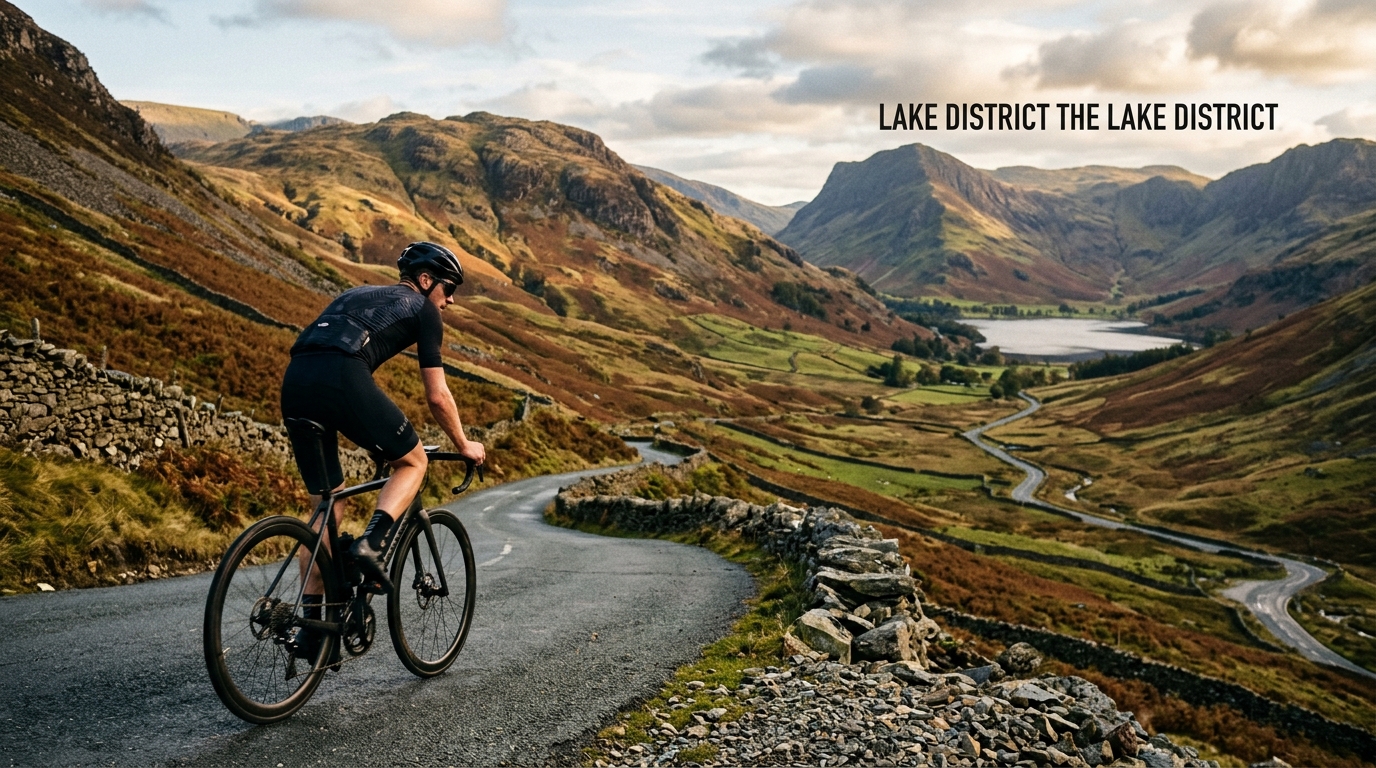
Image generated by our model.
Pacing a Hilly Gran Fondo with Power or Heart Rate
Pacing a hilly event is harder than pacing a flat one. Gradient forces your effort up whether you want it to or not, crowds surge on the first climb, and fatigue accumulates invisibly until it isn't invisible anymore. A clear pacing plan — built around either power or heart rate — removes most of the guesswork.
Why Hilly Events Break Pacing Discipline
On flat roads, effort is relatively easy to feel. On climbs, the temptation to match stronger riders or simply respond to the gradient overwhelms most riders' self-control. The result is a classic pattern: too hard on climbs early in the event, too little left for the second half.
The fix is committing to a number — a power target or a heart rate ceiling — before the event starts, and then defending that number regardless of what happens around you.
Choosing Your Reference: Power vs. Heart Rate
Both metrics can work. Each has trade-offs on hilly terrain.
Power
Power gives you real-time, lag-free feedback. When you crest a climb and the road kicks up another two percent, your power meter tells you immediately that you're over target. Heart rate takes time to catch up — sometimes a minute or more.
For pacing climbs, power is the more reliable anchor. Target a percentage of your FTP and hold it. If you don't know your current FTP, use the FTP estimator before committing to numbers.
Recommended climb targets by goal:
- Completion focus: 70–75% of FTP
- Competitive finish: 78–85% of FTP
- All-out on final climb only: up to 90–95% of FTP, knowing the event is nearly done
Keep overall normalized power for the event in the 65–75% FTP range for events lasting more than three hours. Spending extended time above that range on a long day accelerates glycogen depletion faster than most riders expect.
Heart Rate
Heart rate is useful when you don't have a power meter, or as a secondary check on power data. Its limitation on climbs is lag — your heart rate at the bottom of a climb doesn't reflect how hard you're actually working yet.
Use heart rate as a ceiling rather than a target. Pick a ceiling, typically in the upper end of your aerobic zone (roughly Zone 3, below threshold), and treat crossing it as a signal to back off — not a zone to sustain.
Heart rate is also affected by heat, fatigue, and caffeine, so don't treat a single number as gospel across different conditions. If you're racing in warm weather, your heart rate will run higher at the same effort level than it did during your training rides in cooler conditions.
Practical ceiling approach:
- Know your threshold heart rate
- Set your climb ceiling at 8–12 beats below threshold
- Allow yourself to hit threshold only in the final kilometer of a climb, or the final climb of the day
Structuring Your Effort Across the Ride
The First Climb
This is where most fondos are lost. Adrenaline, fresh legs, and a crowd moving fast around you will push you to go harder than planned. Treat the first climb as a test of discipline, not fitness. Ride it 5–10% easier than you think you need to. You won't lose time that matters. You will preserve glycogen and muscular integrity for later.
Middle Climbs
This is where your pacing plan pays off. Riders who went too hard early are now fading. Hold your target power or stay under your heart rate ceiling. Pass people on the climbs without chasing them — ride your own numbers.
On long climbs, settle into a rhythm in the first quarter and resist the urge to accelerate just because you feel good. Save any positive variance for the final third of each climb if you're feeling strong.
Descents and Flat Sections
Descents are recovery. Stop pedaling or spin easily, eat, drink, and let your heart rate drop. Don't use descents to push average speed — that's a low-return trade-off that costs energy you'll need later.
Flat sections between climbs are for eating and drinking, not attacking. Ride at 60–65% FTP or keep heart rate clearly aerobic. This is your refueling window.
The Final Climb
If you've paced correctly, you should have something left. The final climb is the one place where you can exceed your earlier targets deliberately. You're not borrowing from future efforts anymore. Ride to your limit — power ceiling off, heart rate ceiling off — and empty the tank.
Nutrition and Pacing Are Inseparable
Poor nutrition is often mistaken for poor pacing, and vice versa. Going too hard early depletes glycogen faster than your gut can replace it. Even with perfect pacing, under-fueling produces the same death-march finish.
Target consistent calorie intake from the first hour, not just when you feel hungry. On hilly terrain, it's easy to forget to eat on climbs when breathing is labored. Use flat sections and descents as eating cues.
Pre-Ride Setup: Making the Plan Stick
A pacing plan only works if it's accessible during the event. Set these up before the start:
- Power targets programmed into your head unit — use a custom data screen with 3-second power and lap normalized power visible at all times
- Heart rate zone alerts — set an alert if you exceed your climb ceiling for more than 30 seconds
- Segment notes — if you know the course, note target watts or HR for each major climb on a small card taped to your stem or saved as a route note in your head unit
A Note on Variable Power vs. Even Effort
Hilly terrain will always produce variable power output — that's expected and fine. What you're controlling is the upper bound on climbs and the average effort across the event. Normalized power accounts for variability; use it to assess how the day is trending rather than obsessing over three-second spikes.
If your normalized power is creeping above your target in the first half of the event, back off immediately. It's much easier to correct early than to manage the consequences of an overcooking in hour two.
For more on building toward your first gran fondo, see the full Your First Gran Fondo guide.