🇪🇸 Route library
Cycling routes in Spain
Spain is a heavyweight for road cycling, and its granfondo culture shows why. In the Aragonese Pyrenees, the Quebrantahuesos draws thousands to a punishing loop of high mountain passes, while Mallorca's spring roads host the Mallorca 312 — an island-spanning ride that stretches up to 196 km in a single day. These are events built for cyclists who want distance, elevation, and a proper challenge.
For those chasing the grand tour experience, Asturias delivers the Alto de l'Angliru Queen Stage, a climb-heavy route packing as much as 5,148 metres of ascent. Across just three catalogued routes, Spain covers the full spectrum: fast granfondo mileage, island endurance, and lung-busting mountain gradients. Whether you favour the Pyrenees, the Mediterranean, or the green north, there is a Spanish route here worth planning a trip around.
- Routes
- 5
- Longest
- 196.3km· Quebrantahuesos
- Most climbing
- 5148m· Quebrantahuesos
Regions in Spain
5 routes
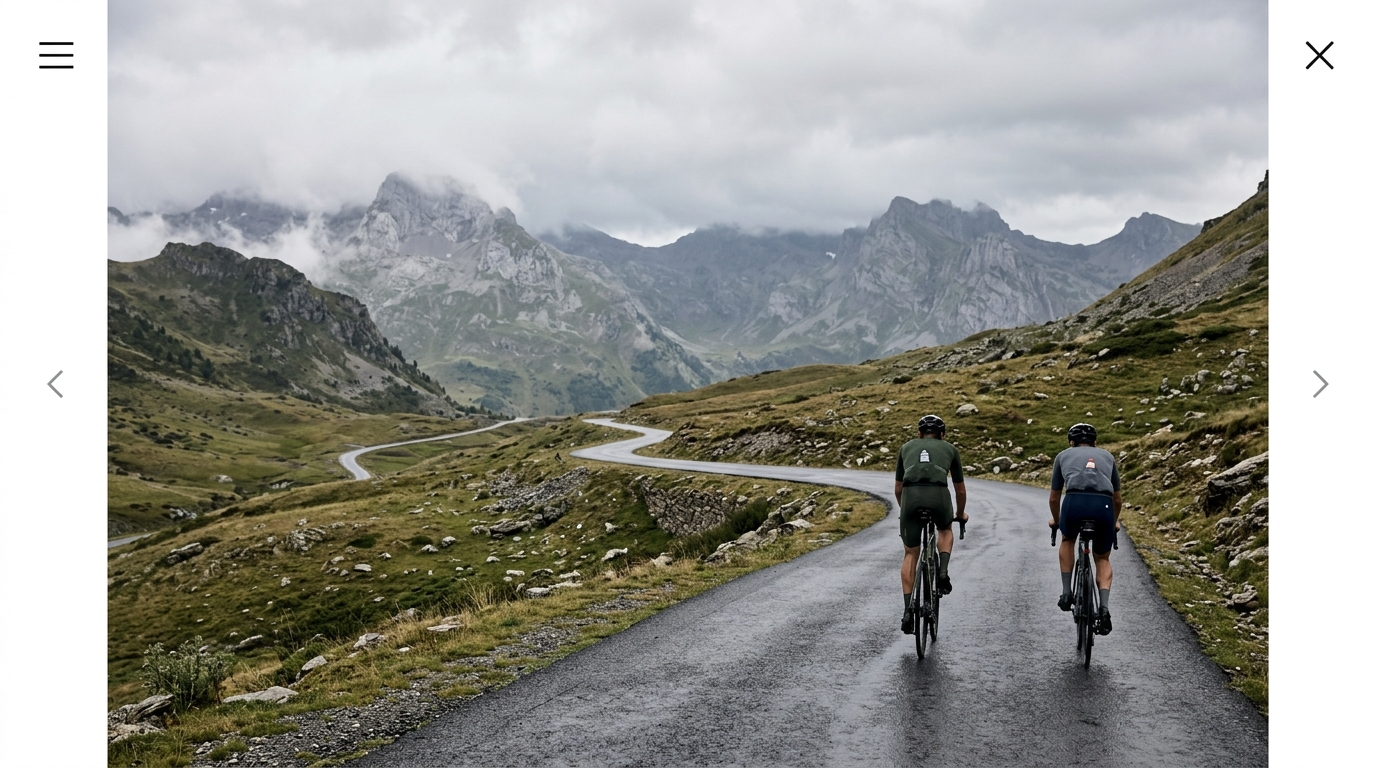
Quebrantahuesos
A 196.3 km Pyrenean loop stacking 5,148 m of climbing across the Somport, Aubisque, and Marie-Blanque.
View route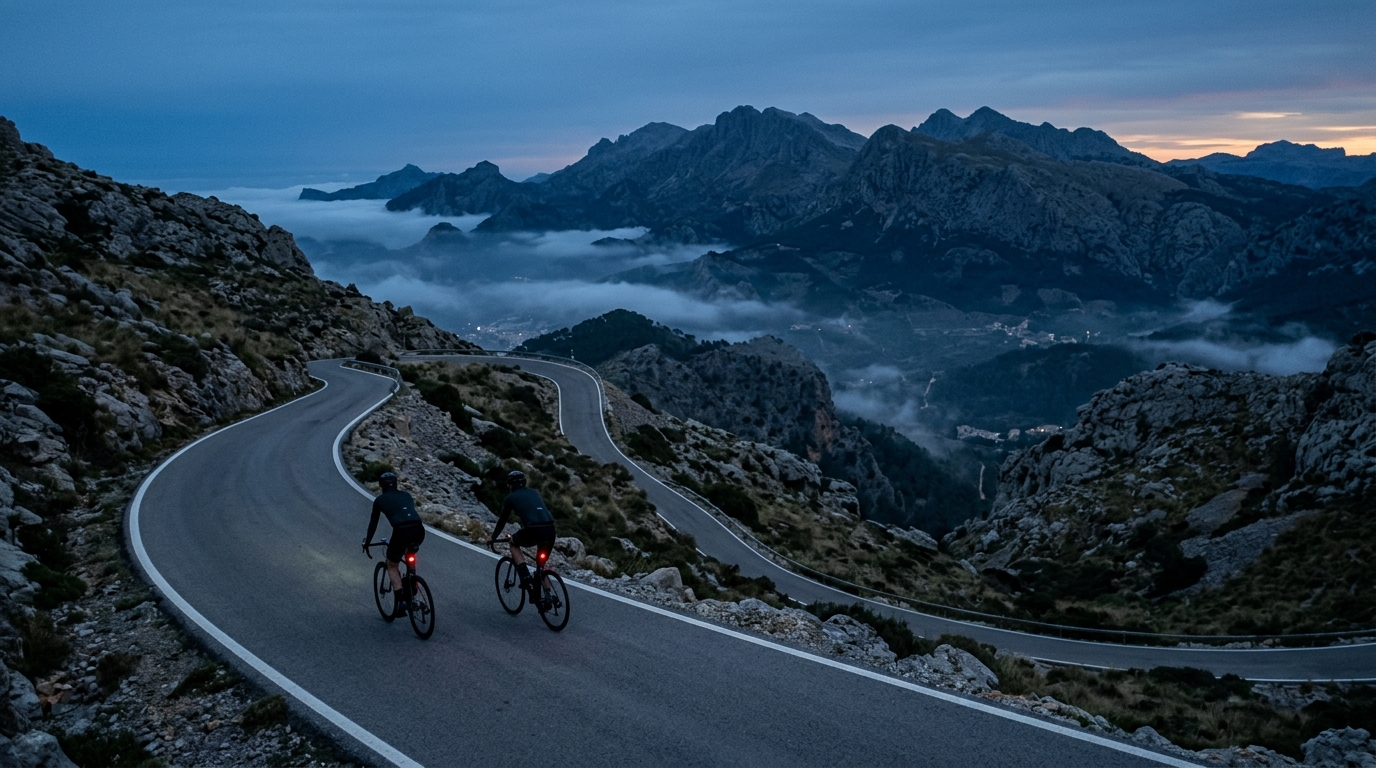
Mallorca 312
A 120 km loop through Mallorca's Tramuntana that packs 2368 m of asphalt climbing into one unforgettable day in the saddle.
View route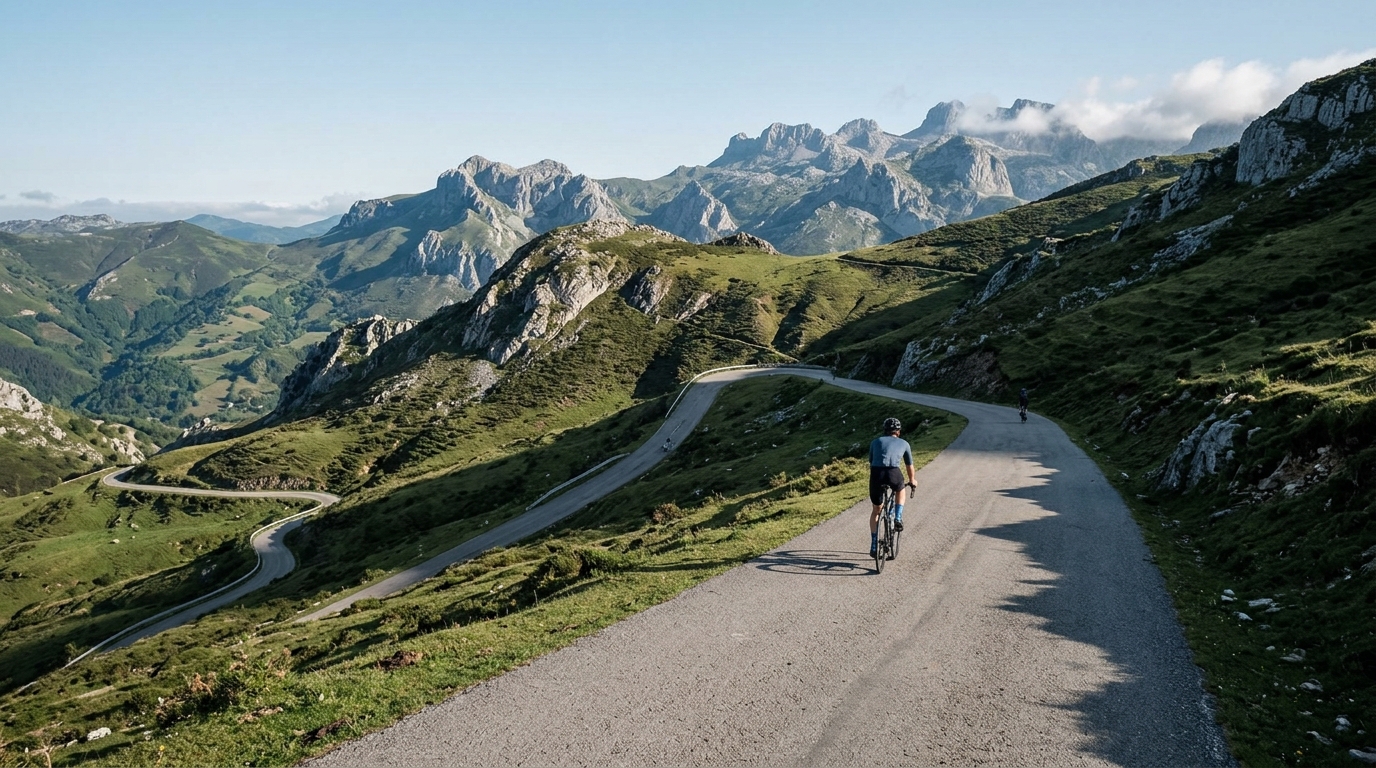
Alto de l'Angliru Queen Stage
A short, savage 51.4 km through Asturias that funnels every meter of effort toward the legendary wall of the Alto de l'Angliru.
View route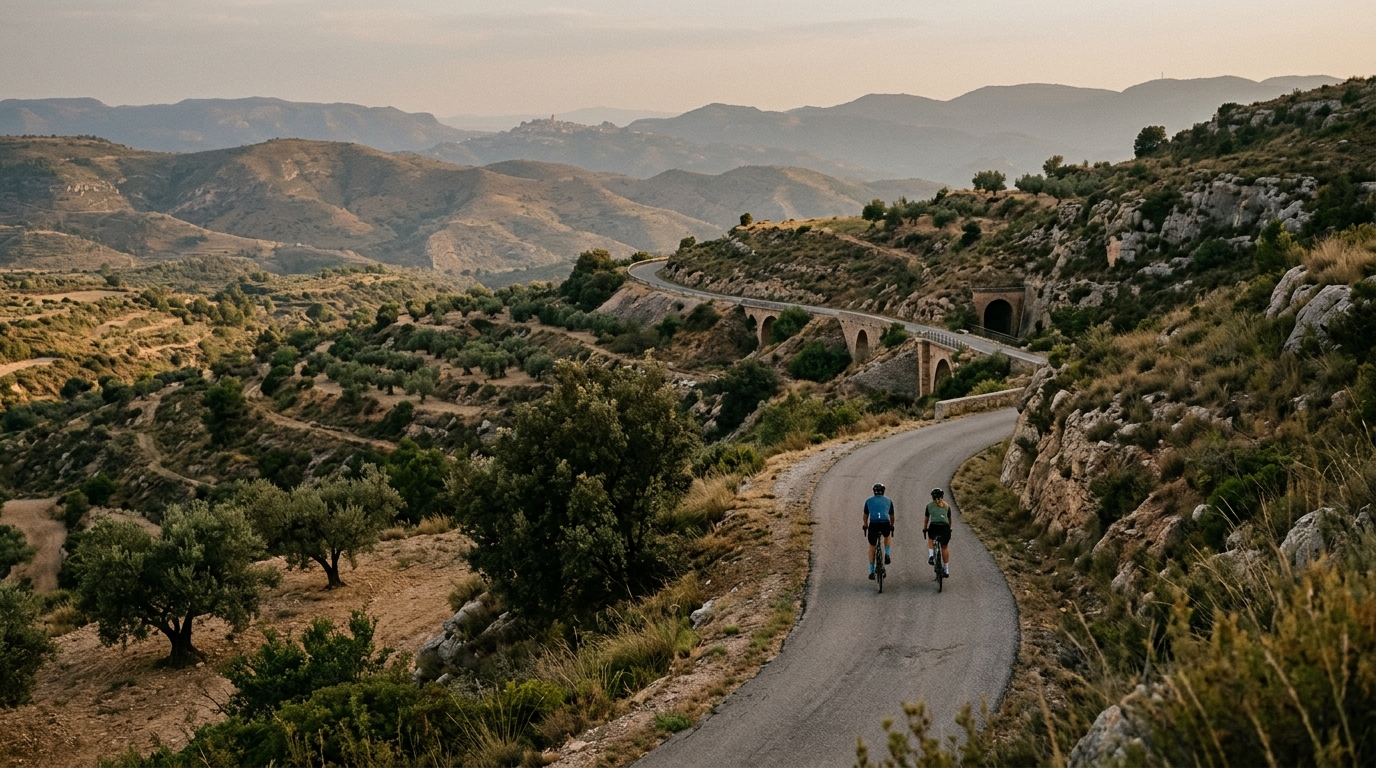
Via Verda de la Terra Alta
A compact asphalt point-to-point ride with steady accumulated climbing rather than a single defining ascent.
View routeVía Verde de la Sierra de la Demanda
A 52.5 km asphalt point-to-point route in Spain with 551 m of gain, suited to steady endurance pacing rather than climb-focused efforts.
View routeThe complete guide to riding in Spain
The Riding
Cycling in Spain rewards riders who come for the long day and the long climb. Across the catalogue there are three routes, and while none of them carries an epic rating, the numbers still tell a story of serious ambition. The longest of the three stretches to 196 km, a full-value day in the saddle that asks for pacing, fuelling, and a steady head. The route with the most vertical piles up 5148 m of climbing, a figure that puts it firmly in the territory of the truly mountainous.
What ties these routes together is character rather than uniformity. One leans on distance, one leans on relentless elevation, and the terrain shifts accordingly beneath your wheels. You move from high mountain passes to island rollers, from the shadow of big peaks to open coastal roads. The riding is honest: it does not hide its difficulty behind gentle profiles, and it does not pretend that a hundred-and-ninety-kilometre day or a five-thousand-metre ascent is anything other than what it is.
For the visiting rider, that honesty is the appeal. Spain's catalogued routes are the kind you plan around, train for, and remember. They are destinations in their own right.
Signature Routes
Three marquee routes anchor the Spanish catalogue, each rooted in a distinct region.
The Quebrantahuesos rides through the Aragonese Pyrenees, where the high mountain terrain defines everything about the day. This is climbing country, and the route makes full use of the passes and gradients the range offers. Riders drawn to sustained mountain effort will find their fit here.
The Mallorca 312 takes its rhythm from the island of Mallorca. As a long-format route, it channels the distance-focused side of Spanish riding, the kind of day where endurance and consistency matter more than any single steep pitch. Mallorca's roads make it a natural home for a big-mileage undertaking.
The Alto de l'Angliru Queen Stage belongs to Asturias, and its name points straight at the climb at its heart. A queen stage is built around decisive ascent, and this route carries that spirit through Asturias's demanding terrain. It is the choice for riders who measure a day by how much they climb.
Together these three routes cover the spectrum: the Pyrenean climb, the island distance day, and the Asturian queen stage.
When to Ride
Because these routes span very different regions, timing is worth thinking through before you commit. The Aragonese Pyrenees sit at altitude, and high mountain roads reward riders who target the warmer, more settled stretches of the year when the passes are comfortably open and the weather on the climbs is at its kindest.
Mallorca, as an island, offers a gentler backdrop for a long day, and the Mallorca 312's distance-focused profile is best tackled when conditions favour many hours of steady riding rather than short, hard efforts under difficult skies.
Asturias, home to the Alto de l'Angliru Queen Stage, is mountainous and green, and the queen-stage climbing at its core is most enjoyable when you can count on stable conditions for the sustained ascent. Across all three regions, the guiding principle is the same: pick the window that lets the terrain, not the weather, be the challenge.
Practical Notes
Plan for the demands the numbers imply. A 196 km route is a genuine endurance day: carry enough food and fluid, and build your pacing around finishing strong rather than starting fast. The 5148 m route asks a different kind of preparation, with gearing and climbing fitness that can absorb hour after hour of ascent.
Match your equipment to the route's character. For the Quebrantahuesos and the Alto de l'Angliru Queen Stage, climbing-friendly gearing pays for itself many times over across the Pyrenean and Asturian terrain. For the Mallorca 312, comfort over distance is the priority. None of the three routes is rated epic, but all three deserve respect and honest preparation.
Summary
Spain's cycling catalogue is small and deliberate: three routes, none rated epic, yet each substantial in its own way. The longest reaches 196 km and the most mountainous climbs 5148 m, spanning the Aragonese Pyrenees, Asturias, and Mallorca. The Quebrantahuesos, the Mallorca 312, and the Alto de l'Angliru Queen Stage give riders three clear choices, one for the mountain climber, one for the distance rider, and one for the queen-stage specialist. Choose the route that matches your ambition, prepare for its demands, and ride it in the right season.
Looking for the climbs in Spain?
Climbs in Spain