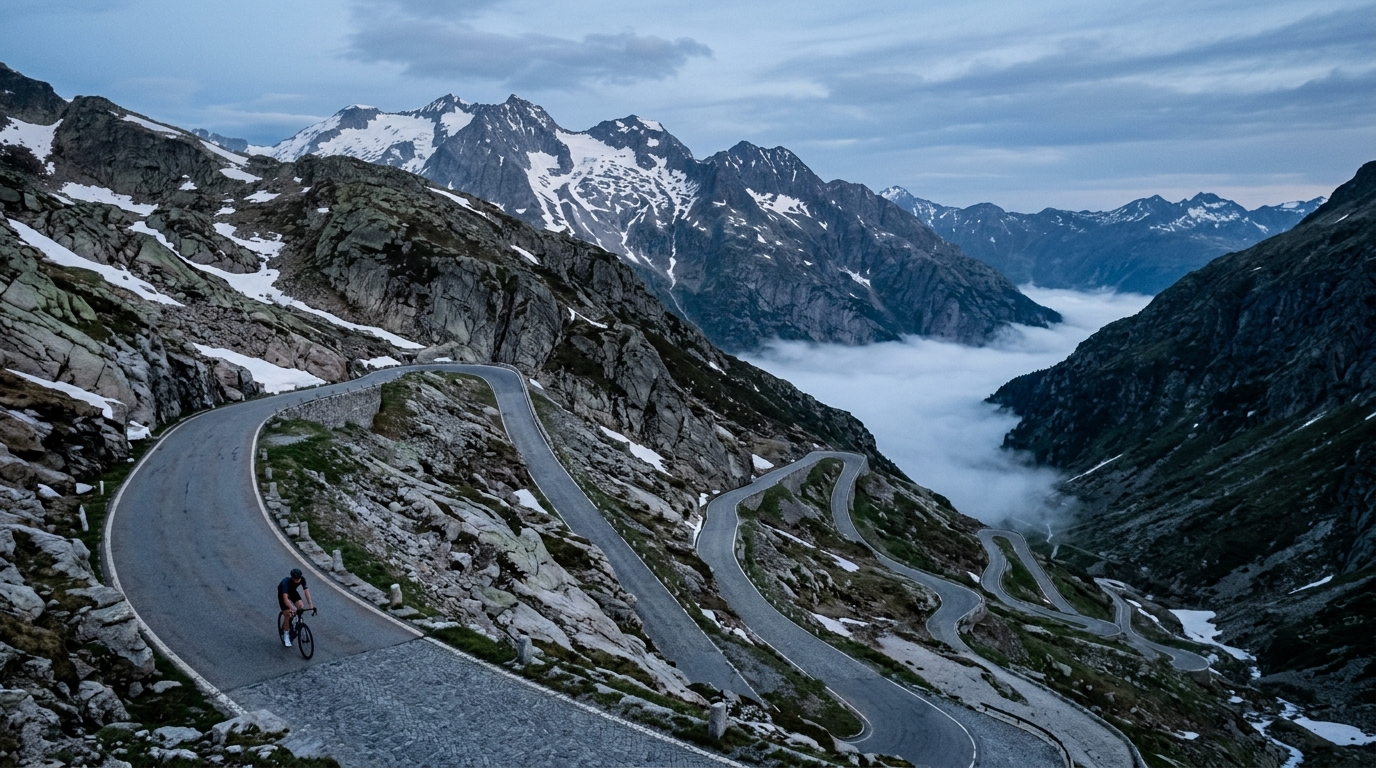
Climb library · Switzerland
Cycling climbs in Switzerland
Few countries concentrate high-mountain cycling the way Switzerland does. With 300 catalogued climbs and a summit reaching 2494 m, the terrain rewards riders who come for gradient and altitude alike. A remarkable 97 of these are hors catégorie — the hardest classification there is — meaning nearly a third of the country's climbs demand the sustained effort usually reserved for the sport's most feared ascents. These are not rolling detours but genuine alpine tests, stacked one after another across a compact, ride-everywhere landscape.
The marquee passes read like a bucket list. Grimselpass, Furkapass, and Sustenpass anchor a legendary loop of hairpins and glacial views, while Nufenenpass / Passo della Novena and Passo del San Gottardo carry you between north and south. Add Klausenpass, and you have a set of climbs that define what makes Switzerland a destination for serious cyclists.
Signature climbs of Switzerland
All climbs in Switzerland
399 climbs
- Gotthard PassHCCH · 10.5 km · 9.2% · 1350 m885pts
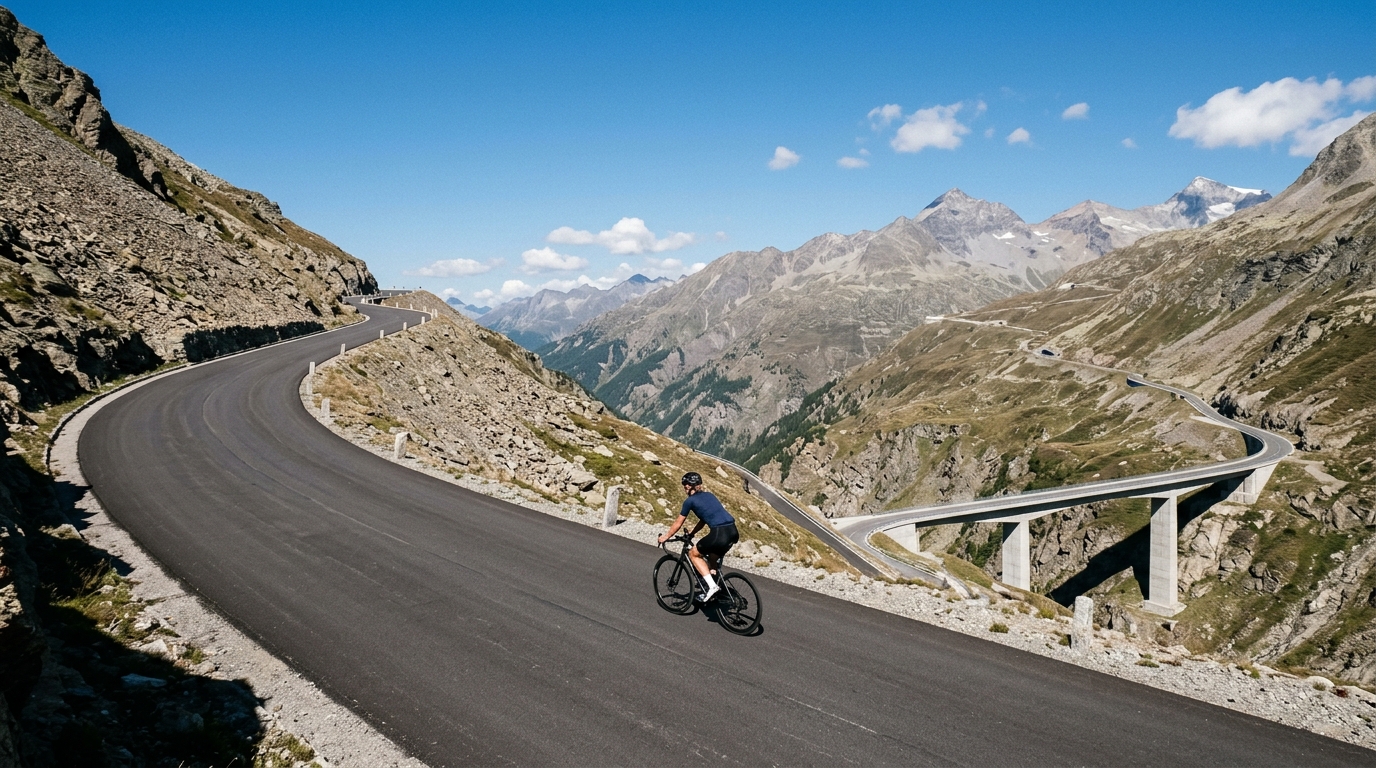 Simplon PassCat 1CH · 10.5 km · 6.5% · 1360 m447pts
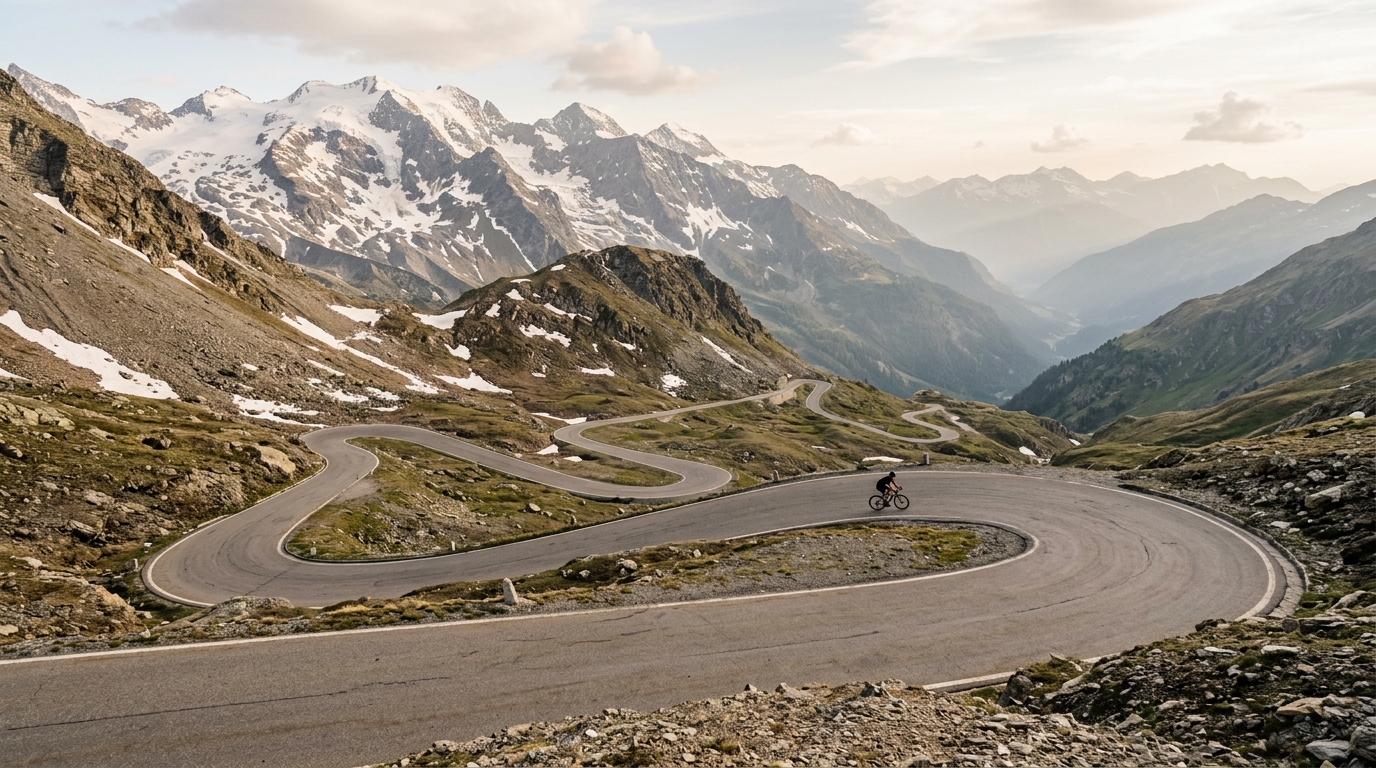 Bernina PassCat 1CH · 8.5 km · 8.8% · 986 m662pts
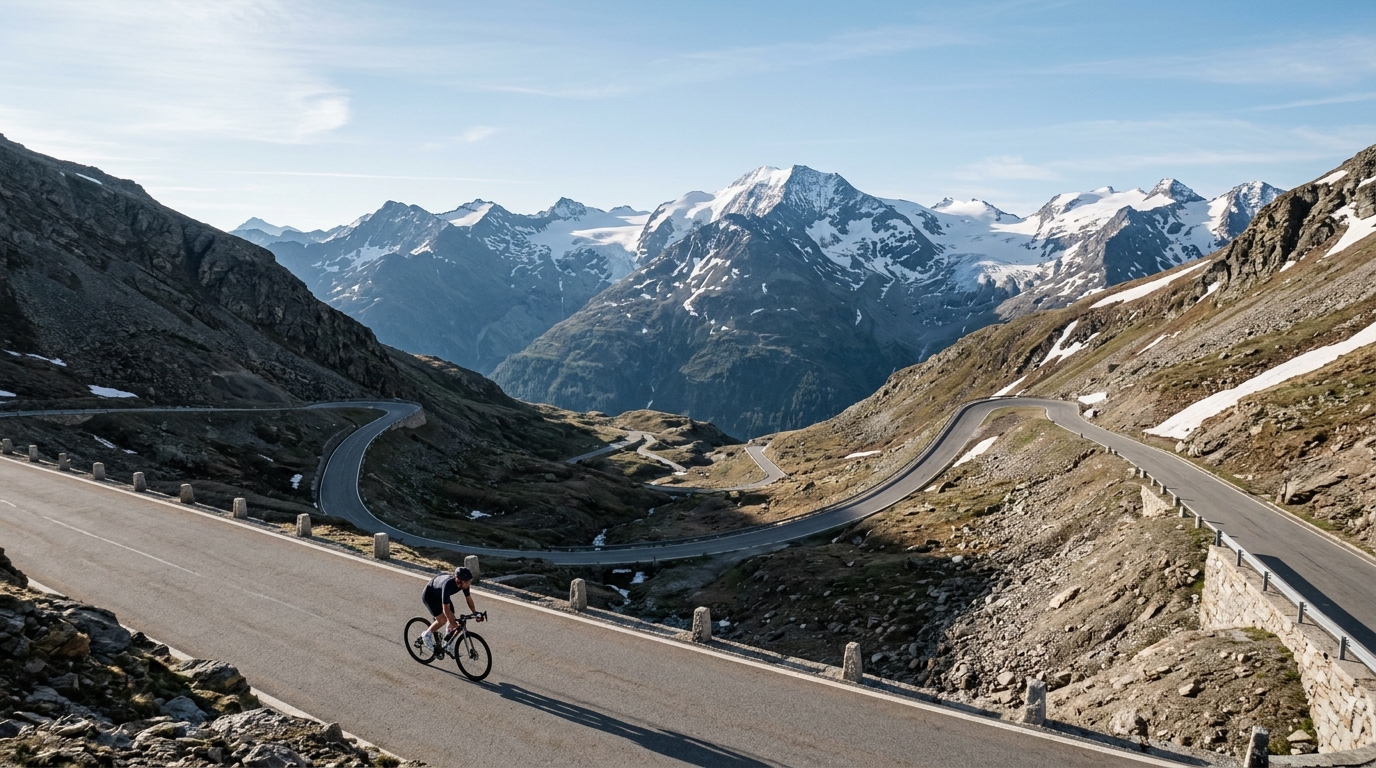 Splügen PassCat 1CH · 12.1 km · 7.1% · 1312 m616pts
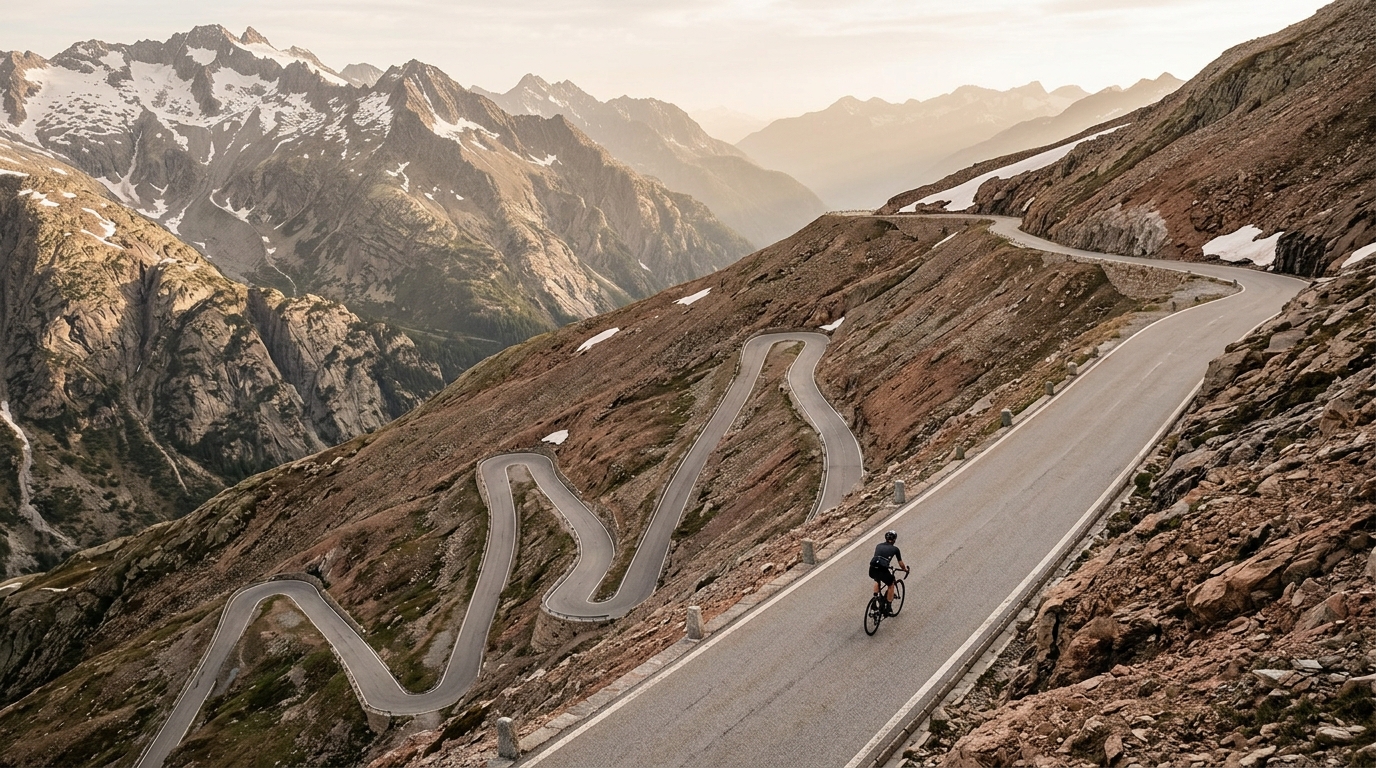 Grimsel PassCat 1CH · 8.5 km · 9.3% · 1311 m737pts
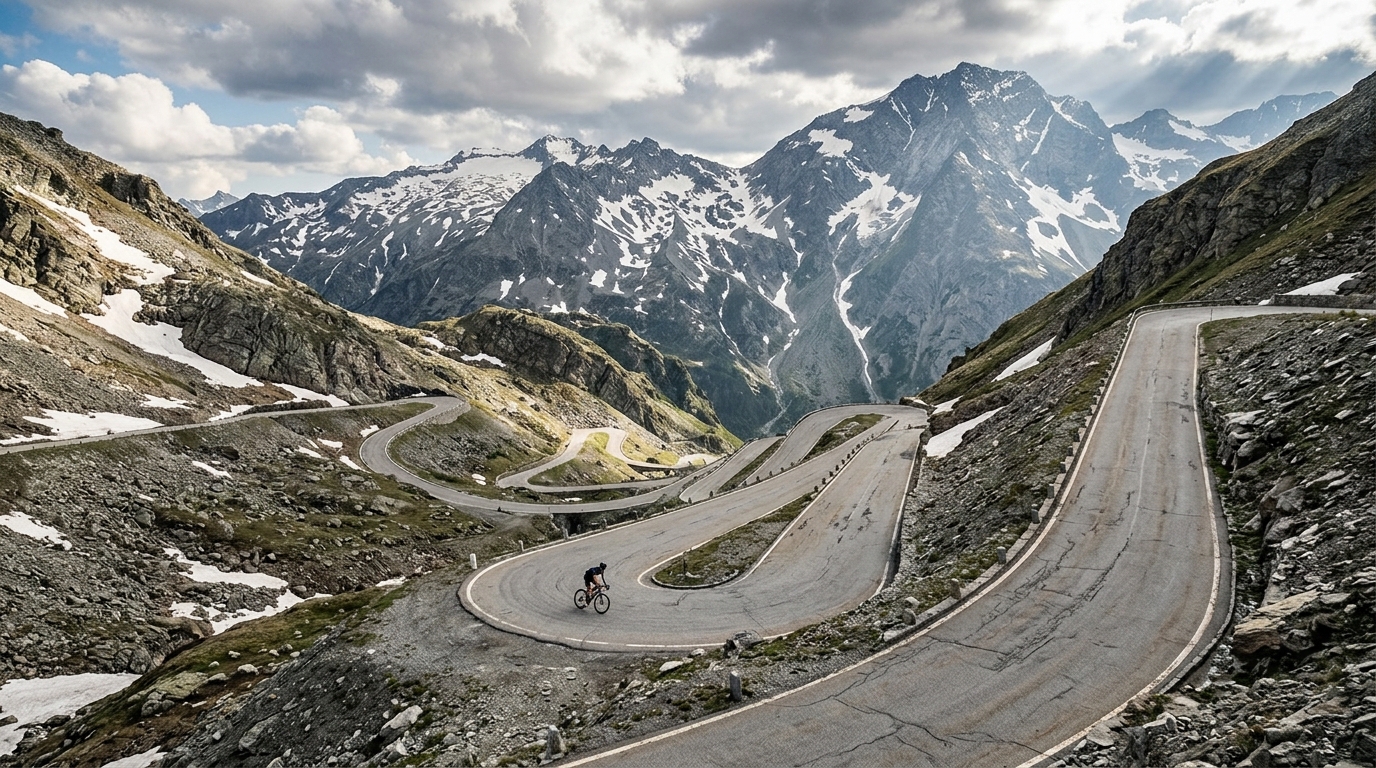 Nufenen PassHCCH · 11.2 km · 10.1% · 1524 m1145pts
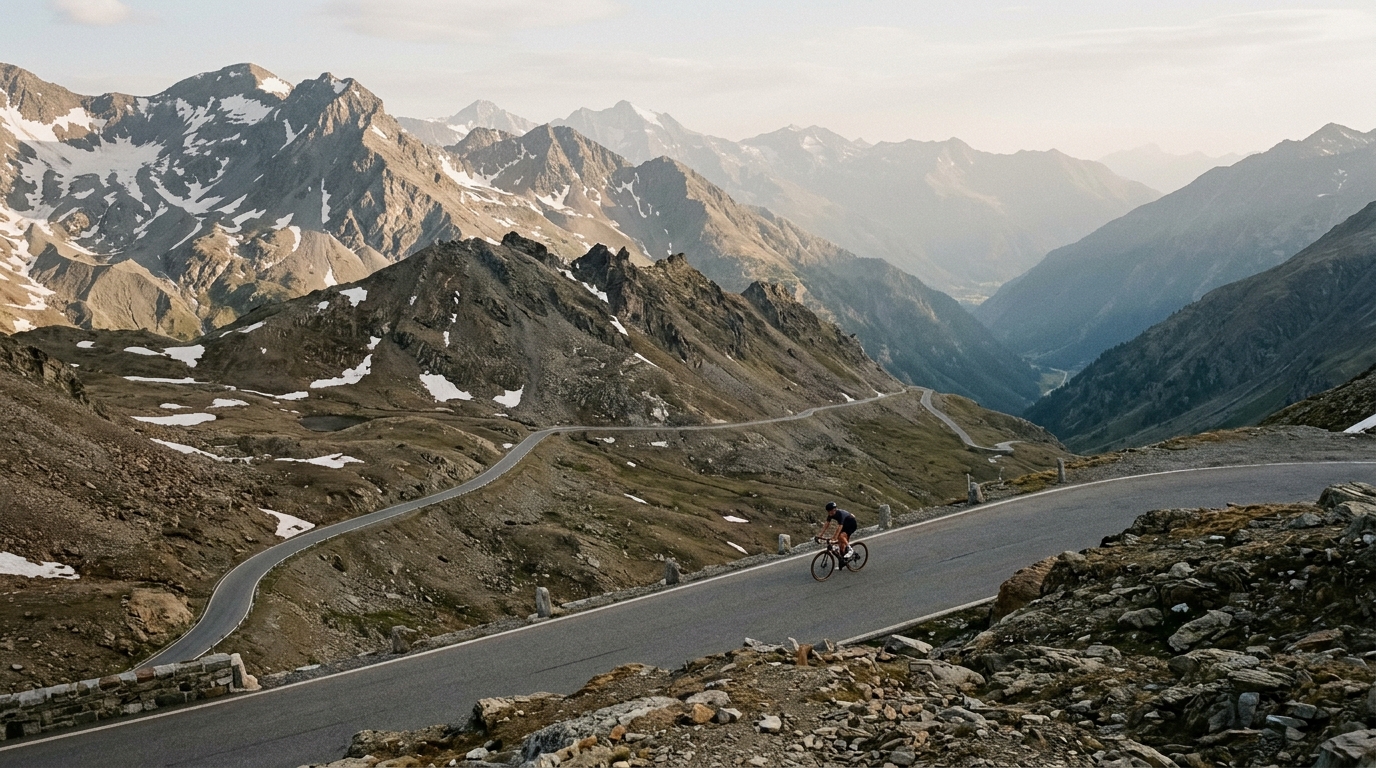 Umbrail PassHCCH · 22.2 km · 7.0% · 1532 m1081pts
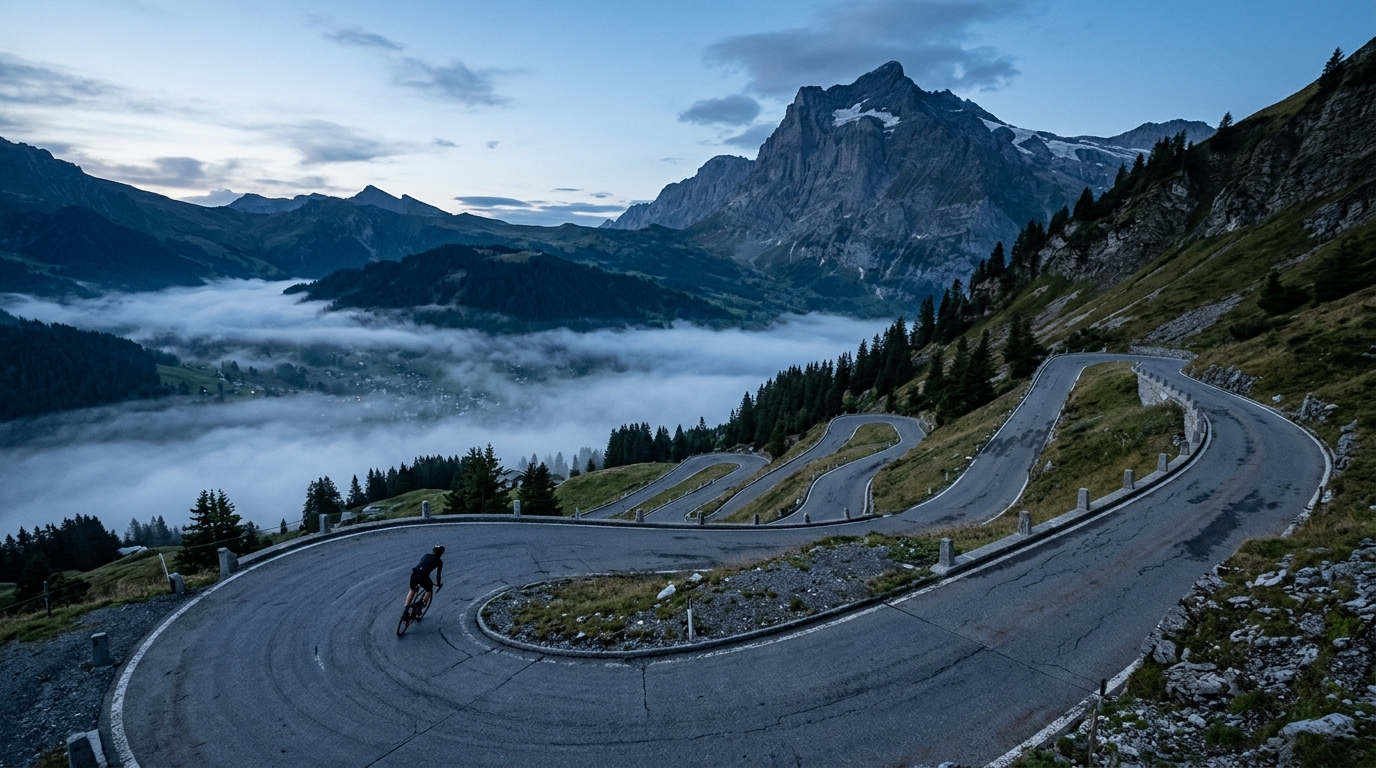 Grosse ScheideggHCCH · 8.1 km · 11.9% · 1084 m1147pts
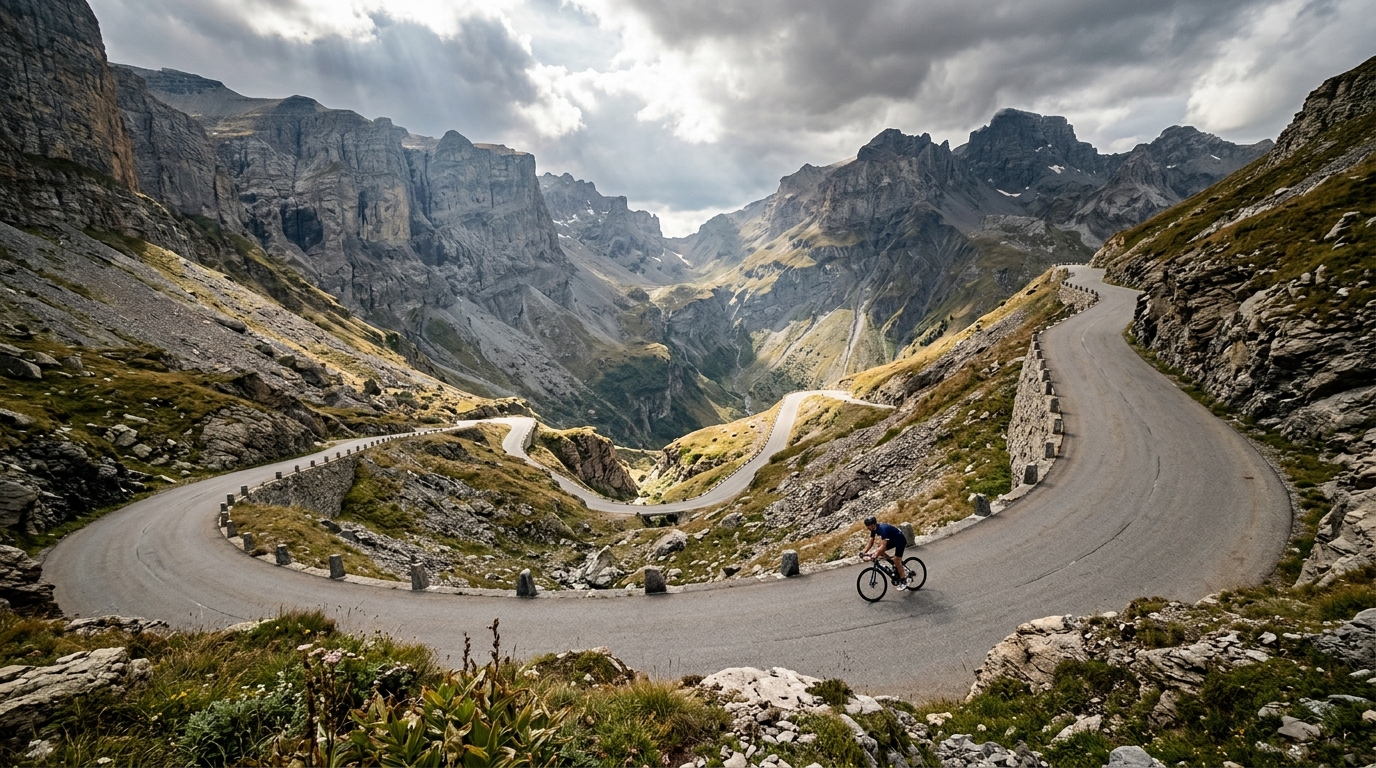 Gemmi PassHCCH · 27.8 km · 6.3% · 1770 m1119pts
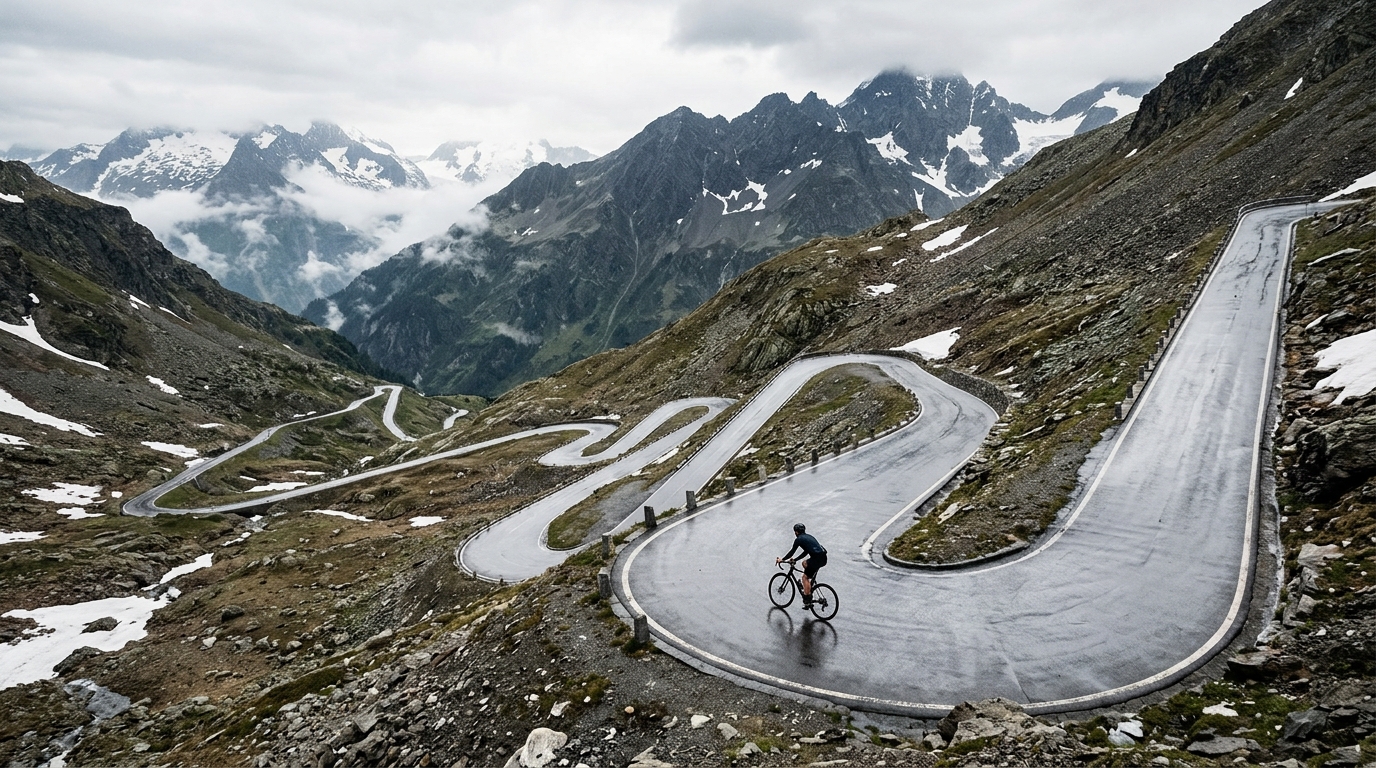 Susten PassHCCH · 9.9 km · 9.2% · 1581 m837pts
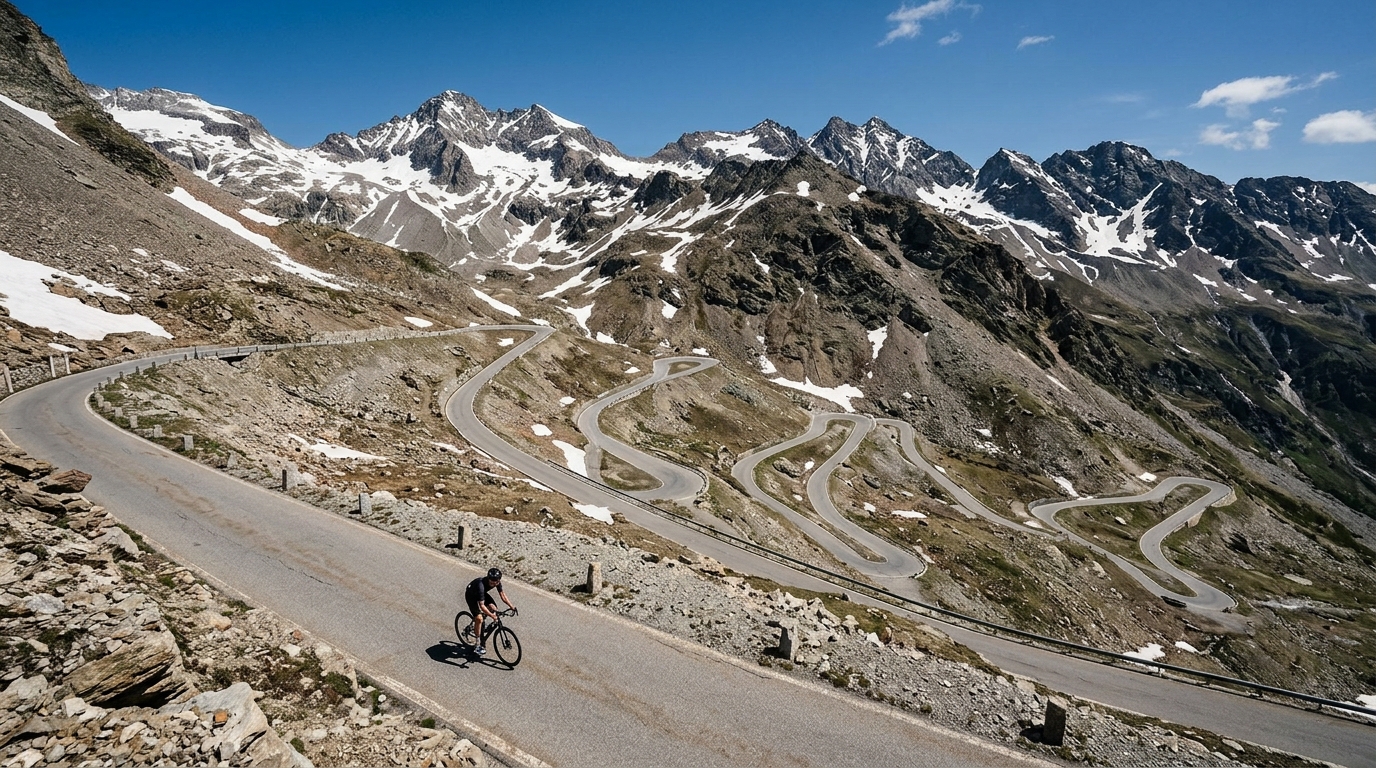 Septimer PassHCCH · 9.6 km · 10.4% · 1273 m1047pts
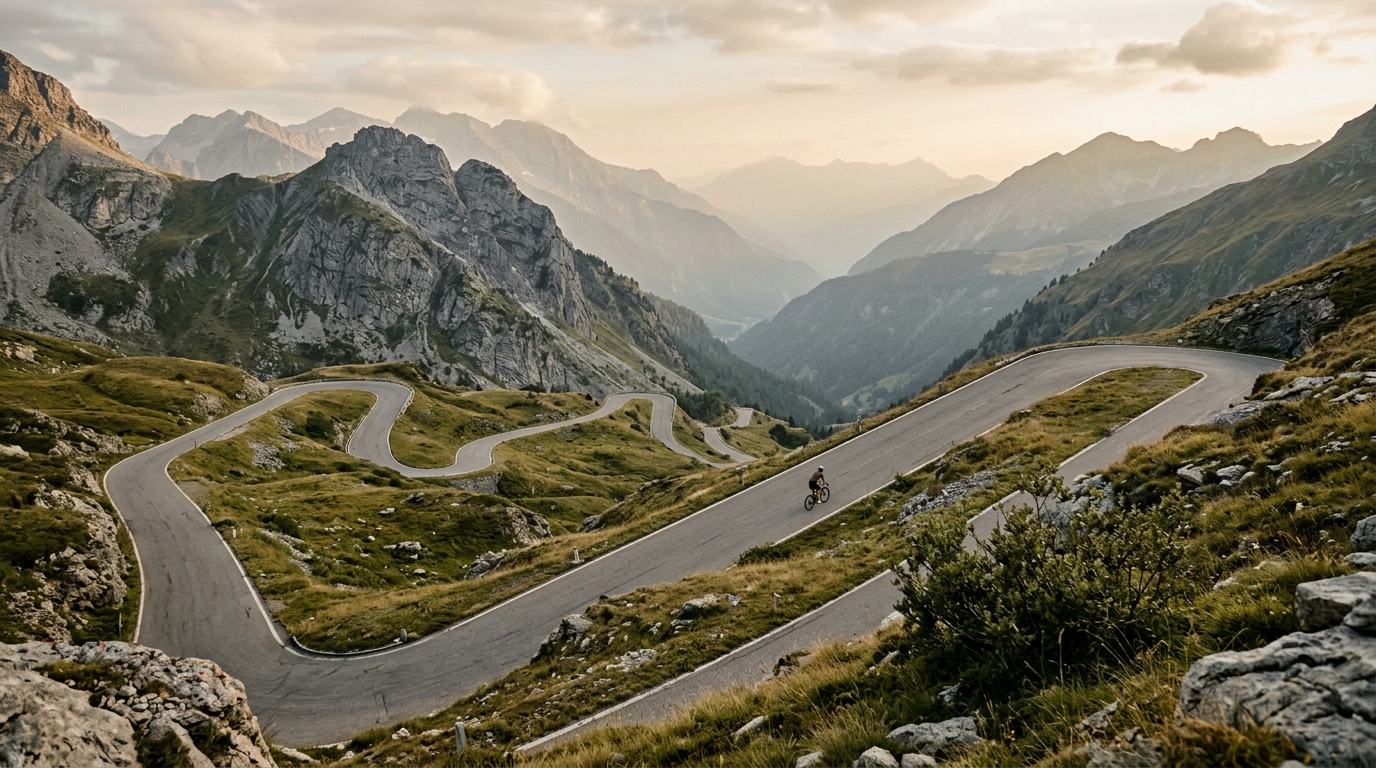 Col de la ForclazHCCH · 7.0 km · 13.8% · 1385 m1331pts
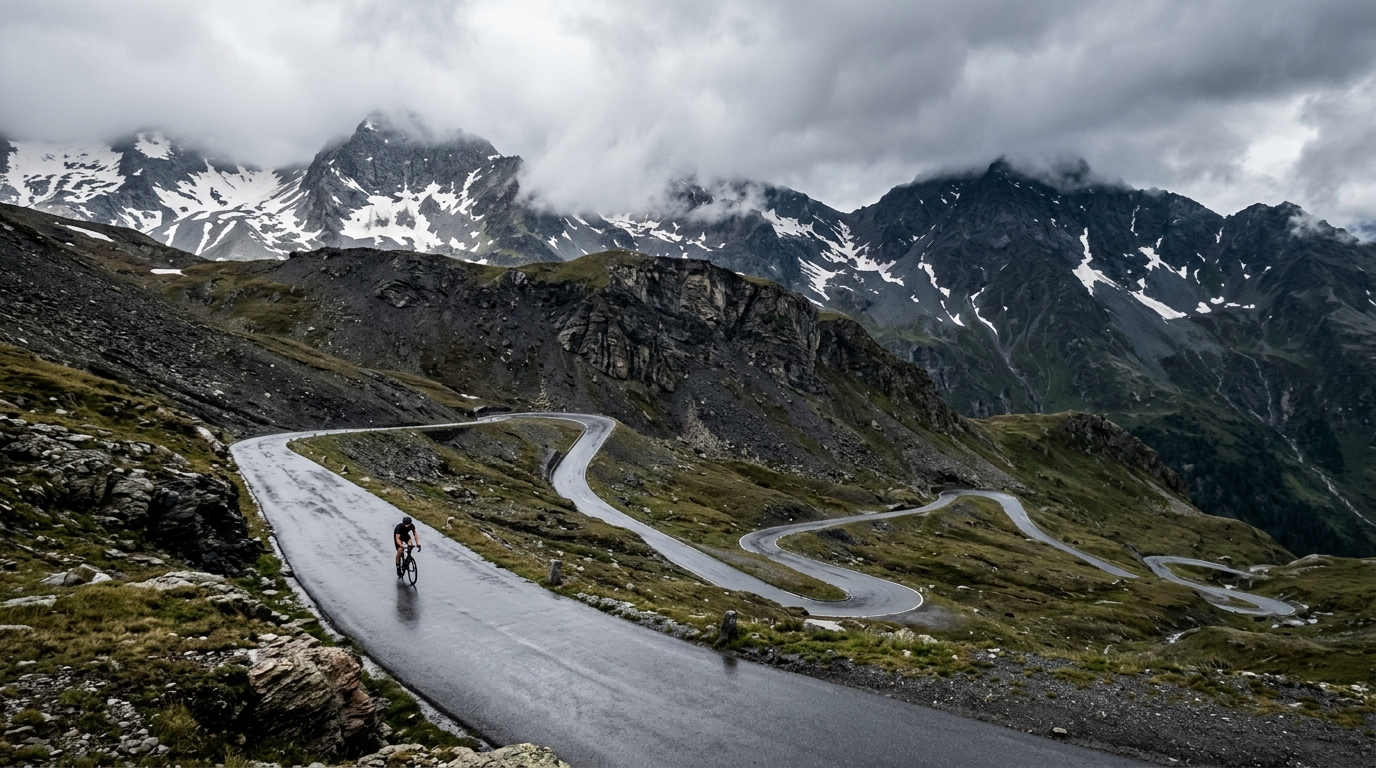 Albula PassCat 1CH · 8.8 km · 7.1% · 782 m442pts
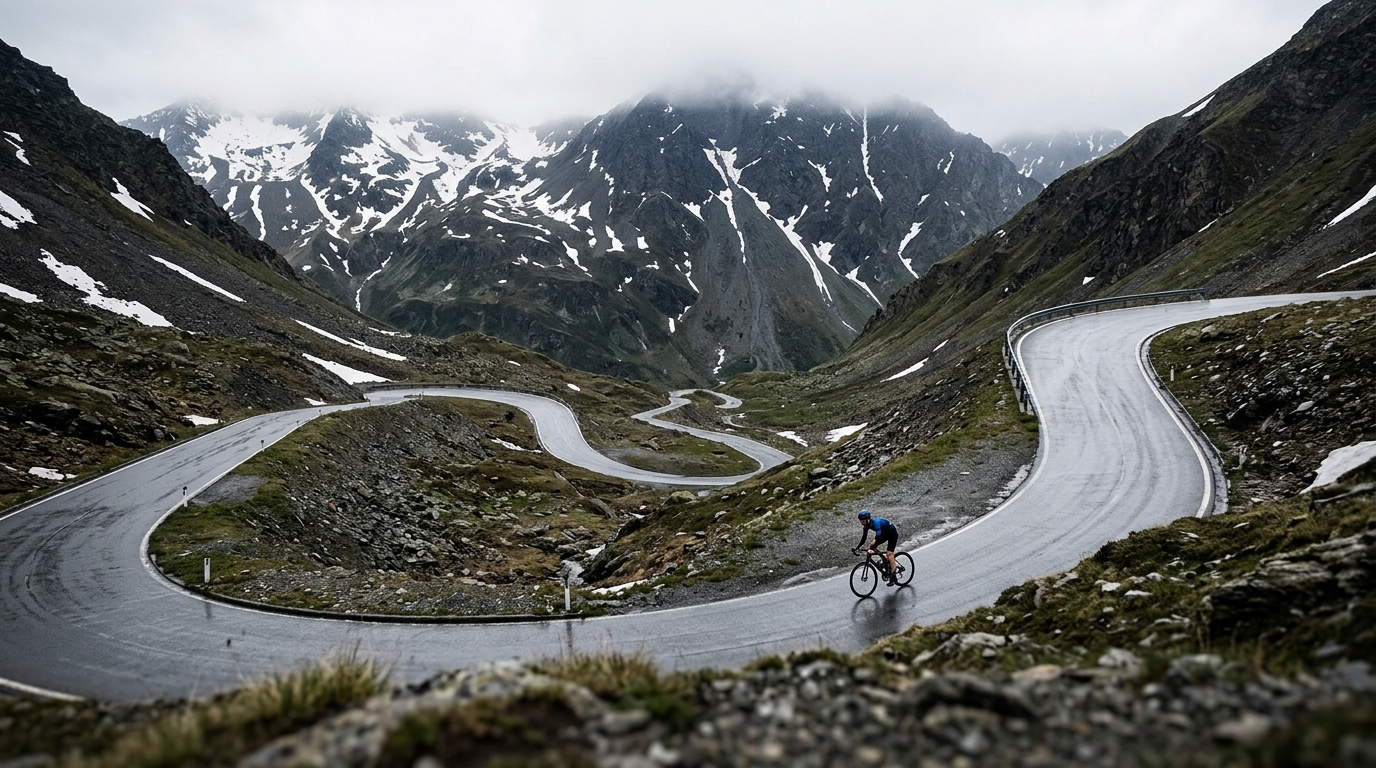 Flüela PassCat 1CH · 8.0 km · 7.3% · 680 m428pts
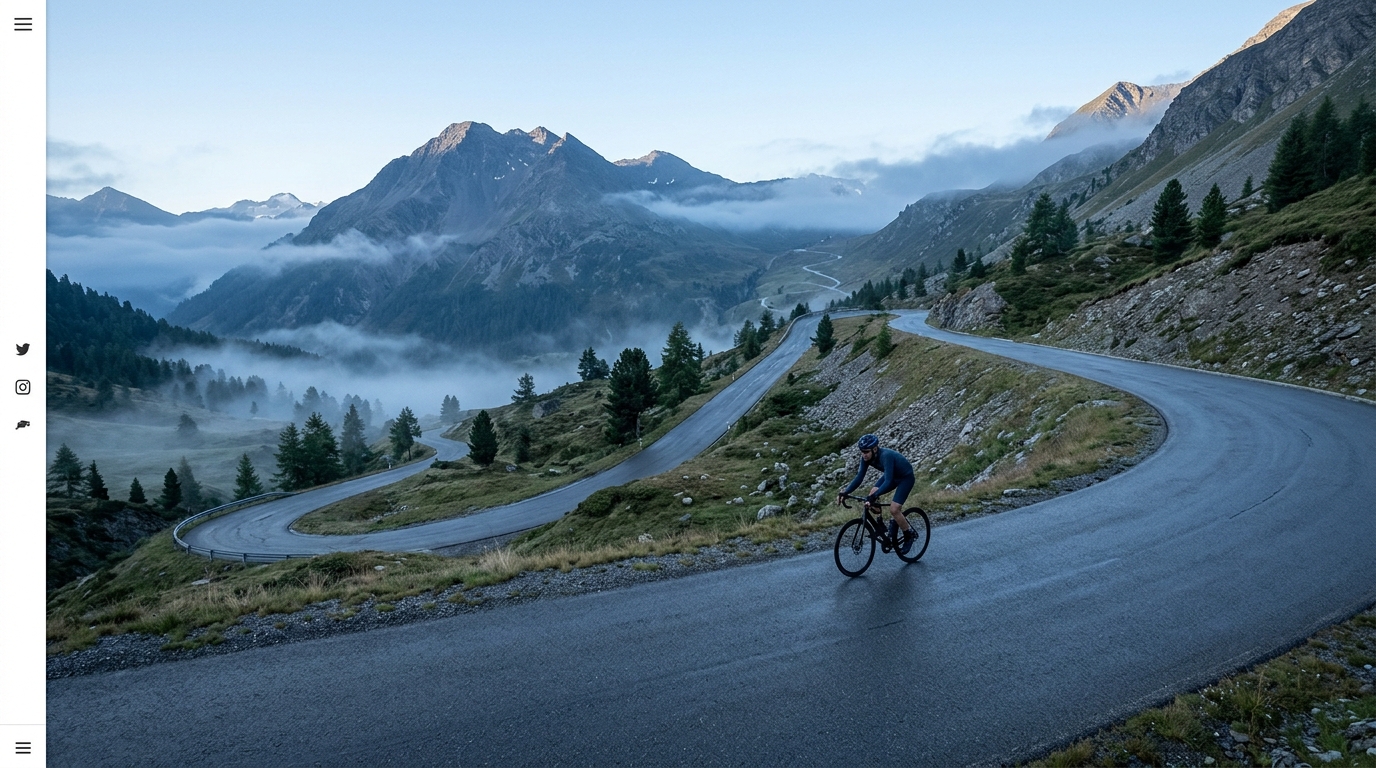 Fuorn PassCat 1CH · 27.0 km · 4.5% · 1206 m542pts
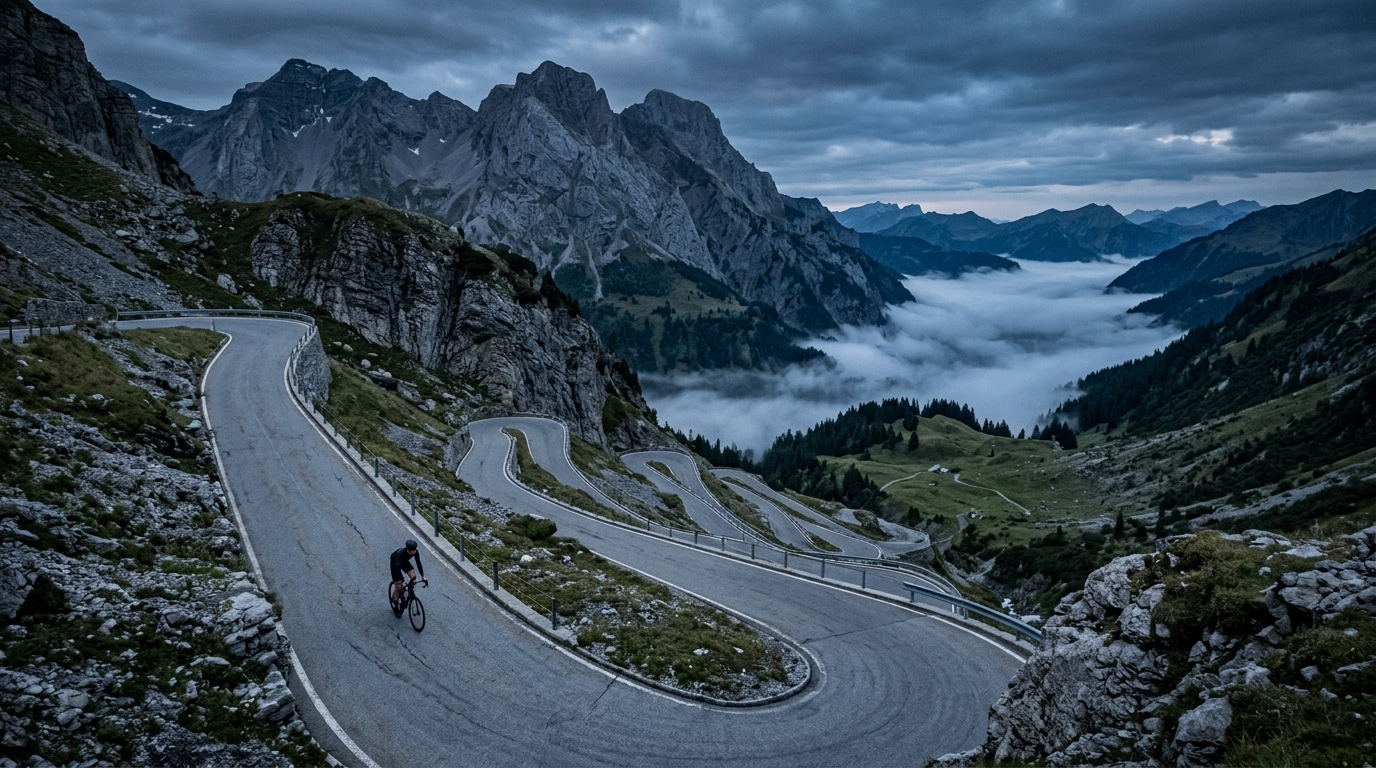 Klausen PassCat 1CH · 7.2 km · 9.6% · 913 m670pts
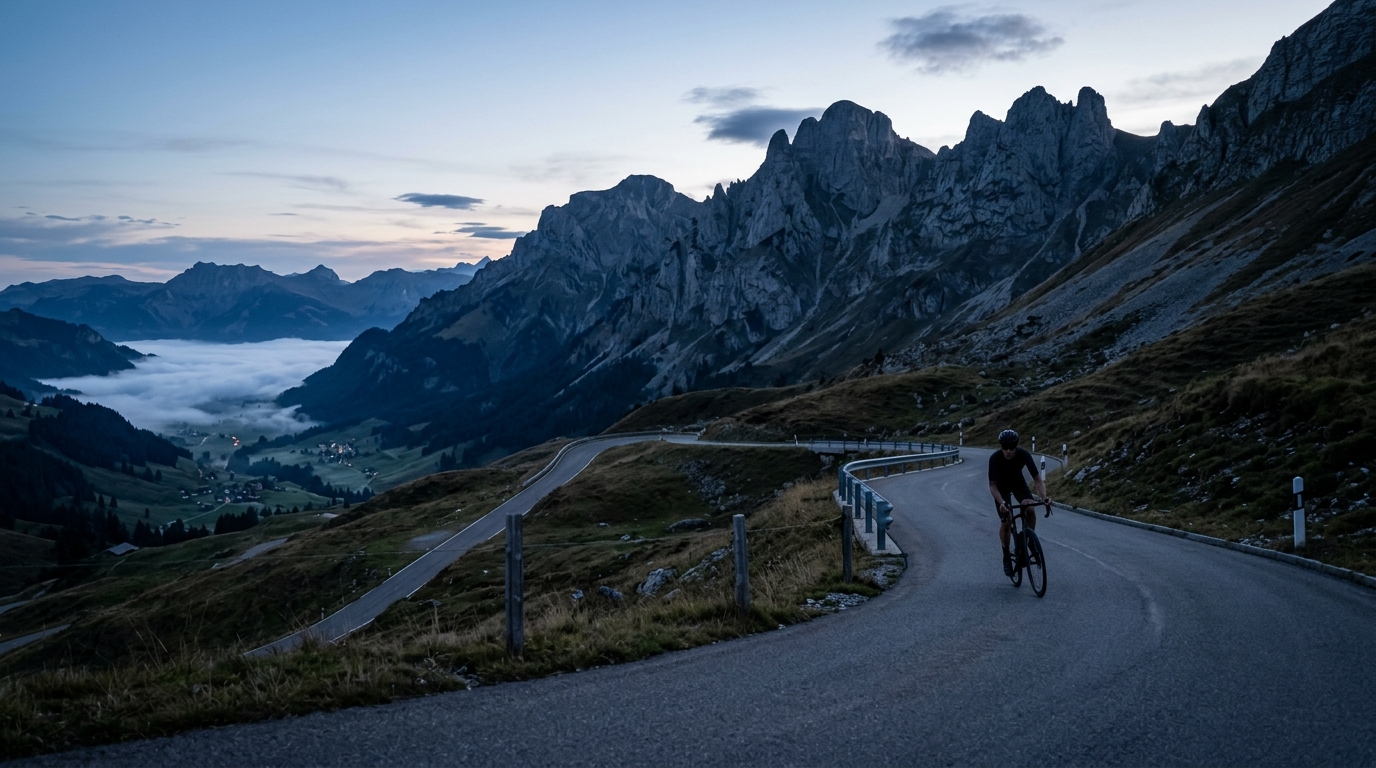 Jaun PassCat 1CH · 11.0 km · 6.4% · 979 m447pts
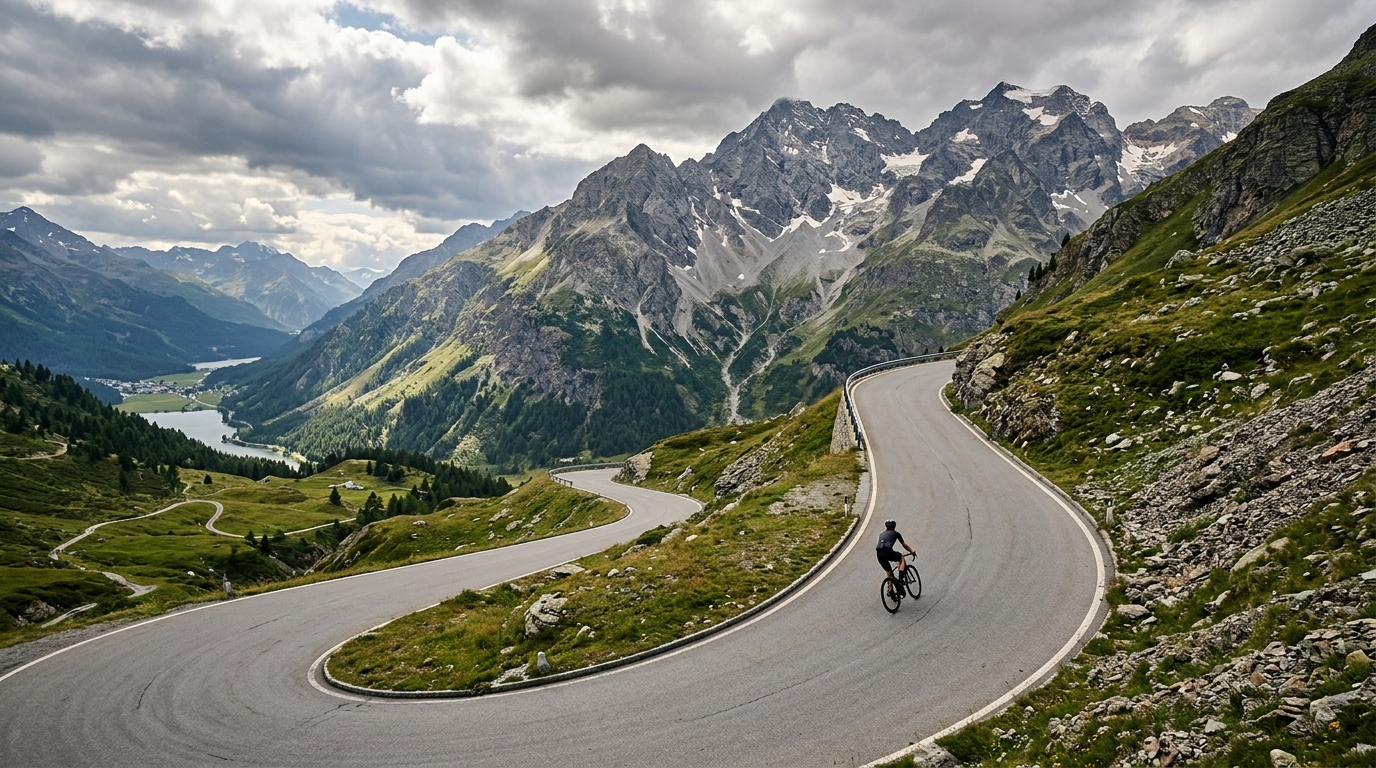 Maloja PassCat 2CH · 8.9 km · 6.5% · 947 m373pts
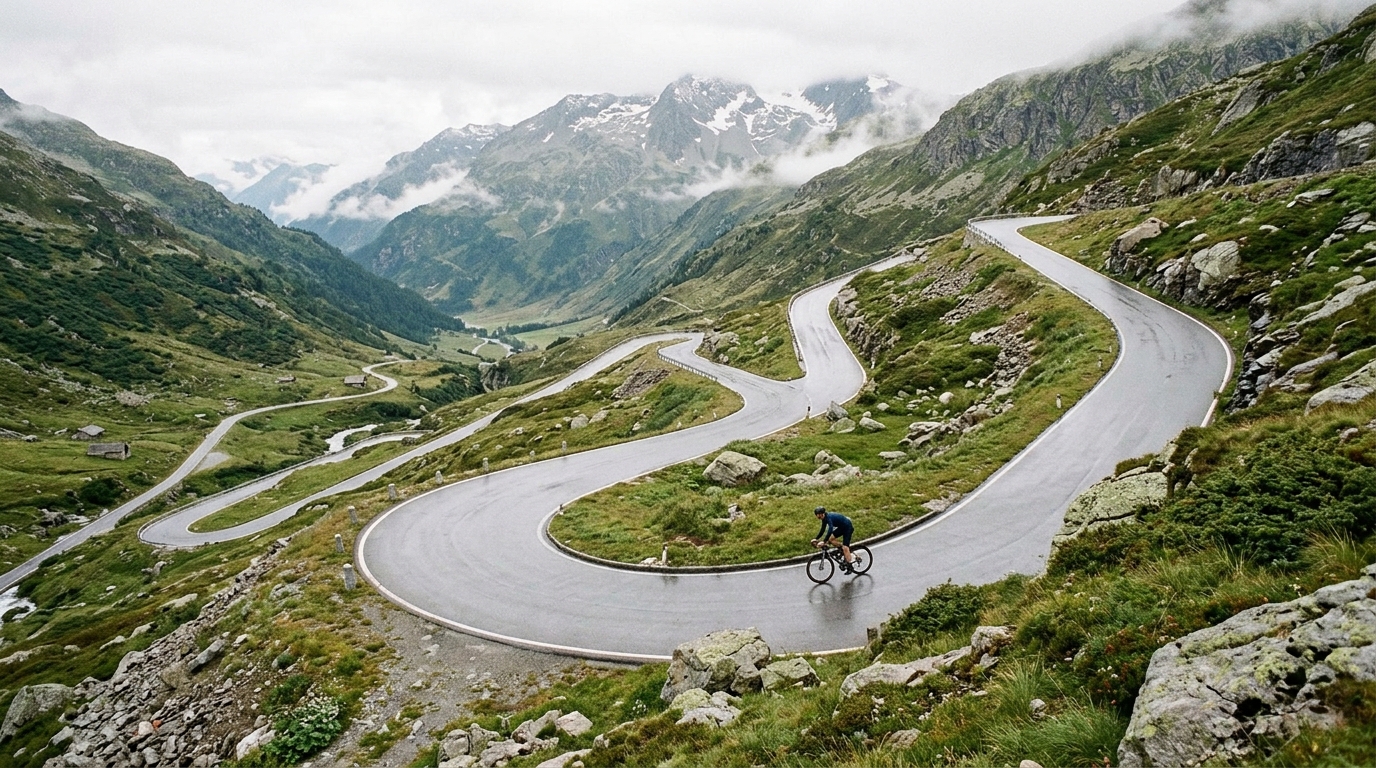 San Bernardino PassCat 2CH · 8.9 km · 5.8% · 934 m295pts
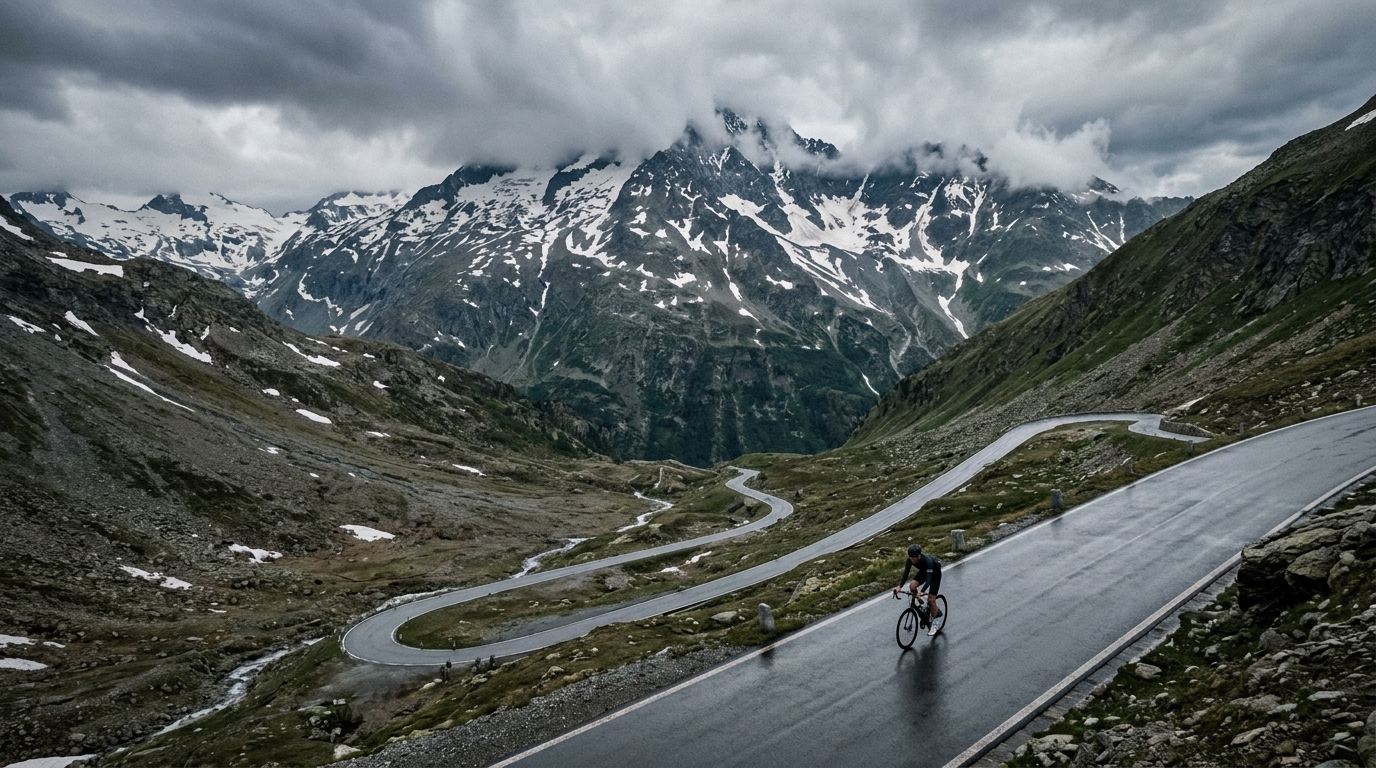 Furka PassCat 2CH · 26.9 km · 3.7% · 3094 m374pts
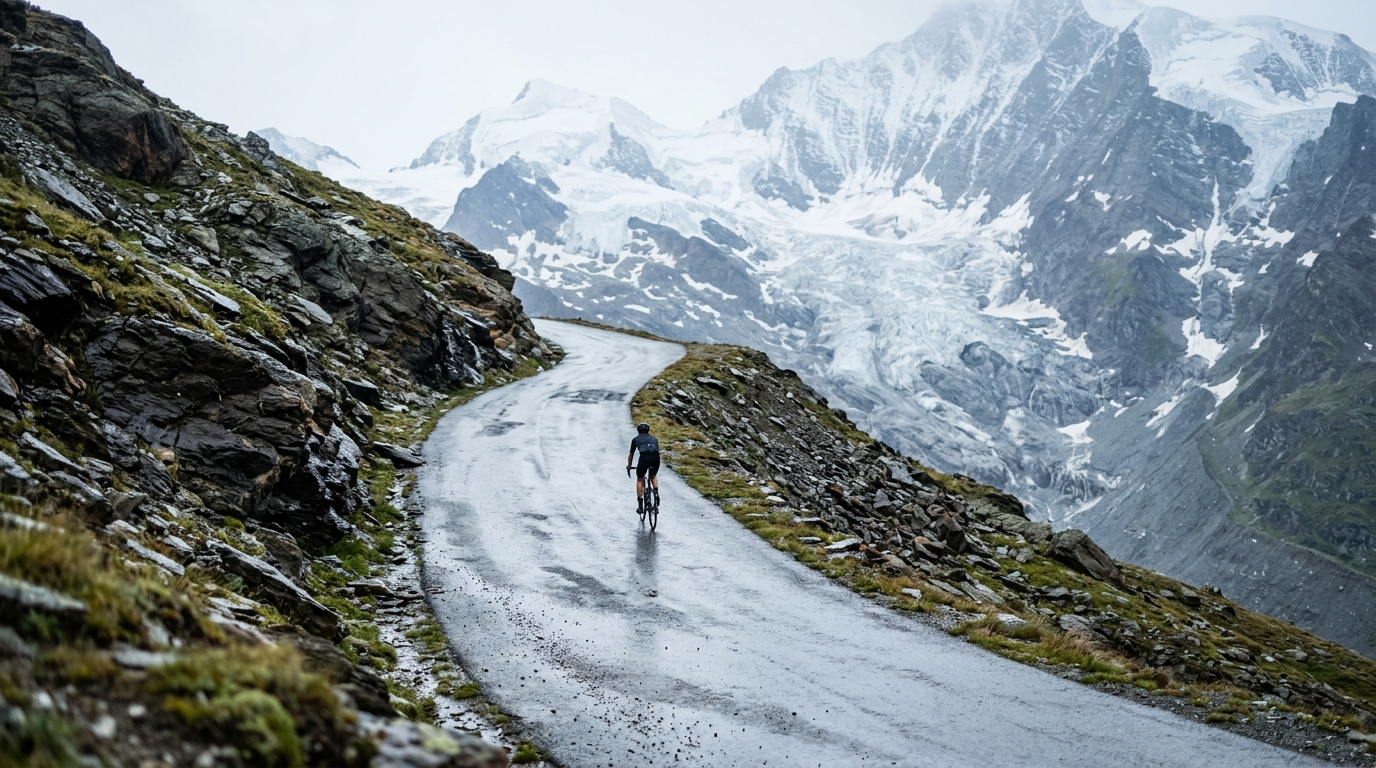 MittelallalinHCCH · 12.6 km · 14.3% · 1765 m2588pts
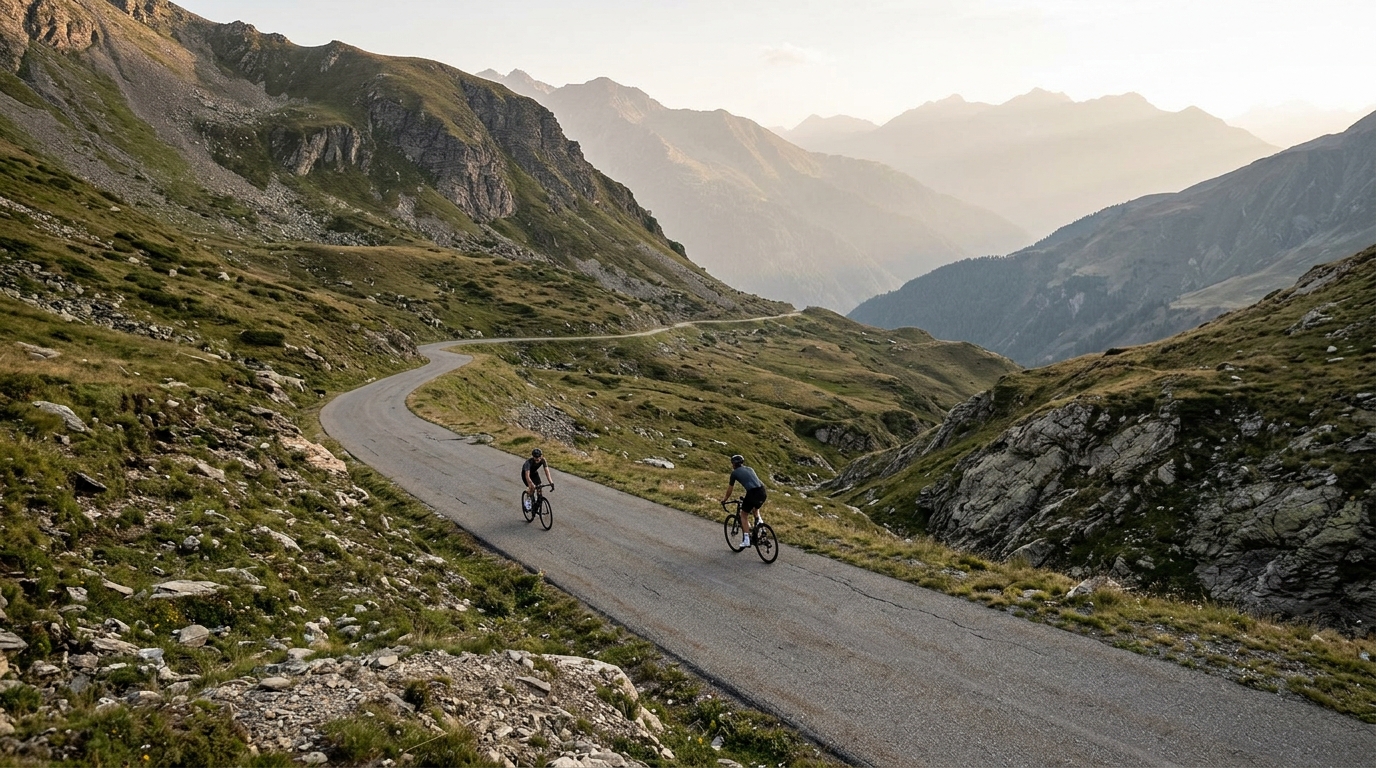 Col de FerretHCCH · 35.6 km · 5.2% · 1811 m967pts
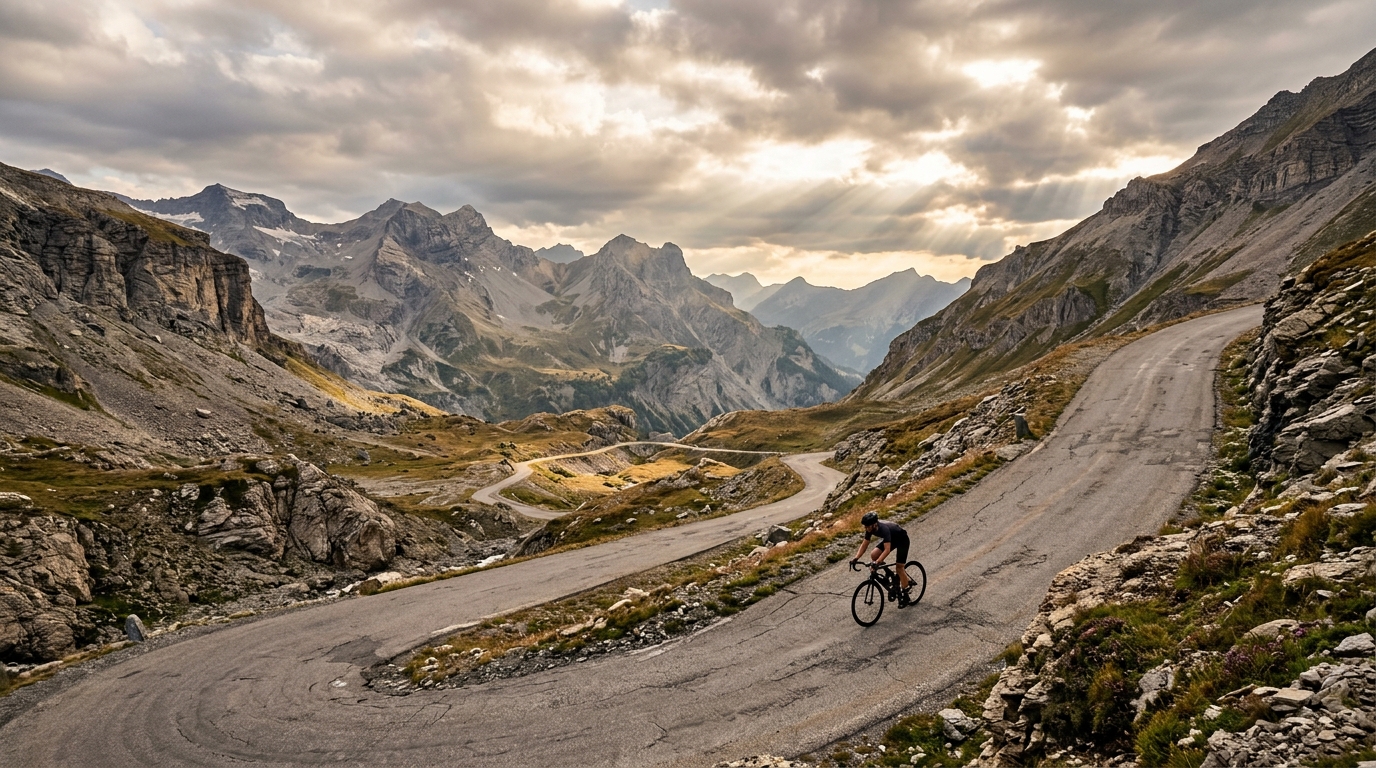 Sanetsch passHCCH · 13.9 km · 10.0% · 2104 m1386pts
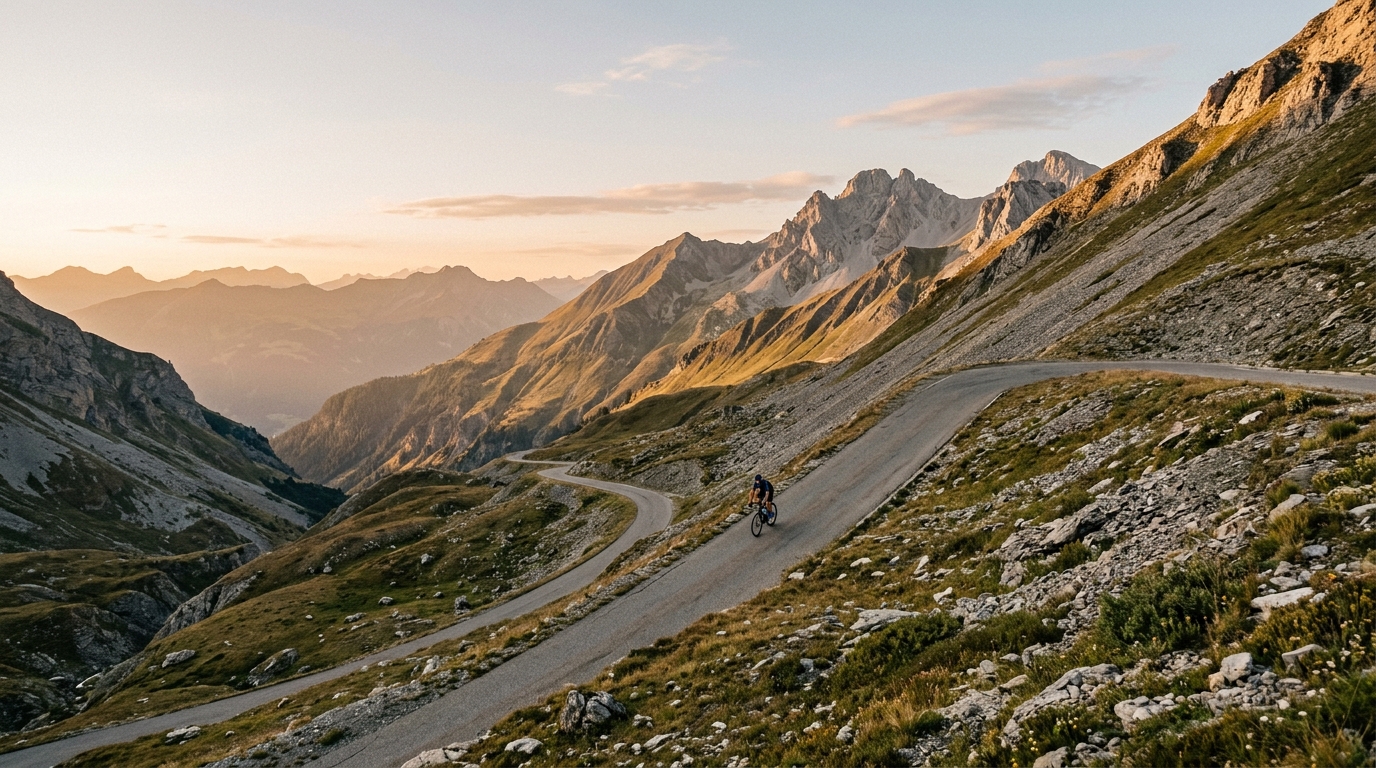 Panix PassHCCH · 15.1 km · 11.1% · 1649 m1861pts
The complete guide to climbing in Switzerland
The Riding
Switzerland is one of the most concentrated climbing destinations a road cyclist can point a bike at. The national catalogue runs to 300 climbs, and the sheer density of them means you are rarely more than a valley away from a serious ascent. Of those 300, a remarkable 97 are rated hors catégorie — the toughest classification there is. That ratio tells you almost everything about the character of the riding here: this is not a place of gentle rollers and token hills, but of sustained, high-consequence efforts that ask for patience, pacing and a wide-range cassette.
The climbs are long and steady rather than short and vicious. Many of the great passes stitch one valley to the next, so the road keeps rising in disciplined switchbacks until it tips over a summit and drops you into new terrain. Altitude is a genuine factor: the highest catalogued summit reaches 2494 m, high enough that the air thins, the weather turns quickly, and the effort you produced comfortably at the valley floor feels noticeably harder near the top. The reward is scenery that changes as you climb — from wooded lower slopes through open pasture to bare rock and, on the highest passes, lingering snow well into the riding season.
Standout Climbs
If you want the defining Swiss experience, the central Alpine passes are the place to start. Grimselpass, Furkapass and Sustenpass form a cluster of demanding, high-altitude climbs that can be linked into a single ambitious day, each one delivering the long, rhythmic switchbacks that define Swiss climbing.
The Passo del San Gottardo is among the most storied crossings in the country, and the Nufenenpass — known on its Italian-speaking side as the Passo della Novena — is a genuine high-mountain test that ranks among the loftiest paved passes here. To the east, the Klausenpass offers a long, varied ascent that rewards riders who can hold a steady effort over distance.
Further west and south, the Col du Grand Saint-Bernard and the Simplonpass are big, historic crossings with the kind of sustained gradient and altitude that put them firmly in hors catégorie territory. Ride any one of these and you understand why so many of Switzerland's 300 climbs earn the sport's hardest rating.
When to Ride
Timing matters more here than in flatter countries, because the highest passes are gated by snow. The upper reaches of climbs like Grimselpass, Furkapass, Nufenenpass and the Col du Grand Saint-Bernard sit close to or above 2000 m, and with the highest catalogued summit at 2494 m, snow can close the road for a large part of the year. The dependable window is the warmer months, when the passes have been cleared and the surfaces are dry.
Even in season, mountain weather is fickle. A summit near 2494 m can be sunny and mild one hour and cold, windy or wet the next. Aim to be climbing in the morning when conditions are most stable, and always check that your target pass is actually open before committing to a big linking day across Sustenpass, Passo del San Gottardo or the Klausenpass.
Practical Notes
Gear for the terrain, not the average. With 97 of 300 climbs rated hors catégorie, you want compact gearing and a cassette that gives you an escape ratio for the long, sustained pitches. Descents off passes like the Simplonpass or the Furkapass are fast and technical, so good brakes and controlled cornering matter as much as climbing legs.
Pack for altitude and cold. Because summits reach up to 2494 m, a packable jacket and warm layer are essential even on a bright day — the temperature drop on a long descent from a high pass is significant. Carry enough food and water for the full climb, and respect the effort: these are long ascents where blowing up early leaves you a long way from the top.
Summary
Switzerland offers a rare combination of quantity and quality: 300 catalogued climbs, 97 of them hors catégorie, and a highest summit of 2494 m. From the central trio of Grimselpass, Furkapass and Sustenpass to the historic Passo del San Gottardo, Nufenenpass, Klausenpass, Col du Grand Saint-Bernard and Simplonpass, the country delivers long, steady, high-altitude climbing at a density few places can match. Ride in the warm months, gear low, dress for the summit, and Switzerland will give you some of the most rewarding ascents in the sport.
Looking for full rides in Switzerland?
Routes in Switzerland