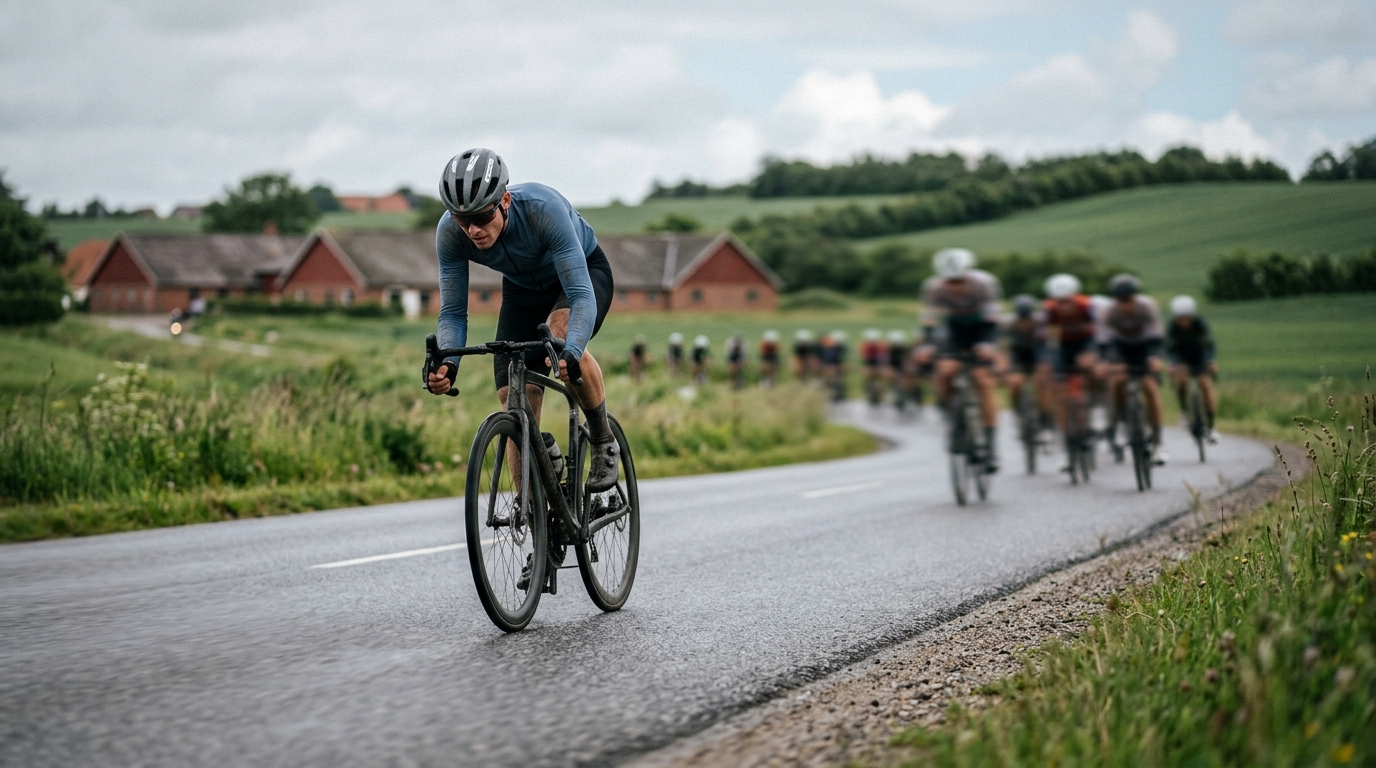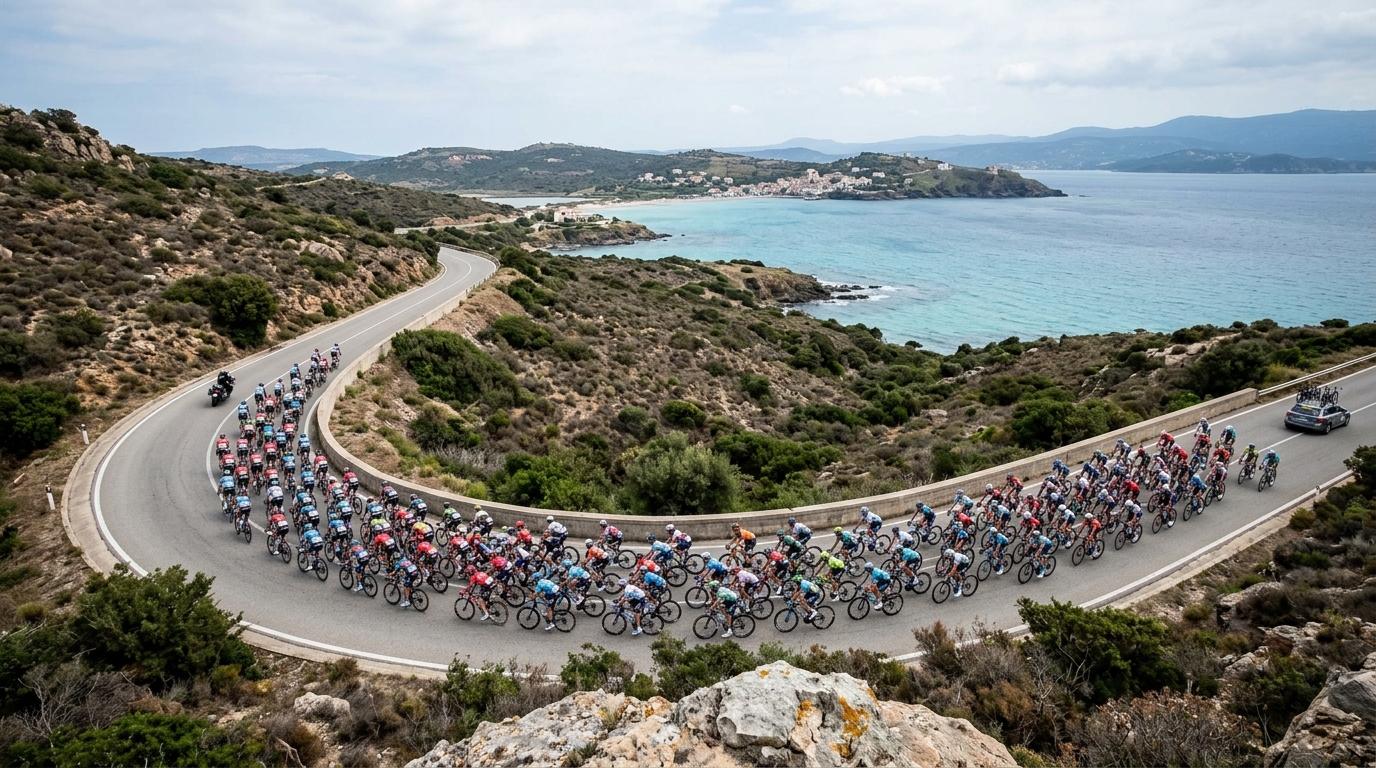
Image generated by our model.
Roundup
Van Aert turns an early Denmark sweep into the overall win
Wout van Aert won the PostNord Tour of Denmark after taking the first three stages, turning early dominance into the defining shape of the race.
Wout van Aert's PostNord Tour of Denmark win was built before the race ever reached its closing phase. By taking the first three stages, he did more than stack up victories - he set the terms of the overall battle and forced everyone else into a reactive race.
Van Aert wins by making the race run through him
Van Aert won the PostNord Tour of Denmark ahead of Lukáš Kubiš and Henrik Pedersen, with the decisive storyline being his sweep of the first three stages. In a stage race, that kind of opening does not just create a lead. It changes the incentives for every rider behind. The chasers have to decide whether to spend energy trying to pull back a rider who is already winning repeatedly, while the leader can race from a position of leverage.
That is the important part of this result. The headline is the overall win, but the mechanism was early control. When a rider wins three consecutive stages at the start of a race, the rest of the event becomes less about proving superiority on one day and more about whether that early superiority can be translated into the general classification. Van Aert did that.
For a data-driven cyclist, the takeaway is not simply that form equals results. It is that form becomes far more powerful when it is applied early enough to shape the race environment. Winning the first stage creates pressure. Winning the second confirms the pattern. Winning the third turns that pattern into the central fact of the race. From that point, the podium contenders are no longer racing a neutral contest. They are racing Van Aert's established advantage.
Kubiš and Pedersen finishing second and third matters because it frames the depth of the result rather than leaving it as a one-rider story. They were the riders closest on the final standings, but the structure of the race had already been heavily influenced by Van Aert's opening sequence.
On a quiet news day, this is still a useful result to read closely. It is a reminder that stage races are often won not only by the strongest rider, but by the rider who converts strength into race architecture. Van Aert's Denmark performance did exactly that: early wins became overall control, and overall control became the final victory.