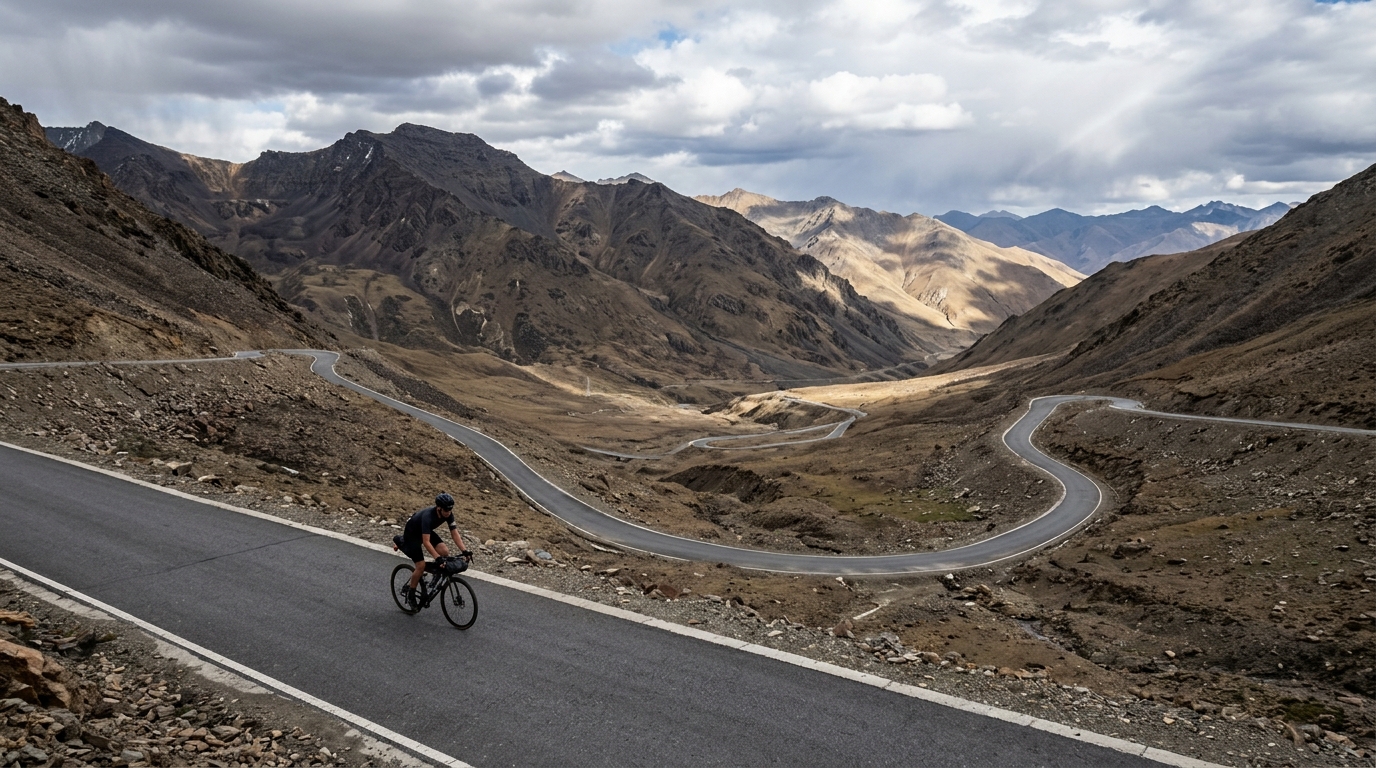
Climb library · Nepal
Cycling climbs in Nepal
Nepal is a destination defined by altitude. Its roads climb toward the roof of the world, topping out at a lofty 4607 m, where thin air and vast horizons reward every rider willing to grind upward. This is high-mountain cycling in its purest form, a place where the ascent is the entire point and the summit feels genuinely earned.
Two catalogued climbs anchor the country's map, each a serious undertaking for anyone chasing elevation. The Muktinath road threads its way skyward through dramatic terrain, while the Korala climb pushes toward the frontier heights that make Nepal so distinct. Neither is rated hors catégorie, yet both demand patience, fitness, and respect for the altitude — the kind of climbs that stay with you long after the descent.
Signature climbs of Nepal
All climbs in Nepal
8 climbs
- Nangpa LaHCNP · 26.4 km · 6.4% · 1655 m1069pts
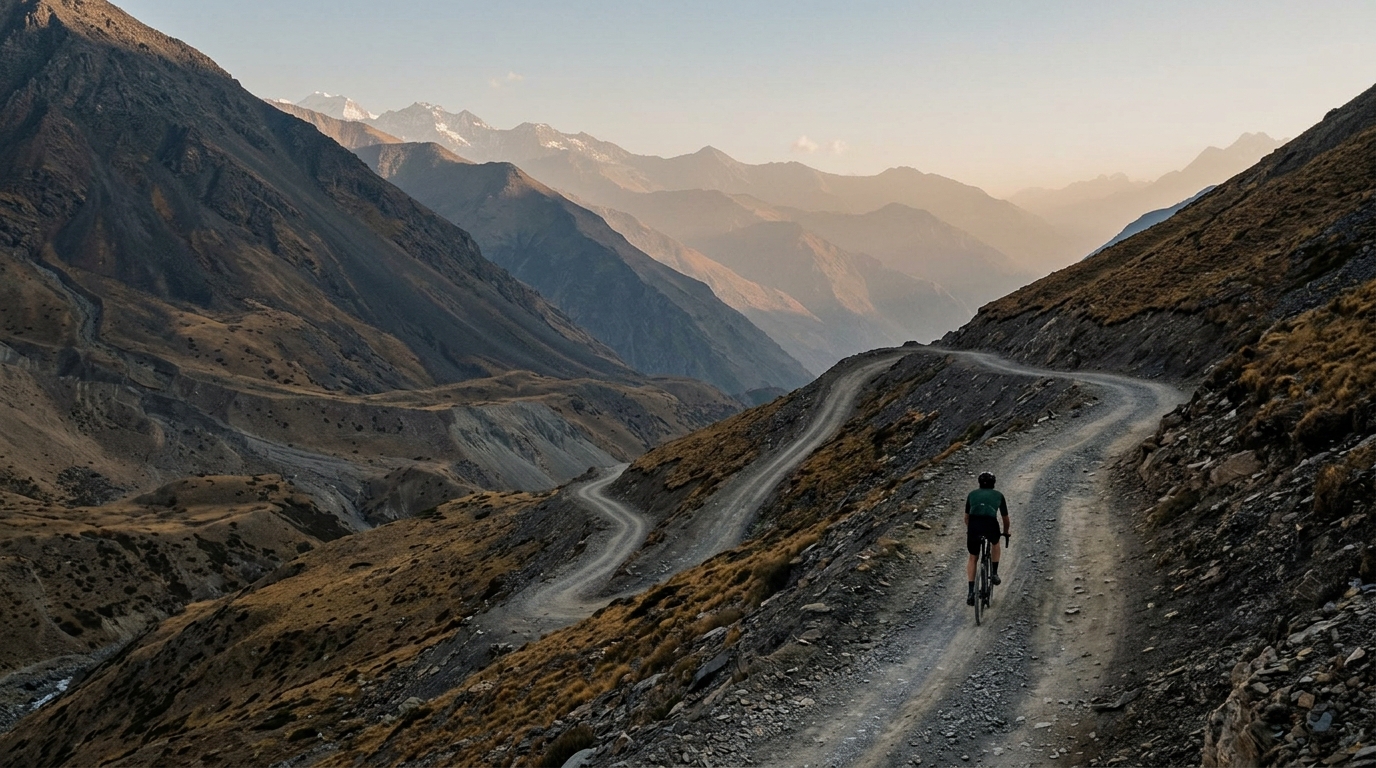 South ColHCNP · 7.0 km · 15.8% · 1046 m1734pts
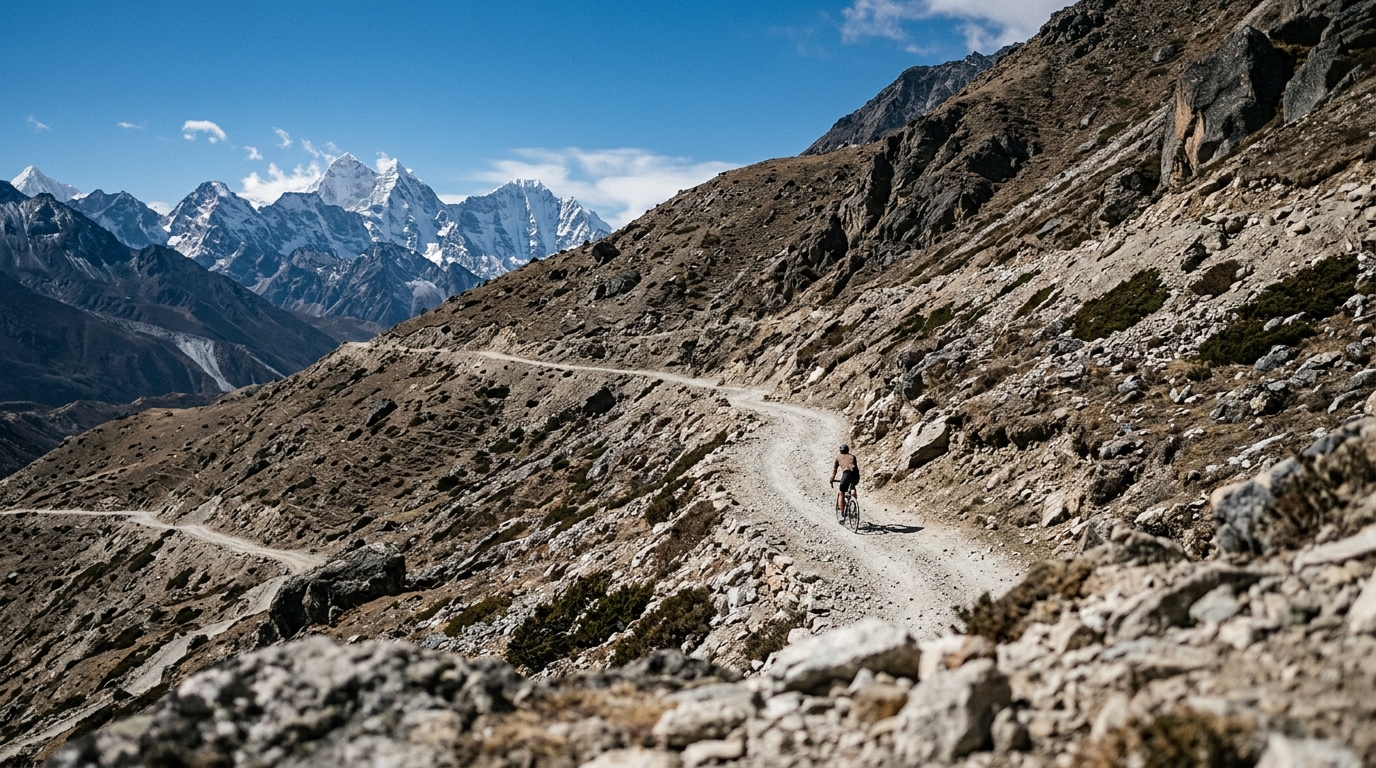 Cho LaCat 1NP · 17.5 km · 5.2% · 913 m475pts
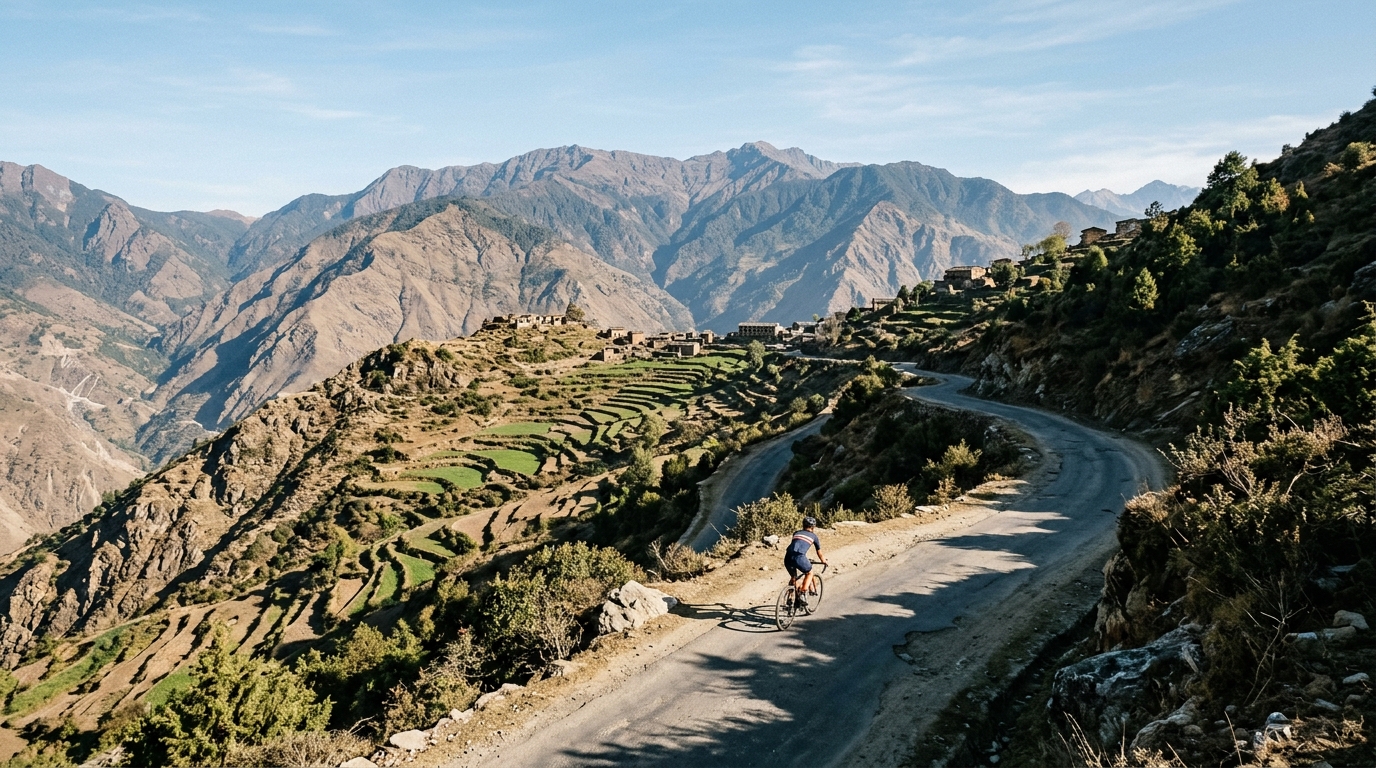 HelambuHCNP · 32.8 km · 8.7% · 2987 m2502pts
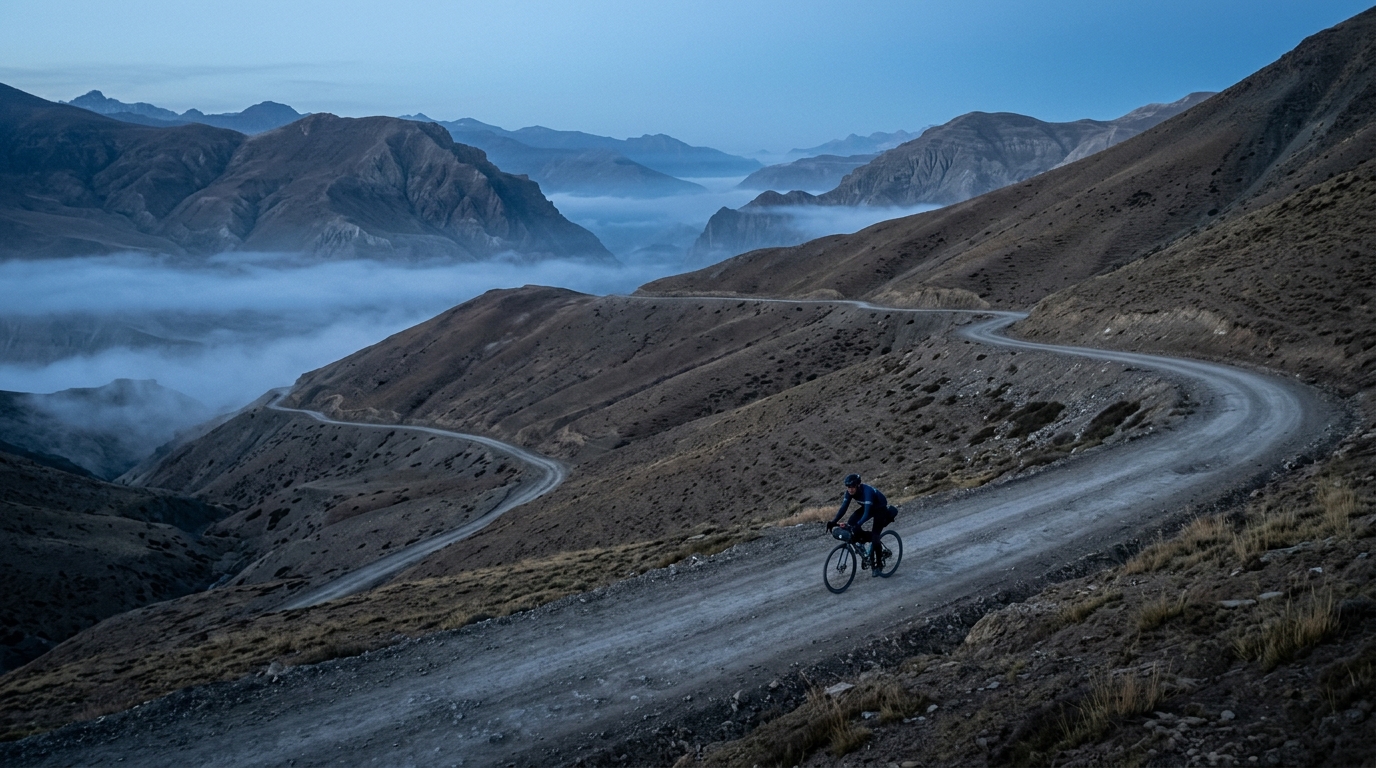 KoralaCat 1NP · 14.0 km · 5.8% · 788 m463pts
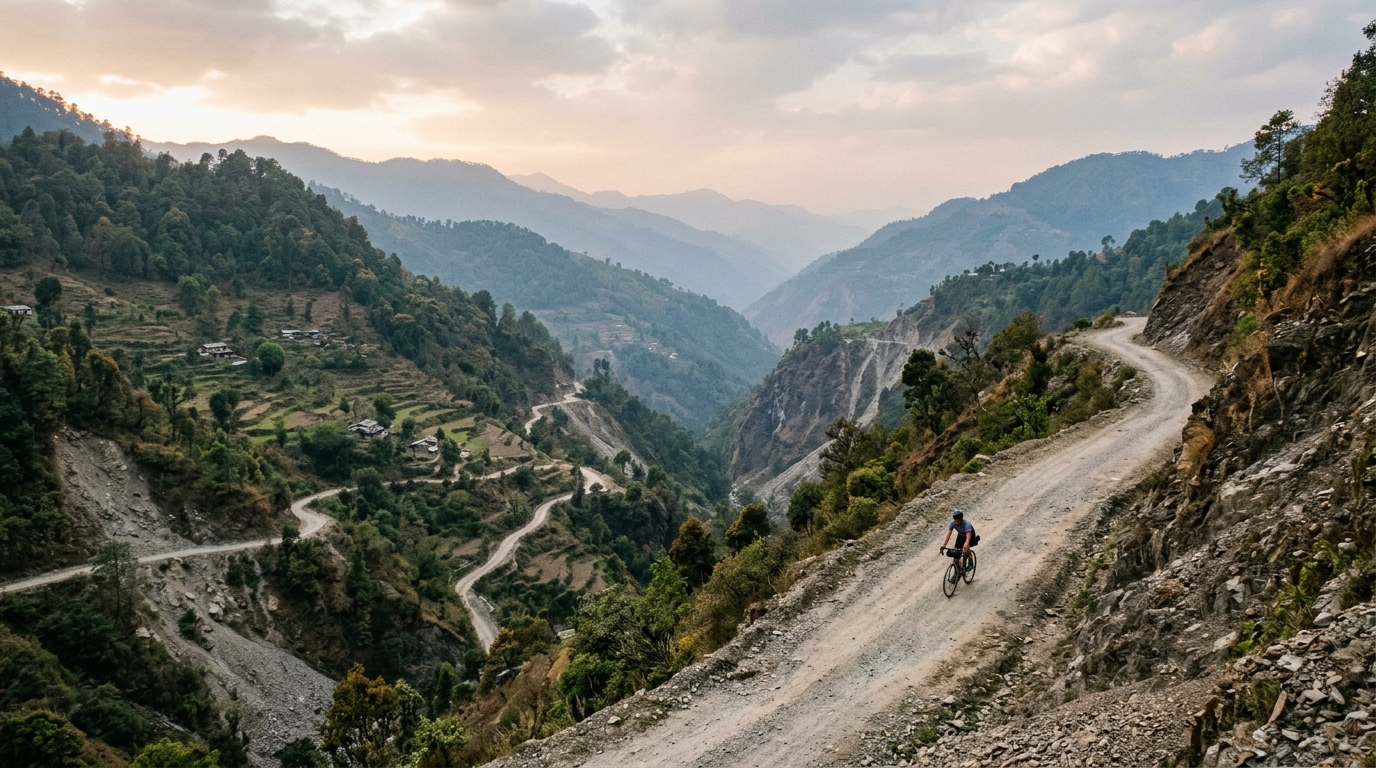 Chiyo BhanjyangHCNP · 27.8 km · 6.9% · 2021 m1321pts
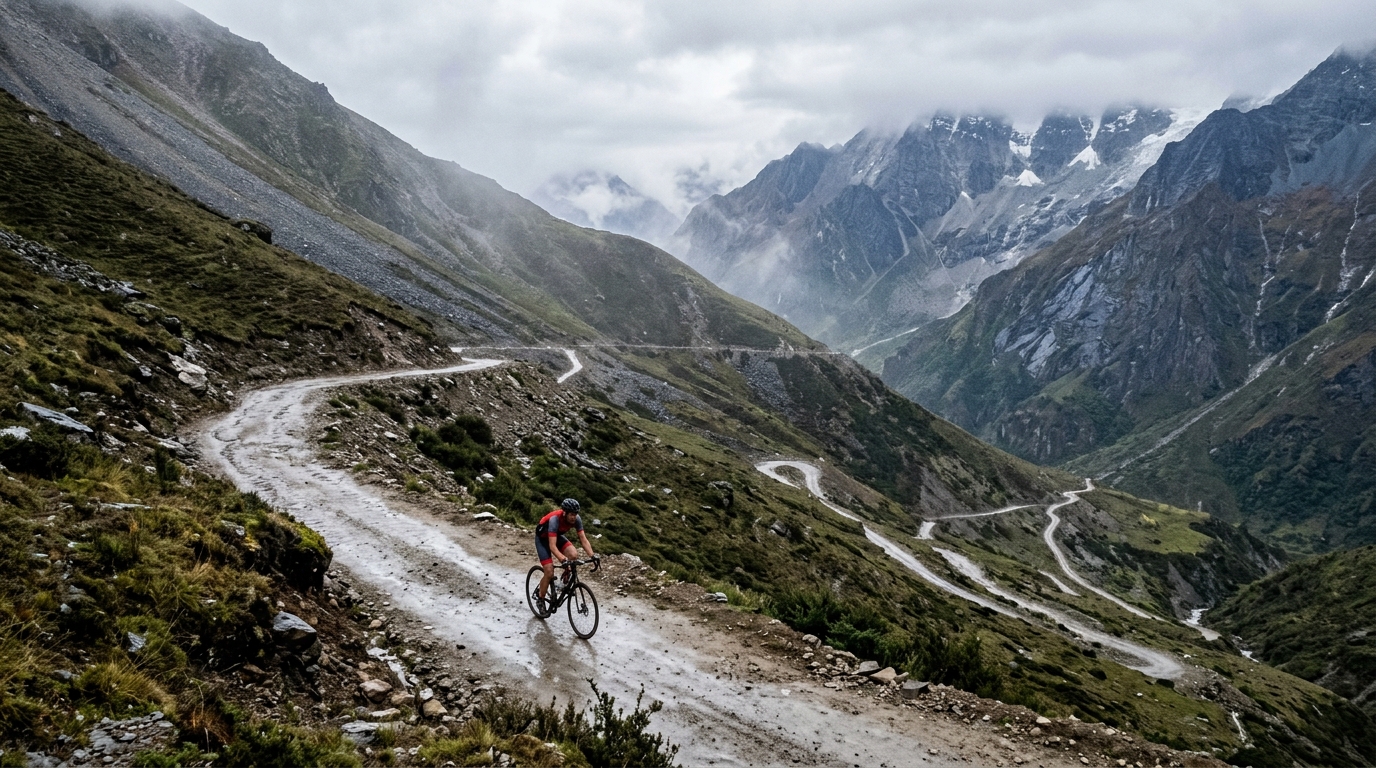 Tashi LapchaHCNP · 15.0 km · 14.8% · 2157 m3309pts
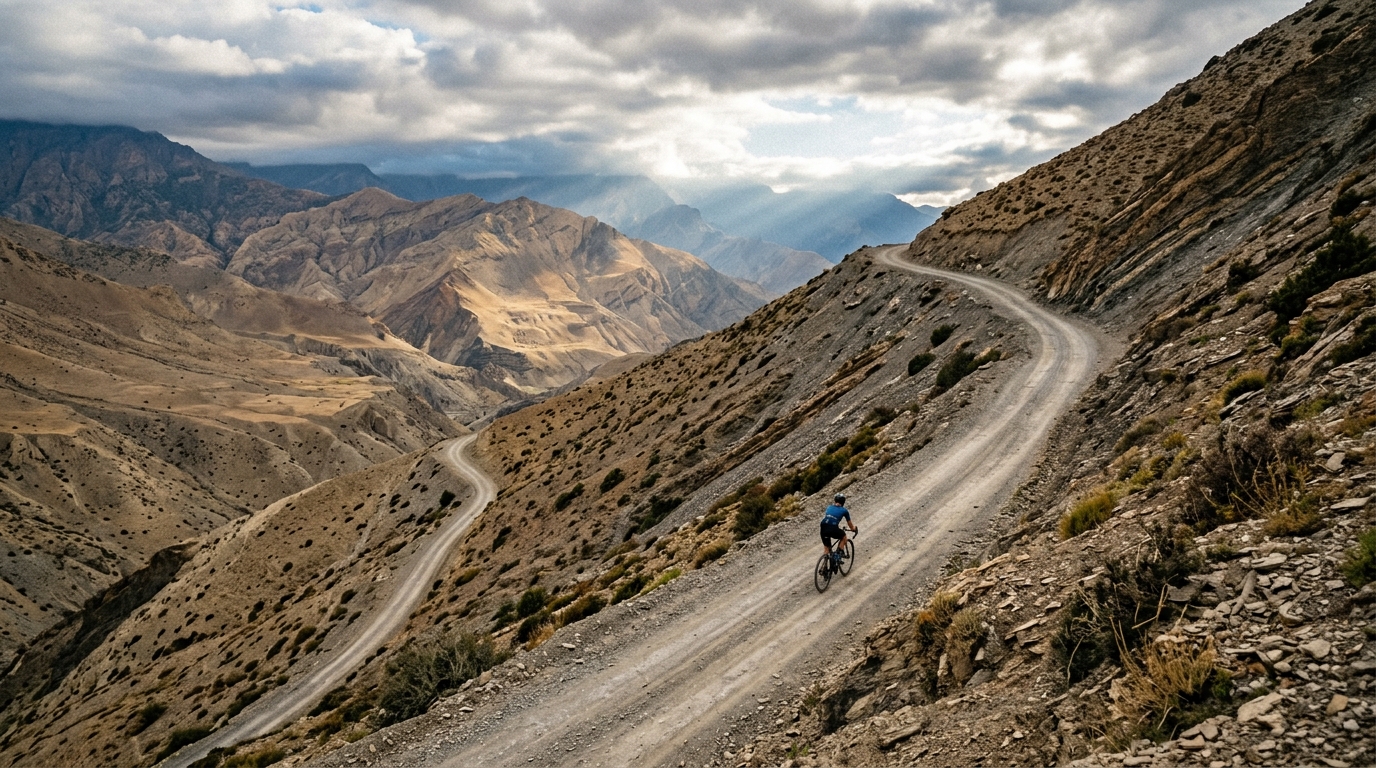 Muktinath roadCat 3NP · 4.3 km · 6.0% · 254 m154pts
The complete guide to climbing in Nepal
The Riding
Cycling in Nepal is defined by one dominant force: altitude. This is not a place where you chase a rolling series of short punches. Instead, the catalogued climbs here are long, sustained ascents that carry you into genuinely thin air, with the highest summit in the catalogue topping out at 4,607 metres. That single number tells you almost everything about the character of riding in Nepal. The challenge is rarely a wall of savage gradient; it is the accumulation of hours, the steady grind of vertical gain, and the slow erosion of oxygen as you climb higher and higher.
At present the catalogue holds two climbs, and neither of them is rated hors catégorie. That absence is worth understanding correctly. It does not mean the riding is soft. It means the difficulty here comes from length and elevation rather than from the kind of relentless, leg-breaking pitches that earn the hardest classification elsewhere. A rider arriving in Nepal should prepare for endurance and acclimatisation far more than for explosive power. These are climbs measured in patience.
Because the summits sit so high, the terrain shifts beneath you as you ascend. Lower slopes give way to increasingly stark, open high country, and the thinning atmosphere makes even moderate gradients feel heavier than the numbers suggest. Effort that would be routine at sea level becomes a deliberate, managed exertion up here. That is the essential truth of cycling in Nepal.
Standout Climbs
Two climbs anchor the catalogue, and both are worth planning a trip around.
The Muktinath road is the headline ascent. It is a long, high climb that carries riders deep into the mountains, and it embodies exactly the endurance-first character described above. The reward for the sustained effort is the altitude itself: the sense of having pedalled into a landscape that few cyclists ever reach under their own power.
Korala is the second catalogued climb, another high-altitude ascent that demands the same measured, patient approach. Like the Muktinath road, its difficulty is written in vertical metres and thin air rather than in ferocious gradient. Together these two climbs define what riding in Nepal currently offers: a small but serious set of ascents where the mountain, not the road profile, is the true adversary.
With the highest catalogued summit reaching 4,607 metres, either climb represents a significant undertaking. Neither should be attempted casually, and both reward riders who have given themselves time to adapt.
When to Ride
Altitude is the deciding factor in timing. Because the catalogued climbs reach well above 4,600 metres, conditions at the summits are far harsher than anything you experience lower down. The window for comfortable, safe riding is dictated by how habitable those high passes are, and how much snow and cold you are willing to contend with near the top.
Plan your ride for the settled, drier stretches of the year when the high country is most accessible and the upper slopes are clearest. Avoid periods when the highest points are likely to be locked in by weather, since the summits are exactly where conditions turn most severe. Give yourself flexibility in your schedule; at this elevation, a single bad day can close the top of a climb entirely.
Practical Notes
The most important practical consideration in Nepal is acclimatisation. With summits above 4,600 metres, altitude sickness is a real risk, and no amount of fitness substitutes for a sensible, gradual approach to elevation. Build in time to adjust before attempting either the Muktinath road or Korala.
Carry more than you think you need. High, remote climbs mean fewer opportunities to resupply, so plan your food, water, and layers accordingly. Cold at altitude is unforgiving even when the valleys below feel mild, so bring proper clothing for the summits regardless of how warm the lower slopes are.
Gearing matters. These are long, sustained ascents, and low ratios that let you spin patiently for hours will serve you far better than pushing big gears in thin air. Pace conservatively; the altitude punishes riders who go out hard.
Finally, respect the scale. With only two catalogued climbs and none rated hors catégorie, Nepal is not about ticking off a long list. It is about committing fully to a handful of serious, high ascents.
Summary
Cycling in Nepal is high-altitude endurance riding at its most distilled. Two catalogued climbs, the Muktinath road and Korala, neither hors catégorie, carry riders toward a summit reaching 4,607 metres. The difficulty lies in length and elevation rather than gradient. Acclimatise carefully, time your ride for accessible high-country conditions, pack for the cold, and approach these mountains with patience.
Looking for full rides in Nepal?
Routes in Nepal