🇨🇱 Climb library
Cycling climbs in Chile
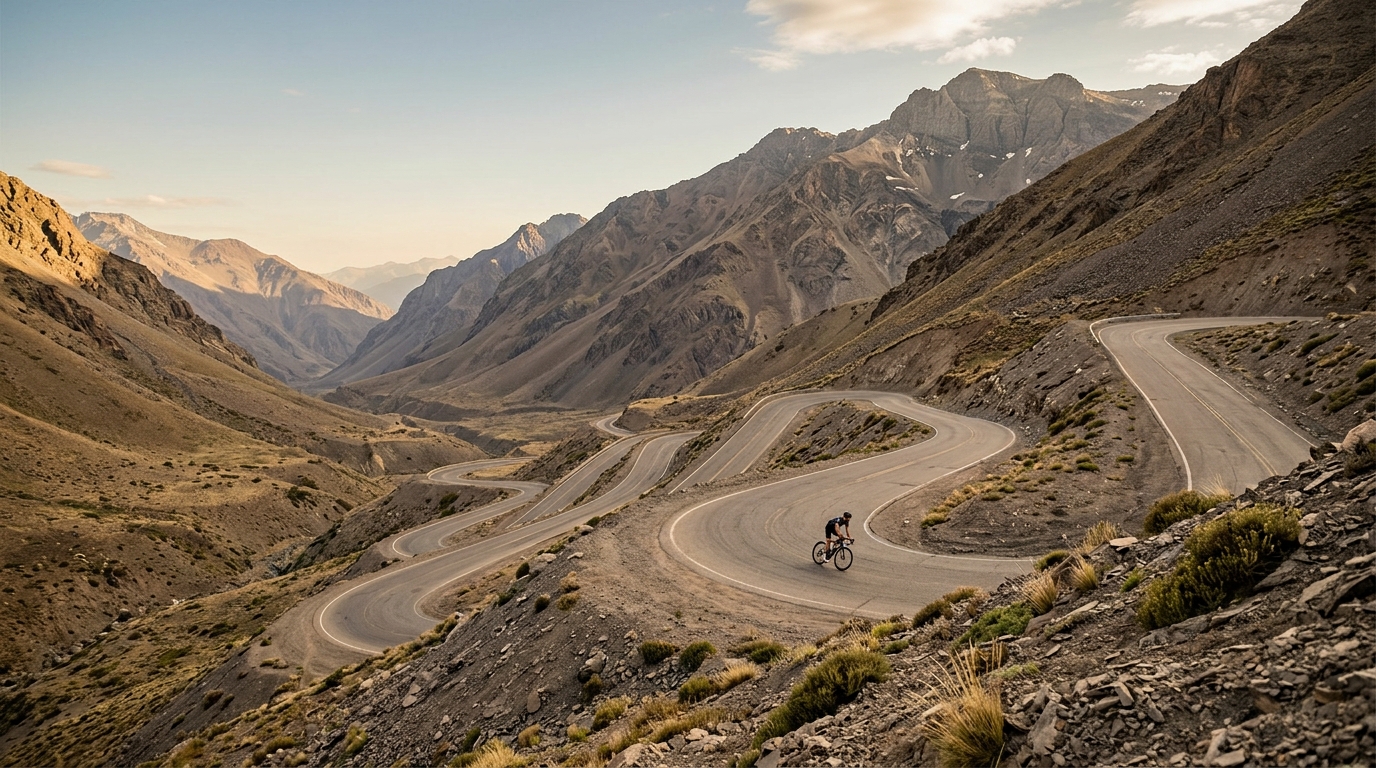
Chile is a climber's country stretched thin against the Andes, where roads tilt upward toward some of the highest paved passes in the Americas. Its 20 catalogued climbs range from long, steady grinds to two punishing hors catégorie ascents, with the highest summit topping out at a lung-searing 4755 m. Thin air, big skies, and relentless gradients make this a destination for riders who want their suffering measured in altitude as much as distance.
The marquee efforts read like a tour of the cordillera's great gateways. The Uspallata Pass and Paso Internacional Los Libertadores carry you toward the spine of the range, while San Francisco Pass, Pircas Negras Pass, and Paso de Jama climb into stark, high-desert emptiness. Further south, Carirriñe Pass offers a greener contrast. Together they define a climbing landscape built on scale, solitude, and the raw pull of the mountains.
- Climbs
- 149
- Hors catégorie
- 38
- Highest summit
- 5217m· Paso de Tres Quebradas
- Longest
- 93.4km· Paso de Puentecillas
- Steepest
- 17.1%· Alto de las Minas
149 climbs
Alto de Los Michayes
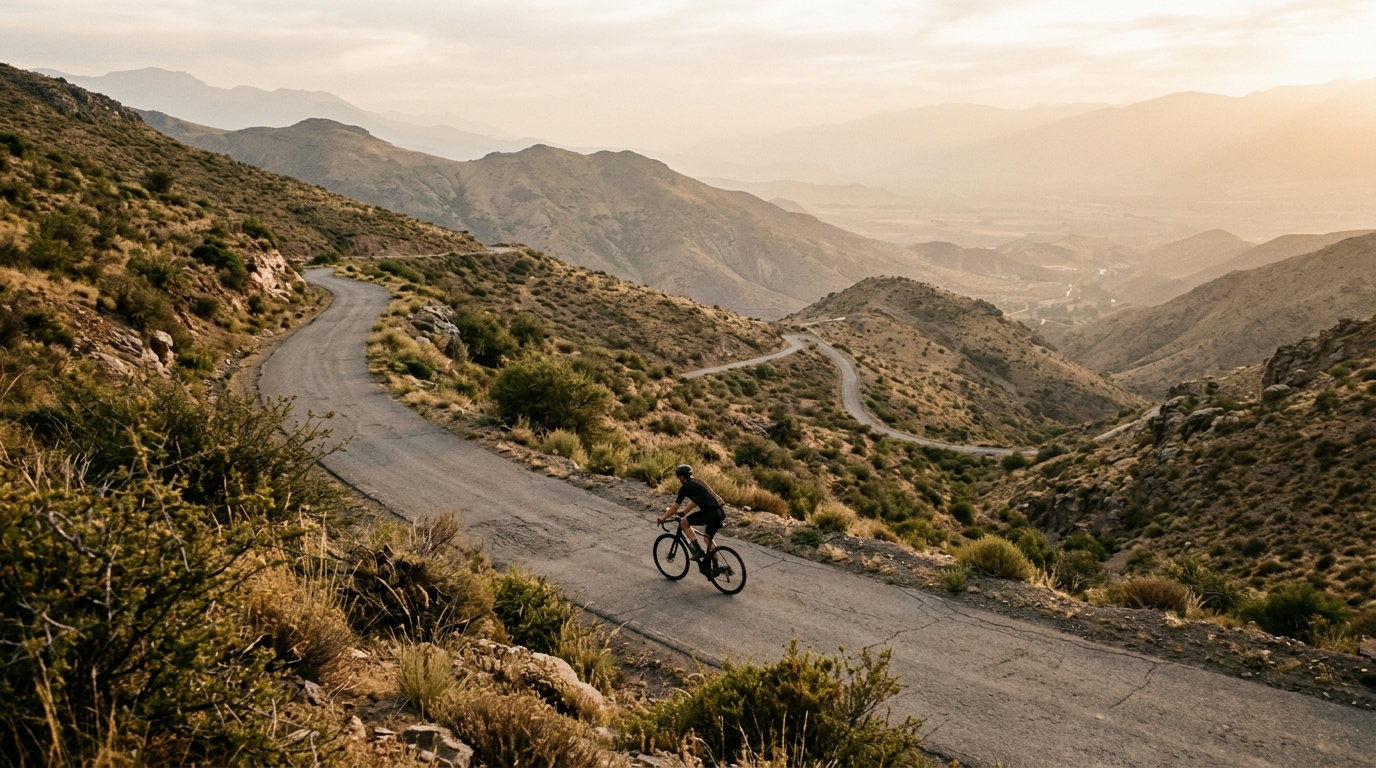
A short Category 3 climb in Chile: 4 km at 5.05%, with enough ramping to punish poor pacing but not enough length to require survival mode.
Profile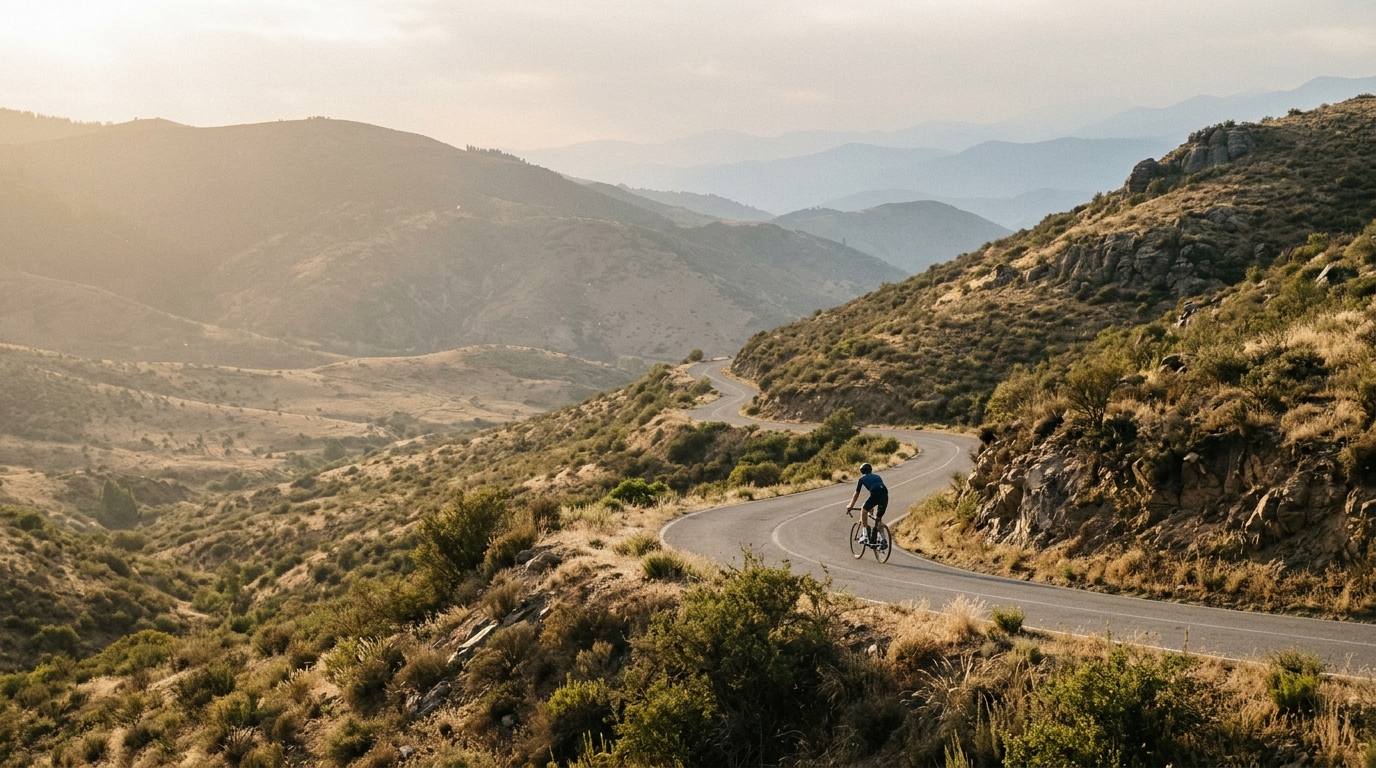
Alto de Loica
A short, sharp category 3 climb in Chile: 3.2 km at 7.63%, with a 12.83% maximum that makes pacing and gearing matter.
Profile
Alto del Dihueno
Alto del Dihueno is a compact category 3 climb: 3.2 km at 6.97%, with ramps up to 9.1% and little room to recover if paced poorly.
Profile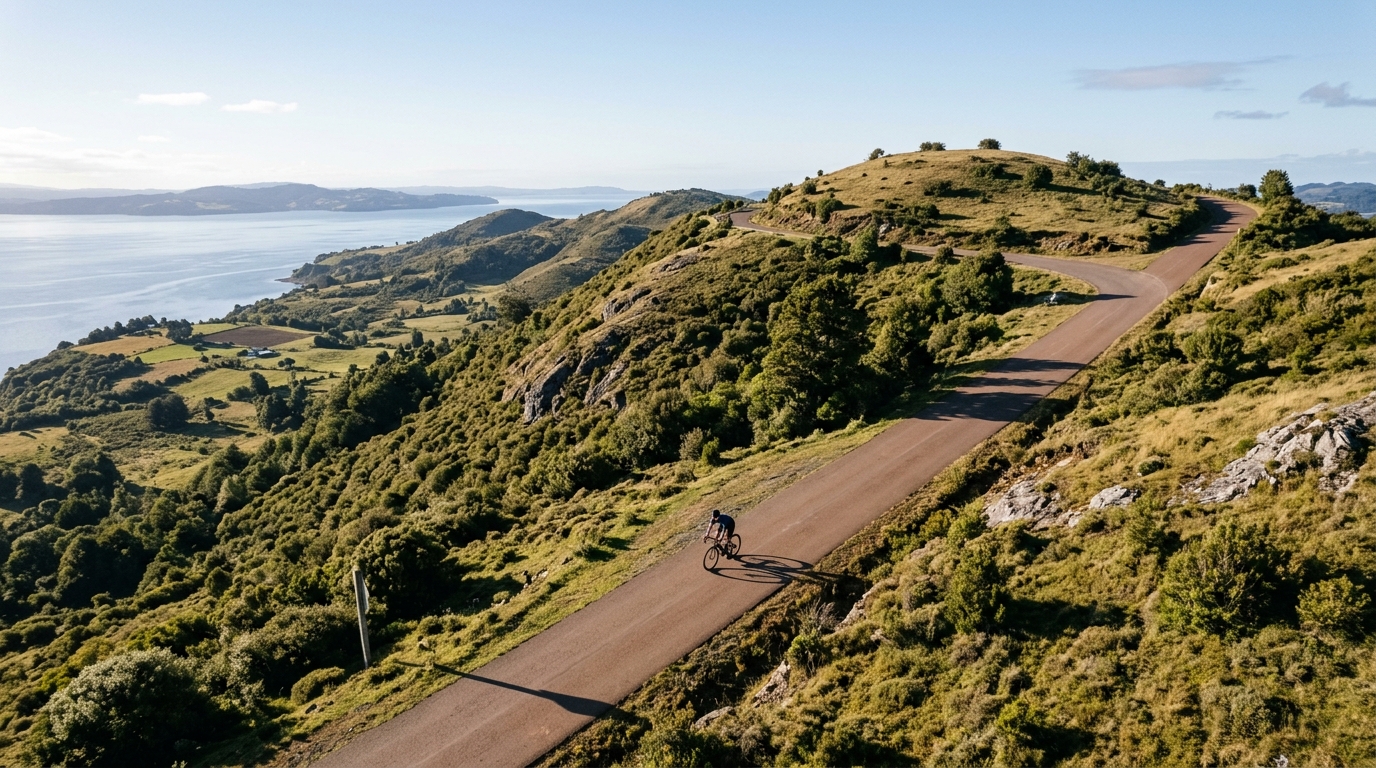
Alto de Pindapulli
A compact 3 km category 3 climb averaging 5.84%, Alto de Pindapulli rewards controlled pacing more than brute force.
Profile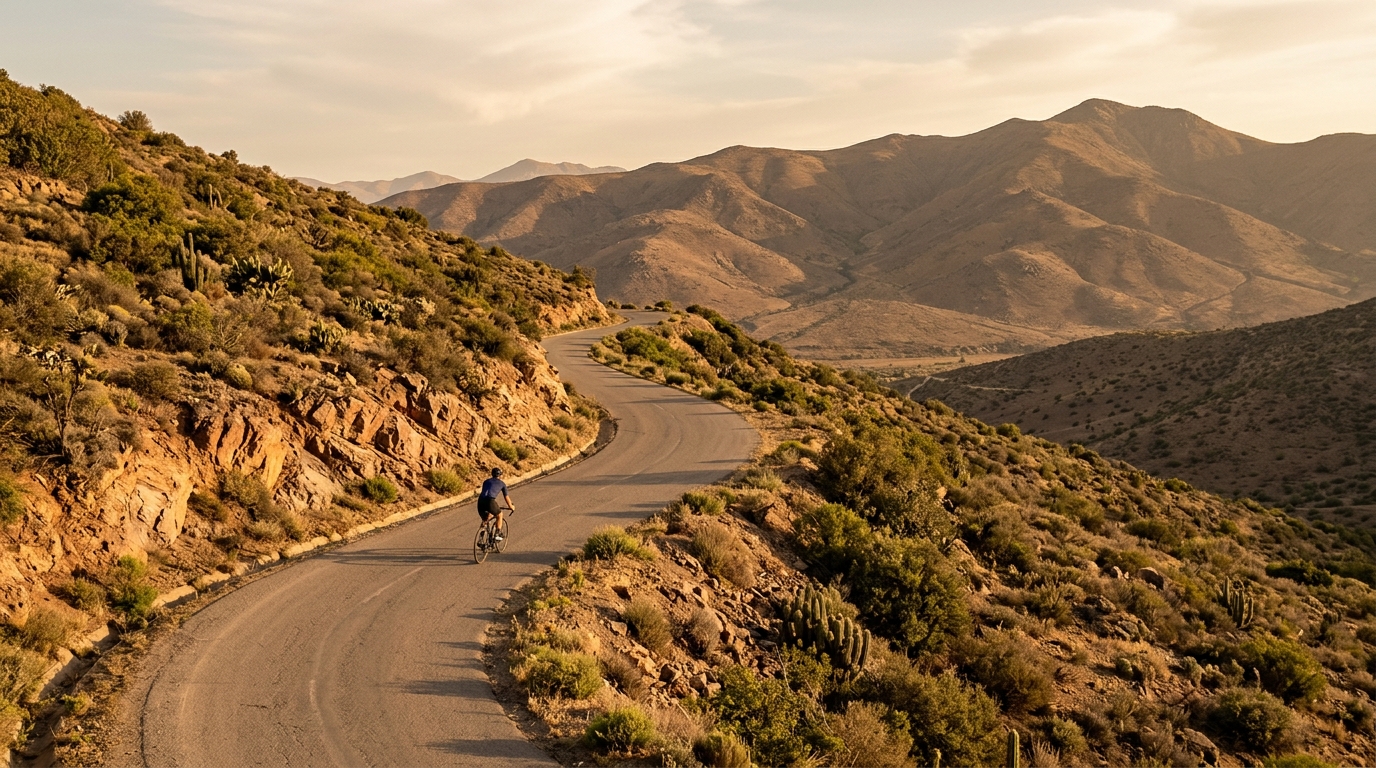
Alto del Manzano
A compact category 3 climb in CL: 2.8 km at 6%, with a controlled ceiling that rewards steady pacing over repeated accelerations.
Profile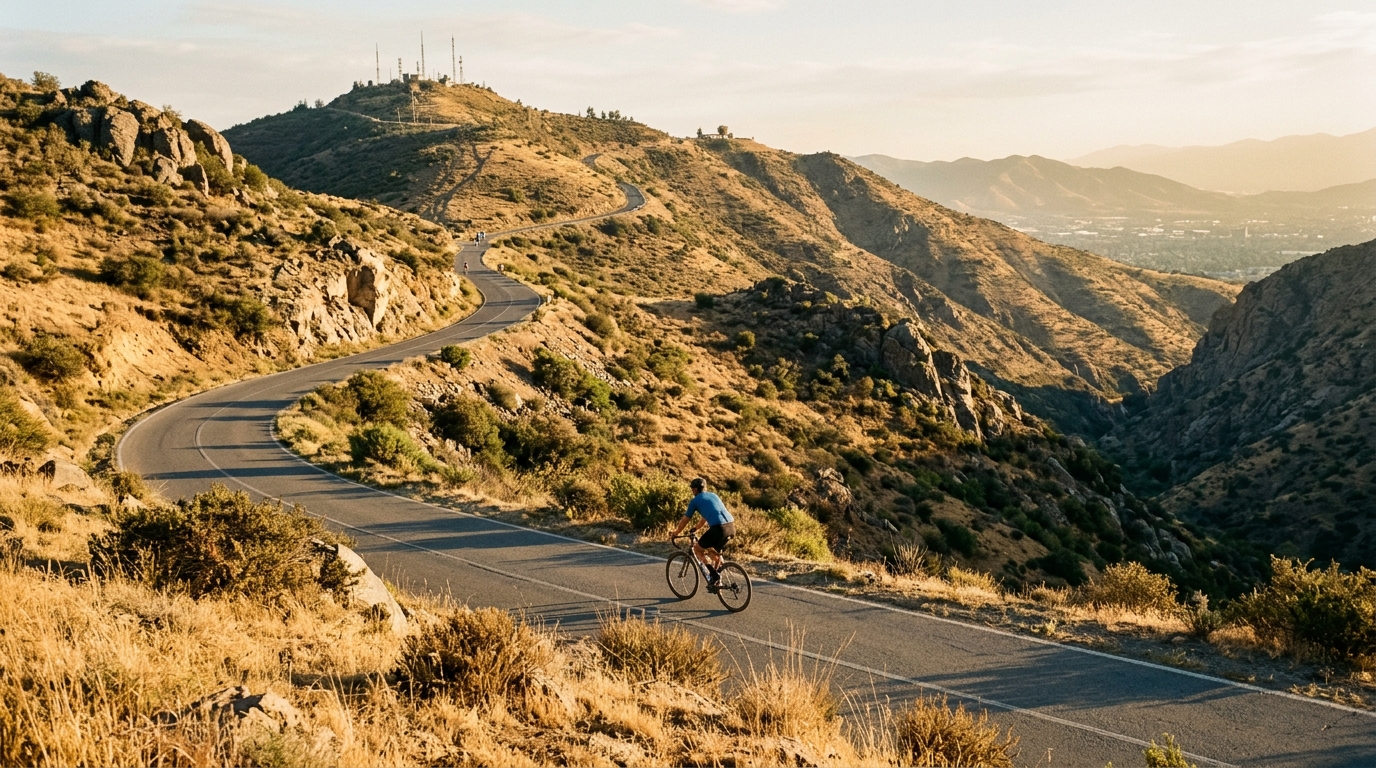
Alto del Durazno
A compact Category 3 climb in Chile: short enough to tempt an aggressive ride, but steep enough near its hardest ramps to punish poor pacing.
Profile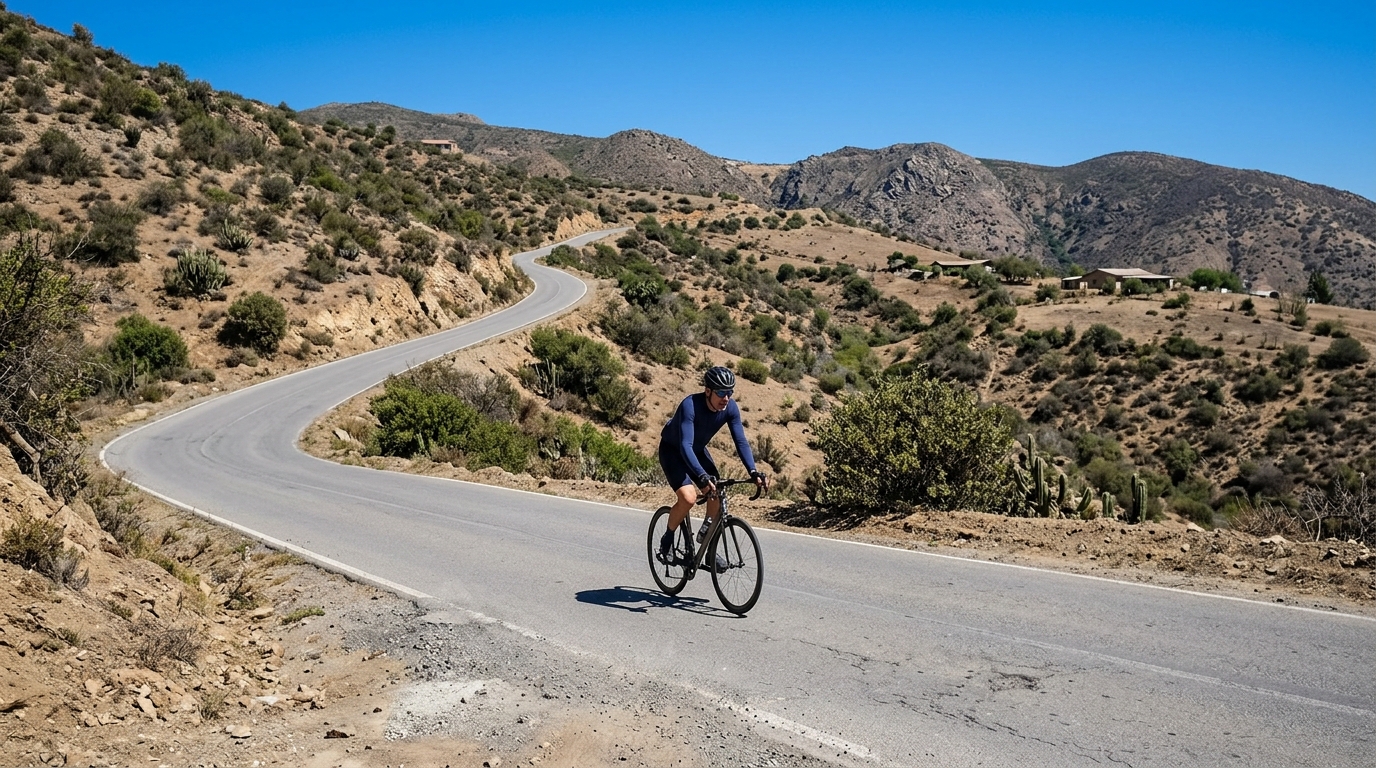
Alto del Quillay
A short, steep Chilean climb: Alto del Quillay packs 2.6 km at 8.13% with pitches up to 10.54%, rewarding controlled pacing over early aggression.
Profile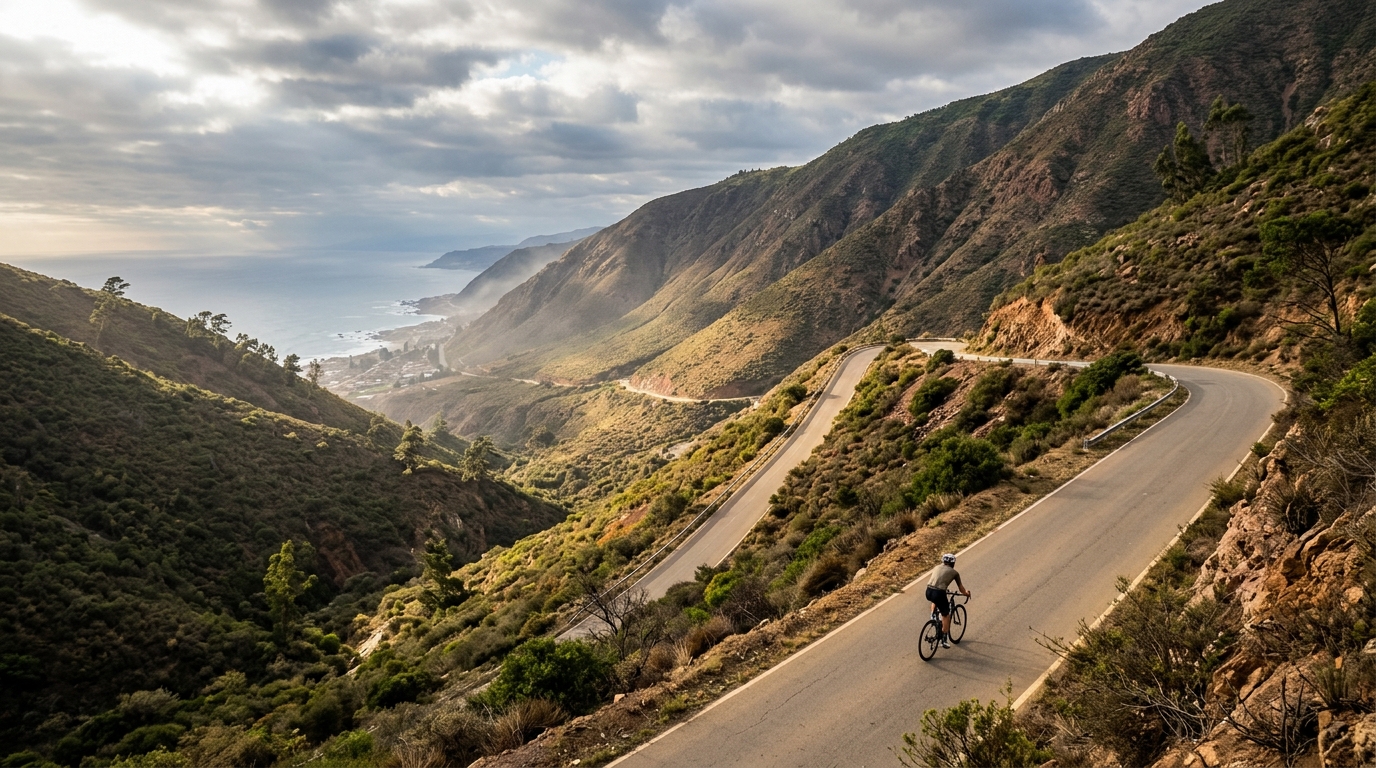
Alto de Iloca
A short, steady Category 3 climb in Chile: 2.4 km at 7.63%, rising from 15 m to 195 m with little room to hide.
Profile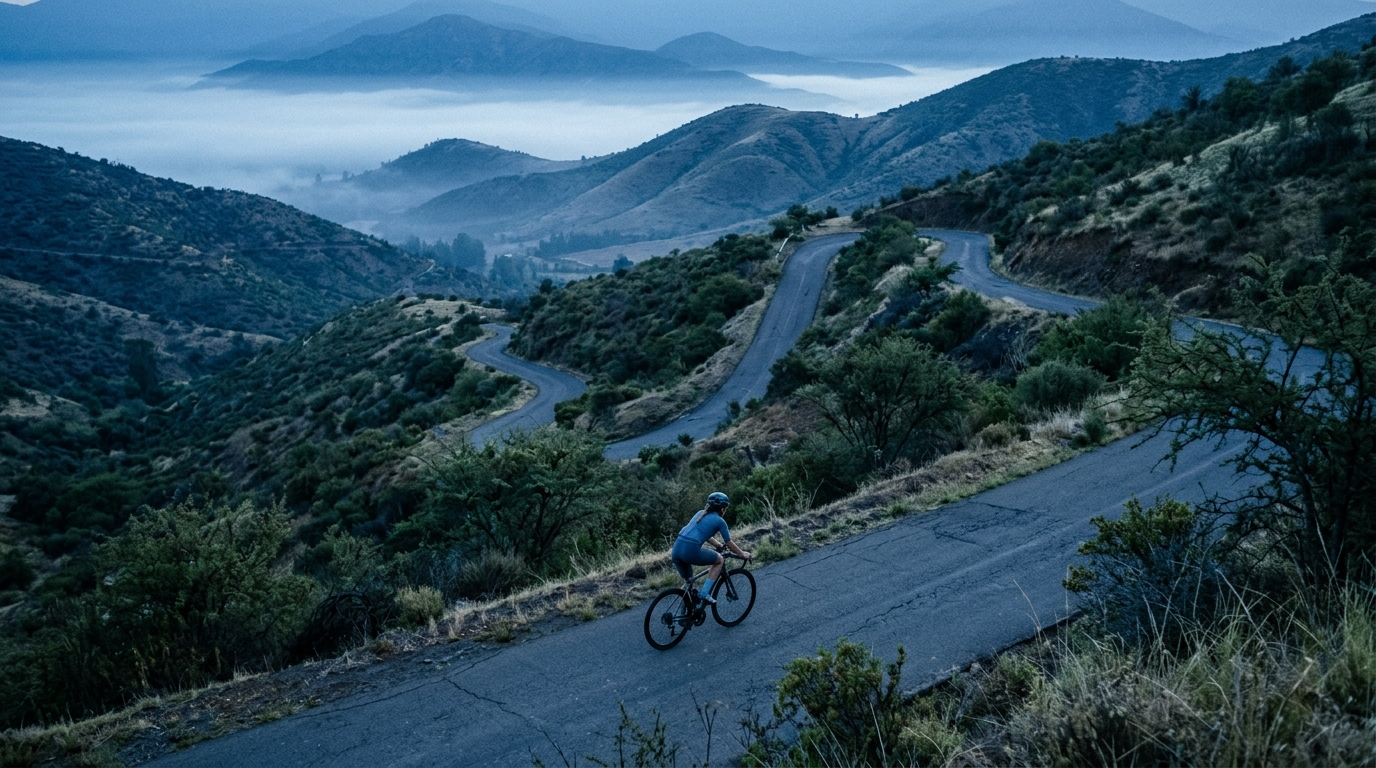
Alto de Callihue
A short, steep Category 3 climb in CL: Alto de Callihue packs 186 m of net gain into 1.8 km at a 10.23% average gradient.
Profile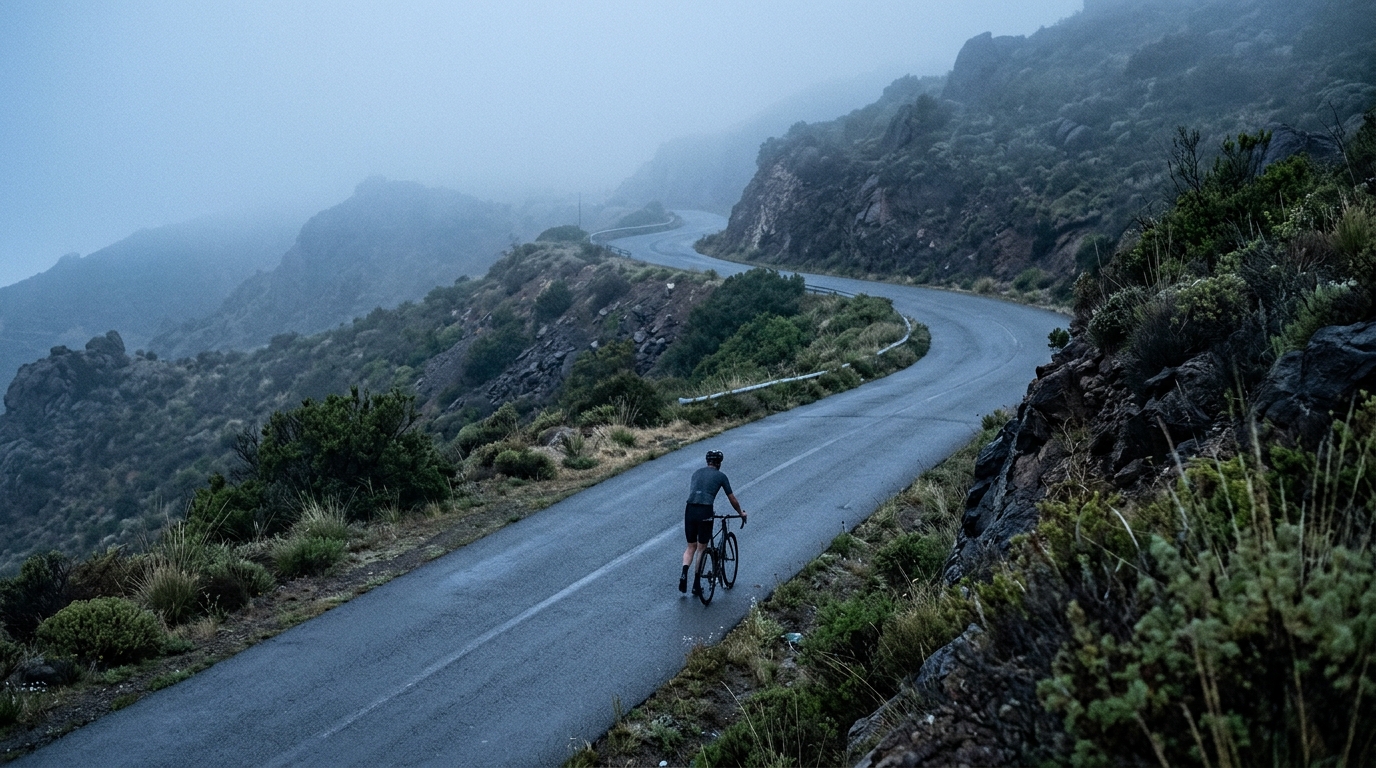
Alto de San Miguel
A practical profile of Alto de San Miguel, a 7.1 km category 4 climb averaging 3.76% with a maximum gradient of 7.78%.
Profile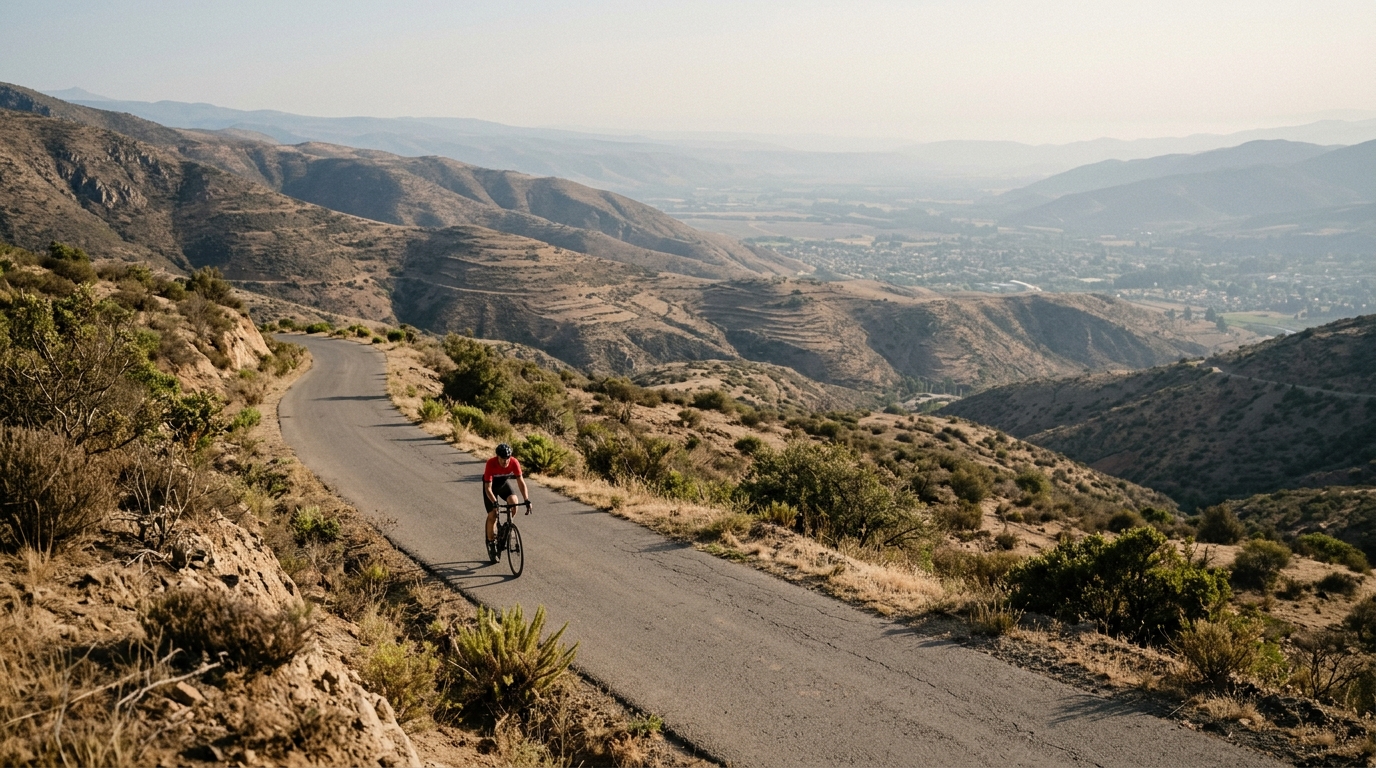
Alto del Rubio
A practical Alto del Rubio cycling climb profile, with pacing and gearing notes based on its 6.6 km length, 3.04% average, and 8.49% maximum gradient.
Profile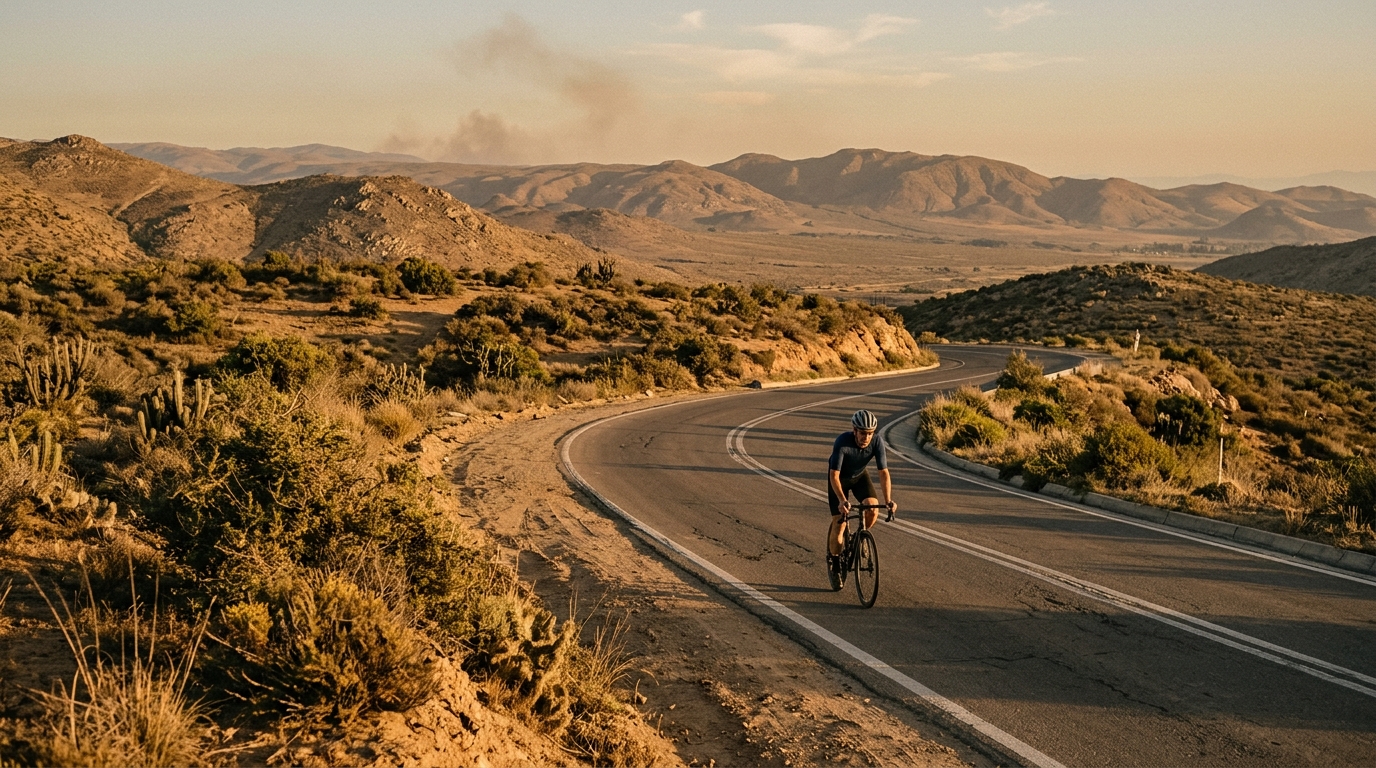
Alto de Parada
A practical Alto de Parada cycling climb profile, with pacing, gearing, and gradient notes based on its 5.6 km length and 3.2% average grade.
Profile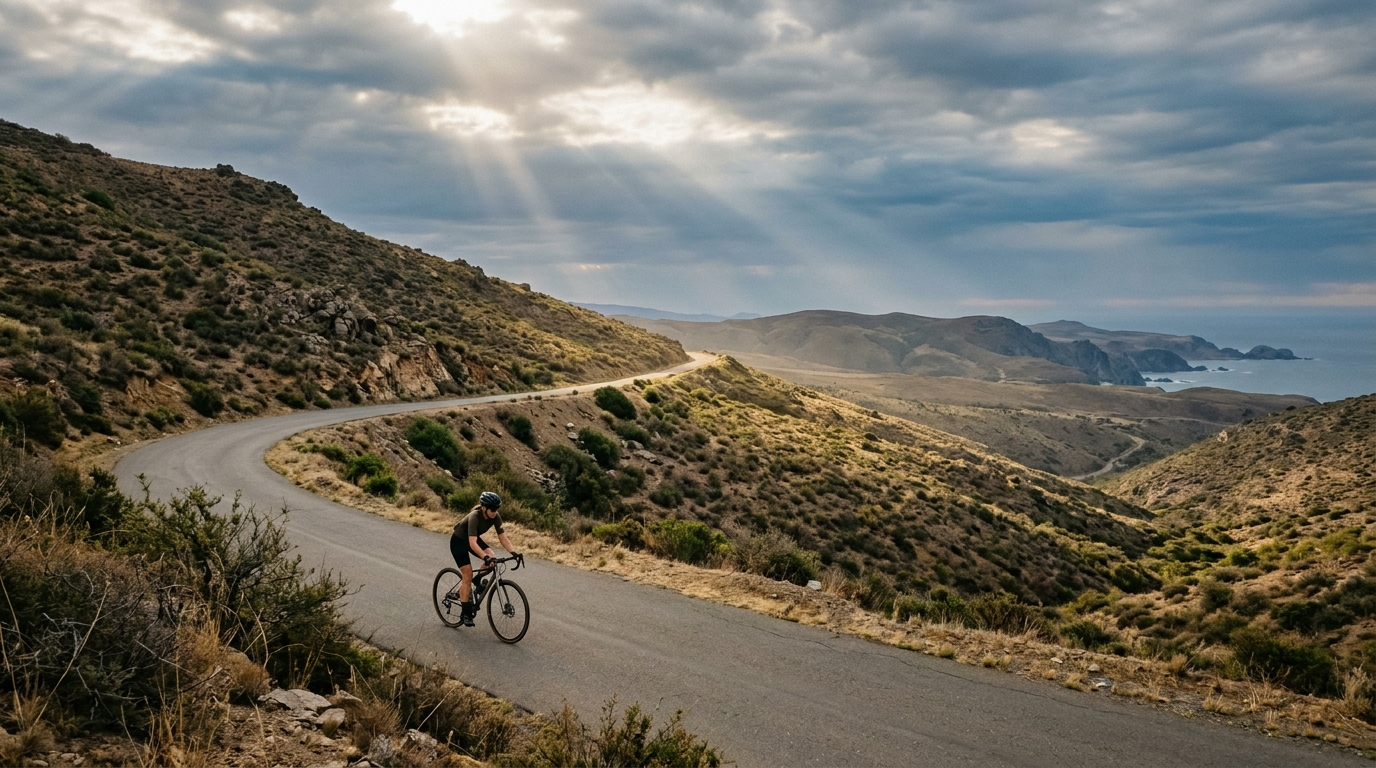
Alto del Hueque
A practical profile of Alto del Hueque, a short category 4 climb where the modest average hides sharper ramps.
Profile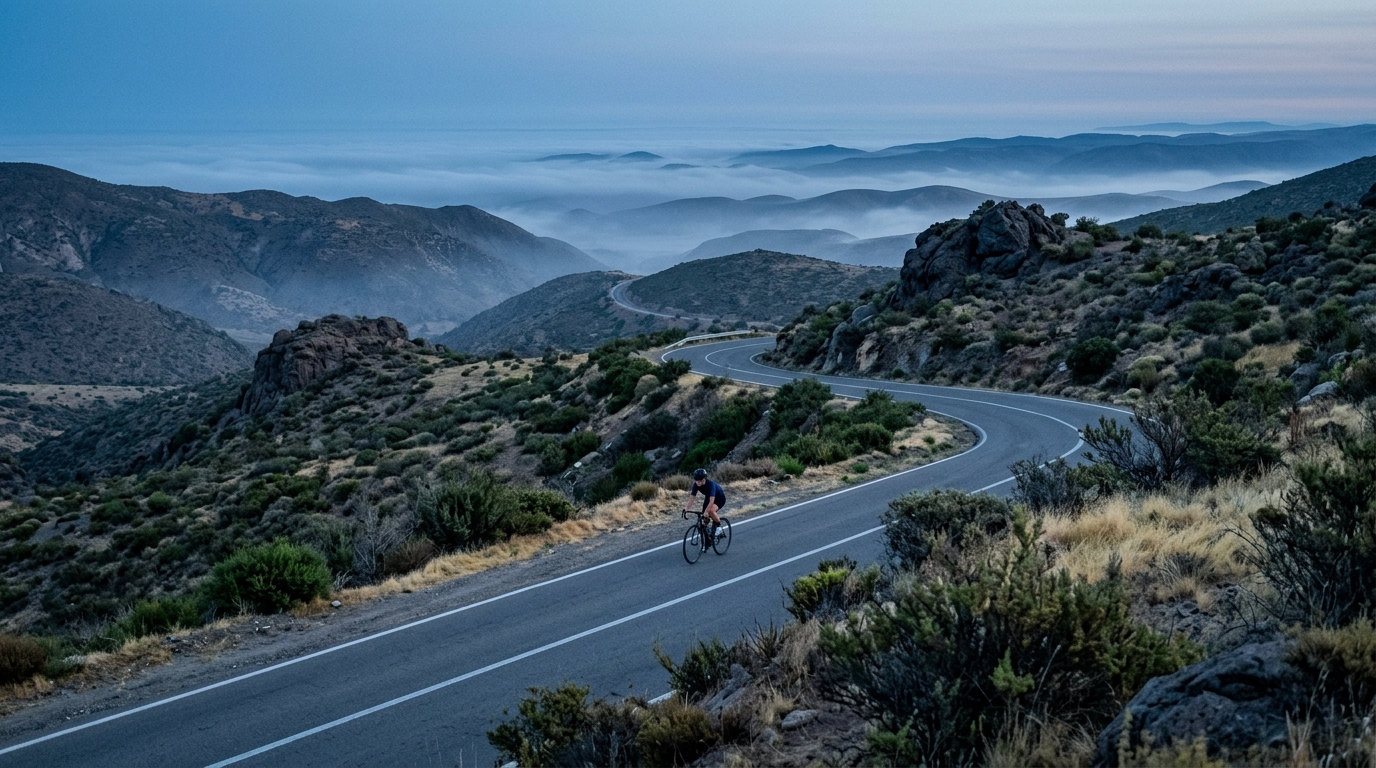
Alto de Maquegua
A measured profile of Alto de Maquegua, a 5.2 km Chilean category 4 climb averaging 3.79% with a sharp maximum gradient of 10.61%.
Profile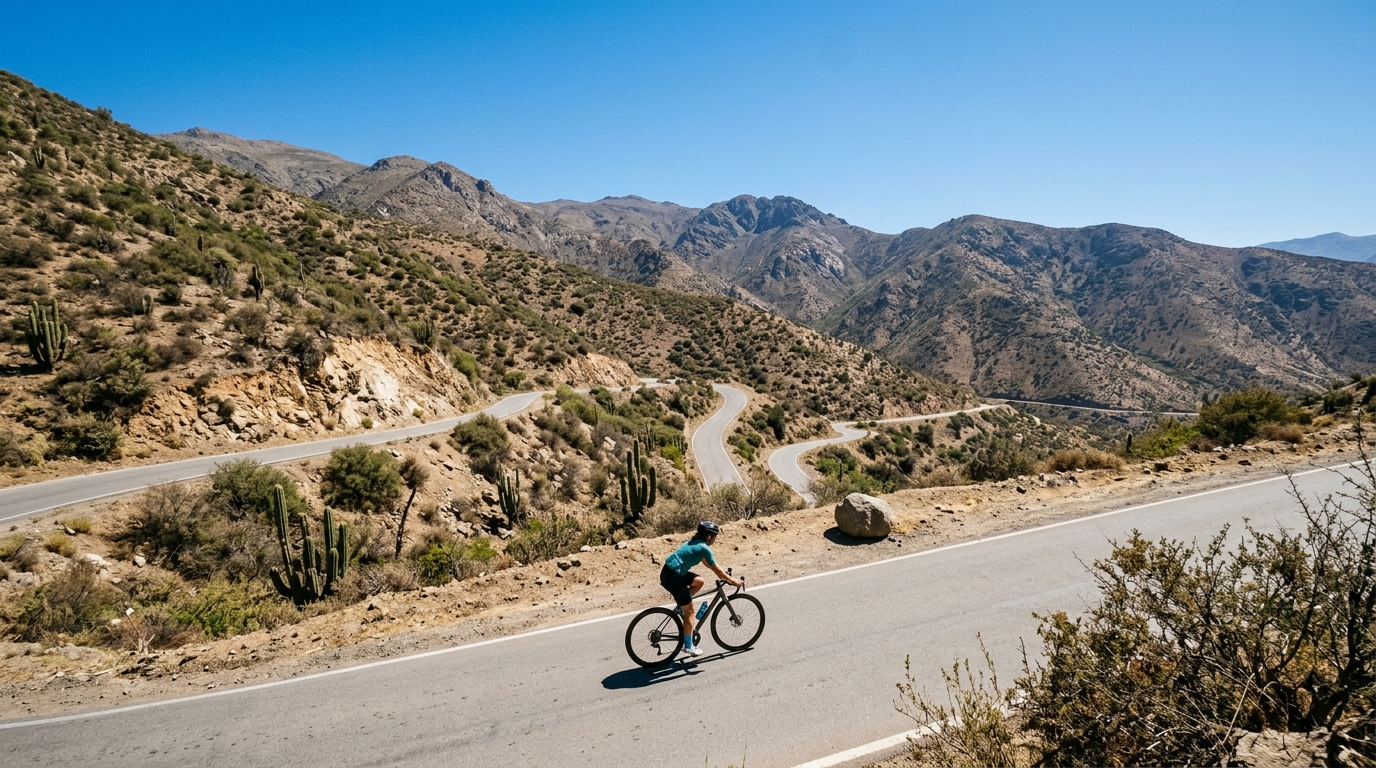
Alto de Los Maquis
A practical profile of Alto de Los Maquis, a short Category 4 climb with a controlled average gradient and manageable ramps.
Profile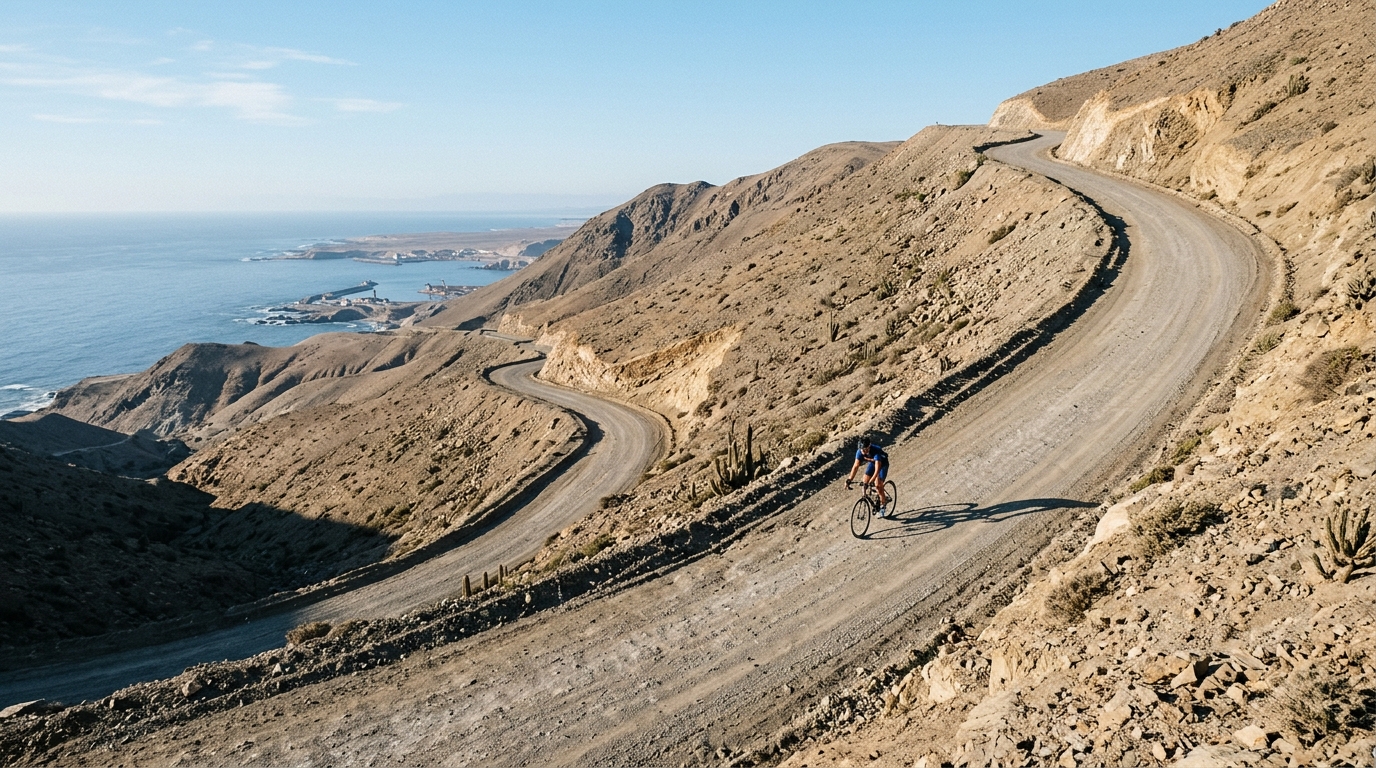
Puerto de Caldera
A measured look at Puerto de Caldera, a short Chilean category 4 climb with a steady, shallow gradient and little need for aggressive gearing.
Profile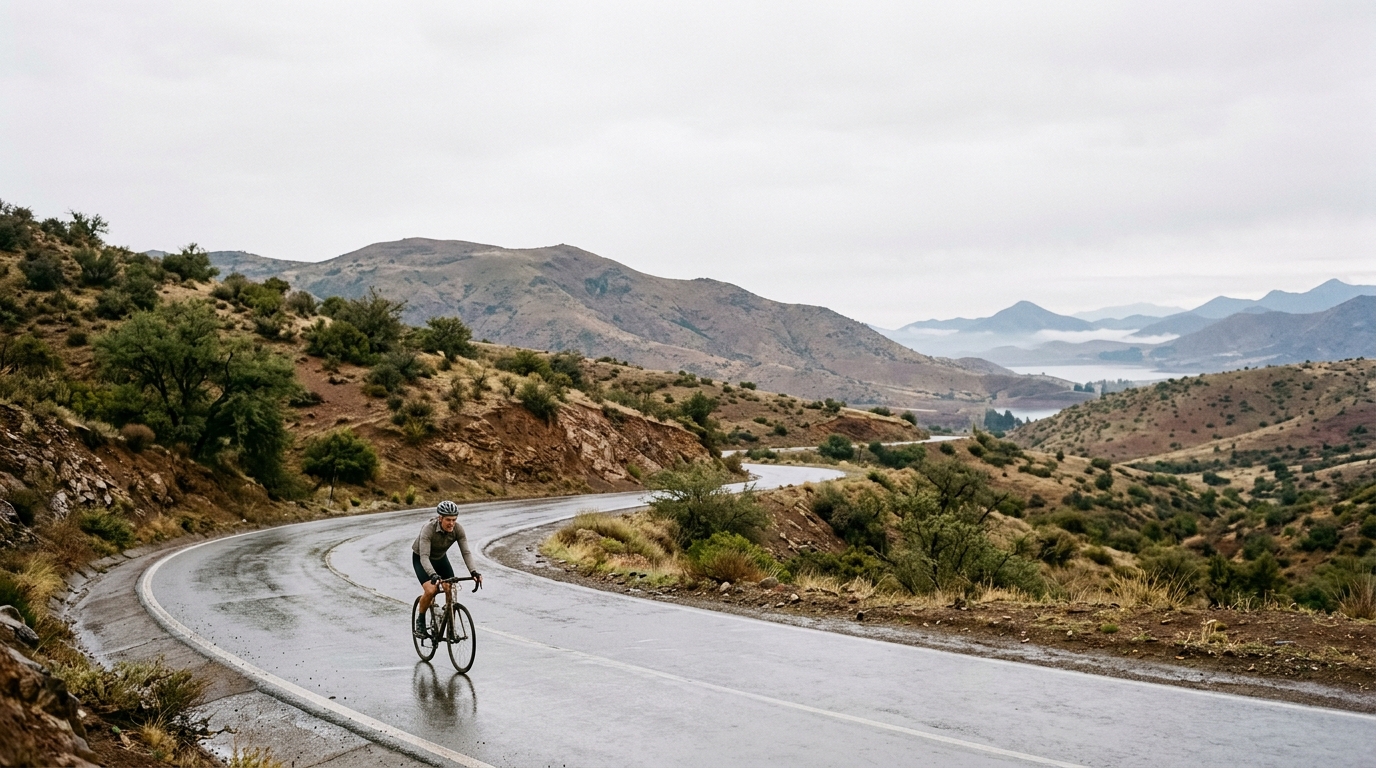
Alto de la Paloma
A compact Chilean category 4 climb: 4.2 km at 3.59%, with a maximum gradient of 6.38% and a summit at 156 m.
Profile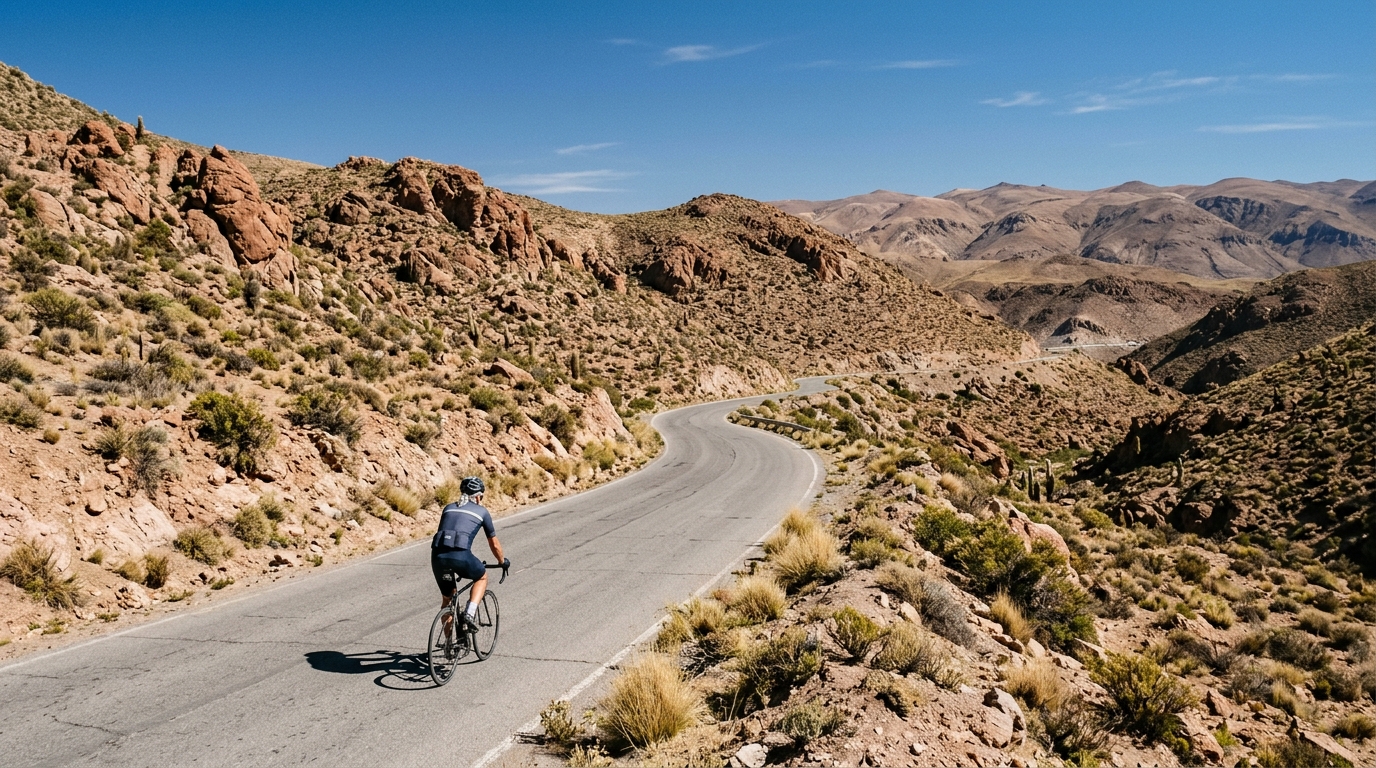
Paso de Lumabia
A concise riding guide to Paso de Lumabia, a 4 km category 4 climb in Chile with a steady average gradient and sharper pitches near 7.34%.
Profile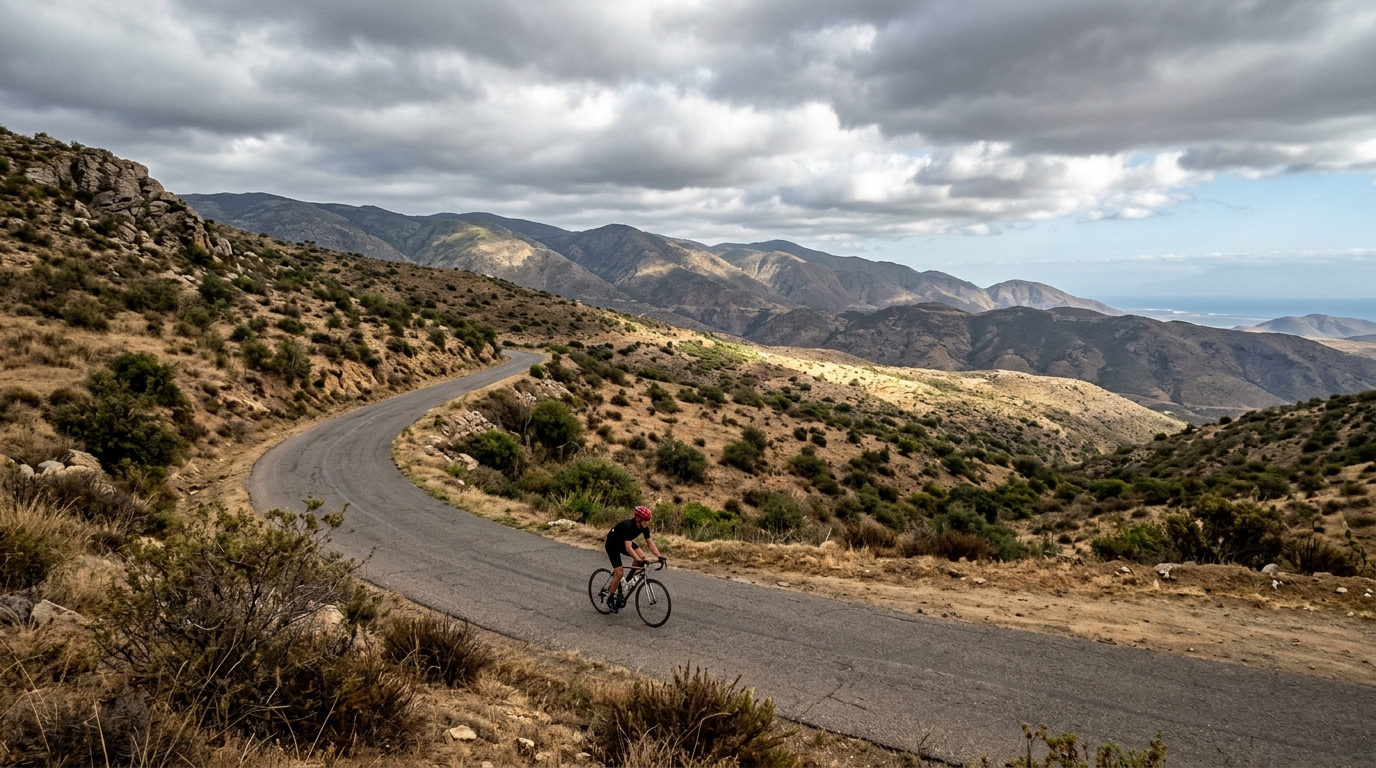
Alto de Las Losas
A practical pacing and gearing guide to the Alto de Las Losas cycling climb, a short Category 4 ascent with moderate gradients.
Profile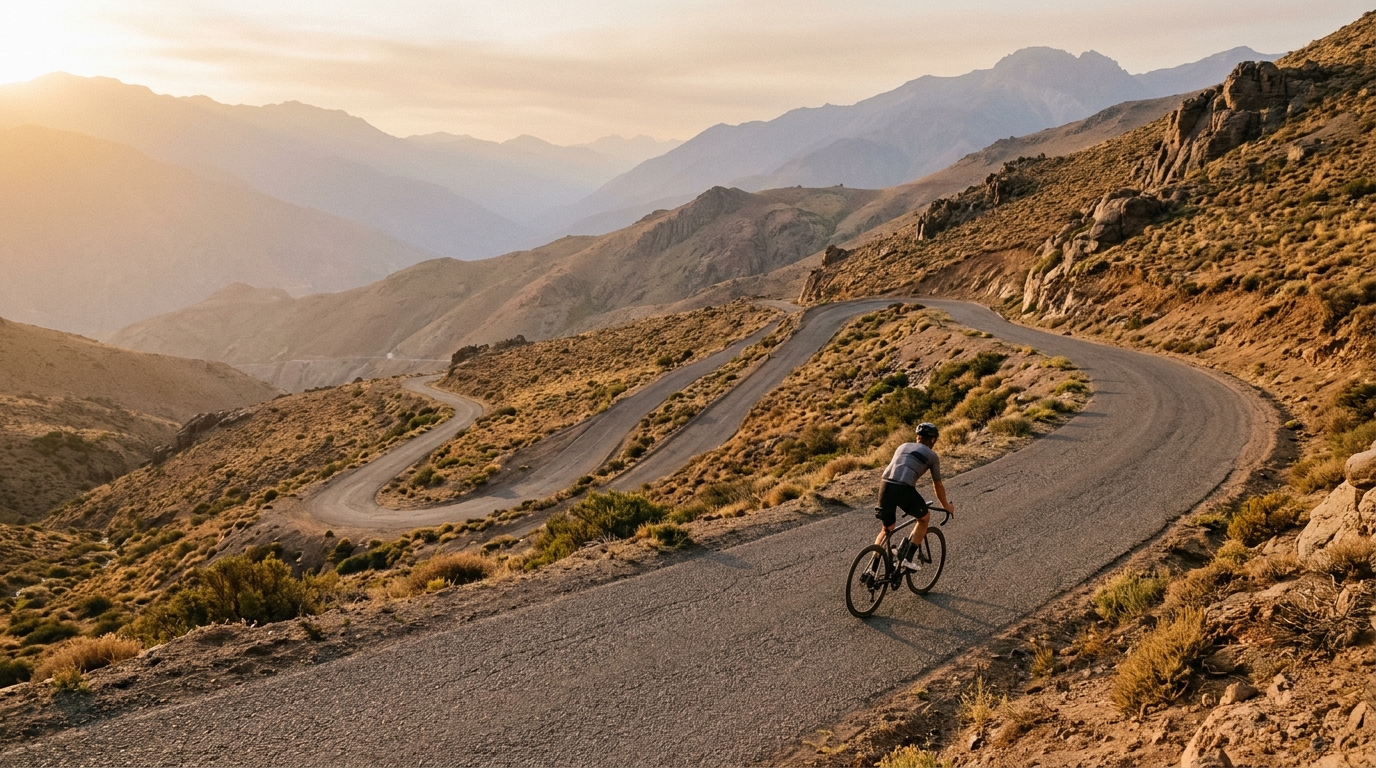
Paso de Mariposas
A controlled Category 4 climb in Chile: 3.6 km at 4.09%, topping out at 967 m with a maximum gradient of 6.03%.
Profile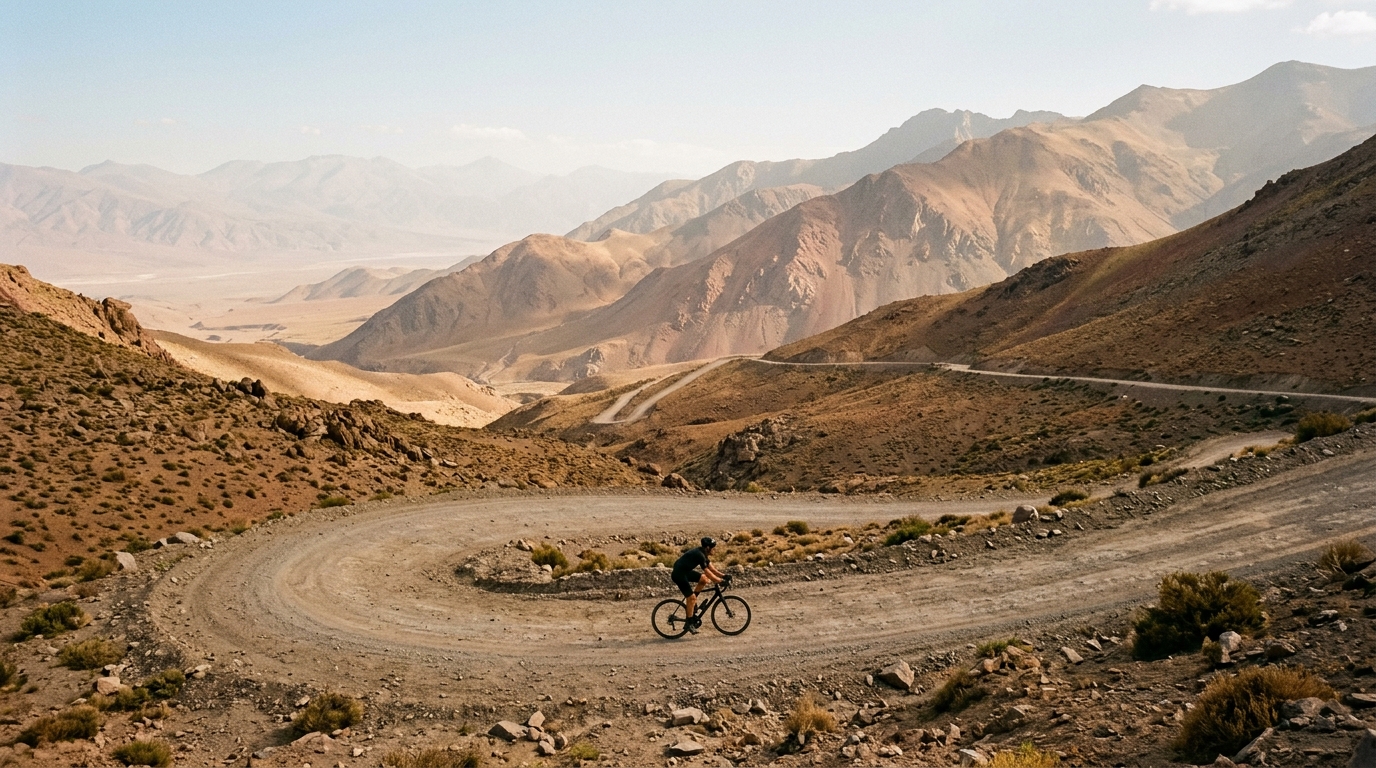
Paso de Puquintica
A short, high-altitude category 4 climb in Chile: 3.2 km at 3.43%, topping out at 4,178 m with a steady, controlled pacing demand.
Profile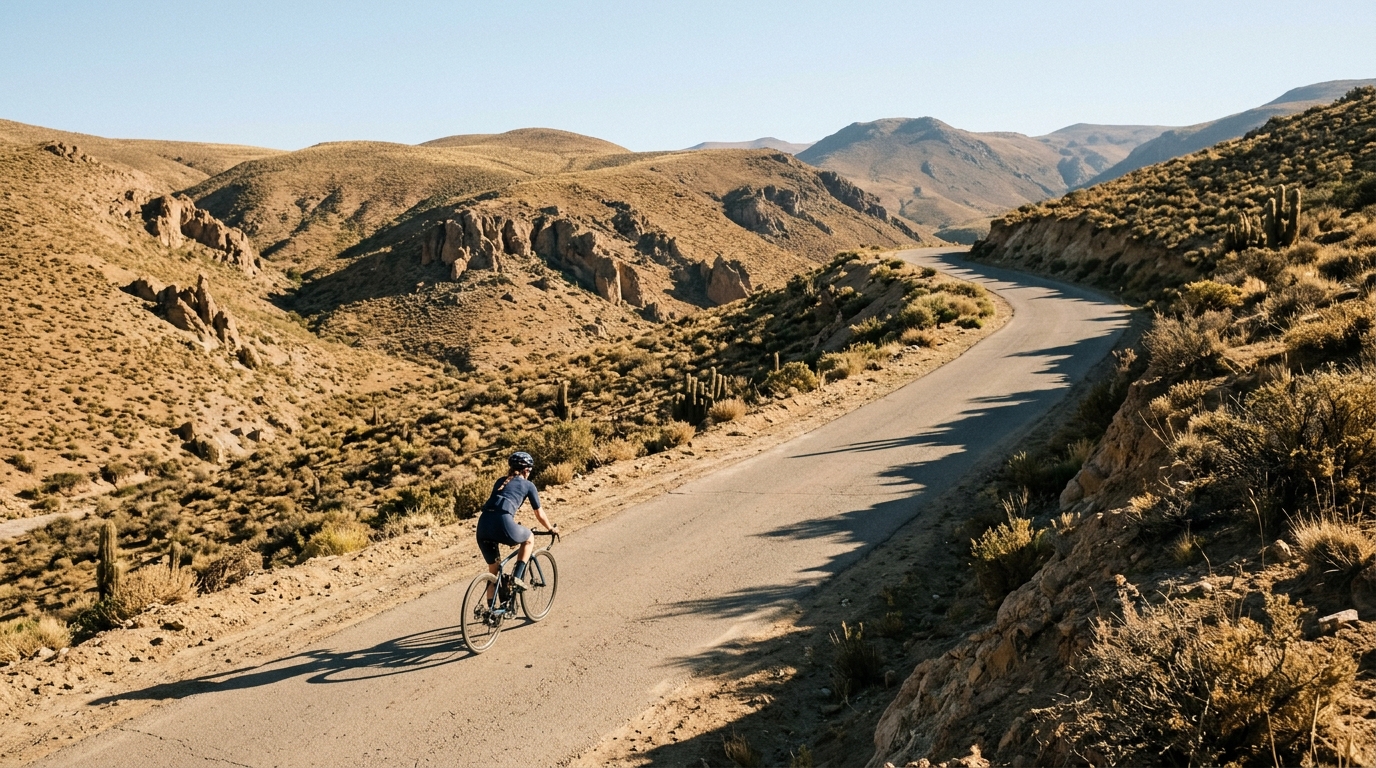
Paso de las Lagunas
Paso de las Lagunas is a short, steady Chilean category 4 climb where restraint matters more than survival gearing.
Profile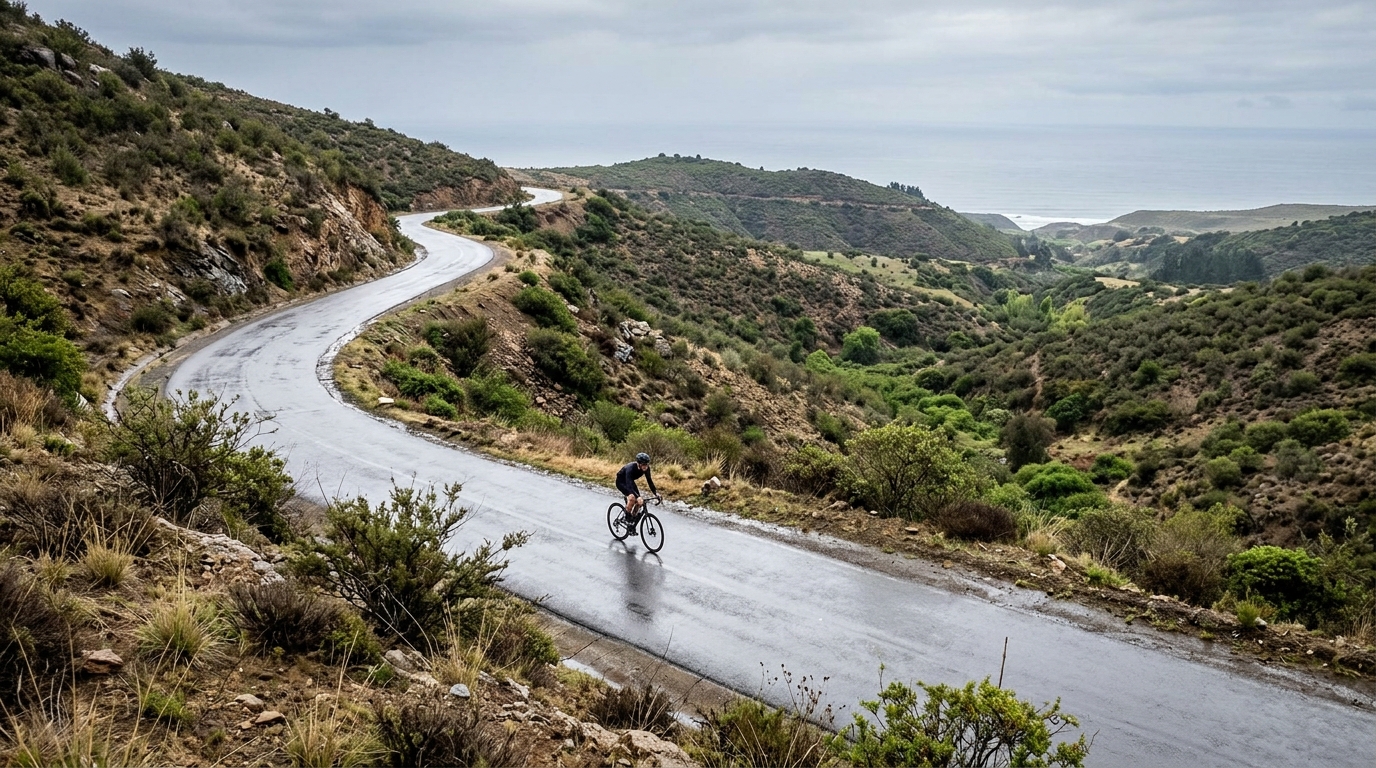
Alto de la Mera
A concise profile of Alto de la Mera, a 2.4 km category 4 climb averaging 6.33%, with pacing and gearing notes for a steady effort.
Profile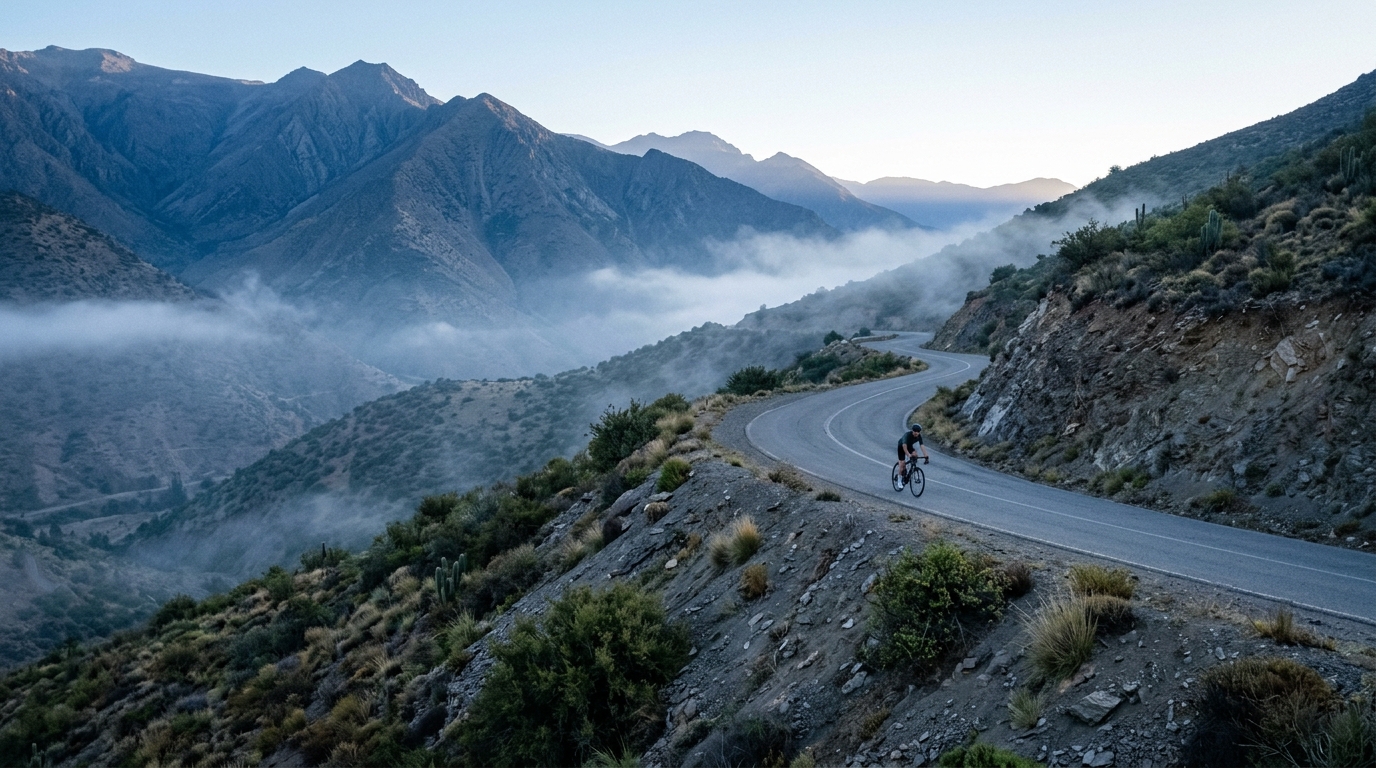
Alto del Olivillo
A compact category 4 climb in CL: 2.1 km at 4.31%, topping out at 116 m, with a steady pacing profile rather than a decisive wall.
ProfileThe complete guide to climbing in Chile
The Riding
Chile is a country built for cyclists who measure their days in vertical metres. Stretched long and narrow between the Pacific and the Andes, it hands riders a catalogue of 20 climbs that ranges from thin-air border crossings to short, sharp coastal ramps. The defining feature is altitude: the highest catalogued summit reaches 4,755 m, high enough that the air itself becomes an adversary long before the gradient does. Two of these ascents earn the hors categorie label, the toughest classification a climb can carry, reserved for efforts that combine punishing length with sustained elevation.
The character of Chilean climbing splits broadly in two. Inland, toward the Andean spine, the roads are long, high, and relentless, dragging riders up international passes where the summits sit above 4,000 m and the effort is as much about acclimatisation and pacing as raw power. Closer to the coast and the central valleys, the climbs shorten and steepen, offering the kind of concentrated efforts that reward a strong, repeatable rhythm. Between those extremes sits a spread of mid-length ascents that make Chile a genuinely varied place to chase gradient.
Standout Climbs
The Andean passes are the headline acts. Paso Internacional Los Libertadores and the neighbouring Uspallata Pass are the classic high crossings, long hauls into thinning air that test a rider's ability to hold power as the oxygen drops away. Further into the high desert, San Francisco Pass, Pircas Negras Pass, and Paso de Jama push the altitude even higher, delivering the sort of sustained, exposed ascending that defines Chile's toughest days in the saddle. These are the climbs where the 4,755 m ceiling feels close, and where the two hors categorie efforts belong.
To the south and west, the tone changes. Carirriñe Pass and Cerro Alto Nahuelbuta trade the barren high desert for a more sheltered, greener kind of climbing, still demanding but without the crushing altitude of the northern passes. In the central belt, Alto de Los Leones, Cuesta de Lo Prado, and Alto de la Planchada are the accessible, repeatable ascents, shorter climbs that fit into a training week and reward riders who can settle into a hard, steady tempo. Together these ten named ascents map the full range of what Chile offers: from oxygen-starved border summits to punchy, rhythm-based efforts.
When to Ride
Timing matters more in Chile than in gentler climbing countries, largely because of the altitude spread. The high Andean passes are seasonal by nature; the thin air and exposure that make Paso de Jama, San Francisco Pass, and Pircas Negras Pass so demanding also make them best approached in the warmer, more stable months, when conditions on the high crossings are at their most forgiving. Attempting the loftiest summits outside that window means contending with cold and unpredictable mountain weather at elevations where the body is already under strain.
The lower-lying climbs are far more flexible. Central efforts like Cuesta de Lo Prado, Alto de Los Leones, and Alto de la Planchada sit at altitudes that stay rideable across a longer stretch of the year, making them reliable choices when the high passes are out of reach. Southern climbs such as Carirriñe Pass and Cerro Alto Nahuelbuta occupy a middle ground, generally kinder than the northern giants but still worth timing for settled weather.
Practical Notes
Altitude is the single most important variable to plan around. On the highest passes, arriving underprepared for elevation is a mistake no amount of fitness fully offsets, so building in acclimatisation before tackling the 4,000 m-plus crossings pays dividends. Gearing should reflect the ambition of the day: the long Andean hauls reward a generous spread of low ratios that let you spin steadily rather than grind, while the shorter central climbs suit a punchier setup. Because the two hors categorie ascents combine length with altitude, they deserve the most conservative pacing of all, with effort held well within limits early on. Carry enough to be self-sufficient on the remote high passes, where support is sparse and conditions change quickly.
Summary
Chile packs remarkable variety into its 20 catalogued climbs. At one end sit the high international passes, Paso Internacional Los Libertadores, Uspallata Pass, San Francisco Pass, Pircas Negras Pass, and Paso de Jama, culminating in a 4,755 m summit and two hors categorie efforts. At the other are the shorter, sharper ascents of Carirriñe Pass, Cerro Alto Nahuelbuta, Alto de Los Leones, Cuesta de Lo Prado, and Alto de la Planchada. Plan around the altitude, respect the seasons, and Chile rewards you with some of the most memorable climbing anywhere.
Looking for full rides in Chile?
Routes in Chile