Image generated by our model.
cycling data
Cycling Auto-Pause: When It Helps and Hurts Your Data
Cycling auto-pause can clean up speed data, but it can also hide fatigue, pacing errors, and route reality. Here is when to use it.
What Auto-Pause Does on a Bike Computer
Cycling auto-pause is simple in theory: when your bike computer detects that you have stopped, it pauses the ride timer. When you start moving again, it resumes recording.
That sounds like an obvious win. Nobody wants a coffee stop to drag down average speed, and nobody wants traffic lights to make a steady endurance ride look slower than it really was. Garmin and other head units make this easy because auto-pause is usually only a settings toggle away.
But the issue is not whether auto-pause is good or bad. The issue is what question you are asking of the file.
If you want to know how fast you rode while actually moving, auto-pause can help. If you want to know how long the ride took, how much interruption there was, how a route flows, or how much recovery you received between efforts, auto-pause can mislead you.
A bike computer auto-pause setting changes the story your data tells. That can be useful, but only if the filter matches the purpose of the ride.
Moving Time vs Elapsed Time: Which Metric to Trust
The difference between moving time vs elapsed time cycling data is one of the most important distinctions in ride analysis.
Moving time answers: how long was the bike in motion?
Elapsed time answers: how long did the ride take from start to finish?
Both are real. They just describe different things.
For performance analysis, moving time can be useful when the stops were unrelated to the ride's physical demand. A red light, a closed gate, a short mechanical check, or waiting for traffic does not necessarily reflect your aerobic output. In those cases, moving time can make speed and pacing easier to compare across similar rides.
For race preparation, route planning, fueling practice, and endurance durability, elapsed time often matters more. If you leave the house for a long ride and return much later, your body experienced that full window. Even if some of it was stopped, the day still included cooling down, restarting, neuromuscular interruptions, and changes in fueling rhythm.
This is where many athletes get into trouble. They compare a clean moving-time average from one ride against an elapsed-time experience from another and draw the wrong conclusion. A route with many stops can look faster than it felt. A gravel ride with frequent regrouping can appear less demanding than it was socially, mentally, and logistically. A long endurance ride can look tidy in the file while hiding a stop-heavy structure that would not translate well to a continuous event.
The practical rule: use moving time to assess on-bike execution, but use elapsed time to assess the ride as an event.
When Auto-Pause Improves Ride Data
Auto-pause is useful when it removes noise from the metric you are evaluating.
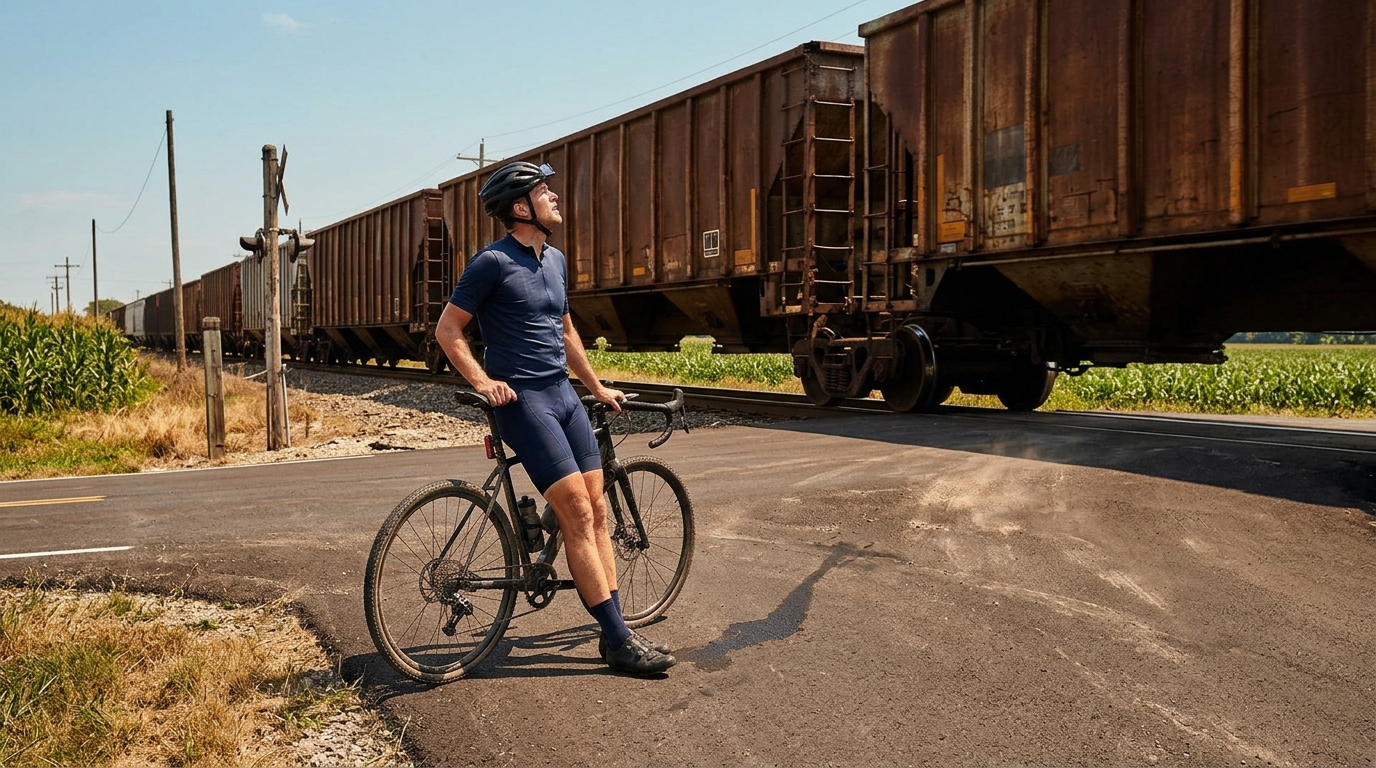
On road rides, it can improve speed analysis in urban or suburban areas where forced stops are common. If your endurance ride includes multiple lights, junctions, or short pauses for traffic, leaving all of that time inside the moving average can make the ride look artificially slow. That matters if you are using speed as a rough proxy for route difficulty, group efficiency, or pacing.
Auto-pause can also help with route comparison. If you ride the same loop regularly, a moving-time view gives a cleaner sense of whether wind, form, equipment, or pacing changed the outcome. Elapsed time still matters, but it is not always the best lens for performance.
It can also prevent obvious data artifacts from shaping your interpretation. If you stop briefly and the computer keeps recording, speed drops while power may be zero and heart rate may drift. That is not always useful when reviewing a tempo interval, a commute, or a steady ride where the stop had nothing to do with training intent.
For athletes who care about cycling data accuracy, this is the case for auto-pause: it can remove non-riding time from metrics that are meant to describe riding.
The key phrase is 'meant to describe riding.' Once you move beyond speed and basic moving duration, the argument becomes less clean.
When Auto-Pause Distorts Training and Route Analysis
Auto-pause starts to hurt your data when it hides the structure of the ride.
The most obvious problem is intervals. If you do a hard climb, stop at the top, recover fully, and then start again, auto-pause can make the file look like a more continuous training session than it was. The power file may still show the work, but the context has changed. Recovering while stopped is not the same as recovering while pedaling. Your cardiovascular system, thermoregulation, and muscle tension all experience that stop differently.
This matters for race-specific preparation. Events rarely reward repeated full stops between hard efforts unless the event itself has that pattern. If a gravel race, gran fondo, or road event requires continuous riding after repeated surges, then a training ride with frequent stopped recoveries may overstate your readiness.
Auto-pause also distorts route analysis. A climb-heavy or technical route may look deceptively efficient if the head unit removes every short stop for gates, traffic, navigation checks, or regrouping. That can lead to poor planning. You may think a route is manageable inside a certain time window because the moving time looks reasonable, while the elapsed time tells a very different story.
On gravel, this is especially important. Loose surfaces, navigation changes, food stops, mechanical checks, and regrouping are part of the ride reality. If auto-pause removes too much of that context, the file becomes a performance sample rather than a route record.
There is also a behavioral problem. Athletes tend to manage what the head unit displays. If the screen rewards moving average speed while hiding stopped time, it can subtly encourage stop-start pacing. The ride feels controlled because the displayed average stays high, but the actual training stimulus becomes less continuous.
That is not just a data problem. It is a pacing problem.
Best Auto-Pause Settings for Road, Gravel and Indoor Rides
There is no universal best bike computer auto-pause setting. The best choice depends on what you want the file to prove.
Road rides
For general road riding, auto-pause is usually reasonable if the route includes traffic lights or junctions that are outside your control. It keeps the moving metrics readable and makes average speed less dependent on local road design.
For structured workouts on the road, be more cautious. If the session is built around continuous aerobic pressure, consider turning auto-pause off or reviewing elapsed time alongside moving time. If you stop between efforts, that recovery should be visible in the analysis.
A practical road setup:
- Use auto-pause for endurance rides where forced stops are unavoidable
- Turn it off for race simulation, long tempo, and durability sessions
- Put both elapsed time and moving time on a visible data screen for long outdoor endurance rides
- Pace fueling and hydration from elapsed time, not moving time
- Review both moving average and elapsed average after the ride
Gravel rides
For gravel, auto-pause depends on the purpose of the ride.
If you are doing a performance-focused gravel workout on familiar roads, auto-pause can be useful. It cleans up stops that do not matter to the workout. But if you are scouting a route, preparing for an event, or estimating total ride duration, elapsed time is the more honest number.
Gravel is not just pedaling. It includes surface changes, decision-making, technical handling, and often more interruptions than road riding. Removing those interruptions may make the file look smoother, but it can make your planning worse.
A practical gravel setup:
- Use auto-pause for workouts on known terrain
- Turn it off or de-emphasize it for route scouting
- Track elapsed time when practicing fueling and hydration
- Keep moving time visible if you still want clean on-bike pacing feedback
- Mark major stops mentally or with laps if they affect the ride story
Indoor rides
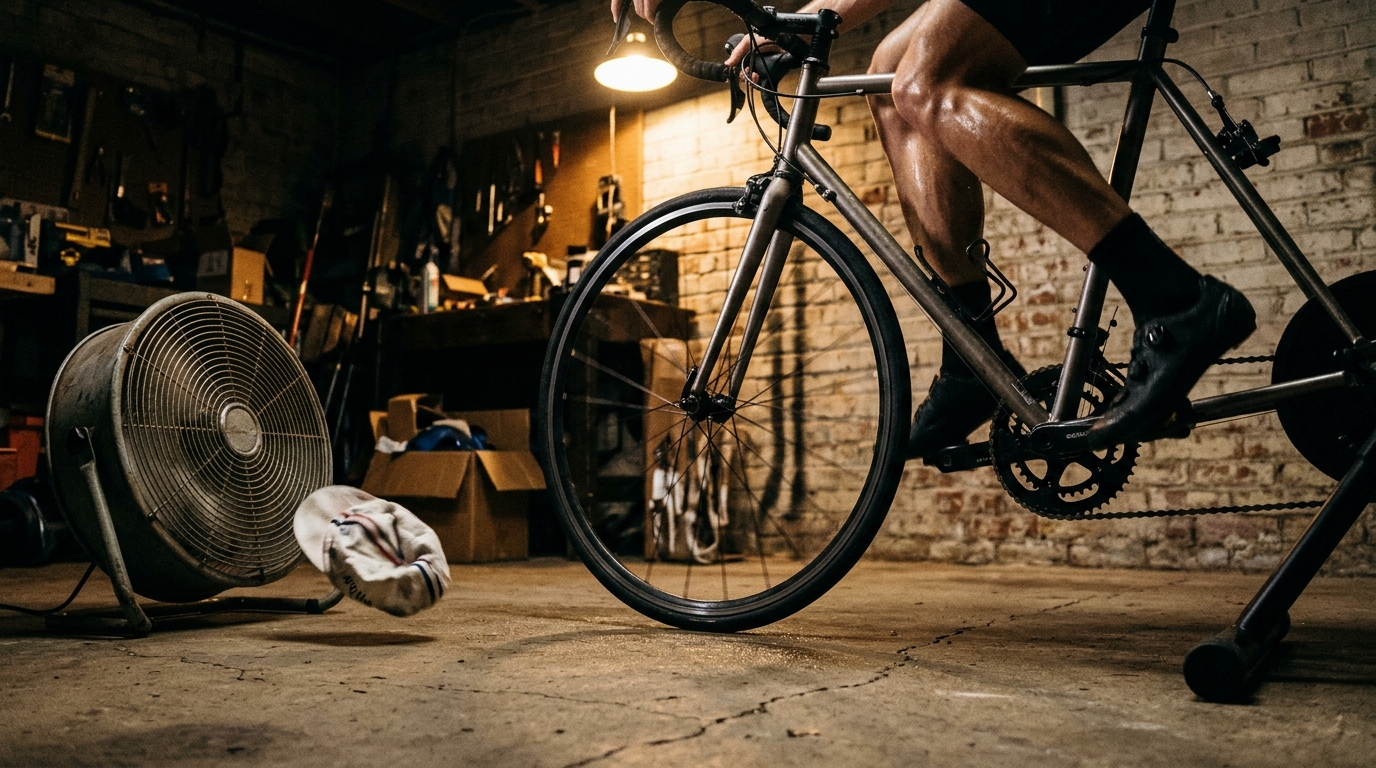
For indoor rides, auto-pause usually adds little value. The environment is controlled, and stops are almost always chosen by the rider. If you stop during an indoor workout, that stop is part of the session.
This is especially true for trainer intervals. Pausing the timer during a break can make the workout file look tidier, but it also hides the interruption. If you need extra recovery, the file should show that. That is useful information, not clutter.
A practical indoor setup:
- Keep recording continuous when following a workout
- Do not hide extra recovery by pausing the file
- Separate warm-up, workout, and cool-down with laps if needed
- Treat stopped time as part of workout compliance
How Stops Affect Power, Heart Rate, Speed and TSS
Stops do not affect every metric the same way.
Speed is the most visibly affected. If stopped time is included, average speed falls. If auto-pause removes it, moving average speed rises. That is not manipulation by itself. It is simply a different definition of the ride.
Power is more complicated. When you stop pedaling, power is zero. If the timer keeps running, those zeroes may reduce the apparent average power. If auto-pause removes the stopped section, the average may better reflect active riding. But this can also sanitize the file. If a rider repeatedly stops after hard efforts, removing those pauses can make the work look more continuous and controlled than it really was.
Heart rate behaves differently again. It does not pause when the bike pauses. It can stay elevated after an effort, drop during a stop, or drift depending on heat, fatigue, and fueling. Auto-pause can cut away useful cardiovascular context. That matters if you are reviewing endurance decoupling, recovery between efforts, or how your body handled the ride as a whole.
TSS and related training load metrics depend on intensity and duration, so auto-pause can matter. The exact effect depends on how your head unit records paused sections and how your analysis platform handles paused time, zero-power samples, and stopped portions of the file. If stopped time is omitted entirely, calculated load may better reflect pedaling work but miss some of the broader cost of a long outdoor day. If zero-power samples or stopped sections are retained or reinterpreted by the platform, the effect can be different.
This is why FTP, TSS, and ride duration should not be interpreted separately. A high-quality analysis asks whether the file reflects the intended stress. Sometimes auto-pause helps. Sometimes it removes context you needed to see.
A Simple Checklist for Cleaner Ride Recording
Use this checklist before deciding whether cycling auto-pause belongs in your setup.
Before the ride
- Decide the purpose of the file: performance, training load, route planning, or simple ride logging
- Use auto-pause when forced stops would contaminate moving metrics
- Turn auto-pause off when continuity is part of the training goal
- Put elapsed time and moving time on a visible screen for long outdoor rides
- Use laps to separate intervals, climbs, stops, or route sections
During the ride
- Avoid using moving average speed as the only pacing anchor
- Notice whether stops are giving you meaningful recovery
- If you stop during a key interval, treat that as a change to the workout
- Fuel from elapsed time, especially on endurance rides and event simulation rides
- For route scouting, note whether interruptions are part of the route reality
After the ride
- Compare moving time and elapsed time before judging the ride
- Review power with the stop pattern in mind
- Use heart rate to understand recovery and fatigue, not just effort level
- Check whether TSS reflects the intended training stress
- Do not compare two rides unless you know whether both used similar pause logic
The Practical Answer
Cycling auto-pause is not a data accuracy switch. It is a filter.
Used well, it removes noise from speed and moving-time analysis. Used carelessly, it hides interruptions, overstates pacing quality, and makes a stop-heavy ride look more continuous than it was.
For road endurance rides in traffic, auto-pause is often useful. For gravel route planning, race simulation, indoor workouts, and durability training, elapsed time deserves more weight.
If the question is 'how well did I ride while moving,' use moving time. If the question is 'what did this ride cost and how long did it really take,' trust elapsed time. The best athletes do not pick the prettier number. They pick the number that matches the demand they are preparing for.