Roundup
Rising speeds make Tour safety harder to control
Thierry Gouvenou's warning matters because it frames safety as a moving target: faster racing and descent behaviour are changing the organiser's job.
The most important line from today's cycling news is not about a winner, a transfer, or a route reveal. It is Thierry Gouvenou warning that faster racing and rider behaviour on descents are making safety management significantly harder for organisers.
That matters because it shifts the safety discussion away from a simple question of whether a race is 'safe' or 'unsafe'. Gouvenou's point, as reported by road.cc, is that the operating environment itself is changing. If the race is being ridden faster, the same road furniture, corners, descents, and peloton dynamics become harder to manage. The course has not necessarily become more dangerous in isolation. The way it is being raced has raised the stakes.
Why speed changes the safety equation
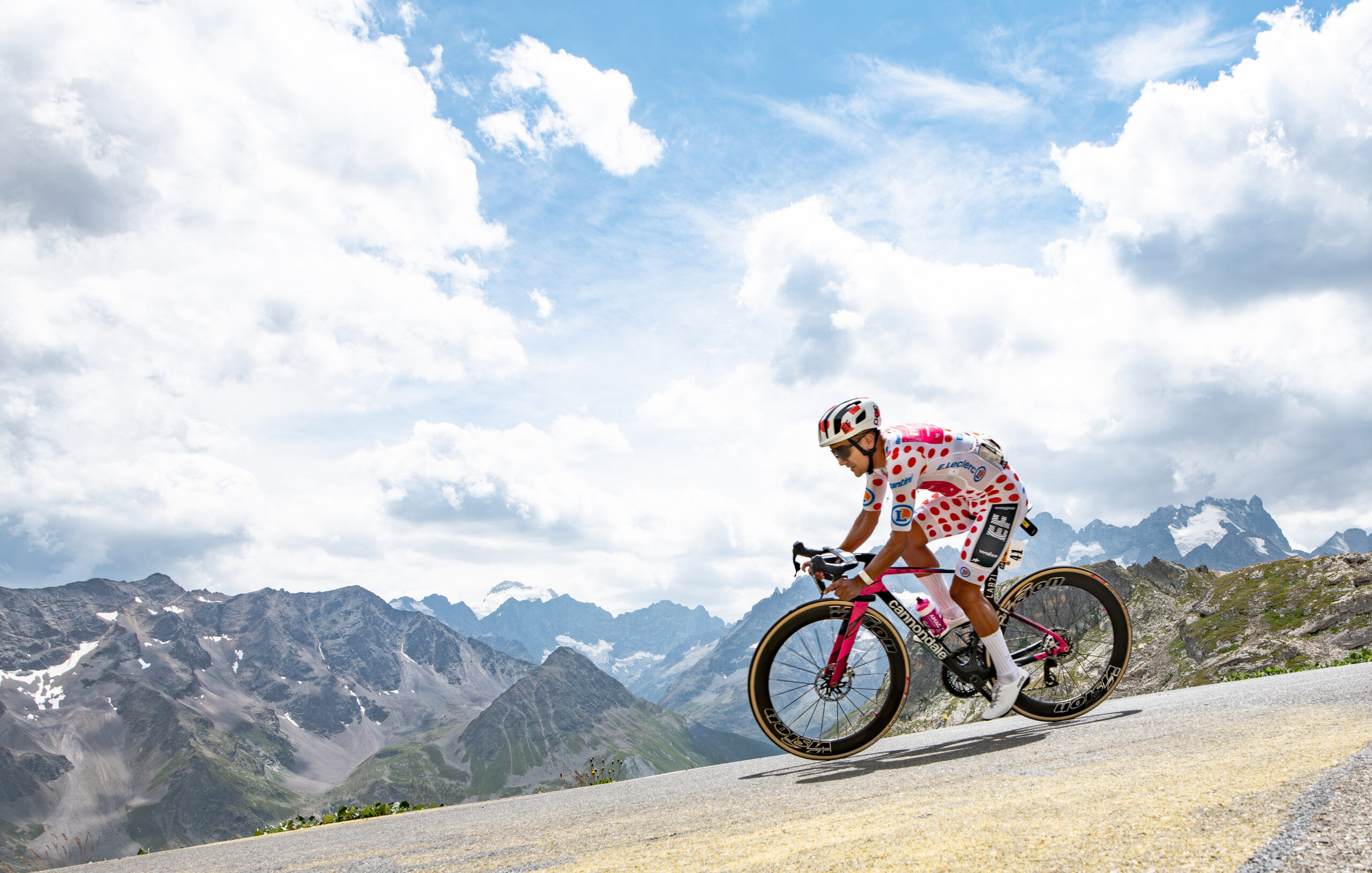
For a course designer, speed is not just a number. It alters reaction time, braking distance, and how much room riders have to correct mistakes. On descents, that effect compounds because rider behaviour becomes part of the risk profile. A descent can be planned, signed, and controlled, but once riders are taking more risks at higher velocity, organisers are no longer managing a static problem.
This is the key tension in Gouvenou's warning. Race organisers can shape the course, but they cannot fully control how riders choose to use it. That does not remove organiser responsibility. It does mean safety management has to account for the tactics and incentives inside the race, not only the physical features of the route.
What it means for serious cyclists
For data-driven riders, the takeaway is that speed is both performance and exposure. The same gains that make modern racing faster also narrow the margin when decisions have to be made under fatigue, in a group, and at speed. The safety debate often gets pulled toward visible hazards, but Gouvenou's comment points to a more difficult problem: risk can rise even when the route looks familiar, simply because the racing context has changed.
That is why this story deserves attention beyond the Tour itself. If rising speeds are making safety management significantly harder for organisers, then the sport is being forced to adapt to its own performance curve. The next step is not just better barriers or cleaner course design. It is a broader recognition that tactics, rider behaviour, and velocity are now central parts of the safety equation.