Roundup
Ferrand-Prevot begins Tour de France Femmes title defence
Pauline Ferrand-Prevot starts her Tour de France Femmes defence with the race framed around one clean question: can 2026 finally deliver a repeat champion?
Pauline Ferrand-Prevot starts the Tour de France Femmes with the simplest possible storyline and the most complicated possible execution problem: defending last year’s win. The fifth edition is being framed by road.cc around whether the race can finally produce a repeat champion, and that matters because repeatability is the hardest currency in stage racing. Winning once proves peak condition and execution. Winning again requires doing it when every rival, team, and tactical plan has been built around stopping exactly that outcome.
The champion sets the race shape
Ferrand-Prevot begins as the rider trying to turn last year’s win into something more durable. That changes how the race is likely to be read from the first stage. A defending winner is not just another contender. Her choices become reference points. If she rides conservatively, it can signal confidence in later terrain or a desire to reduce volatility. If she responds early, rivals can test whether she is protecting a real edge or burning energy to defend status.
That is why Demi Vollering leading the list of in-form rivals is the key pressure point in the preview. The race is not only about whether Ferrand-Prevot can repeat. It is about whether her opposition can force her to win the race on their terms rather than her own. In-form rivals make control harder because they can turn small tactical moments into GC stress. Even before the racing sorts the hierarchy, the psychological and tactical burden sits differently on the rider defending a title than on the rider trying to disrupt one.
Why the repeat-winner question matters
The fact that this is the fifth Tour de France Femmes avec Zwift gives the repeat-winner question more weight. The race has already built enough history for patterns to matter, but not enough for any one rider to have imposed a long-term template. That makes 2026 a useful test of whether the event is entering a phase where dominance can carry across editions, or whether the women’s peloton remains too deep, too dynamic, and too form-sensitive for a returning champion to control the narrative.
For data-driven cyclists, this is the angle to watch: not just who looks strongest, but how efficiently strength is converted into control. A rider defending a title has to manage risk, positioning, team resources, and rival pressure without giving away unnecessary energy. The first meaningful signs will come less from the headline standings than from who is forced to react, who gets to wait, and whose team can keep the race predictable.
How to follow it
Sporting News has posted a viewing guide for the fifth edition, covering the schedule, stages, TV, and streams. That is a practical note, but it also reinforces the broader point: this is the central race story of the day, and the opening phase is less about crowning a winner than identifying who is already shaping the conditions under which the winner will be decided.
In this edition
Yahoo Entertainment
Ferrand-Prevot starts Tour de France Femmes title defence
Pauline Ferrand-Prevot begins the Tour de France Femmes aiming to repeat last year's win, with Demi Vollering leading the list of in-form rivals.
Read full story →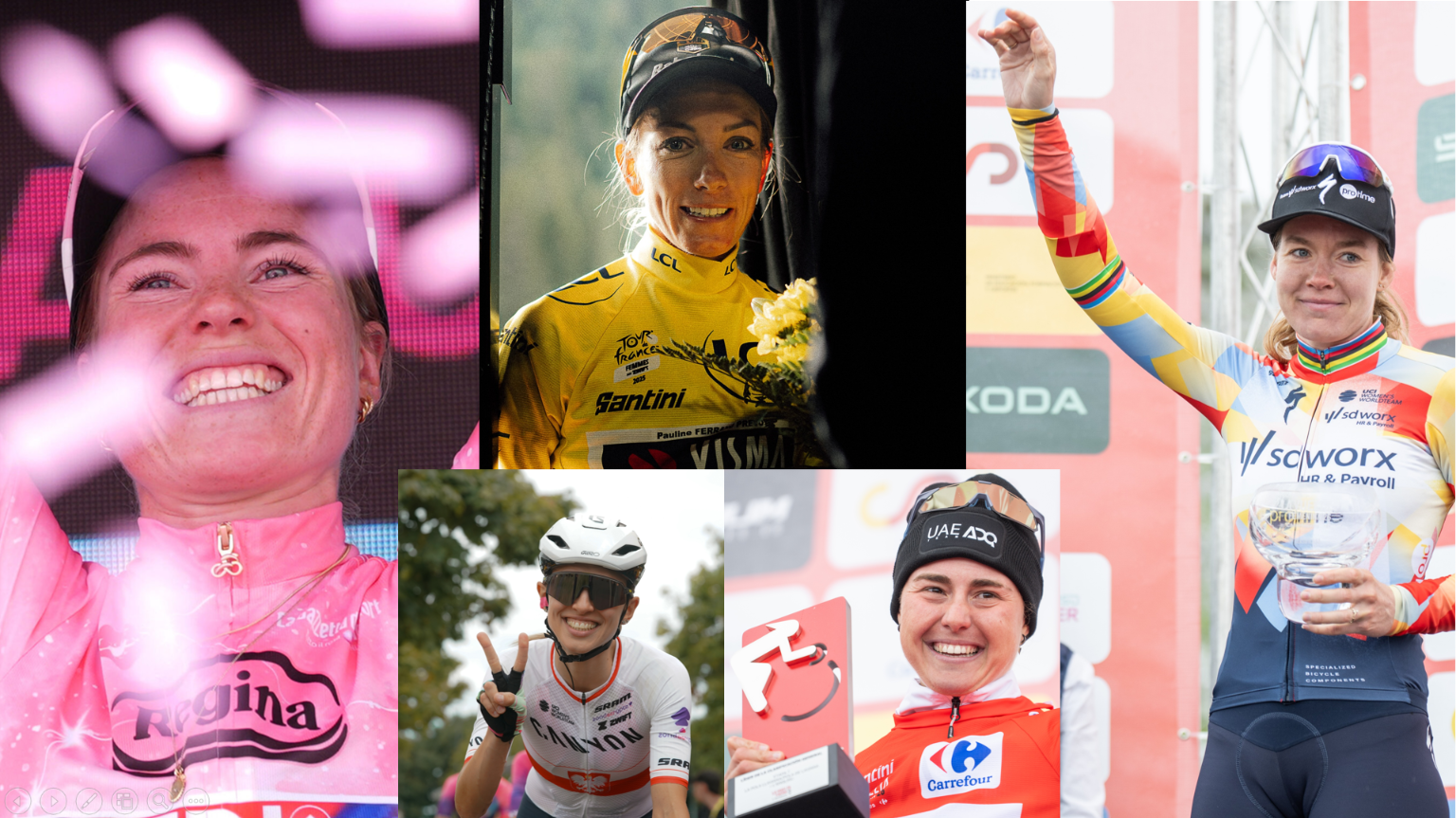
road.cc
Tour de France Femmes preview asks if 2026 brings first repeat winner
road.cc previews the fifth Tour de France Femmes avec Zwift around its defining question: can the race finally produce a repeat champion?
Read full story →Sporting News
Sporting News posts 2026 Tour de France Femmes viewing guide
Sporting News has published its guide to watching the fifth edition of the Tour de France Femmes, covering schedule, stages, TV and streams.
Read full story →