Roundup
Tour safety concerns frame the final Alpine test
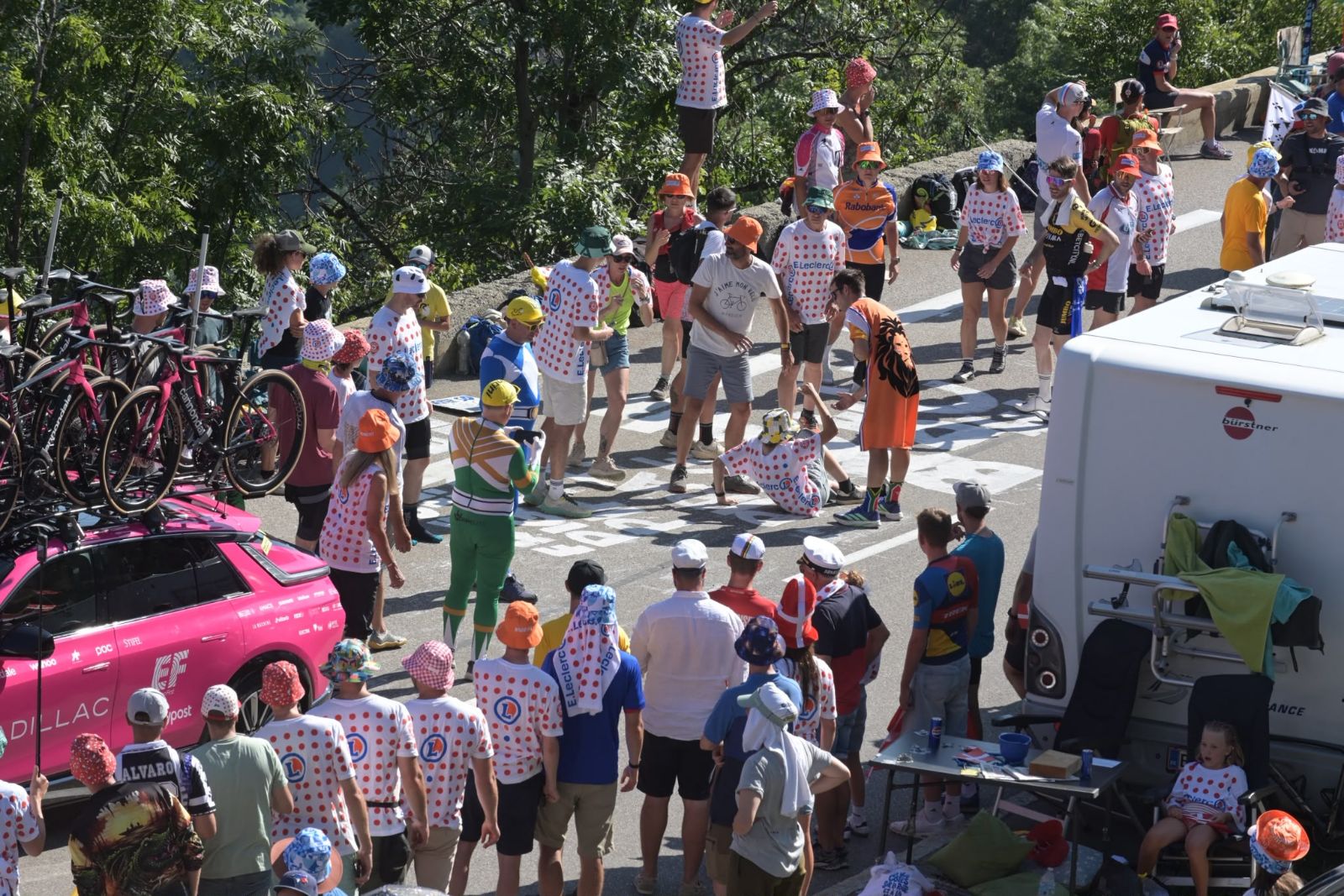
Vehicle incidents on Alpe d'Huez sit over the Tour's final Alpine stage, where little flat road means the race will stay tactically and physically demanding.
The biggest Tour de France story today is not a split in the bunch or a tactical ambush. It is the reminder that, on the most crowded and compressed mountain roads in the sport, the race is never only about the riders.
A spectator was treated by Tour medical staff after an apparent collision with an EF team car driver on Alpe d'Huez, while a Movistar rider quit after hitting a UAE vehicle. Those are separate incidents, but they point to the same pressure point: when the Tour moves through its most intense mountain terrain, the margin for error around the race caravan, spectators, and exhausted riders narrows sharply.
For a serious cyclist watching the race, the takeaway is not just that these incidents happened. It is that they can reshape a day without appearing in the standard result sheet. A rider leaving the race after hitting a vehicle is a sporting consequence. A spectator needing Tour medical staff is an operational consequence. Both affect how the race is experienced and controlled, especially on a climb like Alpe d'Huez where proximity is part of the spectacle but also part of the risk.
Stage 20 keeps the race under pressure
Stage 20 is the last day in the Alps, and the profile matters because there is little flat road. That detail is more important than it sounds. Flat roads often give teams a chance to reset, bring bottles up, organize the bunch, or let a break establish a more predictable rhythm. With little flat road, the day becomes harder to stabilize.
That creates a tactical environment where fatigue compounds quickly. Riders who are already on the limit have fewer chances to recover between efforts, and teams have less room to correct mistakes. Even without adding details beyond the route note, the shape of the stage tells us this is not a ceremonial Alpine exit. It is a final mountain test where positioning, feeding, and timing will be harder simply because the road keeps asking for work.
The early finish for live viewers also changes the rhythm of the day from the outside. The decisive racing comes sooner in the broadcast window, which matters for anyone trying to follow the stage closely rather than catching up after the fact.
Lipowitz moves from race story to recovery story
Florian Lipowitz is back home after surgery on a collarbone fracture from a Tour de France crash, according to team manager Ralph Denk. That update shifts his Tour from immediate incident to recovery timeline, even if the data gives no further detail on what comes next.
Taken together, the day has a clear throughline: at this point in the Tour, the physical race, the logistics around it, and the consequences of crashes are tightly linked. Stage 20 may be the final Alpine test on the road, but the broader story is how thin the margins have become around the race itself.
In this edition
road.cc
Fan treated and Movistar rider out after Alpe d'Huez vehicle incidents
A spectator was treated by Tour medical staff after an apparent collision with an EF team car driver, while a Movistar rider quit after hitting a UAE vehicle.
Read full story →
Inrng.com
Tour de France Stage 20 set for final Alpine test
Stage 20 is the last day in the Alps, with little flat road and an early finish for live viewers.
Read full story →
Dpa-international.com
Florian Lipowitz home after Tour de France crash surgery
Florian Lipowitz is back home after surgery on a collarbone fracture from a Tour de France crash, according to team manager Ralph Denk.
Read full story →