Roundup
Philipsen breaks through as the Tour faces pressure beyond the road
Jasper Philipsen's stage 17 win ended a painful run of near misses, while heat, wildfire risk, and sportswashing concerns widened the Tour's frame.
Jasper Philipsen's stage 17 win matters because it was not just another sprint result. It came from a reduced bunch on an Alpine day, which tells the more useful story: this was a sprint filtered by terrain and attrition, not a clean, flat run-in where the fastest rider simply waits for the final 200 meters.
That distinction is important. On a stage shaped by the Alps, the riders contesting the finish have already passed a selection process before the sprint even begins. For Philipsen, who had been carrying a run of near misses he described as horrible, surviving that filter and still having the speed to finish it off changes the tone of his Tour. A drought in sprinting is rarely just about missing wins. It affects positioning, confidence, timing, and the way rivals race you. Ending it on stage 17 gives the result extra weight because it was earned in a less predictable environment than a standard bunch kick.
The Tour's bigger stress test
The same race is also being forced to confront pressures that sit outside traditional tactics. Grist's report on record heat, wildfire threats, and an unprecedented stage modification is a reminder that endurance sport is not insulated from the conditions around it. The Tour has always been shaped by weather, but the significance here is the scale and consequence of those pressures.
For riders, heat and air-quality risk are not abstract backdrop conditions. They influence pacing, hydration demands, recovery, and the basic risk calculation of racing day after day. For organizers, an unprecedented stage modification signals that route design and race management can no longer be treated as fixed once the race begins. The modern Tour is still decided by legs and tactics, but the operating environment is becoming a more active participant in the race.
Reputation now races alongside results
The third story widens the lens again. Human Rights Watch says UAE-backed Emirates-XRG risks sportswashing, raising reputational questions around international cycling's top team. That matters because cycling's biggest teams do not only compete for stage wins and overall results. They also carry sponsors, national associations, and political interpretations into the public view.
For a serious cycling audience, the throughline across these stories is that performance is only one layer of the sport's current reality. Philipsen's win is the clean sporting headline, and it deserves to lead the day. But the Tour around it is being shaped by climate pressures, and the wider sport is being questioned over who funds its most visible projects and what those partnerships mean.
That does not reduce the value of the racing. It makes the racing more complex. The athlete still has to make the selection, read the finish, and deliver under pressure. But the context around that effort is becoming harder to separate from the result itself.
In this edition
Yahoo Entertainment
Philipsen ends Tour drought with stage 17 sprint win
Jasper Philipsen won from a reduced bunch on the Tour de France’s Alpine stage 17, ending a run of near misses he described as horrible.
Read full story →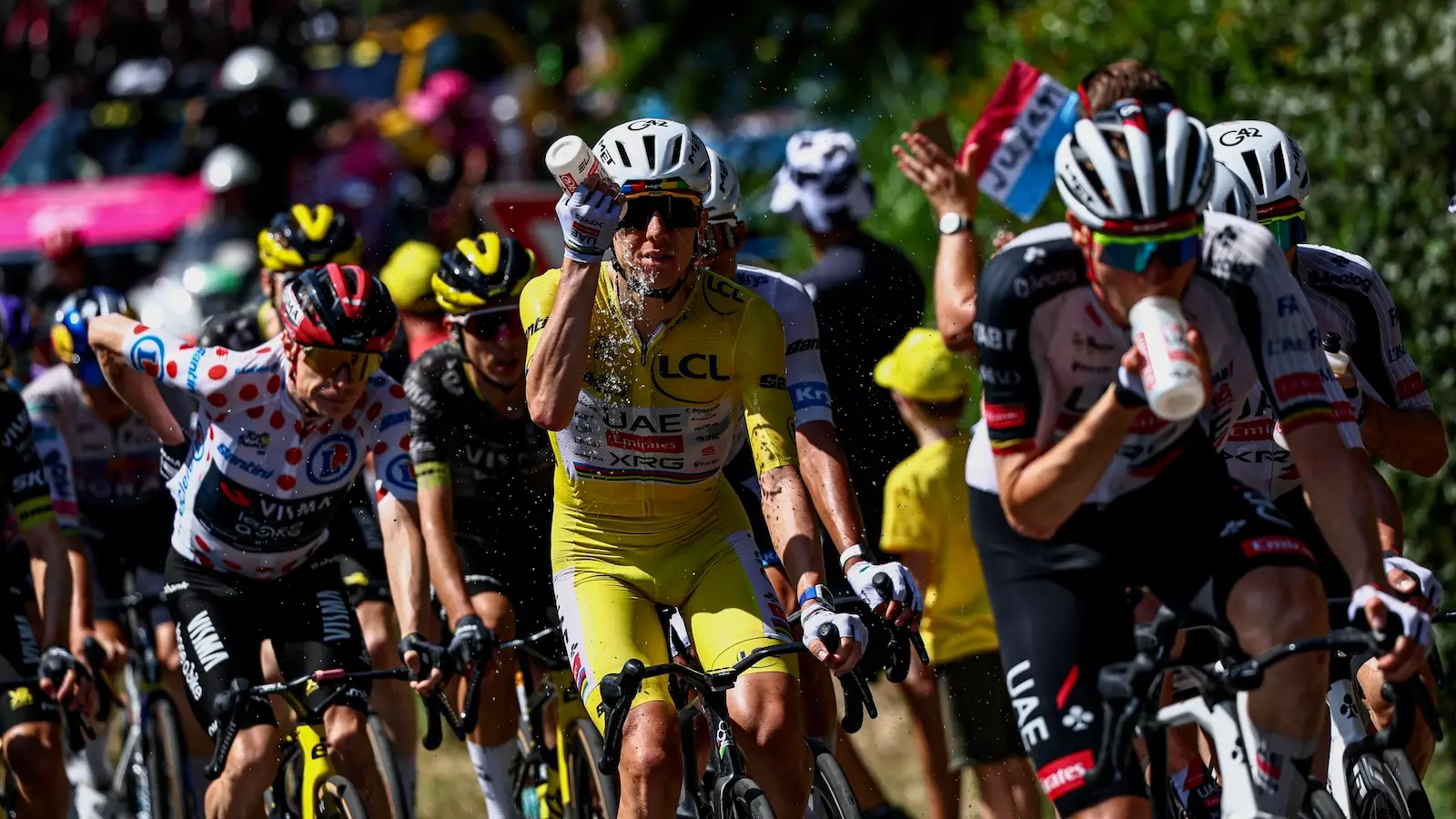
Grist
Climate pressures force new questions for the Tour de France
Grist reports that record heat, wildfire threats, and an unprecedented stage modification showed how global warming is pressing on endurance sport.
Read full story →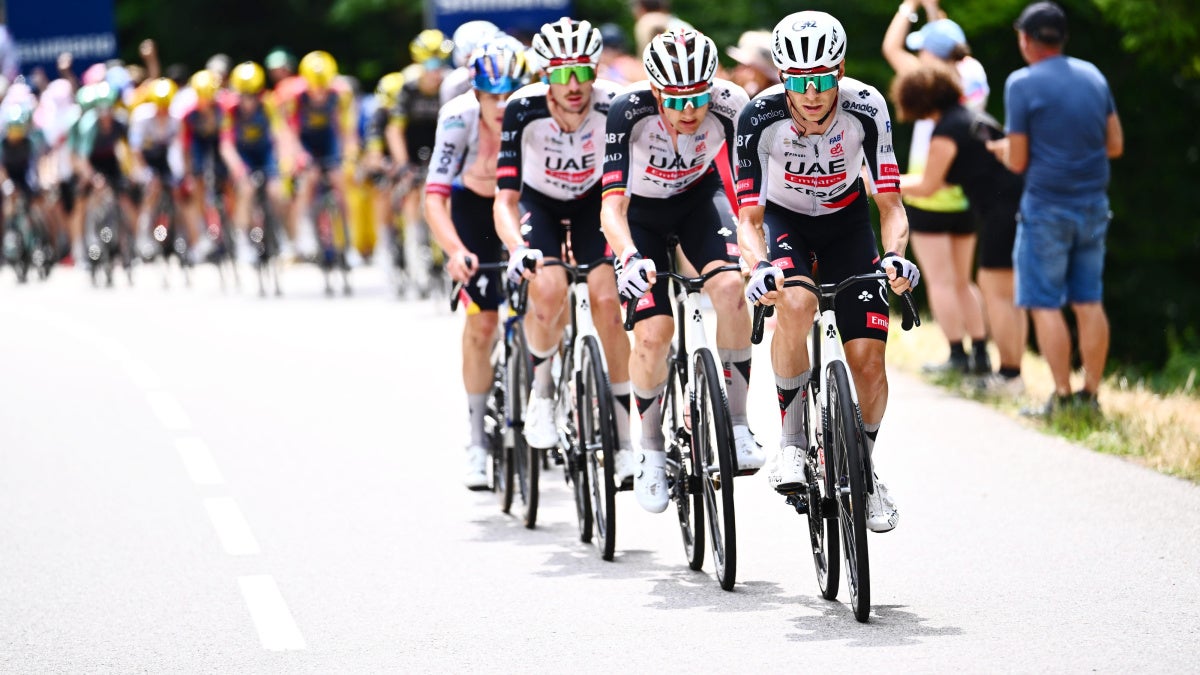
Human Rights Watch
HRW says UAE-backed Emirates-XRG risks sportswashing
Human Rights Watch says UAE team Emirates-XRG risks sportswashing, raising reputational questions around international cycling’s top team.
Read full story →