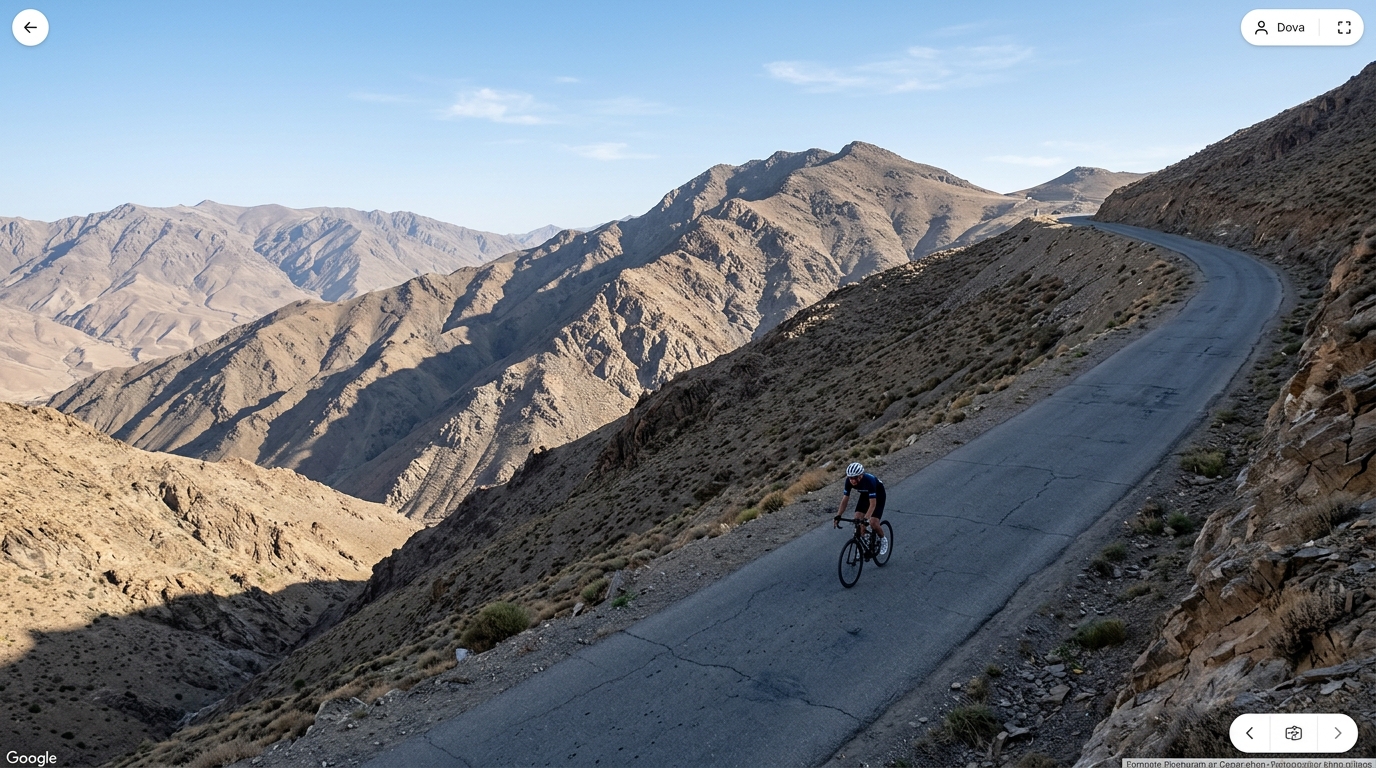
Shibar Pass
A practical pacing and gearing guide to Shibar Pass, a 5.2 km category 3 climb with a 5.83% average and ramps up to 12.17%.
- Length
- 5.2km
- Avg
- 5.8%
- Max
- 12.2%
- Summit
- 2,688m
- Ascent
- 224m
The climb
Gradient profile
Shibar Pass cycling climb profile
Shibar Pass is a compact but meaningful category 3 climb: 5.2 km long, rising from 2382 m to 2688 m for 306 m of net elevation gain. On paper, the 5.83% average gradient looks manageable, but the key detail is the 12.17% maximum gradient. That gap between the average and the steepest pitch tells you this is not just a metronomic seated climb. There are likely moments where the road asks for a real torque response, and those moments are what should shape your pacing.
How the gradient rides
With only 5.2 km to work with, Shibar Pass is long enough to punish overconfidence but short enough that riders will be tempted to treat it like an extended threshold effort. The 5.83% average means the climb should mostly sit in a sustainable climbing rhythm, but the 12.17% maximum changes the character. Any steep ramps will pull you above your planned power unless you are disciplined with gearing and cadence.
The practical read is simple: do not judge the climb by the average alone. A steady 5.83% climb invites smooth pressure. A climb with ramps over 12% requires restraint before the steepest sections, because burning matches early leaves little room to respond later. The summit at 2688 m also means the finish comes at a meaningful elevation, so pacing should be based on controlled effort rather than chasing speed.
Pacing strategy
Treat the opening as a settling phase, not a launch pad. The best ride here is built around keeping the effort just under control until the road shows its hardest gradients. If you ride by power, anchor the climb around your sustainable climbing effort rather than reacting to every change in speed. If you pace by feel, stay seated and smooth while the gradient is near the average, then allow short increases only when the road forces them.
A useful approach:
- Start below your target effort for the first part of the climb
- Shift early before steeper ramps to protect cadence
- Keep the 12.17% maximum in mind when choosing gears
- Save one final increase for the upper section rather than spending it early
For riders using /glossary/ftp as a reference, this is the kind of climb where the average gradient can encourage an FTP-style effort, but the maximum gradient makes gear selection just as important as fitness.
Gearing notes
Do not bring gearing that only works for the average grade. A setup that feels comfortable at 5.83% can become heavy when the road touches 12.17%. The right choice is a low enough climbing gear to keep cadence from collapsing on the steepest pitches, especially given the climb starts at 2382 m and finishes at 2688 m.
The smartest execution is patient: ride the climb as a controlled category 3 effort, respect the steepest ramps, and use the final meters only if you still have the legs to lift the pace.