Climb library · Serbia
Cycling climbs in Serbia
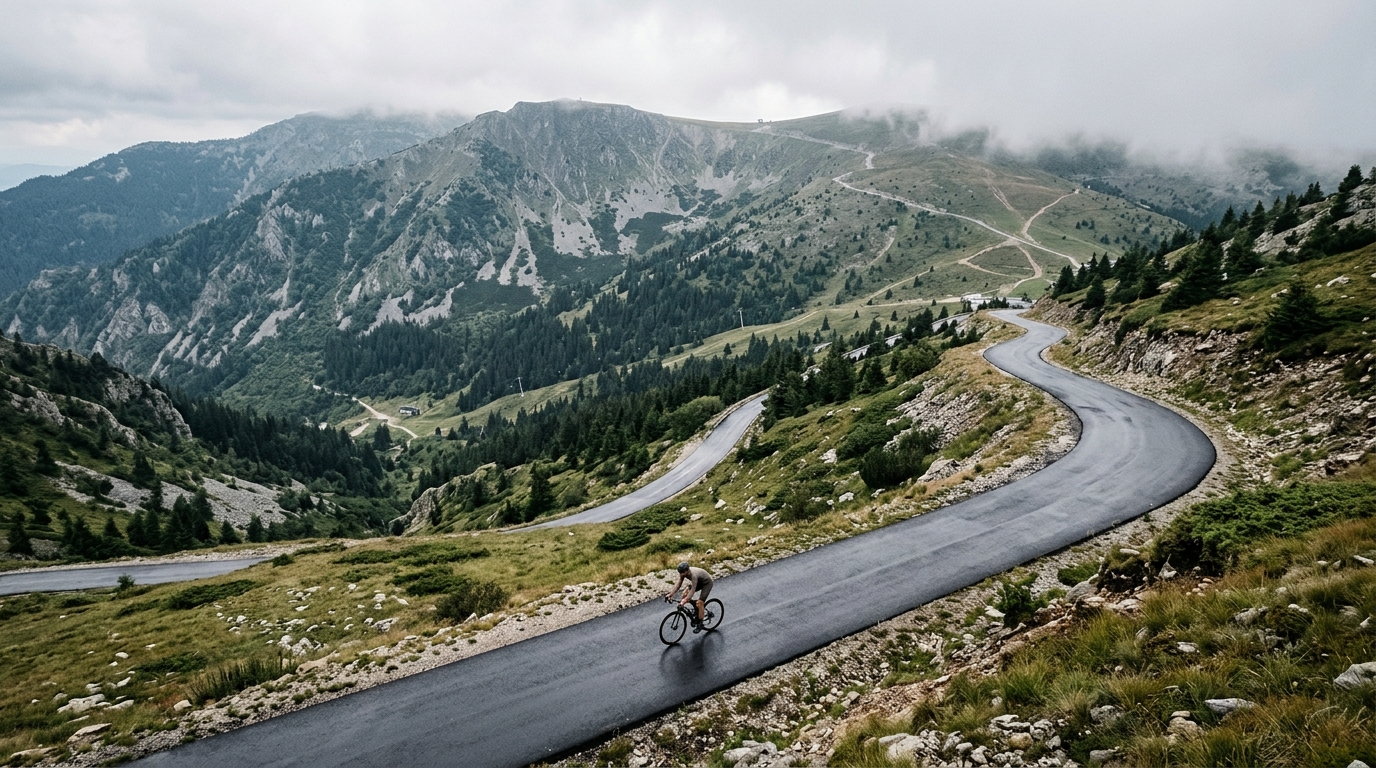
Serbia is a climbing destination for riders who prefer their gradients wrapped in forest and quiet rather than crowds. With five catalogued climbs, the country stays approachable: none of them reach hors catégorie, so this is terrain you can plan a trip around without needing a specialist's legs. The high point tops out at 1811 metres, a proper mountain summit that still leaves room to enjoy the ride up rather than merely survive it.
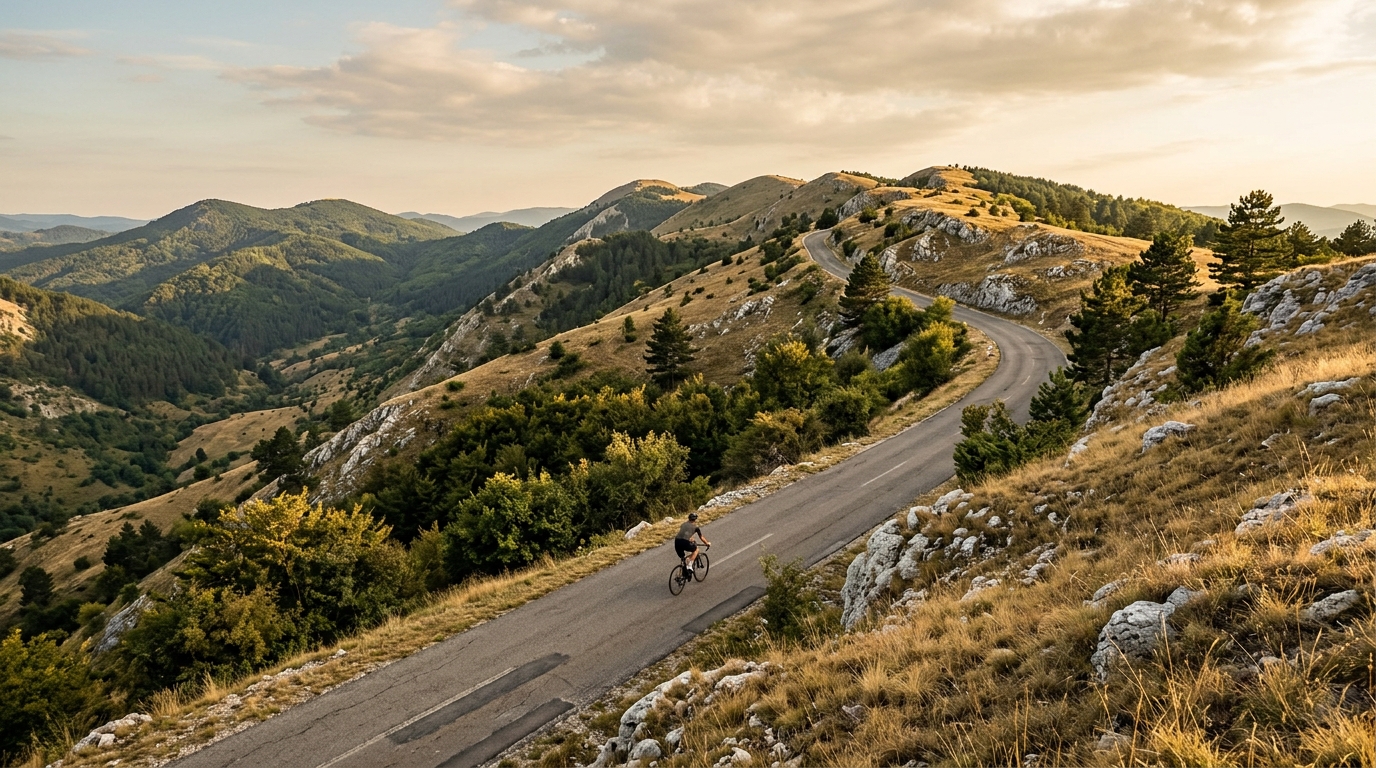
The marquee ascents give the country its character. Kopaonik anchors the list as the signature high-mountain climb, while Zlatibor and Zlatar offer the long, steady drags that suit a patient rhythm. Goč and Iriški Venac round things out with shorter, punchier efforts closer to the lowlands. Together they make Serbia an inviting canvas for cyclists chasing new roads and honest, unhurried climbing.
Signature climbs of Serbia
All climbs in Serbia
5 climbs
The complete guide to climbing in Serbia
The Riding
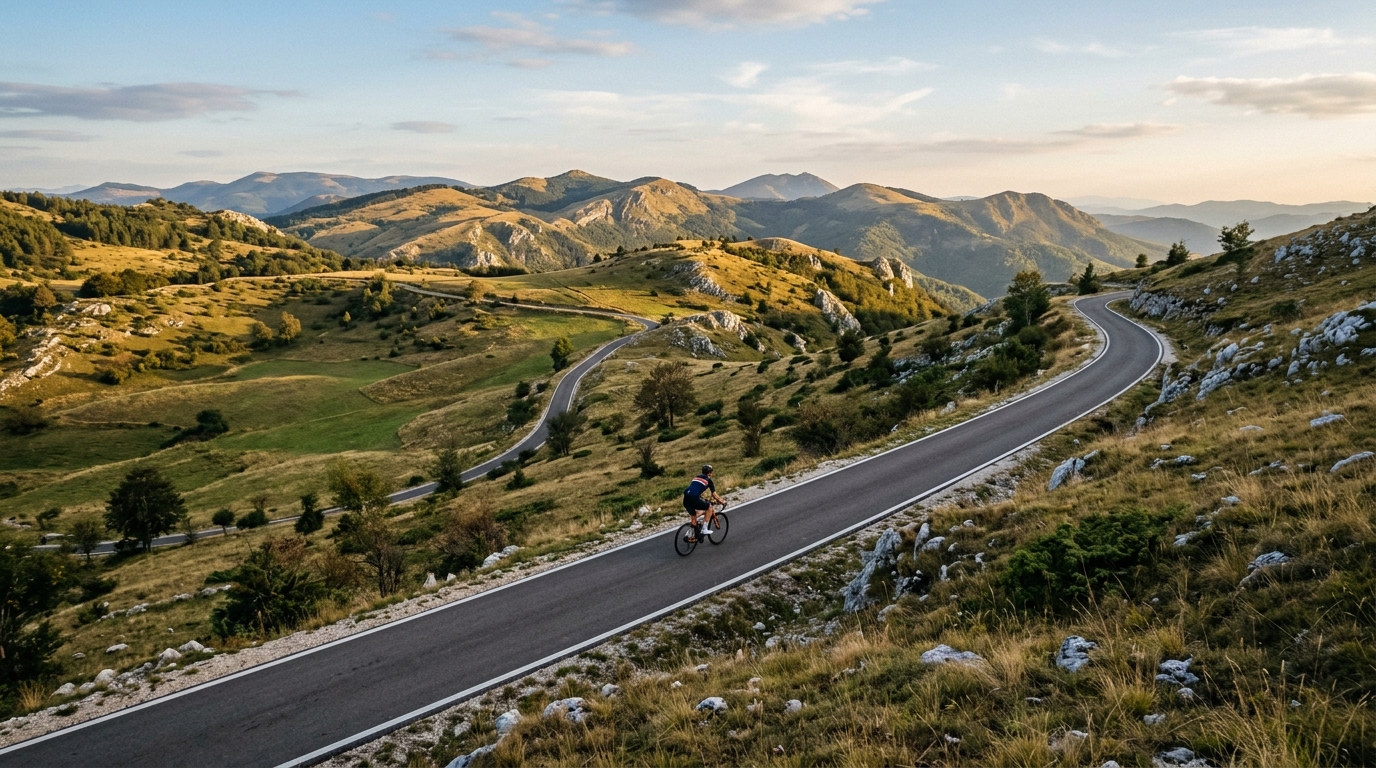
Serbia is a rewarding but underrated destination for cyclists who love climbing. The catalogue here holds five climbs, and together they paint an honest picture of what the country offers: sustained, gradual ascents through forest and highland rather than the brutal, wall-like pitches you find elsewhere. There are no hors catégorie climbs in Serbia, and the highest summit tops out at 1811 m. That ceiling matters. It means you climb high enough to feel the thinner, cooler air and to earn a genuine view, but never so high that altitude itself becomes the obstacle.
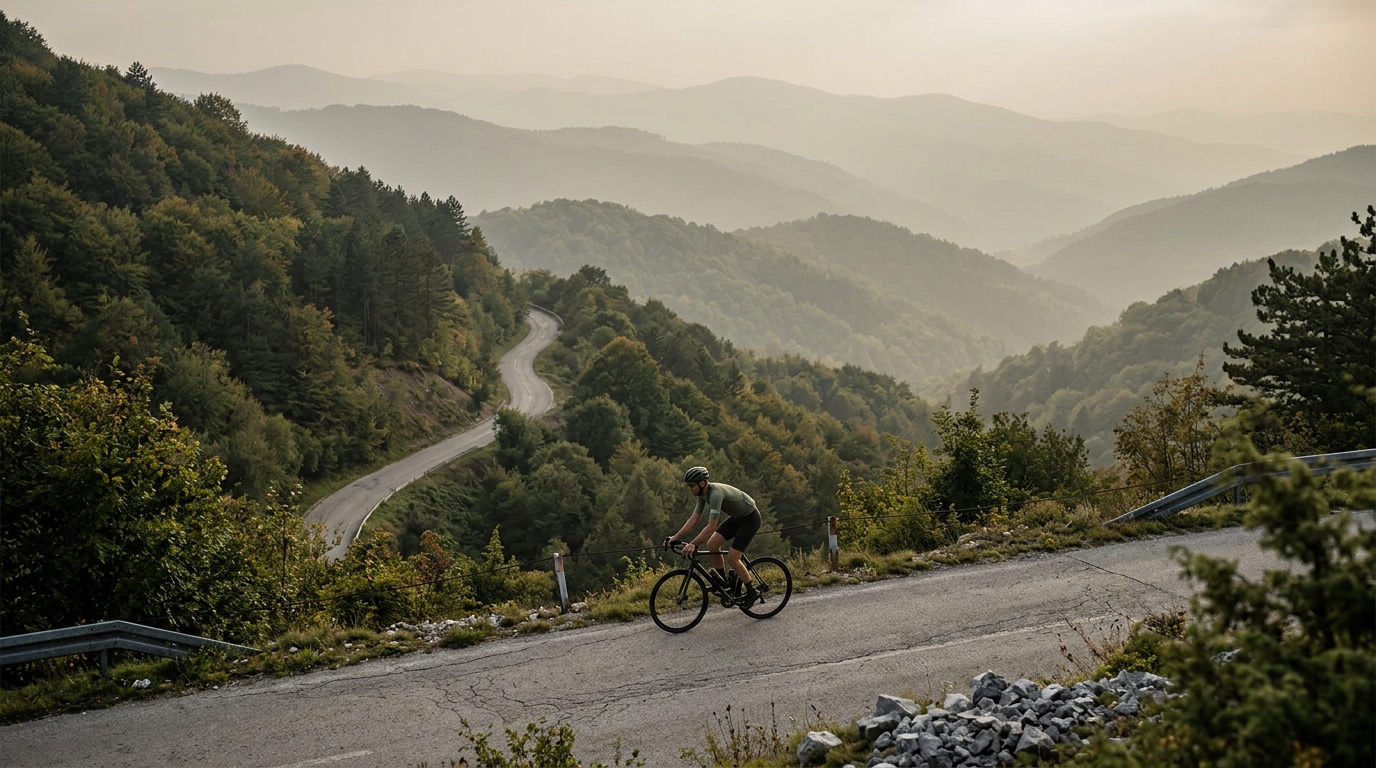
The character of Serbian climbing is one of rhythm. These are roads you settle into. The gradients tend to be manageable and steady, favouring the rider who can hold a tempo for a long time over the pure puncheur who wants a short, savage effort. Much of the riding threads through wooded slopes and open plateau country, so shade and exposure trade off as you gain height. If you enjoy long, contemplative days in the saddle where the effort is measured in patience rather than pain, Serbia's climbs will suit you well.
Standout Climbs
The signature climb is Kopaonik, the ascent that carries you toward the country's high ground and, at 1811 m, the highest summit in this catalogue. It is the benchmark ride here: a long, sustained pull that rewards steady pacing and a sensible gear.
Zlatibor and Zlatar are the highland pair, both drawing you up into open plateau terrain where the road unfolds in long ramps. They share the same unhurried temperament, letting you climb for extended stretches without the gradient ever spiking into the red.
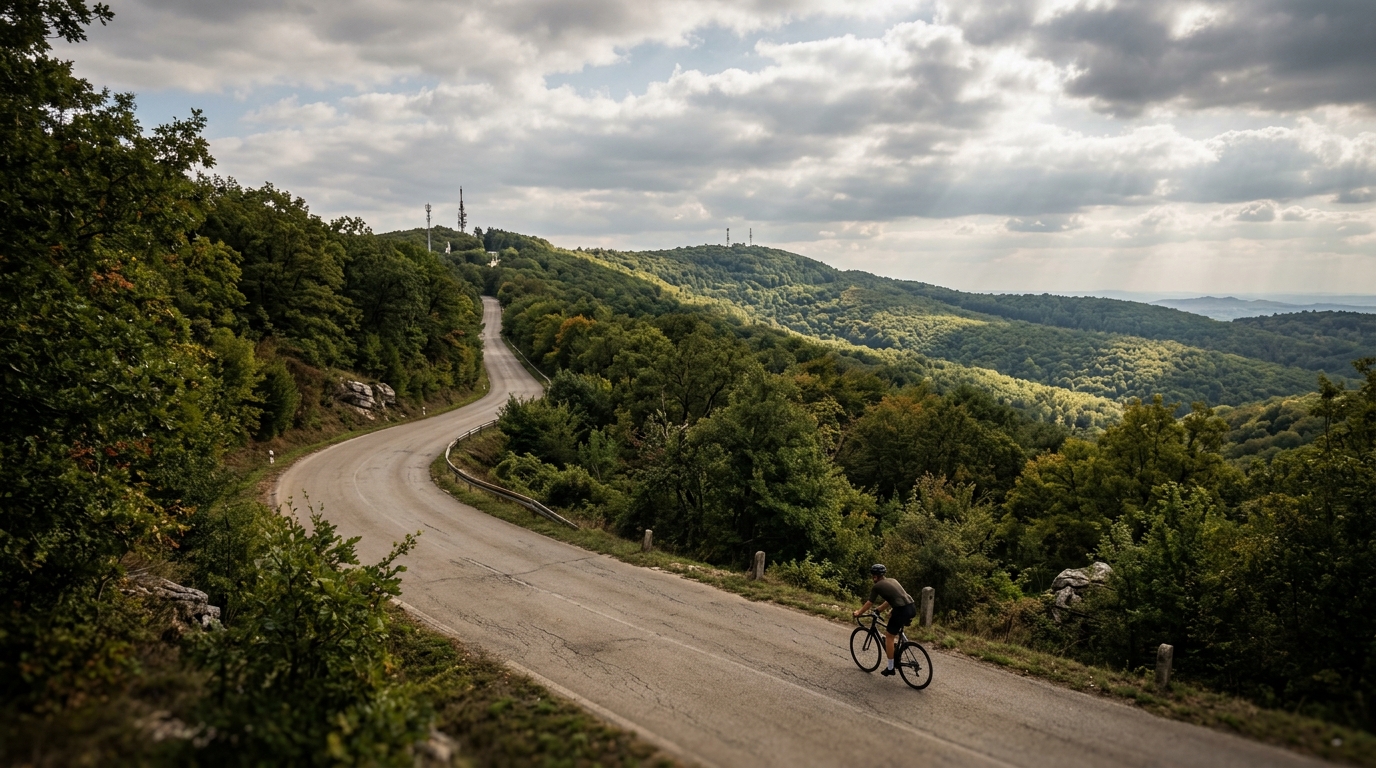
Goč offers a more forested experience, with the road winding upward under tree cover, while Iriški Venac provides a shorter, more accessible ascent that makes a fine introduction to Serbian climbing or a solid tempo effort in its own right.
Across all five, the common thread is length and consistency rather than extreme steepness. None of them is hors catégorie, and that is precisely their appeal: they are climbs you can enjoy rather than merely survive.
When to Ride
Because Serbia's climbs reach up toward 1811 m, the season is shaped by altitude. Late spring through early autumn is the sweet spot, when the higher roads on Kopaonik, Zlatibor and Zlatar are clear and the temperatures at elevation are comfortable rather than cold. Summer brings the most reliable conditions on the high ground, though the forested slopes of Goč offer welcome shade when the valleys turn hot.
Shoulder seasons can be beautiful, with cooler air and quieter roads, but the higher you go the more you should watch the forecast. At nearly 1811 m the weather can turn quickly, and what feels mild at the base can be markedly cooler and windier by the summit. Iriški Venac, sitting lower and more accessible, tends to hold a longer riding window than the true highland climbs.
Practical Notes
Pack for changeable conditions. Even in summer, the difference between valley heat and the air near the top of Kopaonik can catch you out, so a packable layer for the descent is essential on the higher climbs. Because these are long, steady ascents rather than short efforts, gearing for endurance pays off: a compact setup lets you spin a comfortable cadence and keep something in reserve for the full length of the climb.
Plan your resupply around the effort. The longer climbs like Zlatibor and Zlatar cover real distance as they rise, so carry enough food and water to see the ascent through. Descents reward a steady hand, particularly on the forested pitches of Goč where the road bends under tree cover. Above all, treat the 1811 m ceiling as a guide to expectation: high enough for cool air and long views, gentle enough in gradient to be genuinely enjoyable.
Summary
Serbia's five catalogued climbs — Kopaonik, Zlatibor, Zlatar, Goč and Iriški Venac — offer a coherent and welcoming style of cycling. With no hors catégorie ascents and a high point of 1811 m, this is a country of long, steady, rhythmic climbing rather than savage gradients. Ride it in the warmer months, gear for endurance, respect the altitude on the highest roads, and Serbia delivers days of climbing that reward patience and reward it well.
Looking for full rides in Serbia?
Routes in Serbia