Climb library · Portugal
Cycling climbs in Portugal
Portugal rewards climbers with a compact but serious collection of ascents: 14 catalogued climbs, three of them ranked hors catégorie, the toughest tier a road can earn. The high point tops out at 1,234 metres, a summit that demands patience on the way up and delivers wide, hard-won views at the crest. It is a country where a single day of riding can swing from long, grinding gradients to punchy walls that test your legs without warning.
The marquee names read like a rider's tick list. Alto de Vila Lobos, Alto de Trevim, and Alto de Miudeiros anchor the mainland's steepest days, while Encumeada, Boca dos Namorados, and Alto de Santa Cruz offer their own relentless pitches. Whether you chase the three hors catégorie beasts or simply string together the catalogued climbs at your own pace, Portugal makes a genuine destination for anyone who lives for the road tilting upward.
Signature climbs of Portugal
All climbs in Portugal
18 climbs
- EncumeadaHCPT · 8.3 km · 11.3% · 1099 m1068pts
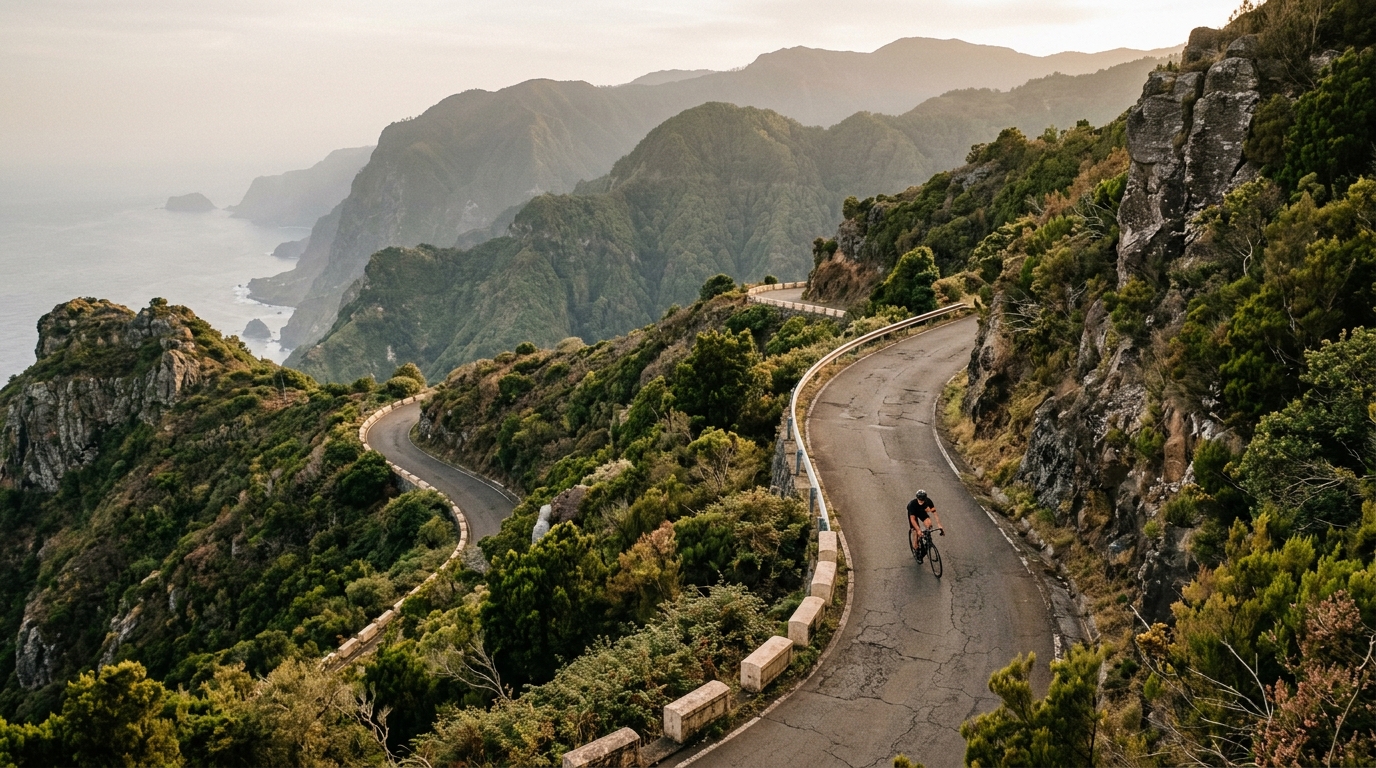 Boca dos NamoradosHCPT · 12.6 km · 8.3% · 1278 m866pts
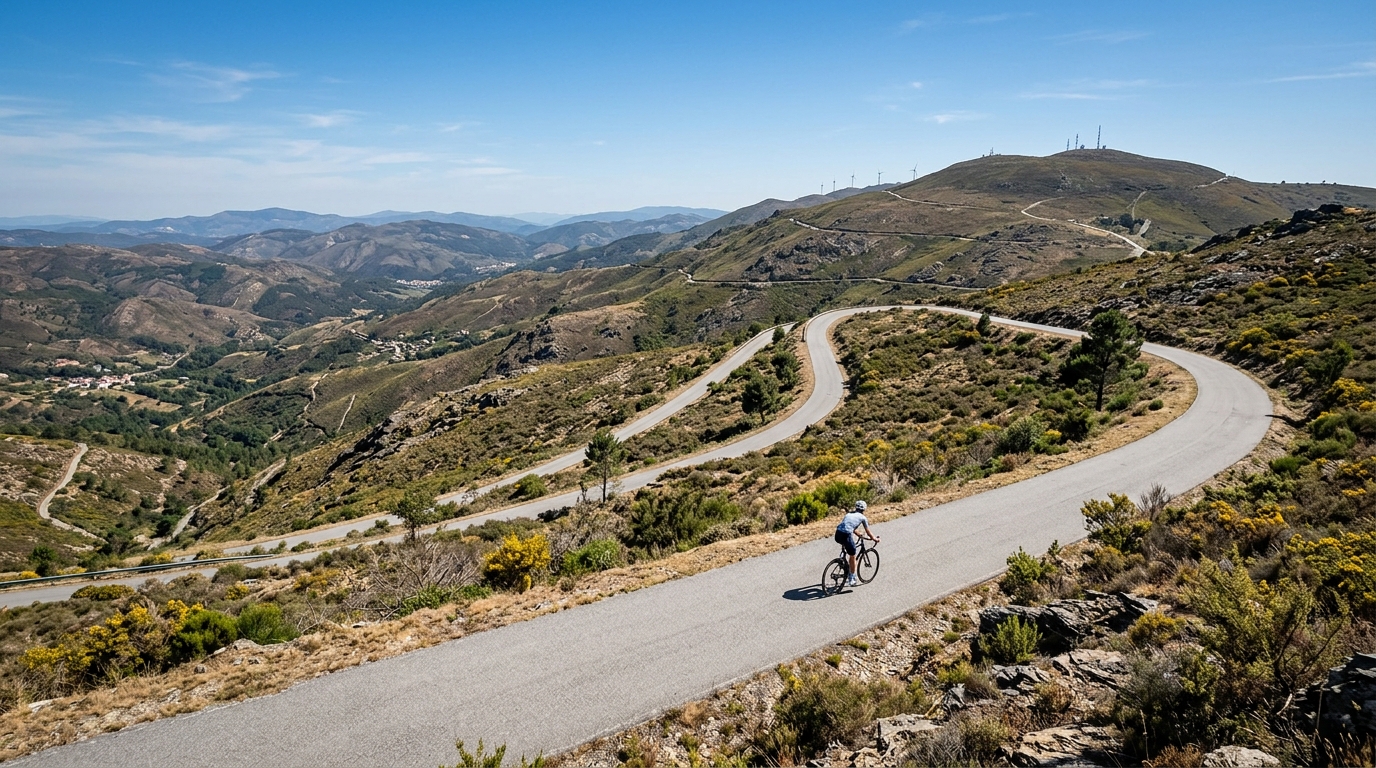 Alto de TrevimCat 1PT · 23.3 km · 4.8% · 1132 m541pts
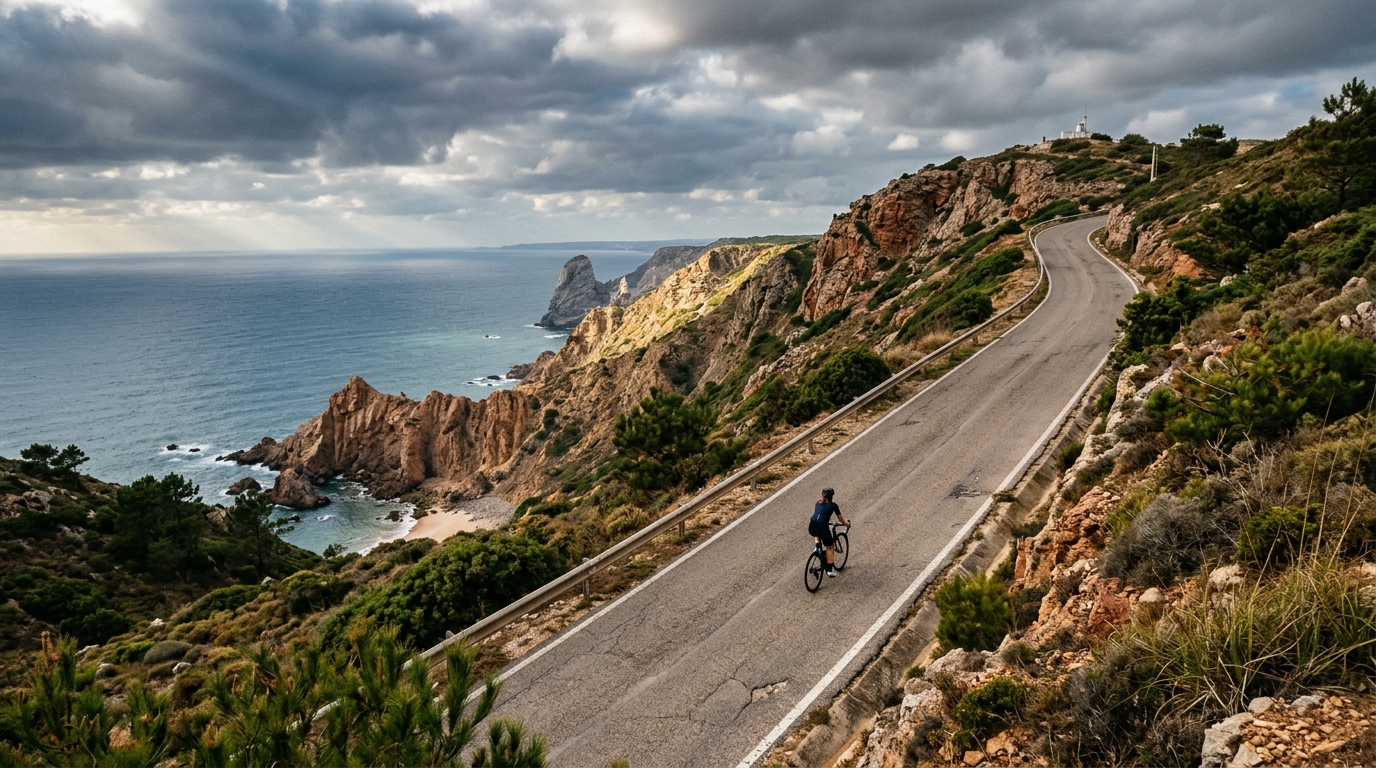 Puerto de LeixõesCat 4PT · 1.2 km · 7.5% · 30 m66pts
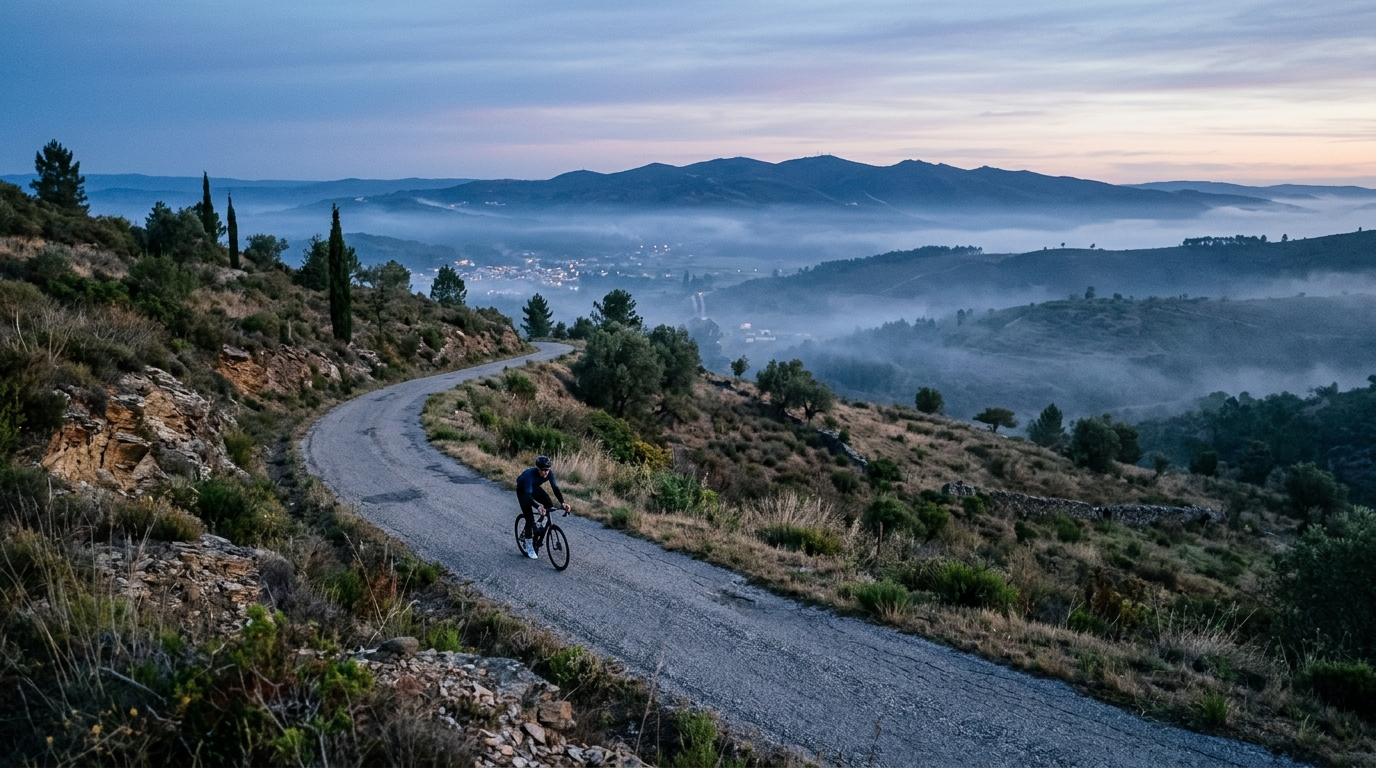 Cementerio del Alto de São JoãoCat 4PT · 1.0 km · 7.3% · 44 m55pts
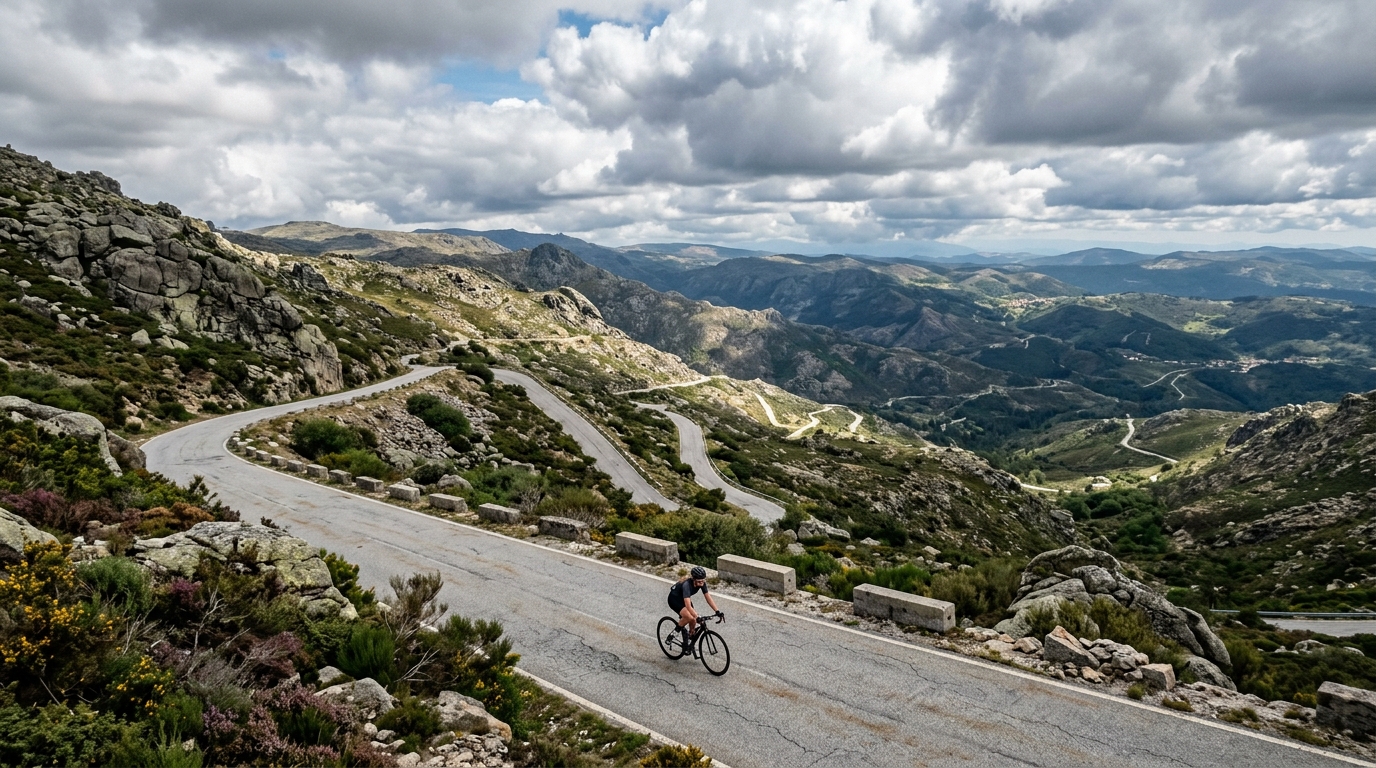 Alto de Vila LobosCat 1PT · 13.0 km · 7.8% · 973 m785pts
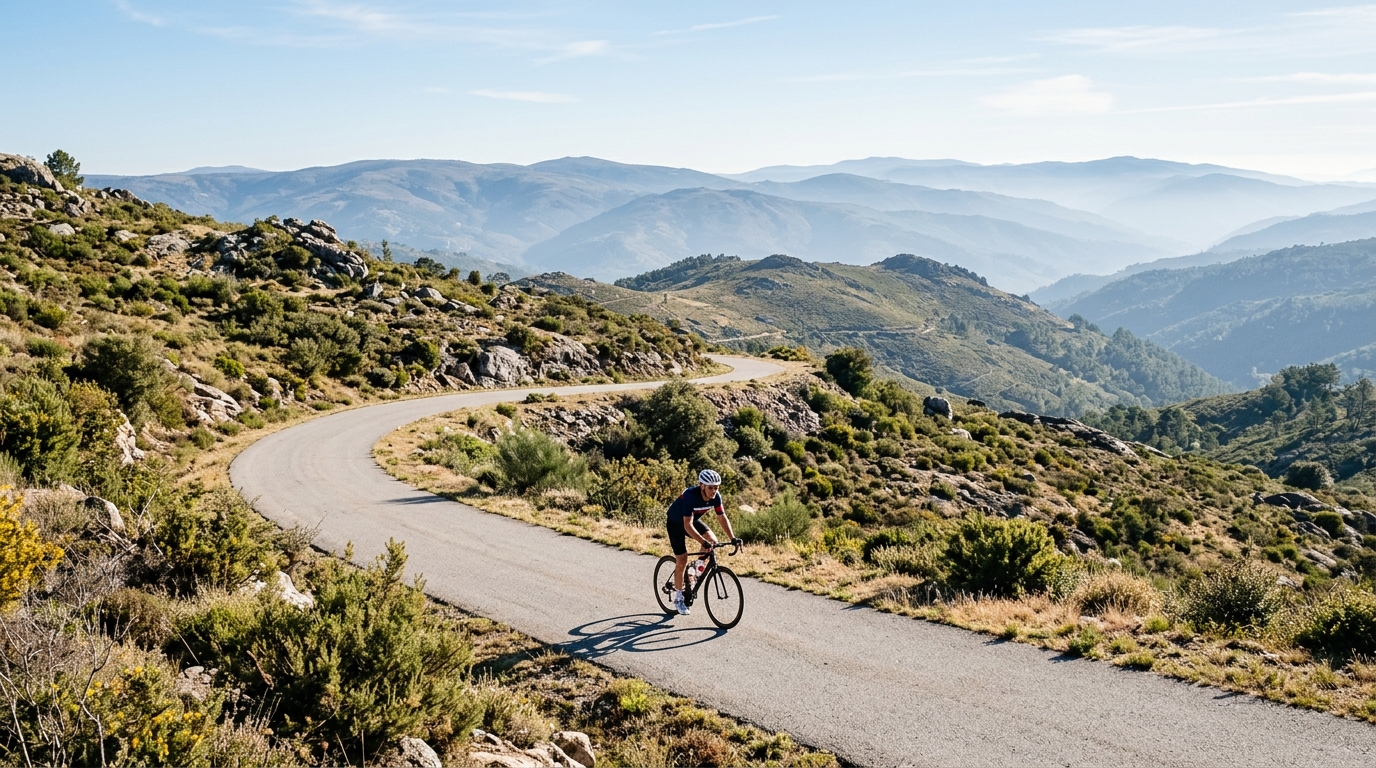 Alto de CravelasCat 1PT · 13.8 km · 6.9% · 928 m651pts
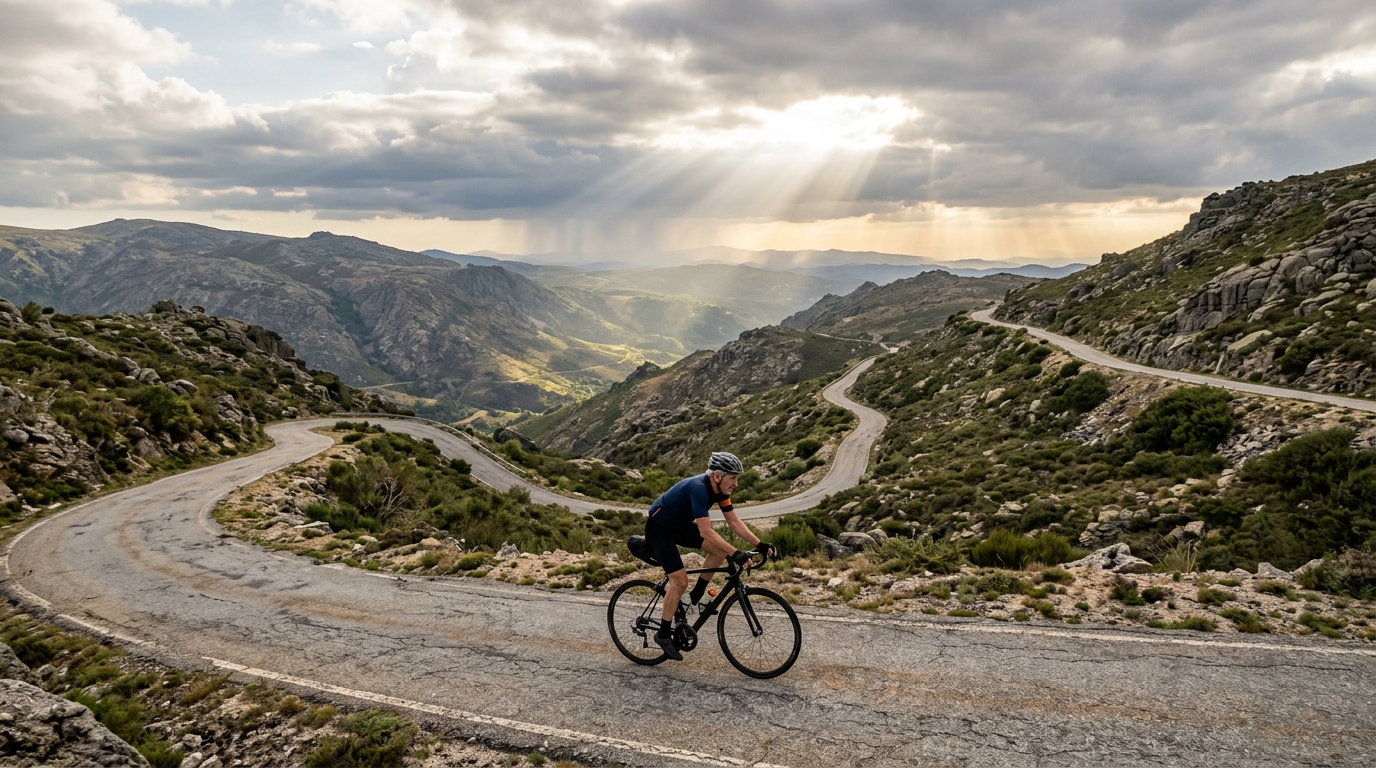 Alto de MiudeirosCat 1PT · 15.4 km · 5.5% · 839 m475pts
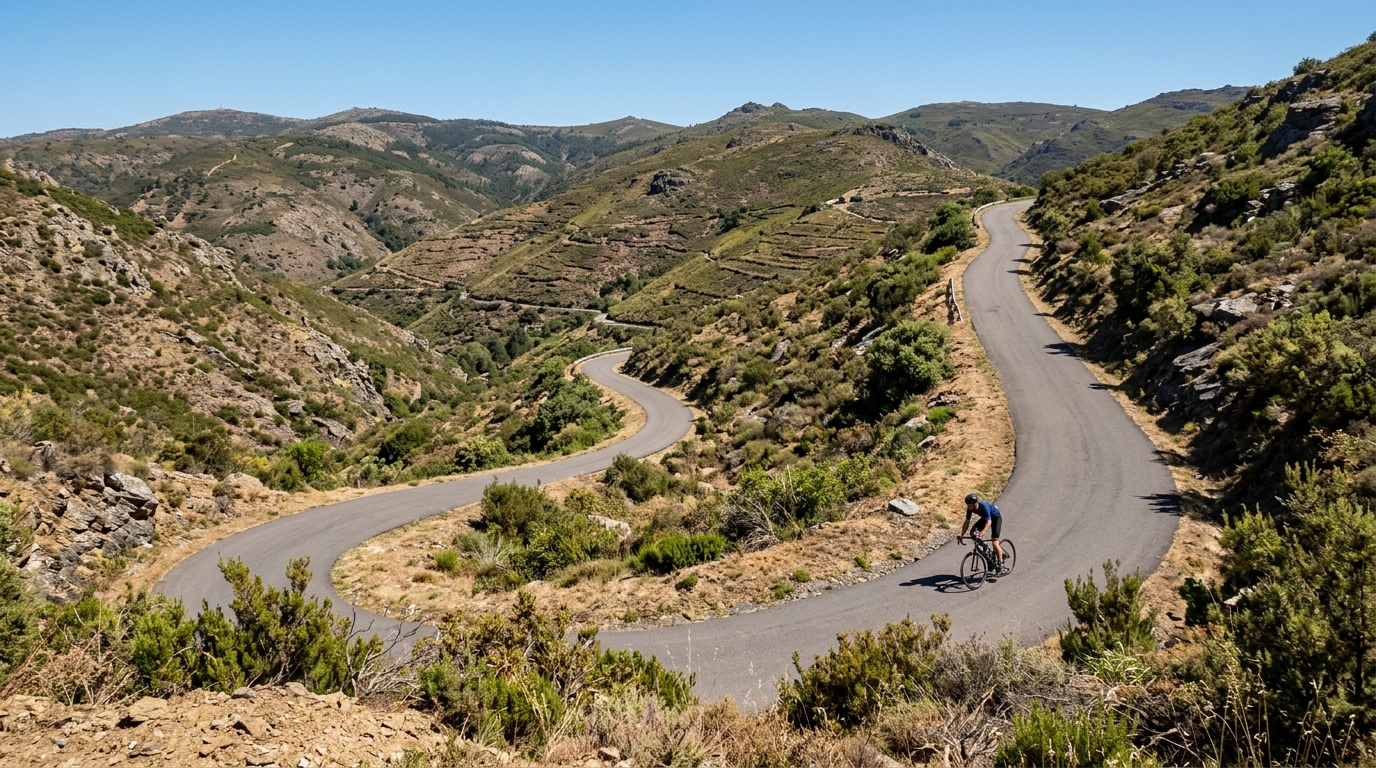 Alto de Santa CruzCat 2PT · 18.7 km · 3.9% · 731 m285pts
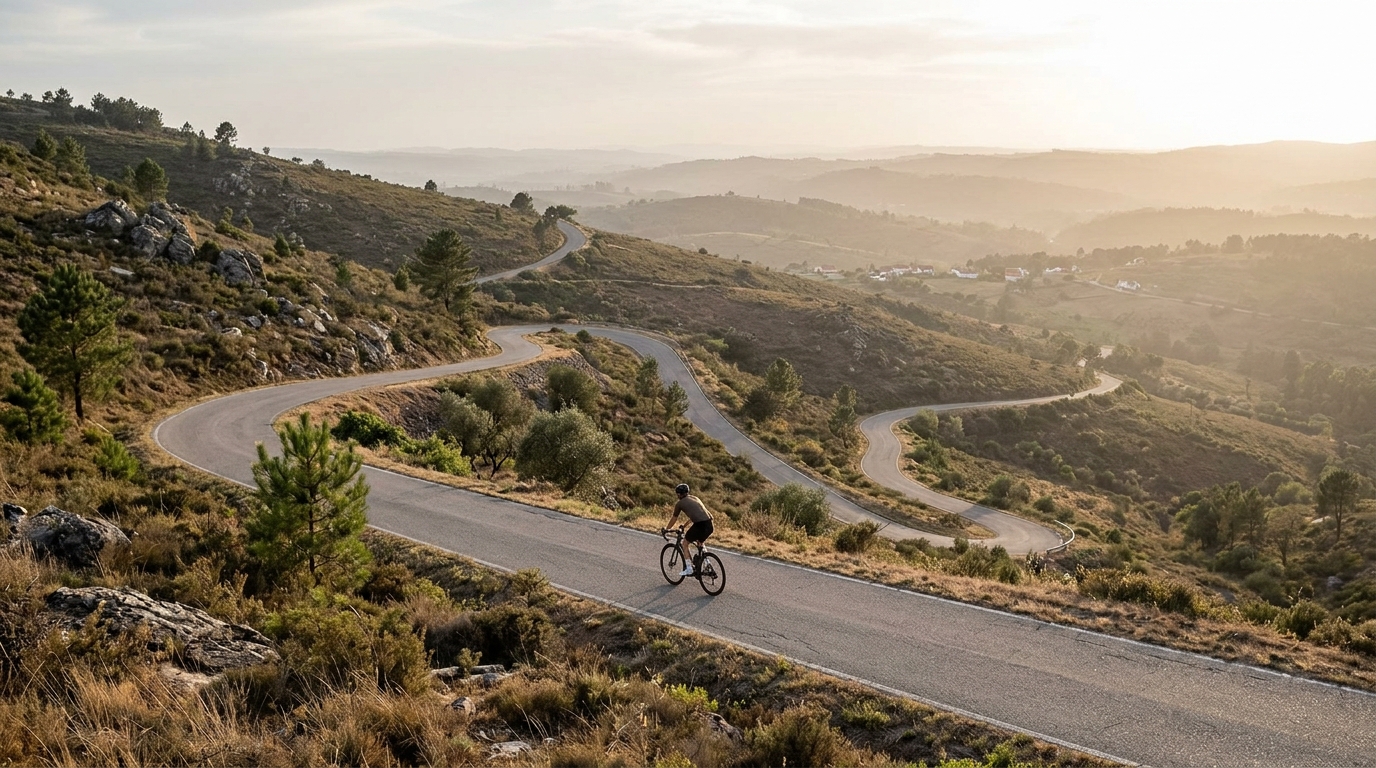 Alto de CeroulasCat 2PT · 6.3 km · 6.6% · 391 m276pts
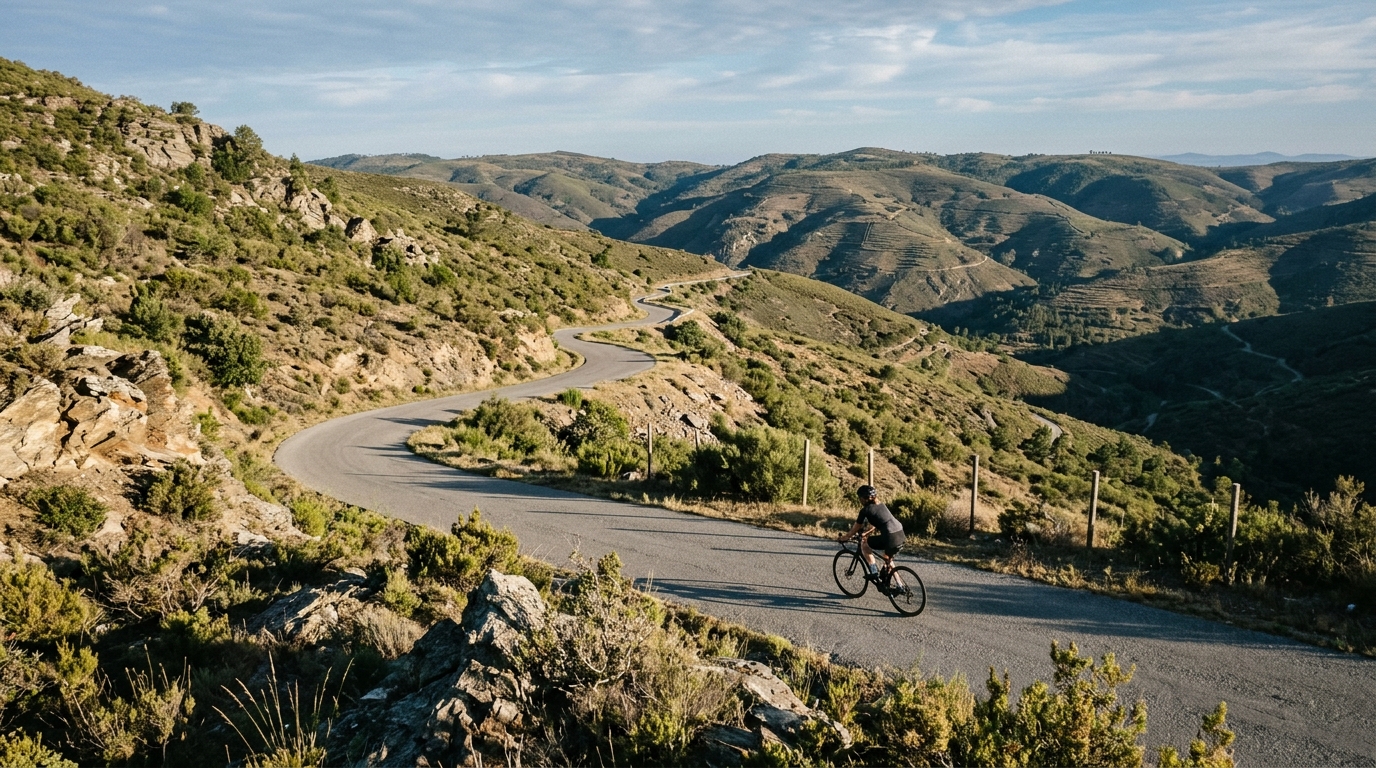 Alto de São JorgeCat 2PT · 28.1 km · 3.1% · 941 m266pts
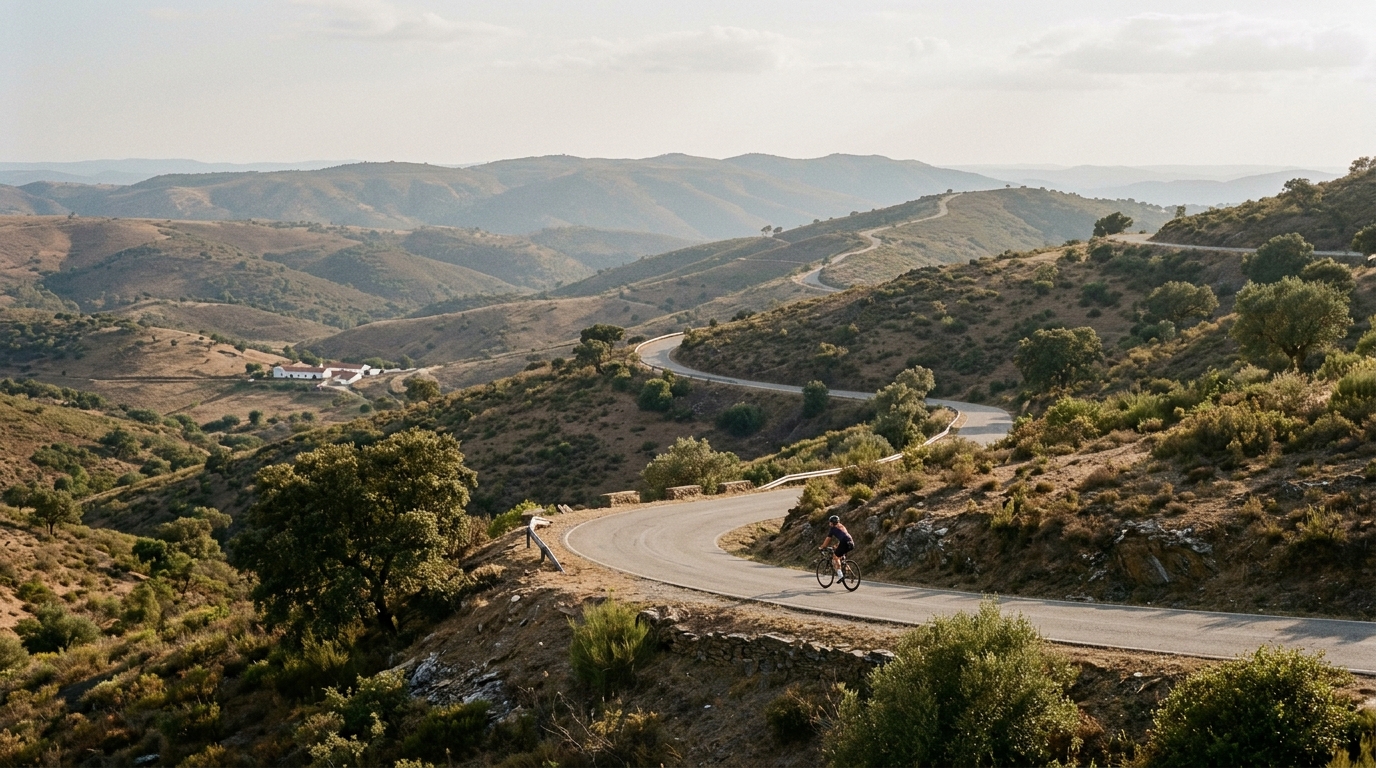 Alto de São TiagoCat 2PT · 7.1 km · 5.7% · 372 m226pts
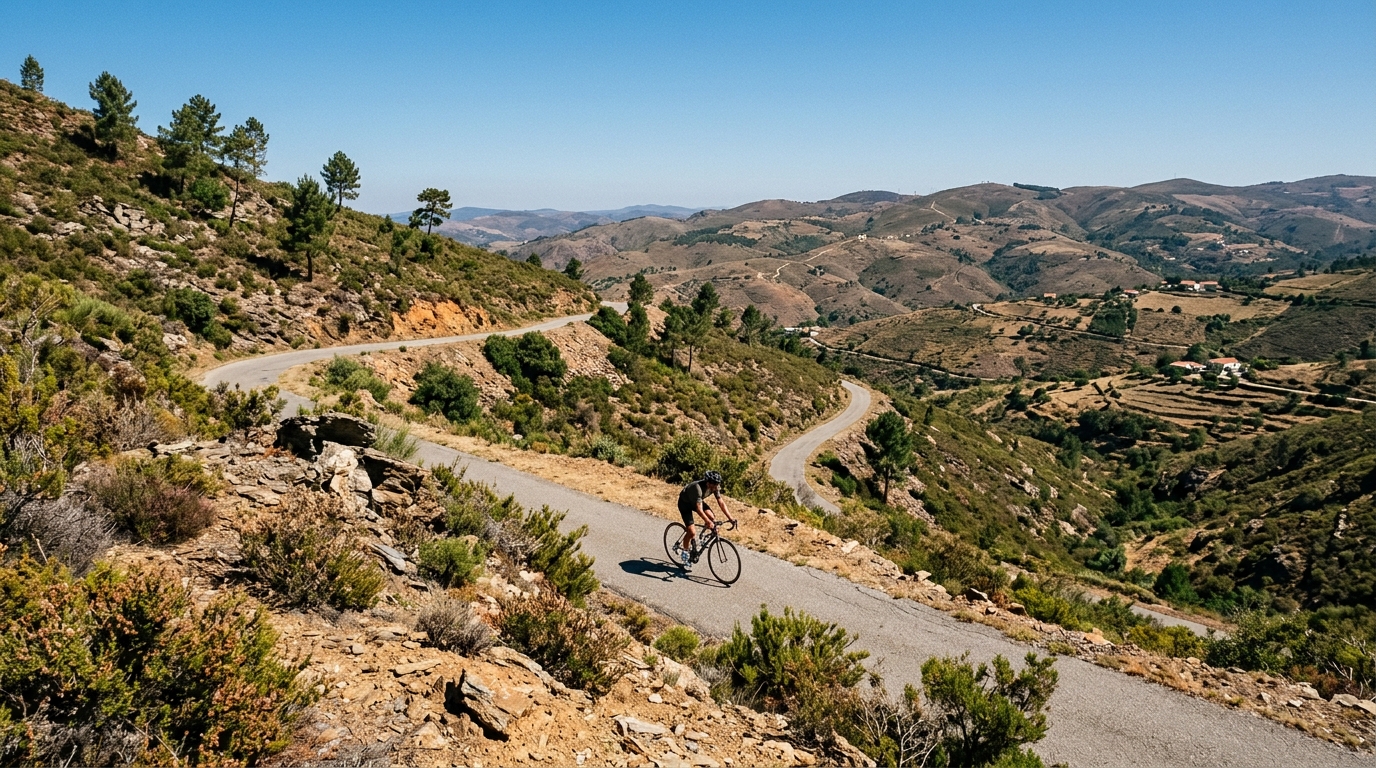 Alto de PinheiroCat 2PT · 4.3 km · 7.2% · 290 m223pts
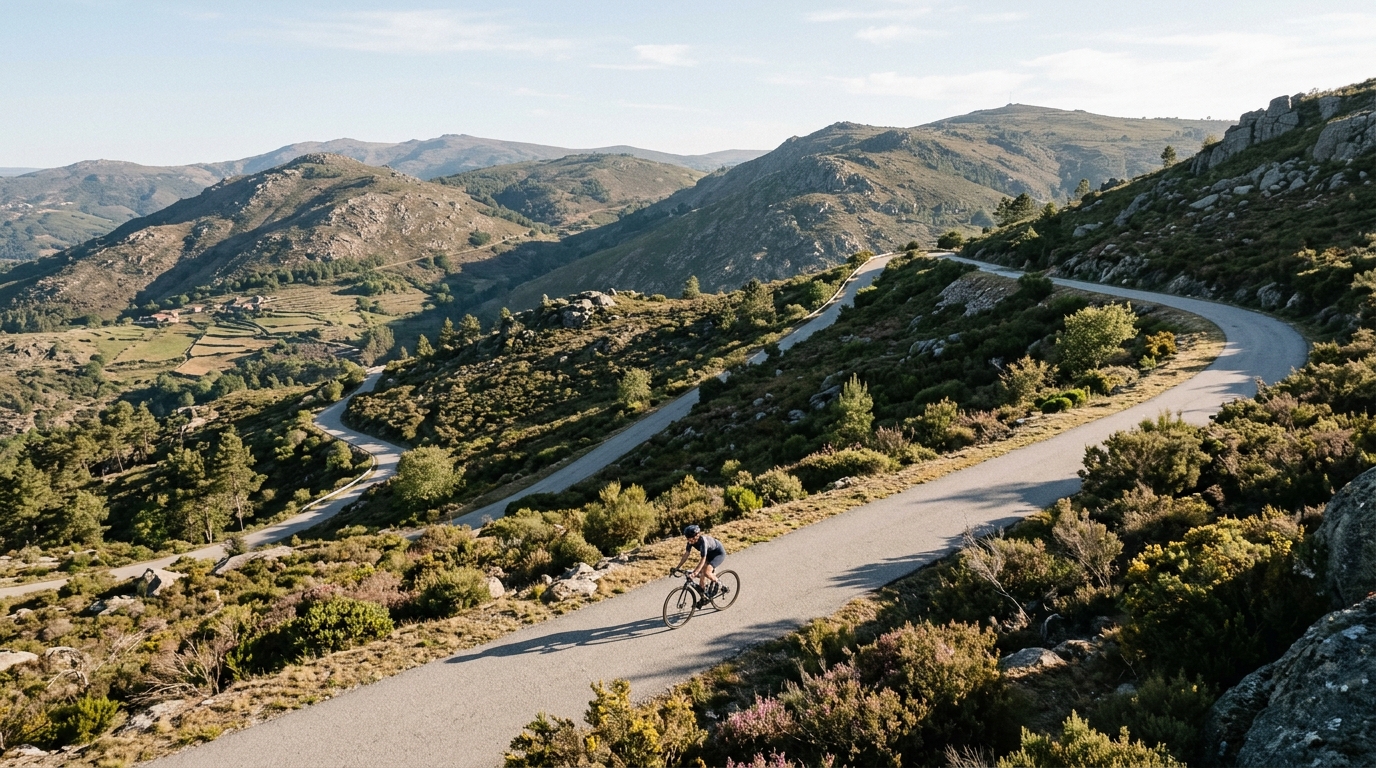 Alto de CeiasCat 2PT · 9.7 km · 4.8% · 453 m222pts
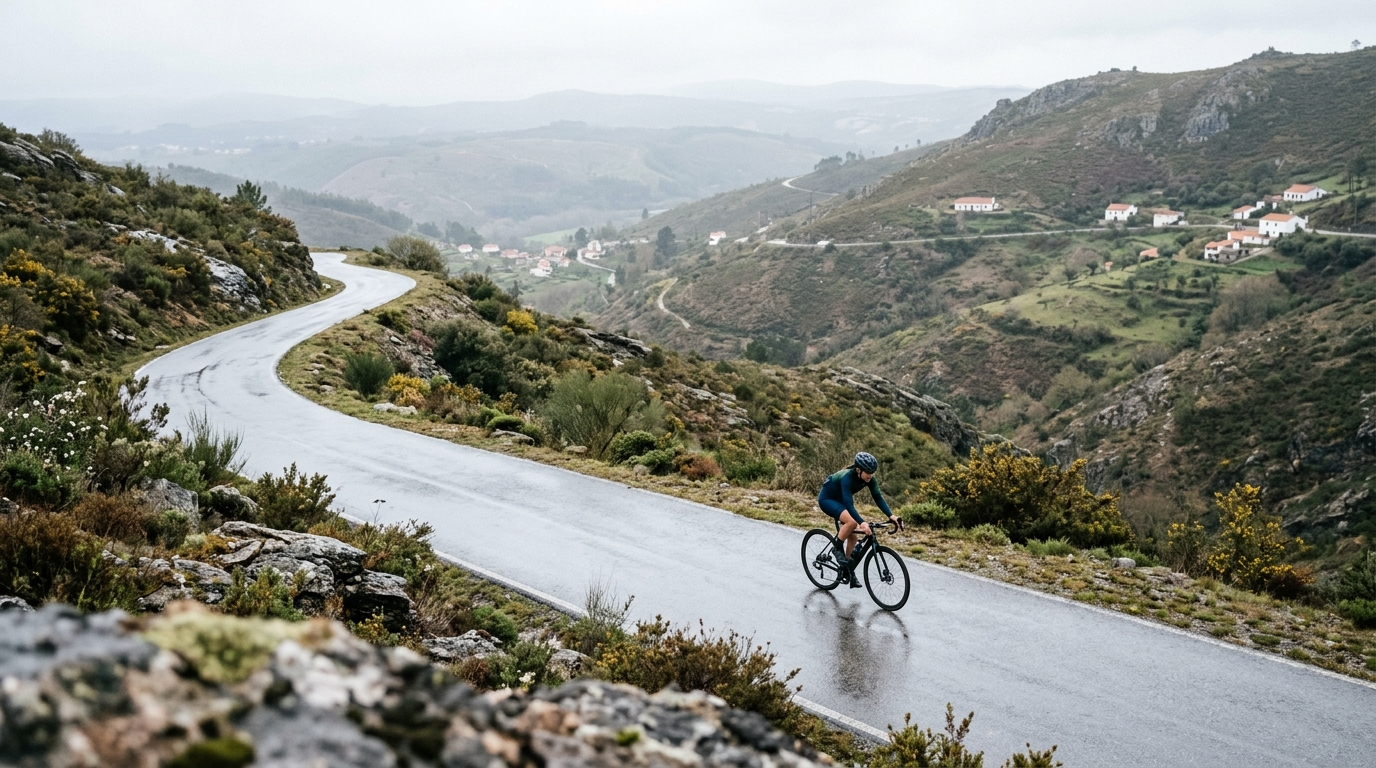 Alto de São JorgeCat 3PT · 10.8 km · 4.3% · 434 m198pts
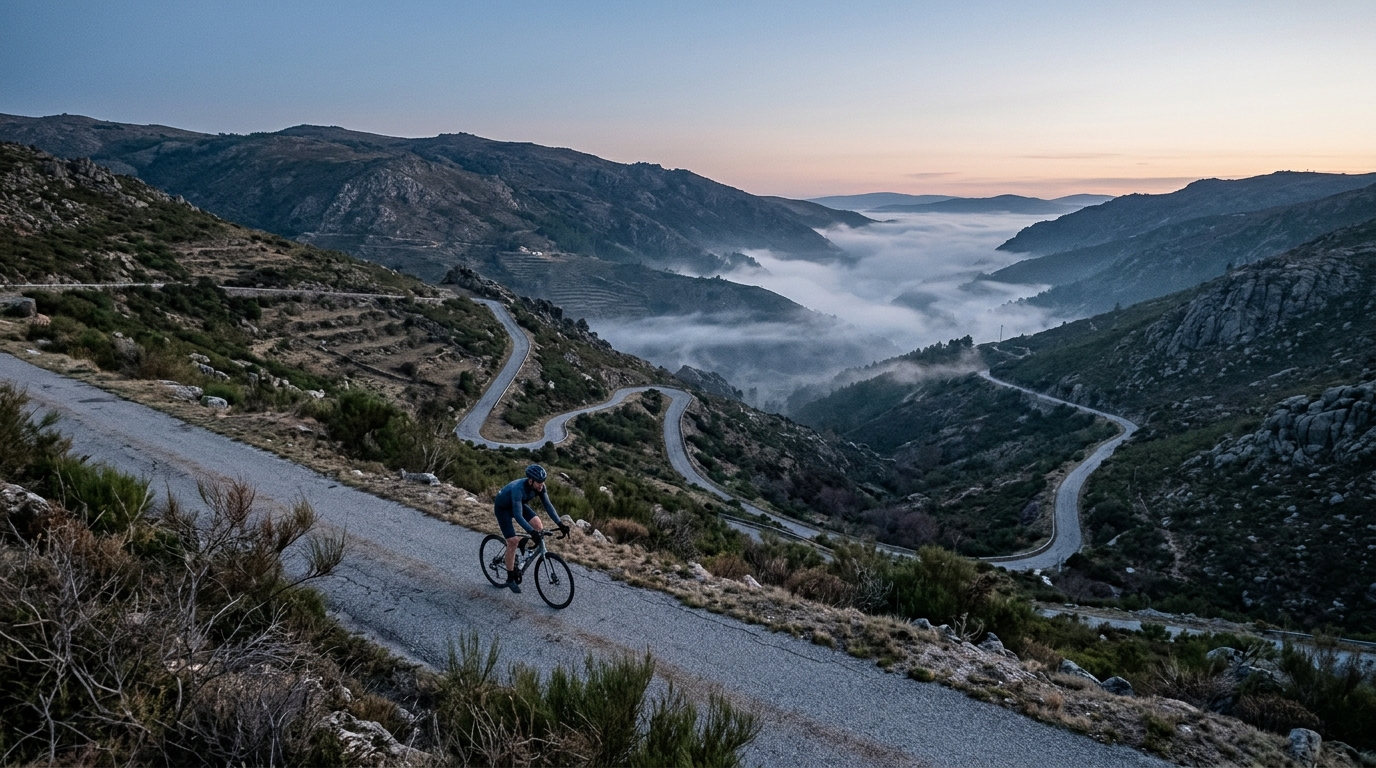 Alto de VairesCat 3PT · 13.3 km · 3.0% · 485 m122pts
 Alto de ChoupinhoCat 3PT · 9.4 km · 3.5% · 308 m112pts
 Alto de Vila VerdeCat 4PT · 6.7 km · 3.6% · 220 m85pts
The complete guide to climbing in Portugal
The Riding
Portugal rewards riders who like their climbing varied and honest. Across the country there are 14 catalogued climbs to chase, and they range from short, sharp efforts to long, sustained grinds that ask for patient pacing. Three of those ascents are rated hors catégorie, the toughest classification a climb can carry, so there is genuine high-end difficulty here for anyone building toward a real objective.
The numbers stay grounded. The highest summit on the list tops out at 1,234 m, which means this is not an oxygen-thin, alpine kind of country. Instead the challenge comes from gradient and length rather than altitude. You will spend your hardest moments fighting the pitch of the road and the accumulated fatigue of a long ascent, not gasping for air near a snow line. That makes Portugal approachable for a wide band of riders while still offering climbs serious enough to humble the strong.
Because the catalogue is compact, it is realistic to work through a meaningful share of it over a focused trip. You can mix a marquee hors-catégorie test with softer, category-graded ascents to build a balanced week rather than burying yourself on back-to-back monsters.
Standout Climbs
The three hors-catégorie ascents are the natural centrepieces of any climbing itinerary, and the wider catalogue gives them context.
Alto de Trevim and Alto de Miudeiros sit among the names most worth circling. Trevim in particular is a climb to respect, a long effort that rewards steady, measured pacing over early enthusiasm. Alto de Miudeiros pairs naturally with it as part of the same high country, giving you a second serious summit to link into a big day.
Encumeada is another standout, a demanding ascent that earns its place on the list and makes a strong headline objective in its own right.
Beyond the giants, the supporting cast keeps the riding interesting. Alto de Vila Lobos and Alto de Santa Cruz offer contrasting efforts to slot around the harder days, while Boca dos Namorados brings a distinctive climb worth seeking out. Alto de Ceias and Alto de Pinheiro round out the catalogued ascents, giving you shorter or more moderate options to recover on without abandoning the vertical entirely. Sequencing these lighter climbs between the hors-catégorie tests is the key to riding well across several days rather than fading after the first summit.
When to Ride
With a high point of only 1,234 m, Portugal's climbs do not depend on a narrow alpine window, and that flexibility is one of the country's quiet advantages. The lower ceiling means the summits are far less likely to be closed off by deep snow than higher ranges elsewhere, so the riding calendar opens wider.
The sensible approach is to favour the milder shoulder periods and avoid the harshest heat. On the hardest climbs, especially the three hors-catégorie ascents and the long haul up Alto de Trevim, sustained effort in high temperatures is the fastest route to a ruined day. Cooler air lets you hold a stronger, steadier tempo on the sustained pitches. Aim for comfortable conditions, start early on the big climbs, and you give yourself the best chance of riding the catalogue as it deserves to be ridden.
Practical Notes
Plan around the catalogue's shape. Fourteen climbs is a finite, knowable list, so you can build an itinerary that front-loads or spaces out the three hors-catégorie efforts rather than stumbling onto them unprepared. Treat Encumeada, Alto de Trevim and the other headline ascents as anchor days, and use climbs like Alto de Ceias, Alto de Pinheiro or Alto de Santa Cruz as the connective tissue between them.
Bring gearing that respects gradient rather than altitude. Since the difficulty here is about pitch and duration, a climbing-friendly cassette will do more for you than any concern about thin air. Carry enough water and food for the longer ascents, where the sustained nature of the effort means you are exposed for a while before you crest. And because the hardest climbs punish overreaching, ride the early slopes conservatively and save something for the upper sections.
Summary
Portugal offers a tight, rewarding set of 14 catalogued climbs headlined by three hors-catégorie ascents and topping out at a manageable 1,234 m. The challenge lives in gradient and length rather than altitude, with names like Alto de Trevim, Alto de Miudeiros, Encumeada and Boca dos Namorados anchoring a varied catalogue. Pace the hard days, ride in cooler conditions, and this is a country that gives serious climbers plenty to chase without demanding an alpine skill set.
Looking for full rides in Portugal?
Routes in Portugal