Climb library · Poland
Cycling climbs in Poland
Poland rewards riders who prefer their climbing without crowds. With four catalogued ascents and a high point of 1287 metres, this is a country of approachable, honest gradients rather than punishing extremes — none of the climbs here reach hors catégorie. That makes Poland an inviting destination for cyclists who want the rhythm of a sustained pass without the fear of the numbers, all set against forested hills and quiet border roads.
The marquee efforts trace a route across the country's varied uplands. Karkonosze Pass and Jugowska Pass anchor the west with their wooded, rolling character, while Kubalonka Pass draws riders toward the southern highlands. Further along, Dukla Pass offers a steady, scenic haul that rounds out the catalogue. Together these four climbs give Poland a distinct identity: measured, welcoming, and made for the rider who savours the ascent as much as the summit.
Signature climbs of Poland
All climbs in Poland
34 climbs
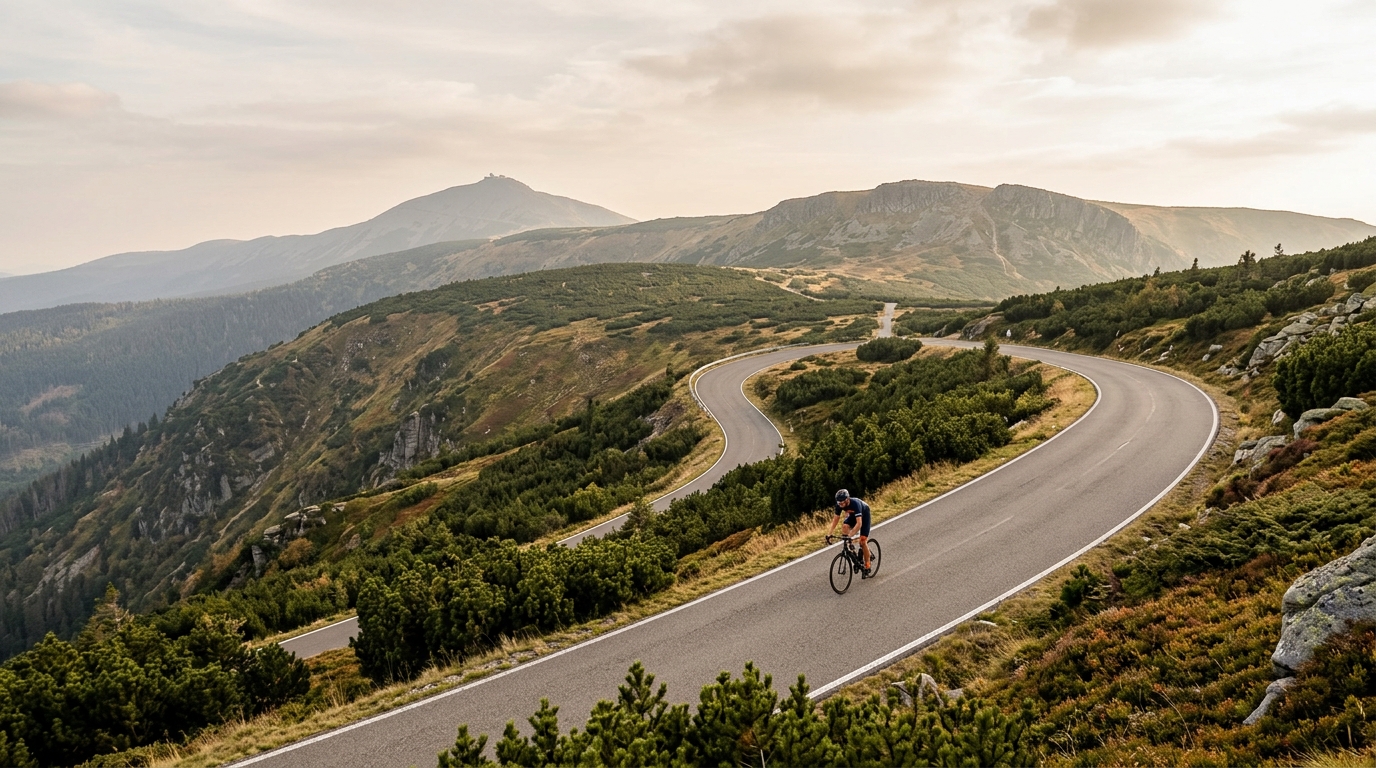
- Karkonosze PassCat 1PL · 17.1 km · 5.5% · 929 m520pts
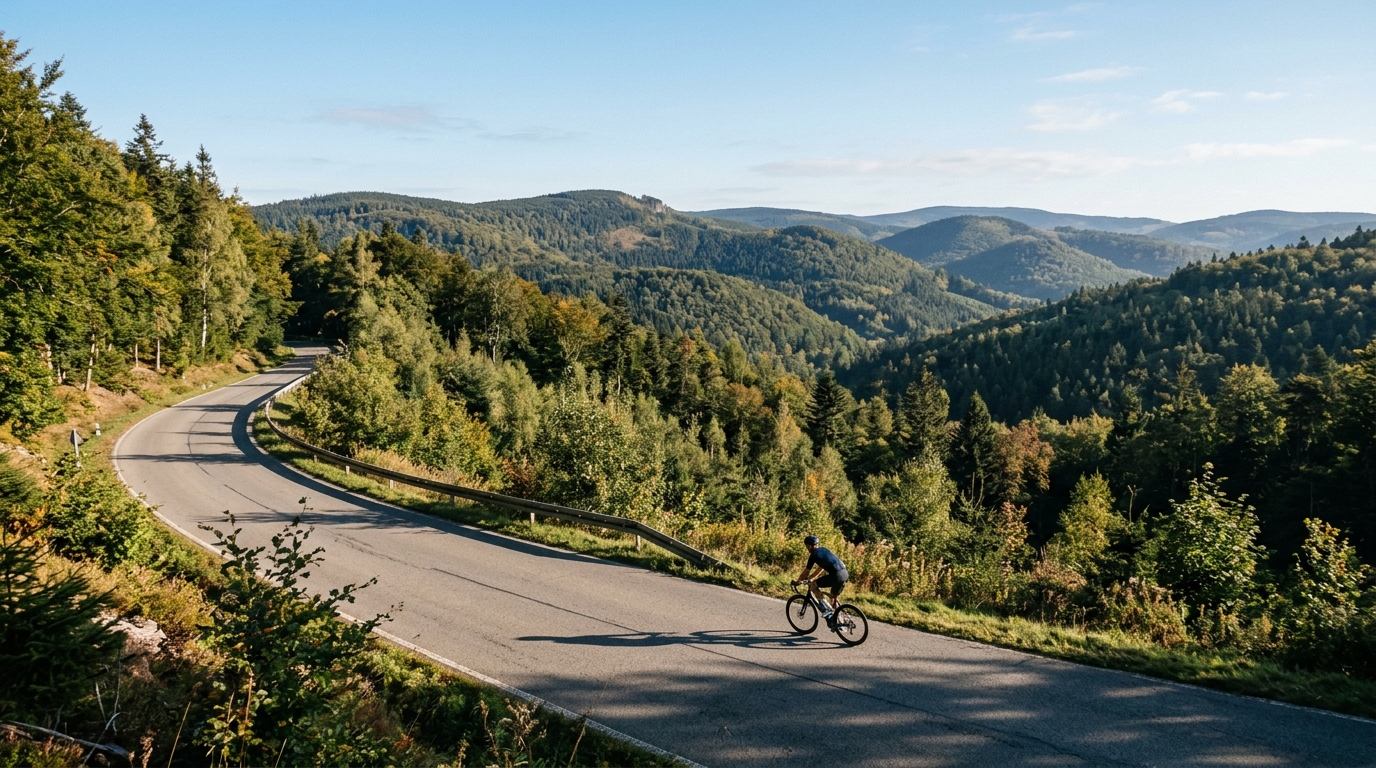 Jugowska PassCat 2PL · 8.6 km · 5.5% · 455 m256pts
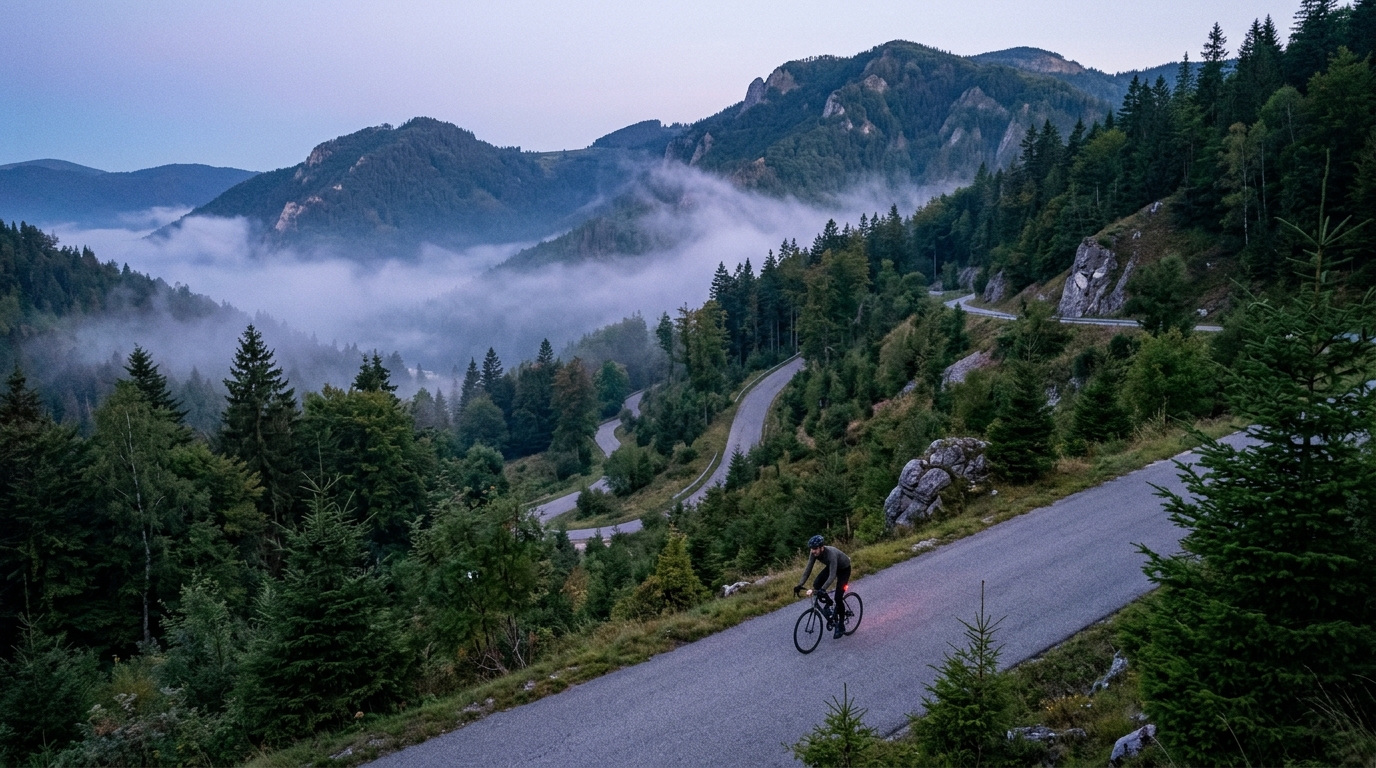 BránaCat 2PL · 23.0 km · 4.0% · 938 m365pts
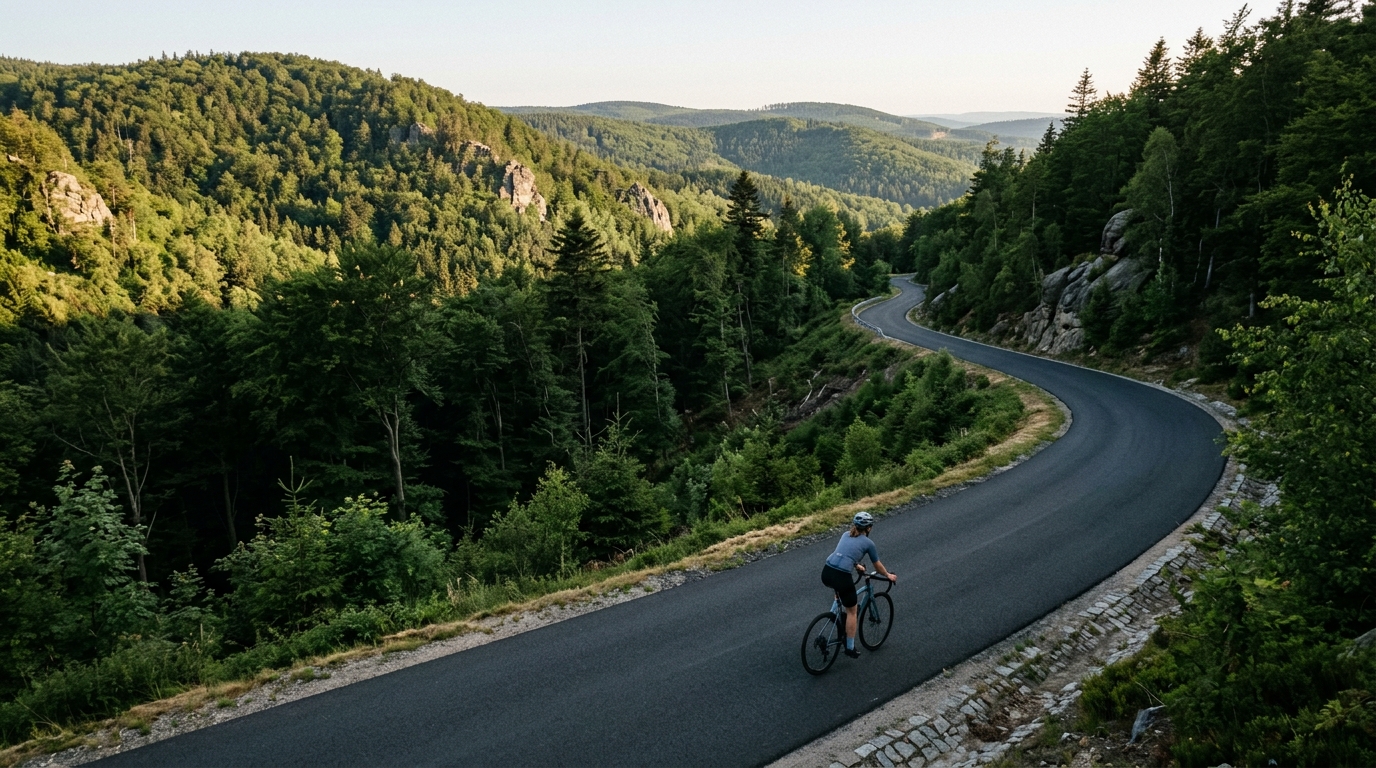 Przełęcz WoliborskaCat 2PL · 5.4 km · 6.3% · 317 m212pts
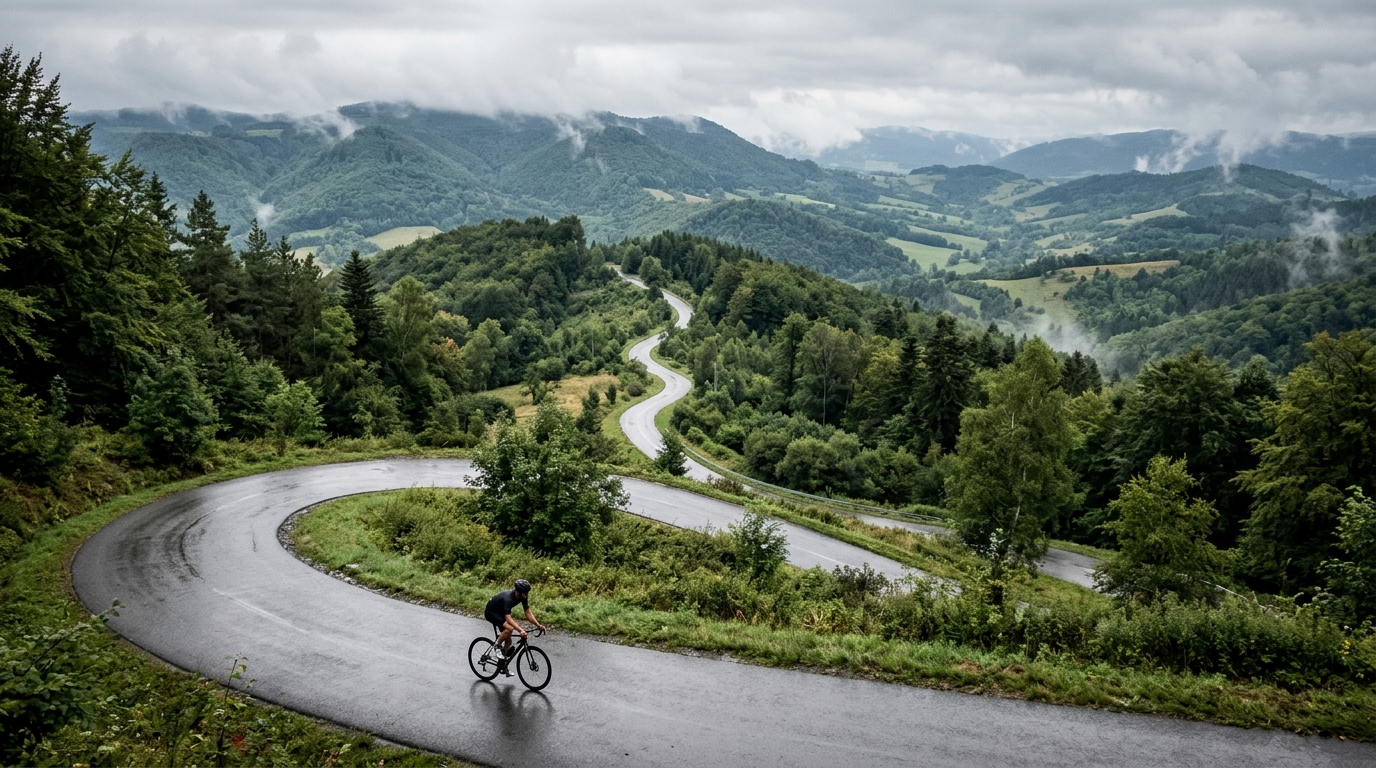 Dukla PassCat 4PL · 2.8 km · 5.8% · 141 m96pts
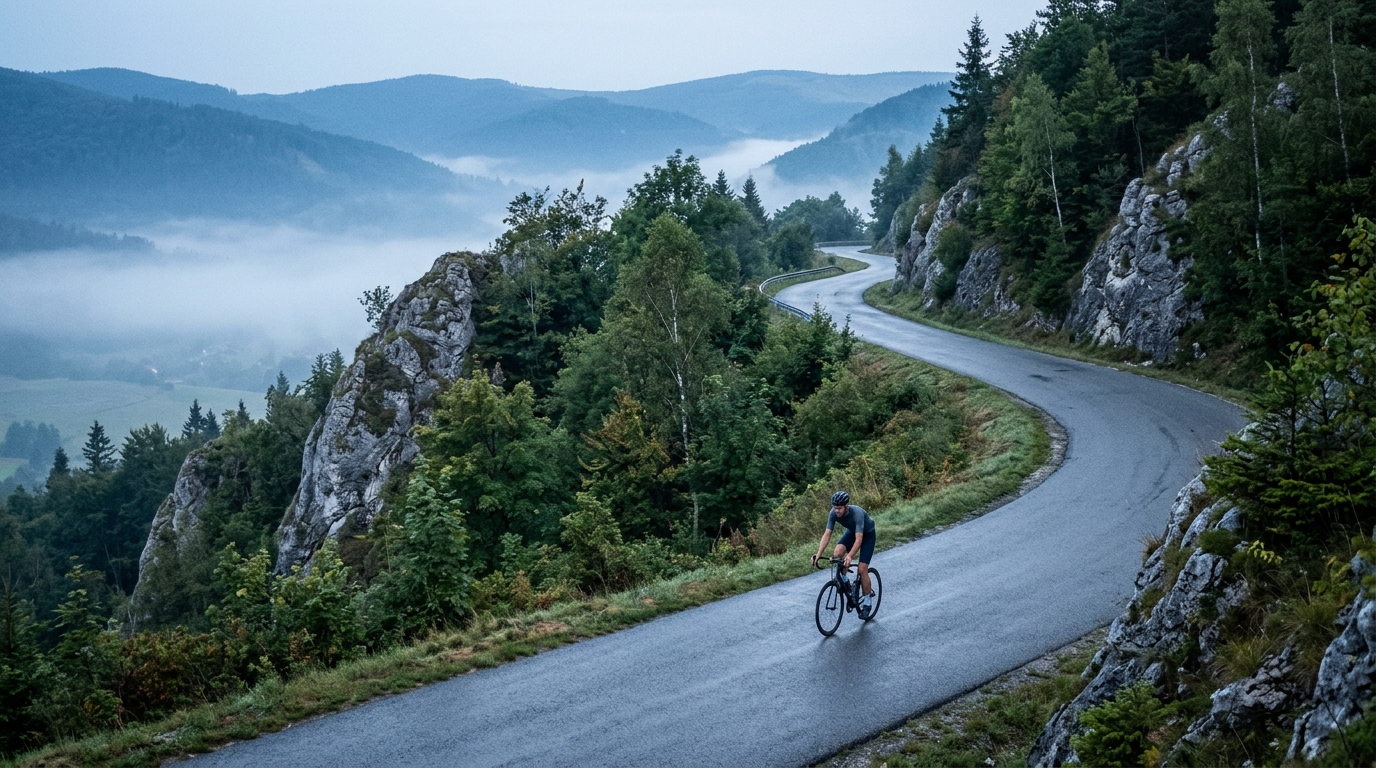 Długa PrzełęczCat 1PL · 14.4 km · 5.7% · 809 m465pts
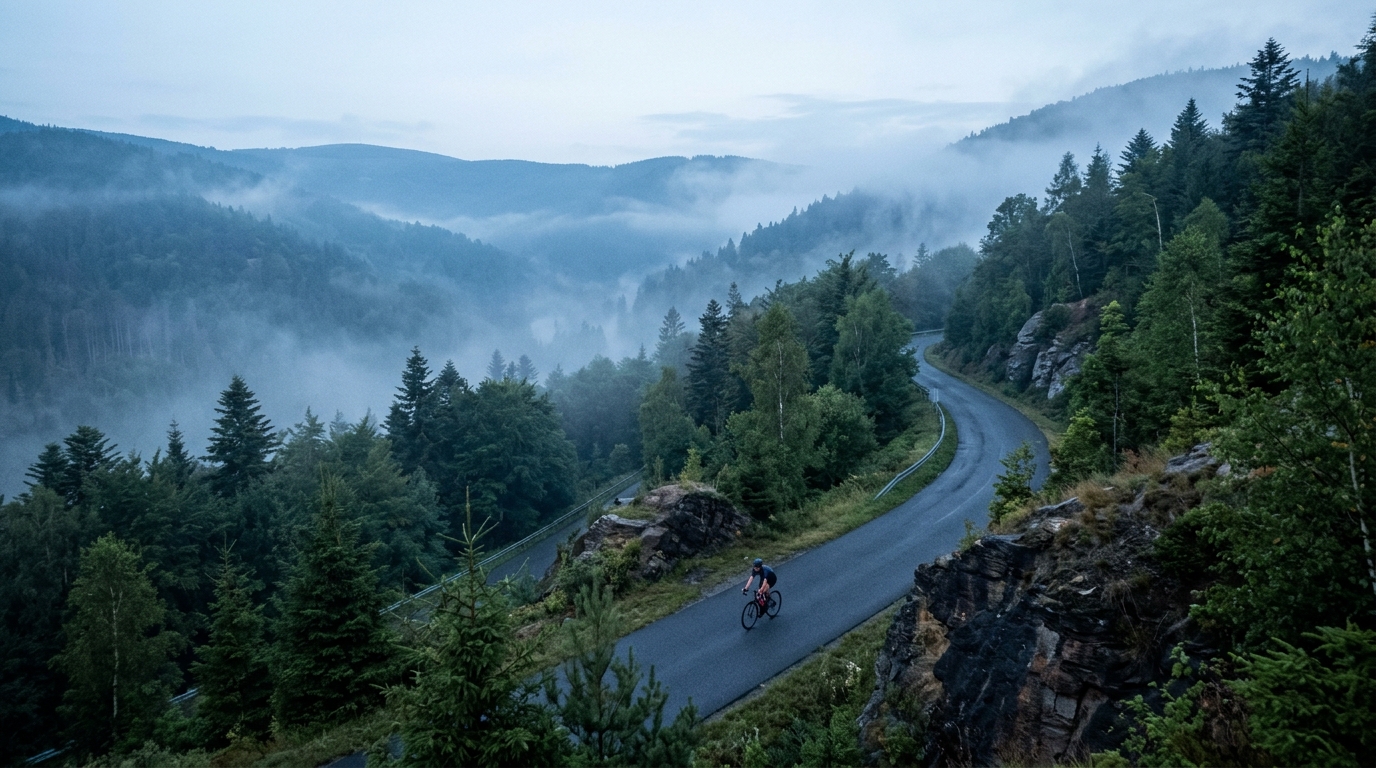 Przełęcz PawlusiaCat 1PL · 14.2 km · 5.5% · 755 m430pts
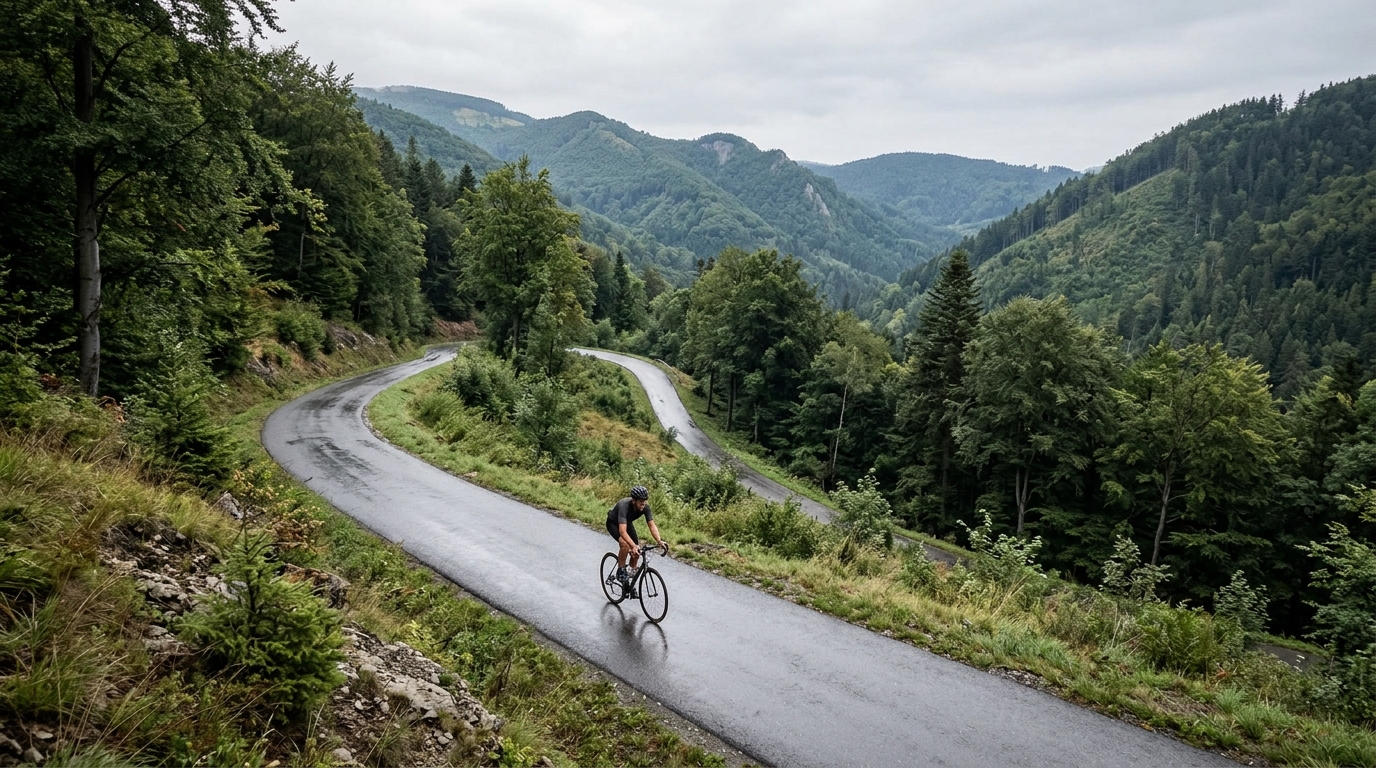 Kucałowa PrzełęczCat 1PL · 14.7 km · 5.2% · 754 m400pts
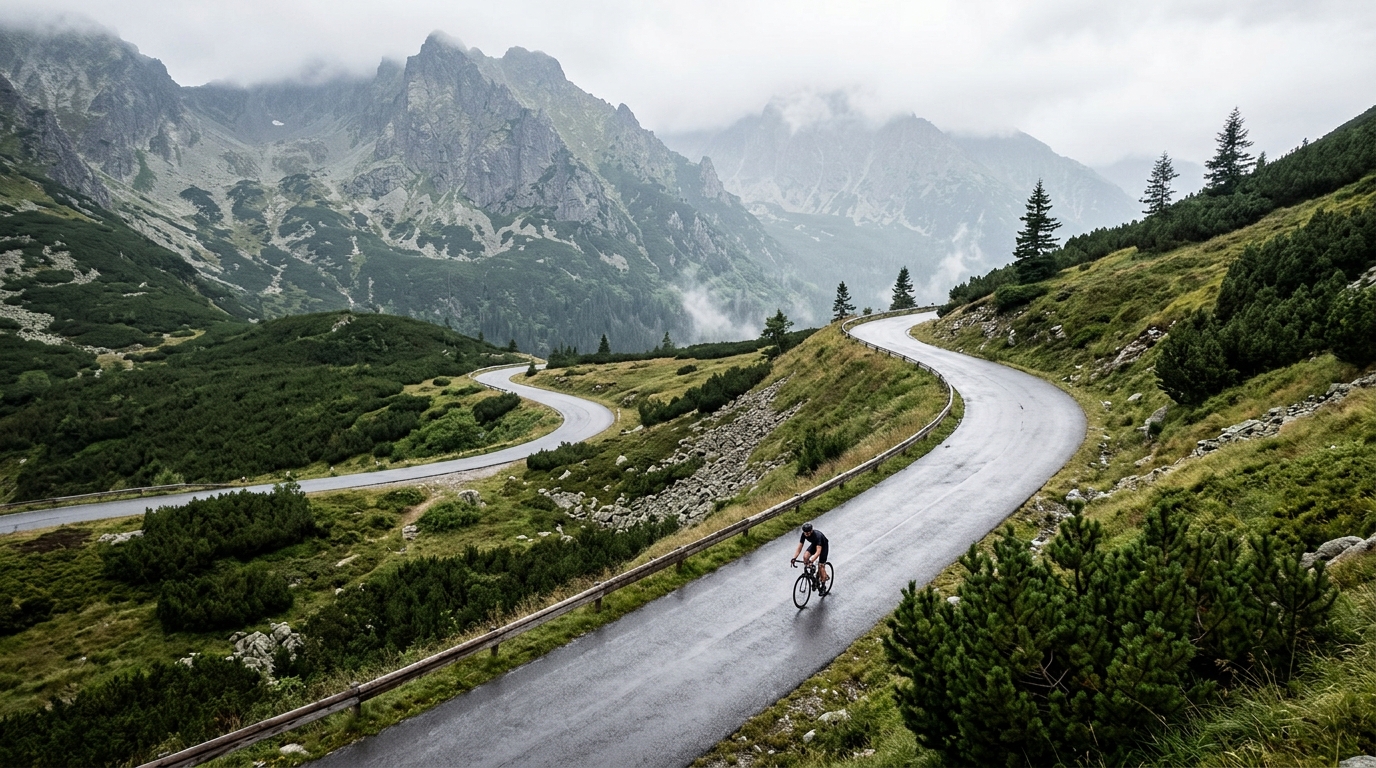 Dudowa PrzełęczCat 1PL · 21.1 km · 6.0% · 1182 m754pts
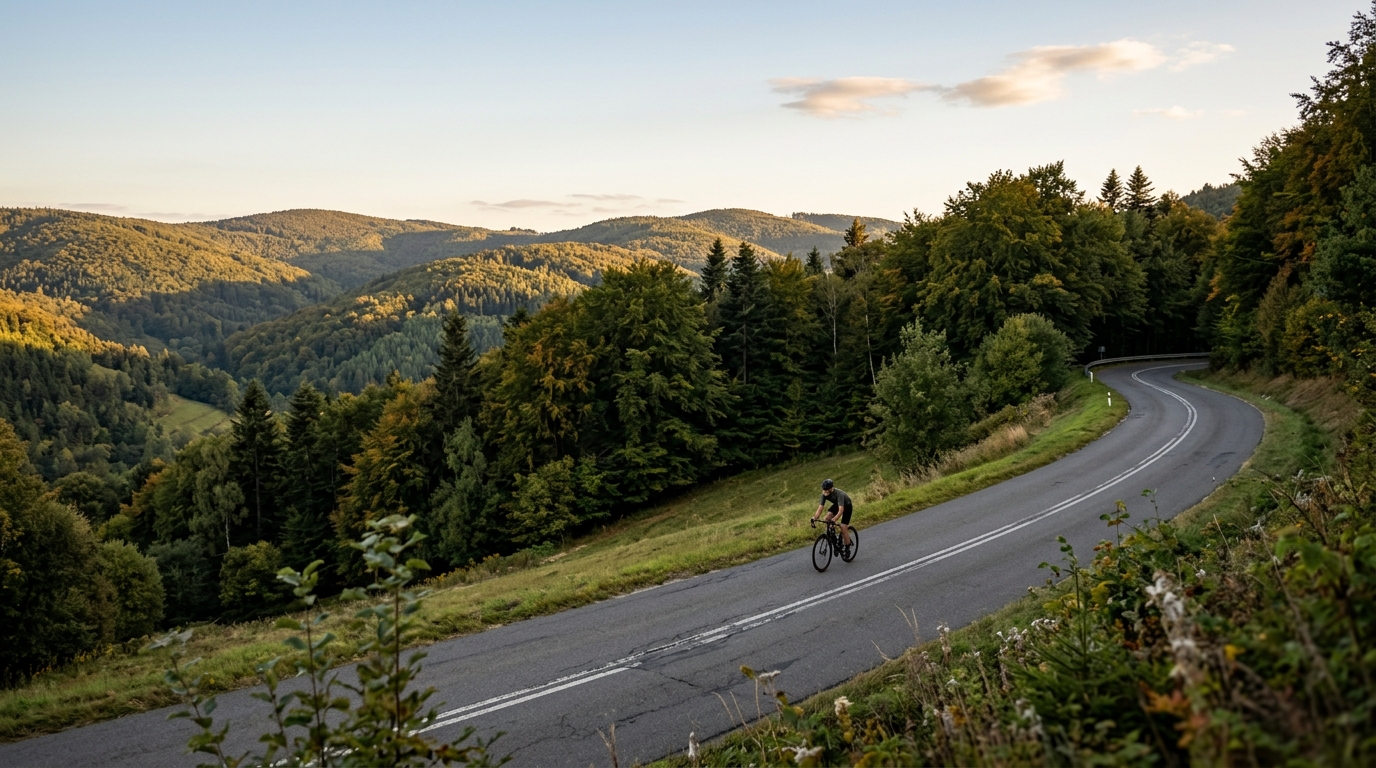 Kubalonka PassCat 3PL · 8.2 km · 4.0% · 317 m132pts
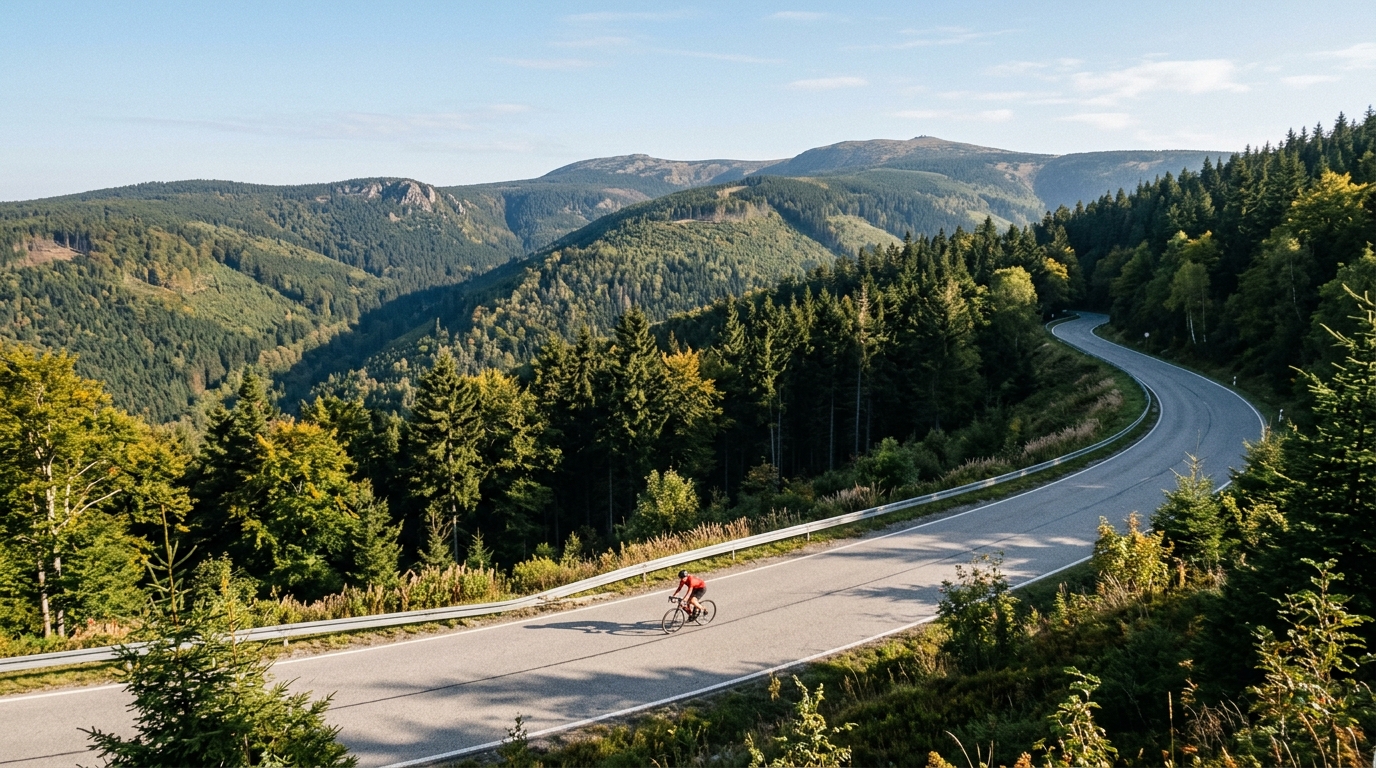 Kowarska mountain passCat 3PL · 5.2 km · 5.2% · 255 m142pts
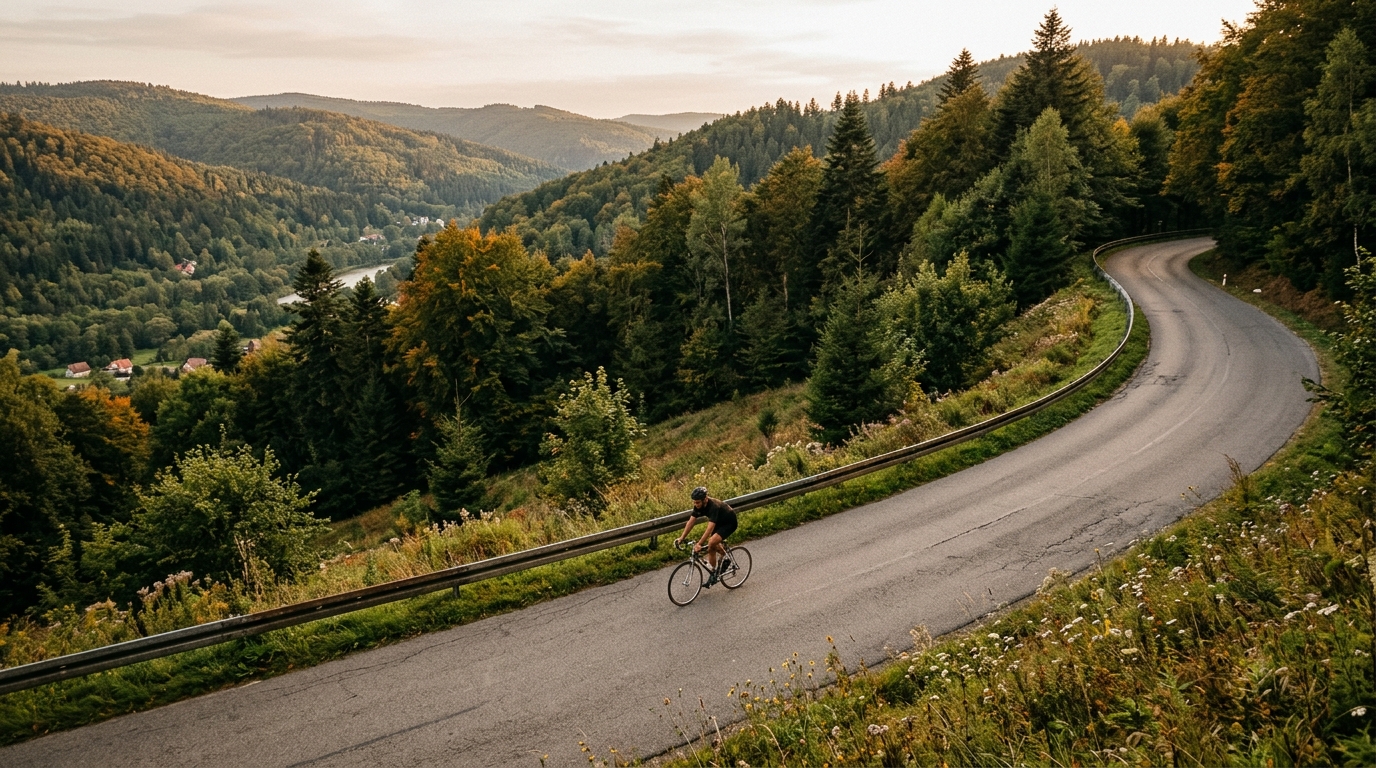 Szarcula PassCat 3PL · 8.2 km · 3.9% · 309 m123pts
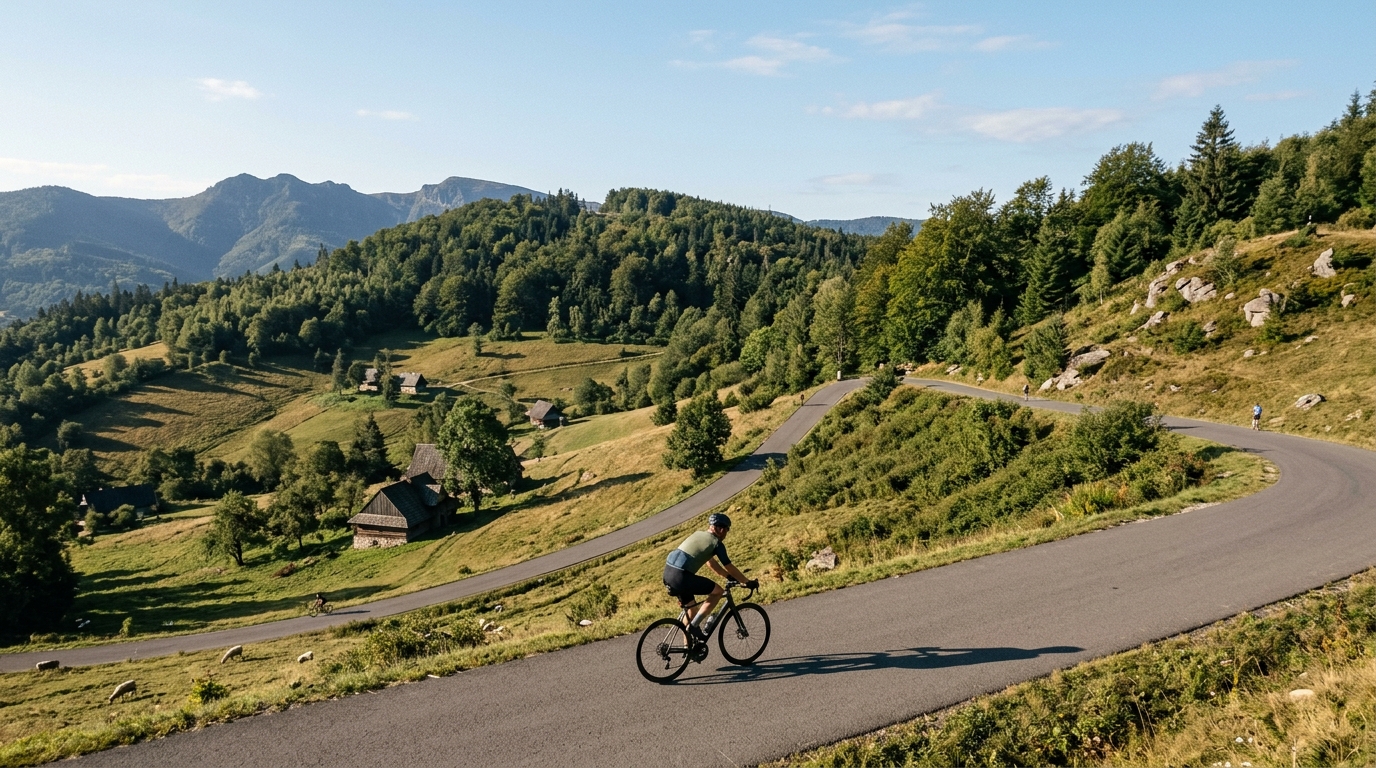 Przełęcz ZakocierskaCat 2PL · 6.6 km · 7.2% · 462 m348pts
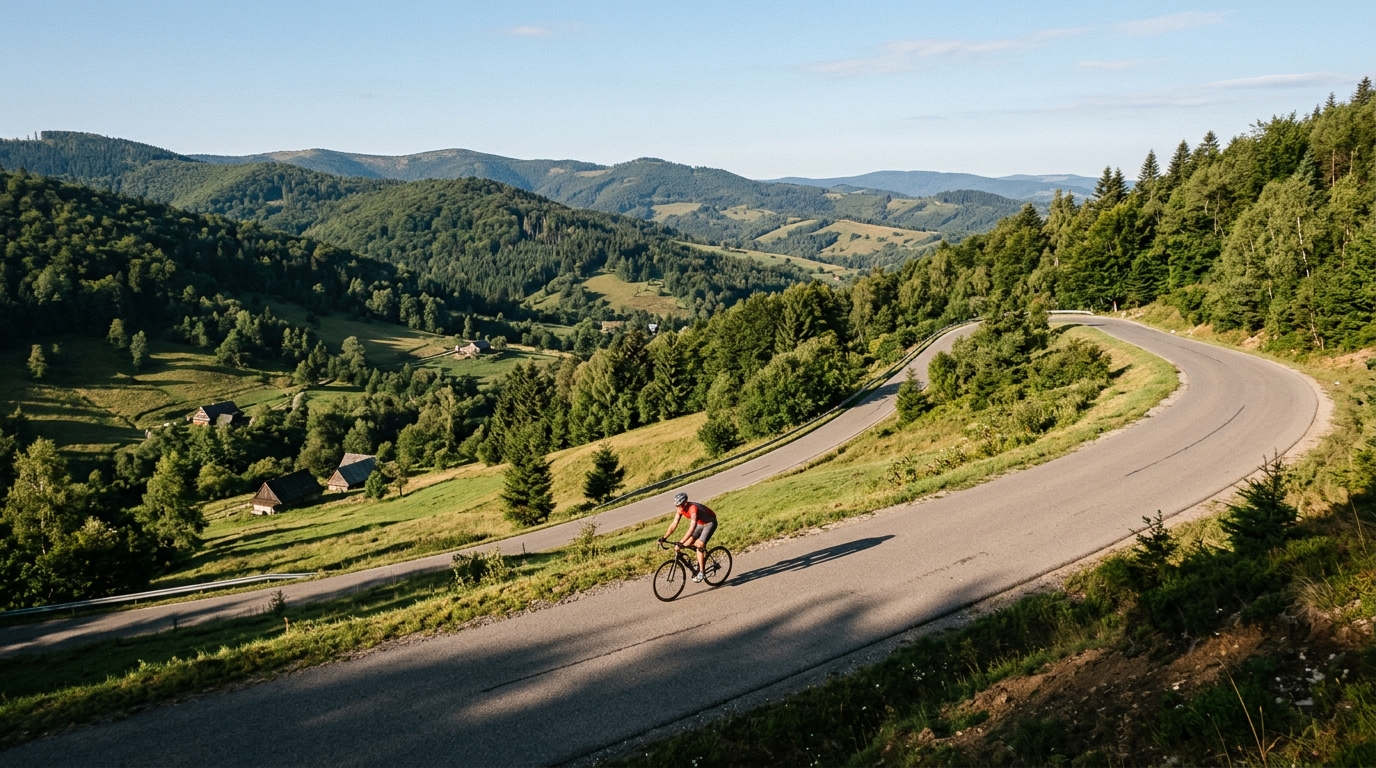 Przełęcz KnurowskaCat 2PL · 21.9 km · 4.0% · 899 m346pts
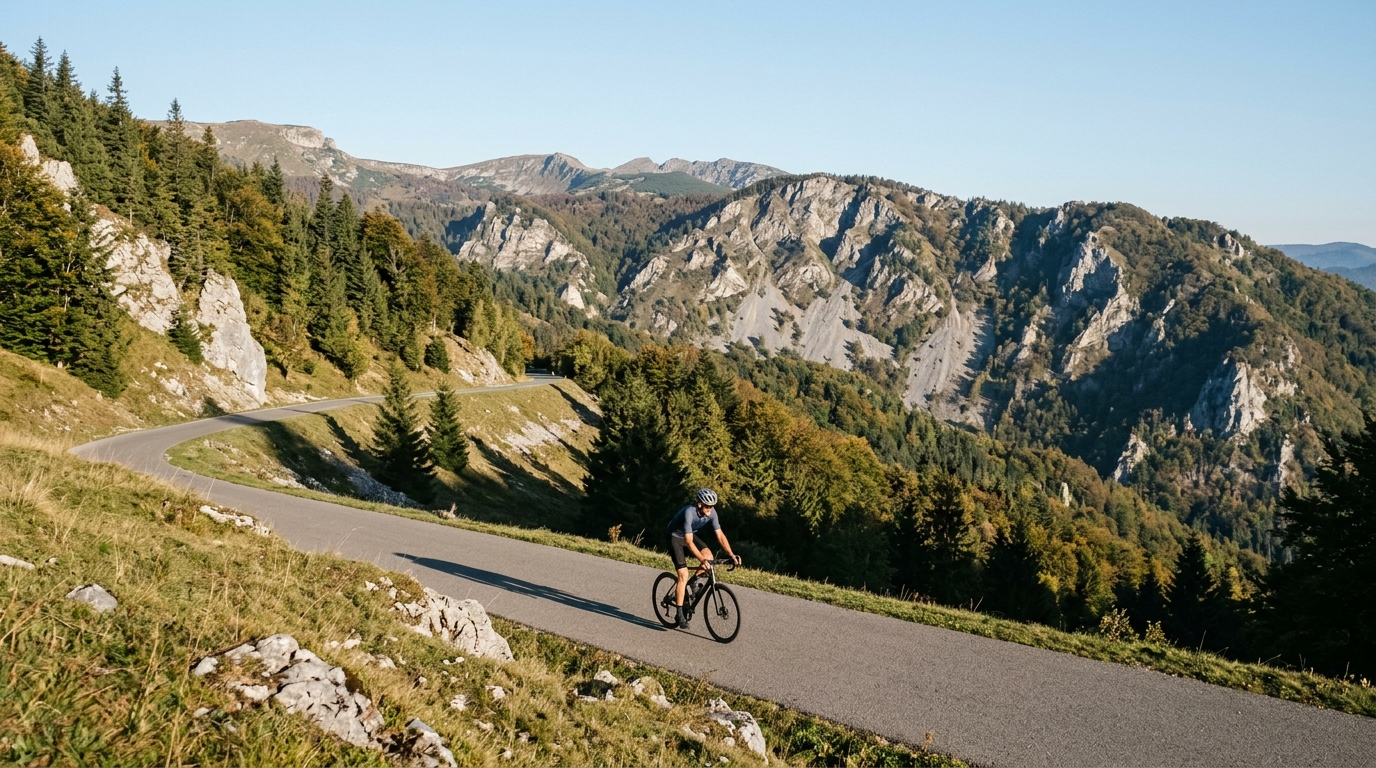 DiabełekCat 2PL · 13.9 km · 5.0% · 664 m343pts
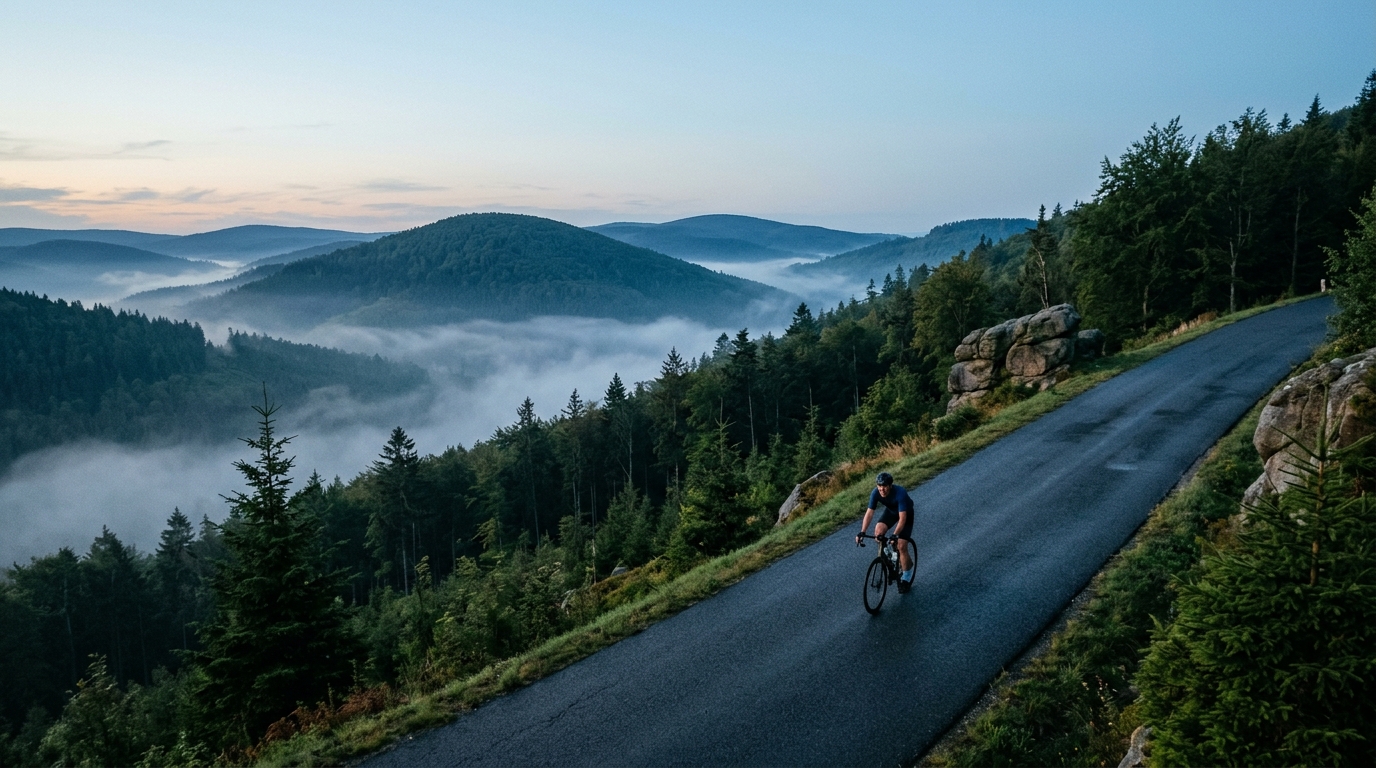 Bielawska PolanaCat 2PL · 6.3 km · 7.4% · 436 m339pts
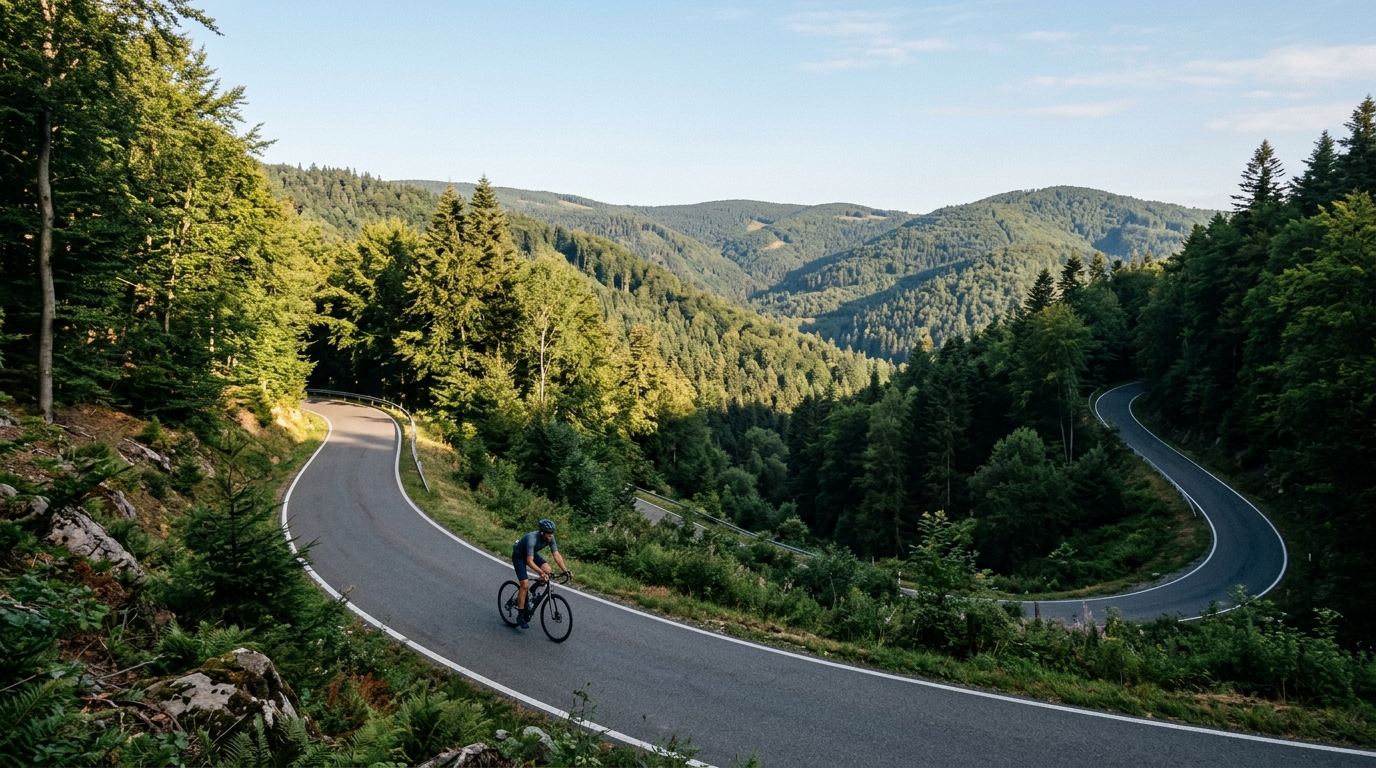 Przełęcz KocierskaCat 2PL · 3.7 km · 7.5% · 259 m209pts
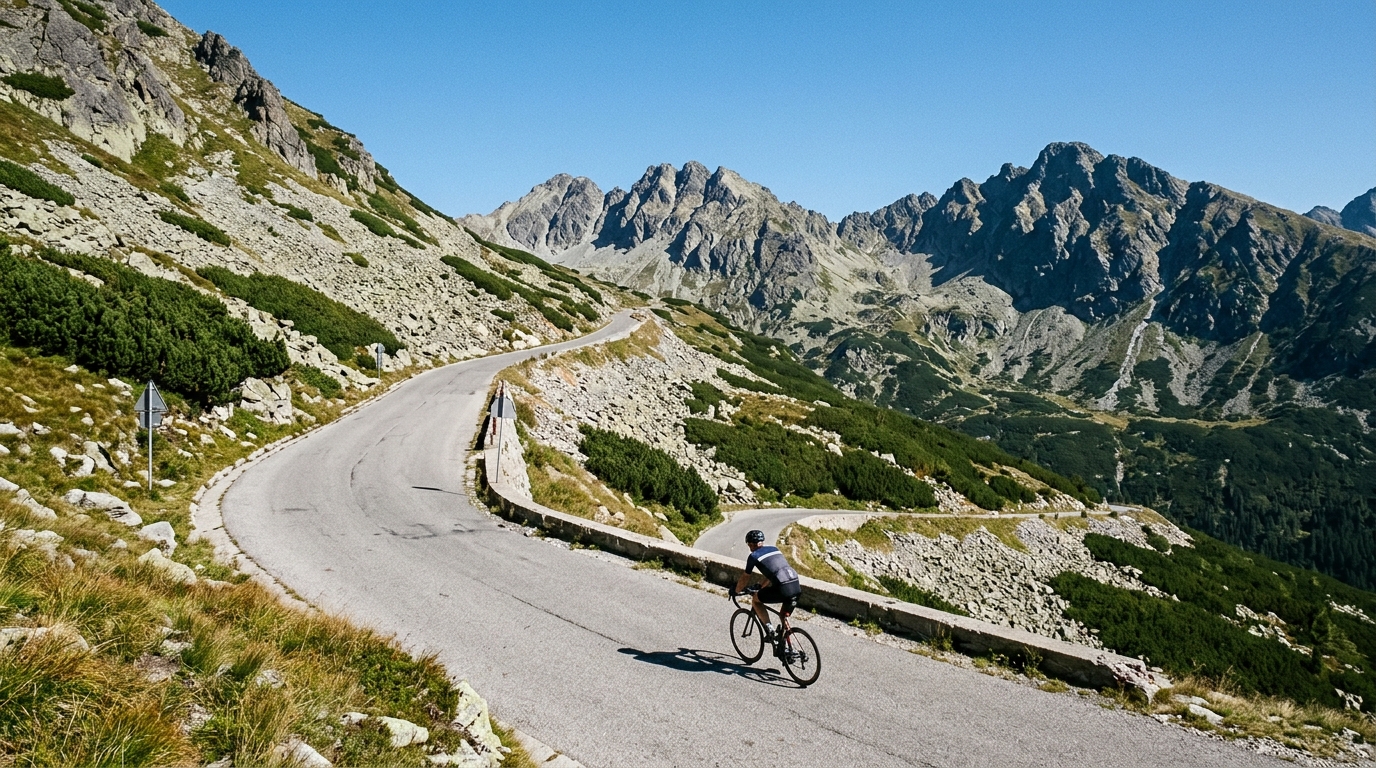 Pańszczycka Przełączka WyżniaCat 2PL · 14.2 km · 5.2% · 721 m387pts
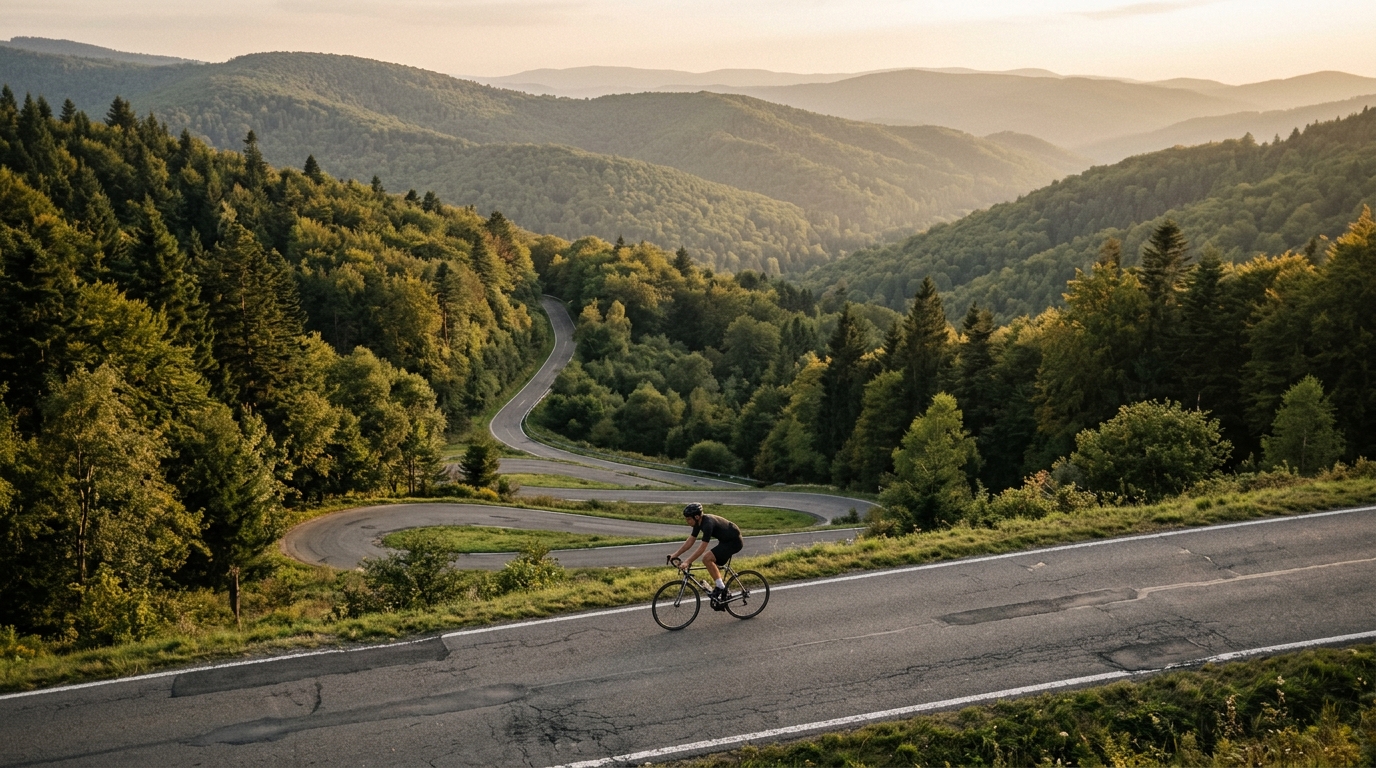 Przełęcz NasiczniańskaCat 2PL · 19.7 km · 4.3% · 848 m368pts
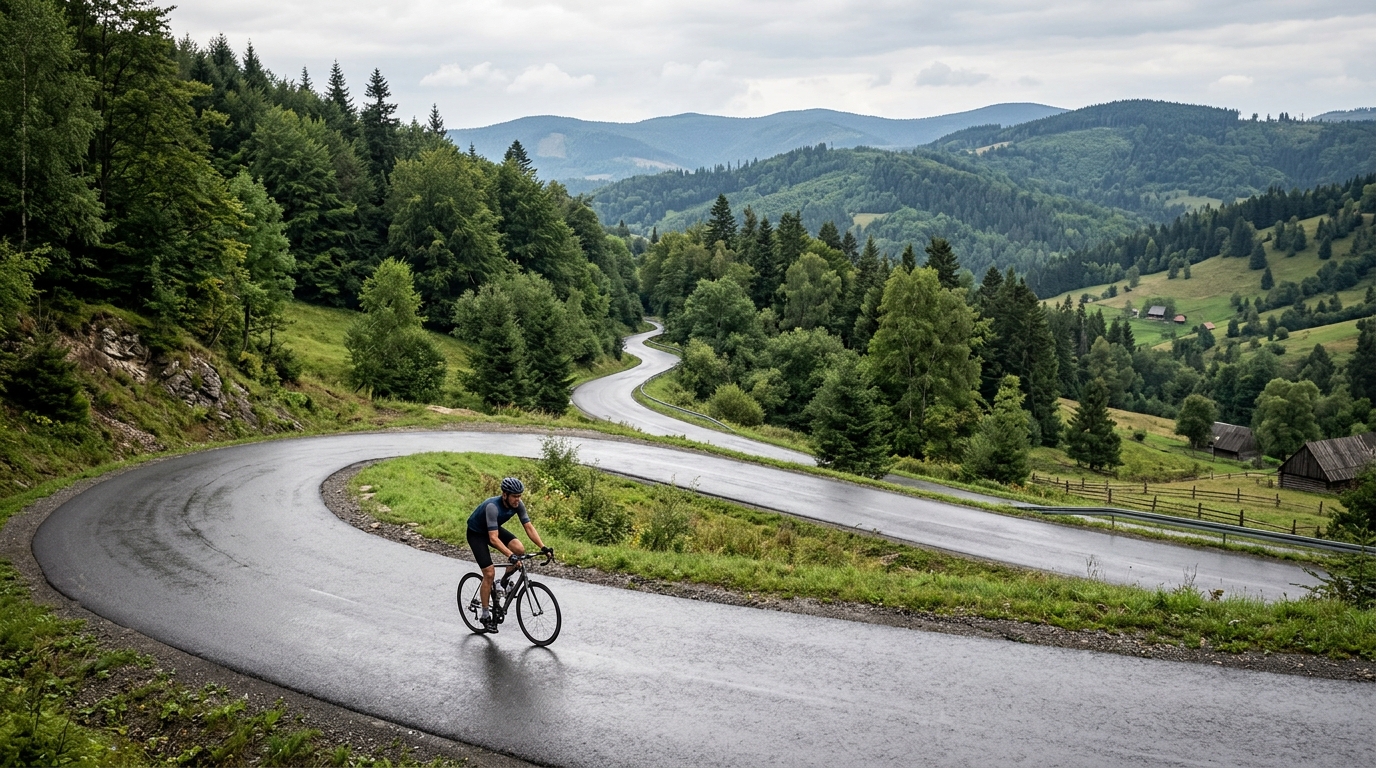 Pańska PrzechybkaCat 2PL · 21.8 km · 4.0% · 896 m348pts
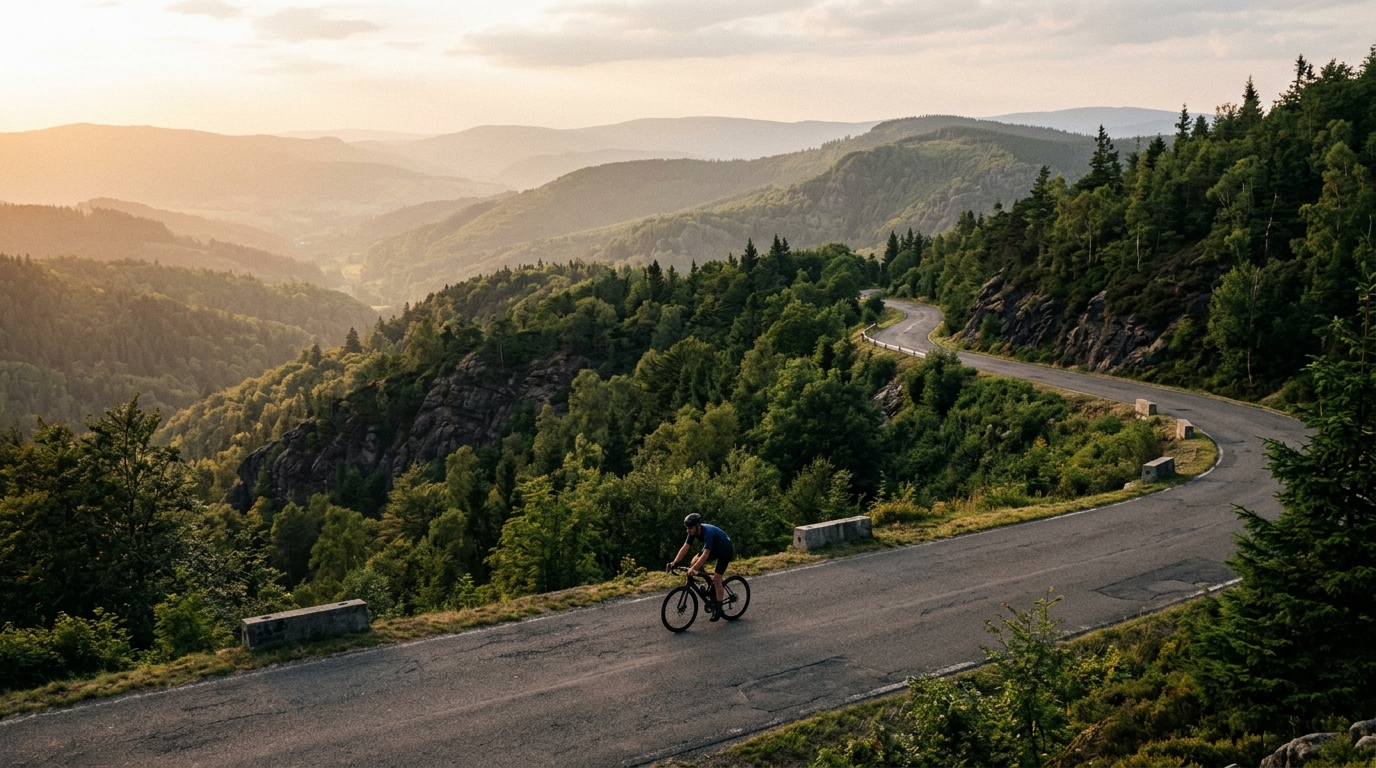 Przełęcz SrebrzystaCat 2PL · 15.6 km · 4.5% · 675 m315pts
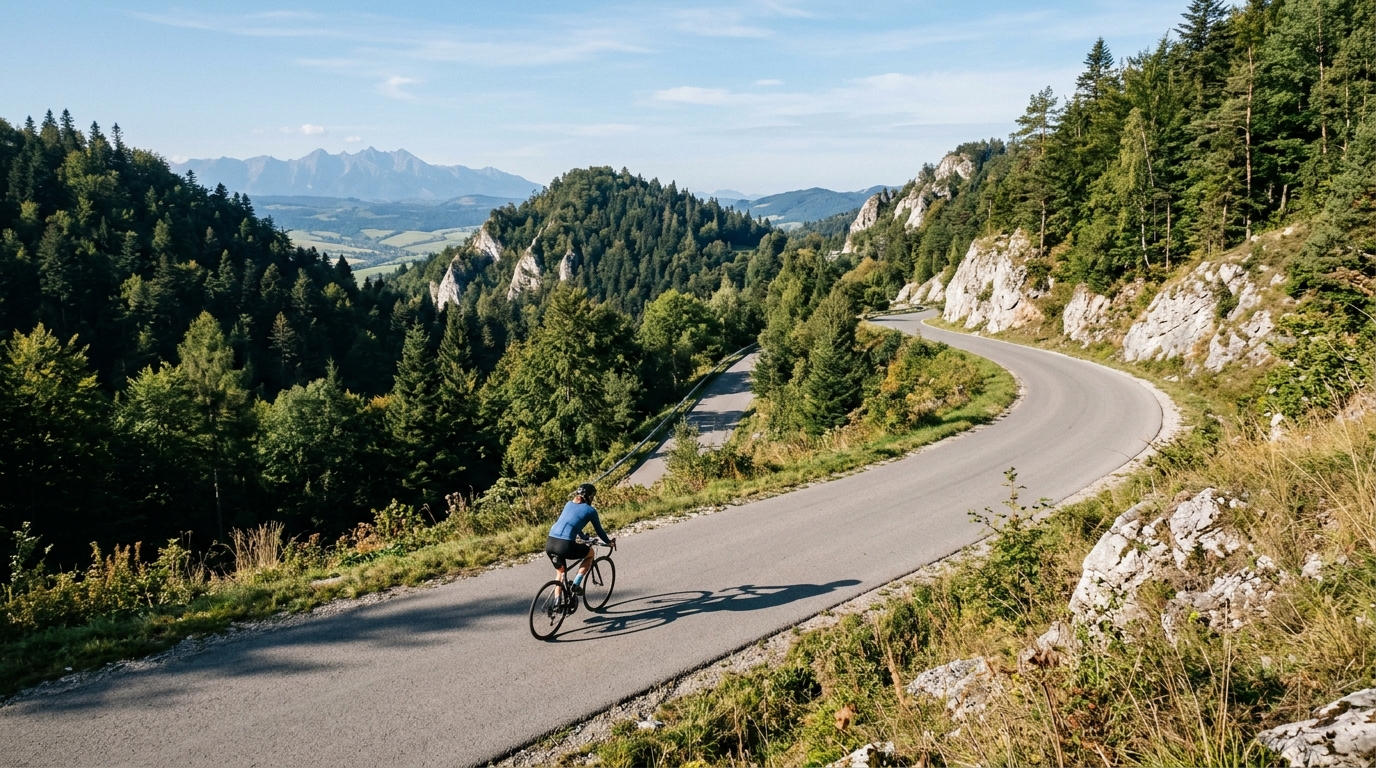 Przełęcz nad SzyjąCat 2PL · 8.8 km · 5.0% · 420 m222pts
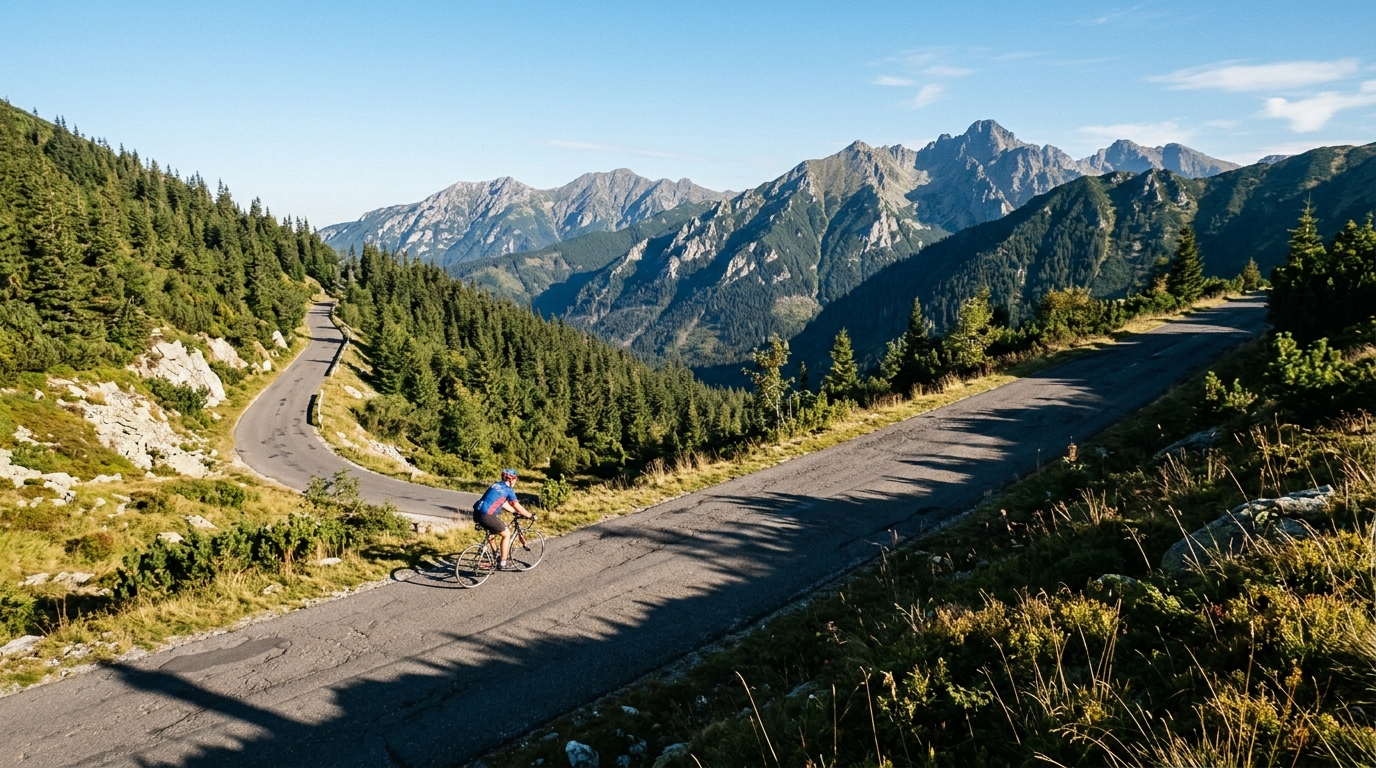 PośrednieCat 2PL · 13.7 km · 4.0% · 533 m221pts
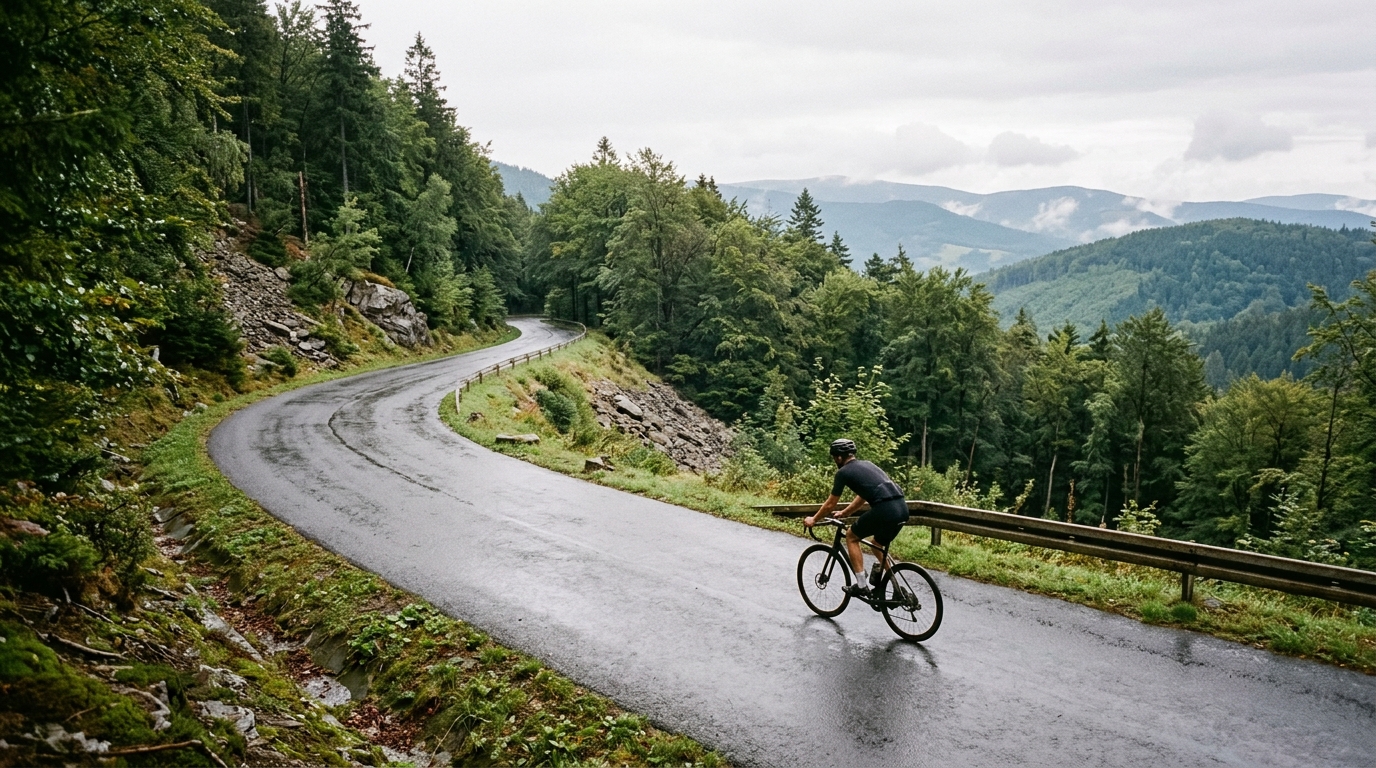 Przełęcz KrowiarkiCat 3PL · 12.4 km · 3.8% · 463 m182pts
The complete guide to climbing in Poland
The Riding
Poland is not a country of relentless vertical, and that is precisely what makes its climbs approachable. The catalogue here holds four climbs, none of them rated hors catégorie, with the highest summit reaching 1287 metres. For riders used to thinking of climbing as a punishing endeavour, Poland offers a gentler proposition: ascents that reward steady rhythm and patience rather than raw suffering.
The character of the riding is defined by moderate altitude and manageable gradients. With the loftiest point sitting at 1287 metres, you are never climbing into thin, oxygen-starved air, and the passes tend to unfold over sustained but civil slopes rather than brutal ramps. This is terrain that suits the endurance rider, the tourer, and anyone who prefers to arrive at a summit with something left in the legs. The absence of any hors catégorie climb tells its own story: these are challenges you can plan a full day around without dread.
What Poland lacks in savage steepness it makes up for in variety of setting. The four catalogued climbs are spread across the country's upland fringes, and each carries its own texture. Expect long approaches, rolling lead-ins, and the kind of ascents where the effort accumulates gradually rather than arriving all at once.
Standout Climbs
The four climbs worth knowing are the Karkonosze Pass, the Jugowska Pass, the Kubalonka Pass, and the Dukla Pass. Together they form the backbone of climbing in Poland.
The Karkonosze Pass is the marquee ascent, associated with the highest reaches in the catalogue and the closest thing here to a genuine mountain crossing. The Jugowska Pass offers a quieter, more measured climb, the sort of ascent that rewards a rider settling into a sustainable tempo. The Kubalonka Pass carries a reputation as an accessible upland crossing, a climb that suits riders building toward longer days in the saddle. And the Dukla Pass rounds out the set as a classic through-route, a saddle that has long served as a natural corridor and lends itself well to a point-to-point ride.
None of these four demands hors catégorie legs. Instead, they reward preparation, pacing, and the willingness to keep turning the pedals over a long, honest gradient.
When to Ride
Timing matters in Poland because the climbs sit at elevation, and the highest summit at 1287 metres can hold cool conditions well after the lowlands have warmed. The most reliable window runs through the warmer months, when the upper reaches of the passes are clear and the days are long enough to link several climbs into a single outing.
Late spring through early autumn gives you the best odds of dry roads and open passes. In the shoulder seasons, be prepared for a noticeable drop in temperature as you gain height, and pack accordingly. Descents from the higher summits can feel markedly colder than the valleys you left behind.
Practical Notes
Plan your effort around the numbers you actually have: four climbs, none hors catégorie, and a ceiling of 1287 metres. This is a catalogue you can realistically work through without needing a mountain specialist's fitness, but the altitude still asks for respect on the longer ascents.
Because the highest summits reach into cooler air, carry an extra layer for the descents even on warm days. Refuelling should be planned in advance, as upland roads can run for long stretches between stops. Gearing that favours a steady spinning cadence will serve you better than anything built for short, explosive efforts, since these climbs reward consistency over power.
If you are stringing together more than one of the four passes, treat each as a distinct objective rather than assuming they connect seamlessly, and give yourself margin in the day for the sustained lengths involved.
Summary
Poland offers a compact but rewarding climbing catalogue: four ascents, no hors catégorie ratings, and a high point of 1287 metres. The Karkonosze Pass, Jugowska Pass, Kubalonka Pass, and Dukla Pass together give riders a spread of accessible upland challenges defined by moderate altitude and sustained, honest gradients rather than savage steepness. Ride them in the warmer months, pack for cooler summits, and pace yourself for the long haul. This is climbing built for the patient endurance rider, and it delivers exactly that.
Looking for full rides in Poland?
Routes in Poland