Climb library · Philippines
Cycling climbs in Philippines
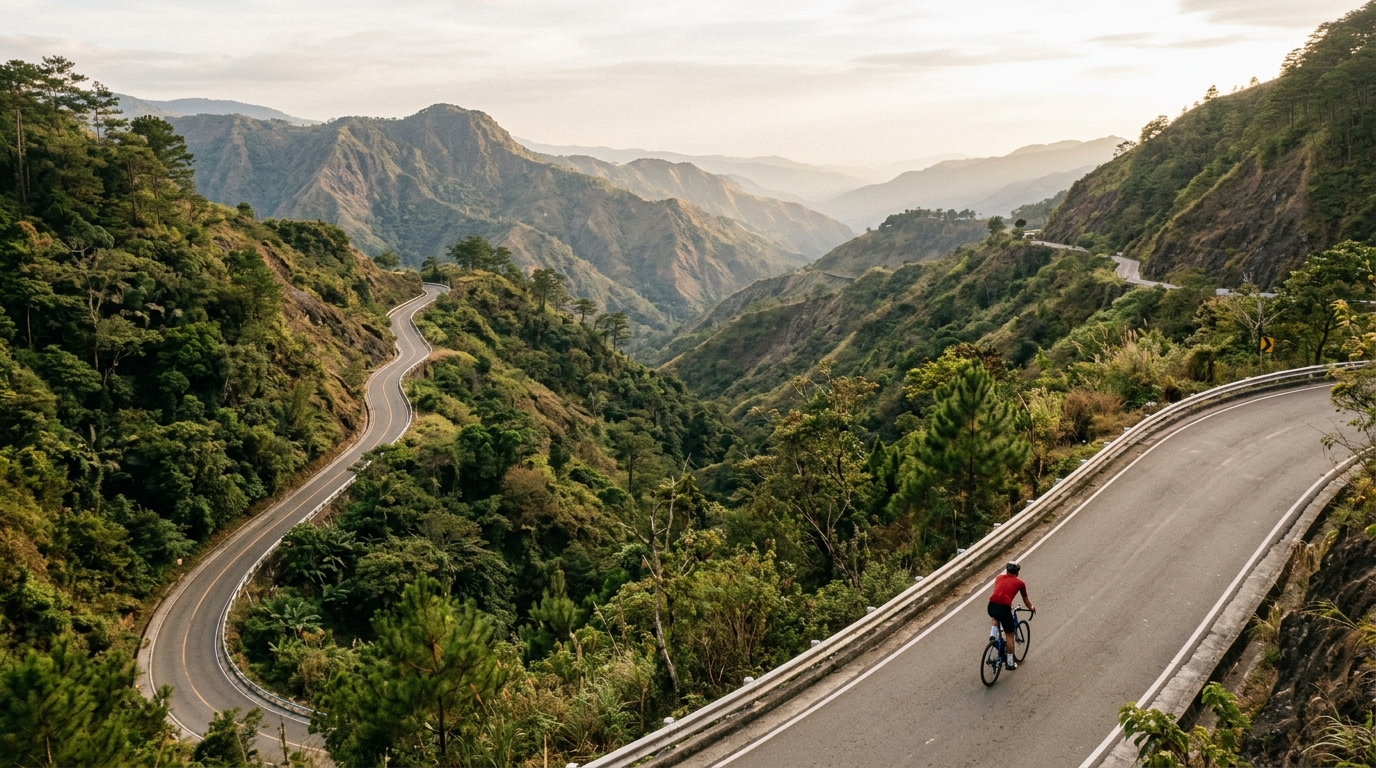
The Philippines rewards climbers who chase warm, tropical gradients, with three catalogued ascents that thread through the archipelago's rugged interior. None reach hors catégorie, but that hardly softens the challenge: the highest summit tops out at 1,521 metres, a long haul through humid air and shifting island light. Marquee efforts like Dalton Pass have long tested riders grinding upward toward cooler heights.
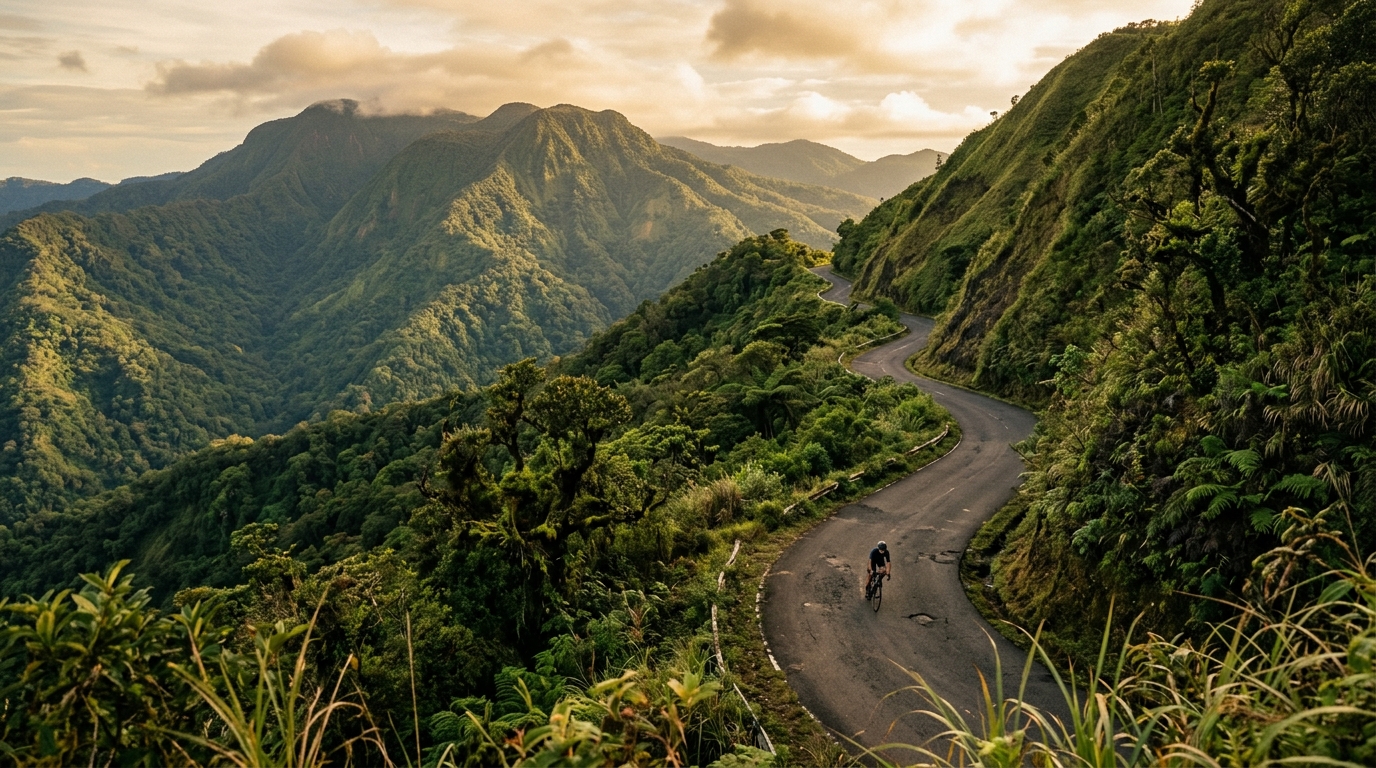
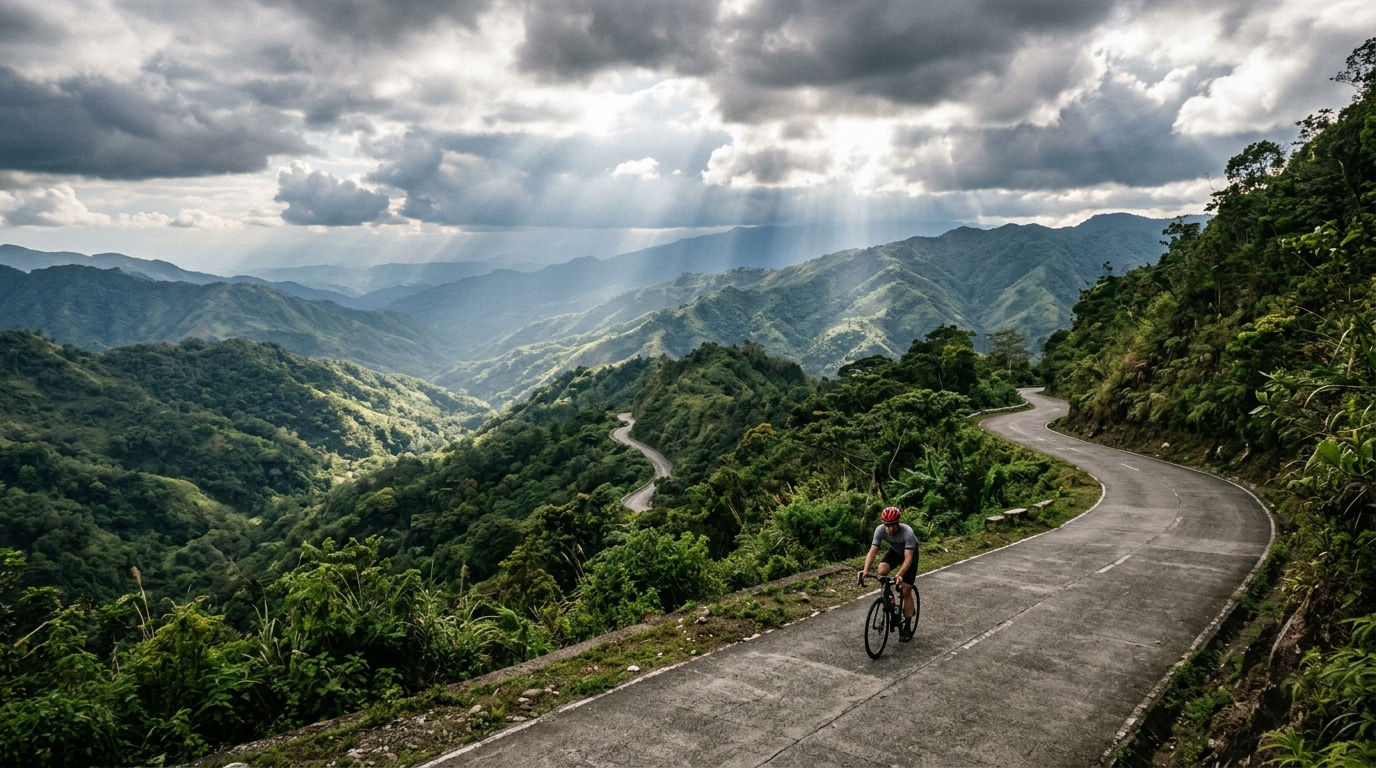
Each climb carries its own character. Marcos Highway sweeps skyward with a rhythm that suits patient legs, while Kitanglad offers a raw, remote pull for those willing to push deeper into the highlands. Together these three climbs make the Philippines an inviting destination for cyclists who prefer sustained gradients over sheer brutality, trading extreme steepness for length, atmosphere and the quiet reward of reaching a tropical summit.
Signature climbs of Philippines
All climbs in Philippines
4 climbs
The complete guide to climbing in Philippines
The Riding
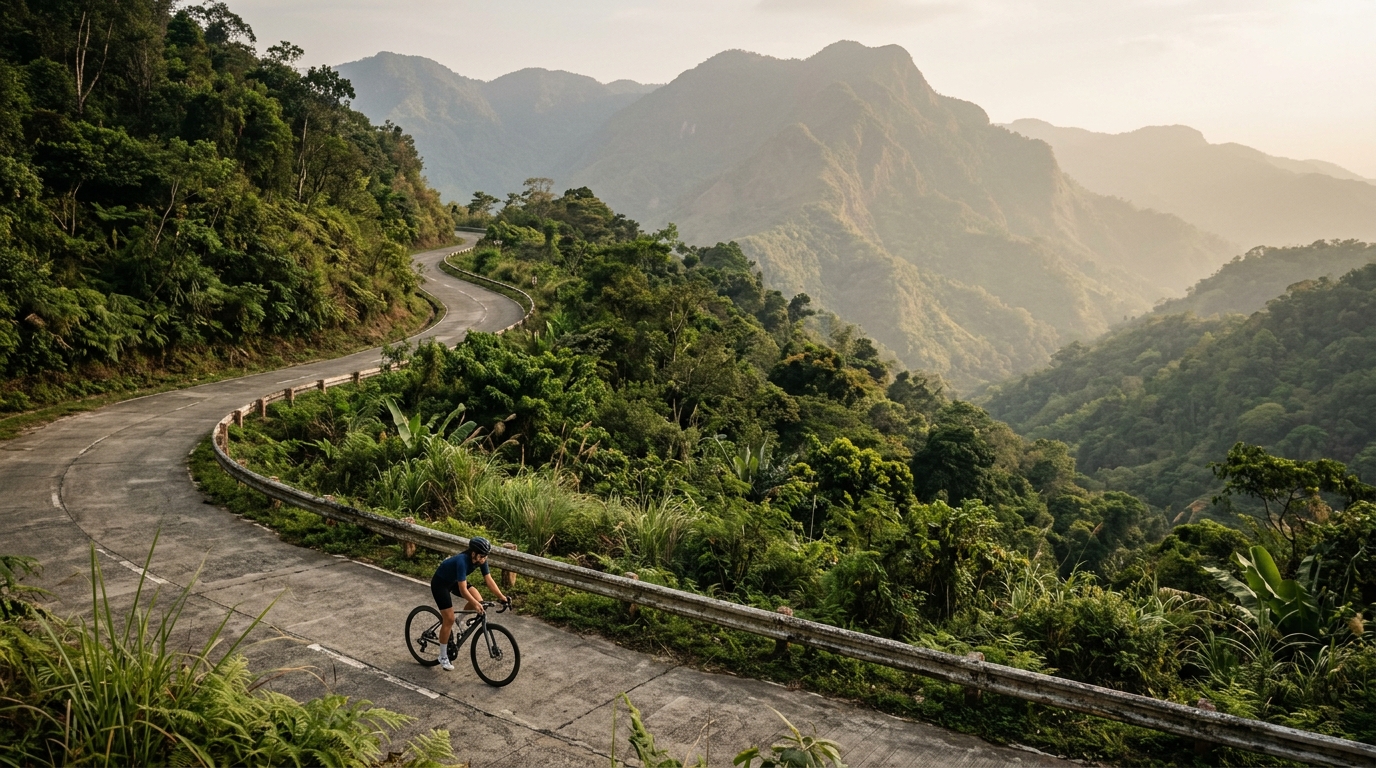
Cycling in the Philippines is defined by warmth, humidity and gradients that reward patience rather than raw power. The catalogue here is small and honest: three documented climbs, none of them hors catégorie, with the highest summit topping out at 1,521 metres. That number tells you a lot about the character of the riding. You are not chasing the thin air of alpine passes; instead you are grinding through tropical heat, where the challenge is as much about hydration and pacing as it is about the slope beneath your wheels.
The three catalogued climbs span different flavours of Philippine terrain. Some routes are long, steady drags that ask for a diesel-engine rhythm, while others pitch up sharply and force you out of the saddle. Because the ceiling sits at 1,521 metres, even the biggest efforts here stay in a moderate altitude band, so you rarely feel the breathlessness of true high mountains. What you feel instead is the sun, the sticky air, and roads that climb steadily out of the lowlands into cooler, greener uplands.
Standout Climbs
Three climbs anchor the Philippine catalogue, and each is worth knowing.
Dalton Pass is the classic transit climb, a mountain crossing that has long linked lowland routes to the highlands. It is the kind of ascent where a rider settles into a sustainable gear and simply keeps turning the pedals, letting the road unwind through switchbacks and long ramps until the pass opens up ahead.
Marcos Highway offers a different rhythm. As a highway climb it gives you consistent surface and a steady upward trend, the sort of ascent where you can measure your effort against the kilometres and watch the temperature drop as you gain height. It rewards riders who can hold a tempo without blowing up early.
Kitanglad is the high point of the collection, and with the catalogue's highest summit at 1,521 metres it represents the biggest single objective here. This is the climb to build toward, where the uplands feel genuinely elevated and the reward at the top matches the work it takes to get there.
Together these three make a compact but varied trio: a mountain pass, a highway drag and a proper upland summit.
When to Ride
Timing matters more in the tropics than the modest altitudes might suggest. The Philippines is hot and humid, and the biggest variable for any climber is weather rather than cold. Riding early in the day is almost always the smart move, letting you tackle the steepest sections before the heat builds and the afternoon sky threatens rain.
Because these climbs sit at moderate elevations rather than snow-line heights, they are broadly rideable year-round, but conditions swing between drier and wetter stretches. On a climb like Kitanglad, gaining height into cooler air is part of the appeal, so a clear morning can turn a sweaty grind into a genuinely pleasant ascent. On lower, more exposed sections of Dalton Pass or Marcos Highway, shade is scarce and the sun is relentless, so plan your longest efforts for the cooler hours.
Practical Notes
Treat heat and humidity as your primary opponents. Carry more water than you think you need, and plan resupply points before you commit to the longer ascents. Gearing should favour the low end: with sustained tropical climbs, a compact setup and a generous cassette let you spin rather than mash, which protects your legs and keeps your core temperature manageable.
Surfaces vary. A highway climb like Marcos Highway tends to offer more predictable tarmac, while mountain crossings such as Dalton Pass can present rougher patches, so descend with a margin for surprises. Sun protection is not optional here — light, breathable kit, sunscreen and eye protection all earn their place. Finally, respect the afternoon rain pattern common to the tropics; a dry morning ascent can become a slick, low-visibility descent within a couple of hours.
Summary
The Philippines offers a small, focused set of climbs — three catalogued ascents, no hors catégorie efforts, and a high point of 1,521 metres at Kitanglad. What it lacks in sheer altitude it makes up for in tropical character: humid air, steady gradients and the satisfaction of climbing from warm lowlands into cooler uplands. Dalton Pass, Marcos Highway and Kitanglad give riders a mountain pass, a highway drag and a genuine summit to aim for. Ride early, gear low, drink often, and this compact collection delivers rewarding tropical climbing.
Looking for full rides in Philippines?
Routes in Philippines