Climb library · Germany
Cycling climbs in Germany
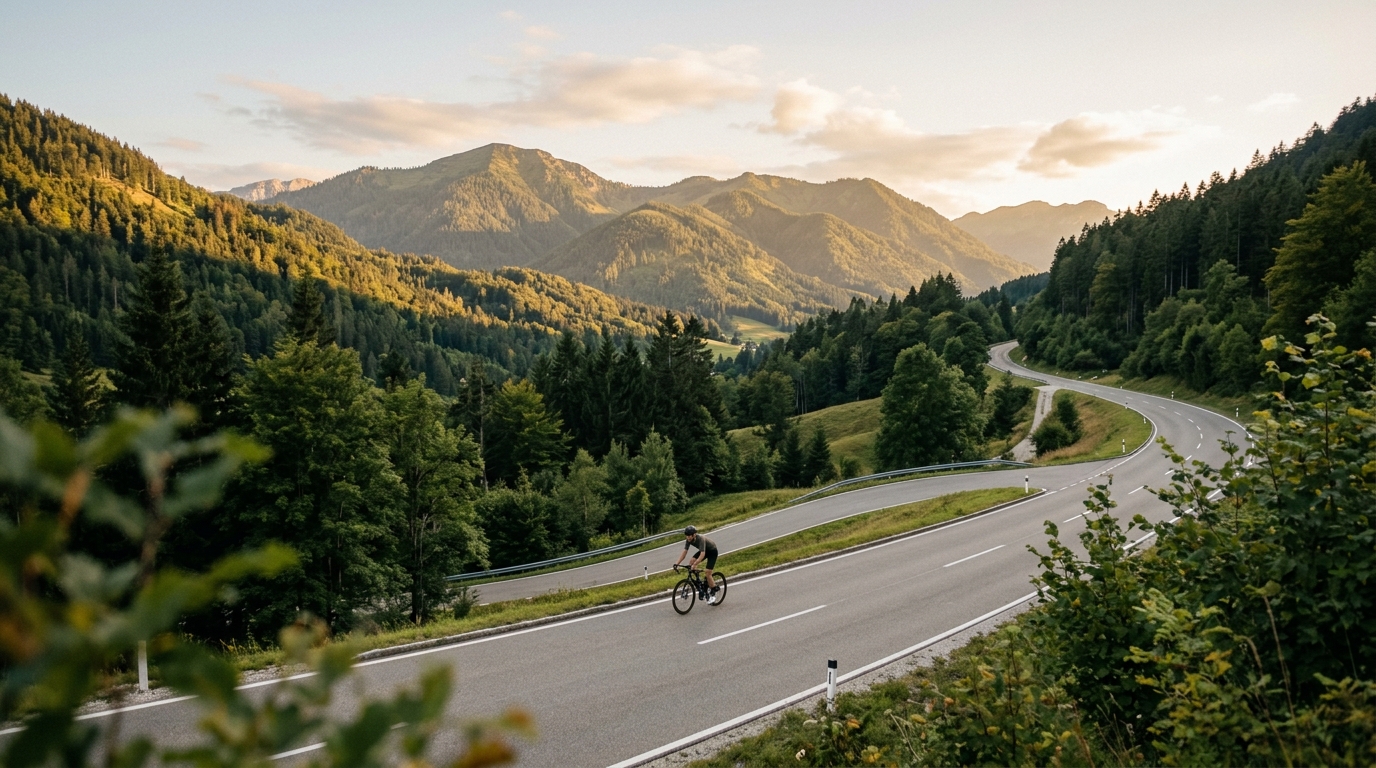
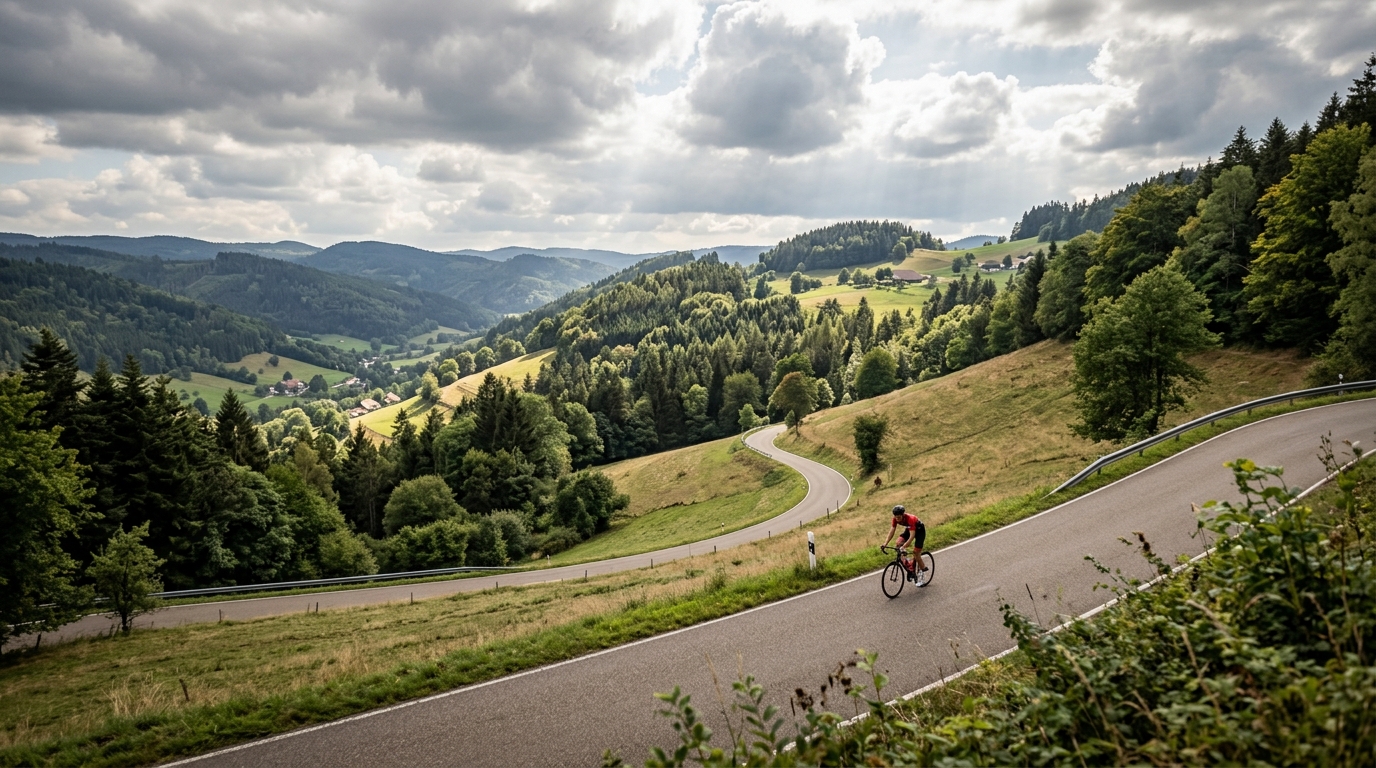
Germany rewards the patient climber. With 26 catalogued ascents and none of them hors catégorie, this is a country where the gradients build character rather than break it. The highest summit tops out at 1,410 m, so the challenge lies less in raw altitude and more in the steady, rhythmic grind of climbs like the Riedbergpass and the Oberjoch Pass — long, honest ramps that reward a well-judged pace over a brutal sprint.
The variety is what keeps riders coming back. The Eckersattel and Äulemer Kreuz deliver punchy, forested efforts, while the Seichereck and the Notschrei stretch the legs on more sustained hauls. Without a single hors-catégorie monster on the list, Germany suits riders who want serious, satisfying climbing without the intimidation of the highest mountain passes. It is a place to log real vertical metres and finish each summit still hungry for the next.
Signature climbs of Germany
All climbs in Germany
41 climbs
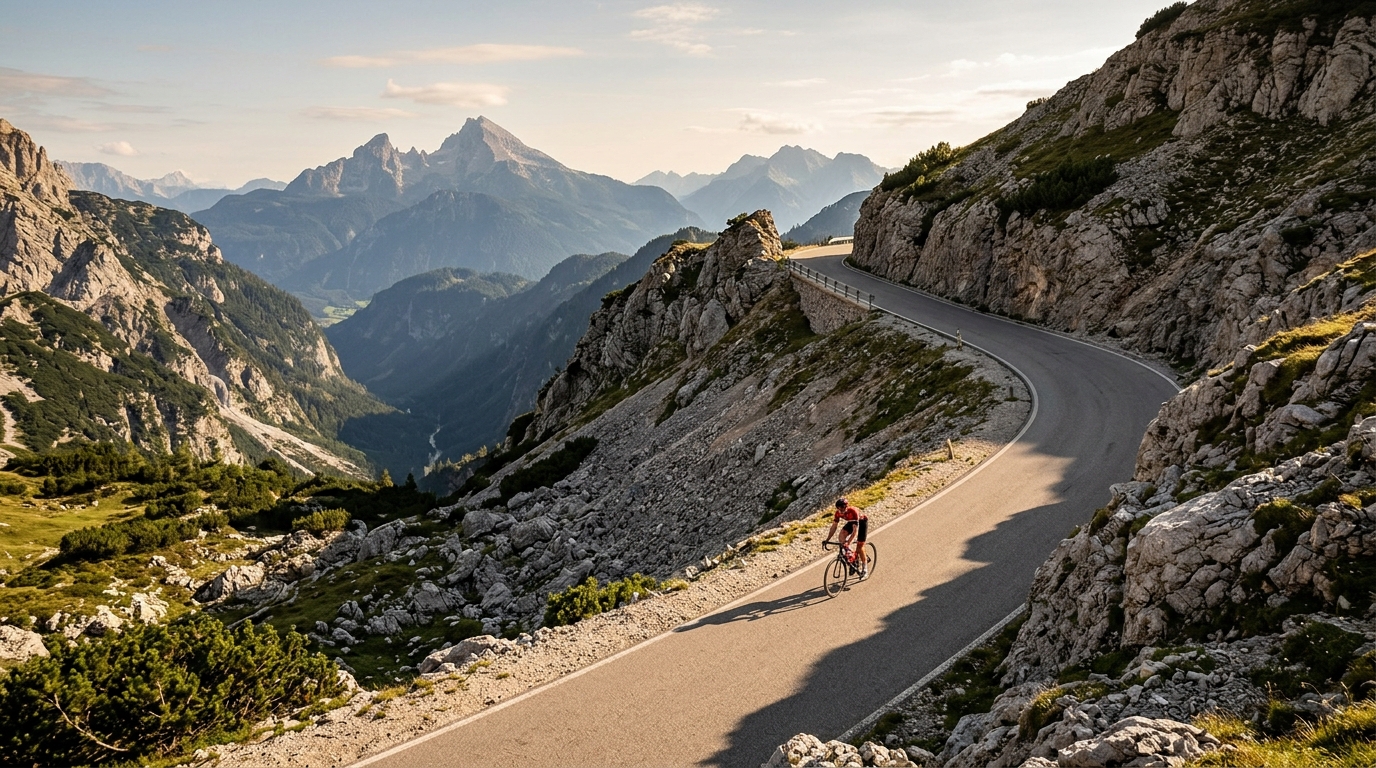 EckersattelCat 1DE · 13.7 km · 7.0% · 1689 m682pts
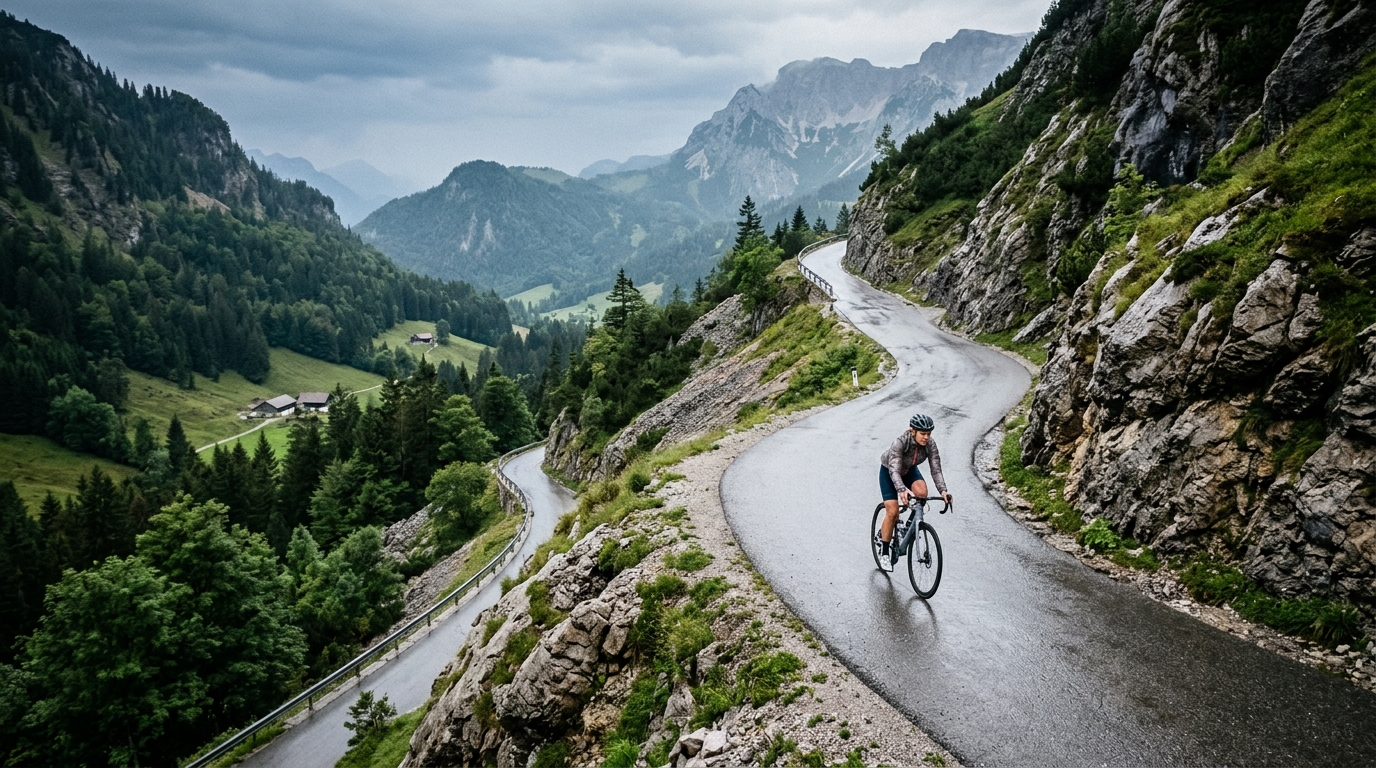 MauerscharteCat 1DE · 16.8 km · 5.0% · 830 m425pts
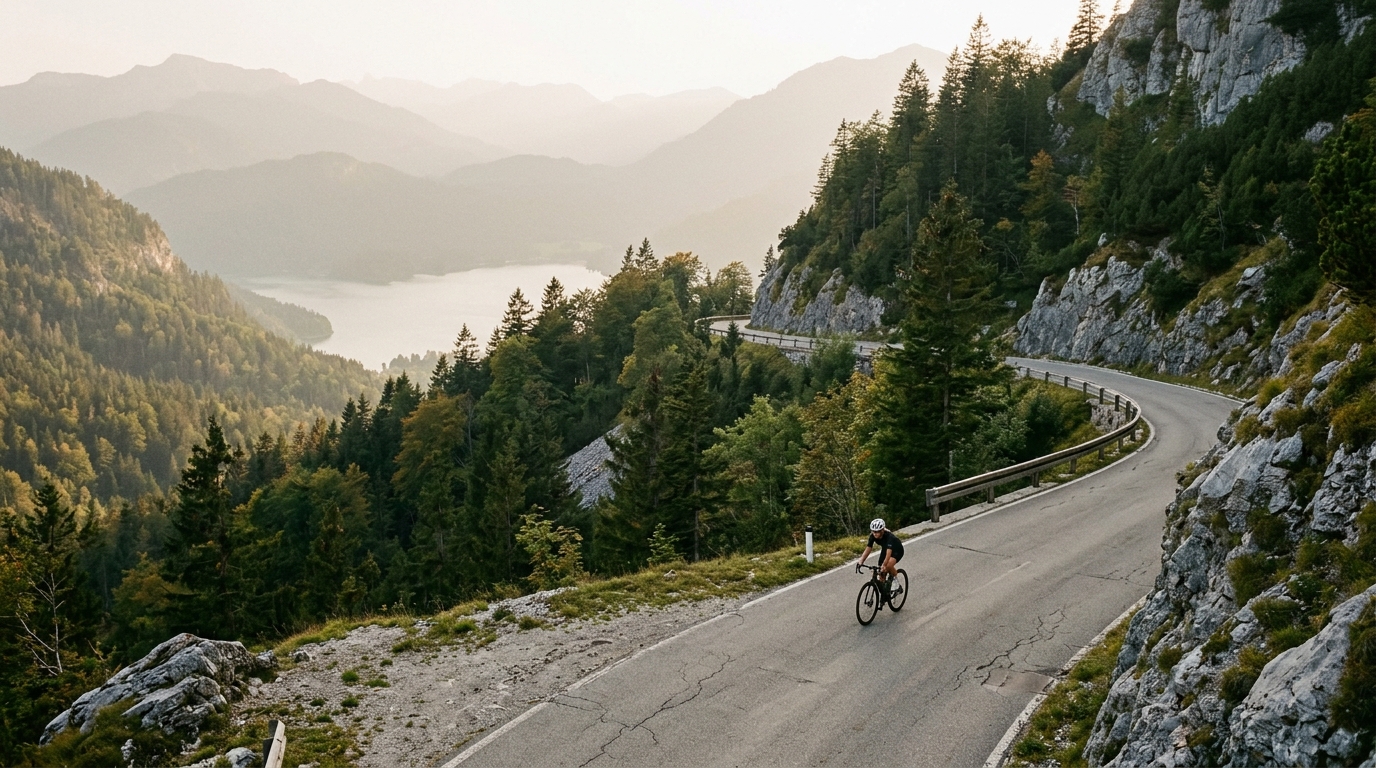 Kesselberg (Bavaria)Cat 4DE · 4.0 km · 4.7% · 171 m87pts
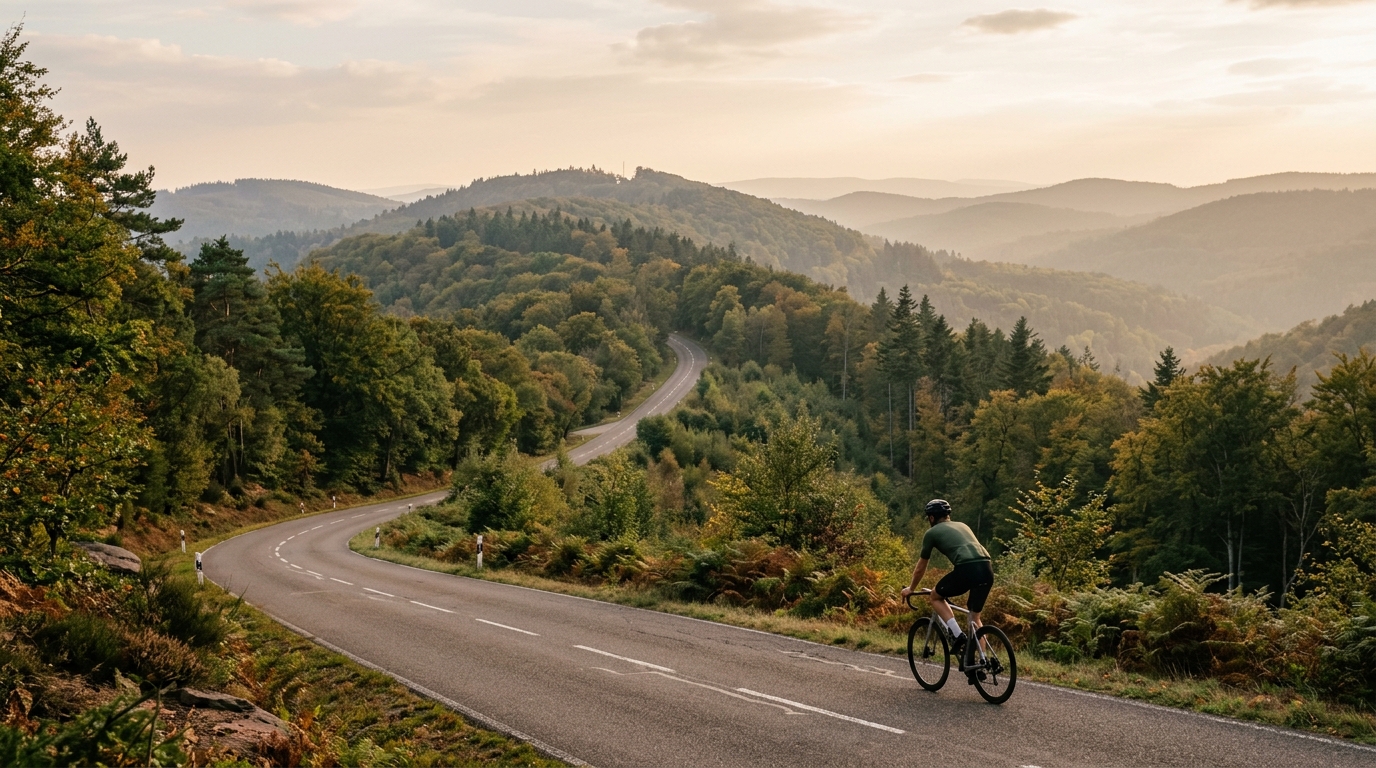 Drei BuchenCat 4DE · 7.8 km · 3.5% · 534 m96pts
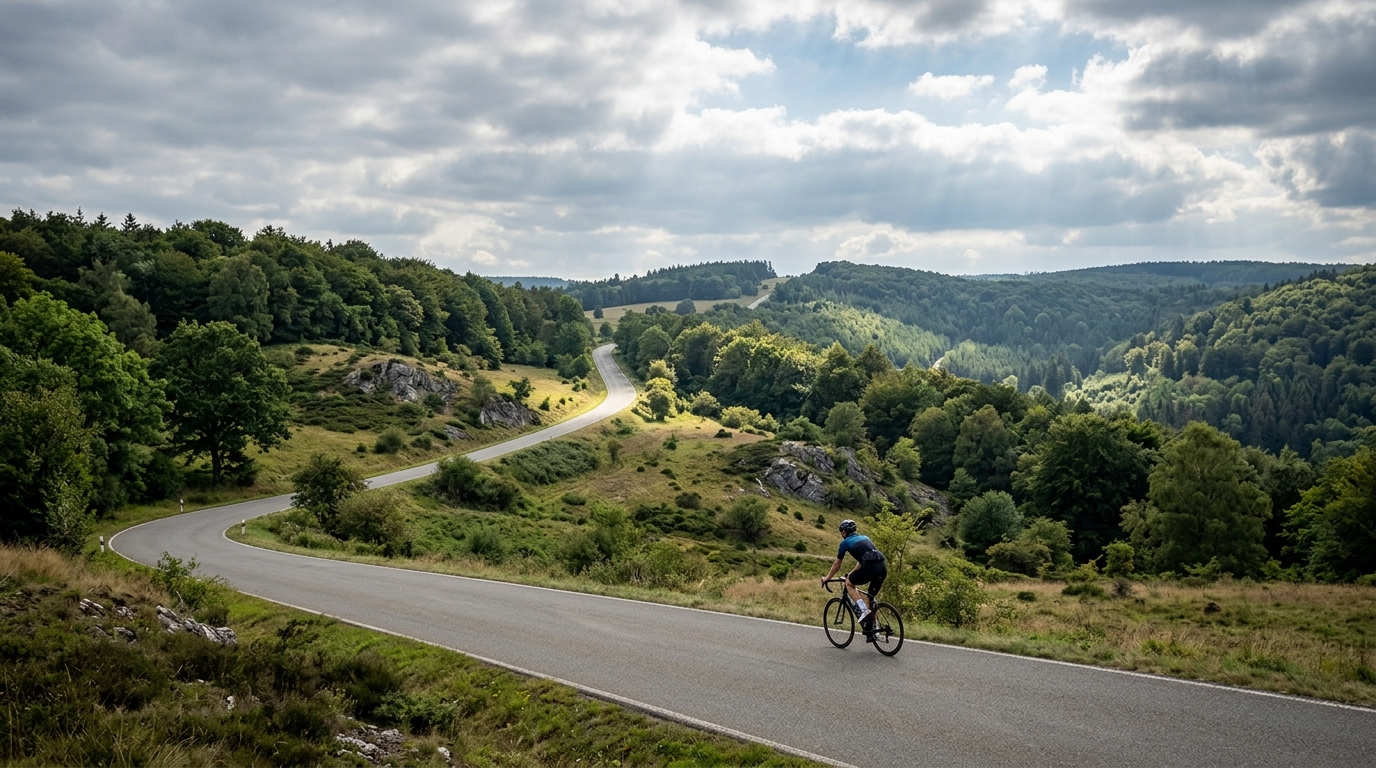 ReußenkreuzCat 4DE · 8.4 km · 3.4% · 461 m95pts
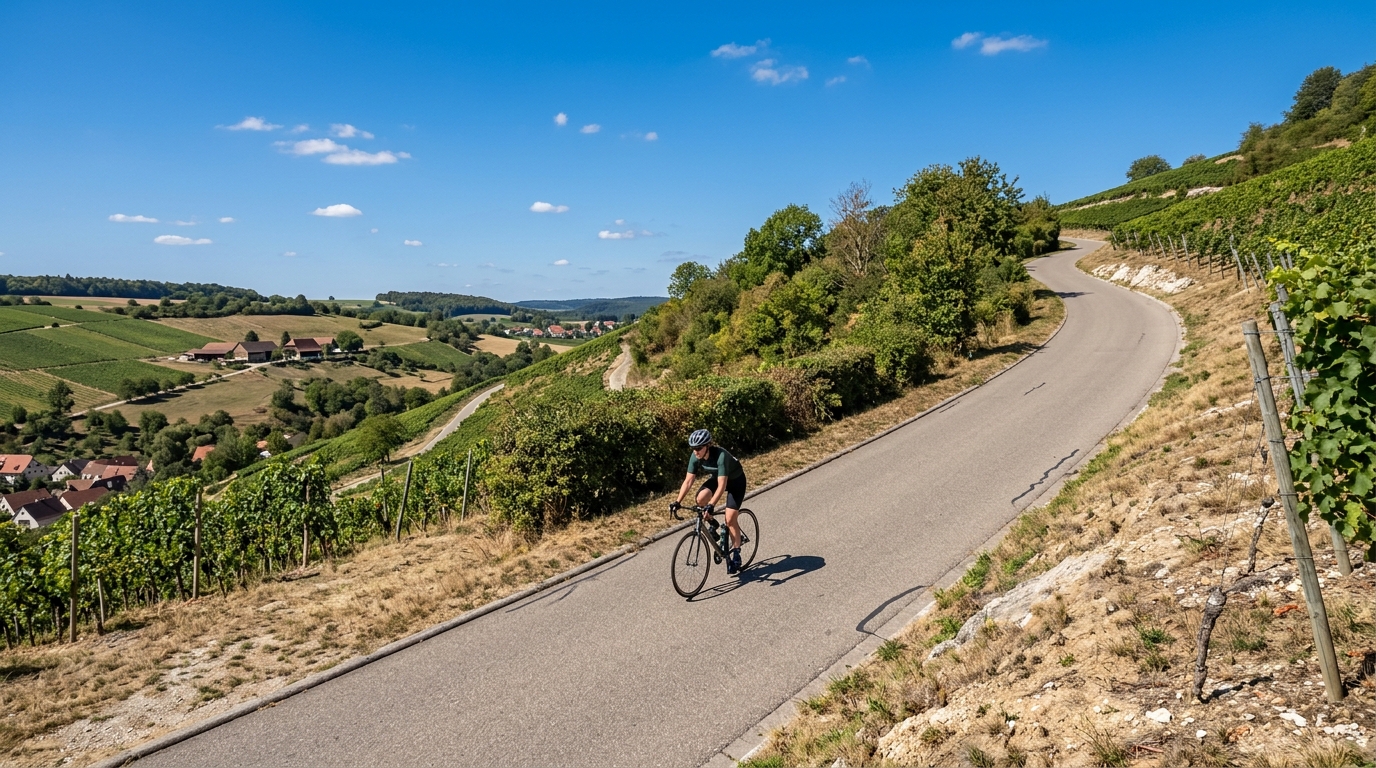 Feuerbacher HöheCat 4DE · 2.2 km · 6.5% · 129 m91pts
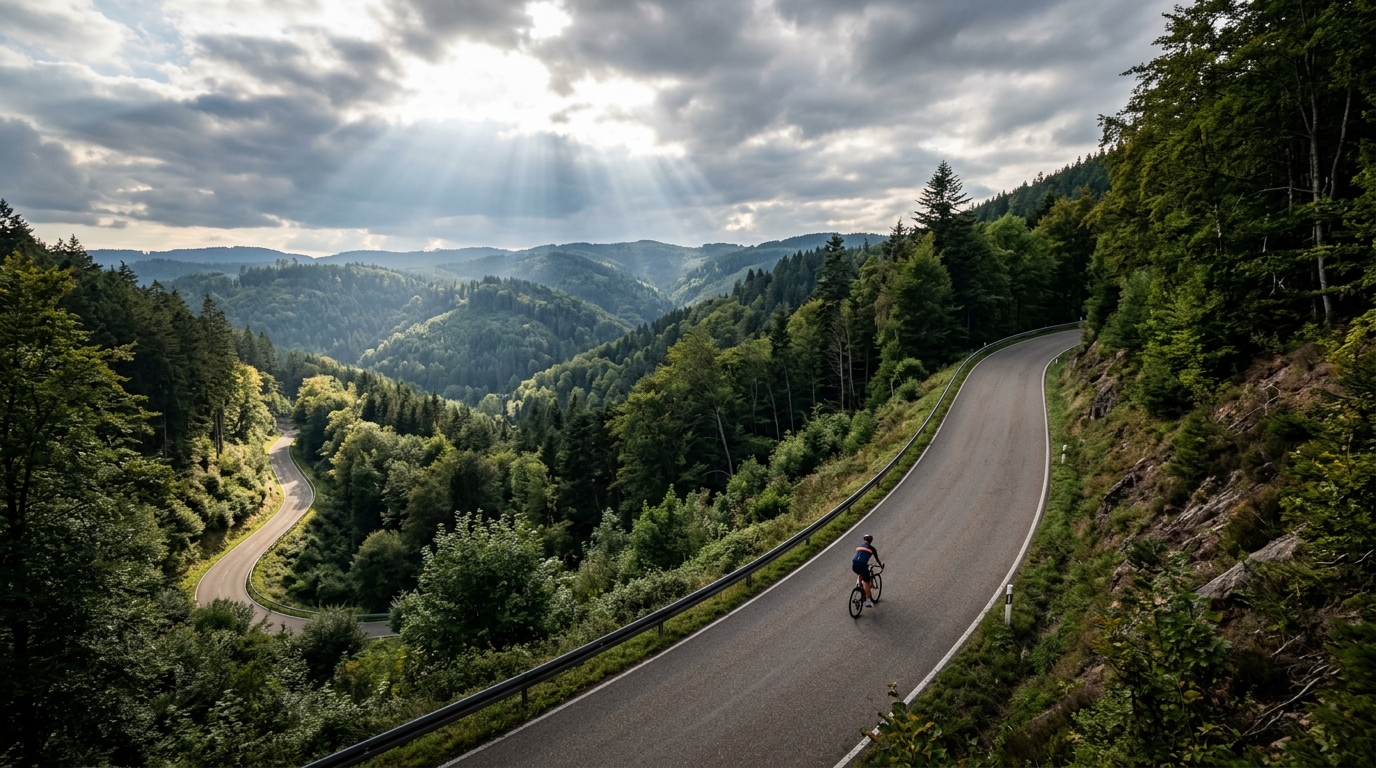 Scheideck PassCat 4DE · 7.6 km · 3.4% · 423 m88pts
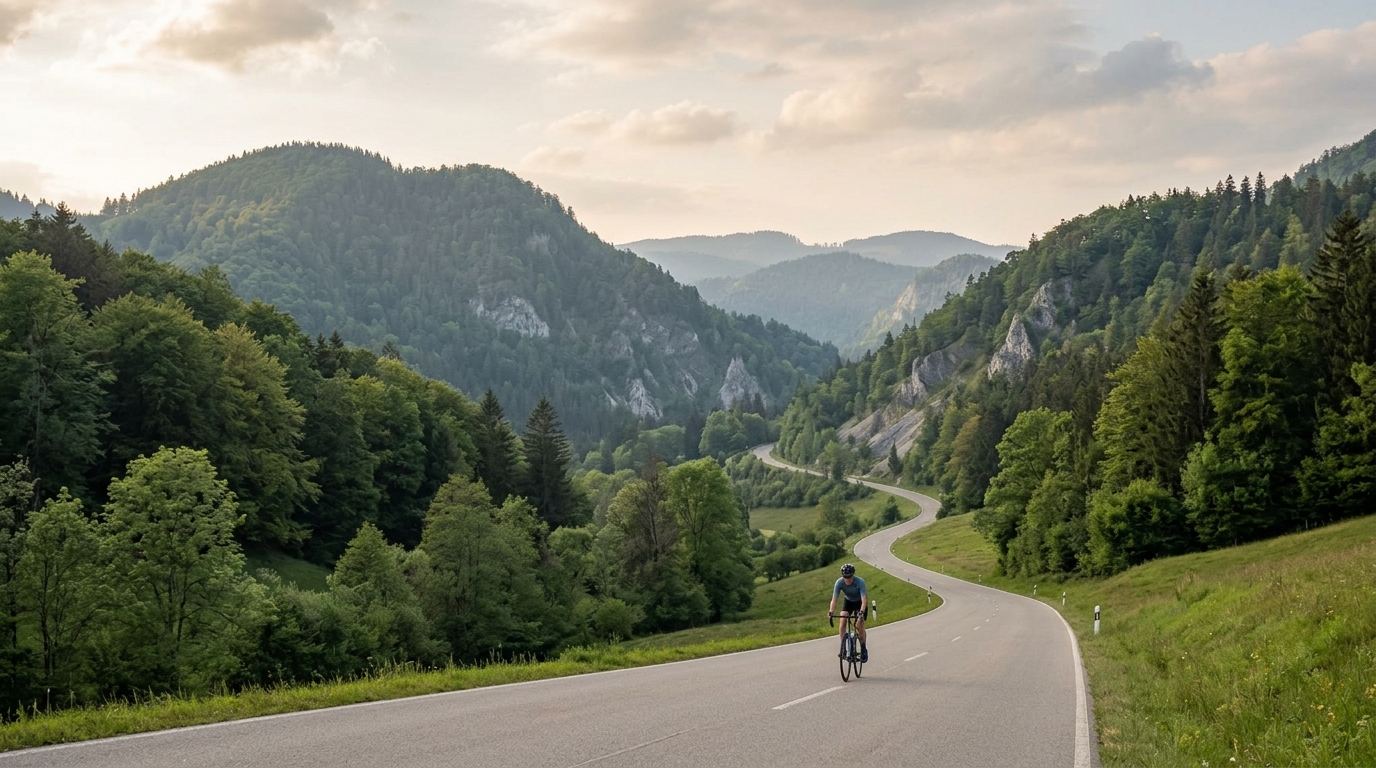 HallthurmCat 4DE · 7.8 km · 3.1% · 325 m75pts
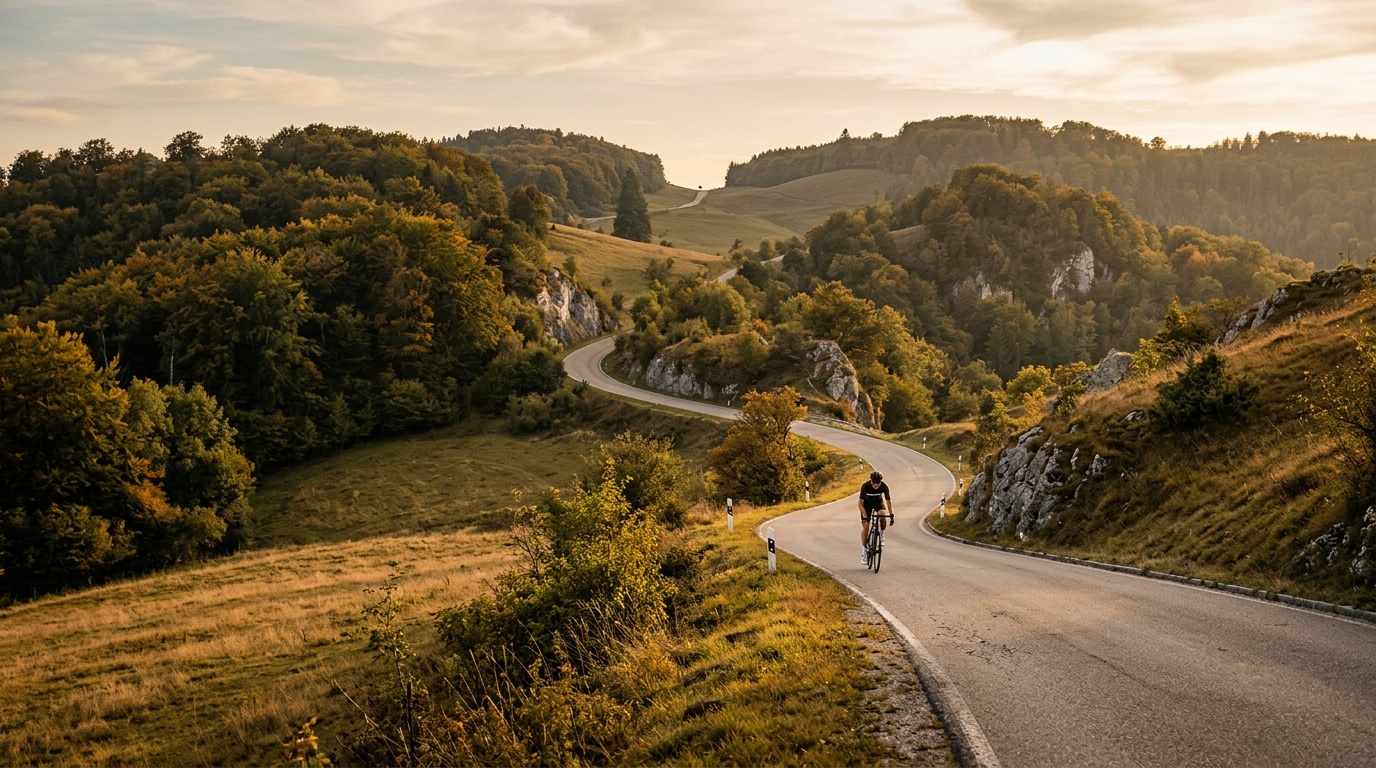 HöllpassCat 4DE · 6.2 km · 3.4% · 231 m72pts
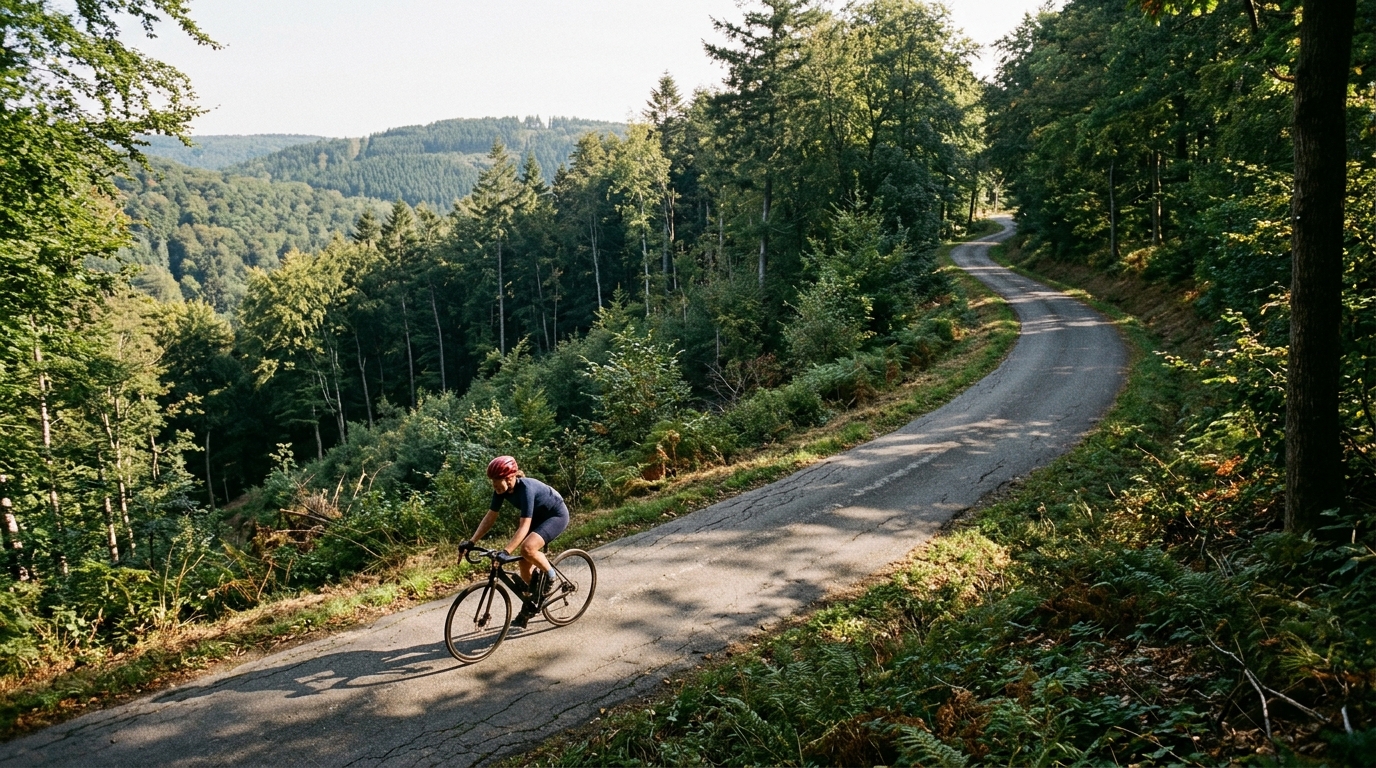 GauseköteCat 4DE · 4.4 km · 3.9% · 158 m68pts
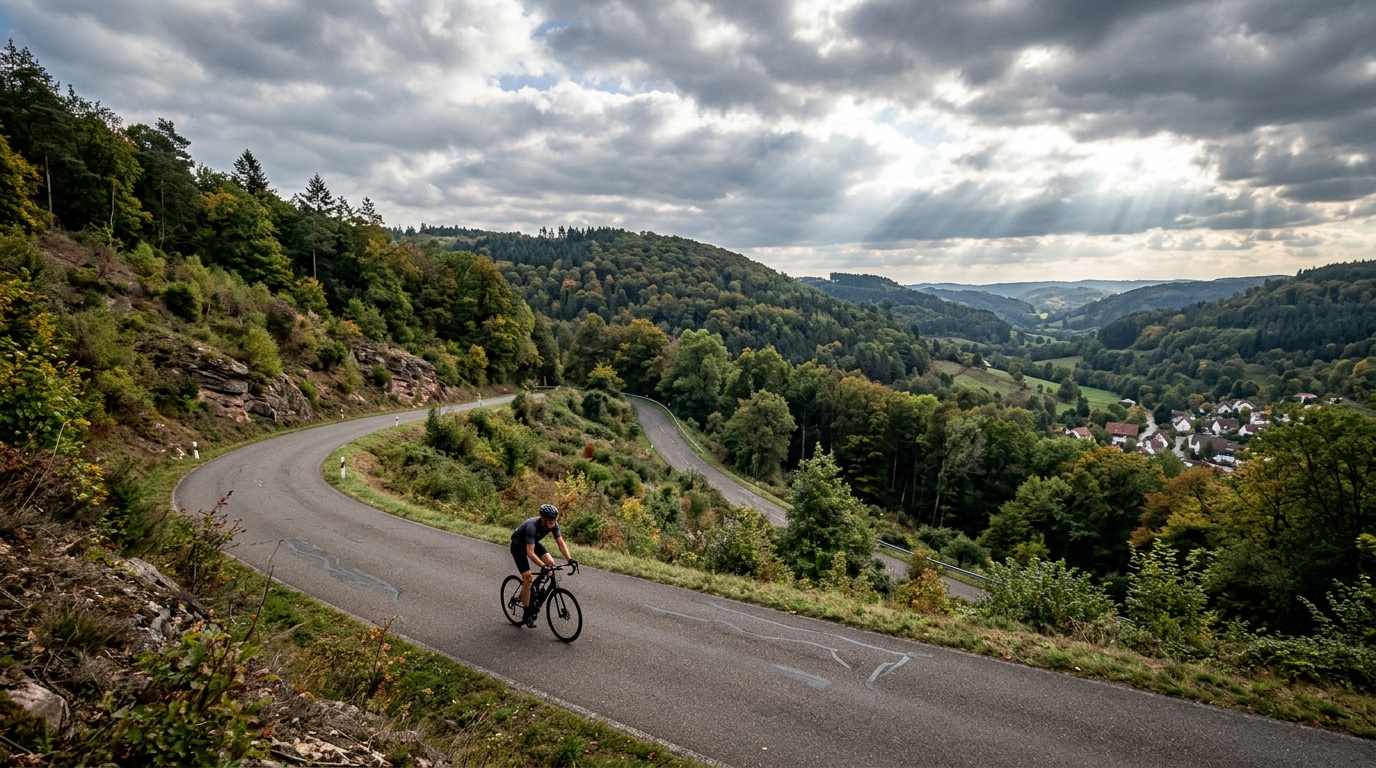 Gumpener KreuzCat 4DE · 5.0 km · 3.1% · 143 m50pts
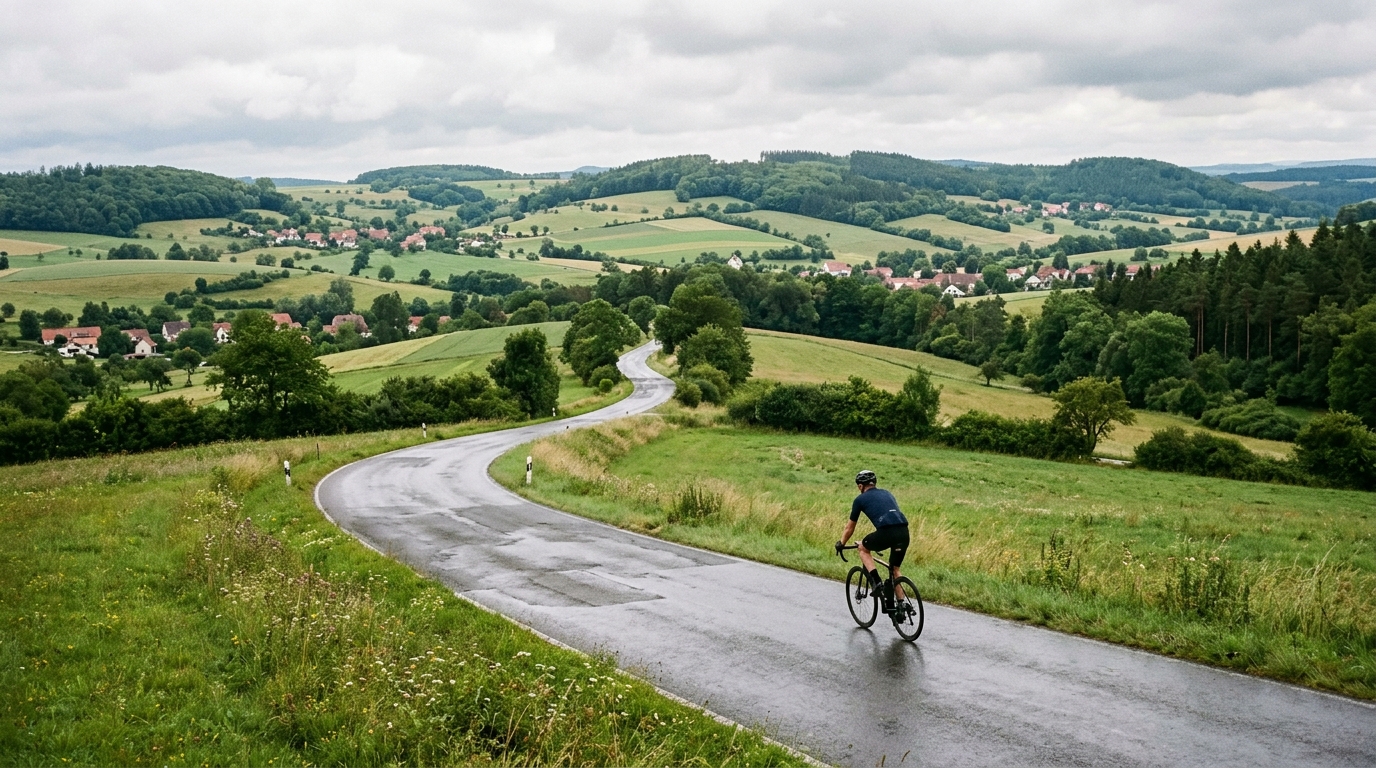 Pass MarloffsteinCat 4DE · 3.0 km · 3.6% · 90 m38pts
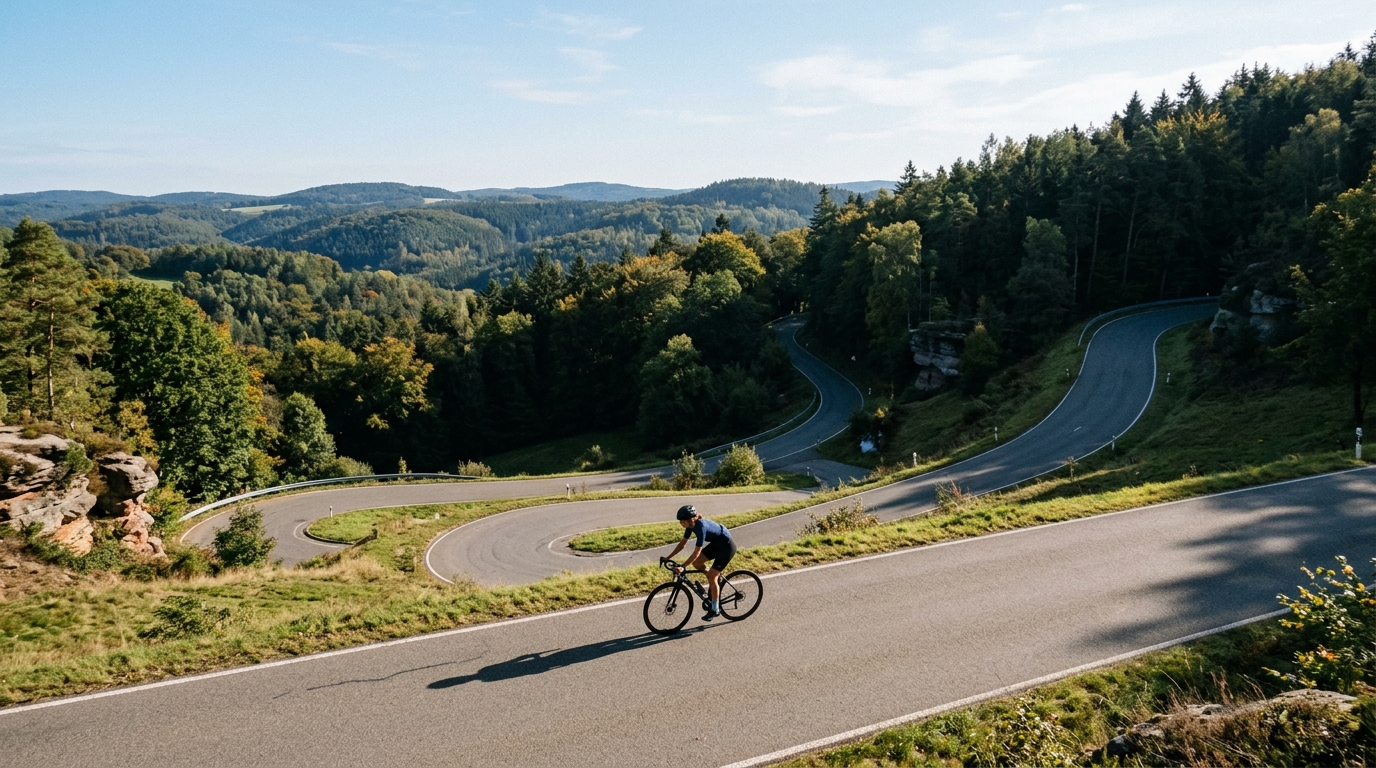 RondellCat 4DE · 3.3 km · 3.4% · 99 m38pts
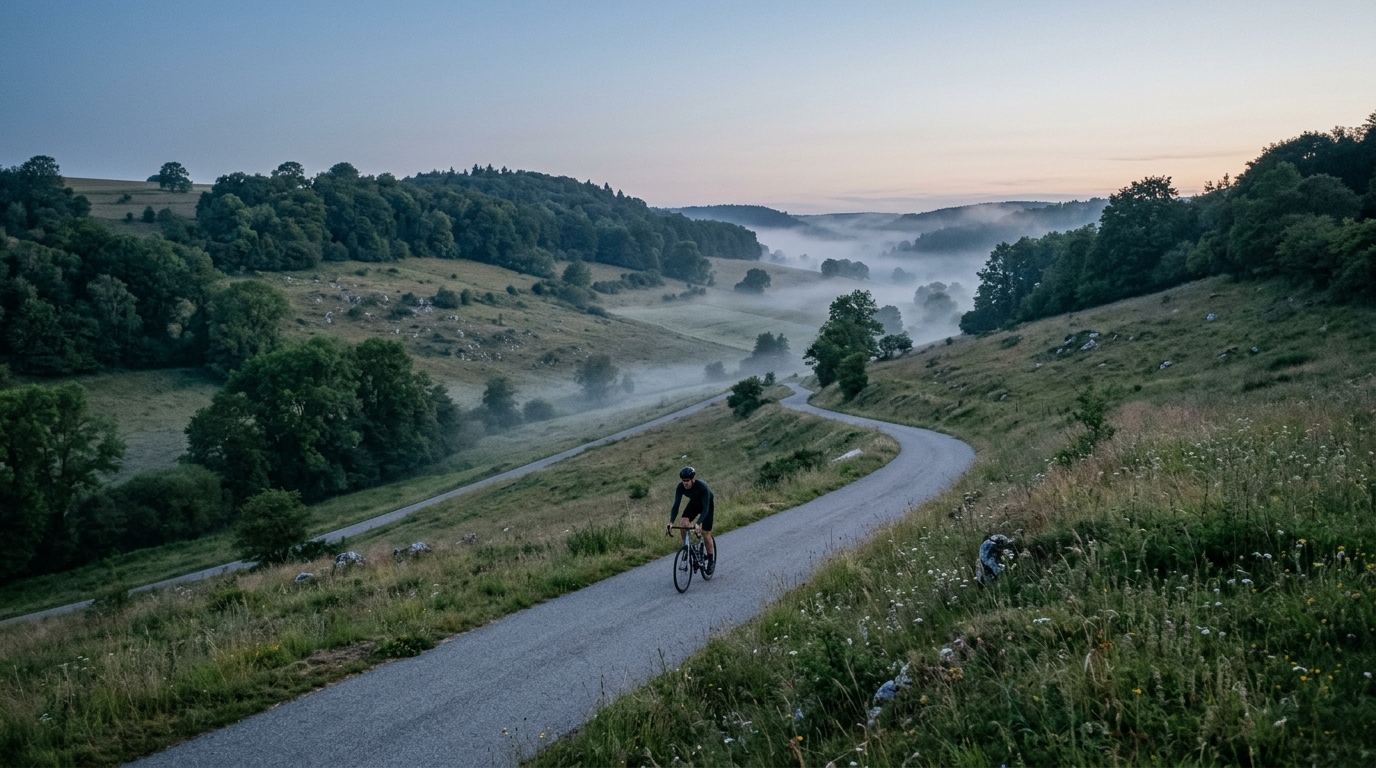 LuckeCat 4DE · 1.8 km · 4.5% · 62 m37pts
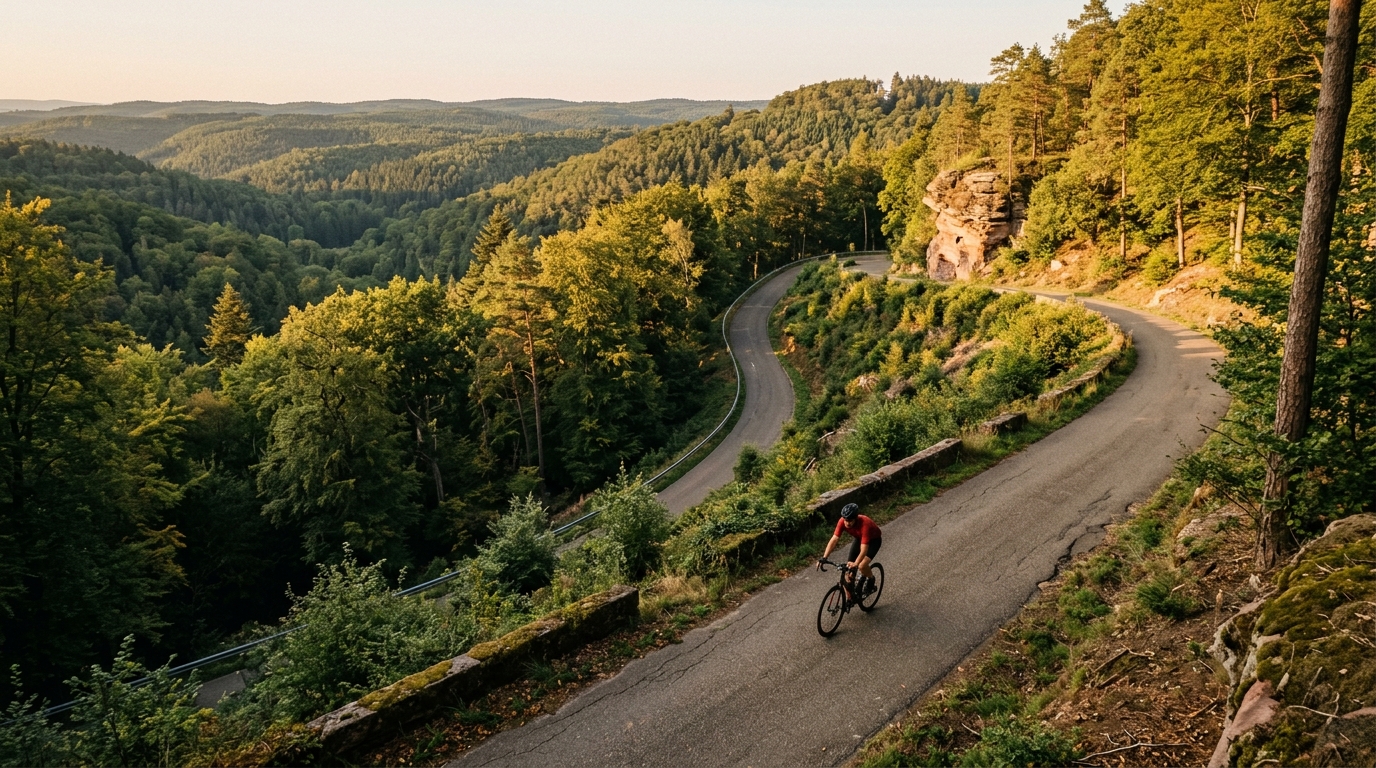 SchanzCat 4DE · 1.8 km · 4.5% · 65 m36pts
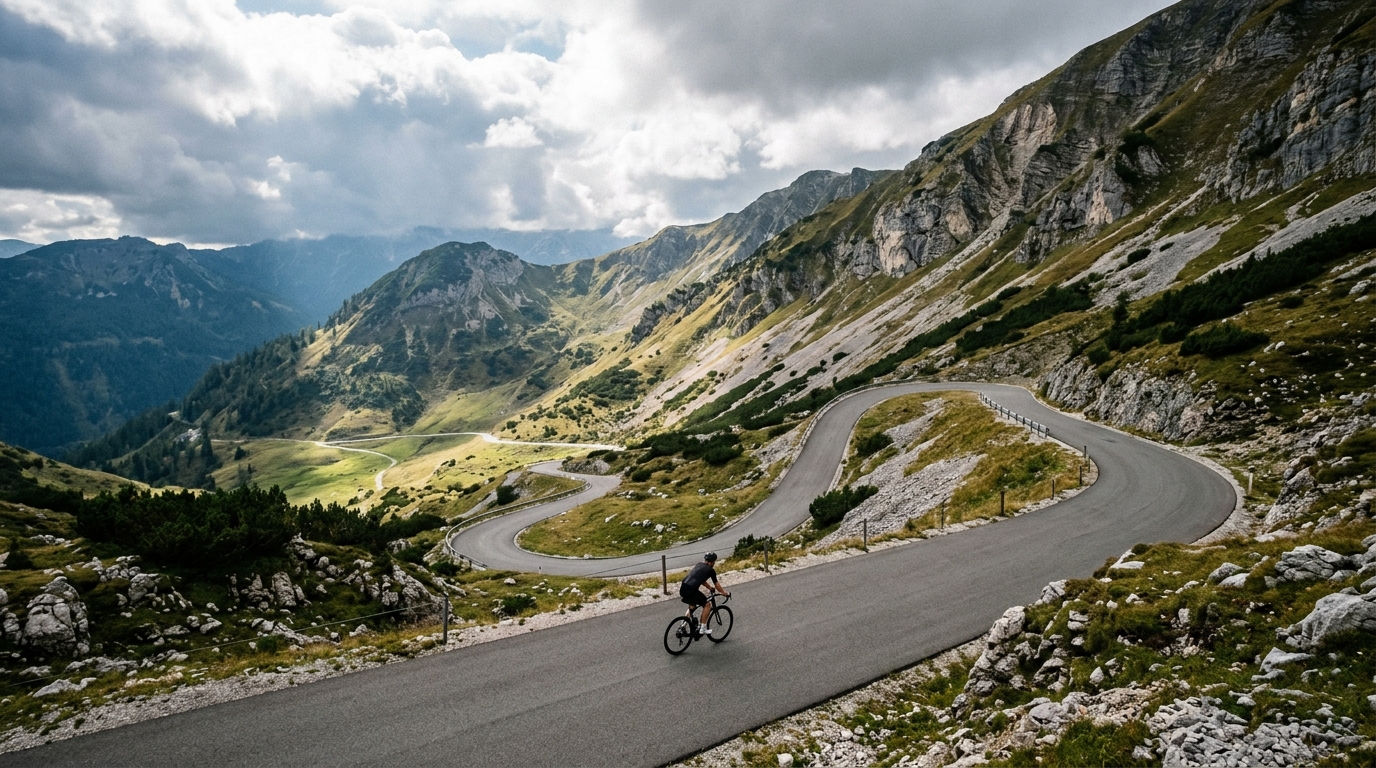 FiderepassCat 2DE · 12.7 km · 4.2% · 509 m219pts
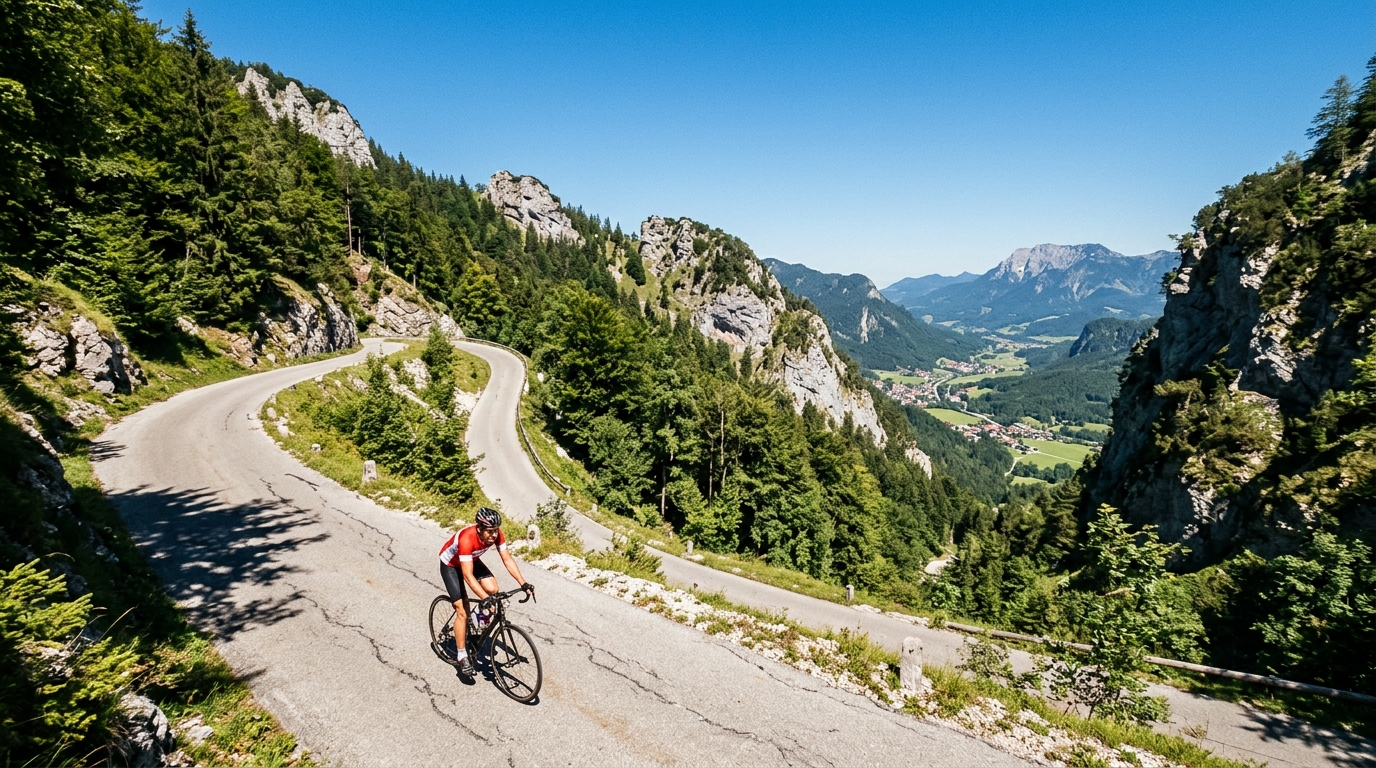 SchellenbergsattelCat 3DE · 1.8 km · 8.2% · 115 m120pts
The complete guide to climbing in Germany
The Riding
Germany is not a country of relentless, sky-scraping ascents, and its climbing catalogue reflects that. With 26 catalogued climbs and none rated hors catégorie, this is terrain built for riders who value rhythm over sheer suffering. The highest summit in the collection reaches 1410 m, which places Germany firmly in the category of rolling and moderate mountain riding rather than high-alpine extremes.
What this means in practice is that the ascents here tend to be approachable. Gradients are generally steady rather than savage, and the modest altitude ceiling keeps the air thick and the pedalling honest. You will not find the thin-air, switchback-stacked monsters of the higher ranges. Instead, Germany rewards consistent tempo, good pacing, and the ability to hold a gear for a sustained pull. For many riders, this makes the country an ideal place to build climbing legs without being buried by a single brutal wall.
The distribution of these 26 climbs skews toward the south, where the land finally rises enough to give road cyclists something to lean into. The result is a compact but rewarding set of ascents that reward repeat visits.
Standout Climbs
The jewel of the German catalogue is the Riedbergpass, the country's highest paved pass and a natural centrepiece for any climbing trip. Sitting near the top of the altitude range, it delivers the closest thing Germany offers to a true mountain pass experience, and its summit is a rite of passage for domestic climbers.
Close by in character and reputation is the Oberjoch Pass, another southern ascent known for its handsome switchbacks and steady grind. It pairs naturally with the Riedbergpass for riders wanting to string together a bigger day.
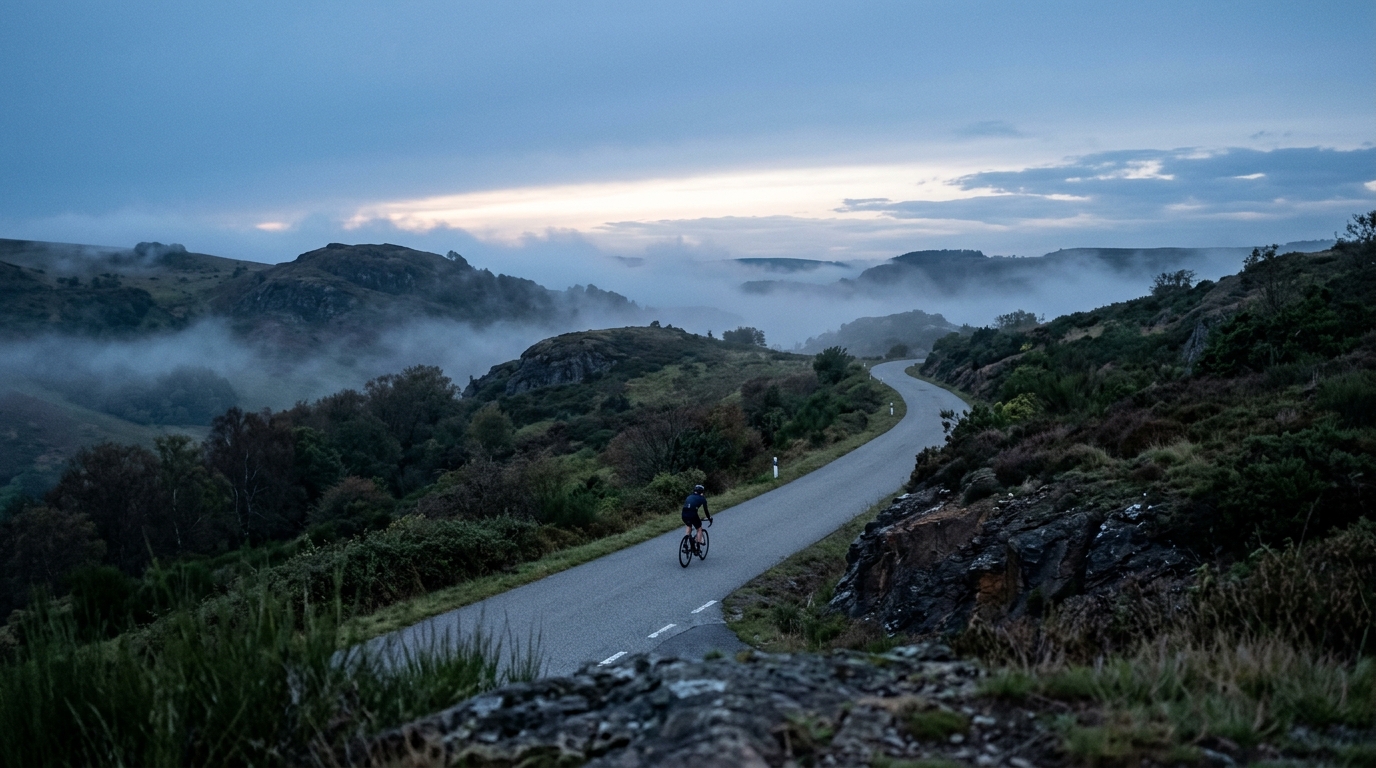
The Notschrei offers a longer, more meditative climb — the kind of sustained ascent where you settle into a cadence and let the kilometres tick past. For sharper, more distinctive efforts, the Eckersattel, the Seichereck, and the Äulemer Kreuz round out the list of names worth chasing. Each brings its own texture, and together they form the backbone of a genuinely varied climbing tour despite the absence of any hors catégorie giants.
When to Ride
Because the climbs top out at a relatively modest 1410 m, the German climbing season is generous compared with higher ranges. The passes clear of snow earlier and stay rideable later into the year. Late spring through early autumn is the sweet spot, with the shoulder months offering quieter roads and cooler air for the longer efforts like the Notschrei.
Summer brings the most reliable weather and the fullest access to the higher passes such as the Riedbergpass and Oberjoch Pass, though it also brings more traffic and warmth on the exposed sections. If you prefer solitude and crisp climbing conditions, aim for the quieter edges of the season. Always check pass status before committing to the highest ascents, as even moderate altitude can hold weather that lags behind the valleys.
Practical Notes
Treat the south as your base. The most rewarding climbs — Riedbergpass, Oberjoch Pass, Notschrei, and their neighbours — cluster in the higher southern terrain, so a single well-placed stay can put several catalogued ascents within reach.
Gearing should be chosen for sustained tempo rather than emergency-low bailout ratios. With no hors catégorie climbs and a summit ceiling of 1410 m, most riders will be comfortable with standard climbing gearing, saving their easiest sprockets for the steeper pitches on climbs like the Seichereck or Äulemer Kreuz. Bring layers regardless of the forecast: descents from the higher passes cool quickly, and mountain weather changes faster than valley weather suggests. Carry enough food and water for the longer efforts, and plan resupply around the ascent rather than assuming it mid-climb.
Summary
Germany's cycling climbs make up a focused, honest catalogue: 26 ascents, no hors catégorie efforts, and a high point of 1410 m at the Riedbergpass. This is climbing defined by rhythm and accessibility rather than extremity. With standout names like the Oberjoch Pass, the Notschrei, the Eckersattel, the Seichereck, and the Äulemer Kreuz, the country offers a compact but genuinely satisfying set of ascents. For riders who want real mountain roads without high-alpine punishment, Germany delivers a season-long playground worth returning to.
Looking for full rides in Germany?
Routes in Germany