Climb library · Bolivia
Cycling climbs in Bolivia
Bolivia is a destination for riders who chase altitude above all else. With four catalogued climbs, its highest summit crests at 4,679 metres, thin air that turns every pedal stroke into a test of patience and lungs. One of these ascents earns the coveted hors categorie rating, the toughest classification on the board, reserved for climbs that punish and reward in equal measure. This is high-country cycling in its rawest form, where the road keeps rising long after most legs would rather stop.
The marquee ascents give a sense of the terrain on offer. Chungara–Tambo Quemado and Paso de Condor carry riders into the rarefied heights, while Portezuelo del Cajon and Alto de Piscuno round out a compact but formidable collection. Few, hard-won, and unforgettable, Bolivia's climbs suit cyclists willing to trade sheer numbers for genuine altitude and the quiet drama of the open Andean road.
Signature climbs of Bolivia
All climbs in Bolivia
12 climbs
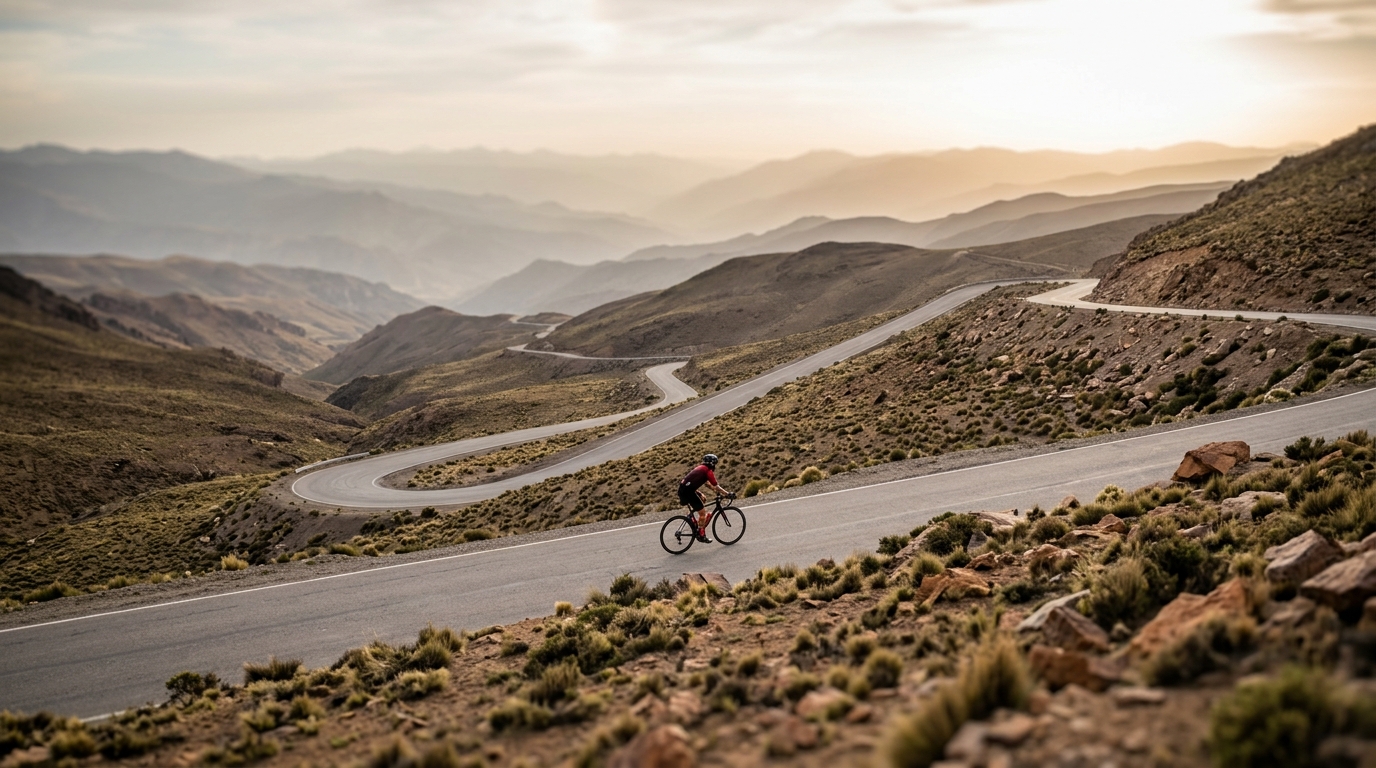
- Portezuelo del CajónHCBO · 17.4 km · 7.5% · 1270 m971pts
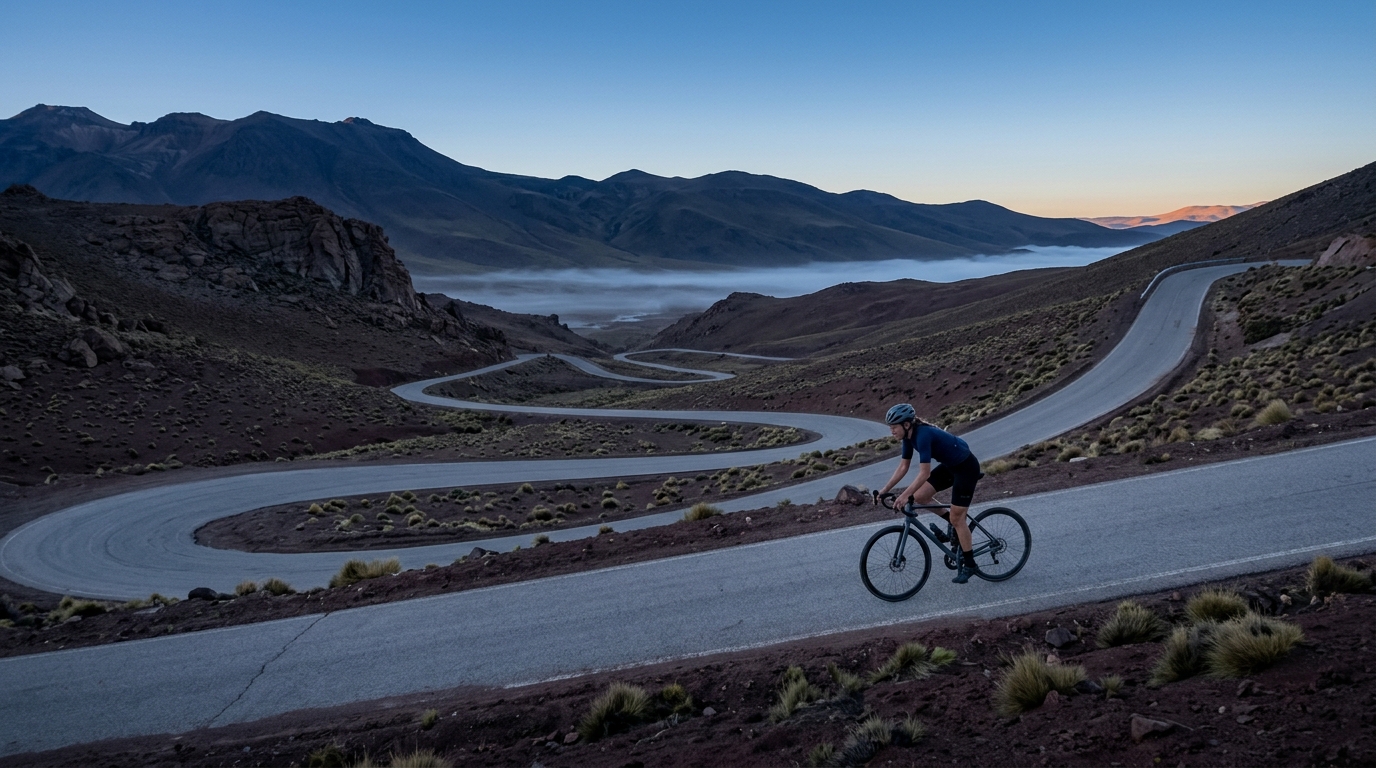 Portezuelo de ChaxasHCBO · 21.6 km · 7.8% · 1651 m1309pts
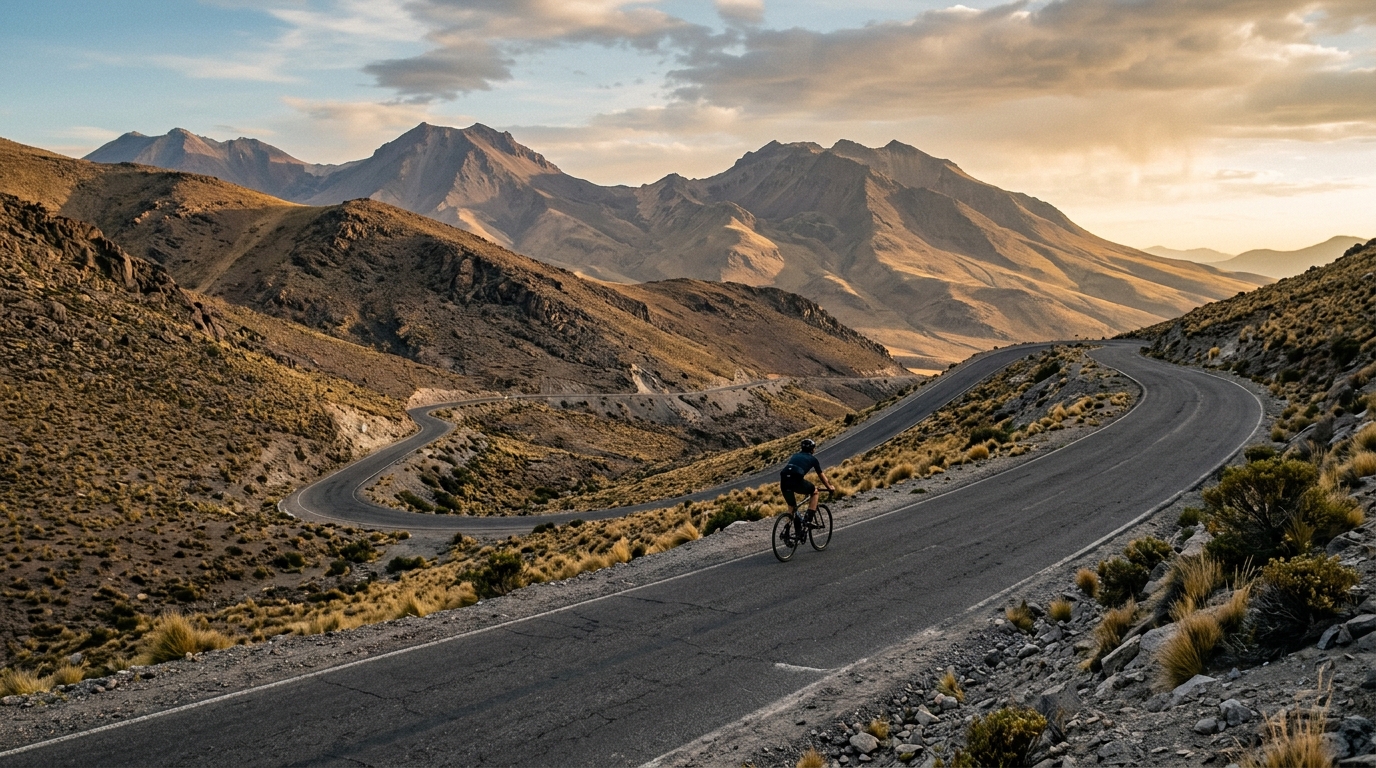 Chungara–Tambo QuemadoCat 3BO · 8.3 km · 4.5% · 358 m165pts
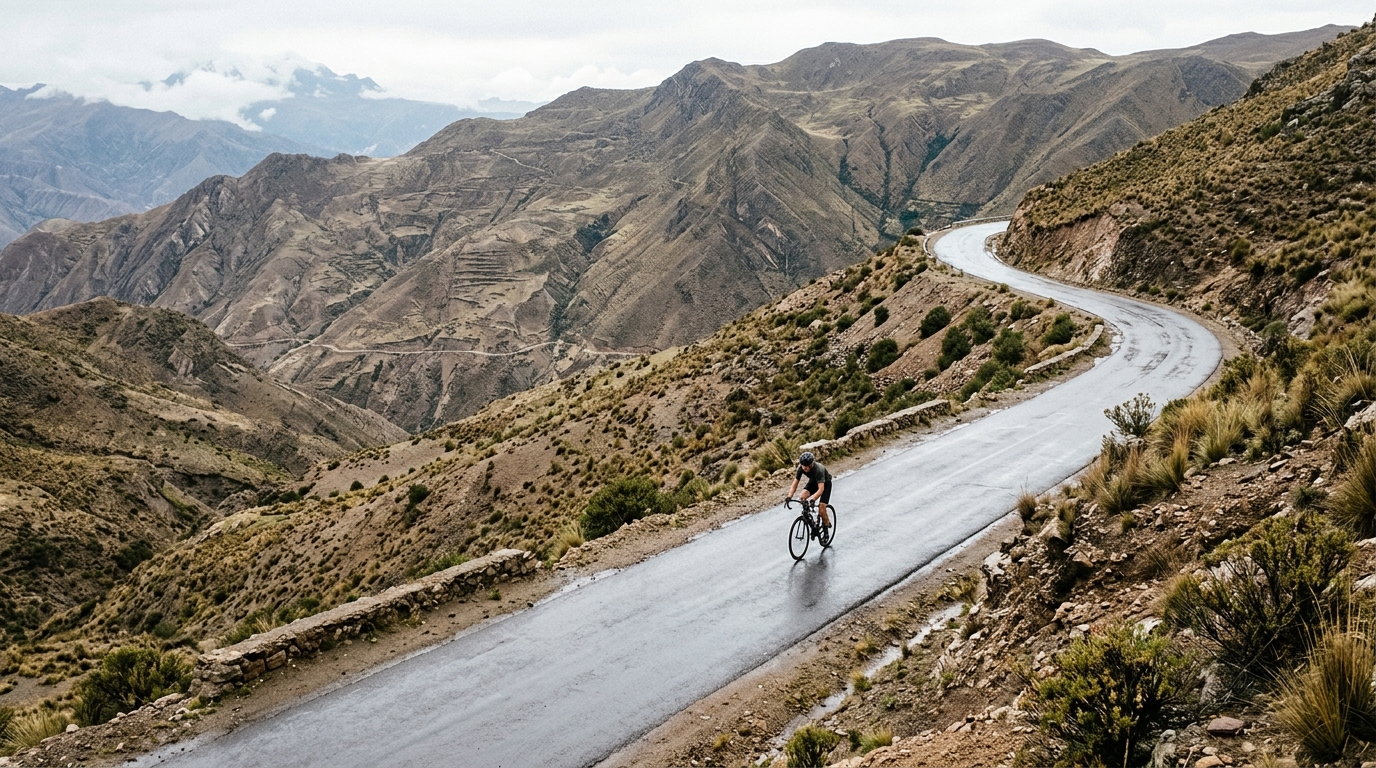 Alto de AmayaCat 1BO · 10.9 km · 8.3% · 876 m744pts
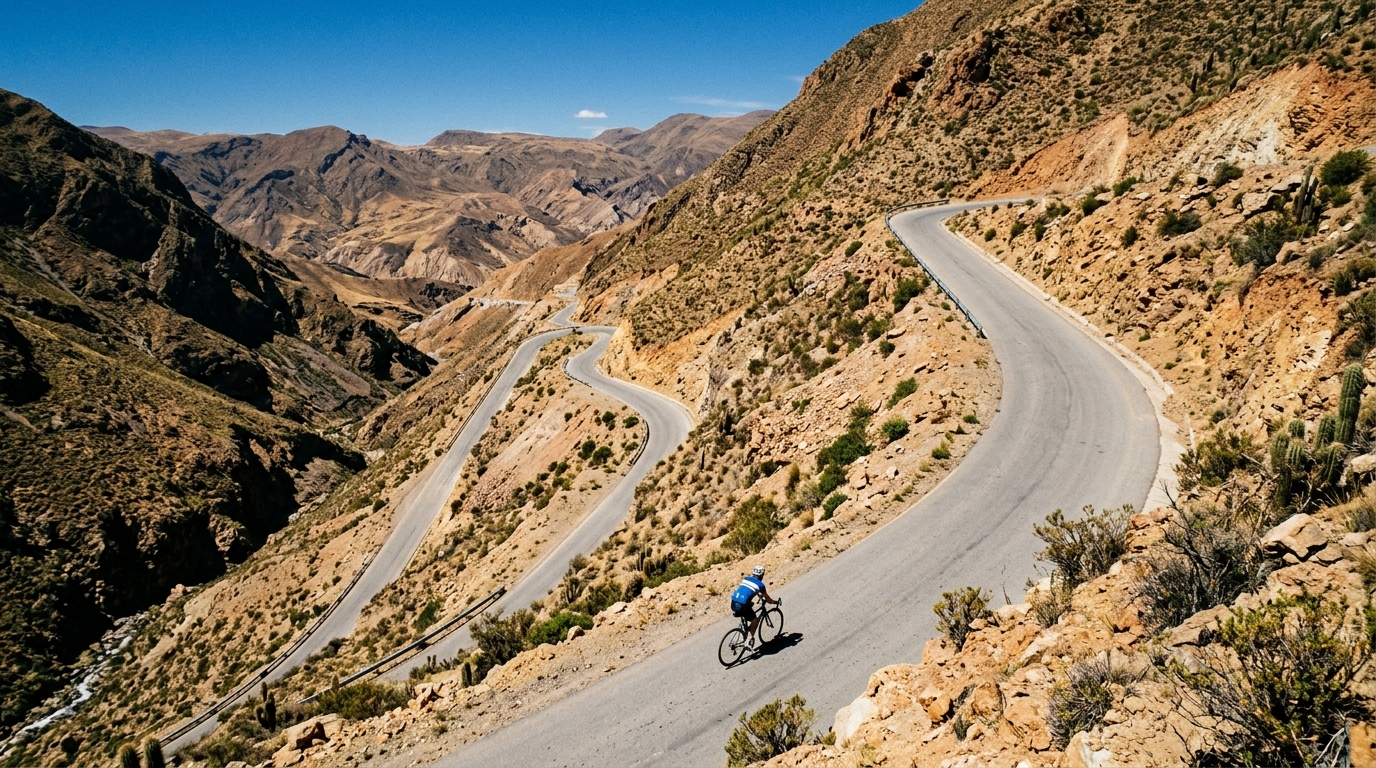 Alto de Las SierrasCat 1BO · 6.4 km · 10.3% · 632 m686pts
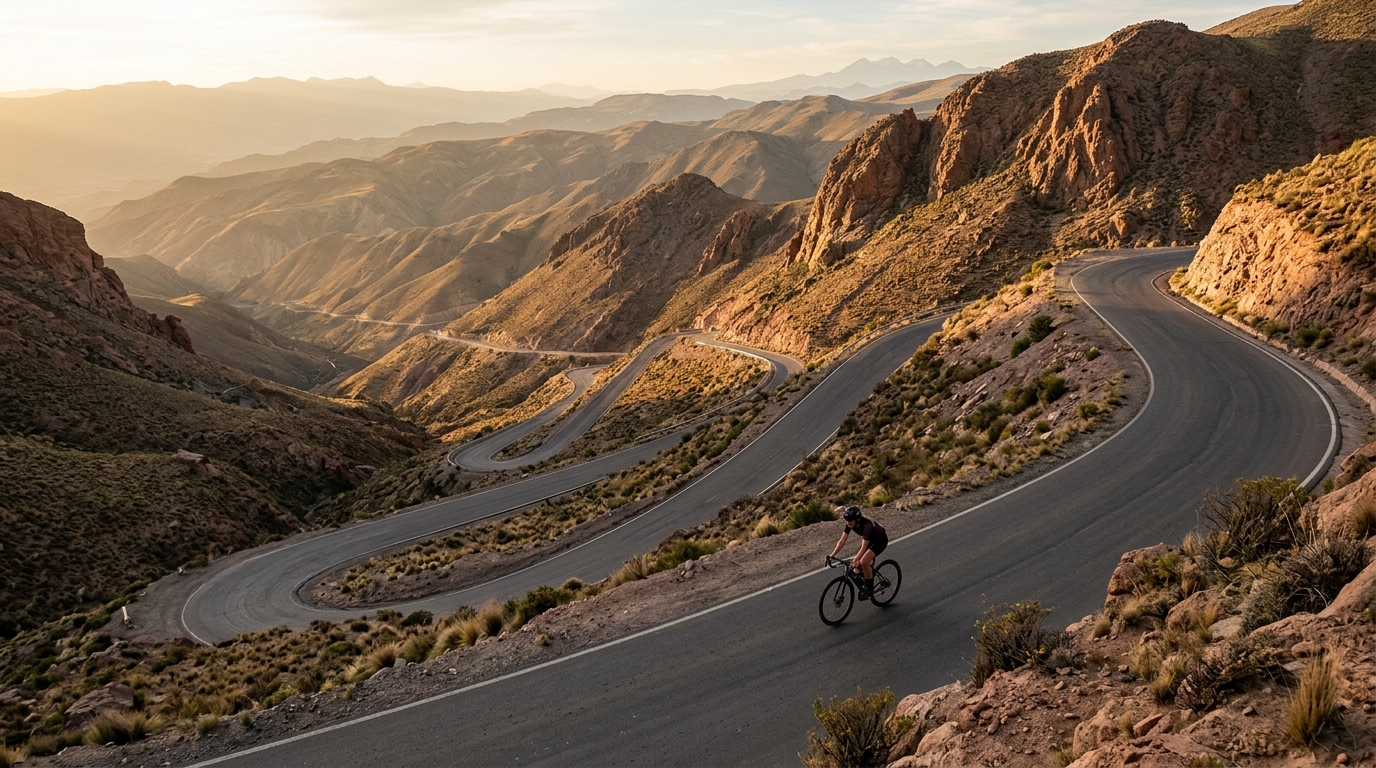 Alto de ChacoCat 1BO · 8.9 km · 8.2% · 749 m605pts
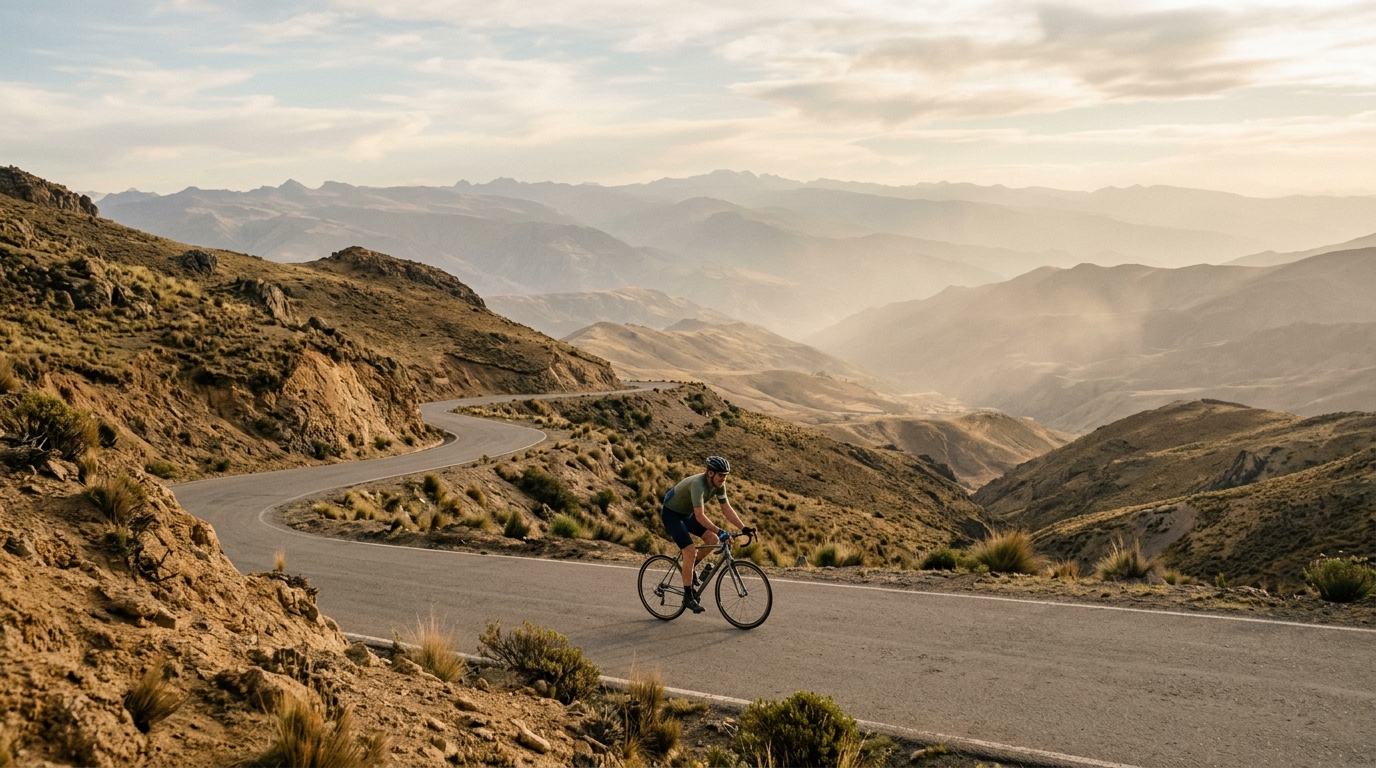 Alto de RumicanchaCat 1BO · 60.6 km · 3.0% · 2593 m564pts
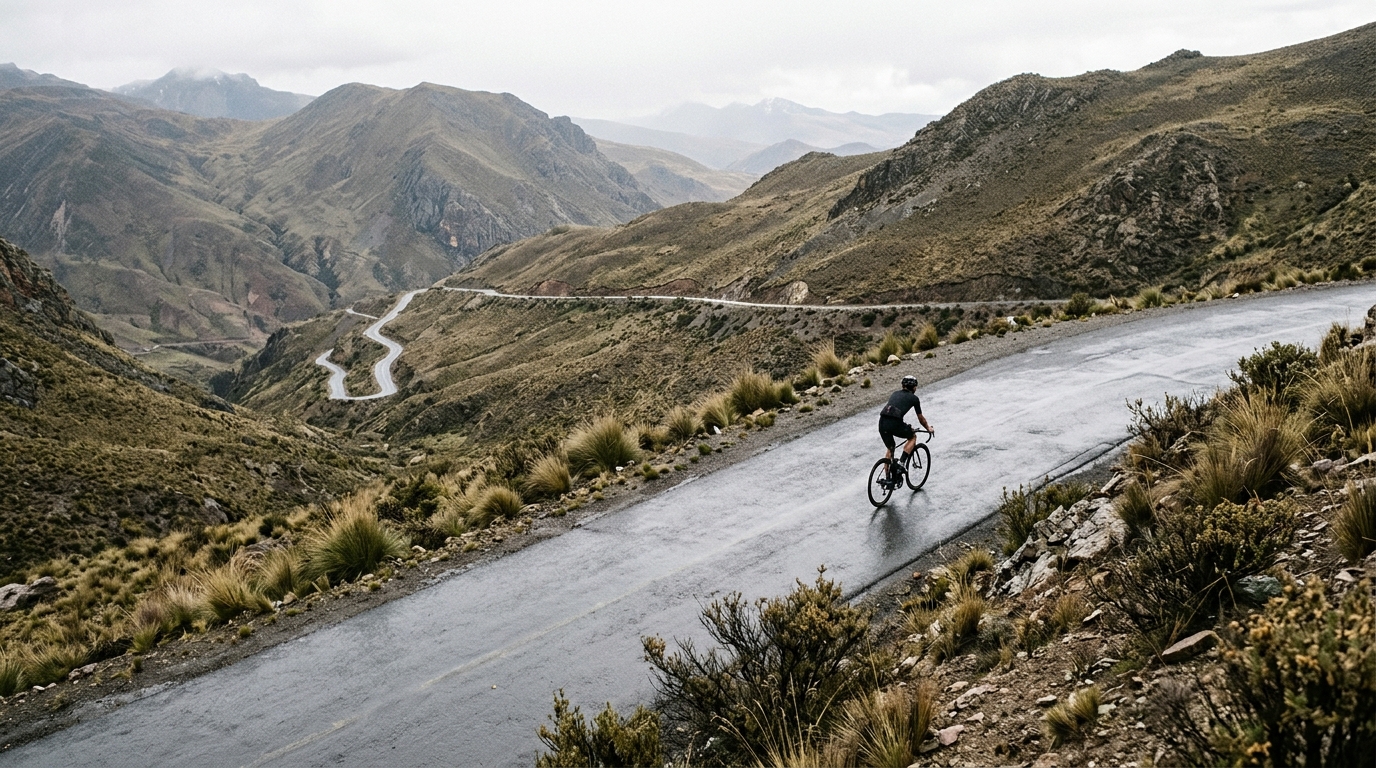 Alto de TajzaraCat 1BO · 42.3 km · 3.6% · 1602 m545pts
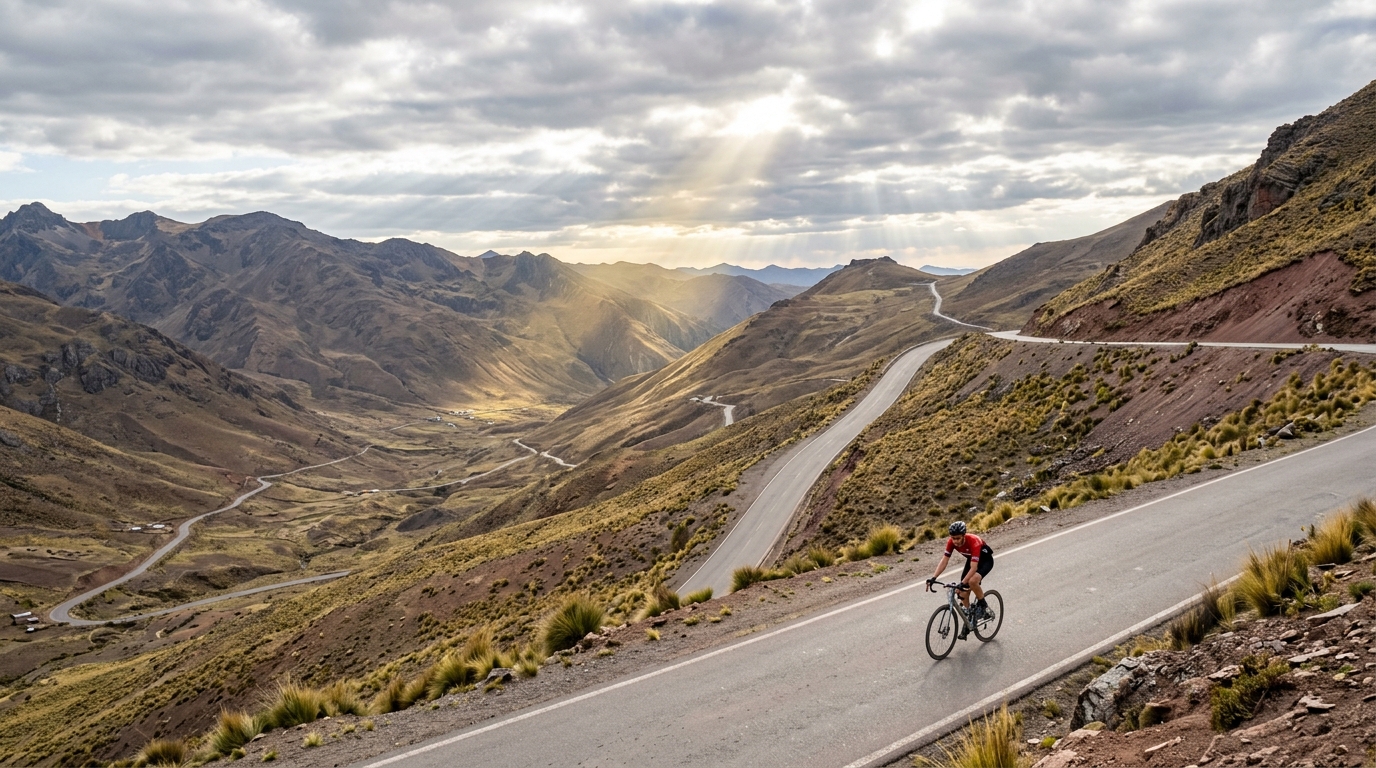 Alto de PiscunoCat 1BO · 14.2 km · 6.1% · 846 m531pts
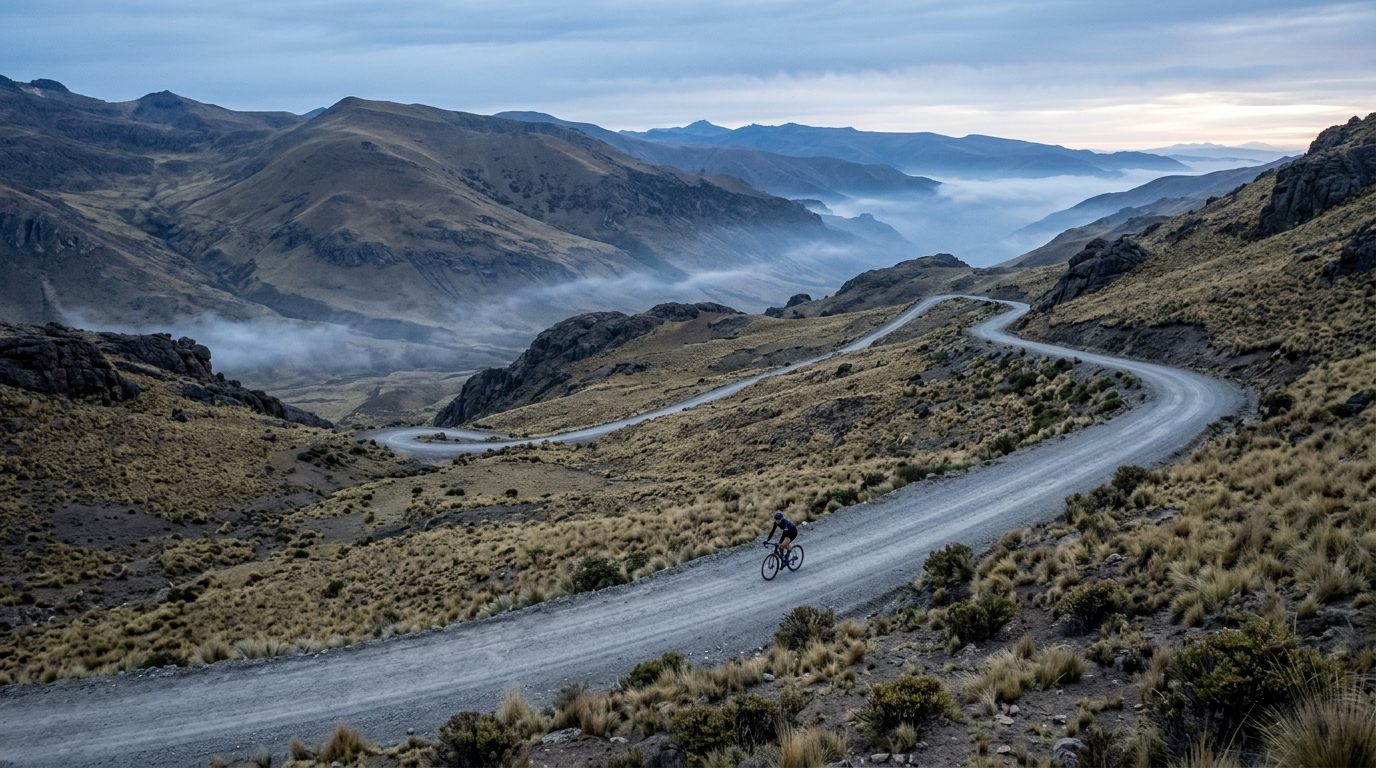 Alto de CebadillasCat 1BO · 31.8 km · 3.9% · 1573 m494pts
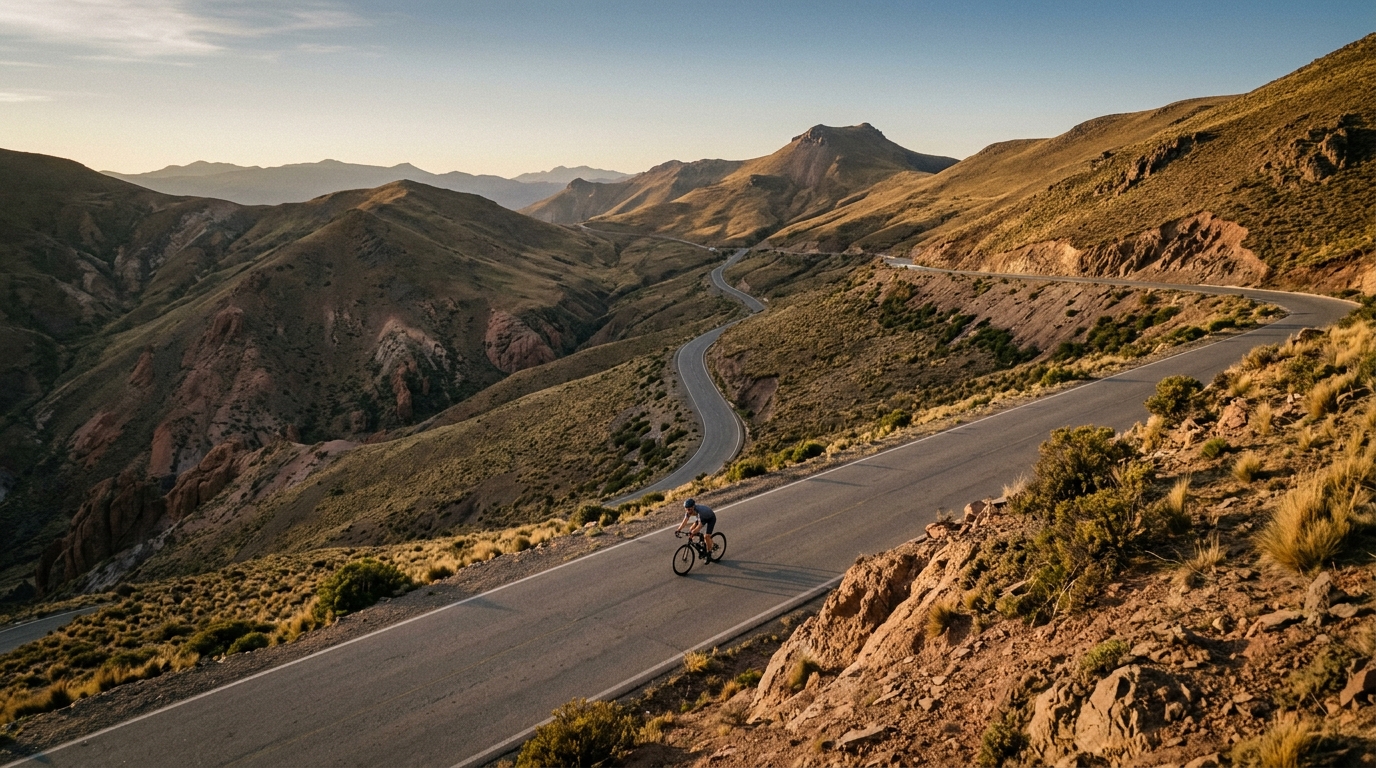 Paso de CondorCat 4BO · 5.4 km · 3.1% · 150 m50pts
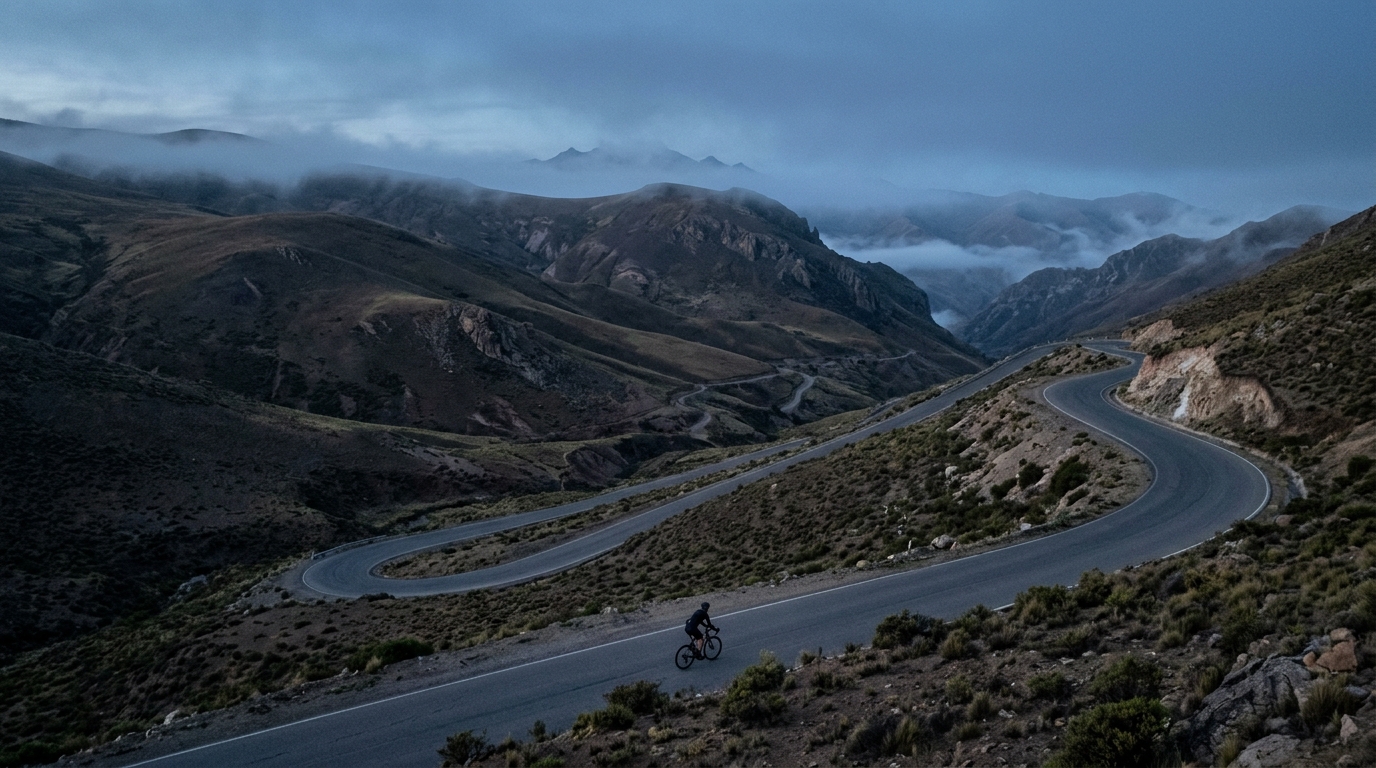 Alto de IpahuazuCat 2BO · 26.0 km · 3.1% · 803 m244pts
The complete guide to climbing in Bolivia
The Riding
Cycling in Bolivia is defined by one overwhelming variable: altitude. This is not a place of gentle valley spins and rolling farmland ascents. Bolivia's catalogued climbs sit among the highest paved and unpaved cycling terrain anywhere, with the loftiest summit in the catalogue cresting at 4,679 metres. At those heights the air is thin, the effort disproportionate to the gradient on the profile, and the body's usual sense of pacing is quietly rewritten. A slope that would feel manageable near sea level becomes a lung-searing grind when you are climbing through the upper reaches of the altiplano.
There are four catalogued climbs in Bolivia, and together they form a compact but formidable collection. What they share is length and elevation rather than the wall-like steepness some riders chase elsewhere. The typical Bolivian ascent trades ferocious gradient for sustained, patient toil: long drags across high, open ground where the horizon barely seems to move and the thin atmosphere does the work that a steep ramp would do at lower altitude. One of the four earns the sport's toughest rating, hors catégorie, a climb that stands apart from the rest for its severity and demand.
Standout Climbs
The single hors catégorie effort in the catalogue is the marquee ascent, and it anchors the country's reputation. Among the notable named climbs, the Chungara–Tambo Quemado stands out as a signature high-altitude crossing, a long, exposed haul across the roof of the region. The Portezuelo del Cajón offers another characteristic Bolivian test, working up through the thinning air toward a high saddle. The Alto de Piscuno adds to the roster with a sustained pull that rewards steady, disciplined climbing rather than explosive attacks. Rounding out the notable names, the Paso de Condor lives up to its billing as a genuine mountain pass, taking riders up to the kind of altitude where every pedal stroke is negotiated with the mountain rather than won outright.
These four climbs — Chungara–Tambo Quemado, Portezuelo del Cajón, Alto de Piscuno and Paso de Condor — are the heart of what Bolivia offers the climbing cyclist. None asks for the punchy, sprint-out-of-the-saddle bursts of shorter European bergs. Instead they demand endurance, humility before the altitude, and a willingness to settle into a rhythm and hold it for a long time.
When to Ride
Because Bolivia's climbs live so high, weather and conditions matter enormously to the experience. The best riding tends to fall in the drier, more settled stretches of the year, when high passes are least likely to be affected by the cold and precipitation that come with altitude. Riders should treat any window at this elevation as weather-dependent and check conditions close to the day rather than committing far in advance. At nearly 4,700 metres on the highest summit, temperatures can swing sharply between sun and shade, and the same climb can feel entirely different depending on the sky.
Practical Notes
Acclimatisation is the single most important piece of preparation for riding in Bolivia. Arriving and immediately attempting a climb that tops out near 4,679 metres is a recipe for altitude sickness and a ruined day. Give yourself time at elevation before you attempt the hardest ascents, and build up gradually. Gearing should be chosen for long, grinding efforts rather than short steep pitches — you will want a comfortable spinning gear you can hold for extended periods as the thin air erodes your power.
Carry more than you think you need. These are remote, high, open climbs, and self-sufficiency with water, food, and layers is essential. The exposure that makes the scenery so striking also means little shelter from sun, wind, or cold. Pace conservatively: at this altitude, going into the red early is far more costly than it would be lower down, and recovery is slower. Respect the mountain, ride within yourself, and let the rhythm carry you upward.
Summary
Bolivia offers a small, elite catalogue of four climbs unified by extreme altitude, capped by a single hors catégorie ascent and a highest summit of 4,679 metres. The named climbs — Chungara–Tambo Quemado, Portezuelo del Cajón, Alto de Piscuno and Paso de Condor — reward endurance, patience and proper acclimatisation over raw power. For riders drawn to the highest ground the sport has to offer, Bolivia is a rare and unforgettable proving ground.
Looking for full rides in Bolivia?
Routes in Bolivia