Climb library · Belgium
Cycling climbs in Belgium
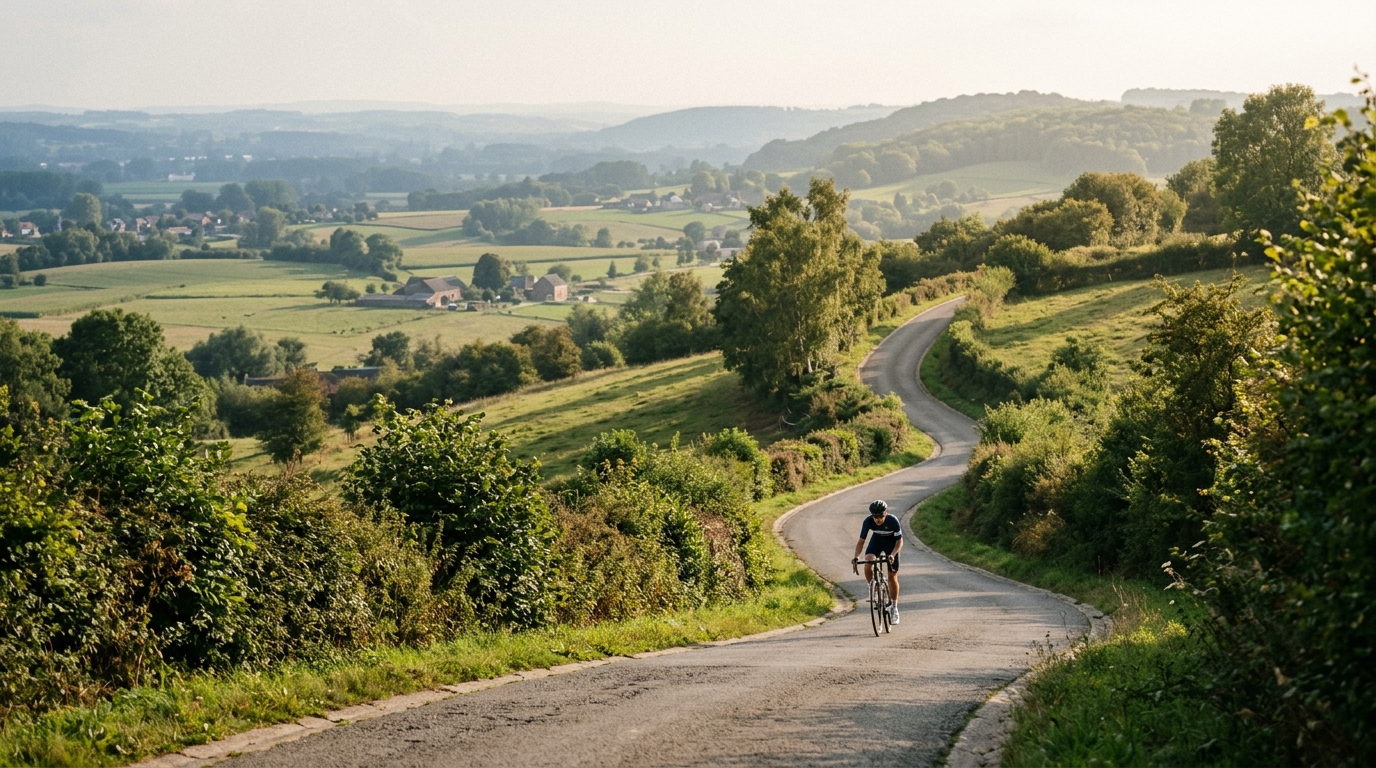
Belgium proves that great climbing is not measured in altitude alone. With its highest summit topping out at 564 metres, the country offers a different kind of challenge — one built on gradient and grit rather than towering peaks. None of its climbs reach hors catégorie status, yet the terrain rewards riders who relish short, sharp efforts and the shifting texture of the road beneath their wheels.
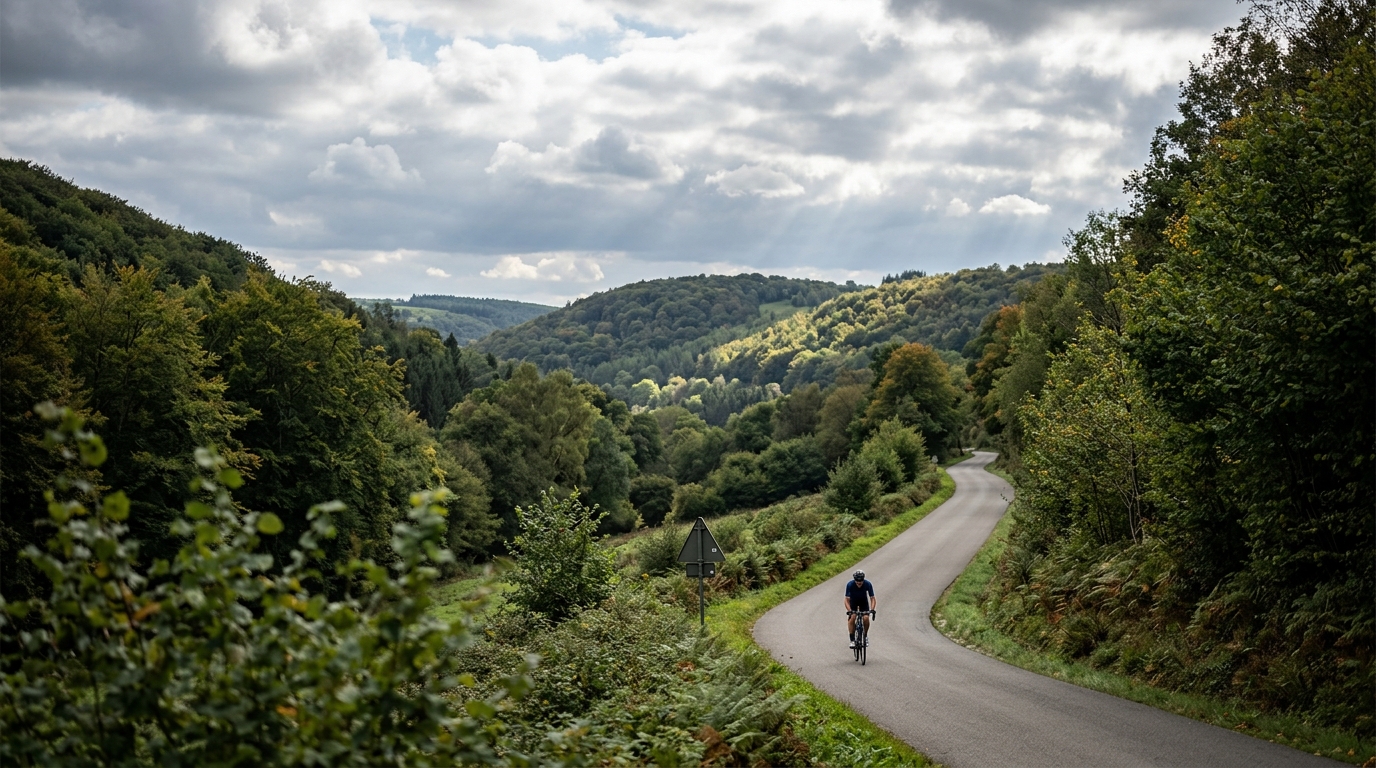
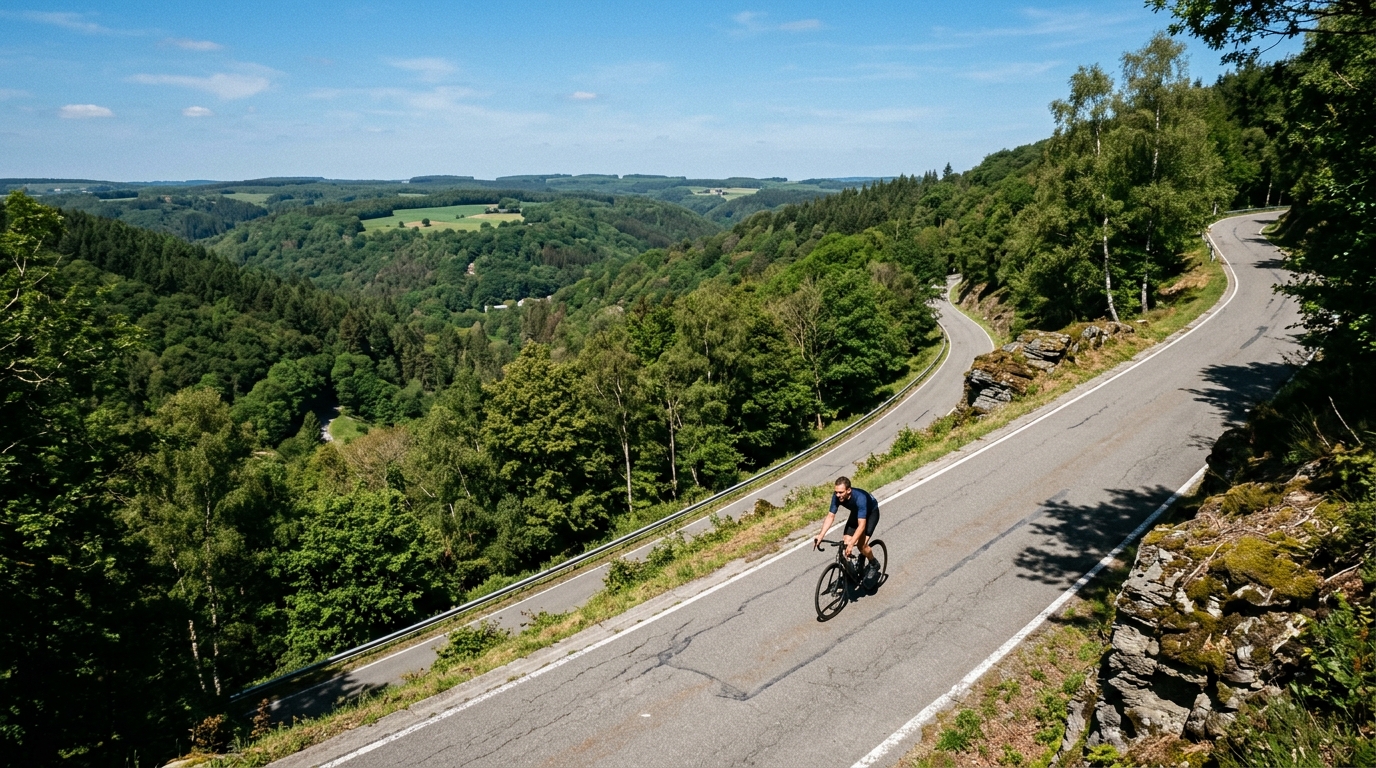
At the heart of the catalogue sits the Col du Rosier, the marquee climb that gives Belgian cyclists a benchmark worth chasing. It captures what makes riding here so distinctive: accessible, honest, and unpretentious. For those drawn to climbing that favours punch over sheer height, Belgium delivers a compact and characterful destination where every metre gained feels earned.
Signature climbs of Belgium
All climbs in Belgium
3 climbs
The complete guide to climbing in Belgium
The Riding
Belgium is not a country of towering passes, and its cycling climbs reflect that honestly. The terrain here is defined by rolling ground and short, sharp rises rather than the sustained high-altitude ascents you might chase elsewhere. With a single catalogued climb and a highest summit reaching only 564 metres, this is a place where the reward comes from punch and rhythm rather than sheer vertical scale.
That lower ceiling shapes everything about the experience. You are never grinding toward thin air or snow-line switchbacks. Instead, Belgian climbing tends to be about the effort itself — the gradient underfoot, the surface, the way a road tilts up out of a valley and asks for a hard, honest push. For riders who enjoy repeated efforts and a climb they can attack rather than merely survive, this style of terrain has real appeal.
Because the catalogue is small, there is a clarity to riding here. You are not overwhelmed by choice or chasing an endless tick-list. The focus falls squarely on quality over quantity, and on knowing one good climb well rather than skimming dozens.
Standout Climbs
The centrepiece — and the sole catalogued climb — is the Col du Rosier. It stands as the defining ascent of Belgian climbing in this guide, and with no hors catégorie climbs in the country, it carries the character of the region on its own.
The Col du Rosier is the climb to plan a ride around. Approach it with fresh legs and treat it as the main objective of your day rather than a warm-up for something bigger. Because it is the highest and most notable ascent catalogued here, it deserves your full attention: pace it deliberately, settle into a sustainable rhythm early, and let the gradient dictate your effort rather than starting too hard off the bottom.
With the highest summit in this catalogue sitting at 564 metres, even the Col du Rosier keeps you within a comfortable altitude band. That means the challenge is muscular and rhythmic rather than one of altitude — a climb you can measure yourself against and come back to repeatedly, chasing a cleaner, stronger effort each time.
When to Ride
The absence of high summits works in your favour when it comes to timing. Without high-altitude passes to contend with, your riding window is broad and forgiving. You are not waiting for snow to clear from a mountaintop or racing to beat an alpine closure.
Aim for the milder, drier stretches of the year when the roads are clean and grip is dependable, since traction matters most on shorter, steeper efforts where you are often out of the saddle. Longer daylight makes it easier to link the Col du Rosier into a fuller loop and to enjoy the ride without pressure. Cooler, damp conditions call for extra caution on descents and a more measured line through any pitched sections.
Practical Notes
Plan realistically around what the catalogue actually offers. With one catalogued climb and no hors catégorie ascents, structure your day around the Col du Rosier rather than expecting to string together a long chain of major summits.
Because the climb tops out at a modest 564 metres, you can pack light for the ascent itself — this is not high-mountain riding that demands heavy cold-weather layering for the summit. That said, carry enough to stay comfortable if the weather turns, and bring layers you can shed as you warm into the effort.
Come prepared for gradient rather than distance at altitude. Gearing that lets you spin comfortably on a steeper pitch will serve you better than anything geared purely for long, gentle drags. Check your surface grip and brakes before any descent, and give yourself time to ride the Col du Rosier more than once if you want to truly understand its rhythm.
Summary
Belgium offers a compact, honest slice of climbing: a single catalogued ascent, no hors catégorie monsters, and a high point of just 564 metres. The Col du Rosier carries the region, rewarding riders who value punch, rhythm and repetition over raw altitude. Plan your day around that one climb, ride it well, and let its character stand in for the whole. It is a reminder that a great climb does not need to be enormous — it just needs to be worth coming back to.
Looking for full rides in Belgium?
Routes in Belgium