Climb library · Bosnia & Herzegovina
Cycling climbs in Bosnia and Herzegovina
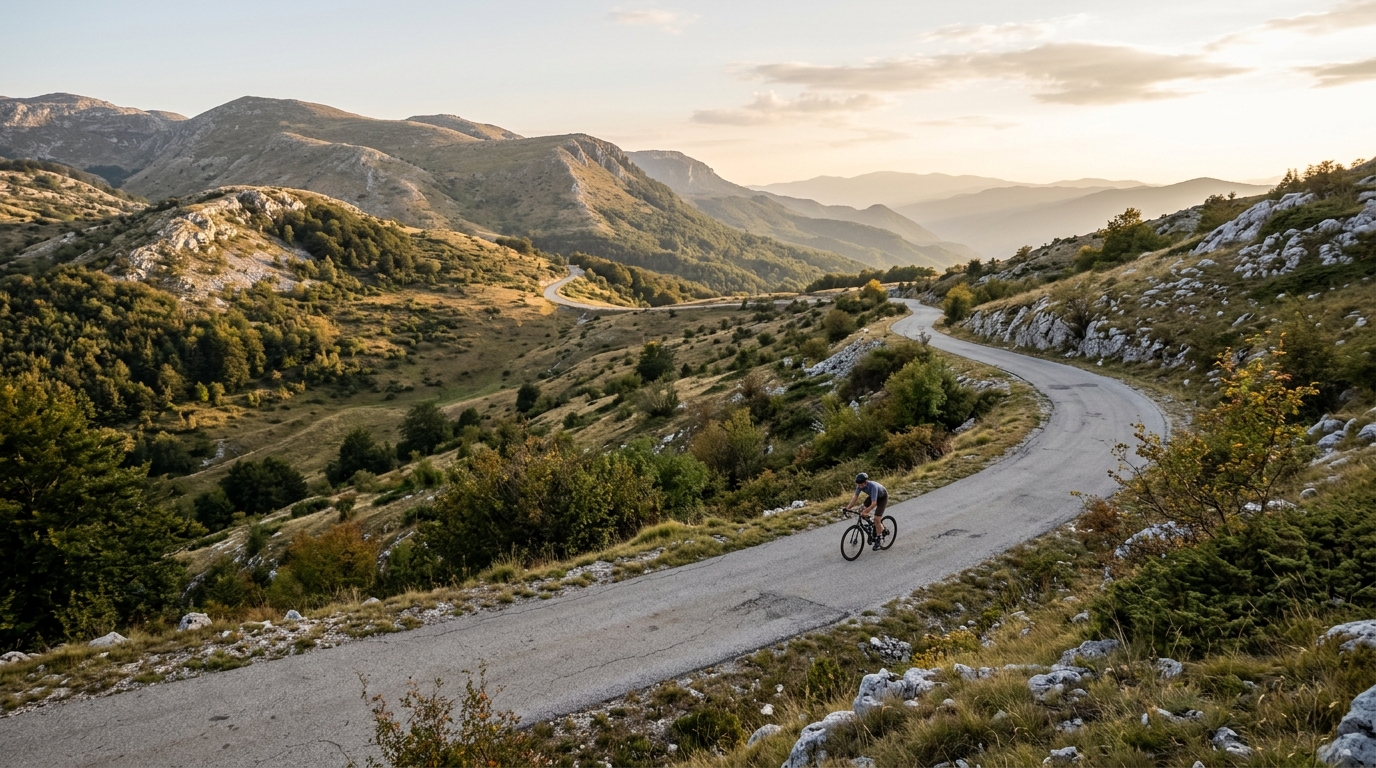
Bosnia and Herzegovina rewards riders who love quiet roads and rugged scenery. Our catalogue lists three climbs here, none of them hors catégorie, which makes the country an approachable destination for anyone building endurance without facing the most brutal gradients. The high point reaches 1,298 metres, a summit that opens up long views over folded ridges and forested valleys, earned through steady, honest climbing rather than punishing extremes.
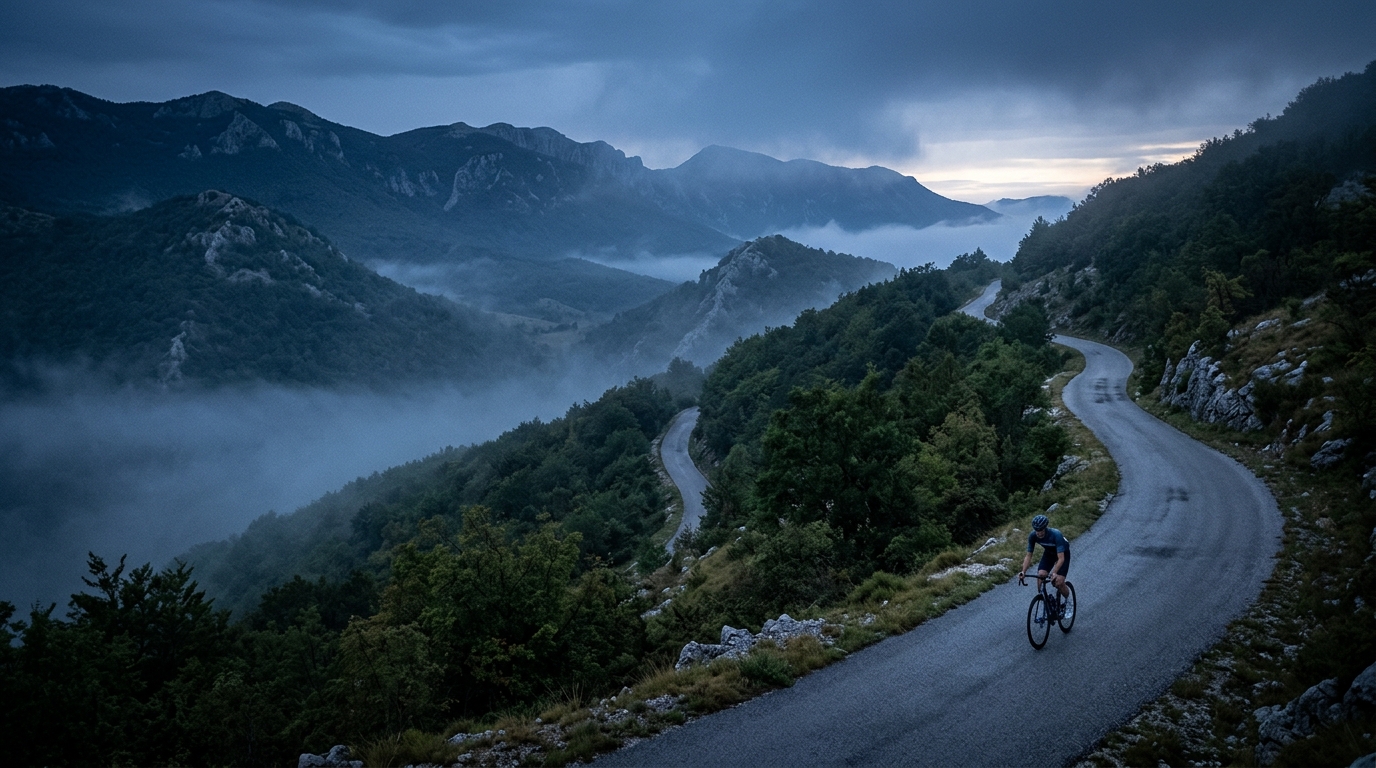
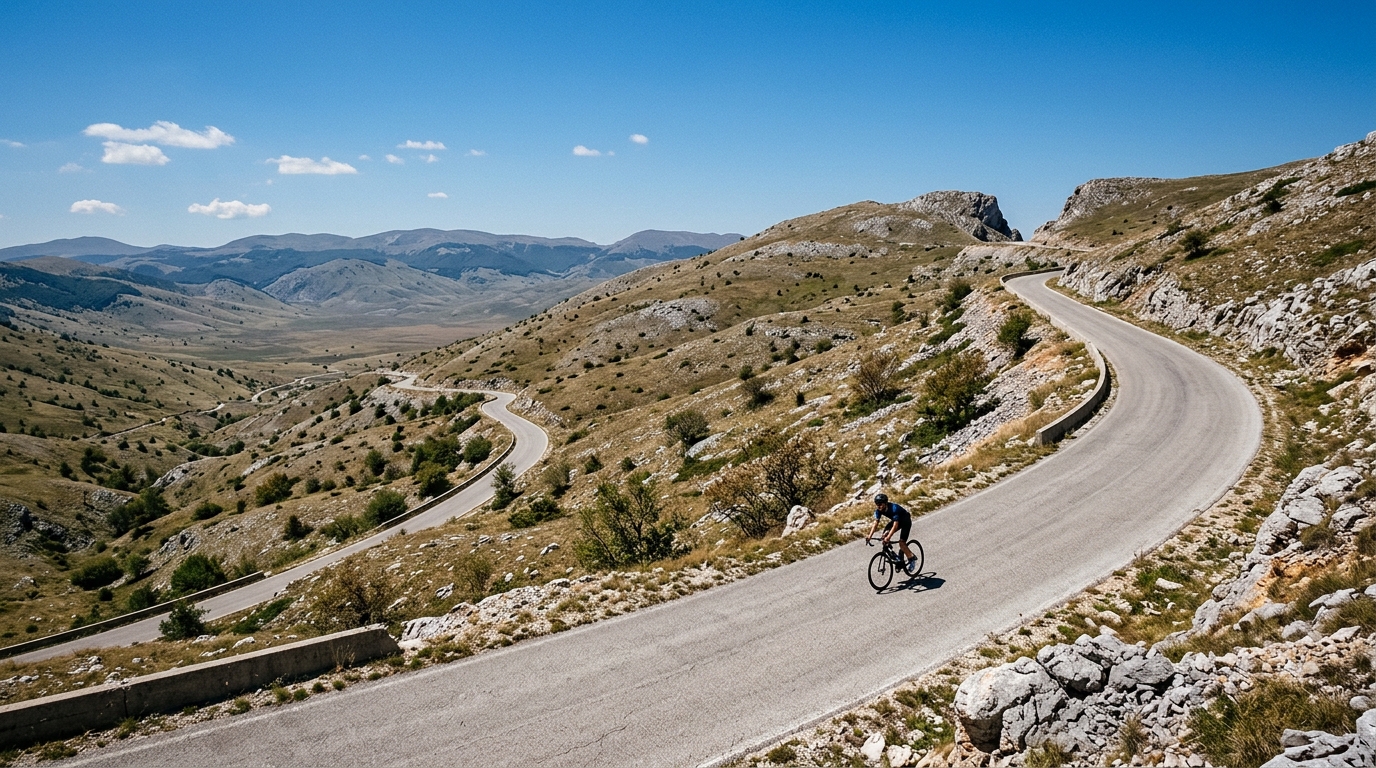
The marquee ascents are Makljen, Čemerno, and Kupreška vrata, each a chance to test your legs on roads that see far less traffic than the crowded passes elsewhere. Whether you tackle all three or single one out, these climbs offer a genuine mountain experience in a corner of Europe that rewards the curious. Pack for changeable weather, settle into a rhythm, and let the terrain carry you upward.
Signature climbs of Bosnia & Herzegovina
All climbs in Bosnia & Herzegovina
3 climbs
The complete guide to climbing in Bosnia & Herzegovina
The Riding
Bosnia and Herzegovina is quiet, mountainous country for a rider who likes long, honest gradients rather than dramatic alpine spectacle. The catalogue here is small and deliberate: three climbs, none of them steep enough to earn hors catégorie status, and a high point that tops out at 1,298 metres. That profile tells you most of what you need to know before you clip in. This is riding built around passes that link one valley to the next, where the interest lies in the sustained rhythm of the ascent rather than in punishing double-digit ramps.
Because the highest summit sits just under 1,300 metres, the altitude never becomes the story. You will not be gasping for thin air near the top of any of these climbs. What you get instead is elevation that accumulates steadily as roads thread through forested uplands and over the saddles between ranges. The three catalogued climbs — Makljen, Čemerno and Kupreška vrata — share this character: they are the kind of ascents that reward patience, a steady cadence and a willingness to settle in for the long haul rather than to attack.
For visiting cyclists, the appeal is the emptiness. With so few catalogued climbs, this is not a place you come to tick off a famous list. You come for the space, the mountain air and the sense of riding roads that see far more sheep than pelotons.
Standout Climbs
Three climbs anchor the riding here, and each is worth planning a day around.
Makljen is the classic mountain-pass ascent, a saddle crossing that carries you up out of one valley and delivers you into the next. It is the sort of climb that defines Bosnian riding: long enough to test your legs, steady enough to let you find a rhythm and hold it.
Čemerno offers a similar experience — a sustained pull up to a mountain pass, with the reward of a long descent on the far side. It has the honest, grinding quality that suits riders who prefer their climbs measured rather than explosive.
Kupreška vrata completes the trio. As its name suggests, it is a gateway between uplands, and it climbs toward the higher country that gives Bosnia and Herzegovina its modest ceiling near 1,298 metres. Of the three, it best captures the feeling of riding into the roof of the region.
None of these three is a leg-breaker in the hors catégorie sense. That is the point. They are attainable, satisfying ascents that most reasonably fit riders can complete and enjoy.
When to Ride
The riding season in Bosnia and Herzegovina is shaped by its mountains. Even with summits below 1,300 metres, the higher passes hold cold and wet conditions well into spring, so the sweet spot for climbing here runs through the warmer months. Late spring, summer and early autumn give you the most reliable weather on the passes, with dry roads and comfortable temperatures for a long day of climbing.
Summer is the safest bet for tackling Makljen, Čemerno and Kupreška vrata in a single trip, when the upland roads are clear and daylight is generous. Early autumn can be especially rewarding, with cooler air on the ascents and quieter roads. Winter riding at altitude is best avoided — the passes are exposed, and mountain weather can turn quickly even at these modest heights.
Practical Notes
Plan for self-sufficiency. These are quiet mountain roads, and services thin out quickly once you leave the valleys, so carry enough food, water and spares to be comfortable between towns. The climbs are long rather than brutal, which means pacing and fuelling matter more than raw power.
Gear for changeable mountain conditions. Even in summer, the top of a pass can be markedly cooler than the valley floor, and a descent off Makljen or Čemerno will chill you fast — pack a windproof layer. Because the summits sit below 1,300 metres, you will not need to worry about altitude, but you should respect the exposure and the distances between resupply points.
Finally, treat this as a trip about quality over quantity. With three catalogued climbs and no hors catégorie monsters, the goal is to ride them well and soak up the surroundings rather than to chase big numbers.
Summary
Bosnia and Herzegovina offers a compact, rewarding set of cycling climbs: Makljen, Čemerno and Kupreška vrata, three sustained mountain passes topping out near 1,298 metres with nothing steep enough to rank as hors catégorie. Ride them in the warmer months, come prepared for quiet roads and changeable mountain air, and you will find honest, satisfying climbing with plenty of space to yourself.
Looking for full rides in Bosnia & Herzegovina?
Routes in Bosnia & Herzegovina