Climb library · India
Cycling climbs in India
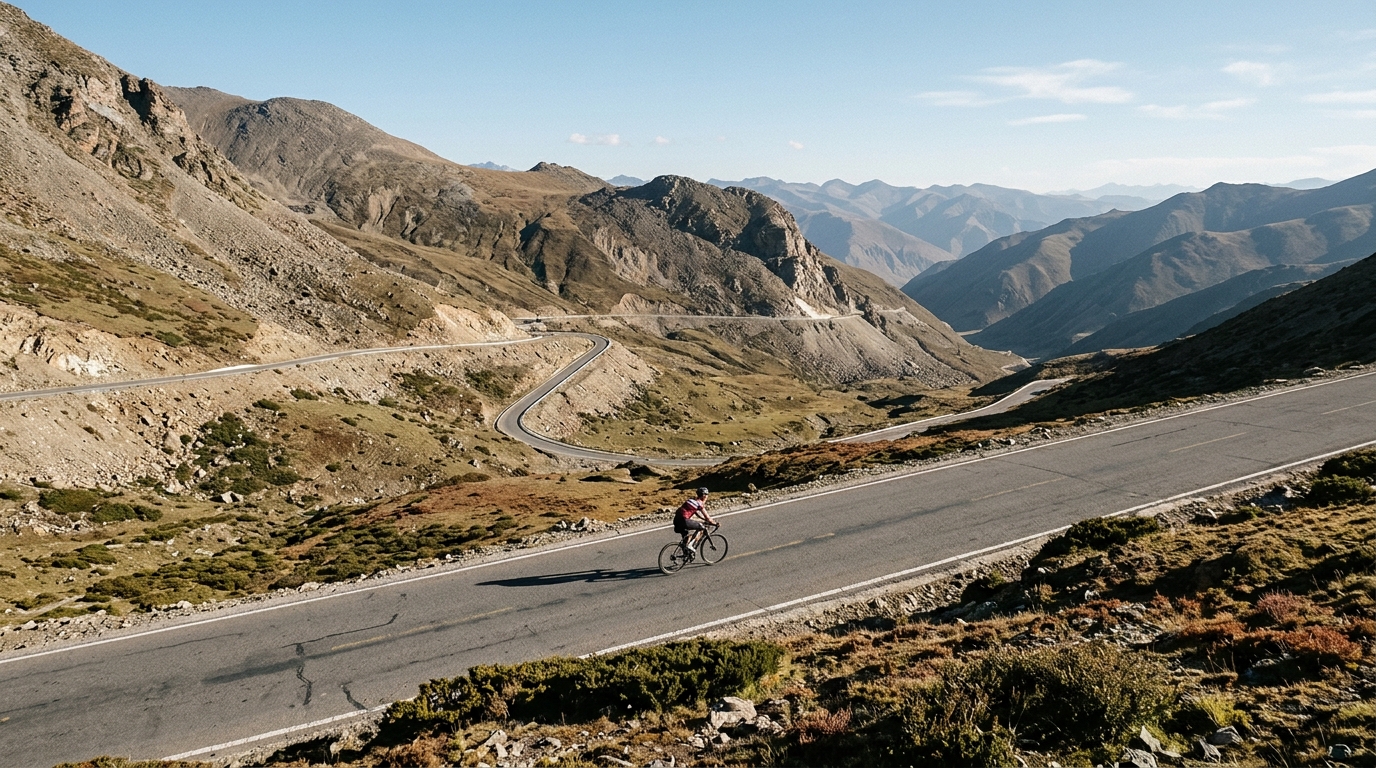
India is a destination for cyclists who measure a ride by the thinness of the air. Six catalogued climbs stretch legs and lungs alike, with the highest summit cresting at a staggering 5,360 metres. Three of the six carry the hors catégorie label, the sport's mark for ascents so long and so steep they sit beyond ordinary classification. These are roads that climb into the sky rather than merely up a hillside, rewarding patience, acclimatisation, and a deep respect for altitude.
The names alone hint at the scale of the challenge. Khardung La and the Karakoram Pass headline the collection, joined by Changla Pass, Rohtang Pass, Shingo La Pass, and Zojila Pass. Each offers its own blend of gradient, exposure, and thin mountain air, making India a proving ground for riders chasing the highest paved roads on earth. For anyone drawn to extreme elevation, this small but formidable set of climbs is hard to match.
Signature climbs of India
All climbs in India
59 climbs
 Sinthan topHCIN · 34.2 km · 4.8% · 1629 m801pts
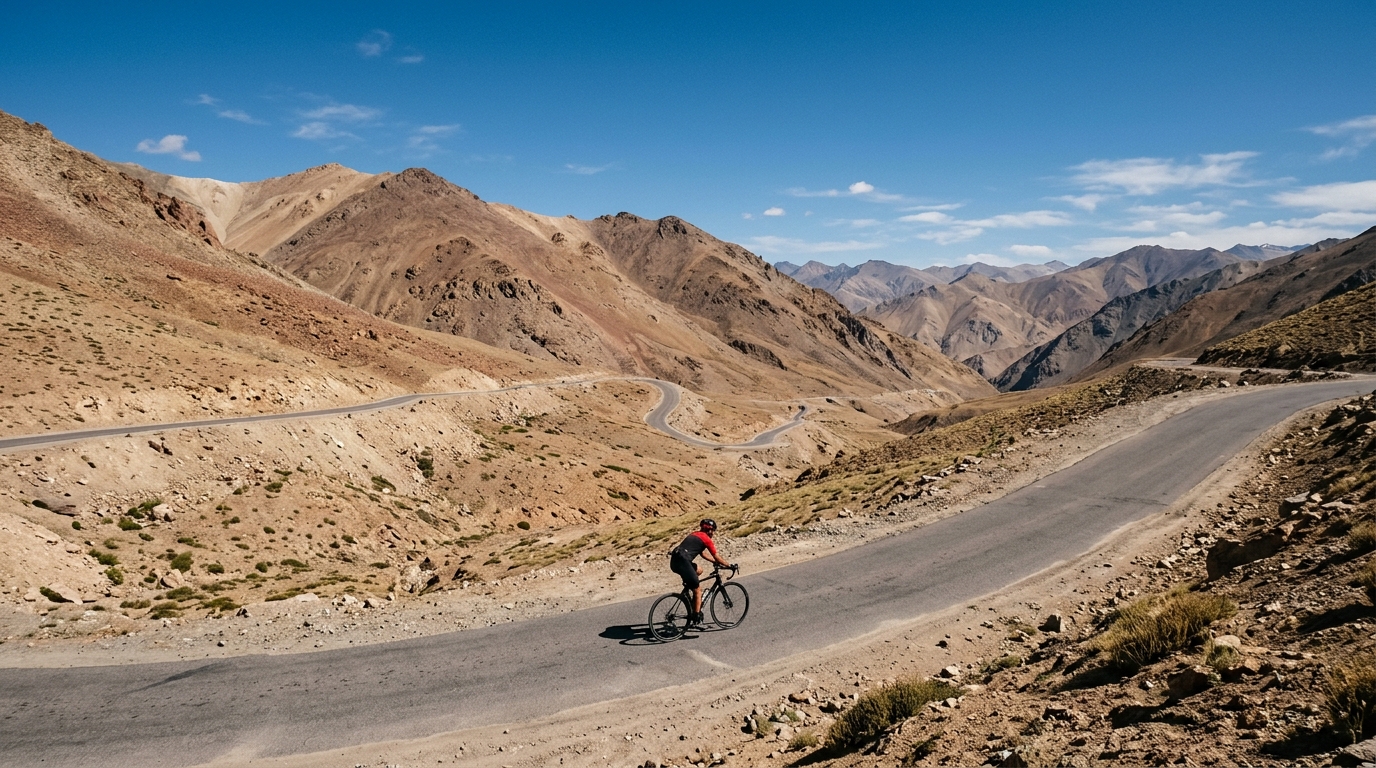 Taglang LaCat 2IN · 30.3 km · 3.6% · 1079 m395pts
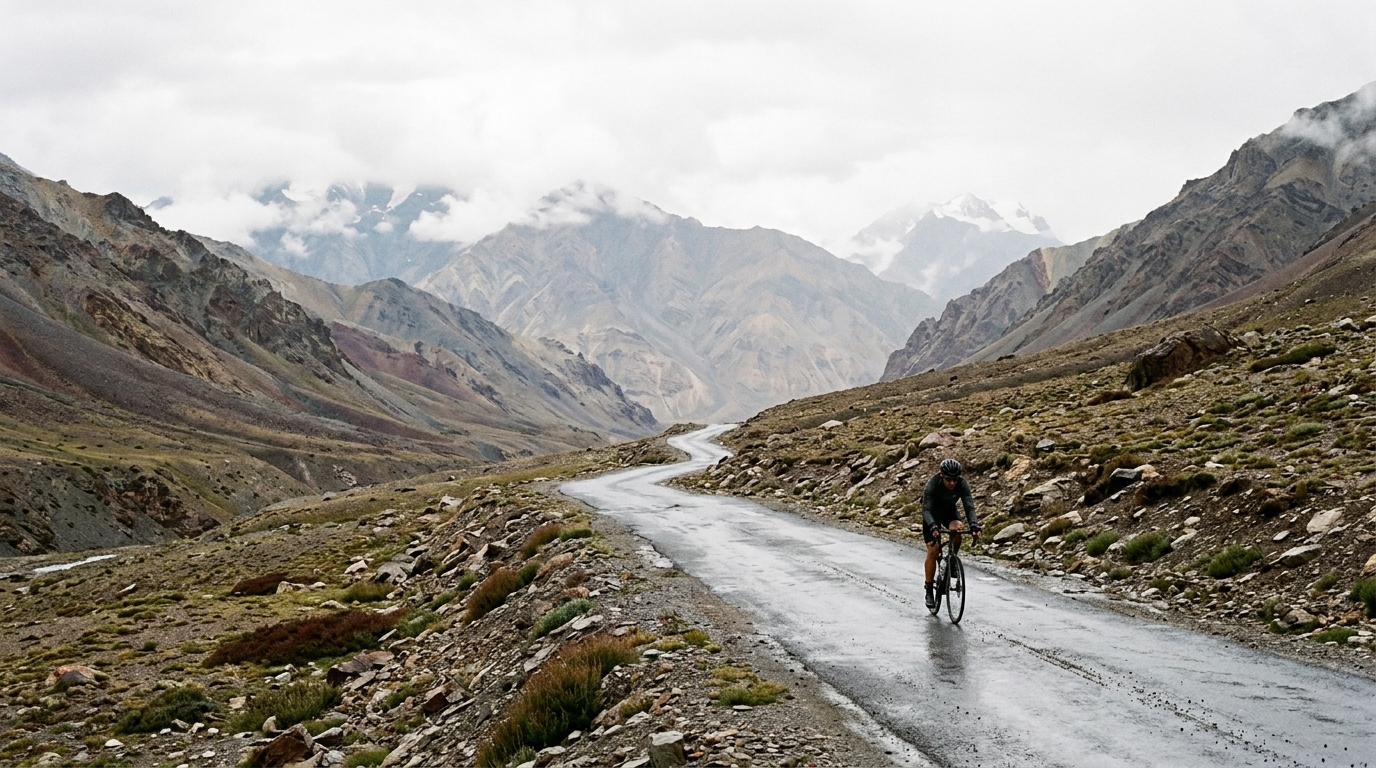 Lungalacha LaCat 2IN · 19.8 km · 4.1% · 785 m328pts
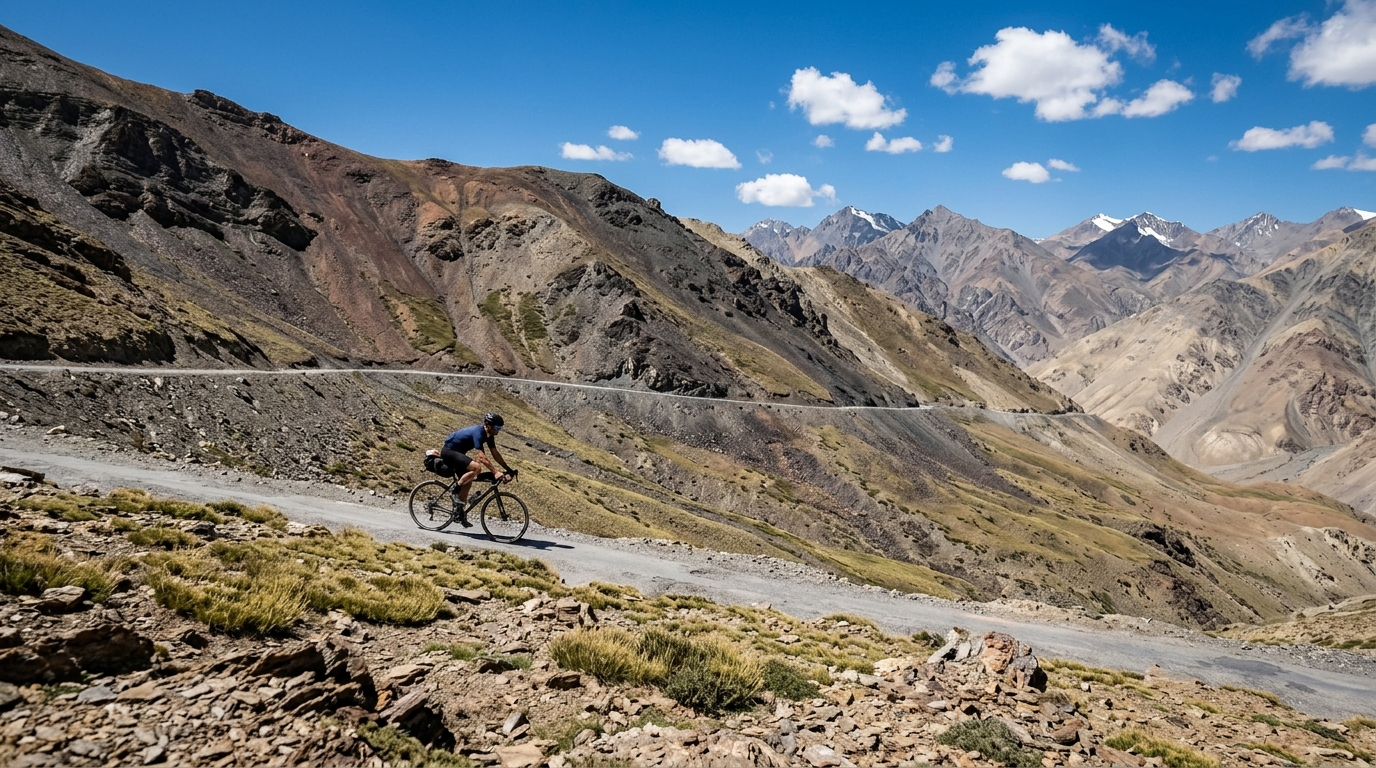 Kunzum PassCat 2IN · 33.1 km · 3.1% · 1030 m310pts
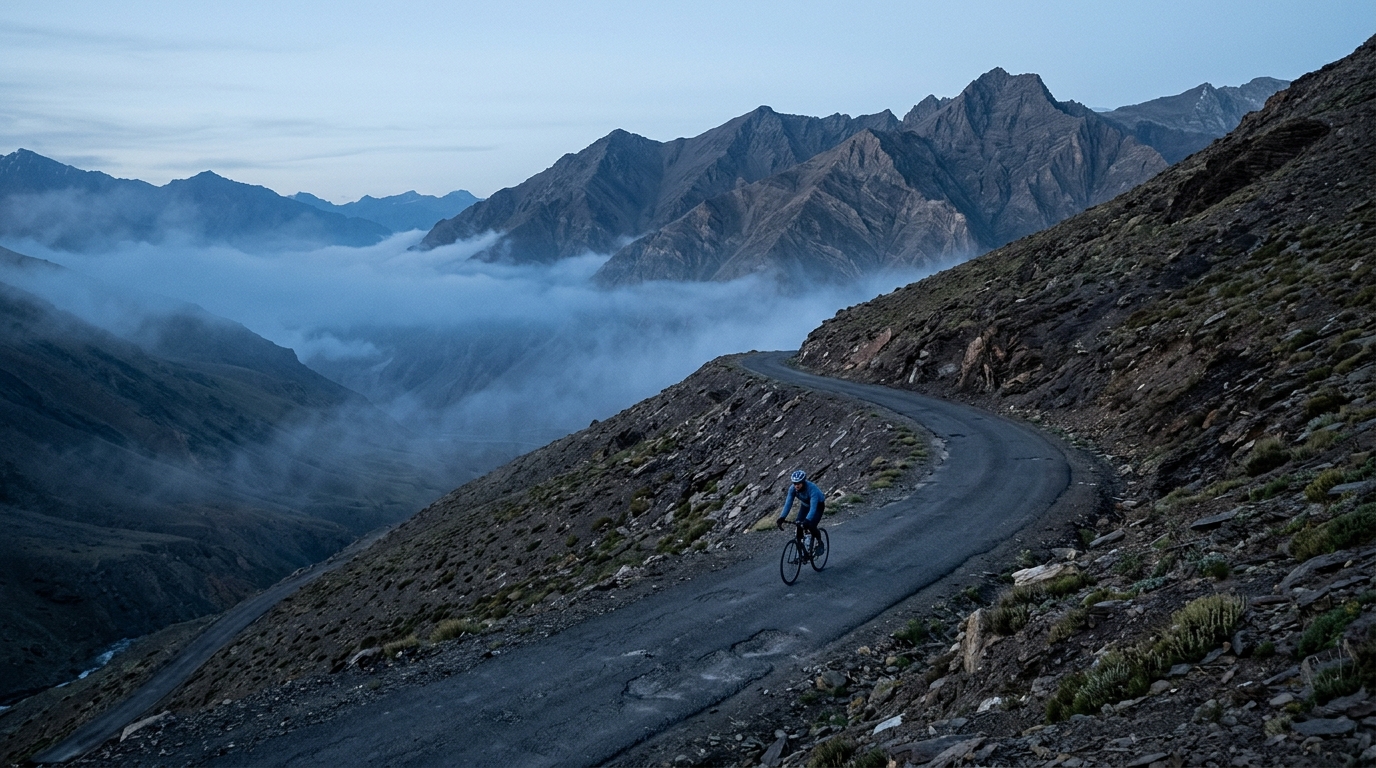 Kongka PassCat 2IN · 6.4 km · 6.5% · 383 m267pts
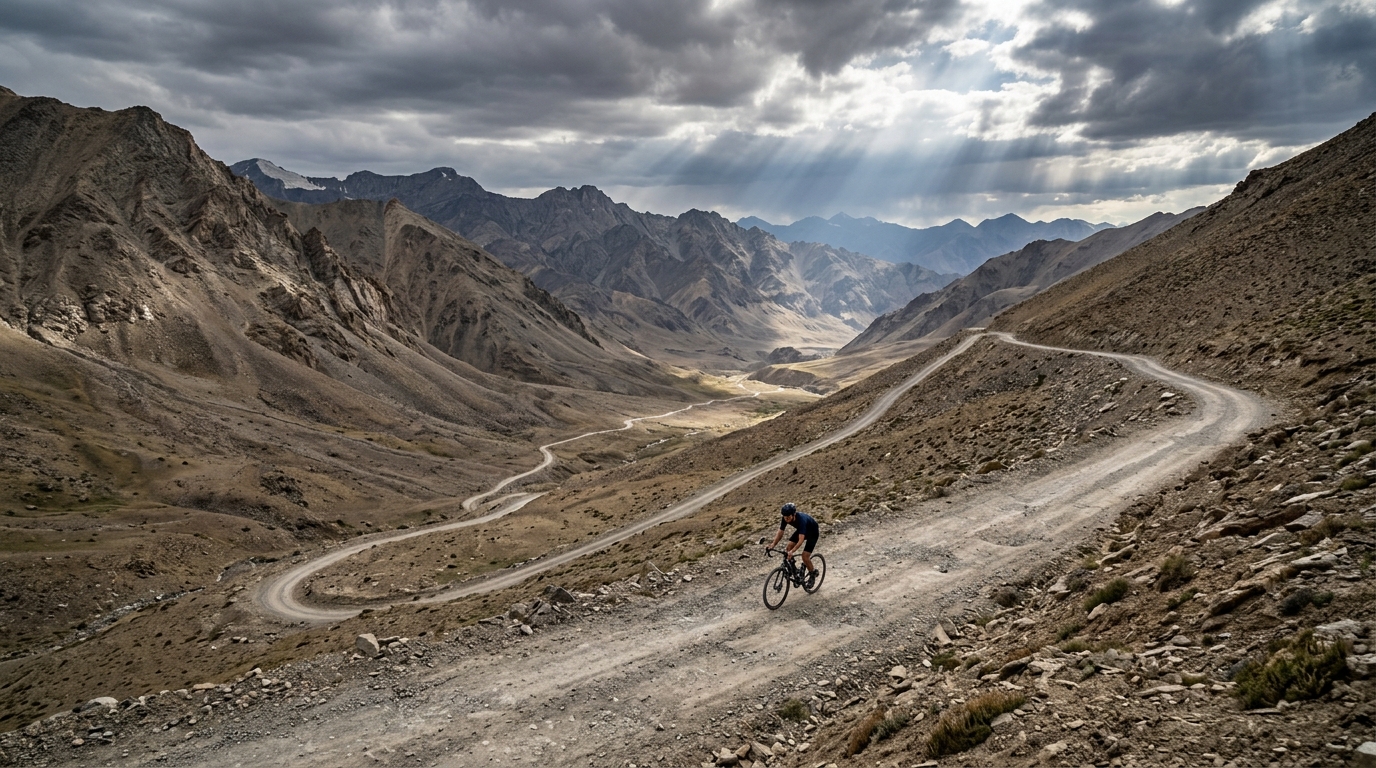 Gyong LaCat 1IN · 46.3 km · 3.1% · 1424 m456pts
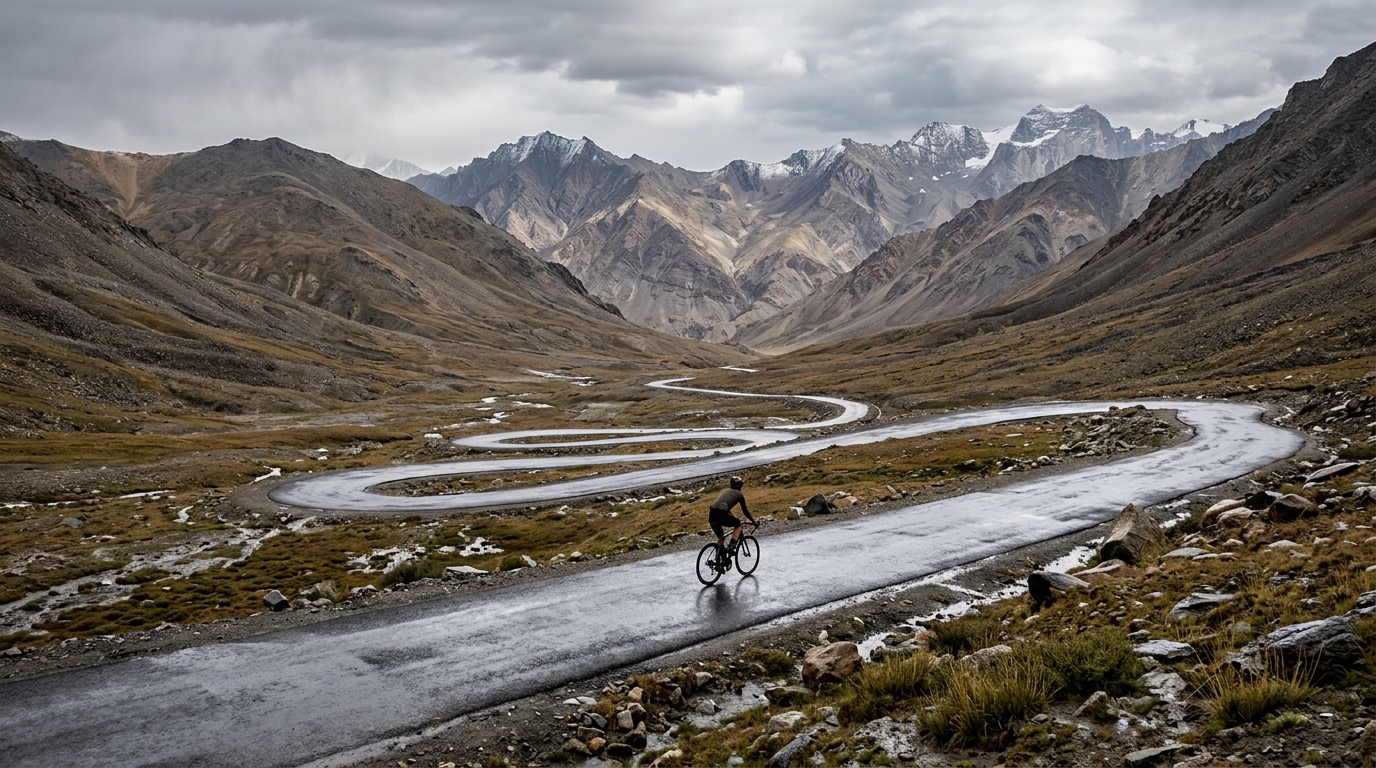 Pensi La PassCat 3IN · 10.8 km · 4.0% · 425 m176pts
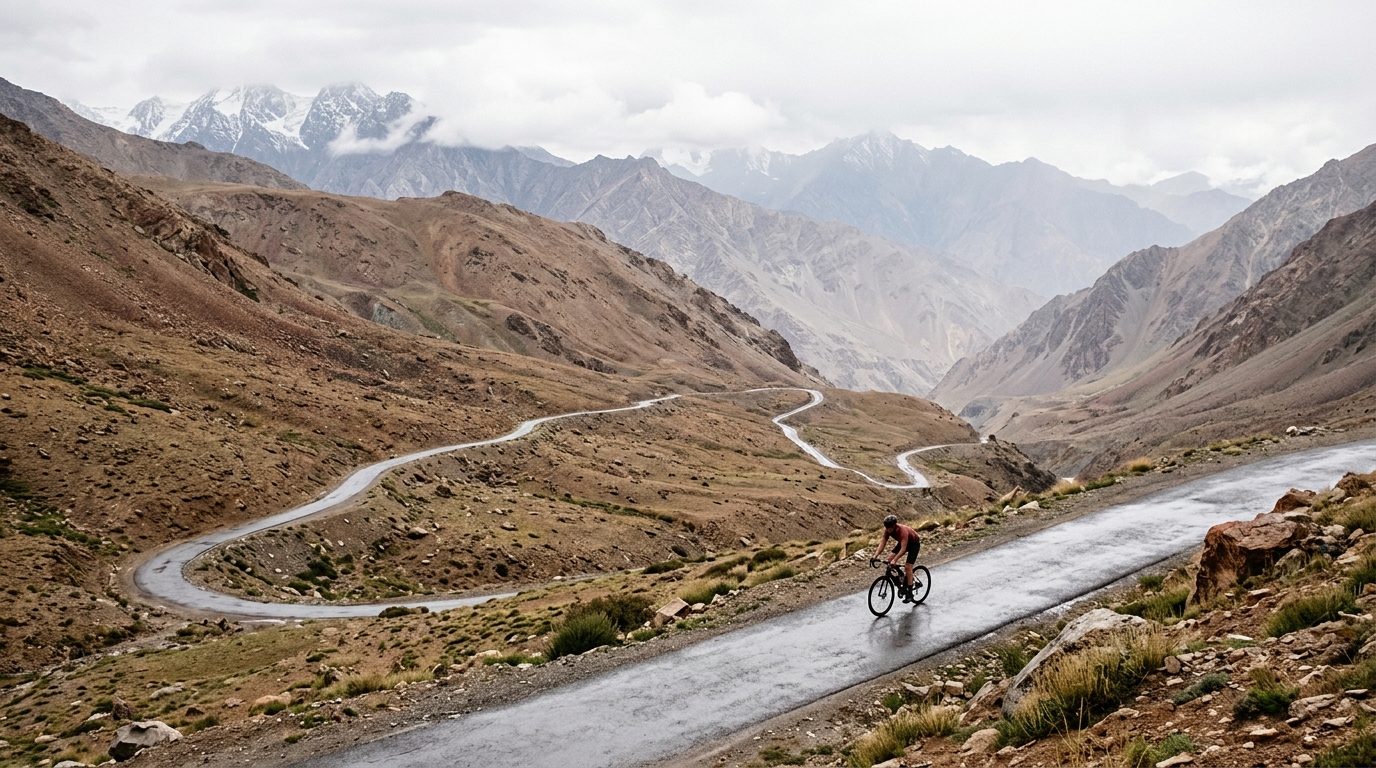 Mana PassCat 3IN · 14.6 km · 3.7% · 492 m200pts
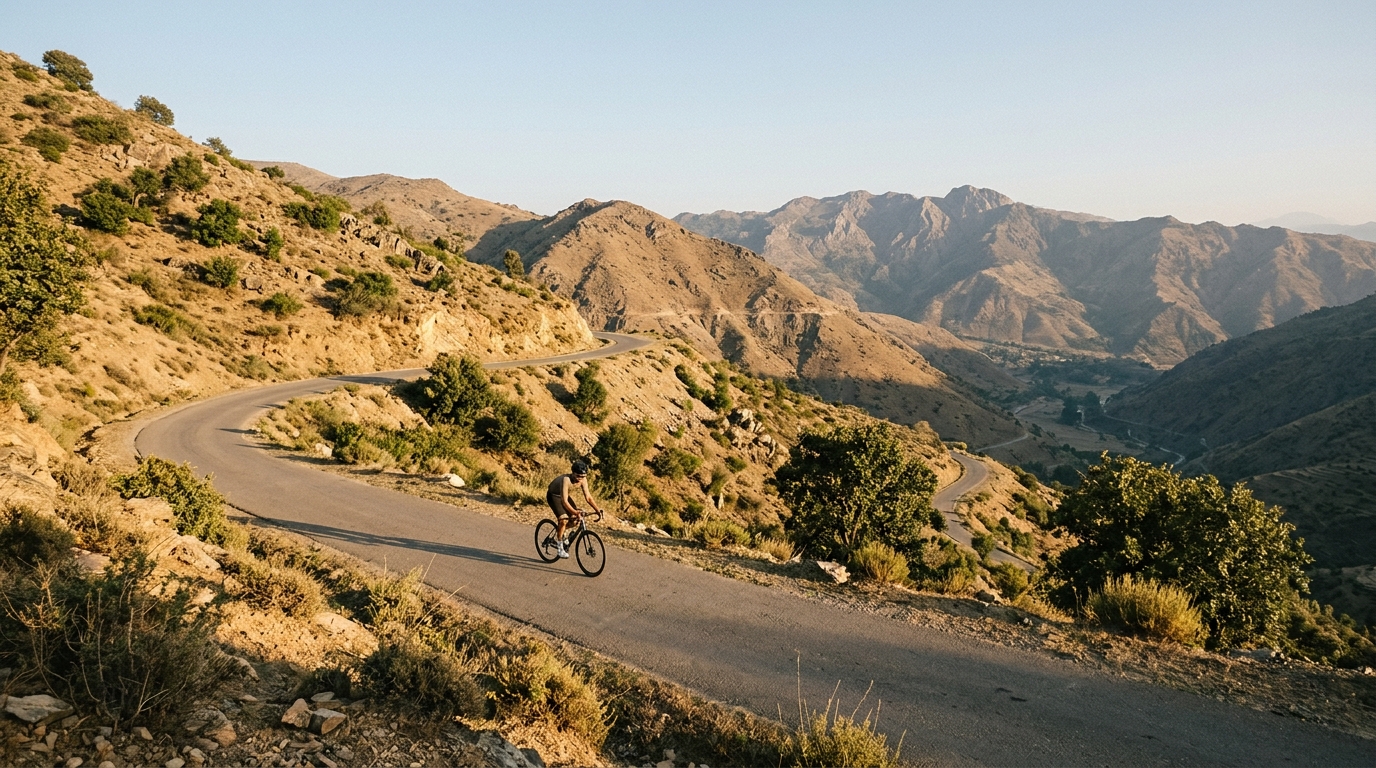 Banihal PassCat 3IN · 2.8 km · 7.3% · 138 m147pts
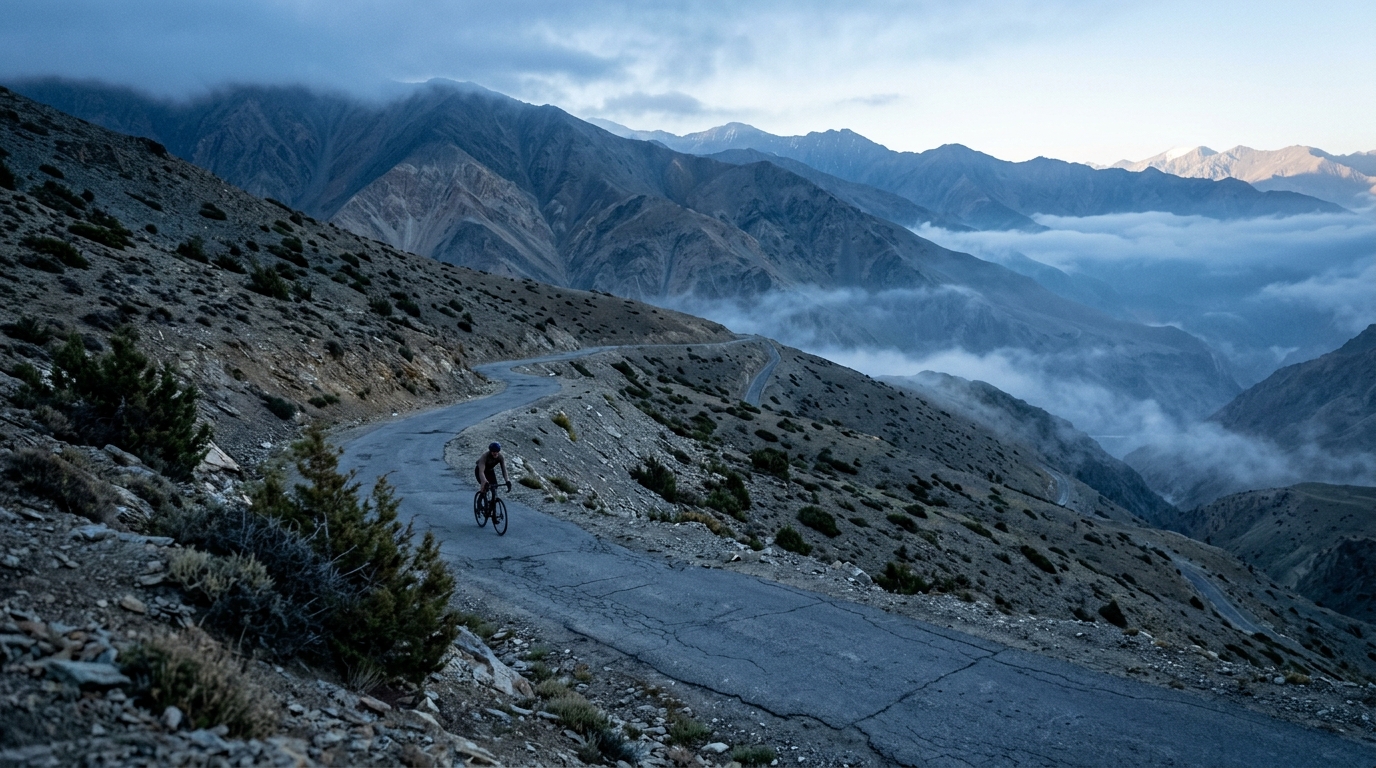 Sia LaCat 3IN · 5.9 km · 4.3% · 201 m107pts
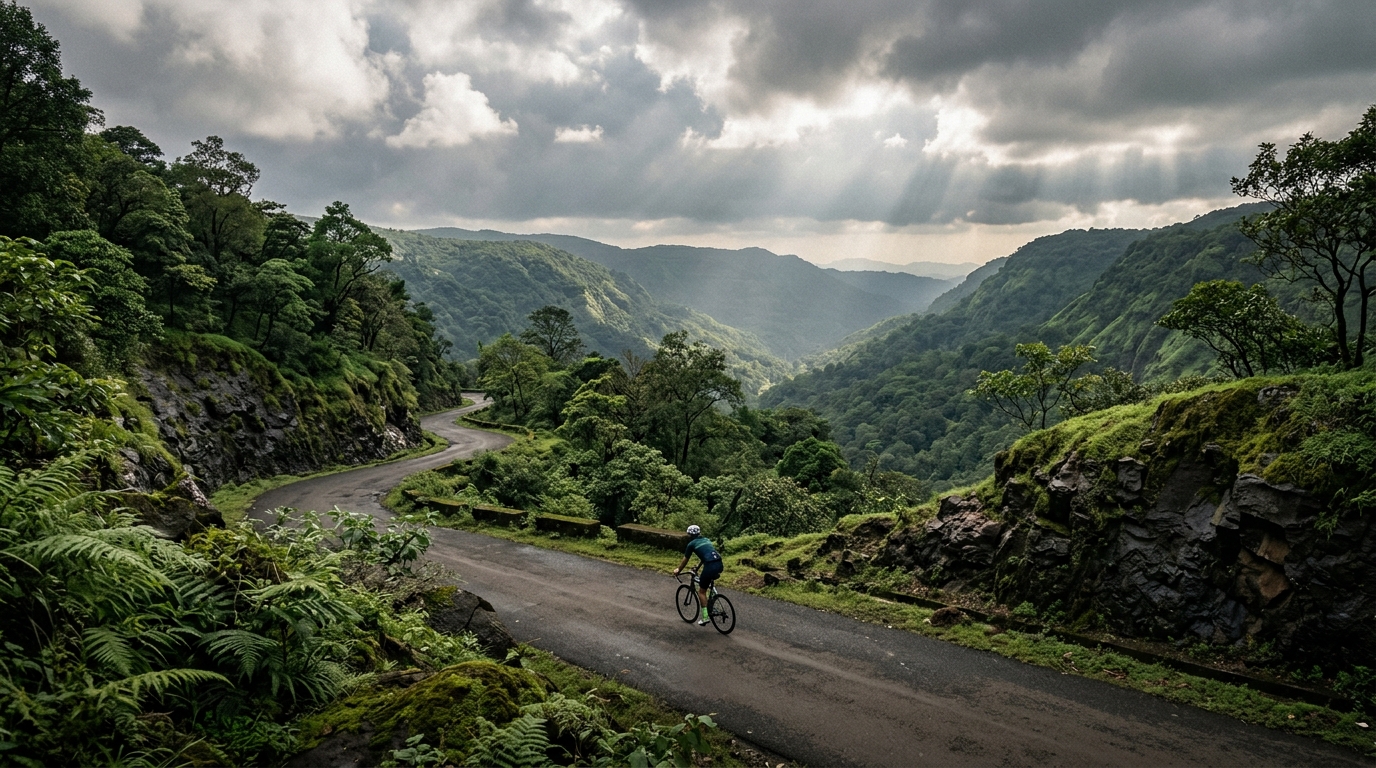 Amboli GhatCat 2IN · 15.6 km · 4.3% · 660 m291pts
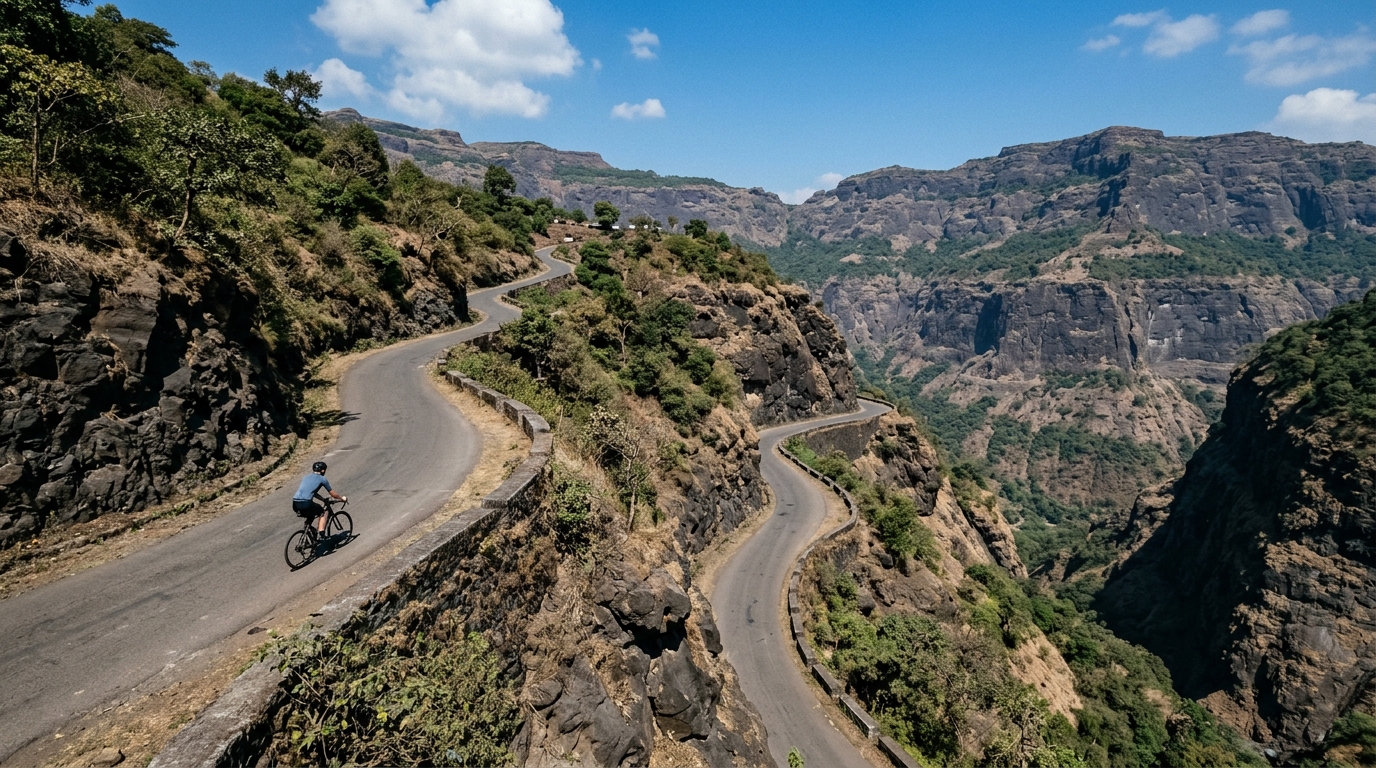 Malshej GhatCat 2IN · 3.6 km · 9.7% · 330 m342pts
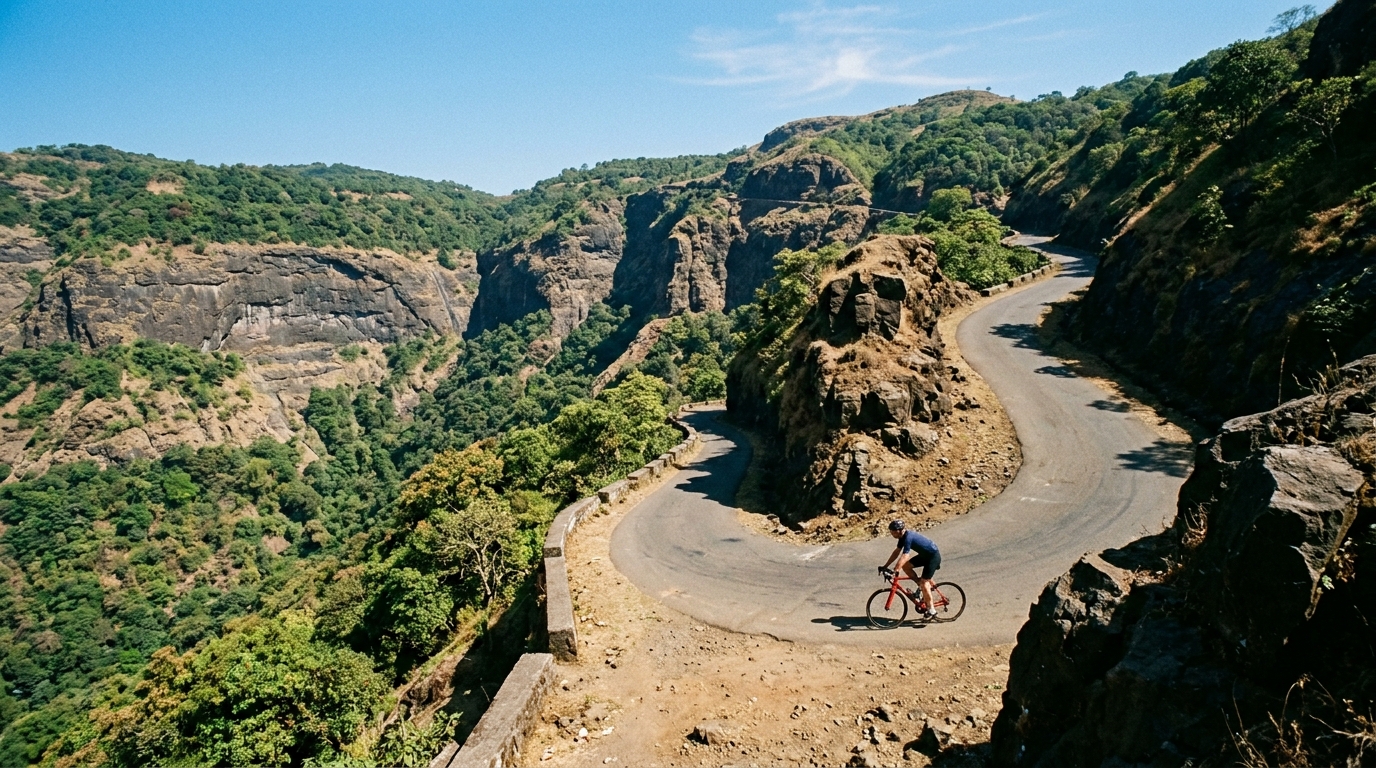 Varandha GhatCat 2IN · 8.1 km · 6.1% · 480 m300pts
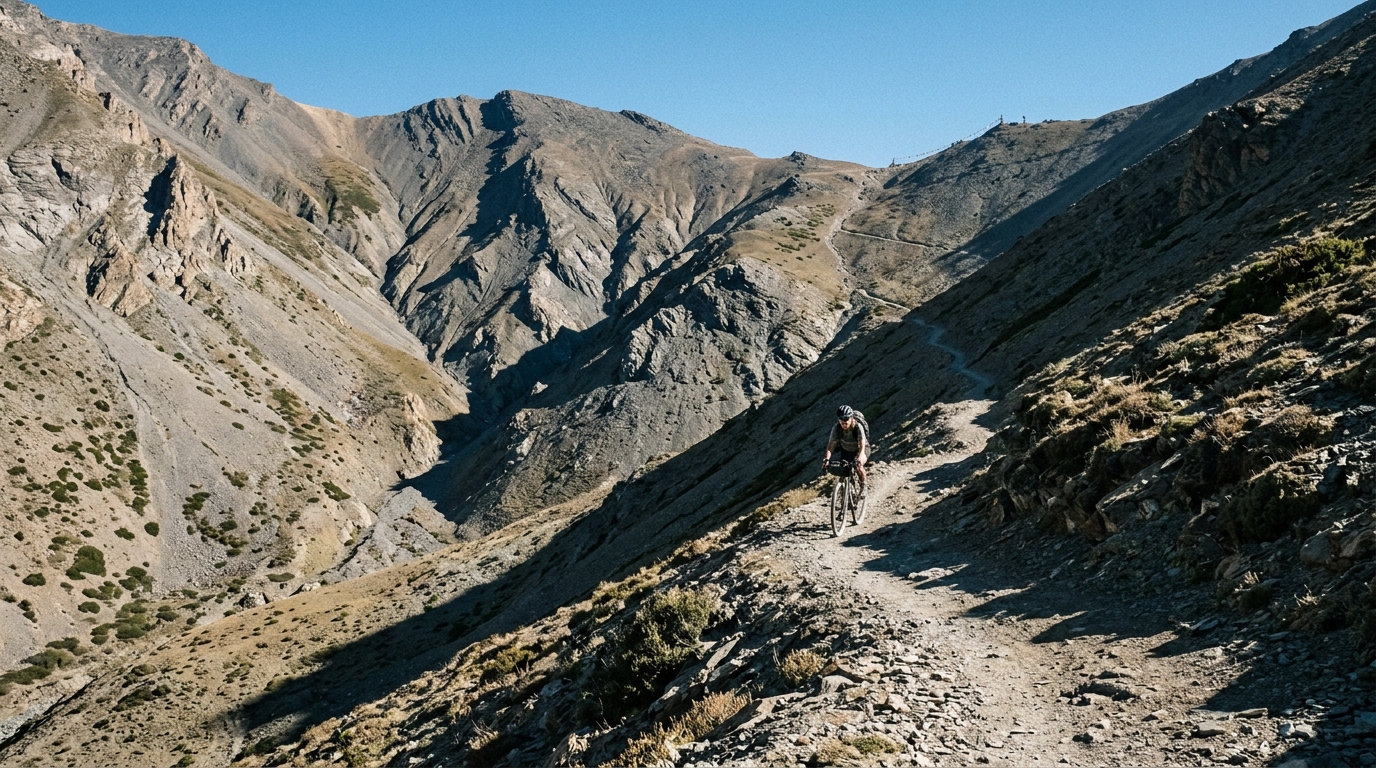 Bhaba PassHCIN · 16.1 km · 11.7% · 1784 m2192pts
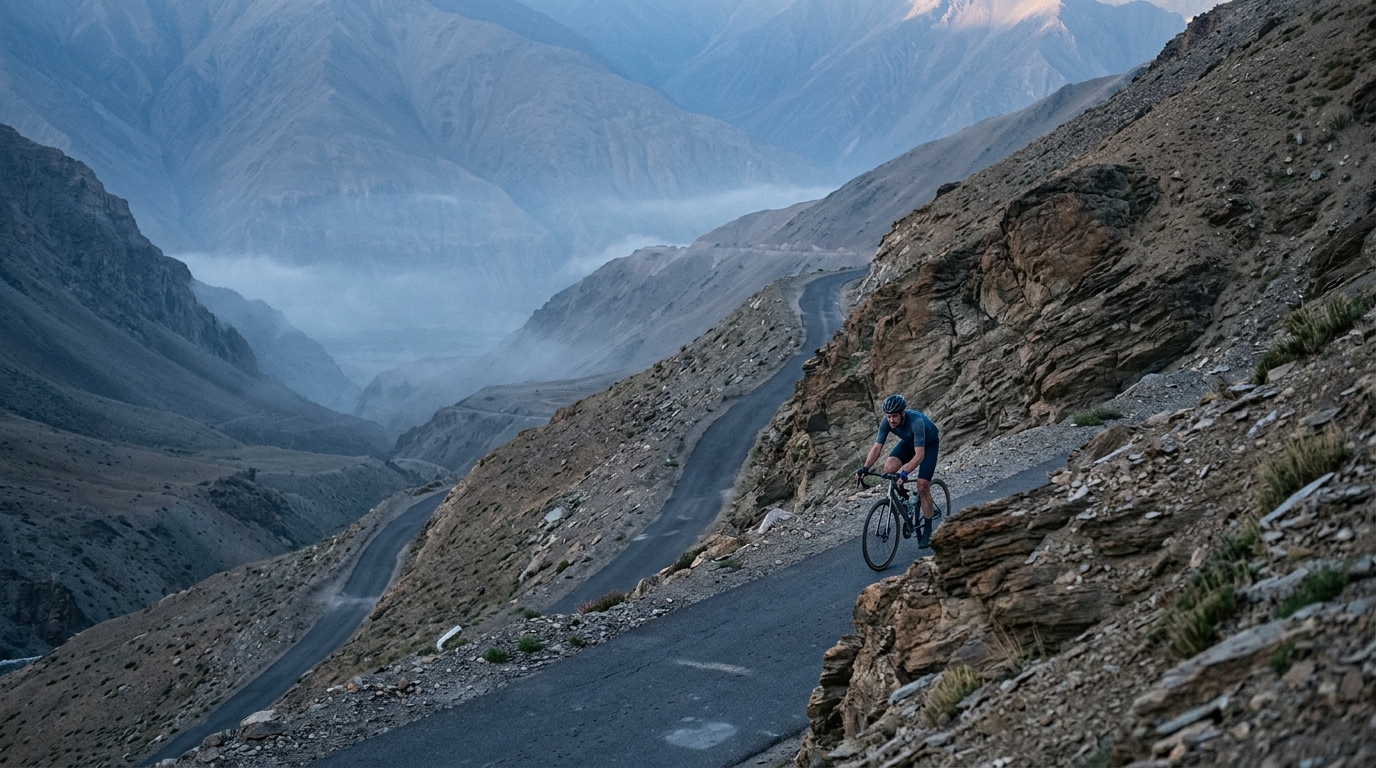 Ganda LaHCIN · 14.2 km · 11.8% · 1605 m1963pts
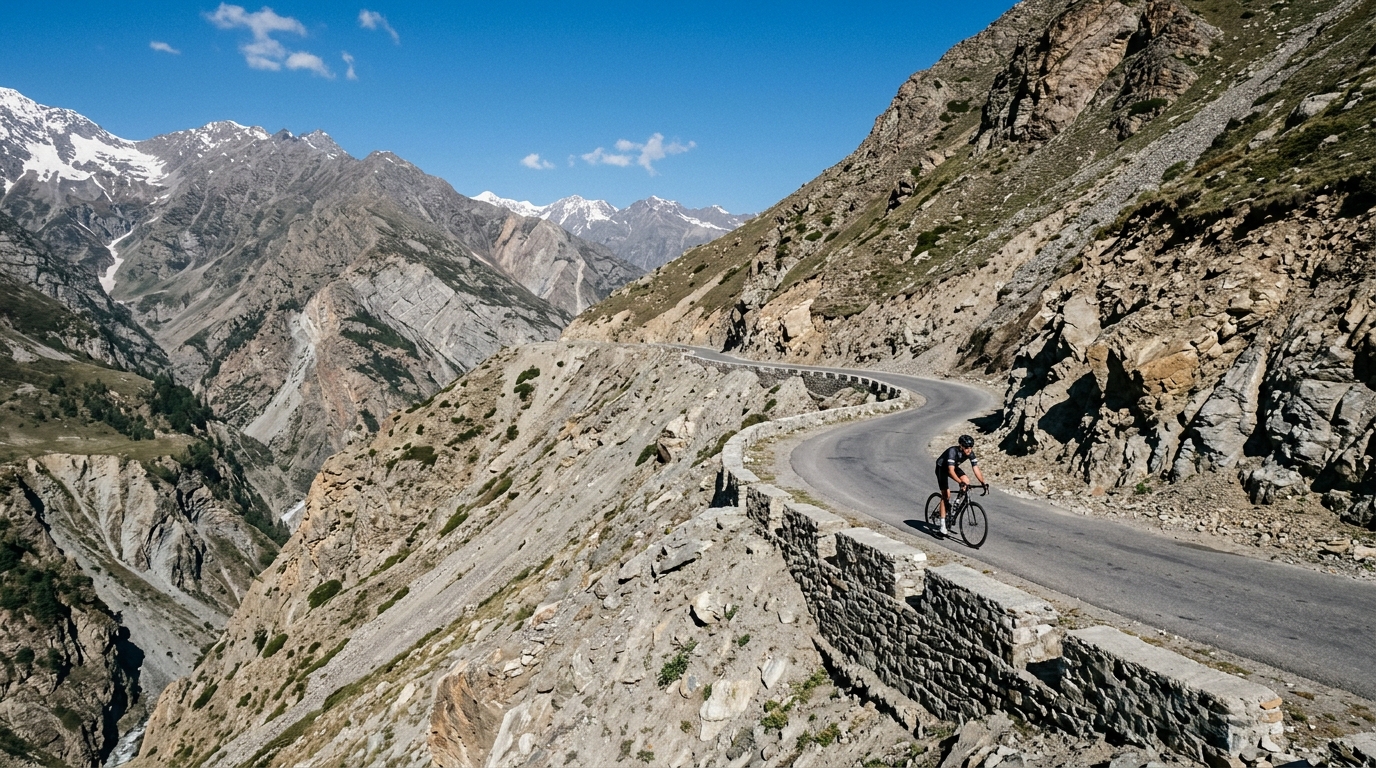 Hamta PassHCIN · 40.5 km · 6.9% · 3129 m1950pts
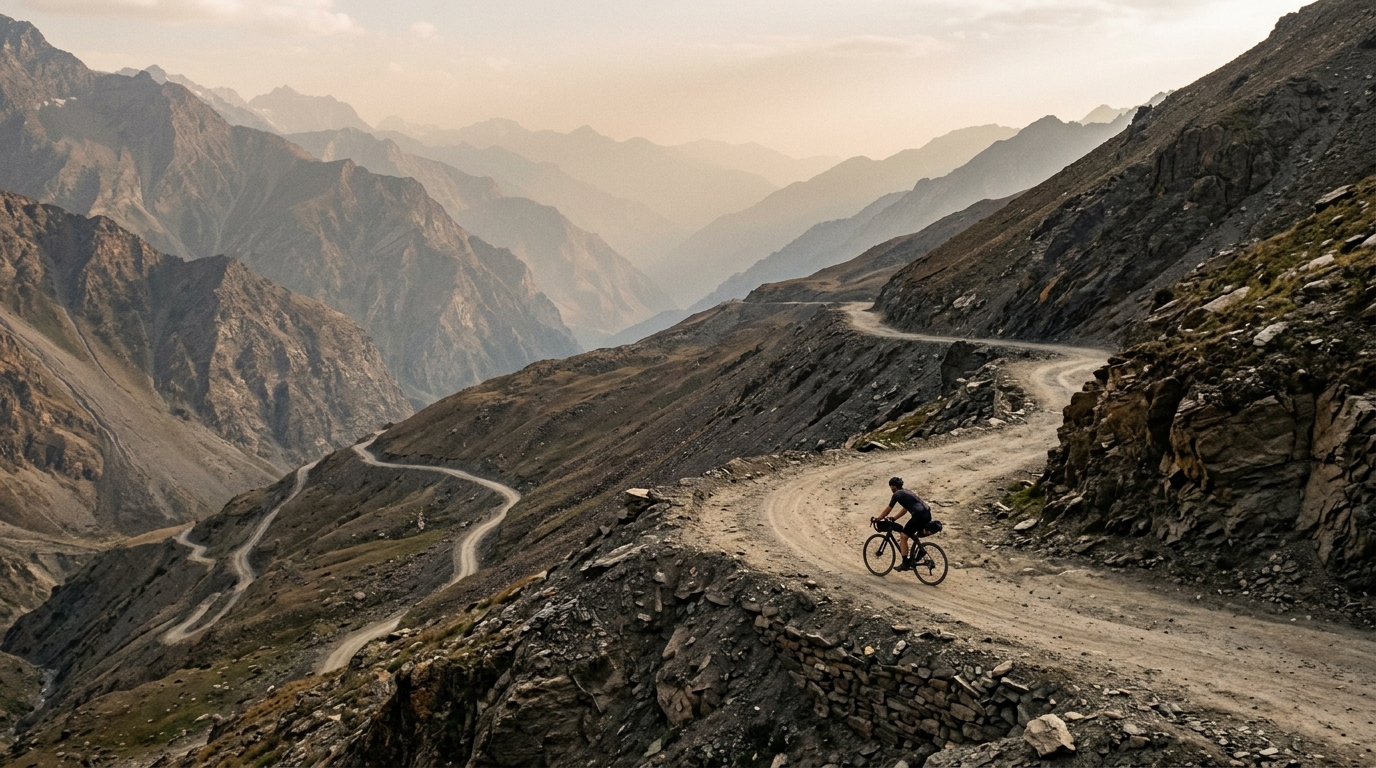 Saach PassHCIN · 45.0 km · 6.5% · 2879 m1902pts
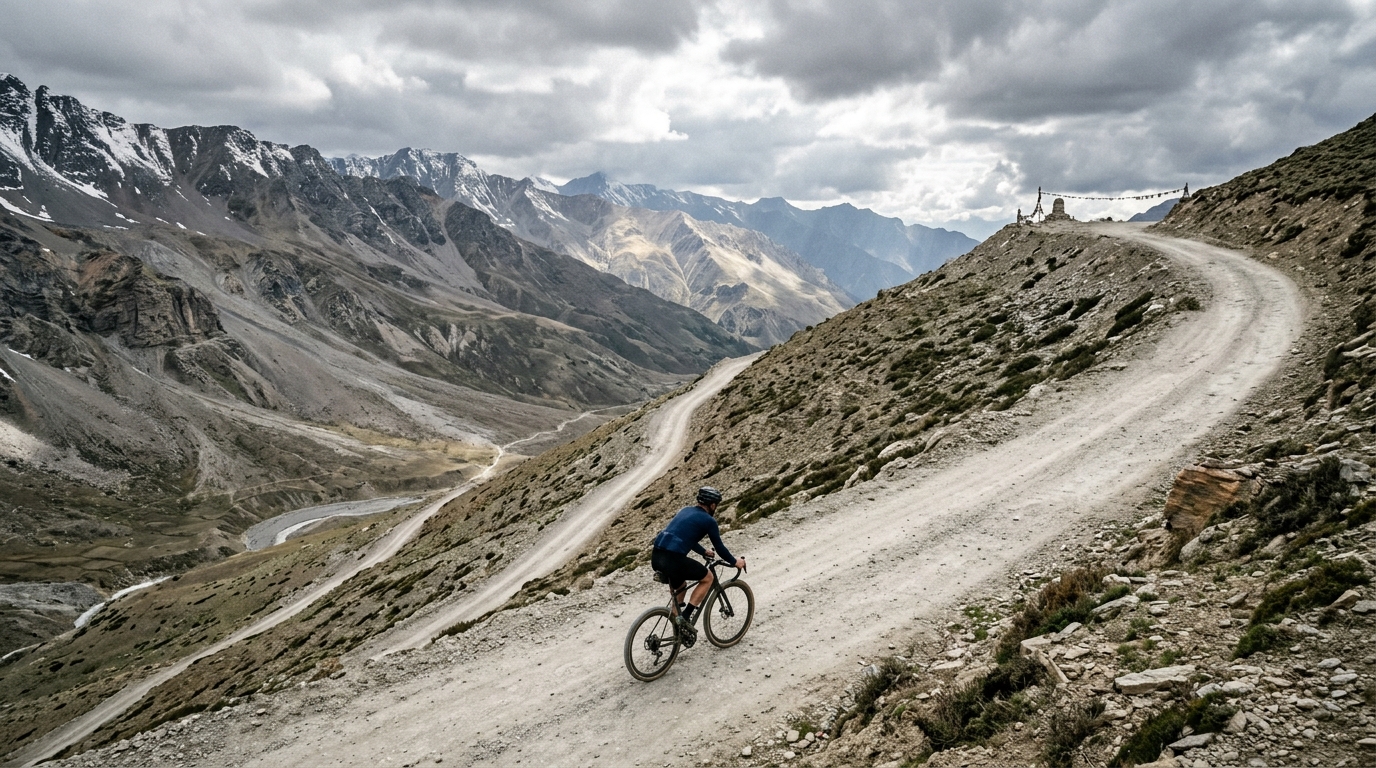 Anta Dhura PassHCIN · 91.1 km · 4.0% · 3848 m1436pts
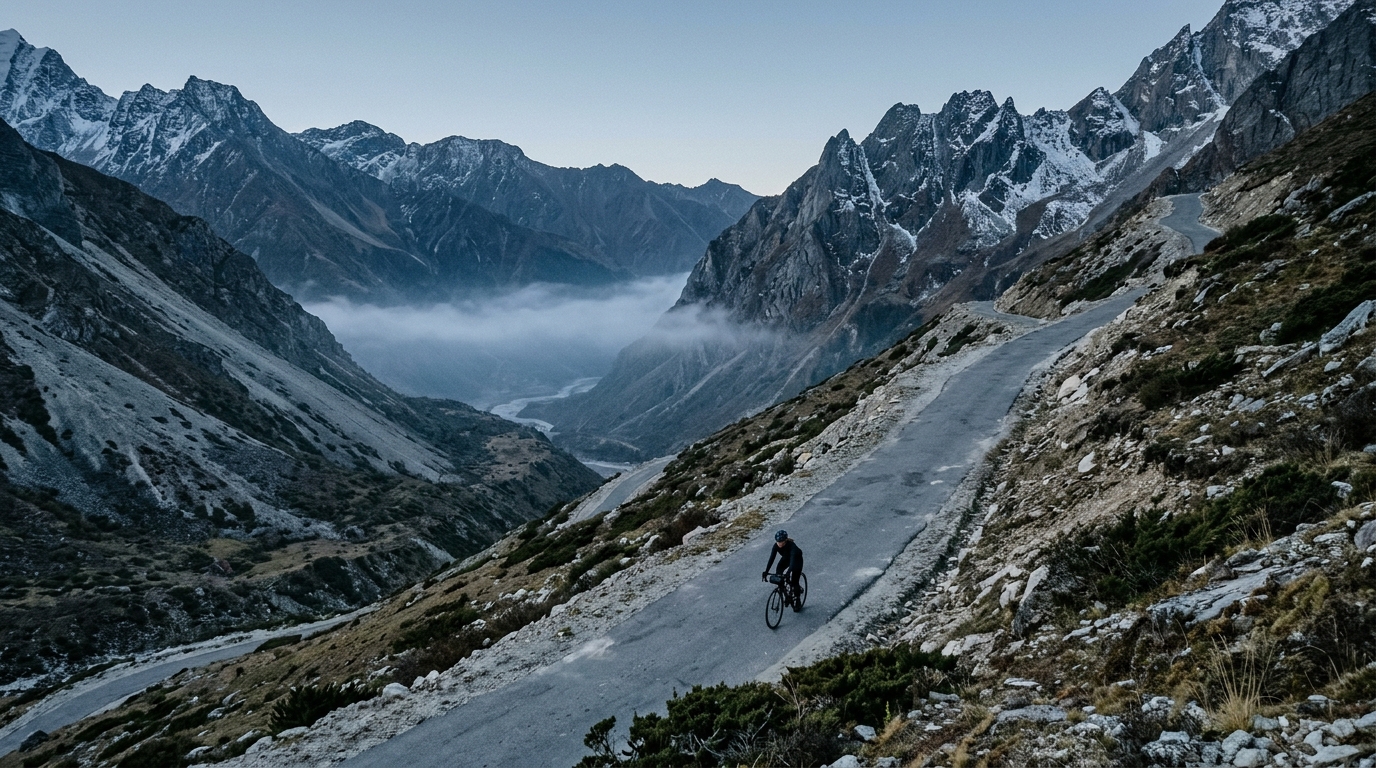 Tulung LaHCIN · 26.3 km · 6.2% · 1613 m1005pts
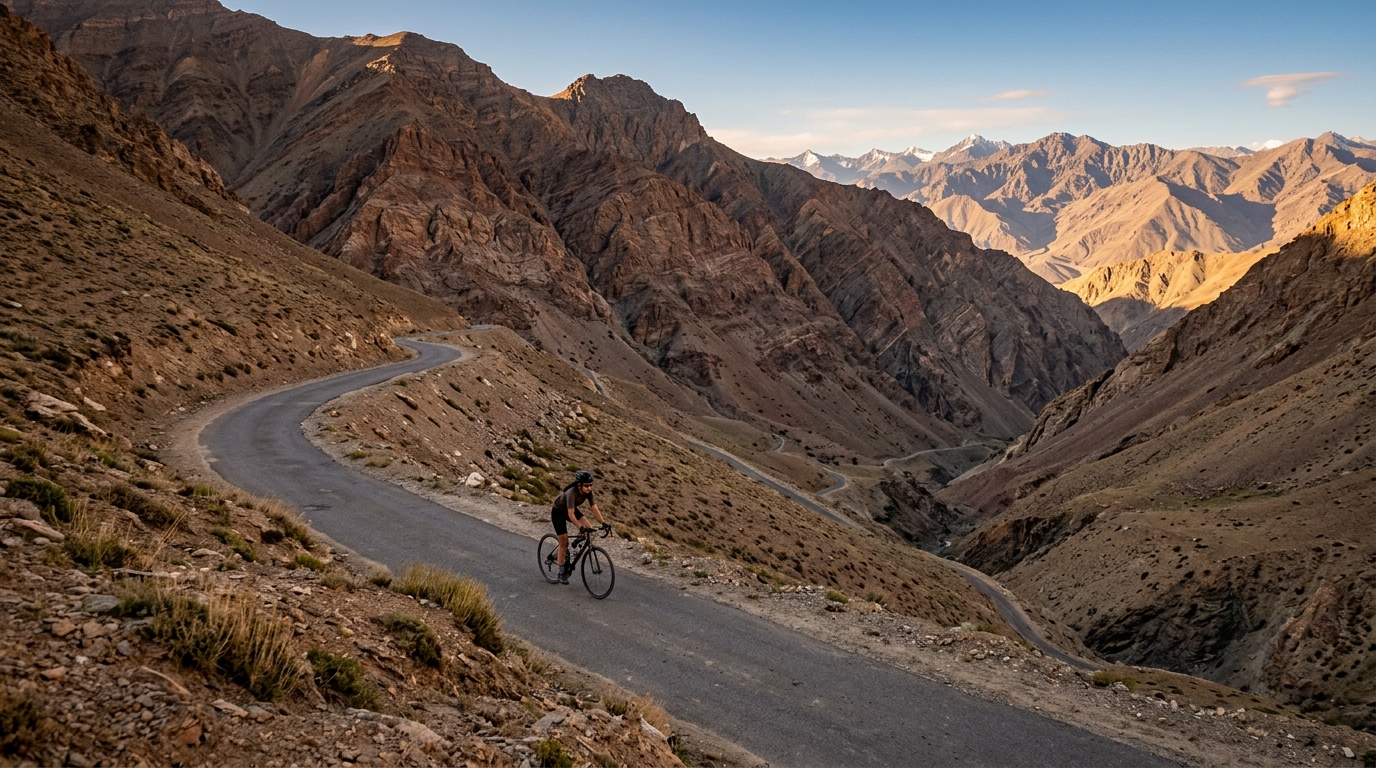 Ze LaHCIN · 21.7 km · 6.8% · 1436 m987pts
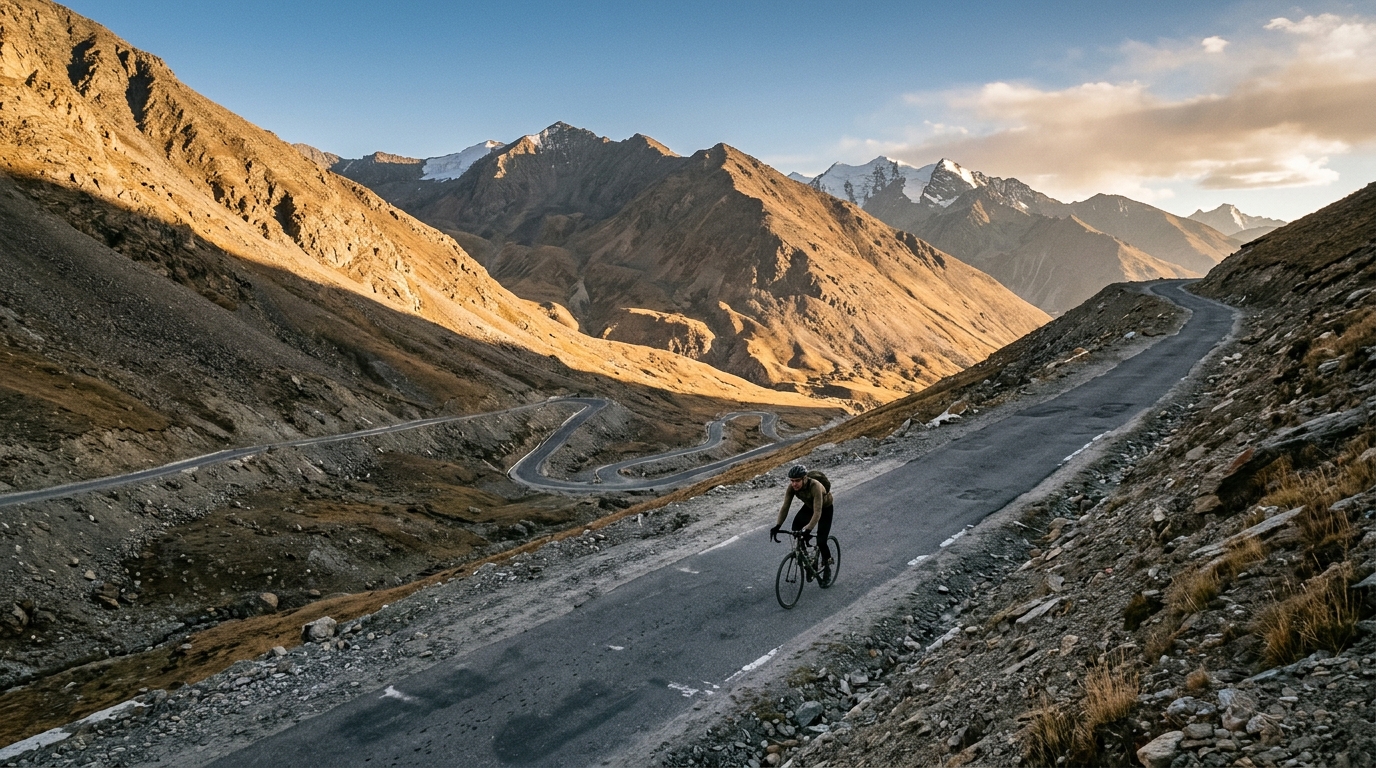 Naku LaHCIN · 16.8 km · 7.5% · 1236 m948pts
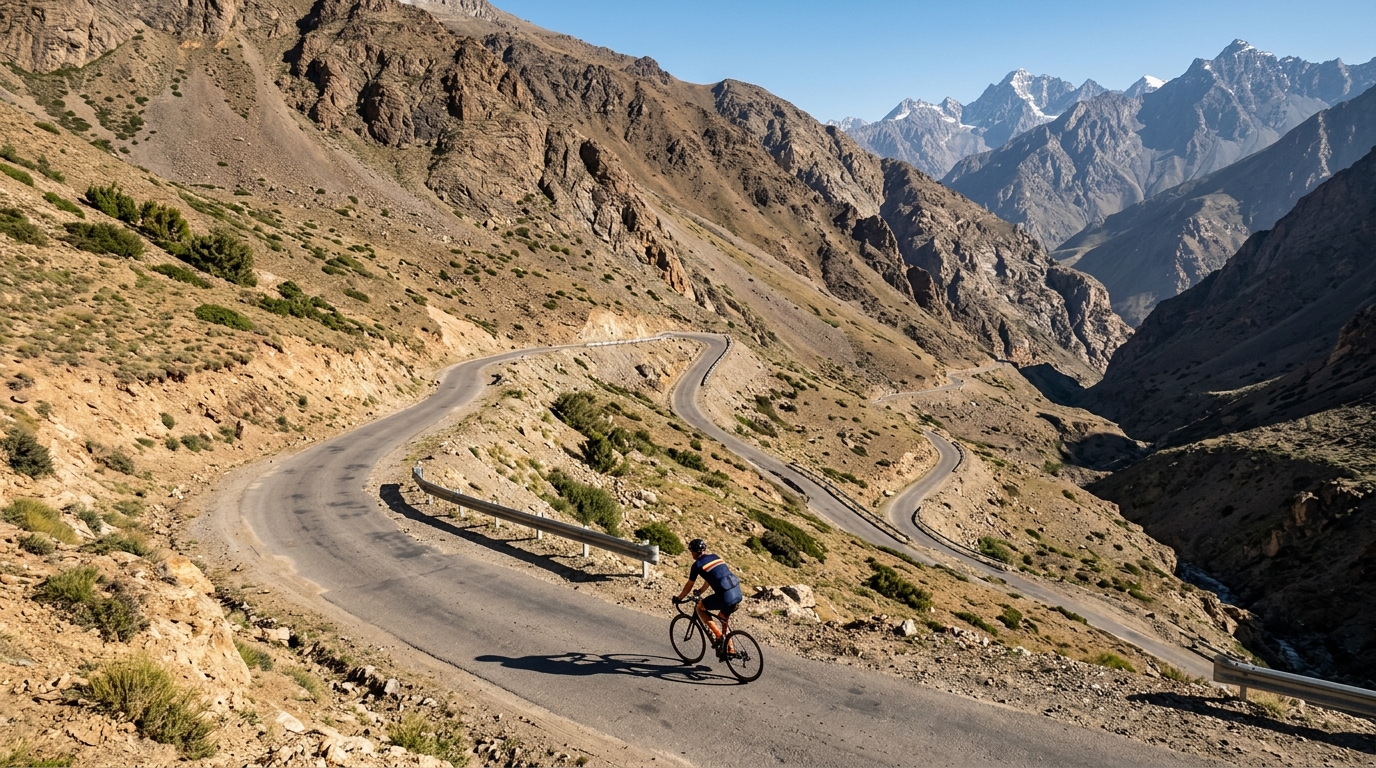 Debsa PassHCIN · 47.9 km · 6.1% · 2849 m1771pts
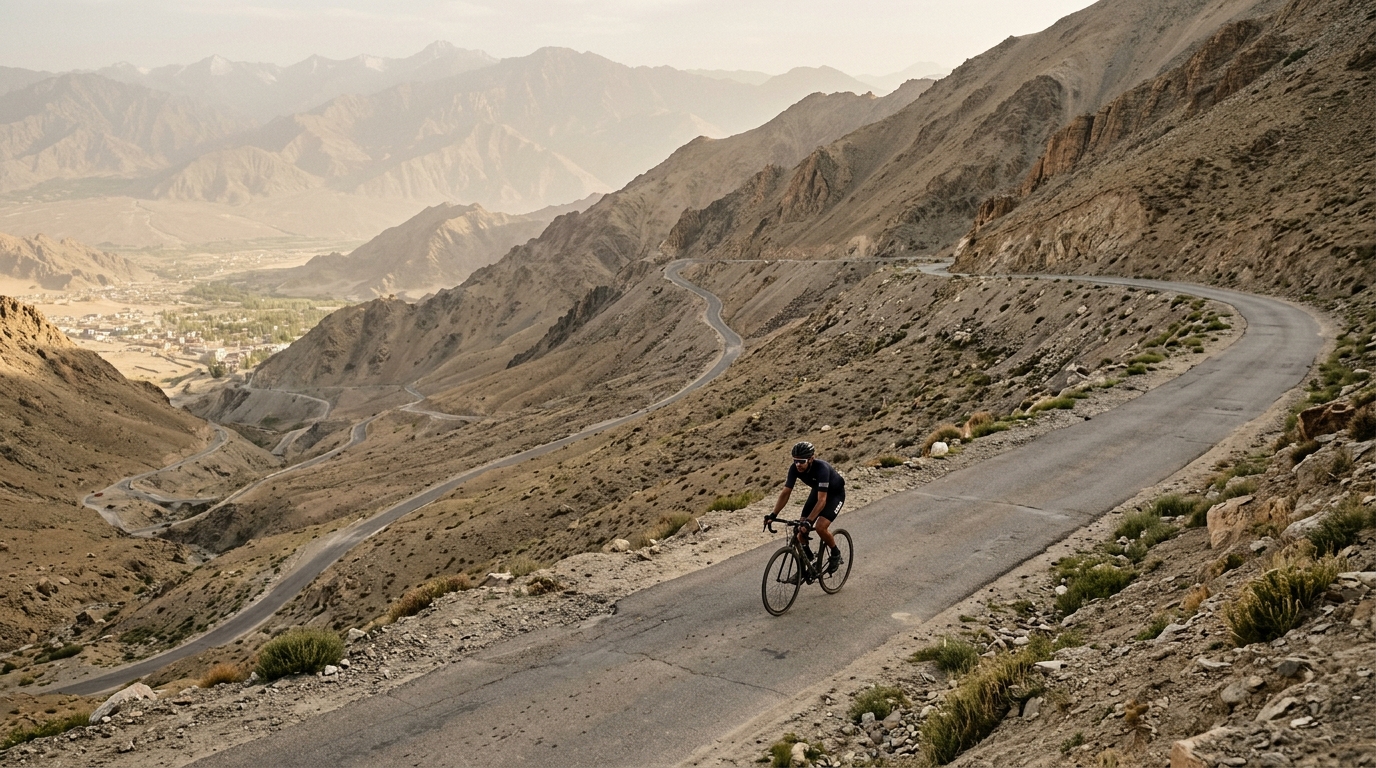 Milakatong LaHCIN · 32.9 km · 6.1% · 2034 m1216pts
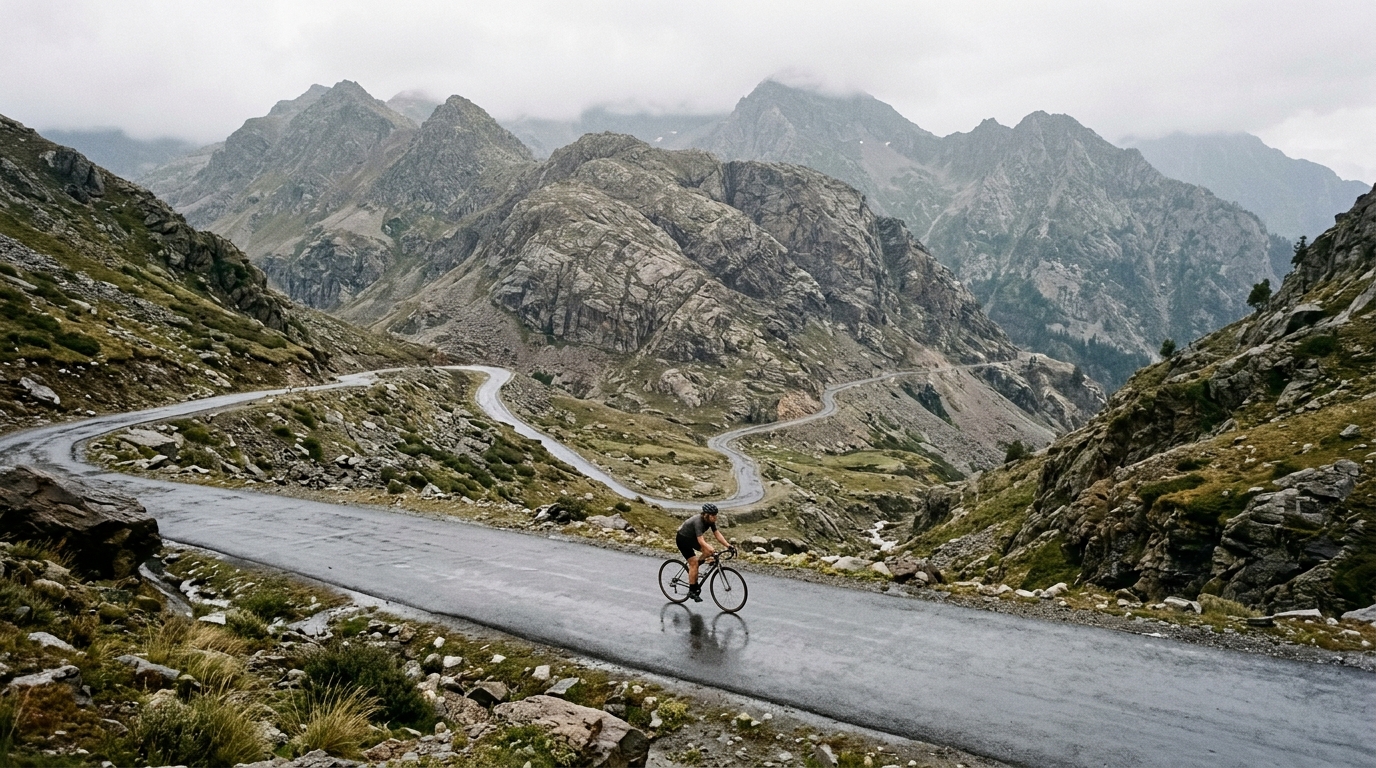 Razdan PassHCIN · 37.3 km · 5.0% · 1842 m933pts
The complete guide to climbing in India
The Riding
Cycling in India is defined by altitude. This is not a place of short, punchy hills but of long, sustained ascents that climb toward the roof of the world. The catalogue here counts six climbs, and their character is unmistakably high-mountain: roads that grind upward for hour after hour, thinning air that saps power with every hundred metres, and summits that sit far above anything most riders will ever have pedalled. The highest catalogued point reaches 5360 m, an elevation where the body works overtime simply to keep turning the pedals.
What makes these ascents so demanding is not gradient alone but the combination of length and thin air. A climb that would feel merely hard at sea level becomes a genuine ordeal above 4000 m, where oxygen is scarce and recovery between efforts is slow. Three of the six catalogued climbs carry the hors categorie label, the marker reserved for ascents that sit beyond ordinary classification. On these, pacing, patience, and acclimatisation matter far more than raw fitness. The rewards are commensurate: vast, austere mountain landscapes and the quiet satisfaction of having cycled through some of the highest terrain accessible to a bicycle.
Standout Climbs
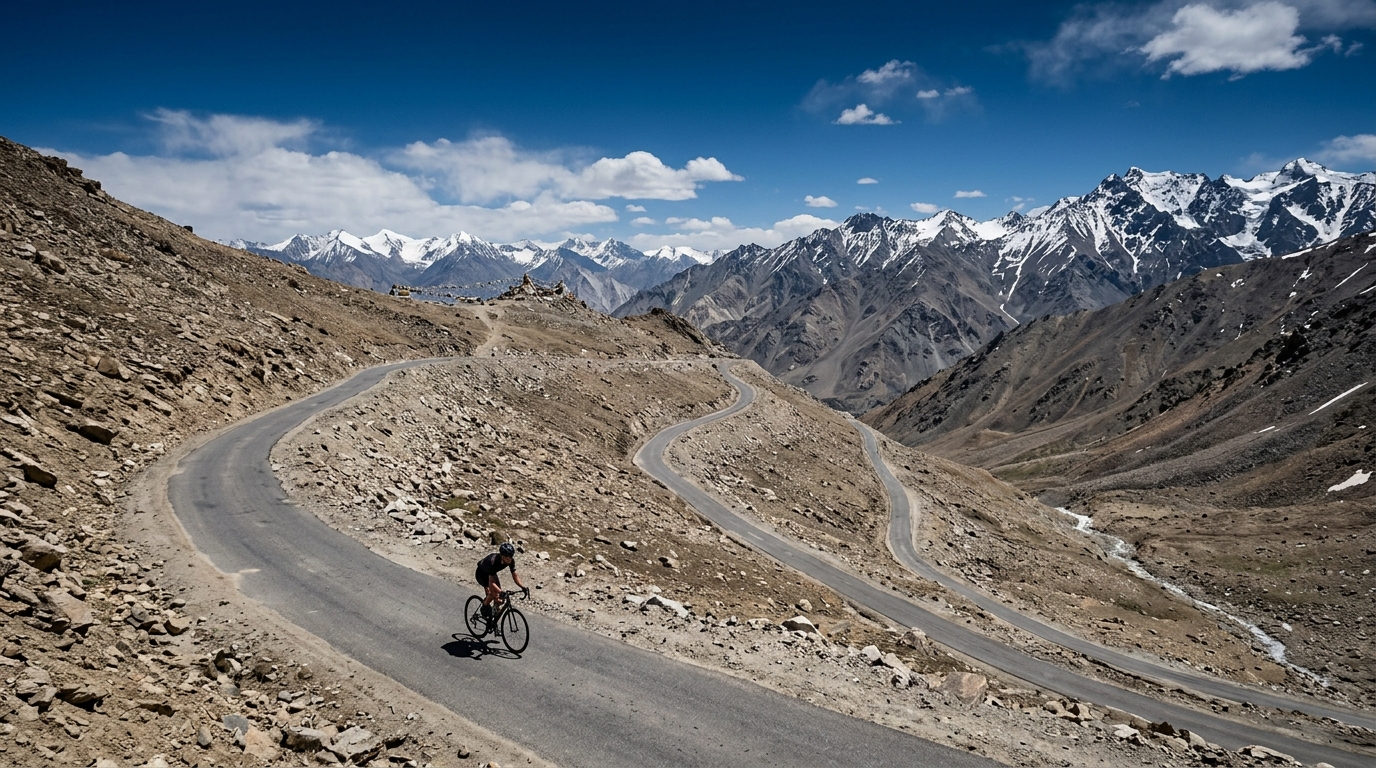
The headline ascent is Khardung La, a name that draws riders from around the world for its sheer elevation. Reaching such heights on a bicycle is a feat of endurance, and the climb rewards a slow, measured effort over any attempt at speed.
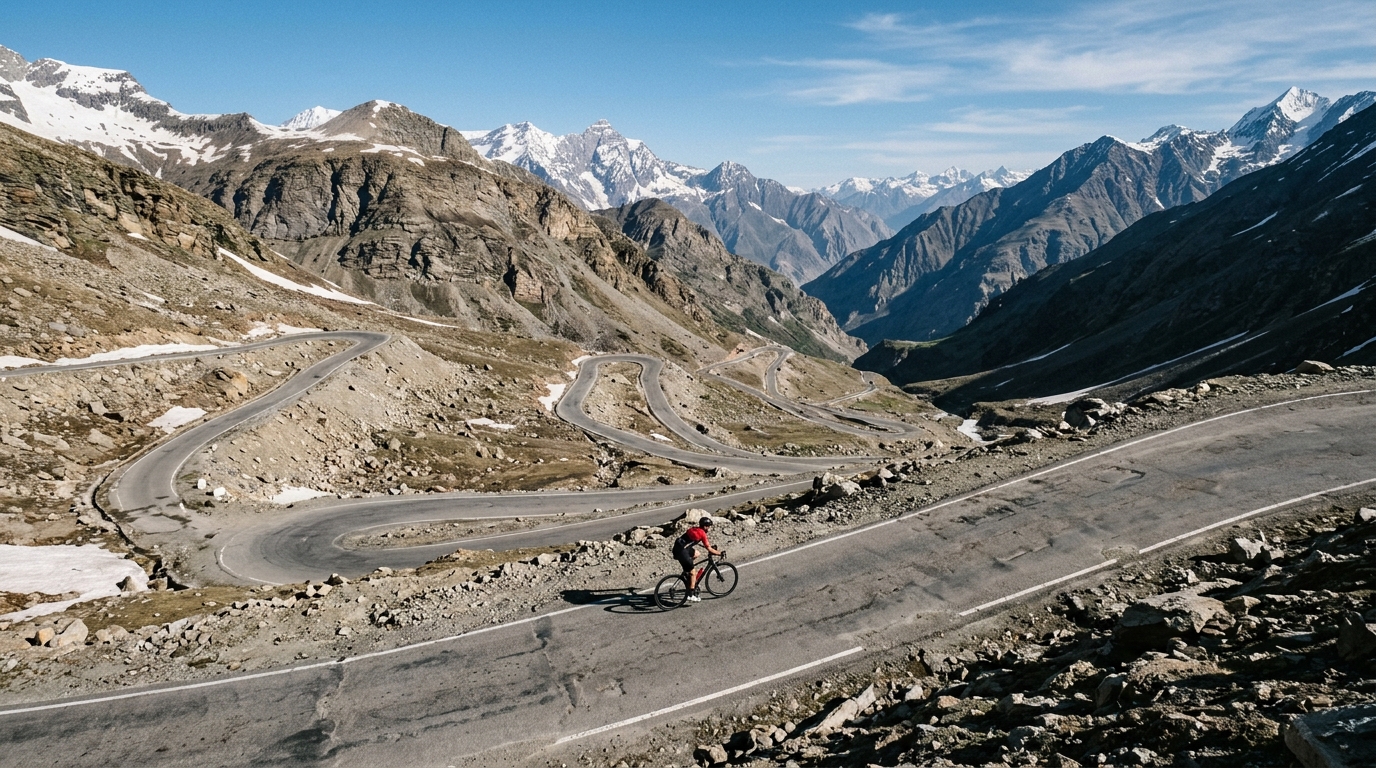
Rohtang Pass is another of India's signature crossings, a long haul that serves as a gateway between valleys and a proving ground for legs and lungs alike. Zojila Pass offers a similarly serious challenge, its road winding upward through dramatic mountain country.
Changla Pass ranks among the highest of the catalogued climbs, an ascent that demands respect for altitude above all else. Shingo La Pass and the remote Karakoram Pass round out the six, each a high crossing that tests a rider's ability to keep moving as the air grows thin. Together these six climbs form the backbone of high-altitude cycling in India, and with three of them classed as hors categorie, there is no shortage of the hardest possible category of ascent.
When to Ride
Timing is everything at these elevations. High mountain passes are only realistically rideable during the warmer months, when the roads are clear and temperatures at altitude are survivable for a cyclist. Outside that window, snow and cold make the highest crossings impractical or impossible.
Because the summits reach beyond 5000 m, weather can shift quickly even in the favourable season. Riders should plan for cold at the top of any climb regardless of how warm the valleys feel, carrying layers for long descents where the chill compounds fatigue. The single most important preparation, however, is acclimatisation. Arriving directly from low elevation and attempting a climb toward 5360 m is a recipe for altitude sickness. Building in days at progressively higher elevations before tackling the hardest ascents is essential, not optional.
Practical Notes
Approach India's climbs as expedition riding rather than casual day trips. The distances are long, the elevations extreme, and support can be sparse on the higher and more remote crossings such as the Karakoram Pass. Carry enough to be self-sufficient: spare clothing, food, water, and the tools to handle mechanical problems far from help.
Gearing deserves particular attention. On sustained ascents at altitude, low gears let you spin at a sustainable cadence rather than grinding yourself into the ground early. Pace conservatively, especially on the three hors categorie climbs, where going into the red at 4000 m or higher can end a day prematurely. Hydration and steady fuelling help counter the way thin air accelerates exhaustion. Above all, listen to your body: headaches, nausea, or dizziness at altitude are warnings that should never be pushed through.
Summary
India offers a compact but formidable catalogue of six cycling climbs, defined by extreme altitude and long, sustained effort. With three hors categorie ascents and a highest catalogued summit of 5360 m, these are among the most serious climbs a cyclist can attempt. Khardung La, Changla Pass, Rohtang Pass, Shingo La Pass, Zojila Pass, and the Karakoram Pass together make up a roster where patience, acclimatisation, and respect for the thin air matter as much as strength. Ride within the warm season, prepare thoroughly, and these high crossings deliver an experience found in few other places on earth.
Looking for full rides in India?
Routes in India